City BuddyCityBuddy
中文
Close-up of a cracked concrete wall showing texture and imperfections.

Kumano, Japan 必做之事

照片由 Marcu Ioachim 在Pexels.com拍摄

最佳旅游时间

NOT BUSYJan7°8d rain
NOT BUSYFeb7°7d rain
MODERATEMar11°7d rain
MODERATEApr16°10d rainBEST
MODERATEMay20°9d rainBEST
BUSYJun23°12d rain
VERY BUSYJul28°10d rain
VERY BUSYAug30°10d rain
BUSYSep26°14d rain
MODERATEOct20°10d rainBEST
MODERATENov15°9d rainBEST
NOT BUSYDec10°8d rain

您何时前往 Kumano, Japan?

选择您的日期和旅行风格,获得:

个性化每日行程
旅行预算计算器
行前清单(签证、eSIM、门票...)

以下哪些对您尤其重要?

请选择所有适用项

Plan language: 中文

Kumano, Japan 最受欢迎的景点

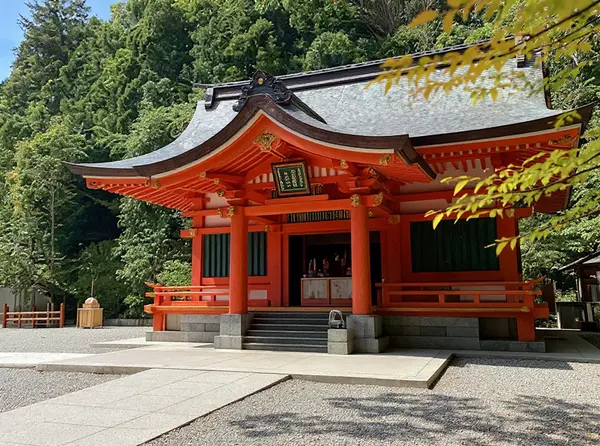
Things to do in Kumano, Japan include trekking the ancient Kumano Kodo Pilgrimage Routes which span over 200 kilometers through sacred mountains. Visit Kumano Nachi Taisha, a grand shrine near the stunning 133-meter Nachi Falls. Seiganto-ji Temple sits nearby, offering tranquil views and spiritual history.

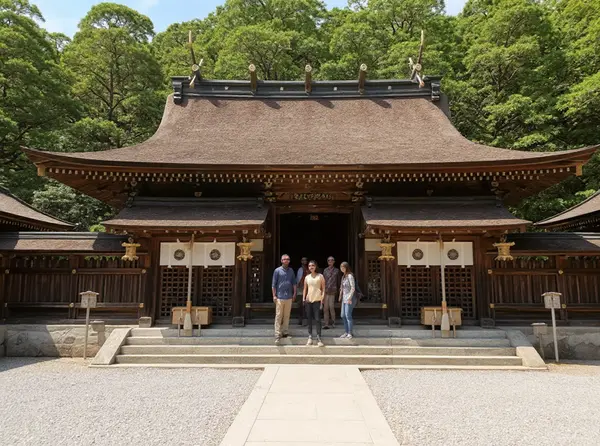
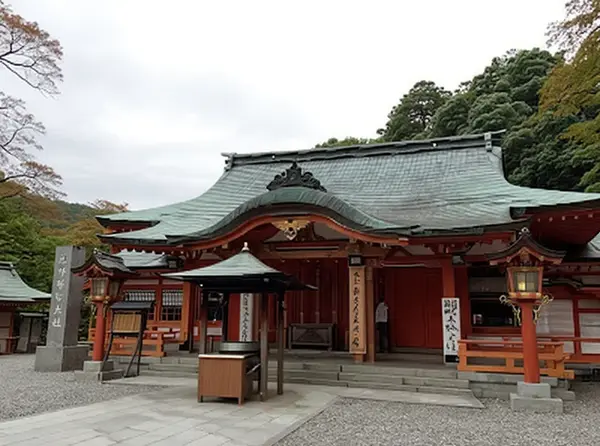
Kumano Nachi Taisha

1. Kumano Nachi Taisha

查看详情、提示、营业时间等
4.5 (7,036)
Shinto Shrine旅游景点宗教场所Association Or Organization兴趣点

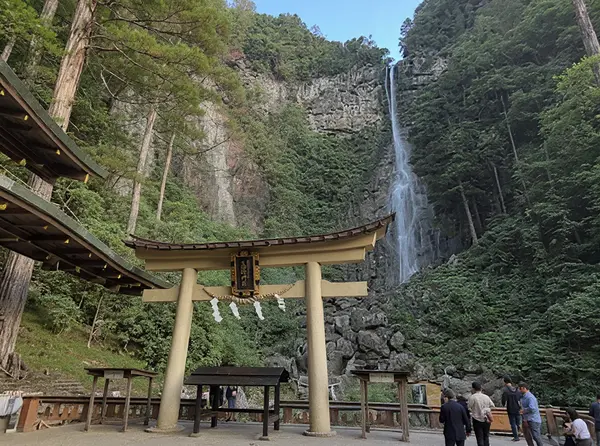
Nature meets spirituality in a dramatic 133-meter waterfall shrine. Experience sacred rituals and pristine forest paths with every step.

快速信息: A giant sacred waterfall named Nachi Falls, standing at 133 meters, majestically flows behind the main shrine, creating a dramatic natural backdrop. This site forms part of the Kumano Kodo pilgrimage route, which has drawn over 1 million pilgrims yearly for centuries.

亮点: Visitors step into a spiritual realm where the roar of the waterfall blends with the ancient cypress trees, believed to be the dwelling of ancestral spirits. Unique rituals include adorning the waterfall with shimenawa ropes, symbolizing purification and divine protection through the seasons.

Nachi Falls

2. Nachi Falls

查看详情、提示、营业时间等
4.6 (11,013)
Scenic Spot旅游景点兴趣点机构

Towering at 133 meters, a powerful cascade of water awaits. Experience a sacred ritual and tranquil forest views that refresh your spirit.

快速信息: The waterfall drops 133 meters making it one of Japan’s tallest single-drop waterfalls. It attracts nearly 1.2 million visitors annually who come to admire its uninterrupted cascade and misty spray.

亮点: Spraying water from the falls is believed to bring good fortune and health, inspiring a unique ritual where visitors catch droplets on leaves to sprinkle on themselves. In autumn, the surrounding forest bursts into fiery red and gold hues, framing the waterfall in breathtaking seasonal color.

Kumano Kodo Pilgrimage Routes

3. Kumano Kodo Pilgrimage Routes

查看详情、提示、营业时间等
4.8 (8)
徒步区体育活动场所兴趣点机构

Trace footsteps of centuries-old pilgrims through serene forests. Experience tranquil mountain paths and sacred traditions first-hand.

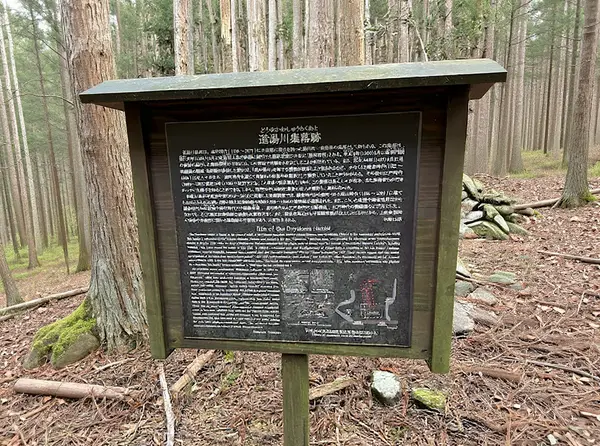
快速信息: Ancient paths cross through dense cedar forests and connect three major shrines across 100 kilometers of rugged terrain. Pilgrims have walked these routes for over 1,000 years, tracing footsteps of emperors and monks alike.

亮点: Walking along moss-covered stone steps, travelers can hear the distant ringing of a bell from Kumano Hayatama Taisha shrine, a ritual believed to cleanse the soul. A secretive mountain herb, "kumano-cha," grows only here and locals brew it into a calming tea cherished by pilgrims.

Seiganto-ji Temple

4. Seiganto-ji Temple

查看详情、提示、营业时间等
4.5 (1,380)
Buddhist Temple旅游景点宗教场所Association Or Organization兴趣点

Experience a unique blend of vibrant architecture and nature’s power. Walk beneath cascading water and soak in ancient spiritual vibes.

快速信息: Seiganto-ji is part of a sacred pilgrimage route with roots extending over 1,200 years. Visitors often pass through a waterfall nearby, believed to purify the body and spirit before entering the temple.

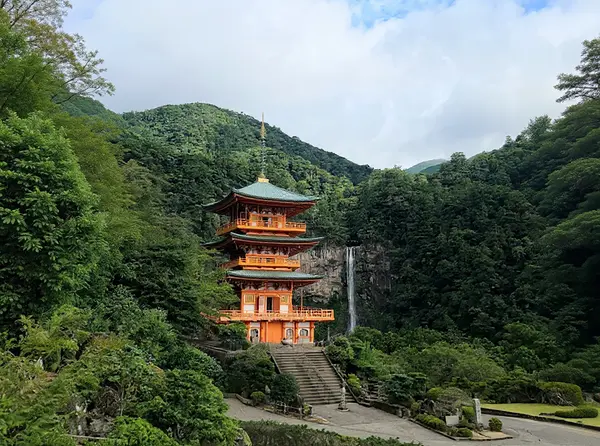
亮点: The temple's vibrant red pagoda stands just 15 meters from a dramatic waterfall, an unusual combination that creates a magical misty atmosphere. Legend says the waterfall was revealed by a monk striking a rock with his staff, adding a mystical aura to the site.

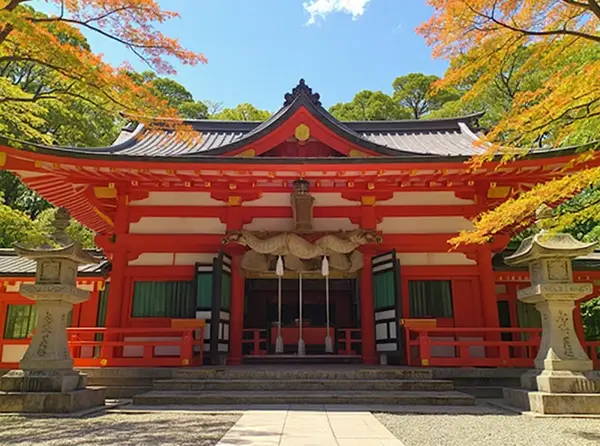
Hongu Taisha Shrine

5. Hongu Taisha Shrine

查看详情、提示、营业时间等
4.6 (8,548)
Shinto Shrine宗教场所兴趣点Association Or Organization机构

Experience a sacred pilgrimage site with deep spiritual vibes. Walk under ancient cedars and witness unique fire-walking rituals.

快速信息: The shrine is part of a network of Kumano Sanzan with three major shrines attracting over 2 million pilgrims annually. Visitors can find ancient cedar trees over 800 years old lining the approach road, creating a majestic natural tunnel.

亮点: A mysterious ritual is performed every 60 years where priests walk 30 kilometers barefoot over fire to renew the shrine's spiritual power. The shrine's thatched roof, one of Japan's largest, covers an area measuring 39 by 11 meters, creating a stunning architectural silhouette against the forest backdrop.

Kumano Hayatama Taisha

6. Kumano Hayatama Taisha

查看详情、提示、营业时间等
4.4 (6,769)
Shinto Shrine旅游景点宗教场所Association Or Organization兴趣点

Step into a spiritual sanctuary surrounded by ancient cedar trees. Experience captivating rituals where tradition meets nature.

快速信息: Imagine walking under a grand cedar tree that is over 800 years old standing at the shrine’s entrance. The shrine houses a precious artifact: the sacred mirror representing the spirit of the sun goddess Amaterasu, a key figure in Japanese mythology.

亮点: A sacred ritual called the "Fire Festival" lights up the shrine every summer with torchlight processions attracting over 30,000 people. The shrine’s architecture blends harmoniously with the ancient forest surrounding it, creating a serene atmosphere that feels like stepping back in time.

Kumano Nachi Taisha Treasure Hall

7. Kumano Nachi Taisha Treasure Hall

查看详情、提示、营业时间等
4.3 (94)
博物馆旅游景点兴趣点机构

Explore centuries-old sacred artifacts and serene chants. Feel the calm spirit through ancient statues and scrolls.

快速信息: The Treasure Hall houses over 100 religious artifacts including ancient sutras and statues dating back to the 10th century. Visitors can see scrolls and reliquaries that have been carefully preserved through centuries of pilgrimages.

亮点: Among the exhibits, a 14th-century statue of a deity carved from camphor wood stands out with intricate details on its robes. A quiet room allows visitors to experience traditional Buddhist chanting through ambient audio, creating an immersive spiritual atmosphere.

Additional popular things to do in Kumano, Japan

Curated tours, tickets, and activities recommended by travelers

Frequently Asked Questions about Kumano, Japan

Is Kumano, Japan safe for travelers?
Kumano is generally very safe for travelers, with low crime rates and a welcoming local community. Visitors often report a peaceful experience. Safe practices include hiking the Kumano Kodo trails during daylight and using licensed transportation services.
How many days should I spend in Kumano, Japan?
A recommended stay in Kumano is 3 to 4 days. This allows time to explore key sites like Kumano Nachi Taisha, Kumano Hongu Taisha, and the ancient Kumano Kodo pilgrimage routes leisurely without rushing.
What is the best time to visit Kumano, Japan?
The best time to visit Kumano is between spring (March to May) and autumn (September to November). These seasons offer mild weather and beautiful natural scenes such as cherry blossoms in spring and colorful foliage in autumn.
Is Kumano, Japan expensive for tourists?
Kumano is moderately priced compared to major Japanese cities. Accommodation can range from $50 to $150 per night. Local meals typically cost between $8 and $25. Transportation costs for buses and taxis are affordable, especially for shared or group travel.
How do I get around Kumano, Japan?
Public buses connect major points in Kumano but are limited in frequency. Renting a car or using taxis provides more flexibility for visiting remote shrines and trails. Walking is popular on the Kumano Kodo pilgrimage routes, with well-marked paths and rest stops.

传统甜点

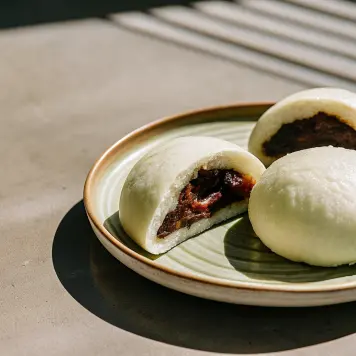
Kumano Manju

Kumano Manju

Kumano Manju is a steamed bun filled with sweet red bean paste, traditionally enjoyed during festivals and pilgrimages in the Kumano region. Its fluffy texture and rich flavor make it a beloved local treat.
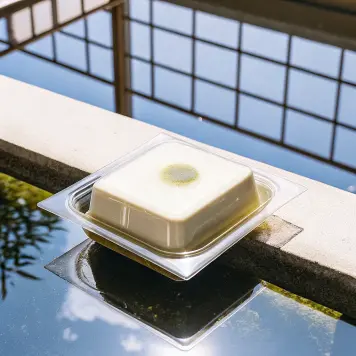
Uiro

Uiro

Uiro is a jelly-like sweet made from rice flour and sugar, often flavored with subtle regional ingredients like yuzu or matcha. It is admired for its smooth, chewy texture and delicate sweetness.
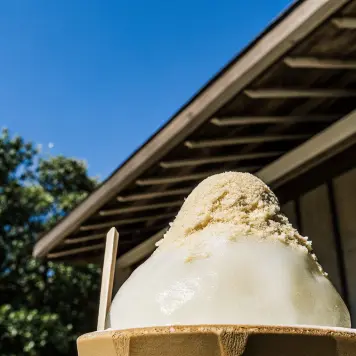
Kuzumochi

Kuzumochi

Kuzumochi is a refreshing dessert made from kudzu starch, served chilled with kinako (roasted soybean flour) and kuromitsu syrup. It is a traditional sweet that offers a cool relief in Kumano's warmer months.

传统咸味菜肴
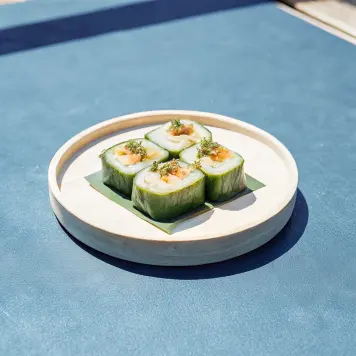
Mehari-zushi

Mehari-zushi

Mehari-zushi is a traditional Kumano sushi wrapped in pickled mustard leaves, known for its tangy and savory flavor profile. This dish originated as a portable meal for workers and pilgrims, embodying the local culinary tradition.

Kumano Saba-zushi

Kumano Saba-zushi

Kumano Saba-zushi features vinegared mackerel atop sushi rice wrapped in kelp, reflecting the region's rich fishing culture. It is praised for its umami-packed taste and was historically made for long journeys.
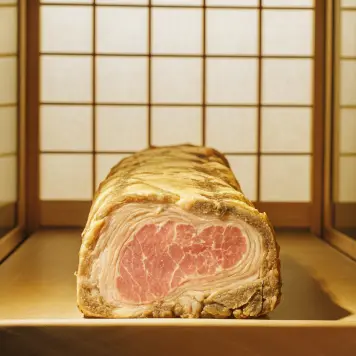
Yamato Beef

Yamato Beef

Yamato Beef from the Kumano area is celebrated for its tenderness and rich marbling, often grilled or prepared in sukiyaki style. This premium beef highlights the excellence of Kumano's livestock farming.

传统饮品

Kumano Umeshu

Kumano Umeshu

Kumano Umeshu is a sweet plum wine made with locally harvested ume plums, offering a perfect balance of tartness and sweetness. It is a traditional drink enjoyed for its refreshing taste and digestive benefits.

Kumano Sake

Kumano Sake

Kumano Sake is brewed using pristine water from the Kumano mountains, renowned for its clean and crisp flavor profile. This sake represents the region's dedication to high-quality rice wine production.

Sansho Tea

Sansho Tea

Sansho Tea is made from the aromatic pepper leaves native to Kumano, prized for its unique citrusy and spicy flavor. It is traditionally consumed for its warming and medicinal properties.

将最受欢迎的景点PDF发送到您的邮箱

获取包含所有景点、评分和提示的PDF。非常适合离线使用。

最受欢迎的一日游

Kumano Nachi Taisha

20 km 30m by car

Famous shrine known for Nachi Waterfall, the tallest waterfall in Japan.

Shingu

35 km 45m by train

Coastal city with historic temples and scenic ocean views.

Kawayu Onsen

25 km 40m by bus

Popular hot spring area located along the river, great for relaxation.

评论 (0)

暂无评论,成为第一个!

如何抵达

火车站

Kumano Station

JR Kisei Line

From Kansai Airport, take the train to Shin-Osaka, then JR Kisei Line to Kumano Station.

查找飞往 Kumano, Japan 的航班

点击获取 Kumano, Japan 的eSim

无论您去哪里,最简单且实惠的移动互联网方式。

Kumano, Japan 有用信息

自来水可饮用
当地货币JPY
主要宗教Shinto, Buddhism
主要语言Japanese
政治倾向center
地理面积292.35 km²
可能的自然灾害earthquakes, tsunamis, typhoons

Kumano, Japan 概览

英语熟练度一般
交通安全
对外国人友好度一般
言论自由
公共交通
医疗保健
教育质量
电网可靠性非常好
暴力犯罪安全非常好
步行便利度一般
夜生活
美食场景一般
LGBTQ+友好度
创业环境
噪音水平
清洁度
自然接近度
探索整个 Japan

想找其他城市?