 CityBuddy
 Shqip
Shqip
Çfarë të bëni në Hrodna, Belarus
Foto nga Vladimir Srajber në Pexels.com
Kur të vizitoni
Atraksionet më të njohura në Hrodna, Belarus
Gjërat kryesore për të bërë në Hrodna, Bjellorusi, përqendrohen rreth përqendrimit të saj të jashtëzakonshëm të arkitekturës mesjetare dhe baroke. Shëtisni në oborrin e Kishës Kalozha e Shën Boris dhe Gleb të shekullit të 11-të, struktura më e vjetër e qytetit që ka mbijetuar. Krahasojeni atë me Katedralen e Shën Françesk Xavier të shekullit të 17-të, kullat 100 metra të larta të së cilës dominojnë horizontin. Vizitoni si Kështjellën e Vjetër të Hrodna-s ashtu edhe Kështjellën e Re të Hrodna-s, të cilat ndodhen krah për krah në bregun e lartë të lumit Niemen.
1. Hrodna Old Castle
Aty ku shekujt e historisë polake, lituaneze dhe bjelloruse përplasen brenda një kalaje të vetme. Ec nëpër salla ku mbretërit dikur flinin dhe prek mure të gërryera nga zjarri i topave.
Fakte të shpejta: Columns rise in three distinct architectural styles, as each century left its mark on the stone walls. Cannonballs from the 1656 siege are still embedded in the outer fortifications near the main gate.
Pikat kryesore: A secret passage beneath the castle once connected it to the Bernardine monastery across the Niemen River, allowing soldiers to move unseen. Climb the southwest tower at sunset, when the low light turns the river into liquid gold and the entire Hrodna skyline unfolds before you.
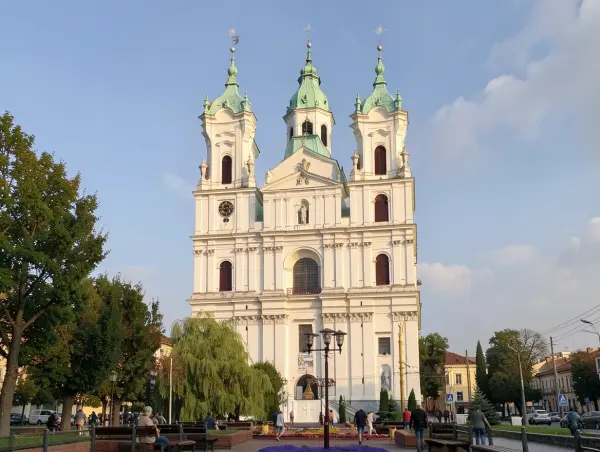
2. St. Francis Xavier Cathedral
Një kryevepër madhështore baroke që i mbijetoi dy luftërave botërore dhe ateizmit sovjetik pothuajse e paprekur. Kalimi i dyerve të saj zbulon një nga ambientet më të plota origjinale të kishave të shekullit të 18-të në Evropë.
Fakte të shpejta: Një nga kullat më të larta baroke të kishave në botë qëndron në 65 metra dhe mund të shihet nga kilometra larg. Katedralja përmban një cikël të rrallë të ruajtur freskosh nga shekulli i 18-të, i pikturuar nga një artist i vetëm gjatë një dekade.
Pikat kryesore: Hyni brenda dhe shikoni lart: freskot e tavanit duken sikur valëzohen si pëlhurë, të pikturuara me një aftësi të tillë iluzioniste sa suvaja e sheshtë duket se fryhet dhe paloset. Legjenda lokale thotë se artisti ra nga skela e tij tri herë gjatë përfundimit të punës, por nuk theu asnjë kockë të vetme.
3. Kalozha Church of Sts. Boris and Gleb
Hyni në një nga kishat ortodokse më të vjetra në Evropën Lindore, ende aktive pas shekujsh historie. Do të qëndroni brenda një shenjtëroreje ku muret e ashpër prej guri, drita e qiririt dhe grafitet e lashta tregojnë histori të adhuruesve mesjetarë.
Fakte të shpejta: Muret janë të dekoruara me mijëra kryqe guri me ngjyra të ndezura dhe pllaka qeramike të vendosura direkt në muraturë. Qindra mbishkrime të lashta unike mbulojnë brendësinë, të lëna nga besimtarët gjatë 800 viteve të fundit.
Pikat kryesore: Ndryshe nga çdo kishë tjetër ortodokse e mbijetuar nga ajo epokë, muret e jashtme nuk u suvatuan kurrë, duke i lënë modelet e ndërlikuara të gurëve me ngjyra të lëmuara dhe pllakave qeramike me xham plotësisht të ekspozuara ndaj elementeve. Shikoni nga afër fasadën dhe do të vini re kryqe të vegjël guri, pllaka jeshile dhe të verdha, madje edhe fragmente mermeri, të gjitha të rregulluara në dizajne gjeometrike që shkëlqejnë ndryshe ndërsa drita e diellit ndryshon.
4. Soviet Square
Shiko dritën të kërcejë mbi kalldrëmet në pikën qendrore të mbledhjes së Hrodnës, ku shekuj historie konvergojnë. Ndjeje pulsin e jetës së qytetit ndërsa vendasit bisedojnë në stola nën gështenja dhe fëmijët ndjekin pëllumbat nëpër sheshin gjeometrik prej guri.
Fakte të shpejta: The square hosts a striking statue of Lenin that remains a focal point, contrasting with the surrounding colorful 19th century buildings. Its pavement features a unique circular pattern that creates an optical illusion when viewed from above.
Pikat kryesore: At the center stands one of Belarus' last remaining Lenin statues that locals have affectionately nicknamed "Grandfather," with fresh flowers often appearing at its base from both older residents and young couples. The square transforms at dusk when the surrounding historic facades glow amber from hidden uplighting, revealing intricate architectural details invisible during the day.
5. Drama Theatre
Hyni në një kryevepër të dizajnit modernist sovjetik, ku çdo shfaqje ndihet intime, edhe në një sallë me 700 vende. Prisni arkitekturë dramatike, akustikë befasuese dhe një program të larmishëm dramash, baleti dhe shfaqjesh eksperimentale.
Fakte të shpejta: Hrodna's Drama Theatre hosts over 300 performances each season, filling nearly every seat in its 700-capacity halls. The building's stark white facade and geometric lines were inspired by 1960s Soviet modernism, making it stand out against the city's older architecture.
Pikat kryesore: Few visitors realize the main auditorium was designed with a retractable orchestra pit that disappears beneath the stage floor, allowing the space to transform for intimate plays or full ballet productions. During winter shows, the foyer's floor-to-ceiling windows capture the snowy park outside, creating a stage-like backdrop that changes with every season.
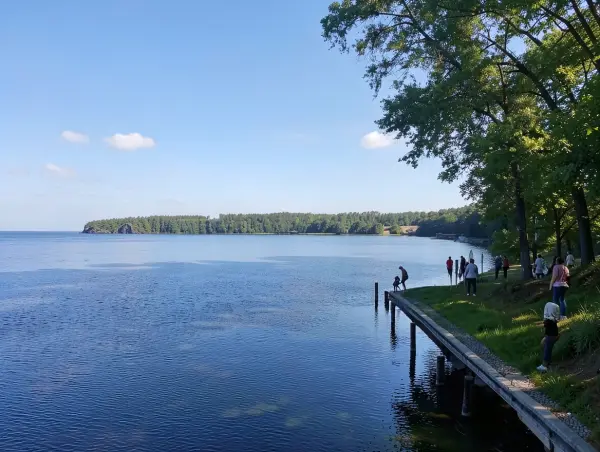
6. Augustow Canal
Lundroni nëpër një rrugë ujore të pacenuar pylli që mezi ka ndryshuar që nga vitet 1830. Çikloni përgjatë shtigjeve me hije, kaloni nëpër brava të punuara me dorë dhe dalloni shqiponja që fluturojnë lart mbi korridoret e qeta të gjelbërta.
Fakte të shpejta: Stretching 101 kilometers across Poland and Belarus, this 19th-century waterway links the Vistula and Neman rivers through 18 locks and 22 sluices. Engineers designed the canal with such precision that its original lock mechanisms, hand-operated using wooden beams, still function after nearly 200 years.
Pikat kryesore: Unlike most canals, this one carves through a UNESCO-listed biosphere reserve where beavers, otters, and white-tailed eagles patrol the waters alongside passing boats. The locks change elevation by up to 3 meters each, and you can watch the original hand-cranked mechanisms creak to life as water thunders through century-old oak gates.
7. Museum of Religion History
Ku tjetër mund të ecësh nëpër një manastir 300-vjeçar dhe të shohësh gjithçka, nga rrotullat mesjetare të Torës deri te propaganda ateiste sovjetike në një pasdite? Do të lëvizësh nëpër korridore guri me jehonë pranë ikonave të ndriçuara nga qirinj, pastaj do të hysh në një oborr të qetë ku murgjit dikur rritnin barishte.
Fakte të shpejta: Housed in a former Roman Catholic monastery complex from the 17th century, the museum's collection spans over 2,000 artifacts across four permanent exhibitions. Visitors can see rare printed Bibles, Jewish liturgical objects, and a reconstructed 19th-century synagogue interior.
Pikat kryesore: One hall displays a single room completely covered in hand-painted frescoes depicting biblical scenes, where the original pigments still glow in shades of ochre and lapis lazuli. The museum's attic holds a dusty collection of Soviet-era religious artifacts that were secretly preserved by locals during state-mandated atheism.
Where to Stay in Hrodna, Belarus
Selected by City Buddy based on guest reviews and proximity to top attractions
Search all hotels in Hrodna, BelarusPowered by agoda
Ditët e hapjes në Hrodna, Belarus
Cilat nga atraksionet kryesore mbyllen cilën ditë të javës, armiku klasik i udhëtimit, të kontrolluara për ty.
e hënë: 1 nga 3 atraksione kryesore mbyllen, planifiko muzetë për një ditë tjetër.
Mbyllur të e hënë · 1 mbyllur, 2 hapur
Ditët e hapjes nga Google Maps (kontrolluar 2026-08-04). Festat publike, grevat dhe oraret sezonale mund të ndryshojnë, kontrollo faqen zyrtare para se të shkosh.
Ëmbëlsirat tradicionale
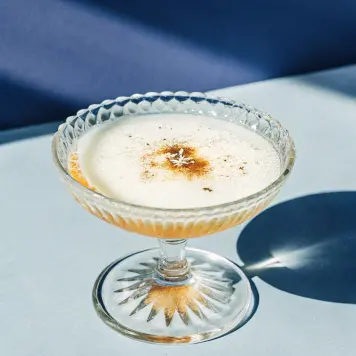
Krambambula
Krambambula is a spiced honey liqueur often used in desserts and believed to have originated in the Grand Duchy of Lithuania. Its name comes from a popular 18th century drinking song.
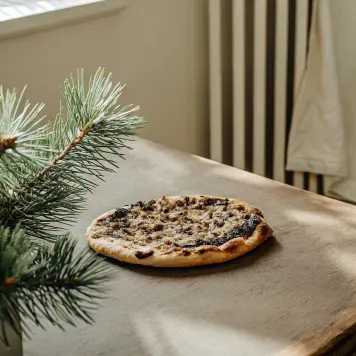
Sochen with poppy seeds
Sochen is a thin unleavened flatbread traditionally baked for Christmas Eve and served with a sweet poppy seed filling. In Hrodna, locals often add crushed nuts and dried apples for extra flavor.
Draniki with apple and cinnamon
While draniki are usually savory potato pancakes, in Hrodna they are often sweetened with grated apple and cinnamon. They are served with sour cream or honey as a beloved local dessert.
Gatimet tradicionale të kripura

Draniki
Draniki are crispy potato pancakes that are considered the national dish of Belarus. In Hrodna, they are often served with sour cream, fried onions, or mushroom sauce.
Machanka
Machanka is a thick, hearty gravy made from pork fat, flour, and sour cream, traditionally served with thick Belarusian pancakes called bliny. It is a rustic winter comfort food beloved in the Hrodna region.
Kolduny
Kolduny are stuffed dumplings similar to pierogi, filled with meat and mushrooms. In Hrodna, the local version is sometimes called "magic dumplings" and was a favorite of the Polish-Lithuanian nobility.
Pijet tradicionale

Krambambula (drink version)
This spiced honey liqueur is one of the most famous beverages from the Hrodna region. It was historically brewed by Dominican monks in the city and is still made today with honey, spices, and alcohol.
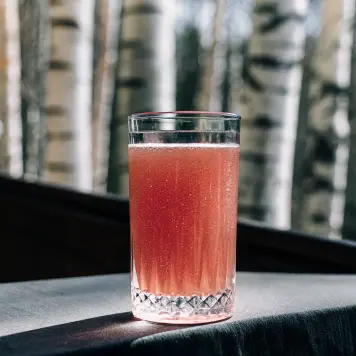
Bierzo
Bierzo is a traditional Belarusian birch sap drink collected in early spring. Hrodna locals tap birch trees in March for this refreshing, slightly sweet beverage that is believed to cleanse the blood.
Kvass
Kvass is a fermented rye bread drink that is a staple across Belarus. In Hrodna, it is often homemade with local rye bread and flavored with mint, berries, or dried fruits.
Pyetje të Shpeshta rreth Hrodna, Belarus
"A është Hrodna e Bjellorusisë e sigurt për turistët?"
Sa ditë në Hrodna të Bjellorusisë janë të mjaftueshme?
Koha më e mirë për të vizituar Hrodnën e Bjellorusisë?
A është e shtrenjtë për t'u vizituar Hrodna e Bjellorusisë?
Si të lëvizësh në Hrodnën e Bjellorusisë?
Merrni një PDF me atraksionet më të njohura të dërguara në emailin tuaj
Merrni një PDF me të gjitha atraksionet, vlerësimet dhe këshillat. I përshtatshëm për përdorim offline.
Ekskursione ditore më të njohura
Mir Castle
A UNESCO World Heritage castle with Gothic and Renaissance architecture.
Nesvizh Castle
Historic palace and park complex, another UNESCO listed site.
Augustow Canal
Scenic 19th century canal connecting Belarus and Poland, great for walks and boat trips.
Bialowieza Forest
Ancient primeval forest and UNESCO site, home to European bison.
Si të arrini atje
Stacionet e trenit
Minsk, Brest, Vilnius, Warsaw
From Grodno Airport, take a taxi or bus to city center (20 min). From Minsk, take a direct train (4h) or bus (4.5h).
Informacione të dobishme për Hrodna, Belarus
Përmbledhje për Hrodna, Belarus
Do një plan ditor për Hrodna, Belarus? Hap planifikuesin e udhëtimit
Kur do të shkoni në Hrodna, Belarus?
Zgjidh datat dhe stilin e udhëtimit për të marrë:
A ka ndonjë nga këto që është veçanërisht e rëndësishme për ju?
Zgjidh të gjitha që vlejnë
Si të lëvizësh
Si dëshiron të lëvizësh midis vendeve?
Gjuha e planit: Shqip