 CityBuddy
 Português
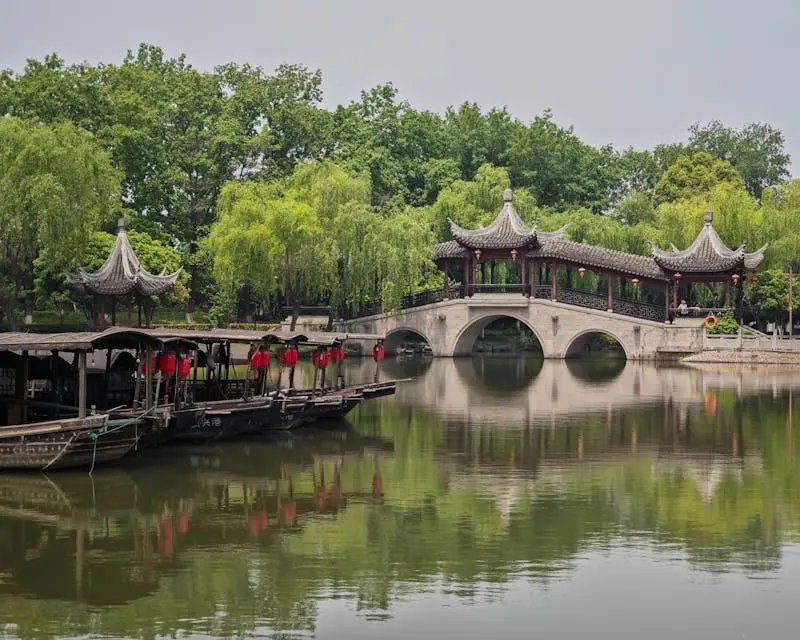
7 Dias em Pequim: Aventura de Verão entre História e Modernidade
Explore a fascinante capital da China em 7 dias inesquecíveis, com visitas a templos milenares, a Grande Muralha, arte contemporânea e a vibrante cultura local sob o sol quente do verão.
7 Dias em Pequim: Aventura de Verão entre História e Modernidade
Explore a fascinante capital da China em 7 dias inesquecíveis, com visitas a templos milenares, a Grande Muralha, arte contemporânea e a vibrante cultura local sob o sol quente do verão.
Como se locomover
De transporte públicoO metrô de Pequim é sua melhor aposta, com as linhas 1, 2, 4, 6, 8 e 10 conectando quase todos os pontos do roteiro. Para a Muralha de Mutianyu, pegue um ônibus turístico ou Didi saindo cedo, cerca de 2 horas de viagem. Nos dias 1, 5 e 6, caminhar é ideal dentro do centro histórico, Tiananmen e nos hutongs, e alugue uma bicicleta compartilhada para explorar as ruas antigas. Use Didi ou Meituan para deslocamentos rápidos, com corridas a partir de ¥20. O passe de metrô diário é econômico e cobre tudo. Alugar um carro seria uma alternativa, mas o trânsito e o estacionamento tornam o transporte público muito mais prático.
You'll typically find a lively atmosphere where participants dive into hands-on learning, share tips, and connect with others, creating a fun and social way to explore local traditions. Local guides often provide cultural context and practical techniques, helping you understand the significance behind what you're doing while adjusting the pace for different skill levels. Most classes include step-by-step instruction, opportunities to practice with provided materials, and take-home insights or samples that let you keep practicing after the experience.
You'll typically enjoy a lively mix of hands-on learning and social interaction, with chances to try new techniques and connect with fellow travelers. Local guides often highlight cultural context and neighborhood character, making the experience feel rooted and informative. The city's rich blend of ancient heritage and modern energy provides an inspiring backdrop, and most classes include demonstrations, practical tips, and time to practice so you leave feeling confident and inspired.
Comidas e bebidas tradicionais imperdíveis
O que pedir em Beijing, China, com uma curiosidade para cada
Pratos salgados tradicionais
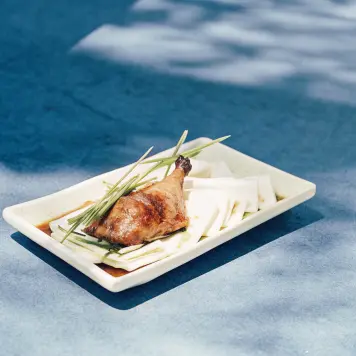
Peking Duck
Crisp, lacquered roast duck carved tableside and served with thin pancakes, scallions and sweet bean sauce, Peking Duck is the quintessential symbol of Beijing cuisine and imperial banquets.
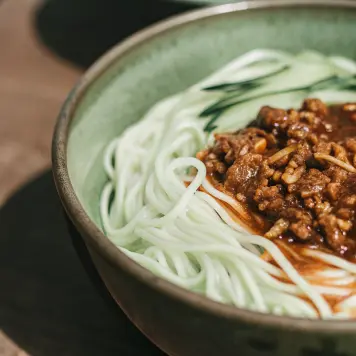
Zhajiangmian
Wheat noodles tossed with a rich fermented soybean paste and minced pork, Zhajiangmian is a hearty, comforting dish rooted in northern China and beloved across Beijing.
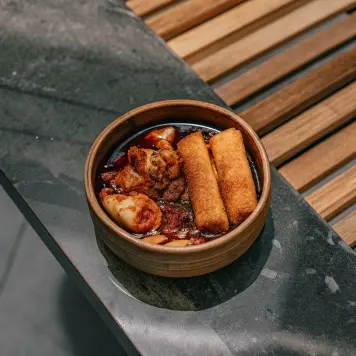
Luzhu Huoshao
A robust old Beijing stew of pork offal braised in a savory soy broth, Luzhu Huoshao is traditionally eaten with huoshao, a crisp baked wheat cake, and represents classic working-class flavors.
Pratos doces tradicionais
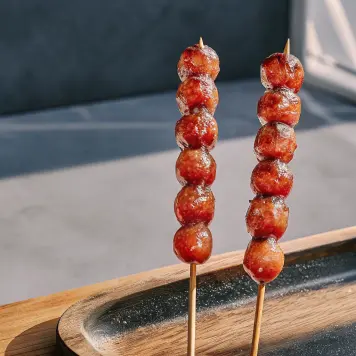
Tanghulu
Skewered hawthorn fruits coated in a hard sugar glaze, Tanghulu is a bright, crunchy street snack especially popular in winter and often sold outside temples and markets in Beijing.
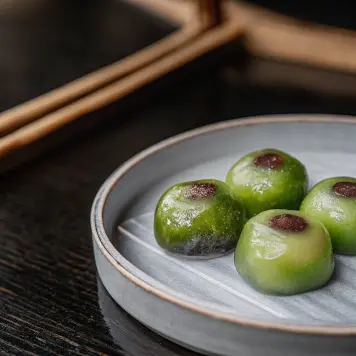
Aiwowo
A traditional Manchu-origin glutinous rice ball filled with sweet bean paste, peanuts or sesame, Aiwowo became associated with Beijing palace snacks and remains a festive local treat.
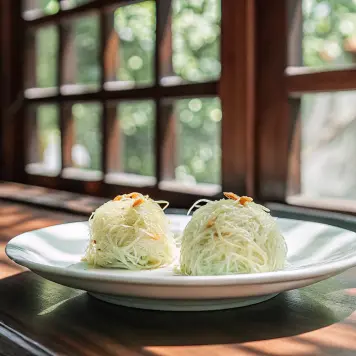
Dragon's Beard Candy
Made by repeatedly pulling sugar into thousands of fine strands and wrapping them around chopped peanuts and coconut, Dragon's Beard Candy is a delicate, showy sweet often seen in Beijing snack markets.
Bebidas tradicionais
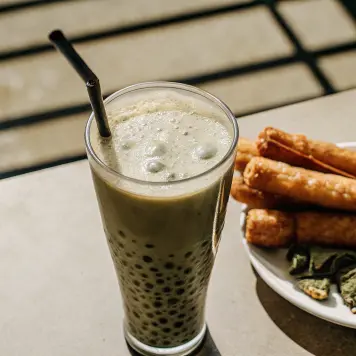
Douzhi
A thick, slightly sour fermented mung bean drink, Douzhi is a traditional Beijing breakfast beverage often paired with fried dough sticks and pickles, and it is considered an acquired taste.

Suanmeitang
Sour plum drink made from smoked plums and sugar, Suanmeitang is a cooling sweet-sour beverage popular in Beijing summers and sold by street vendors and teahouses.
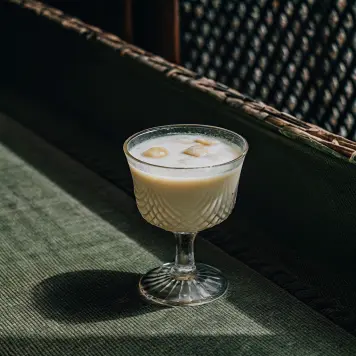
Jiuniang
Sweet fermented rice with soft grains and low alcohol, Jiuniang is served warm as a dessert beverage during festivals and family meals in northern China, including Beijing.
Exportar Sua Viagem
Get your trip plan as a PDF with maps and a CSV spreadsheet.
Selecionados com base na proximidade das atrações do seu roteiro e nas avaliações dos hóspedes
Search all hotels in BeijingPowered by agoda