 CityBuddy
 Shqip
Shqip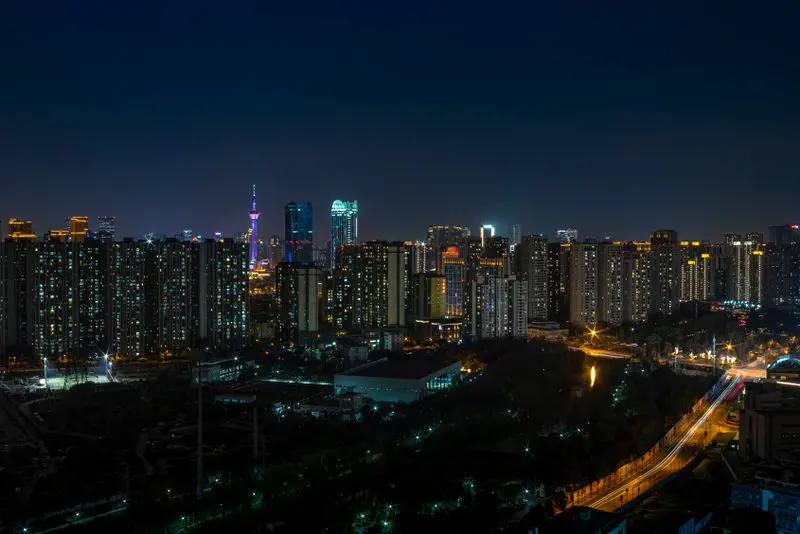
Çfarë të bëni në Chengdu, China
Foto nga AG ZN në Pexels.com
Kur të vizitoni
Chengdu është #3 qyteti për dashamirët e ushqimit në botë, bazuar në të dhënat tona nga qindra destinacione.
Atraksionet më të njohura në Chengdu, China
Kur bëhet fjalë për rekomandimet turistike në Chengdu, më tërheqësja është pa dyshim Qendra Kërkimore e Chengdu për Mbarështimin e Pandave Gjigante, ku jetojnë më shumë se 80 panda gjigante, ndërsa koha e ushqimit në mëngjes është më e gjallë. Më pas mund të vizitoni Kuanzhai Alley (Rruga e Gjerë dhe e Ngushtë), kjo rrugë e lashtë e dinastisë Qing e përbërë nga Rruga e Gjerë, Rruga e Ngushtë dhe Rruga e Pusit, e cila ruan atmosferën e jetës në oborret e Chengdu-t të vjetër. Wuhou Shrine kujton kancelarin e famshëm Zhuge Liang të periudhës së Tre Mbretërive, me qiparë shekullorë brenda tempullit, plot ndjenjë historike. Këto tre atraksione përfshijnë përvojat më thelbësore kulturore dhe natyrore të Chengdu-t.
1. Chengdu Research Base of Giant Panda Breeding
Përvoja përfundimtare për të vëzhguar thesaret kombëtare nga afër, shikimi i pandave të rrumbullakëta duke kafshuar bambu mjafton për të shëruar lodhjen e gjithë ditës. Duke ecur nëpër shtigjet e bambusë, nga të vegjlit plot hijeshi te të rriturit që ushqehen të qetë, çdo moment vlen të kapet.
Fakte të shpejta: Çdo ditë, më shumë se 100 panda gjigante jetojnë këtu, nga të porsalindurit rozë deri te të rriturit. Ky është gjithashtu qendra më e madhe në botë e mbarështimit artificial të pandave gjigante, e cila deri më sot ka arritur të mbarështojë me sukses mbi 300 panda.
Pikat kryesore: Mëngjesi i hershëm është momenti më magjik këtu. Këlyshët panda disa muajsh nxjerrin tinguj si të qenve në inkubatorë, ndërsa kujdestarët kryejnë ceremoninë e ushqyerjes kolektive të "kopshtit të pandave". Të shohësh me sytë e tu dhjetëra këlyshë panda me gëzof të rreshtuar duke pirë qumësht, ajo ndjenjë lumturie të bën të shkrihesh.
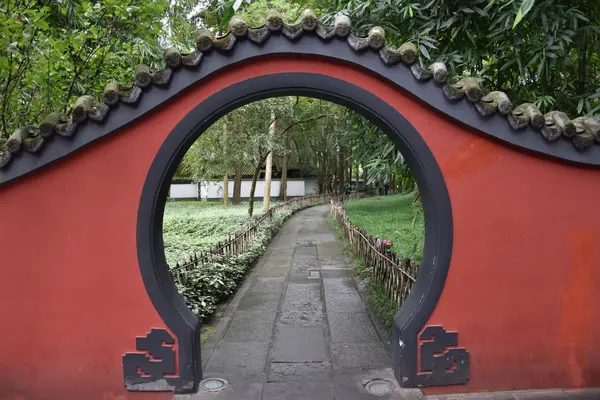
2. Wuhou Shrine
Hyni në botën legjendare të heronjve të Tre Mbretërive dhe ndjeni forcën shpirtërore të Zhuge Liangut që iu përkushtua deri në fund. Duke kaluar nëpër muret e kuqe dhe pemët e lashta të qiparisit, bisedoni me historinë mijëravjeçare mes aromave të temjanit.
Fakte të shpejta: Në tempullin që shtrihet mbi 37,000 metra katrorë, ruhet "Stela e Tre të Përsosurve", e shkruar nga kancelari i dinastisë Tang, Pei Du, dhe e kaligrafuar nga Liu Gongchuo. Mbi 2,000 selvi të lashta rrethojnë ndërtesat me mure të kuqe e tjegulla gri, ku njëra prej tyre thuhet se është mbjellë nga vetë Zhuge Liang dhe është mbi 1,700 vjeçare.
Pikat kryesore: Mbi qoshet e sallës kryesore ndodhen 47 figurina prej balte të personazheve të Mbretërisë së Tre, secila me shprehje të ndryshme fytyre. Në mot me shi, sipërfaqja e tyre e glazuruar merr një shkëlqim të gjelbër. Më e veçanta është se aroma e temjanit nga temjanicat përzihet me erën e freskët e selvisë së lashtë, duke mbështjellë gjithë oborrin në një ndjenjë qetësie që përshkon mijëvjeçarë.
3. Du Fu Thatched Cottage
Hyni në vendin e kasolles me çati prej kashte ku poeti i madh gjeti strehë në Chengdu duke ikur nga trazirat, dhe nuhatni erën e bambusë e të dheut. Në oborrin e mbuluar nga bambu pi një filxhan çaj me kapak dhe dëgjo banorët vendas që recitojnë poezitë e Du Fu-t në dialektin e Sichuan-it.
Fakte të shpejta: Mbi 2 milionë vizitorë në vit vijnë në këtë kopsht të qetë kushtuar poetit të shenjtë. Brenda tij, mbi 800 çifte mbishkrimesh dhe mbi 150 pllaka guri përbëjnë koleksionin më të madh në Kinë të stelave të kaligrafisë me tematikë nga Du Fu.
Pikat kryesore: Në pellgun e zambakëve përpara kasolles jetojnë dhjetëra breshka të mbledhura nga lagjet e vjetra të Chengdu-t, të cilat kanë jetuar këtu për mbi njëzet vjet. Banorët vendas i quajnë "rojet e poetit të shenjtë". Çdo vit, në ditën e tretë të muajit të tretë hënor, kopshti vendos katër thesaret e studimit për të lejuar vizitorët të kopjojnë vargjet e Du Fu-së përpara kasolles, me letër dhe bojë plotësisht falas.
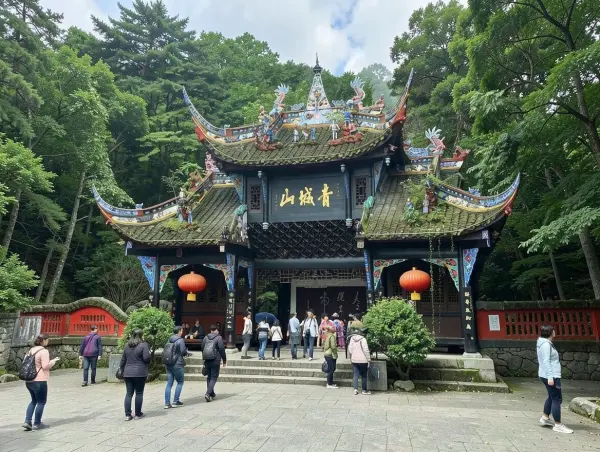
4. Mount Qingcheng
Dëshiron të ndjesh fuqinë e qetë të kulturës taoiste mes maleve të blerta? Ngjitu shkallëve prej guri, këmbanat e mëngjesit të tempullit antik, burimi i kthjellët e cicërimat e zogjve, gjatë gjithë rrugës ka peizazhe që të bëjnë të harrosh zhurmën e qytetit.
Fakte të shpejta: Mali Qingcheng ndahet në pjesën e përparme dhe të pasme. Pjesa e përparme ka tempuj taoistë të shumtë dhe temjan të bollshëm, ndërsa pjesa e pasme është më e qetë dhe më e egër. Ky është një nga vendet e lindjes së taoizmit në Kinë, me 36 tempuj taoistë të ruajtur në të gjithë malin, të ndërtuar gjatë Dinastisë Han Lindore.
Pikat kryesore: Në mjegullën e mëngjesit përpara Pavijonit Laojun, mund të shihni figurat e bardha të murgjve taoistë duke praktikuar Tai Chi, sikur të kishin kaluar një mijë vjet. Edhe më bukur, zhurma e përroit dhe kënga e zogjve në Luginën e Pesë Dragonjve në pjesën e pasme ndërthuren, dhe gjatë rrugës mund të takoni majmunë të egër malorë, duke mos lënë pas asnjë roman të artit marcial.
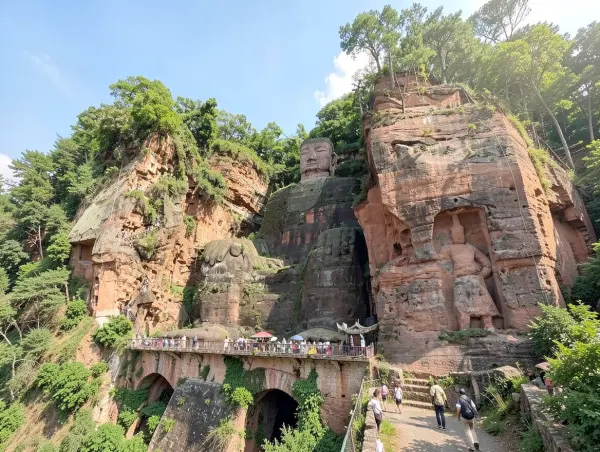
5. Leshan Giant Buddha
Shiko me sytë e tu statujën më të madhe të Budës të gdhendur në gur në botë dhe ndje mjeshtërinë e mahnitshme të artizanëve të dinastisë Tang. Duke zbritur shtegun e përdredhur nga koka te këmbët e Budës, dëgjo jehonën mijëravjeçare në bashkimin e tre lumenjve.
Fakte të shpejta: Ky skalptim shkëmbor 71 metra i lartë ndodhet në pikëtakimin e tre lumenjve, më i lartë se një ndërtesë 20-katëshe, dhe vetëm pjesa e sipërme e këmbës së tij ka madhësinë e dy fushave basketbolli. Gjithë statuja e madhe u gdhend për 90 vjet, duke u përfunduar nga tre breza zejtarësh, dhe mbi të ishte ndërtuar një pavion 13-katësh për ta mbrojtur nga era dhe shiu.
Pikat kryesore: Statuja e madhe iu nënshtrua një pune restaurimi që zgjati 20 vjet, gjatë së cilës zejtarët gjetën mbi një mijë tulla origjinale të Dinastisë Tang në majën e kokës së saj. Edhe më e mahnitshme, brenda veshëve dhe flokëve të statujës fshihej një sistem i fshehtë kullimi, i projektuar me mjeshtëri nga zejtarët e Dinastisë Tang, duke bërë që kjo përmasë gjigande të mbetet e qëndrueshme për më shumë se një mijë vjet.
6. Sanxingdui Museum
Hyni në një mbretëri të lashtë misterioze që kurrë nuk u regjistrua në kronikat historike dhe dëshmo me sytë e tu qytetërimin e bronztë 3000 vjeçar që i kalon çdo imagjinatë. Pema e shenjtë prej bronzi tre metra e lartë, maskat me sy të dalë, çdo artefakt të trondit njohurinë për qytetërimin kinez.
Fakte të shpejta: Më shumë se një mijë maska bronzi, pemë të shenjta dhe tufa elefantësh panë dritën e ditës në vitin 1986 në dy gropa rituale. Secila prej tyre ka forma të çuditshme që nuk ngjajnë aspak me veglat prej bronzi të fushës qendrore. Arkeologët ende nuk kanë gjetur asnjë mbishkrim, dhe se cilës mbretëri të lashtë i përkasin këto artefakte dhe pse u varrosën, mbetet një mister i pazgjidhur.
Pikat kryesore: Pema e shenjtë prej bronzi është 3.96 metra e lartë dhe ndahet në tri nivele degësh. Në çdo nivel pushojnë nëntë zogj të shenjtë, ndërsa në majë qëndron një kafshë që sjell fat. E gjithë pema në sallën e ekspozitës ngrihet nga dyshemeja deri në tavan. Gjëja më e çuditshme janë maskat me sy të mëdhenj, ku kokërdhokët e syve dalin jashtë deri në 16 centimetra, duke i ngjajtur shumë figurave të alienëve, dhe çdo vizitor që qëndron para tyre pa dashur merr frymë thellë me habi.
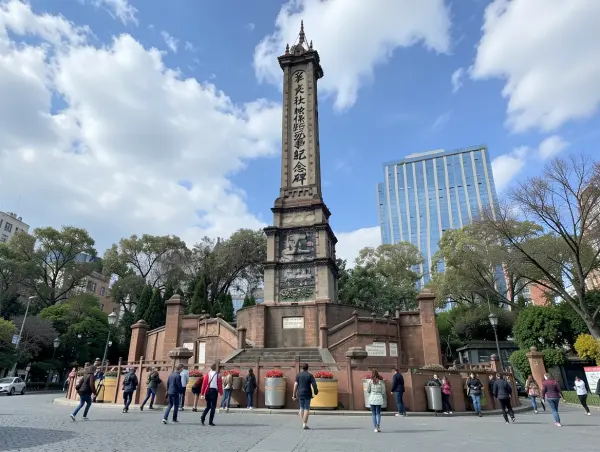
7. People's Park
Dëshiron të futesh në çast në jetën e ngadaltë të Chengdu-t të vjetër? Eja këtu të pish çaj, të pastrosh veshët e të shikosh kalimtarët duke ëndërruar, gjysmë dite fluturon pa u ndier.
Fakte të shpejta: Kjo oazë në qendër të qytetit, me sipërfaqe mbi 70 mu, tërheq çdo ditë dhjetëra mijëra banorë që vijnë për të pirë çaj, kërcyer dhe luajtur mahjong. Pylli i gingkove njëqindvjeçar në park çdo vjeshtë kthehet në një det të artë, dhe është vendi më i preferuar i banorëve të Chengduit për t'u çlodhur në mënyrën më të thjeshtë e popullore.
Pikat kryesore: Çajtorja "Heming" në thellësi të parkut është e hapur që nga 1923. Karrige bambuje, çajnik bakri dhe çaj në gota me kapak, një filxhan kushton vetëm mbi dhjetë juanë, dhe mund të rrish gjithë ditën pa të dëbuar askush. Çdo të diel në mëngjes, këndi i anglishtes dhe këndi i takimeve zhvillohen njëkohësisht. Pamja e një plaku me flokë të bardha që bisedon në anglisht të rrjedhshme me studentë të huaj, ndoshta vetëm këtu në të gjithë Kinën mund ta shohësh.
Where to Stay in Chengdu, China
Selected by City Buddy based on guest reviews and proximity to top attractions
Search all hotels in Chengdu, ChinaPowered by agoda
Ëmbëlsirat tradicionale
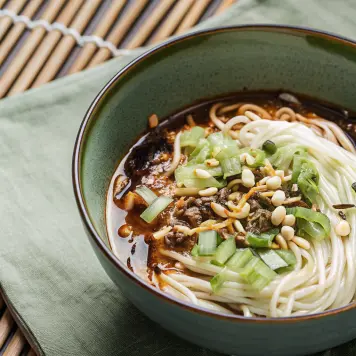
Dandan Mian (Dan Dan Noodles)
Despite being a noodle dish, Dandan Mian is often served as a sweet and savory street food. Its name comes from the bamboo pole (dan dan) that street vendors used to carry the noodles and sauce on their shoulders.
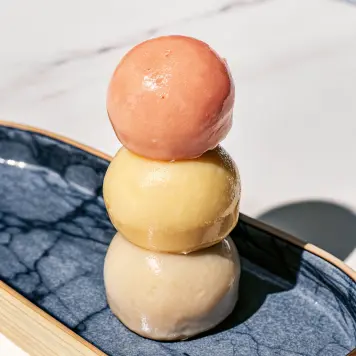
Three Balls (San Da Pao)
San Da Pao, or Three Big Bangs, is a Chengdu dessert made from glutinous rice that makes three loud sounds when prepared. The pounding and shaking of the rice cakes create a theatrical performance as the vendor calls out each bang.
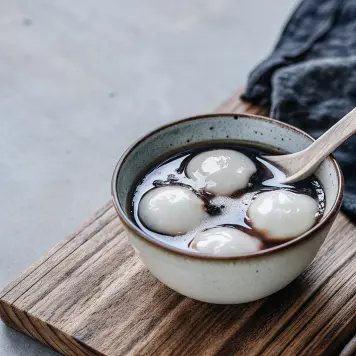
Sweet Rice Balls (Tangyuan)
Tangyuan are glutinous rice balls filled with black sesame paste or sweet bean paste, often served in a warm ginger syrup. In Chengdu, these are especially popular during the Lantern Festival as their round shape symbolizes family togetherness.
Gatimet tradicionale të kripura
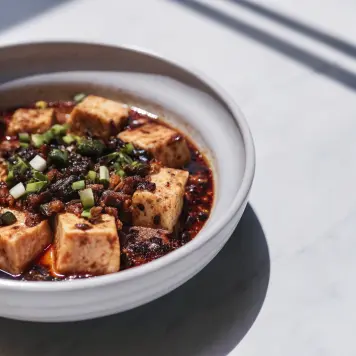
Mapo Tofu
This iconic Chengdu dish features soft tofu in a fiery sauce of doubanjiang (fermented bean paste) and Sichuan peppercorns. It is named after an elderly pockmarked woman (ma po) who supposedly invented the recipe in a small Chengdu eatery.
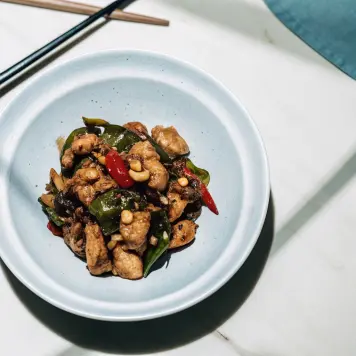
Kung Pao Chicken (Gong Bao Ji Ding)
This dish originated in Chengdu and is named after Ding Baozhen, a Qing Dynasty governor whose title was "Gong Bao" (Palace Guardian). The original recipe uses only chicken, peanuts, and chili peppers without the vegetables often added in Western adaptations.
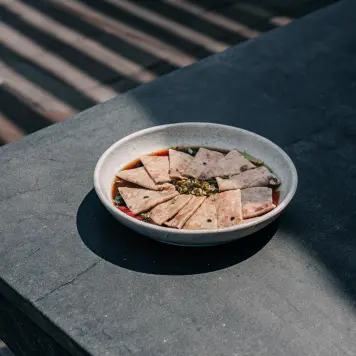
Fuqi Feipian (Husband and Wife Lung Slices)
Despite its literal name meaning "husband and wife lung slices," this dish actually contains no lung tissue but rather thinly sliced beef and offal. It was created by a married couple who sold the spicy, numbing cold beef dish from a pushcart in Chengdu.
Pijet tradicionale
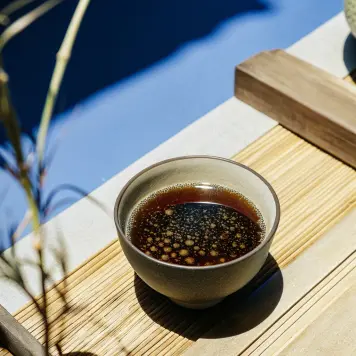
Sichuan Buckwheat Tea (Ku Qiao Cha)
Ku Qiao Cha is a nutty, slightly bitter tea made from roasted tartary buckwheat grown in the highlands of Sichuan. It is caffeine free and believed to help with digestion, especially after eating Chengdu's famously spicy food.

Suan Mei Tang (Sour Plum Drink)
This tangy, sweet beverage is made from smoked plums, rock sugar, and licorice root, and is a cherished Chengdu summer drink. It is said to have been invented during the Song Dynasty to cool down emperors in the heat.
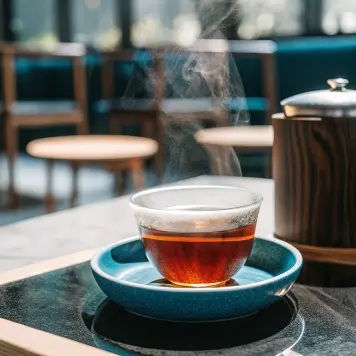
Gaiwan Tea (Covered Bowl Tea)
The gaiwan, a lidded bowl used for brewing and drinking tea, is inseparable from Chengdu's teahouse culture where locals spend hours sipping, socializing, and playing mahjong. Chengdu has the most teahouses of any city in China, with thousands dotting its streets and parks.
Pyetje të Shpeshta rreth Chengdu, China
A është i sigurt turizmi në Chengdu?
Sa ditë mjaftojnë për të vizituar Chengdu-n?
Kur është koha më e mirë për të vizituar Chengdu-n?
A është i shtrenjtë konsumi turistik në Chengdu?
Si të lëvizësh brenda qytetit të Chengdu-t?
Merrni një PDF me atraksionet më të njohura të dërguara në emailin tuaj
Merrni një PDF me të gjitha atraksionet, vlerësimet dhe këshillat. I përshtatshëm për përdorim offline.
Ekskursione ditore më të njohura
Leshan Giant Buddha
Home to the world's largest stone Buddha statue carved into a cliff face.
Mount Qingcheng
Ancient Taoist mountain with lush greenery and serene temples.
Dujiangyan Irrigation System
Ancient irrigation system still in use, a UNESCO World Heritage site.
Panda Base (Bifengxia)
Giant panda breeding and research center in a lush valley setting.
Mount Emei
Sacred Buddhist mountain with stunning sunrise views and monasteries.
Si të arrini atje
Aeroporte
Stacionet e trenit
High-speed rail to Xi'an, Chongqing, Guangzhou, Shanghai, Beijing
High-speed rail to Leshan, Mount Emei, Kunming
High-speed rail to Dujiangyan, Qingchengshan
From Shuangliu Airport (CTU), take Metro Line 10 to city center in 30 minutes. Tianfu Airport (TFU) is farther; use the Airport Express Bus or Metro Line 18.
Informacione të dobishme për Chengdu, China
Përmbledhje për Chengdu, China
Do një plan ditor për Chengdu, China? Hap planifikuesin e udhëtimit
Kur do të shkoni në Chengdu, China?
Zgjidh datat dhe stilin e udhëtimit për të marrë:
A ka ndonjë nga këto që është veçanërisht e rëndësishme për ju?
Zgjidh të gjitha që vlejnë
Si të lëvizësh
Si dëshiron të lëvizësh midis vendeve?
Gjuha e planit: Shqip