 CityBuddy
 Shqip
Shqip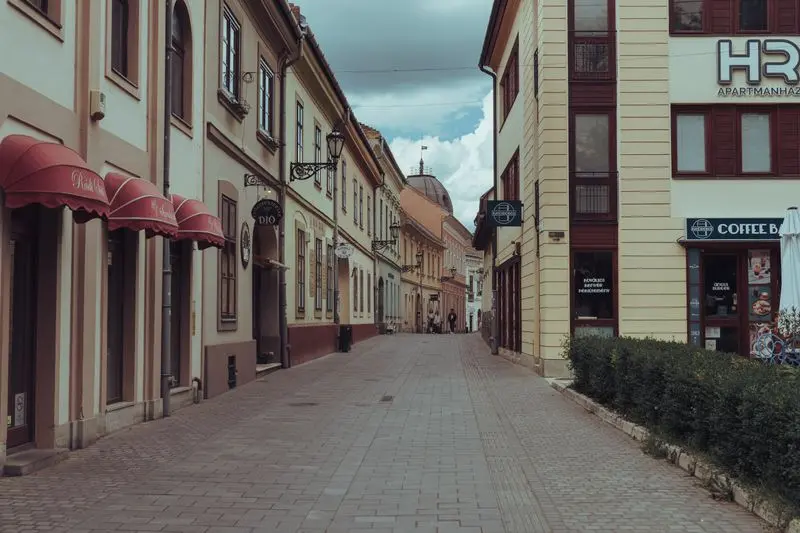
Çfarë të bëni në Eger, Hungary
Foto nga Tibor Szabo në Pexels.com
Kur të vizitoni
Kur do të shkoni në Eger, Hungary?
Zgjidh datat dhe stilin e udhëtimit për të marrë:
A ka ndonjë nga këto që është veçanërisht e rëndësishme për ju?
Zgjidh të gjitha që vlejnë
Plan language: ShqipAtraksionet më të njohura në Eger, Hungary
Nëse po kërkon gjëra për të bëre në Eger, në Hungari, filli me Kalen e Egerit, ku kujtanëtë një qëndrim hungarz i vitit 1552, i mizhiran, kunduzhë armos otomane, në sallashgë geko të geko. Mëshark, shkare në Shcietn e Dobó István, e shkurmbet me Kishën dhe Manastirën e Minoritës e vitit 1758. Shukunëëre vitën duke pigi Egri Bikavër në Lënjen e Gërkësë Bëhare, me tunele kellare të 40-nishek.
1. Eger Castle
Ecni nëpër histori në kështjellën më legjendare të Hungarisë, ku një grusht mbrojtësish ndaluan një ushtri të madhe osmane. Eksploroni tunele nëntokësore, ngjituni në kullat mesjetare dhe shijoni verën e famshme Gjaku i Demit pikërisht atje ku filloi historia.
Fakte të shpejta: The 40-meter-deep casemate network beneath the castle stretches over 200 meters of underground tunnels. A single cannon shot from a Hungarian defender during the 1552 siege knocked out two Ottoman pashas simultaneously.
Pikat kryesore: Taste the legend yourself at the castle's wine cellar, where you can sample the robust red wine said to have given defenders superhuman strength during the 1552 siege. Original Ottoman cannonballs still embedded in the fortress walls make the medieval battle feel shockingly present.
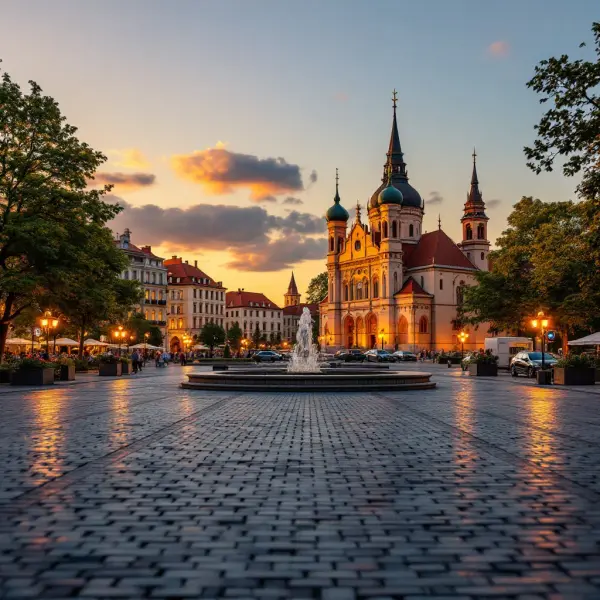
2. Dobó István Square
Sheshi kryesor ku e kaluara dhe e tashmja e Egerit përplasen nën hijen e një bazilike baroke. Pini një kafe ndërsa shikoni vendasit që ecin përmes të njëjtëve gurë ku dikur ecën tregtarë osmanë dhe heronj hungarezë.
Fakte të shpejta: The square is home to the 40-meter-high Minorite Church, whose twin towers dominate Eger's skyline. A brass plaque marks the spot where Hungarian soldiers swore an oath before the 1552 Battle of Eger against Ottoman forces.
Pikat kryesore: Look down at the cobblestones and you'll find a brass "shame stone" where people accused of minor crimes were once forced to stand tied to a post. At night, the square's baroque buildings glow under warm lamplight, creating the feel of an open-air museum that happens to be a living city center.
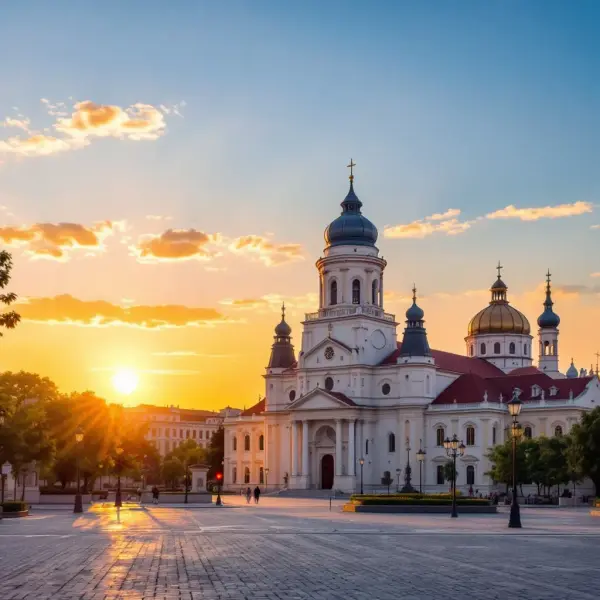
3. Eger Basilica
Katedralja e dytë më e madhe e Hungarisë fsheh gjigantin muzikor të Evropës pas fasadës së saj prej guri. Dëgjoni organin me 5,226 tuba që gjëmon në gjoks ndërsa drita e diellit derdhet përmes kupolës.
Fakte të shpejta: The organ at this Neoclassical cathedral is one of the largest in Europe, boasting 5,226 pipes and 84 stops. With a capacity of 3,000 seated visitors, it ranks among Hungary's biggest churches despite being only the second largest in Eger.
Pikat kryesore: Step inside around 11 AM on a sunny morning, and you might catch the sunlight streaming through the dome's windows, illuminating the massive organ pipes in golden light. The 56-meter tall dome creates such perfect acoustics that a whispered word at the altar can be heard clearly at the back pews, an intentional architectural feat from the 1830s.
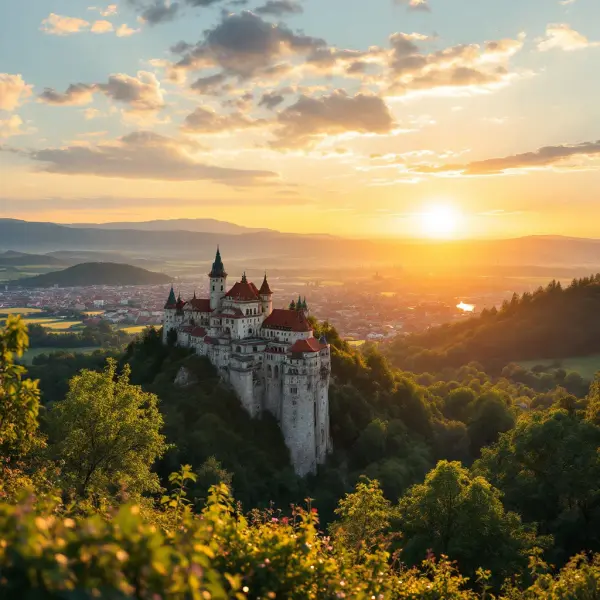
4. Valley of the Beautiful Women
Eksploroni një rrjet dhomash shpellore të shekullit të 16-të të gdhendura në shkëmb vullkanik nga ushtarë osmanë. Do të ecni nëpër tunele të ndriçuara me pishtarë ku dikur pashallarët turq mbanin thesaret e tyre më të vlefshme.
Fakte të shpejta: Carved into the volcanic tuff of Eger's hillside, this former harem quarters holds 150 meters of tunnels across three levels. Ottoman legends claim the valley got its name from local women who distracted invading Turkish soldiers with their beauty.
Pikat kryesore: Unlike the cold stone of most European castles, these chambers were carved directly into soft volcanic rock, leaving behind smooth curved walls and eerie domed ceilings shaped by hand tools. Stand in the deepest chamber and you'll hear water dripping through 10 million year old porous tuff, the same rock that built Eger's famous thermal baths.
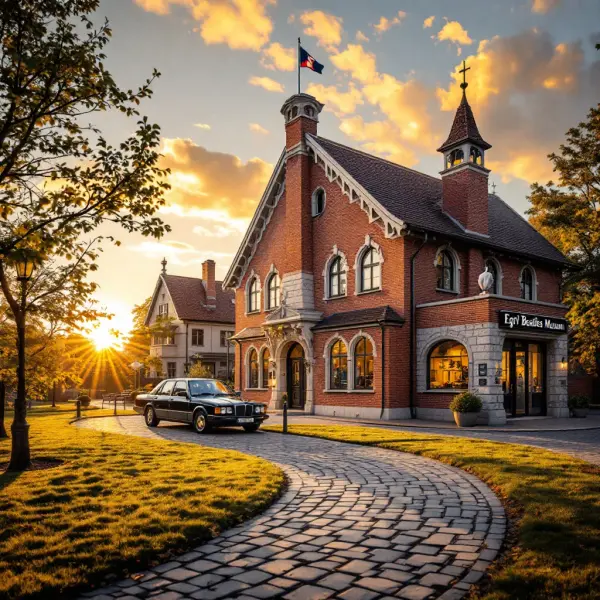
5. Egri Road Beatles Museum
Koleksioni më i plotë i Beatles-it në lindje të Liverpulit gjendet brenda një bodrumi vere me qemer. Ecni nëpër një udhëtim kronologjik të Beatlemanisë me instrumente, rroba dhe letra personale nga afër.
Fakte të shpejta: Over 3,000 original Beatles artifacts fill two floors of a former 18th-century wine cellar. The collection includes John Lennon's handwritten lyrics, stage-worn suits, and rare vinyl from every album.
Pikat kryesore: You can sit at a recreation of the Abbey Road recording studio control desk and listen to isolated vocal tracks from "Hey Jude." The museum's founder spent 30 years tracking down pieces like Ringo's actual drumsticks and George Harrison's sitar.
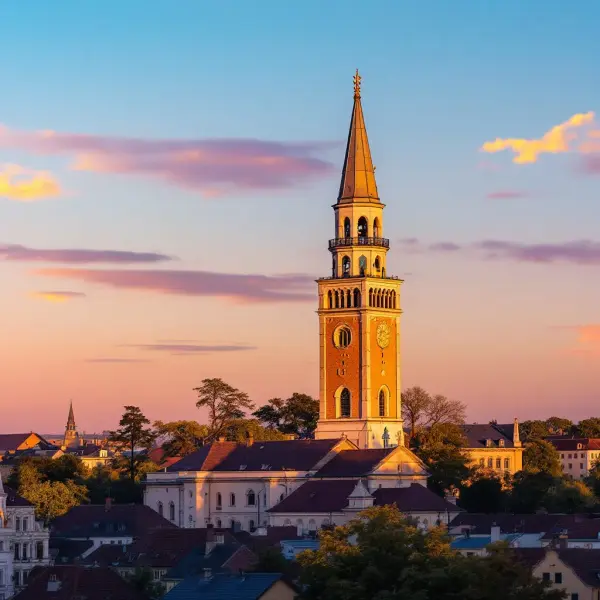
6. Eger Minaret
Ngjituni 97 shkallëve të ngushta deri në majën e një kulle osmane 40 metra të lartë për një nga pamjet më të mira të qytetit në Hungari. Ndjeni kullën që lëkundet lehtë ndërsa shijoni çatitë e kuqe të Egerit dhe malet e largëta nga ballkoni i vogël.
Fakte të shpejta: Rising 40 meters into Eger's skyline, this Ottoman-era minaret has 97 spiraling steps that narrow as you climb. Visitors who reach the top are rewarded with a sweeping panorama of the city's baroque rooftops and the surrounding Bükk Mountains.
Pikat kryesore: At the very top, the balcony wraps around a spire so slender that two people can barely pass each other, yet it has stood earthquake-proof since 1596. The original wooden staircase was replaced with iron in the 1700s, and locals say the tower leans ever so slightly to the northwest, a quirk only eagle-eyed visitors notice.
Where to Stay in Eger, Hungary
Selected by City Buddy based on guest reviews and proximity to top attractions
Search all hotels in Eger, HungaryPowered by agoda
Ëmbëlsirat tradicionale

Dobos Torte
Created by Hungarian confectioner József Dobos in 1885, this iconic layered sponge cake with chocolate buttercream is topped with a signature caramel glaze that was designed to stay fresh for shipping across Europe.
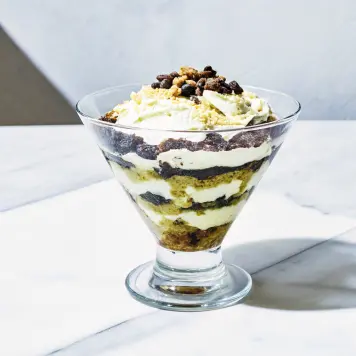
Somlói Galuska
This rich Hungarian trifle-like dessert features layers of sponge cake, chocolate sauce, walnuts, and rum-soaked raisins topped with whipped cream, and was invented by head waiter Károly Gollerits at the famous Gundel restaurant in Budapest in the 1950s.
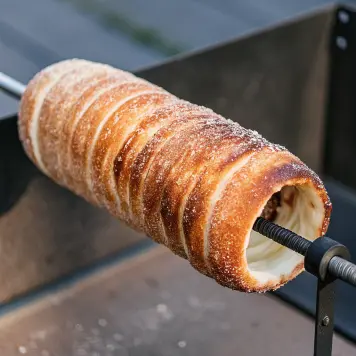
Kürtőskalács
Also known as chimney cake, this sweet yeasted dough is rolled into a cylinder, rolled in sugar, and roasted over an open flame, creating a caramelized crust that is one of Hungary's most beloved street food treats.
Gatimet tradicionale të kripura
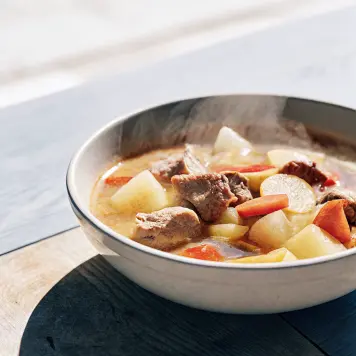
Gulyás
Hungary's most famous dish, gulyás is a hearty soup made with beef, onions, carrots, potatoes, and generous amounts of paprika. It originated as a meal cooked by 9th century Hungarian shepherds in cauldrons over open fires.
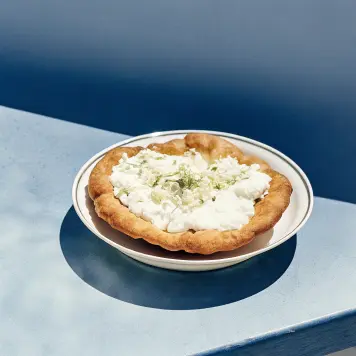
Lángos
This deep-fried flatbread is a beloved Hungarian street food, traditionally topped with sour cream, grated cheese, and garlic. It was originally made from leftover bread dough baked in brick ovens.
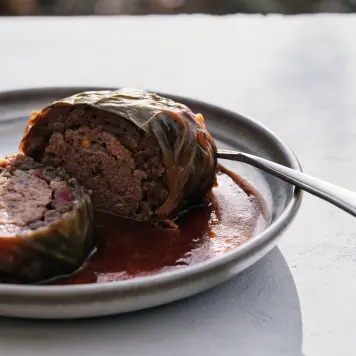
Töltött Káposzta
Hungarian stuffed cabbage rolls are filled with a mixture of ground pork, beef, and rice, then slow-cooked in sauerkraut and paprika sauce. This dish is a staple of Christmas Eve dinner in many Hungarian households.
Pijet tradicionale
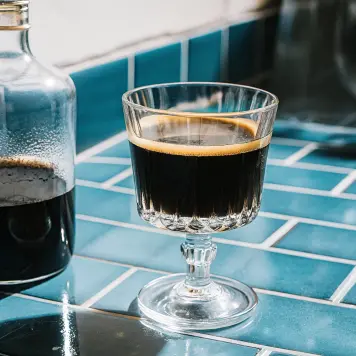
Unicum
This dark, bitter herbal liqueur is made from a secret blend of over 40 herbs and spices and has been produced by the Zwack family since 1790. It was originally created as a medicinal digestive tonic for Emperor Joseph II.
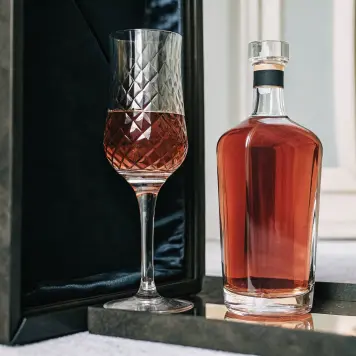
Tokaji Aszú
Known as the "Wine of Kings, King of Wines," this legendary Hungarian dessert wine was praised by Louis XIV of France. It is made from botrytized (nobly rotten) grapes from the Tokaj region, one of the world's first classified wine regions.
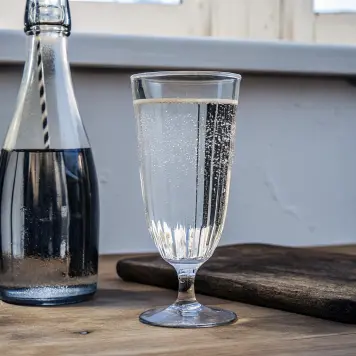
Fröccs
This refreshing Hungarian spritzer, made by mixing wine with sparkling water, is so culturally significant that Hungary has multiple named ratios for the drink. The most famous version is the "kisfröccs" made with 1 part wine to 1 part soda water.
Frequently Asked Questions about Eger, Hungary
Is Eger, Hungary safe?
How many days in Eger, Hungary?
Best time to visit Eger, Hungary?
Is Eger, Hungary expensive?
How to get around Eger, Hungary?
Merrni një PDF me atraksionet më të njohura të dërguara në emailin tuaj
Merrni një PDF me të gjitha atraksionet, vlerësimet dhe këshillat. I përshtatshëm për përdorim offline.
Ekskursione ditore më të njohura
Szépasszony Valley
Famous wine valley with numerous historic wine cellars and tasting rooms
Egerszalók
Thermal spa village with stunning salt hill formations
Szilvásvárad
Bükk Mountains gateway with hiking trails and waterfall
Lillafüred
Picturesque lake resort with a cave and castle hotel
Tokaj
World famous wine region known for Tokaji sweet wines
Rent a car in Eger, Hungary
Si të arrini atje
Aeroporte
Stacionet e trenit
Budapest Eger line, Miskolc Eger line
From Budapest Airport take bus 100E to Keleti Station, then direct trains to Eger take about 2 hours.
Gjeni fluturime për Eger, Hungary
Klikoni për të marrë eSim për Eger, Hungary
Mënyra më e lehtë dhe më e përballueshme për të marrë internet mobil kudo që udhëtoni.
Informacione të dobishme për Eger, Hungary
Përmbledhje për Eger, Hungary
Most popular itineraries for Eger, Hungary
Browse trip plans created by other travelers
Komente (10)
The thermal baths here are smaller than Budapest but way less crowded. Had half the pool to myself in October. Felt like a hidden gem.
Bring cash. A lot of smaller wine cellars and family run restaurants don't take cards. The ATM near the basilica works fine but has a fee.
Valley of the Beautiful Women is a must for wine lovers but pace yourself. Those local reds hit harder than you expect, trust me.
Food was decent but nothing mind blowing. Got a decent goulash near the basilica for cheap though. Stick to side streets for meals.
Honestly a bit underwhelmed. Maybe it was the rainy weather but the town felt sleepy and some areas looked run down. Not bad but not amazing either.