 CityBuddy
 Shqip
Shqip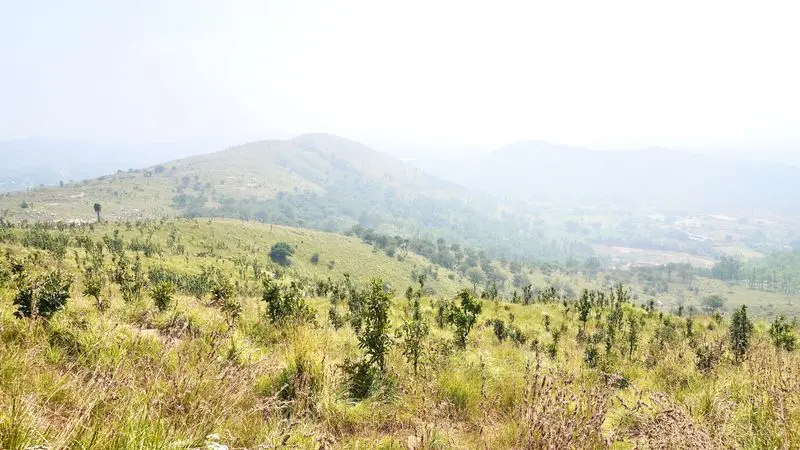
Çfarë të bëni në Muluppilagadu, India
Foto nga nathanielslens në Pexels.com
Kur të vizitoni
Atraksionet më të njohura në Muluppilagadu, India
Nëse po kërkoni gjëra për të bërë në Muluppilagadu, Indi, filloni në tempullin historik të Muluppilagadusë me gdhendjet e tij të ndërlikuara prej druri që datojnë 300 vjet më parë. Më pas drejtohuni 20 minuta në veri për t'u ngjitur në Kodrën Ezhimala për pamje panoramike të Detit Arabik. Përfundoni ditën tuaj me një udhëtim 2-orësh me varkë nëpër ujërat e qeta të Valiyaparambës, duke vërejtur pulëbardha dhe fshatra peshkimi lokal gjatë rrugës.
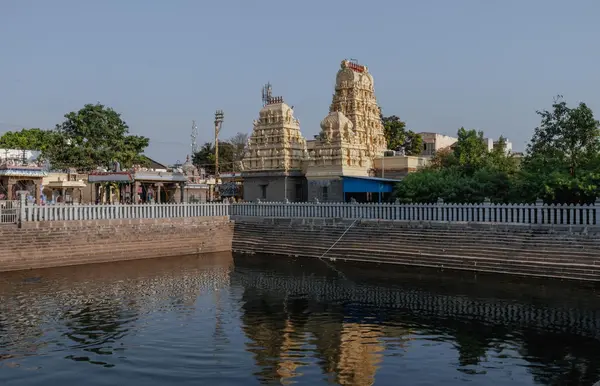
1. Muluppilagadu Temple
Një tempull i qetë buzë lumit ku mund të dëshmoni rituale shekullore në paqe të plotë. Përjetoni energjinë e papërpunuar shpirtërore të një lingami Swayambhu ndërsa priftërinjtë kryejnë puja në tingujt e ujërave të qeta që përplasen afër.
Fakte të shpejta: Dedicated to Lord Shiva, this temple sits on the banks of the Kavvayi backwaters in northern Kerala. The presiding deity is a self-manifested (Swayambhu) Shiva lingam, which locals believe was discovered by a farmer plowing his field centuries ago.
Pikat kryesore: Unlike most Kerala temples with towering gopurams, the sanctum here is a small, low-ceilinged structure where you have to stoop to enter, creating an intimate encounter with the deity. During the annual Kalasham festival, the temple tanks are lit with over 10,000 oil lamps at once, their reflections rippling across the black water as priests chant ancient vedic hymns.
2. Pashambalathil Temple
Hyni në një vend ku ritualet shekullore ende pulsojnë me jetën e përditshme, të paprekura nga bota moderne jashtë. Era e sandalit dhe luleve ju mbështjell ndërsa priftërinjtë këndojnë në gjuhë të ruajtura për mijëvjeçarë.
Fakte të shpejta: Shekuj adhurimi e kanë formësuar këtë hapësirë të shenjtë, ku ritet antike vazhdojnë të pandërprera. Familjet lokale i kanë ruajtur traditat e tempullit për breza të tërë, duke mbajtur gjallë një lidhje të gjallë me trashëgiminë shpirtërore të rajonit.
Pikat kryesore: Gjatë festivalit vjetor, një llambë e vetme vaji bartet në procesion, e cila ka qenë e ndezur pa ndërprerje për mbi 100 vjet, gjithmonë e mbajtur nga e njëjta linjë familjare. Flaka udhëton nëpër rrugicat e ngushta të fshatit, ndërsa daulltarët kryejnë ritme të trashëguara përmes 15 brezash muzikantësh vendas.
3. Valiyaparamba Backwaters
Lundroni nëpër 9 kilometra lagunash të pacenuara ku çafkat rrëshqasin mbi ujë dhe dyqanet e palmës rreshtojnë brigjet. Do të kaloni pranë shtëpive me kashtë, do të shihni kingfisherë që zhyten për pre dhe do të pini çaj me peshkatarë që ende përdorin rrjeta të endura me dorë.
Fakte të shpejta: Tre laguna të ndërlidhura shtrihen përgjatë 9 kilometrave uji të qetë dhe gjysmë të kripur, të ushqyer nga lumi Valiyaparamba. Më shumë se 15 lloje peshqish lulëzojnë këtu, duke e bërë këtë vend një pikë kryesore për të kapur peshk me njolla dhe peshk mbretëror direkt nga një kanoe peshkimi lokale.
Pikat kryesore: Gjatë muajve të musonit, ujërat e brendshme ngrihen për gati 2 metra, duke përmbytur fushat me oriz përreth dhe duke krijuar rrugë ujore të përkohshme që lidhin fshatra të ndara normalisht nga toka. Peshkatarët vendas lundrojnë në këtë peizazh të transformuar duke përdorur shtylla bambuje për të rrëshqitur në heshtje mbi pemët e kokosit të zhytura në ujë.
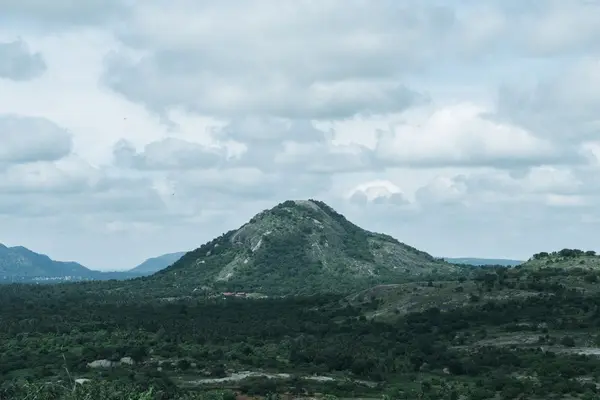
4. Ezhimala Hill
Terrene stërvitore detare të lashta dhe një tunel misterioz i fshehur presin ata që ngjiten në këtë kodër bregdetare. Hidhni një sy mbi Detin Arabik nga maja dhe eksploroni shpella ku marinarët Chola dikur studionin yjet.
Fakte të shpejta: Kodra ngrihet 286 metra mbi nivelin e detit dhe shërbeu si bazë e madhe stërvitore detare për dinastinë Chola shekuj më parë. Forma e saj unike që i ngjan kokës së një miu i dha zonës emrin, i rrjedhur nga fjalët malajalame "ezhi" (mi) dhe "mala" (kodër).
Pikat kryesore: I fshehur brenda kodrës është një tunel i lashtë 150 këmbë i gjatë i quajtur "Tuneli Marmala", të cilin legjendat lokale thonë se e lidhte kodrën me Kalanë Tipu Sultan disa kilometra larg. Ec në errësirë duke mbajtur vetëm një elektrik dore dhe do të ndjesh ajrin e freskët që ndryshon ndërsa qëndron në një kalim të gdhendur me dorë mbi 300 vjet më parë.
5. Payyambalam Beach
Ku rëra e artë takon valët e fuqishme të Detit Arabik për një arratisje të paharrueshme bregdetare. Ndjeni erën e detit në fytyrë ndërsa ecni në bregdetin e gjatë nën pemët e larta të palmave.
Fakte të shpejta: Three kilometers of golden sand stretch along the Arabian Sea here, making it one of the longest beachfronts in Kannur district. A unique police museum stands right on the beach, housing confiscated artifacts and vintage weapons.
Pikat kryesore: At sunset, the entire beach transforms as hundreds of local families gather for evening cricket matches right on the wet sand, their laughter mixing with the crash of waves. The giant bronze hands sculpture called "Sreebuddha" rises from the shoreline like hands emerging from the sea, a striking photo moment that catches the golden hour light perfectly.
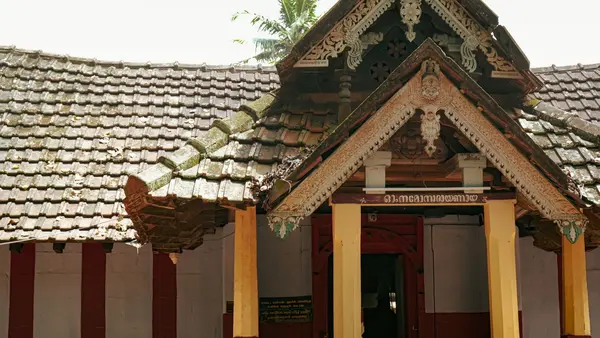
6. Parassinikadavu Muthappan Temple
Ku perënditë pasqyrohen në pasqyra dhe majmunët ushqehen si mbretër. Dëshmoni ritualet e lashta të kërcimit Theyyam përgjatë brigjeve të Lumit Valapattanam.
Fakte të shpejta: Devotees line up daily for the ritual feeding of hundreds of monkeys who gather at the temple grounds. Unlike most Hindu temples where the head priest is a Brahmin, here a member of the local tribal community performs the sacred rituals.
Pikat kryesore: Every evening, the temple comes alive with a mesmerizing performance of Theyyam, a 2,000-year-old ritual dance where performers transform into living deities through elaborate costumes and trance-like movements. The main deity is never represented by a carved statue but by a bronze mirror called a valkannadi, which reflects the face of each devotee as they stand before it.
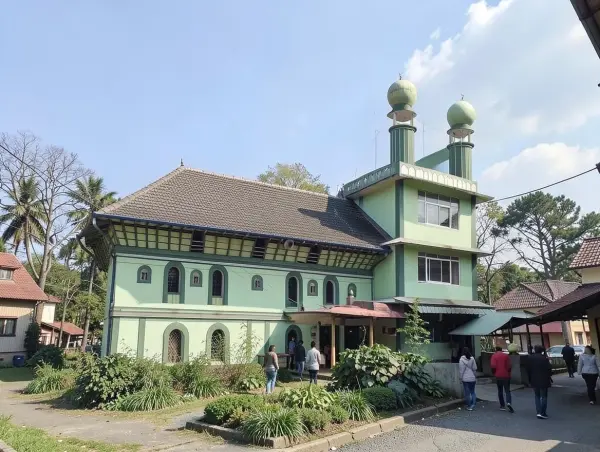
7. Pazhayangadi Mosque
Një xhami verbuese e bardhë ku pelegrinët lënë mijëra kuaj të vegjël prej druri si oferta. Shikoni dritën e diellit që vallëzon mbi tri kube qepë duke thithur shekuj devocioni Sufi.
Fakte të shpejta: Tre kupolat hijeshore dhe një minare e lartë shënojnë këtë faltore muslimane të zbardhur në distriktin Kannur të Keralës. Besimtarët ofrojnë kuaj të vegjël prej druri si kurban votiv, një traditë e lidhur me xhaminë dhe asociimin e saj me një shenjt të nderuar sufi.
Pikat kryesore: Stili arkitektonik goditës i xhamisë shkrin kupolat islame me elementë tradicionalë të Keralës, duke krijuar një siluetë të bardhë të pastër përkundër peizazhit të gjelbër. Kuajt e vegjël prej druri të gdhendur me dorë, të lënë nga mijëra besimtarë, rreshtojnë muret e brendshme, secili duke përfaqësuar një lutje ose dëshirë të bërë në faltore.
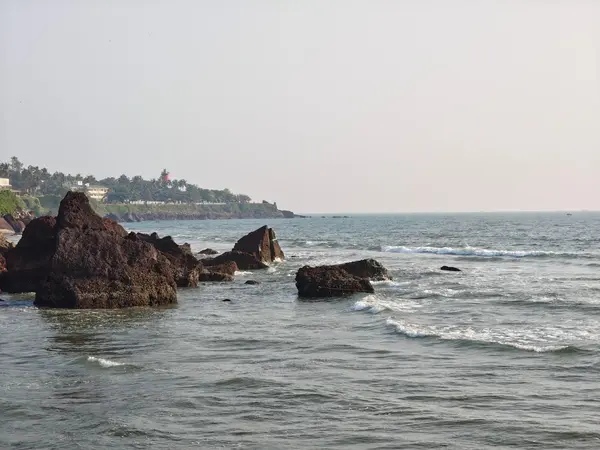
8. Kannur Lighthouse
Ngjitni 90 shkallë spirale për një pamje mahnitëse ku Deti Arabik përplaset kundër shkëmbinjve shkëmborë. Ndjeni flladin e oqeanit në majë ndërsa varkat e peshkimit vallëzojnë mbi ujin bruz poshtë.
Fakte të shpejta: E vendosur mbi një shkëmb shkëmbor që mbikëqyr Detin Arabik, ky far ka udhëhequr anijet nëpër ujërat e rrezikshme të brigjeve të Keralës që nga fillimi i viteve 1900. Vijat e tij të dallueshme të kuqe dhe të bardha e bëjnë menjëherë të njohur për marinarët që i afrohen portit të Kannurit me milje larg.
Pikat kryesore: Ndryshe nga shumica e farëve që mund t'i shikoni vetëm nga poshtë, ky ju lejon të ngjiteni deri në majë për një panoramë 360 gradë ku Deti Lakshadweep takohet me brigjet e veshura me palma kokosi. Në ditët e kthjellëta, mund të dalloni shtrirjen e largët të flotës së peshkimit të Gjirit Mappila që niset për kapjen e mëngjesit, me bykët e tyre prej druri që lëkunden në horizont.
Where to Stay in Muluppilagadu, India
Selected by City Buddy based on guest reviews and proximity to top attractions
Search all hotels in Muluppilagadu, IndiaPowered by agoda
Ditët e hapjes në Muluppilagadu, India
Cilat nga atraksionet kryesore mbyllen cilën ditë të javës, armiku klasik i udhëtimit, të kontrolluara për ty.
Lajm i mirë: të gjitha 4 atraksionet kryesore me orar të njohur janë të hapura çdo ditë të javës.
Mbyllur të e hënë · 0 mbyllur, 4 hapur
Asgjë nuk mbyllet të e hënë, të gjitha 4 atraksionet me orar të njohur janë të hapura.
Ditët e hapjes nga Google Maps (kontrolluar 2026-08-06). Festat publike, grevat dhe oraret sezonale mund të ndryshojnë, kontrollo faqen zyrtare para se të shkosh.
Ëmbëlsirat tradicionale
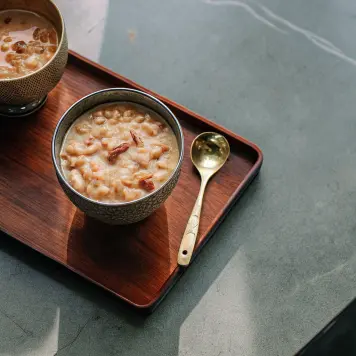
Payasam
Payasam is a creamy rice pudding made with coconut milk and jaggery, and it is an essential offering in Kerala temples during festivals and special occasions.

Unniyappam
Unniyappam are small, round, deep-fried fritters made from rice flour, jaggery, banana, and coconut pieces, and their name literally means "small rice cake" in Malayalam.

Ada Pradhaman
Ada Pradhaman is a rich Kerala dessert made with rice flakes cooked in thickened coconut milk and sweetened with jaggery, often served as the grand finale of a traditional Sadya feast.
Gatimet tradicionale të kripura
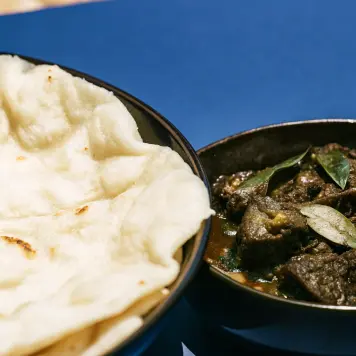
Kerala Porotta with Beef Fry
Kerala porotta is a flaky, layered flatbread made with refined flour and oil, and it is famously paired with spicy, tender beef fry cooked with coconut slices and curry leaves.
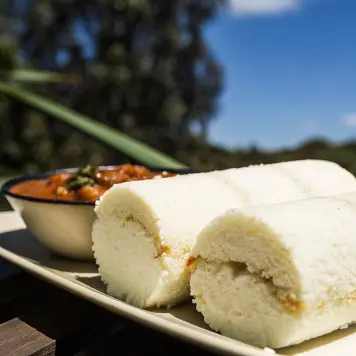
Puttu and Kadala Curry
Puttu is a steamed cylindrical rice cake layered with grated coconut, and it is a beloved breakfast staple in Muluppilagadu when served with spicy black chickpea curry.
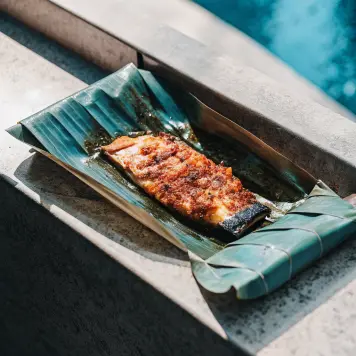
Meen Pollichathu
Meen Pollichathu features fresh pearl spot fish marinated in a spicy masala paste, wrapped in a banana leaf, and roasted to perfection, giving it a unique smoky aroma.
Pijet tradicionale
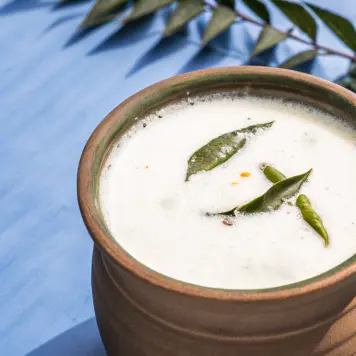
Sambharam (Spiced Buttermilk)
Sambharam is a refreshing traditional buttermilk drink tempered with ginger, green chili, and curry leaves, and it is consumed daily in Kerala to aid digestion and beat the tropical heat.

Kerala Black Tea
Kerala's black tea is grown in the lush highland estates of Munnar and Wayanad, and the local tradition involves brewing it strong with milk and sugar for a bold, comforting cup.
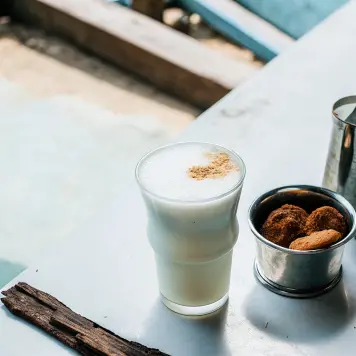
Palm Toddy (Kallu)
Palm toddy is a mildly fermented traditional drink tapped from coconut or palm trees, and it is often enjoyed fresh in coastal villages like Muluppilagadu with spicy fried snacks.
Pyetje të Shpeshta rreth Muluppilagadu, India
A është i sigurt Muluppilagadu, Indi?
Koha më e mirë për të vizituar Muluppilagadu, Indi?
Sa ditë në Muluppilagadu, Indi?
A është i shtrenjtë Muluppilagadu, Indi?
Si të lëvizësh në Muluppilagadu, Indi?
Merrni një PDF me atraksionet më të njohura të dërguara në emailin tuaj
Merrni një PDF me të gjitha atraksionet, vlerësimet dhe këshillat. I përshtatshëm për përdorim offline.
Ekskursione ditore më të njohura
Muzhappilangad Drive-in Beach
India's only drive-in beach with scenic coastal views
Madayi Para
Ancient rock hill with a historic mosque and panoramic views
Valapattanam
Quiet riverside town famous for boat building and fishing
Si të arrini atje
Aeroporte
Stacionet e trenit
Shoranur-Mangalore line, Konkan Railway
From Kannur airport, take a prepaid taxi or bus to Muluppilagadu. The train station is well connected to major Indian cities.
Informacione të dobishme për Muluppilagadu, India
Përmbledhje për Muluppilagadu, India
Do një plan ditor për Muluppilagadu, India? Hap planifikuesin e udhëtimit
Kur do të shkoni në Muluppilagadu, India?
Zgjidh datat dhe stilin e udhëtimit për të marrë:
A ka ndonjë nga këto që është veçanërisht e rëndësishme për ju?
Zgjidh të gjitha që vlejnë
Si të lëvizësh
Si dëshiron të lëvizësh midis vendeve?
Gjuha e planit: Shqip