 CityBuddy
 Shqip
Shqip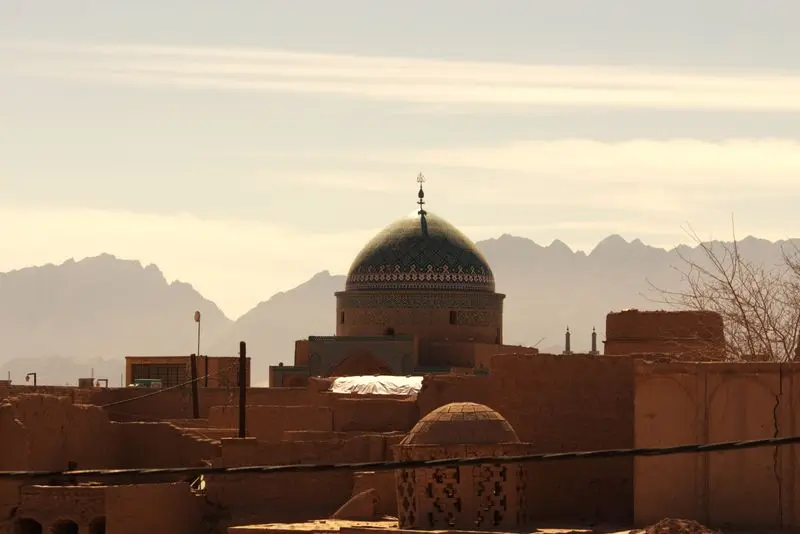
Çfarë të bëni në Yazd, Iran
Foto nga SYDE Yvi në Pexels.com
Kur të vizitoni
Atraksionet më të njohura në Yazd, Iran
Në Yazd, Iran, shumë programe emocionuese i presin udhëtarët. Ndër gjërat më të rëndësishme për të bërë në Yazd, Iran, bën pjesë admirimi i minareteve mbresëlënëse, 52 metra të larta, të Xhamisë Jameh të Yazdit nga shekulli i 14-të. Kompleksi Amir Chakhmaq ka 12 harqe të mëdha në fasadën e tij. Mos e lini pas dore as vizitën në Tempullin e Zjarrit Zoroastrian të Yazdit, ku digjet një zjarr i shenjtë 1500-vjeçar.
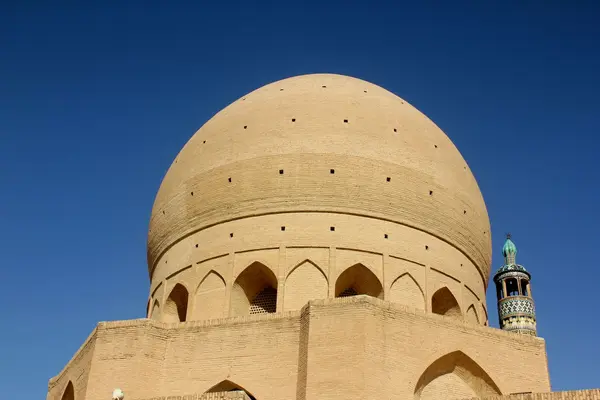
1. Jameh Mosque of Yazd
Vepër mjeshtërore e arkitekturës perse, ku pllakat blu thuajse shkëlqejnë në dritën e diellit të shkretëtirës. Një shëtitje nën kupolën me tulla të shekullit të 11-të, ndërsa zbulon kulmin e artit dekorativ.
Fakte të shpejta: Një nga shembujt më madhështorë të artit iranian të qeramikës dhe pllakave, ku ngjyra blu dominon muret. Rreth 900 metra katrorë pllaka mbulojnë ndërtesën dhe portali i hyrjes është porta islame më e lartë e Iranit, 24 metra e lartë.
Pikat kryesore: Në dritën e agimit, pllakat blu fillojnë pothuajse të shkëlqejnë, dhe në diellin e pasdites dalin në pah edhe detajet e imëta të motiveve arabeske në fasadat. Duke qëndruar nën kupolën e madhe prej tullash të ndërtesës, vizitori përshëndetet nga përvoja mahnitëse akustike e arkitekturës selxhuke të shekullit XI.
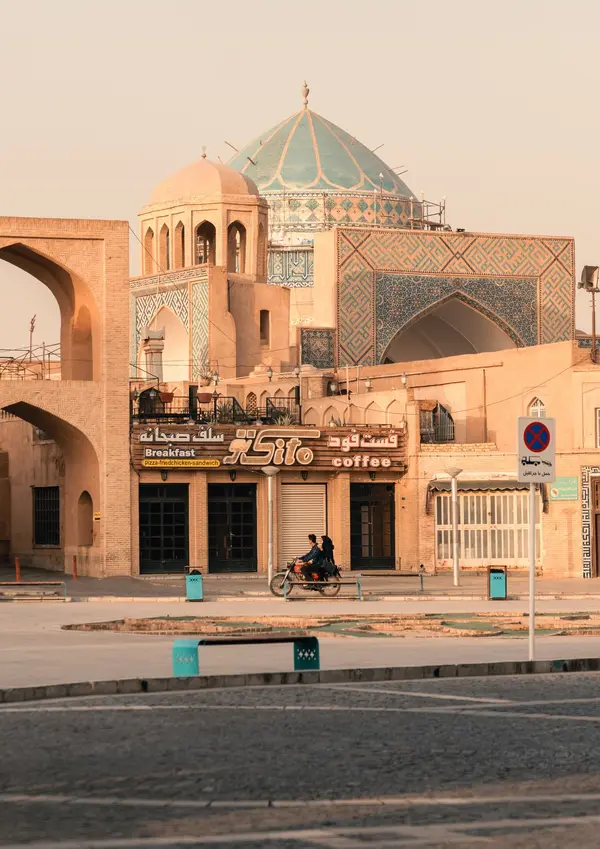
2. Amir Chakhmaq Complex
Këtu mund të shohësh një nga fasadat më fotogjenike të Persisë, që ndizet vërtet në muzg. Ec nëpër bazaar-in e mbuluar, pi një çaj në shesh dhe shiko sesi vendasit jetojnë të përditshmen e tyre.
Fakte të shpejta: Monumenti shiit i shekullit XIX njihet nga muri i tij i vetëm i madh, i stolisur me kamare të rregullta, i cili ngrihet lart sa tre kate. Pazari që i përket atij shtrihet me gjarpërime për 400 metra, ndërsa vendasit e njohin sheshin kryesisht si vend për blerjet e përditshme dhe bisedat në çajtore.
Pikat kryesore: 567 kamaresët e rregullta të fasadës notojnë në dritë portokalli në mbrëmje, sikur një huall blete gjigant i ndezur të ngrihej nga skaji i shkretëtirës. Edhe rezervuari i vetmuar i ujit në mes të sheshit humbet në mjegullën e së kaluarës, megjithëse në verat e nxehta kalimtarët ftohnin këtu shalqinjtë e tyre me një kovë të nxjerrë nga thellësia.
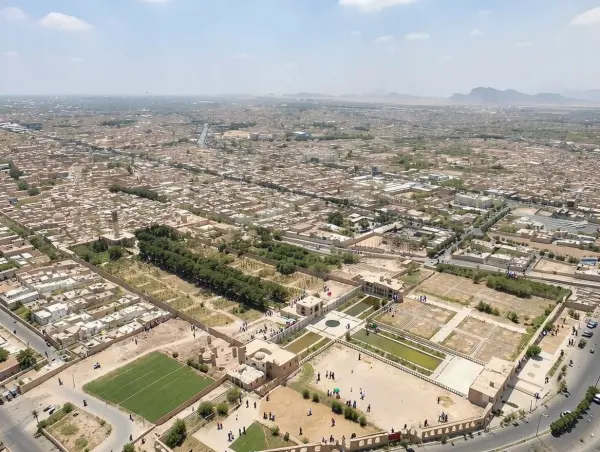
3. Dowlatabad Garden
Drejtohu drejt një prej kopshteve më të bukura perse, ku një kullë ere prej 33 metrash freskon ajrin. Ec nëpër sallat e pasqyruara, ndërsa tingulli i lehtë i kanaleve nëntokësore të shoqëron.
Fakte të shpejta: Kulla 33 metra e lartë është një nga kullat më të larta të erës në Iran, e cila ftoh ambientet e brendshme me ajrim natyral. Kopshti u ndërtua në shekullin XVIII nga Mohammad Taqi Khan, i cili njëkohësisht krijoi edhe një sistem të madh nëntokësor të kanaleve të ujit për furnizimin me ujë të qytetit.
Pikat kryesore: Brendësia e pavionit tetëkëndësh në mes të bagh-ut (kopshti persian) është e mbuluar me mozaikë pasqyre të punuara me imtësi, të cilat shpërndajnë dritën e diellit me qindra nëpër dhomat. Nëpër sistemin e korridoreve nëntokësore 65 metra të gjatë, edhe në vapën më të madhe rrjedh ajër 15-20 gradë Celsius më i freskët, që ngjitet nëpër kullën e erës deri në pavion.
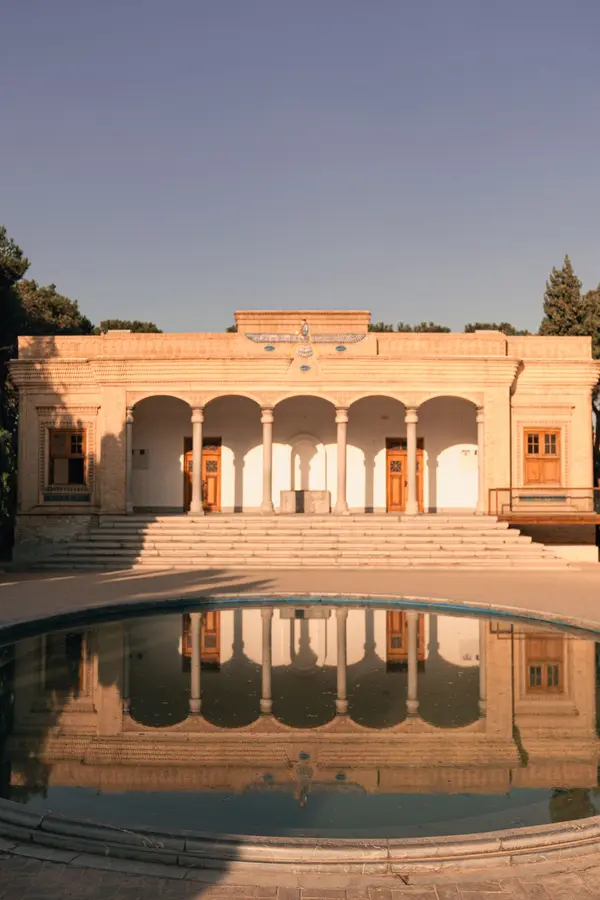
4. Zoroastrian Fire Temple of Yazd
Këtu mund të shohësh një nga zjarret më të vjetra në botë që digjet vazhdimisht, duke flakëruar prej më shumë se një mijëvjeçari e gjysmë. I ulur në sallën e errët, mund të shikosh sesi flakët kërcejnë, ndërsa të rrethon qetësia e besimit zoroastrian.
Fakte të shpejta: Flaka që digjet këtu, thuhet se nuk është shuar për më shumë se 1500 vjet dhe është një nga zjarret më të vjetra të ndezura vazhdimisht në botë. Zjarri i shenjtë i ruajtur në tempull u mblodh nga nëntë burime të ndryshme përpara se të transportohej këtu në fillim të shekullit të 20-të.
Pikat kryesore: Në qendër të fasadës, një simbol i madh Faravahar i gdhendur në gur i vëzhgon vizitorët, një nga simbolet më të lashta të besimit zoroastrian. Drita që filtrohet përmes xhamit të tempullit vallëzon në hapësirën e brendshme, duke e mbështjellë flakën e lashtë me një shkëlqim pothuajse të mbinatyrshëm.
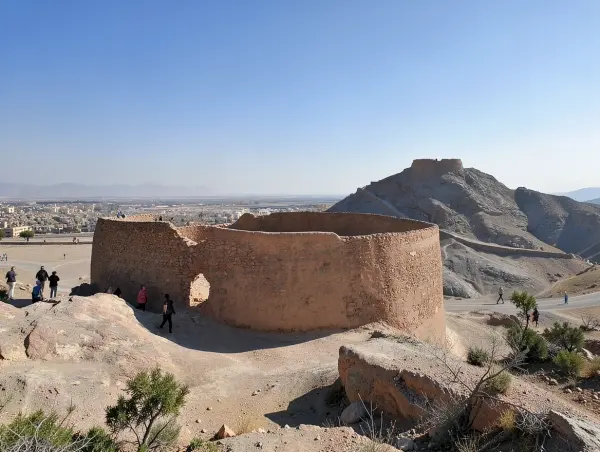
5. Towers of Silence
Një vend ku vdekja takohet me erën e shkretëtirës në një heshtje pothuajse të prekshme. Mund të shohësh kullat prej guri dhe shkretëtirën, ndërsa drita e diellit e kthen rërën në ar.
Fakte të shpejta: Sipas ritit funerar Zoroastrian, trupat ekspozoheshin për shqiponjat në këtë lartësi. Kullat e ndërtuara në shekullin e 6-të tashmë nuk presin më ceremoni, por shpirti i vendit mbetet po aq i fortë.
Pikat kryesore: Brenda kullave nuk ka asgjë të frikshme dhe asnjë element arkitekturor mbresëlënës. Ajo që ndihet në majë të kodrës është heshtja e plotë dhe ajo mençuri 2500-vjeçare se vdekja nuk është fundi i jetës, por kthimi në natyrë.
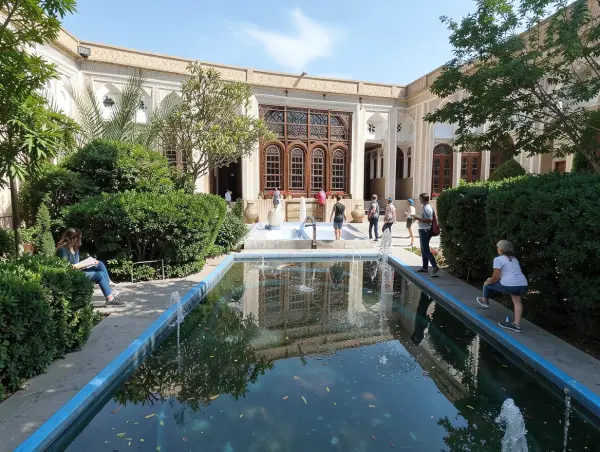
6. Yazd Water Museum
Këtu mund të kuptosh sesi persët i mbanin gjallë qytetet e shkretëtirës. Zbret në një kanal nëntokësor të lashtë, ku uji i ftohtë si guri dhe rëra e lëshuar të japin një përvojë të prekshme.
Fakte të shpejta: Inxhinierët persianë shekuj më parë ndërtuan një sistem kanalesh nëntokësore që transportonte ujin edhe në vapën e shkretëtirës. Disa nga kanatët e ekspozuar në muze mund të kenë qenë deri në 70 kilometra të gjatë, dhe uji nuk bie kurrë në kontakt me sipërfaqen.
Pikat kryesore: Mund të zbresësh nën tokë përgjatë një kanati 300-vjeçar, ku midis mureve prej guri dëgjohet gurgullima e ujit. Një nga eksponatet më të veçanta të ekspozitës është një tub balte 2000-vjeçar, të cilin persianët e lashtë e përdornin për përcjelljen e ujit.
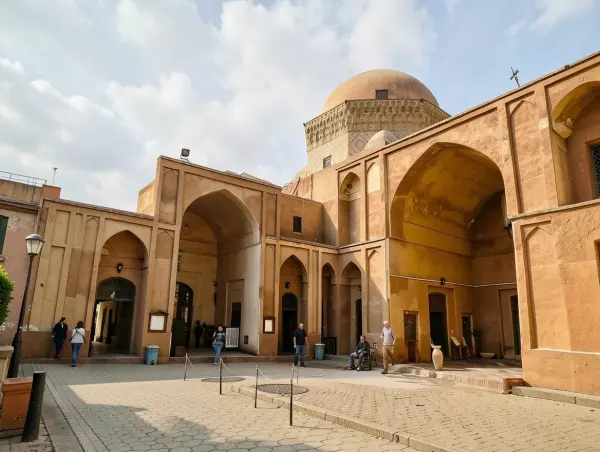
7. Alexander's Prison
Një vend ku sekretet e së kaluarës takohen me arkitekturën gjeniale perse. Hyr në errësirë, ndje ajrin e freskët dhe zbuloj mekanizmin mahnitës të sistemit të fshehur të grumbullimit të ujit.
Fakte të shpejta: Struktura e shekullit të 9-të në fakt nuk ka qenë kurrë burg, por një cisternë e madhe dhe vend pushimi në Persinë e lashtë. Emri vjen nga fakti se sipas legjendave vendase, Aleksandri i Madh mbante këtu të burgosur fisnikët rebelë.
Pikat kryesore: Brenda të hapet një sallë e madhe e errët me kupolë, ku muret e cisternës 8 metra të thellë vizatohen nga drita që vjen nga lart. Heshtja e përsosur dhe ajri 12 gradë më i ftohtë të krijon ndjenjën sikur ke hyrë në një shekull tjetër.
8. Lariha House
Këtu mund të bësh një udhëtim në kohë në të përditshmen e një familjeje perse të pasur. Duke dëgjuar pëshpëritjen e kapëseve të erës dhe zhurmën e pishinës, mund të pish një çaj mente.
Fakte të shpejta: Pallati tregtar i shekullit XIX krenohet me trarë të gdhendur me dorë dhe dritare me qelq me ngjyra. Pishina në mes të oborrit krijon mikroklimën e freskët të kopshteve persiane në vapën e shkretëtirës.
Pikat kryesore: Muret e brendshme të shtëpisë janë të mbuluara me 47 modele të ndryshme gjeometrike, të gdhendura me dorë nga stuk gipsi me konsistencë kremi. Në tavanin e njërës prej dhomave gjendet një kompozim rrethor prej druri 200-vjeçar me simbole sekrete, i cili mund të zbulohet vetëm në një kënd të caktuar të dritës së diellit të jugut.
9. Khan Bathhouse and Bazaar
Zhytu në atmosferën magjike të një banje dhe tregu persian 400-vjeçar. Mozaikë shumëngjyrësh, salla të pasqyruara dhe aroma e erëzave të freskëta të shoqërojnë nëpër korridoret labirintike.
Fakte të shpejta: Kompleksi i banjës që funksionon vazhdimisht prej më shumë se 400 vjetësh, ku mund të admirosh një shembull mahnitës të arkitekturës persiane. Nën kupolat e mëdha, të mbuluara me mozaikë shumëngjyrësh dhe dekorime me pasqyra, nuk të pret vetëm banja, por edhe një pazar ku mund të blesh produkte artizanale.
Pikat kryesore: Në pjesën e brendshme të kupolës, drita e diellit kalon nëpër qindra vrima të vogla, duke krijuar një qiell me yje mbi pishina edhe gjatë ditës. Duke qëndruar nën tavanin 12 metra të lartë, të veshur me mozaikë qelqi me ngjyra, gati sa harron se ndodhesh në një ndërtim nëntokësor.
Where to Stay in Yazd, Iran
Selected by City Buddy based on guest reviews and proximity to top attractions
Search all hotels in Yazd, IranPowered by agoda
Ditët e hapjes në Yazd, Iran
Cilat nga atraksionet kryesore mbyllen cilën ditë të javës, armiku klasik i udhëtimit, të kontrolluara për ty.
e premte: 1 nga 9 atraksione kryesore mbyllen, planifiko muzetë për një ditë tjetër.
Mbyllur të e premte · 1 mbyllur, 8 hapur
Ditët e hapjes nga Google Maps (kontrolluar 2026-07-23). Festat publike, grevat dhe oraret sezonale mund të ndryshojnë, kontrollo faqen zyrtare para se të shkosh.
Ëmbëlsirat tradicionale
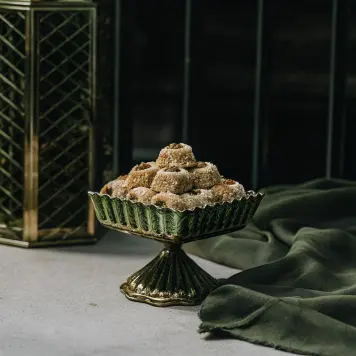
Baklava (Yazdi style)
Unlike the filo-based versions in Turkey or Greece, Yazdi Baklava is a diamond-shaped cookie made with almonds, cardamom, and rosewater, and soaked in a thick sugar syrup for a delightfully chewy texture.
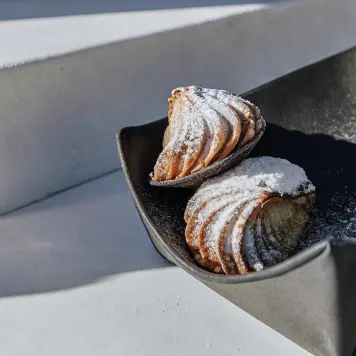
Qottab
These deep-fried almond-filled pastries are dusted with powdered sugar and have a delicate, crescent shape. They are a signature of Yazd and often served at celebrations and Nowruz gatherings.
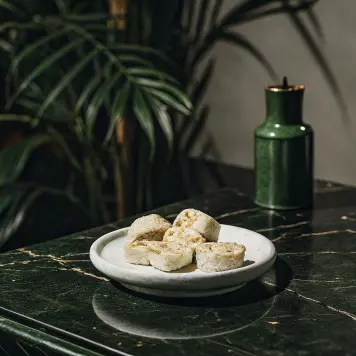
Hajji Badami
A crumbly, biscuit-like cookie packed with whole almonds and ground cardamom, Hajji Badami is named after a famous Yazdi baker. Its dry, melt-in-your-mouth texture makes it perfect for dipping in tea.
Gatimet tradicionale të kripura
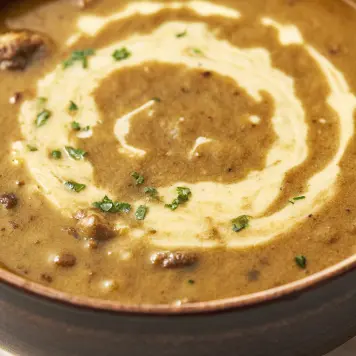
Shuli (Sholeh)
This thick, hearty Yazdi soup is made from lamb, lentils, spinach, and a tart herb called "ghoureh" (unripe grapes). It is famous for its tangy, sour flavor that is unique to the region.

Yazdi Koofteh (Koofteh Yazdi)
Unlike the classic Tabrizi meatball, this version is a large, stuffed meatball made from ground lamb or beef with rice, split peas, and a surprising sour center made from dried plums or prunes.
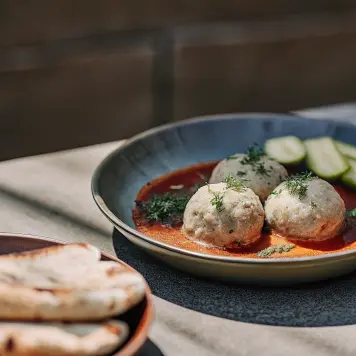
Gondi (Yazdi style)
Gondi are chickpea and chicken meatballs, slow-cooked in a spiced broth and often served with pita bread, pickles, and fresh herbs. Yazd's version is particularly famous for its light, fluffy texture.
Pijet tradicionale

Sekanjebin-e Yazdi
This sweet and sour syrup is made from vinegar, honey or sugar, and mint. Yazdi families often ferment it for weeks, giving it a complex, slightly fizzy quality that is incredibly refreshing in the desert heat.

Kashk-e Bademjan (as a drink)
While commonly a dip, in Yazd they prepare a unique warm, drinkable version (often called "Aab-e Kashk") made from diluted fermented whey, mint, and walnuts, served as a restorative winter beverage.

Chai-ye Nabat (Yazdi Rock Candy Tea)
This is simply strong black tea served with a stick of amber-colored rock candy (nabat) on the side. The diner stirs the candy to their desired sweetness, and the saffron in the nabat gives the tea a golden hue.
Pyetje të Shpeshta rreth Yazd, Iran
A është e sigurt Yazd, Iran?
Sa ditë ia vlen të kalosh në Yazd?
Kur është koha më e mirë për të udhëtuar në Yazd?
A është i shtrenjtë Yazd, Iran?
Si mund të lëvizësh në Yazd?
Merrni një PDF me atraksionet më të njohura të dërguara në emailin tuaj
Merrni një PDF me të gjitha atraksionet, vlerësimet dhe këshillat. I përshtatshëm për përdorim offline.
Ekskursione ditore më të njohura
Chak Chak (Zoroastrian Fire Temple)
Sacred Zoroastrian pilgrimage site nestled in desert mountains.
Kharanaq (Ancient Village)
Abandoned 1000-year-old mud-brick village with a shaking minaret.
Isfahan
Iconic city with Naqsh-e Jahan Square and stunning mosques.
Si të arrini atje
Aeroporte
Stacionet e trenit
Tehran, Isfahan, Kerman, Mashhad
From the airport, taxis cost around 10-15 USD to the city center. Yazd is well connected by night trains from Tehran (6-7 hours).
Informacione të dobishme për Yazd, Iran
Përmbledhje për Yazd, Iran
Do një plan ditor për Yazd, Iran? Hap planifikuesin e udhëtimit
Kur do të shkoni në Yazd, Iran?
Zgjidh datat dhe stilin e udhëtimit për të marrë:
A ka ndonjë nga këto që është veçanërisht e rëndësishme për ju?
Zgjidh të gjitha që vlejnë
Si të lëvizësh
Si dëshiron të lëvizësh midis vendeve?
Gjuha e planit: Shqip