 CityBuddy
 Shqip
Shqip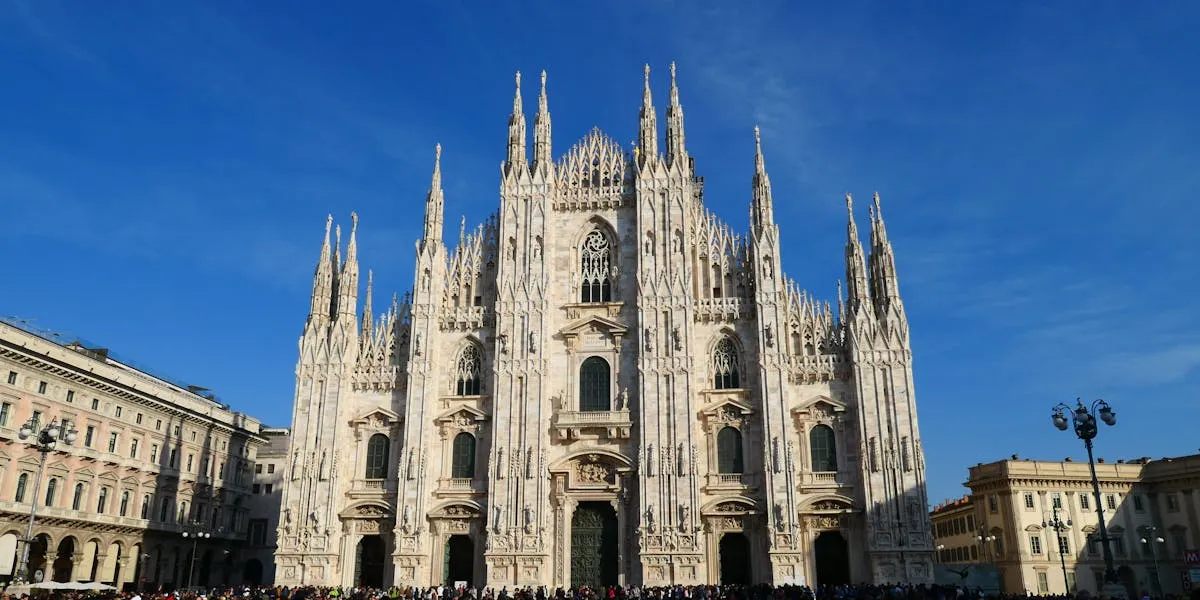
Çfarë të bëni në Milan, Italy
Foto nga Lukas Lussi në Pexels.com
Kur të vizitoni
Atraksionet më të njohura në Milan, Italy
Gjërat kryesore për të bërë në Milano, Itali përfshijnë vizitën në Duomo di Milano, një katedralë gotike e madhe me 135 maje që ofron pamje panoramike të qytetit. Blerja ose darka në elegantin Galleria Vittorio Emanuele II është një kënaqësi. Dashamirësit e artit nuk duhet të humbasin Santa Maria delle Grazie për Darkën e Fundit të Leonardos, vetëm 10 minuta ecje nga katedralja.
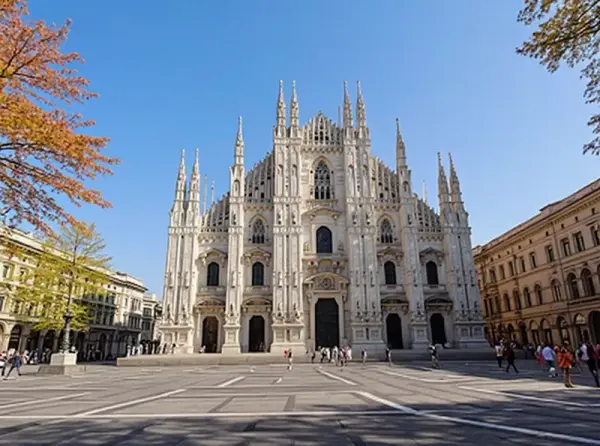
1. Duomo di Milano (Milan Cathedral)
Milan Cathedral
Një kryevepër gotike që ngrihet në zemër të Milanit, Duomo shpërblen me arkitekturë të jashtëzakonshme dhe pamje nga çatia. Ngjitni në terracat për të parë afër majat dhe panoramën e qytetit.
Fakte të shpejta: Hyni në tarraca diell-përvëluara në kulm dhe mund të numëroni mbi 3,400 statuja që ngrihen si një pyll gurësh, me shpirtra që zbresin qiellin. Ngjitni shkallët e ngushta për të ndjerë mermerin e ftohtë nën këmbë ndërsa xhamat me ngjyra drithëruese pushtojnë navën dhe bëjnë që i gjithë vendi të shkëlqejë ndërsa drita e ditës lëviz.
Pikat kryesore: Ngjituni në kulm dhe do t'ju duket sikur po rrëshqisni mes 135 shpirtrash dhe rreth 3,400 statujave të gdhendura, një pyll gurësh ku secili shenjtor dhe gargojë mban një patinë shekujsh dhe mermer të ftohtë poshtë këmbëve. Lart përmbahet një Virgjëreshë e zbukuruar me ar rreth 4.16 metra e gjatë, dhe zakoni i vjetër lokale ndalonte çdo ndërtim të jetë më i lartë se ajo, kështu që kur kullat moderne tejkaluan këtë lartësi u vendosën kopje të vogla në çatitë e tyre për të mbajtur horizontin me respekt.
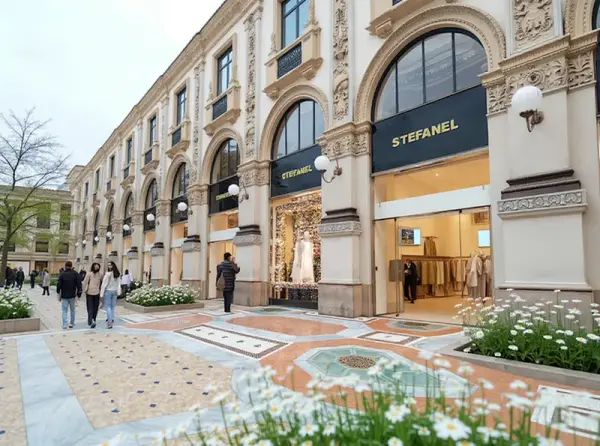
2. Galleria Vittorio Emanuele II
Arkada elegante e shekullit të 19-të me kupola qelqi të larta dhe mozaikë shkëlqyes. Ecni nën kupolën qendrore për të shijuar kafet historike dhe butiqet luksoze.
Fakte të shpejta: Drita e diellit përshkon ullukun e lartë prej xhami dhe hekuri, duke ndriçuar mozaikët dhe mermerin që bëjnë brendësinë të ndjehet si një pjazë elegante e brendshme. Nën këmbët tuaja një mozaik me një dem bart një supersticion të çuditshëm: rrotullimi mbi testikujt e demit thuhet se sjell fat të mirë, ndërsa kafenetë dhe butikët mbajnë arkadën të gjallë.
Pikat kryesore: Nën kupolën e lartë prej xhami, një mozaik në formë demi pret një ritual të çuditshëm: vizitorët rrotullohen tre herë mbi thembrën e demit për fat, një praktikë zbavitëse që vendasit thonë se daton që nga fundi i shekullit të 19-të. Hyni në dyshemenë prej mermeri të zi dhe të bardhë dhe mund të ndjeni aromën e espresos nga kafenetë shekullore ndërsa drita e mesditës përshkon mozaikët prej ari, duke kthyer gjithë arkadën në një kuti bizhuterish të ngrohtë dhe shkëlqyer.
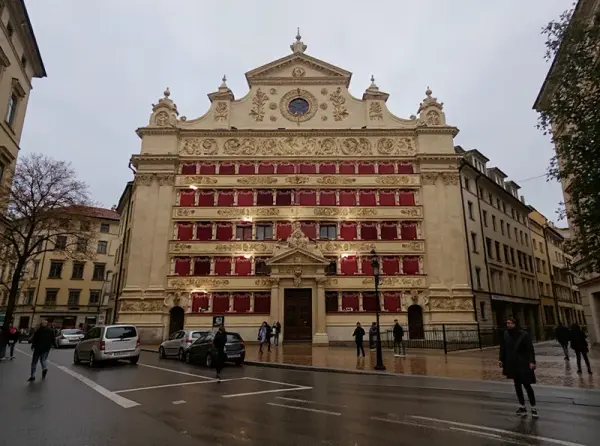
3. Teatro alla Scala (La Scala Opera House)
La Scala Opera House
Shtëpia historike e operas ku performuan legjenda muzikore. Eksploroni muzeun, shikoni kostumet origjinale dhe hyni në auditorin e artë për një atmosferë mbresëlënëse.
Fakte të shpejta: Kutia të veshura me pelurë dhe tavan i zbukuruar me ar krijojnë një heshtje prekëse ku duartrokitjet mund të ndihen si një valë fizike. Adhuruesit e operës mburren se salla ka premieruar vepra të shquara nga kompozitorë si Verdi dhe Rossini, dhe akustika legjendare lejon që një frazë e pëshpëritur të arrijë galerinë më të lartë.
Pikat kryesore: Natën e hapjes më 3 gusht 1778 u shfaq Europa riconosciuta e Antonio Salierit, dhe salla vazhdoi të premierojë vepra nga Rossini, Bellini dhe Verdi, duke formësuar operën evropiane për shekuj. Adhuruesit në galerinë më të lartë, logjionen, janë të njohur për zërin e tyre të lartë: ata janë njohur për të fishkëllyer këngëtarë një minutë dhe hedhur buqeta apo brohoritje bravo në tjetrën, e gjithë sala gjallëron me pëshpëritje të pelhur të kuqe dhe zëra të kutive prej ari.
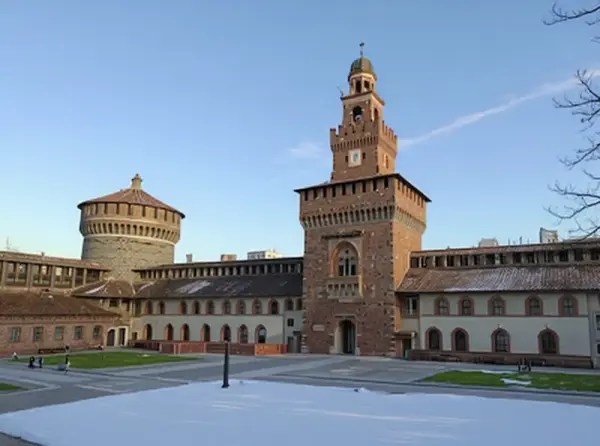
4. Castello Sforzesco (Sforza Castle)
Sforza Castle
Një fortesë mesjetare e kthyer në kompleks muze, e pasur me art dhe histori. Ecni mbi muret mbrojtëse, shihni Pietà Rondanini të Michelangelos, dhe eksploroni oborret dhe muzeumet.
Fakte të shpejta: Duke endur nëpër oborre me shtresa, vizitorët shpesh hasin një thes surprizues të artit, përfshirë Pietà Rondanini të qetë nga Michelangelo e vendosur në një sallë të qetë. Jehonat e hapahet të oborrit dhe trumpetave të largët rrinë në gur, dhe një labirint muzeesh ju lejon të lëvizni nga ekspozitat impozante të armëve deri te pikturat intime të Rilindjes pa dalë jashtë.
Pikat kryesore: Qëndroni brenda dy metrave nga Pietà Rondanini e Michelangelos në sallën e heshtur dhe do të shihni mermerin e papërfunduar nga afër: shenjat e görüres së shpellës, sipërfaqet e pastra dhe sytë e figurës vetëm pjesërisht të gdhendur, një skulpturë që artisti punoi deri në vdekjen e tij në 1564. Në katin lart, Sala delle Asse e Leonardos mbështjell një tavan të harkuar me degë t’i dardhës të pikturuara aq realizuese sa gati që ndjeni aromën e lëngut të lëngshëm dhe ndjeni dritën e shpërndarë, një pyll i pikturuar që kthen fortesën në një kopësht të brendshëm.
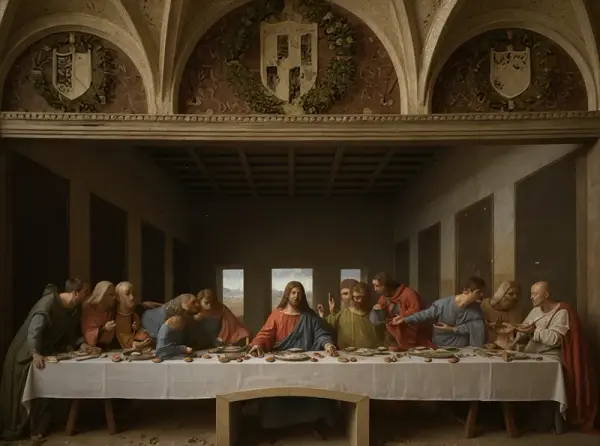
5. Santa Maria delle Grazie - Cenacolo Vinciano (Last Supper)
Last Supper
Shikoni Darkën e Fundit mjeshtërore të Leonardos në refektoriumin origjinal. Shikimi me kohë të caktuar ofron një takim të shkurtër dhe të përqendruar me freskon e brishtë.
Fakte të shpejta: Një heshtje mbretëron në refektor ndërsa kompozicioni i Leonardos ndalon tronditjen e apostujve në një moment kinematik të vetëm, ndërsa shtresat eksperimentale të bojës kanë lënë imazhin jashtëzakonisht delikat dhe një fokus të përhershëm të konservimit. Vizitat janë shumë të kufizuara në grupe të shkurtra dhe me orar për të mbrojtur pikturën murale pas dëmtimit gjatë luftës dhe shekujve të restaurimit, kështu që ta shikosh është një përvojë e rrallë, thuajse ceremoniale.
Pikat kryesore: Gjatë bombardimit të vitit 1943 u ndërtua shpejt një shtresë mbrojtëse me qese rëre dhe një mur betoni rreth refektoriumit, dhe gjurmët e tymit dhe njollat e plasaritura ende pëshpëritin mbi fatkeqësinë që e shpëtoi muralin e Leonardos da Vinci, të pikturuar midis 1495 dhe 1498, me përmasa rreth 460 me 880 centimetra. Vizitat e sotme janë shumë të kontrolluara: keni vetëm 15 minuta në dhomë me grupe prej rreth 25 personash, prandaj përqendrohuni në truqin e perspektivës që Leonardo përdori për të vendosur pikën e zhdukjes në kokën e Krishtit, një sekret i vogël optik që e bën skenën të duket në thellësi kur qëndroni në vijën qendrore të dhomës.
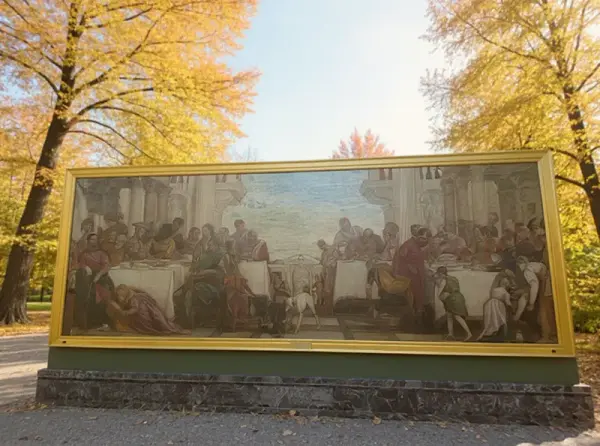
6. Pinacoteca di Brera (Brera Art Gallery) and Brera District
Koleksion madhështor i pikturave italiane nga Rilindja deri në shekullin e 19-të. Rrëshqisni në galeritë ndriçuese, pastaj eksploroni rrugicat e kalldrëmuara të Breras, kafenetë dhe butiqet.
Fakte të shpejta: Nën dritaret e larta pulsojnë galeritë me mjeshtëri nga Caravaggio dhe Mantegna, ku chiaroscuro dhe punimi delikat i furçës tërheqin vizitorët në momente befasuese intime. Rrugicat e kalldrëmit zogojnë me dyqane artizanale, kafenetë bohemiane dhe një energji shkollë arte që e kthen shëtitjen në mbrëmje në një galeri të jetës së përditshme.
Pikat kryesore: Hyni në një galeri ku "Martesha e Virgjëreshës" e Raphaelit nga 1504 dhe "Darkë në Emmaus" e Caravaggios nga 1601 varën aq afër sa mund të lexoni modelet e craylurit, dhe udhëheqësit e gjatë kohor akoma tregojnë numra të vegjël inventari të shkruara me laps në kanavace nga riorganizimi i Napolonit në 1809. Rreth qoshes rrugicat e ngushta të lagjes vonë në mbrëmje janë me aromë të espresos dhe vajit të skuqur, vendasit dalin në pjatat e vogla për ritualin e aperitivës që shpesh fillon në 6:30 pasdite me pjata ullinjsh dhe fokaçie të ngrohta, ndërsa tregtarët e pavarur dhe dyqanet e vjetër të printimit mbajnë një rrjedhë të qëndrueshme të seancave të skicimit në mesnatë nën llamba të verdha të buta.
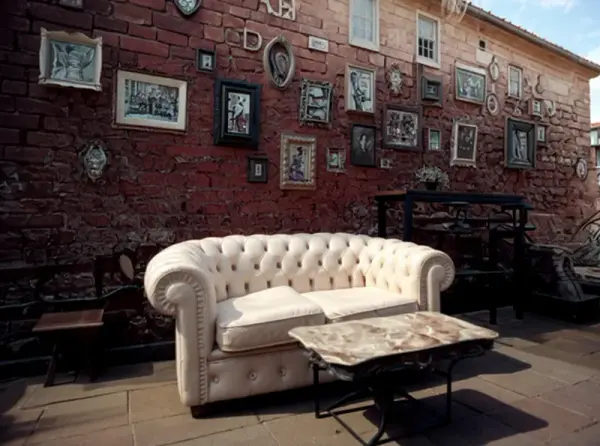
7. Navigli District (Navigli Canals)
Navigli Canals
Milan pranë kanalit ku kultura e aperitivot takon hijeshinë boheme. Shëtitni brigjet e kalldrëmuara, shfletoni stendet vintage, dhe pini një spritz ndërsa dritat shkëlqejnë mbi ujin.
Fakte të shpejta: Dritat e mbrëmjes shkëlqejnë mbi ujë ndërsa ajri mbushet me aromën e ushqimit të skuqur në rrugë, ndërsa baret dhe dyqanet antike mbushin brigjet e kanaleve. Një labirint uji historik dhe slloqesh të restauruara mikprisin skena të gjalla aperitivësh dhe tregje të vjetra, duke surprizuar vizitorët që presin vetëm muze.
Pikat kryesore: Leonardo da Vinci skicoi zgjidhjet hidraulike që ende kontrollojnë ato kanale në Kodexin Atlantikus, duke përfshirë dizajnet e sllojeve prej druri dhe përcjellësisht që ai testoi duke punuar për Ludovico Sforza. Në mbrëmje dhjetëra bare dhe osteria të vjetra shtrihen në rrugën prej guri, avulli nga tiganët e skuqur përzihet me nuancën e hidhur dhe të ëmbël të Aperol spritz ndërsa llambat shekullore shkëlqejnë pasqyrime të mjaltëta në ujë.
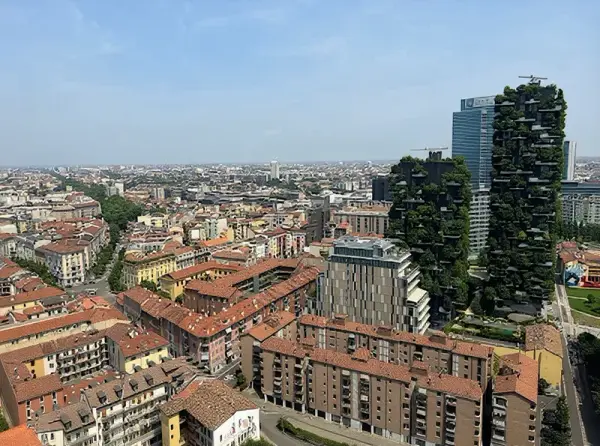
8. Bosco Verticale (Vertical Forest) & Porta Nuova district
Një çift i mrekullueshëm kullash të mbuluara me pemë që rizbulojnë gjelbërimin urban. Shëtitni kopshtet e sheshit dhe fotografojeni arkitekturën dramatike të rrethuar nga bimët.
Fakte të shpejta: Shiko lart dhe do të dallosh mbi 900 pemë që ngjiten në ballkone xhami, gjethet e tyre ftohin ajrin dhe mbulojnë zhurmën e qytetit si një filtër ajri i gjallë. Duke kaluar në lagjen me ndërtesa të larta përreth, do të gjesh kulla të ndritshme, parqe të vogla dhe kafenetë me zhurmë ku aperitivo në mbrëmje ndjehet lehtësisht modern dhe komunitar.
Pikat kryesore: Gjethëzimi mbulon ballkonet, me rreth 900 pemë dhe afërsisht 2,000 shkurre të mbjella nga arkitekti Stefano Boeri, kështu që kulla nuhasin pishë dhe rozmarinë pas shiut dhe madje mikpresin bletë dhe zogj të vegjël midis kateve. Afër tij, një grumbull kullash prej xhami të përcjellura nga një shtyllë që shkëlqen ka krijuar një ritual ditor të dritave LED që vendasit e përshtatin me aperitivon, një rutinë e pazakontë ku fqinjët takohen nën dritat për të shkëmbyer thashetheme dhe për të ndarë copa nga bimët e ballkoneve të tyre.
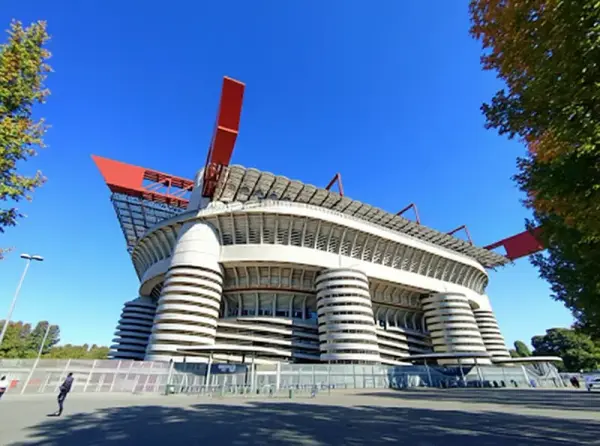
9. San Siro Stadium (Stadio Giuseppe Meazza)
Stadio Giuseppe Meazza
Shtëpia e AC Milan dhe Inter, San Siro është plot histori futbolli dhe atmosferë elektrike. Bëni një turne për të ecur në fushë, vizituar muzeun dhe për të parë nga dhomat e zhveshjes së lojtarëve.
Fakte të shpejta: Mbështjellës me rreth 80,000 vende që mbajnë tribunat, fansat ndjejnë një bujë të fuqishme, duke bërë që zhurma të jetë kaq intensive sa lojtarët ndonjëherë e quajnë atmosferën një tenxhere. Ditët e ndeshjeve kthehen në teatër të gjallë kur dy klube rivalizojnë, ngjyrat dhe këngët përplasen në një shfaqje të mbytshme që lë vizitorët me gjallëri për orë të tëra.
Pikat kryesore: Në netët e derbit bowl mban rreth 75,000 njerëz, dhe kur tifozët e A.C. Milan dhe F.C. Internazionale brohorasin në valë, betoni duket të dridhet ndërsa fishekzjarret e bëjnë tërë seksionet të kuqe e zezë dhe blu e zezë dhe ajri mbushet me tym dhe shijen e ëmbël të gështenjave të pjekura. Një traditë e pazakontë është që ultras të zhvillojnë tifos gjigandë të pikturuar me dorë që kërkojnë qindra vullnetarë dhe mund të zënë tërë tribunën, ndonjëherë përfshirë më shumë se 3,000 flamuj ose disa qindra metra pëlhure të qepur që përgatiten gjatë ditëve.
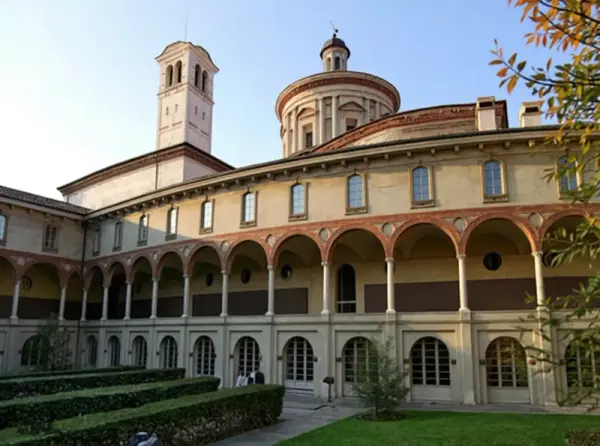
10. Museo Nazionale della Scienza e della Tecnologia "Leonardo da Vinci"
Eksploroni modelet e Leonardos, lokomotivat vintage dhe ekspozitat interaktive në muzeun më të madh të shkencës në Itali. Ekspozita praktike, aeroplanët real dhe historia e inxhinierisë ju presin.
Fakte të shpejta: Të futesh në galeritë ndjehet si një punëtori gjigande, ku motorë me avull të shkëlqyeshëm qëndrojnë pranë modeleve të makinave fluturuese në shkallë dhe stacione interaktive që të ftojnë të tërhiqni levat dhe të aktivizoni mekanizma. Fakt surprizues: koleksioni ka mbi 15,000 objekte në transport, energji dhe komunikim, dhe mund të shikoni kopje në shkallë të plotë të makinerive të një shpikësi mjeshtër pranë pajisjeve origjinale industriale.
Pikat kryesore: Mund të hipni në nëndetësen Enrico Toti, ku ajri është i rëndë me naftë dhe metal të ftohtë, dhe të shikoni përmes një periskopi që kornizon oborrin si një ekran filmi rrethor. Që nga viti 1953 sallat kryesore kanë pritur një punëtori praktik me më shumë se 60 makina të rindërtuara nga fletoret e inxhinierisë së Rilindjes, ku rrotat prej druri kërcasin nën gishtat tuaj dhe një model i madh i krahut ju lejon të ndjeni si kap ajri në një kornizë të shkallëzuar.
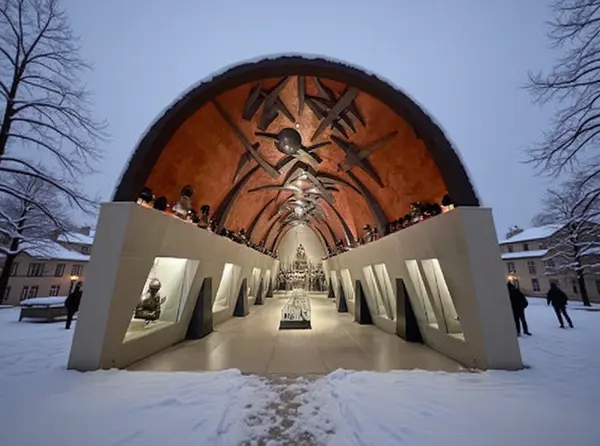
11. Museo Poldi Pezzoli
Hyni në koleksionin e artit të një aristrokrati të shekullit të 19-të, plot me kryevepra të Rilindjes dhe armatim mahnitës. Përjetoni një përzierje unike të pikturës, dekorit dhe armëve historike në dhoma të freskuara bukur.
Fakte të shpejta: Muzeu ekspozon mbi 5,000 vepra të mbledhura nga Gian Giacomo Poldi Pezzoli, duke përfshirë piktura, armë dhe arte dekorative. Koleksioni i tij përmban kryevepra si "Venus dhe Marsi" i Botticellit dhe qelqgjerë veneciane të mrekullueshme.
Pikat kryesore: Një theks sekret është koleksioni i mahnitshëm i armëve dhe mburojave të shekullit të 19-të të ekspozuar pranë artit të Rilindjes, duke krijuar një përvojë imersive që bashkon luftën dhe bukurinë. Vizitorët mund të mahniten me dhoma të freskëtuara të rindërguara për të imituar shtëpitë aristokratike milaneze, me piktura të ndërlikuara tavanore dhe mobilje të epokës.
Where to Stay in Milan, Italy
Selected by City Buddy based on guest reviews and proximity to top attractions
Search all hotels in Milan, ItalyPowered by agoda
Ditët e hapjes në Milan, Italy
Cilat nga atraksionet kryesore mbyllen cilën ditë të javës, armiku klasik i udhëtimit, të kontrolluara për ty.
e hënë: 4 nga 10 atraksione kryesore mbyllen, planifiko muzetë për një ditë tjetër.
Mbyllur të e hënë · 4 mbyllur, 6 hapur
Ditët e hapjes nga Google Maps (kontrolluar 2026-03-18). Festat publike, grevat dhe oraret sezonale mund të ndryshojnë, kontrollo faqen zyrtare para se të shkosh.
Ëmbëlsirat tradicionale
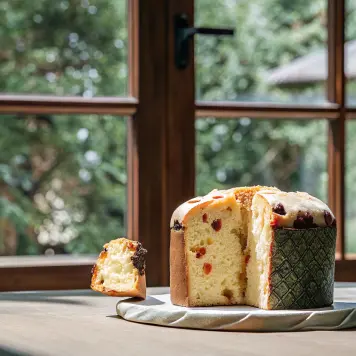
Panettone
Panettone is a Milanese Christmas icon, originally a tall, domed enriched bread studded with candied fruit and raisins, and artisans once competed to produce the lightest, most aerated loaf.
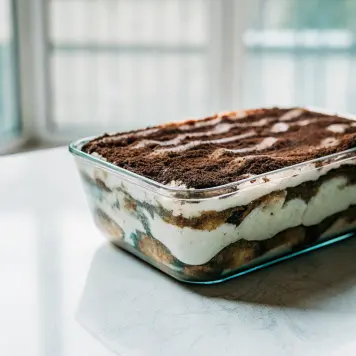
Tiramisu
Tiramisu's origins are debated, but in Milan it became a café staple, prized for the theatrical layering of espresso-soaked ladyfingers and mascarpone that wakes the senses.
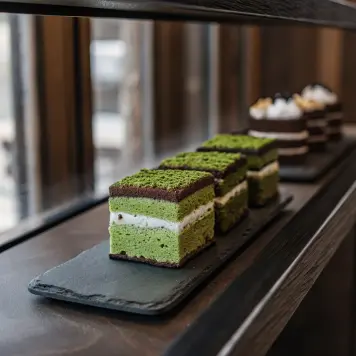
Pasticcini
Pasticcini means 'little pastries' and Milanese pasticcerie display them like jewels, offering delicate bite-sized cakes and filled pastries designed to be enjoyed with an espresso.
Gatimet tradicionale të kripura
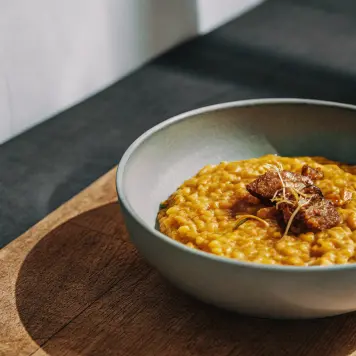
Risotto alla Milanese
Risotto alla Milanese owes its vivid golden color to saffron. Its creamy texture was traditionally achieved by patient stirring and the addition of beef marrow.
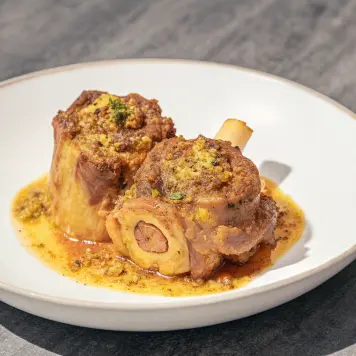
Ossobuco
Ossobuco, cross-cut veal shanks braised until gelatinous, gets its bright lift from gremolata, a zesty mix of lemon zest, garlic, and parsley that cuts through the richness.
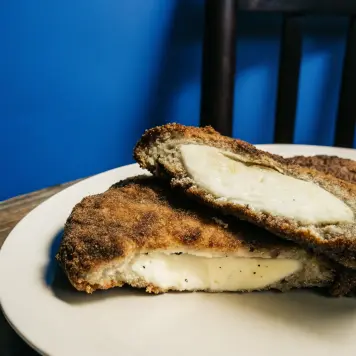
Cotoletta alla Milanese
Cotoletta alla Milanese is a bone-in veal cutlet pounded, breaded, and fried in butter until crisp, and some culinary historians say Milan's golden schnitzel predates similar Viennese dishes.
Pijet tradicionale
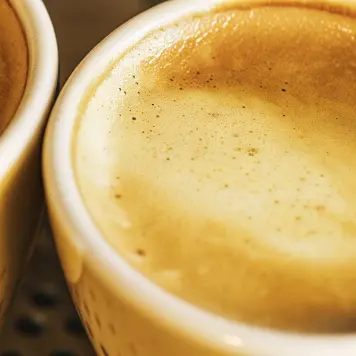
Espresso
In Milan, espresso is more than a drink, it is a ritual, often consumed standing at the bar for a quick, intense shot that punctuates the workday.

Aperol Spritz
Aperol Spritz became synonymous with Milan's aperitivo scene, its bright orange hue inviting people to gather outdoors for an easy, low-alcohol drink and small plates before dinner.
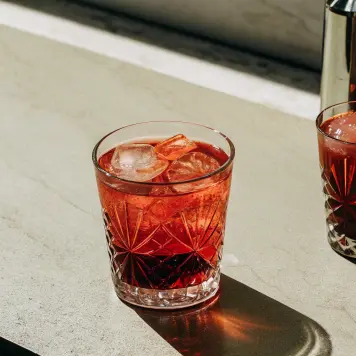
Campari
Campari was invented in Milan in the 1860s and its bold, bitter flavor helped define the city’s historic cocktail culture, inspiring classics like the Negroni and the Americano.
Pyetje të Shpeshta rreth Milan, Italy
A është Milano, Itali e sigurt për turistët?
Sa ditë duhet të kaloj në Milano, Itali?
Cila është koha më e mirë për të vizituar Milanon, Itali?
A është Milano, Itali e shtrenjtë për të vizituar?
Si të lëviz në Milano, Itali?
Merrni një PDF me atraksionet më të njohura të dërguara në emailin tuaj
Merrni një PDF me të gjitha atraksionet, vlerësimet dhe këshillat. I përshtatshëm për përdorim offline.
Ekskursione ditore më të njohura
Como (Lake Como)
Picturesque lake town with villas and ferry rides.
Bergamo (Città Alta)
Medieval hilltop old town with panoramic views.
Sirmione (Lake Garda)
Thermal springs, Scaliger castle and lakeside strolls.
Verona
Roman arena, Juliet's house and charming piazzas.
Pavia
Historic university city with a Romanesque basilica.
Si të arrini atje
Aeroporte
Stacionet e trenit
National & international long‑distance, Frecciarossa, Italo
Regional lines; Malpensa Express terminal
Regional, suburban lines and some high‑speed connections
Take the Malpensa Express to Cadorna/Centrale; Linate is a short taxi/bus ride; Bergamo has regular airport shuttles.
Informacione të dobishme për Milan, Italy
Përmbledhje për Milan, Italy
Krahaso Milan me destinacione të tjera
Çmimet, siguria, moti dhe atraksionet kryesore krah për krah, me një verdikt për çdo lloj udhëtari.
Do një plan ditor për Milan, Italy? Hap planifikuesin e udhëtimit
Kur do të shkoni në Milan, Italy?
Zgjidh datat dhe stilin e udhëtimit për të marrë:
A ka ndonjë nga këto që është veçanërisht e rëndësishme për ju?
Zgjidh të gjitha që vlejnë
Si të lëvizësh
Si dëshiron të lëvizësh midis vendeve?
Gjuha e planit: Shqip