 CityBuddy
 Shqip
Shqip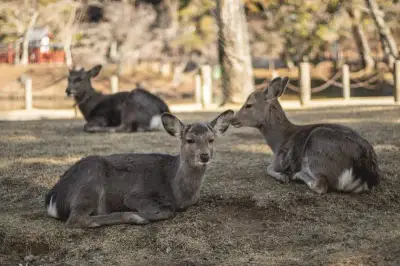
Çfarë të bëni në Nara-shi, Japan
Foto nga Anele Ludaviciute në Pexels.com
Kur të vizitoni
Atraksionet më të njohura në Nara-shi, Japan
Gjërat për të bërë në Nara-shi, Japoni përfshijnë vizitën e Tempullit Todai-ji, i cili është shtëpi e një statue të madhe prej bronzi të Budës prej 15 metrash, dhe eksplorimin e Parkut Nara, ku qentë miqësorë enden lirshëm në një sipërfaqe prej 660 hektarësh. Shkëlqimi i Shenjtërisë Kasuga Taisha ofron një shëtitje mes mijëra llambadarëve prej guri dhe bronzi që ndriçojnë pyjet e qeta. Çdo vend pasuron udhëtimin tuaj kulturor.
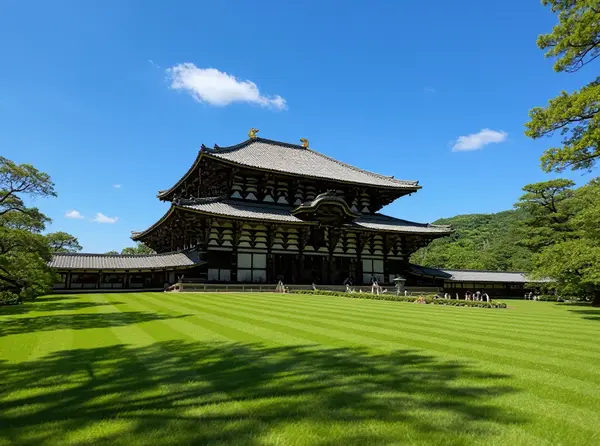
1. Nara Park
Përjetoni takime afër me mbi 1,000 dre në një mjedis të gjerë natyror. Shijoni shëtitje të qeta, tempuj të lashtë dhe dremitje lozonjare të dreve që përkulen për trajtime.
Fakte të shpejta: Mbi 1,000 drerë që lëvizin lirshëm shëtisin në park, të cilët konsiderohen si shpërndarës të mesazheve të perëndive në folklorin lokal. Parku përfshin 660 hektarë dhe tërheq më shumë se 14 milion vizitorë në vit, veçanërisht gjatë sezonit të lulëzimit të kumbullave të qershisë.
Pikat kryesore: Vizitorët mund të blejnë biskota speciale për drerët të quajtura "shika senbei" për t'i ushqyer, duke krijuar momente të paharrueshme ndërveprimi. Drerët që përkulen para vizitorëve në këmbim të ushqimit shton një prekje të papritur dhe tërheqëse që shpesh gëzon ata që vizitojnë për herë të parë.
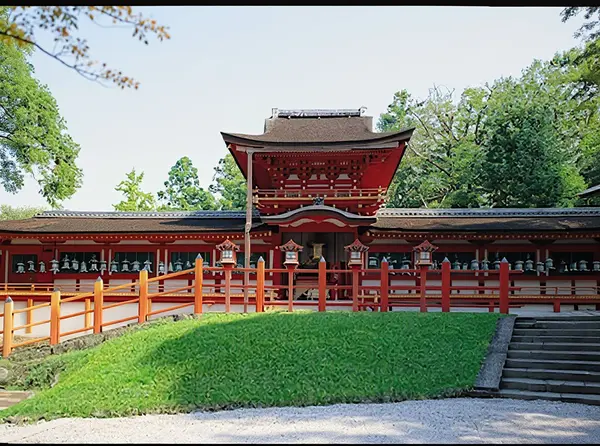
2. Kasuga Taisha Shrine
Ndieni dritën e mijëra llambadarëve dhe ecni me dremitë e shenjta. Ndjeni shekuj tradite në rrugë të qeta dhe ndriçuese dhe në mjedise të qeta pyjore.
Fakte të shpejta: Mbi 3,000 llamba prej guri dhe bronzi rreshtojnë shtigjet, duke ndriçuar rrugën me një shkëlqim magjik gjatë festivaleve. Drerët lëvizin lirshëm si mesazherë të shenjtë, duke përzier natyrën me shpirtëritë në mjedisin e tempullit.
Pikat kryesore: Festivali i llambave ndez qindra llamba njëkohësisht dy herë në vit, duke krijuar një lumë magjepsës drite që pulson pranë portave të portokalltë torii. Një traditë e veçantë lejon vizitorët të shkruajnë dëshira në pllaka druri të ekspozuara ndër mijëra të varura nën strehë, secila mbart shpresa dhe bekime.
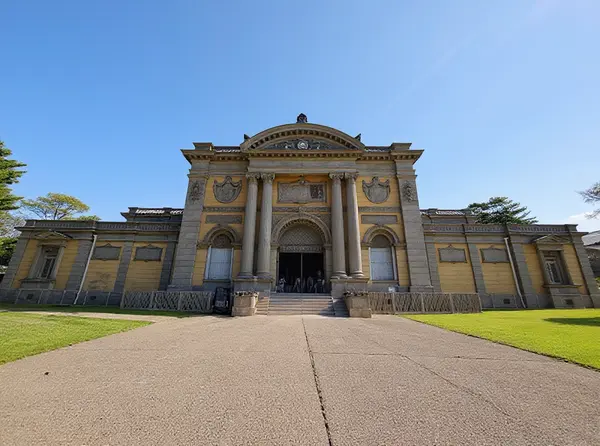
3. Nara National Museum
Eksploroni artin e rrallë budist që tregon histori shpirtërore të lashta. Përjetoni galeri të qeta dhe kopshtije që lulëzojnë me lule loto.
Fakte të shpejta: Muzeu mban mbi 10,000 copë arti budist japonez, përfshirë skulptura të mrekullueshme dhe letërnjoftime. Vizitorët shpesh mund të shohin ekspozita të përkohshme që theksojnë epoka dhe stilet e ndryshme të kulturës budiste.
Pikat kryesore: Një veçori unike përfshin galerinë e ndërtuar tërësisht prej druri me lidhje tradicionale japoneze, duke krijuar një atmosferë të qetë që plotëson artin shpirtëror. Kopshti jashtë shfaq lule sezoni lotusi që reflektojnë tema budiste, duke bërë që pamja e jashtme të jetë një shtesë e ekspozitave.
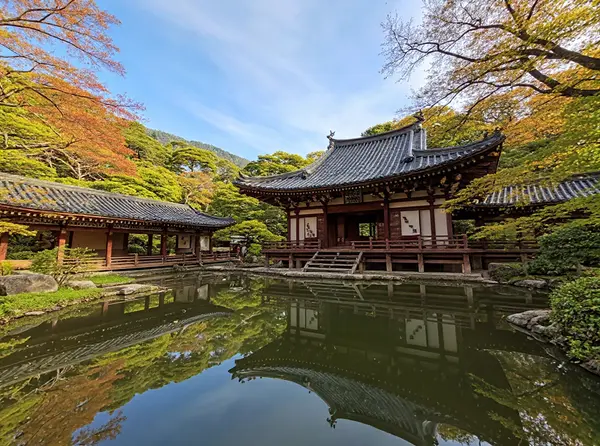
4. Isuien Garden
Zbuloni mjeshtërinë precize të kopshtit japonez me pamje mahnitëse të sallës së Budës në Tempullin Todai-ji. Shëtisni ndër pishina të qeta dhe ngjyrat sezonale që ndryshojnë perspektivën tuaj.
Fakte të shpejta: Pritet të shihni peizazhe të krijuara me një shtëpi çaji, pishina dhe një sfond të Salles së Madhe të Budës në Tempullin Todai-ji që shfaqet mes pemëve. Kopshti përhapet në rreth 9000 metra katrorë, duke përzier dizajnin e periudhës Edo me një përdorim të zgjuar të pamjes së huazuar për të zgjeruar thellësinë vizuale.
Pikat kryesore: Magjia e vërtetë ndodh pranë pishinës ku peshq karp notojnë të rrethuar nga gurë të vendosur me kujdes që përfaqësojnë ishuj; gjatë vjeshtës, gjethet e fikut krijojnë një kontrast zjarri kundër ujit të errët, të dizajnuar për t'u parë nga një vend i veçantë në verandë. Rreth skajit perëndimor, një pemë e vjetër kumbulle mbi 300 vjeç shpërthen në lulëzim aromatik, duke ofruar një kënaqësi për shqisat përtej pamjeve.
5. Yoshikien Garden
Ju presin shëtitje të qeta përmes peizazheve të ndryshme. Përjetoni qilimat e gjelbëruara me molicë dhe shpërthime sezonale të luleve në një kopsht të qetë.
Fakte të shpejta: Ky kopsht përmban tre zona të ndryshme: një kopsht me pishinë, një kopsht me kërpudha dhe një kopsht të ceremonisë së çajit, secili i krijuar për të nxjerrë në pah ndryshimet sezoni. Vizitorët shpesh gjejnë paqe këtu pasi tërheq më pak turma në krahasim me vendet e famshme pranë, duke krijuar një strehë të qetë.
Pikat kryesore: Kopshti me kërpudha mbulon rreth 600 metra katrorë me mbi 120 lloje kërpudhash, duke krijuar një qilim të gjelbër të dendur që ndryshon teksturën nën këmbë gjatë gjithë vitit. Në pranverë, kopshti i ceremonisë së çajit shpërthen me azale dhe wisteria, duke ofruar një surprizë aromatike mes shtigjeve tradicionale dhe shtëpisë së çajit.
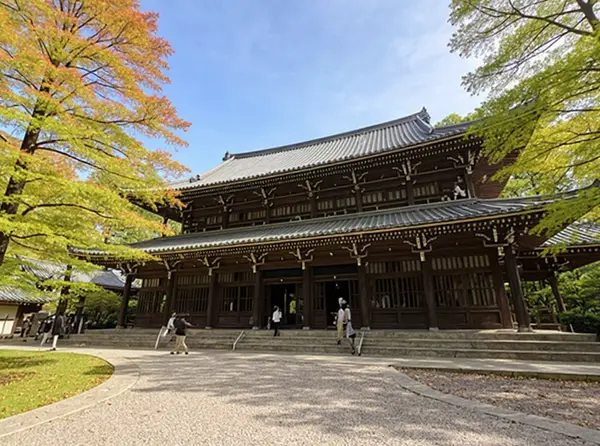
6. Nigatsu-do Hall
Përjetoni rituale të lashta me dritë flakërues të fakujve në ajër. Shijoni pamje të gjera dhe tradita të shenjta nga afër.
Fakte të shpejta: Një ritual i quajtur Omizutori mbahet çdo mars në këtë sallë, ku fenerët e mëdhenj deri në 8 metra gjatë digjen, duke krijuar një spektakël mahnitës. Salla ndodhet në një kodër që ofron një pamje panoramike të qytetit të Naras përmes verandave të hapura.
Pikat kryesore: Gjatë Omizutori, shkëndijat nga fenerët e mëdhenj ndonjëherë bien mbi spektatorët poshtë, dhe besohet se sjellin fat të mirë dhe shëndet. Stolat prej druri cedri brenda sallës mbajnë një aromë të lehtë e të këndshme nga shekuj tymi i mbajtur gjatë ceremonive.
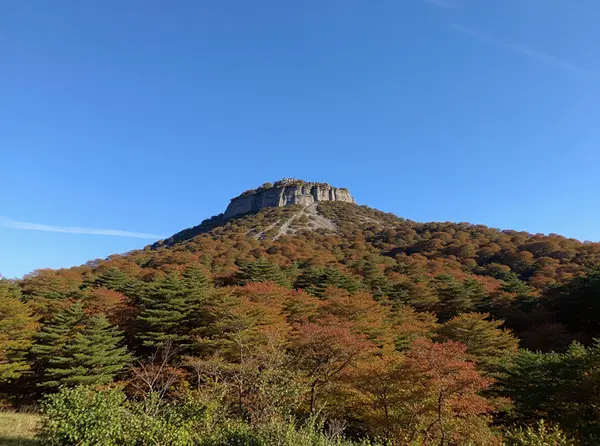
7. Mount Wakakusa
Përjetoni pamje panoramike mahnitëse dhe një spektakël festiv me flakë. Ngjituni në kodër për pamjet e tempullit dhe bëhuni dëshmitarë të ngjarjes së barit që ndriçon.
Fakte të shpejta: Kjo kodër mbulon rreth 33 hektarë dhe ofron pamje panoramike veçanërisht të tempujve të lashtë në zonën përreth. Çdo vit, mijëra njerëz mblidhen këtu për festivalin "Yamayaki", ku pjerrësitë me bar digjen në një spektakël mbresëlënës.
Pikat kryesore: Festivali vjetor Yamayaki ndez 8 hektarë bar me zjarr të kontrolluar, duke krijuar një paraqitje shkëlqimi që shihet nga kilometrat përreth. Kafshët e imta dikur kullotnin këto pjerrësi, dhe praninë e tyre ndihmoi të formohej ekosistemi unik i kodrës gjatë shekujve.
Where to Stay in Nara-shi, Japan
Selected by City Buddy based on guest reviews and proximity to top attractions
Search all hotels in Nara-shi, JapanPowered by agoda
Ditët e hapjes në Nara-shi, Japan
Cilat nga atraksionet kryesore mbyllen cilën ditë të javës, armiku klasik i udhëtimit, të kontrolluara për ty.
e hënë: 1 nga 6 atraksione kryesore mbyllen, planifiko muzetë për një ditë tjetër.
Mbyllur të e hënë · 1 mbyllur, 5 hapur
Ditët e hapjes nga Google Maps (kontrolluar 2026-04-08). Festat publike, grevat dhe oraret sezonale mund të ndryshojnë, kontrollo faqen zyrtare para se të shkosh.
Ëmbëlsirat tradicionale
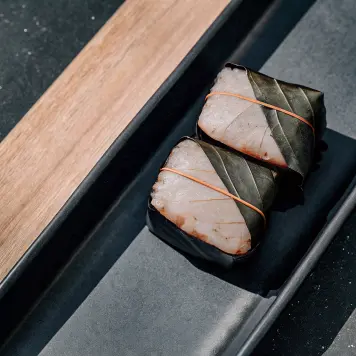
Kakinoha-zushi
While primarily a savory dish, Kakinoha-zushi sometimes features a subtly sweet vinegared rice that delights taste buds with its unique balance of flavors. It is sushi wrapped in persimmon leaves, which help preserve the freshness and add aroma.
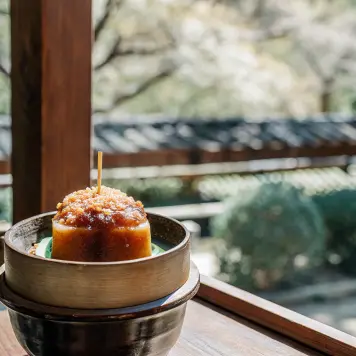
Kuzu Mochi
Kuzu Mochi is a traditional sweet made from kuzu starch and often served with kinako (roasted soybean flour) and kuromitsu (black sugar syrup), offering a chewy texture and rich, sweet taste.
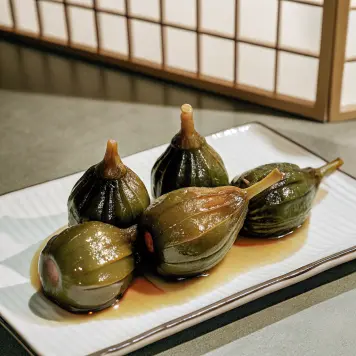
Narazuke
Narazuke is a type of sweet pickle made from vegetables soaked in sake lees, resulting in a sweet and slightly alcoholic flavor that is a unique local delicacy.
Gatimet tradicionale të kripura

Kakinoha-zushi
Kakinoha-zushi is a famous local type of sushi from Nara, where mackerel or pressed sushi is wrapped in persimmon leaves, giving it a distinct aroma and flavor from the leaves.
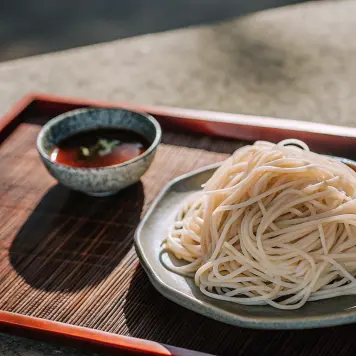
Miwa Somen
Miwa Somen noodles, originating from Nara's Miwa area, are thin wheat noodles often enjoyed cold with dipping sauce, known for their smooth texture and light taste.
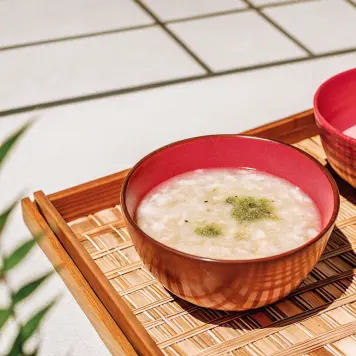
Chagayu
Chagayu is a savory rice porridge cooked with green tea, blending comforting rice and aromatic tea for a uniquely refreshing flavor that is popular in Nara.
Pijet tradicionale

Yamato-cha
Yamato-cha is green tea from Nara’s Yamato region, prized for its rich aroma and smooth, slightly sweet flavor, reflecting the region's tea-growing tradition.

Umeshu
Umeshu, plum wine, is often enjoyed in Nara, made from local plums soaked in sake or shochu and sugar, resulting in a sweet and tangy drink.
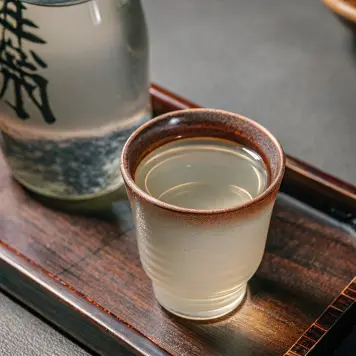
Sake from Nara
Nara is known for its high-quality sake brewing, utilizing pure water from the region and traditional methods to produce a smooth, refined sake with a deep umami profile.
Pyetje të Shpeshta rreth Nara-shi, Japan
A është Nara-shi, Japoni i sigurt për udhëtarët?
Sa ditë duhet të kaloj në Nara-shi, Japoni?
Cili është koha më e mirë për të vizituar Nara-shi, Japoni?
A është Nara-shi, Japoni e shtrenjtë për udhëtarët?
Si të lëvizësh nëpër Nara-shi, Japoni?
Merrni një PDF me atraksionet më të njohura të dërguara në emailin tuaj
Merrni një PDF me të gjitha atraksionet, vlerësimet dhe këshillat. I përshtatshëm për përdorim offline.
Ekskursione ditore më të njohura
Kyoto
Historic city with temples, shrines, and traditional culture.
Osaka
Vibrant city known for food, shopping, and entertainment.
Kobe
Port city famous for beef, harbor views, and mountain scenery.
Si të arrini atje
Aeroporte
Stacionet e trenit
JR Yamatoji Line, Kintetsu Nara Line
From Kansai International Airport, take the Nankai or JR train to Osaka, then transfer to a direct train to Nara.
Informacione të dobishme për Nara-shi, Japan
Përmbledhje për Nara-shi, Japan
Do një plan ditor për Nara-shi, Japan? Hap planifikuesin e udhëtimit
Kur do të shkoni në Nara-shi, Japan?
Zgjidh datat dhe stilin e udhëtimit për të marrë:
A ka ndonjë nga këto që është veçanërisht e rëndësishme për ju?
Zgjidh të gjitha që vlejnë
Si të lëvizësh
Si dëshiron të lëvizësh midis vendeve?
Gjuha e planit: Shqip