 CityBuddy
 Shqip
Shqip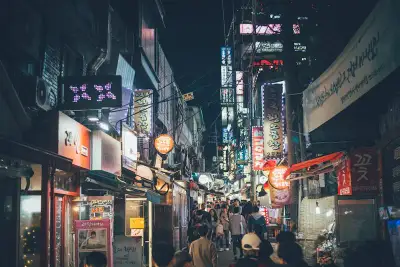
Çfarë të bëni në Shinjuku, Japan
Foto nga Tan Danh në Pexels.com
Kur të vizitoni
Shinjuku është #2 qyteti për jetën e natës në botë, bazuar në të dhënat tona nga qindra destinacione.
Atraksionet më të njohura në Shinjuku, Japan
Gjërat më të mira për të bërë në Shinjuku, Japoni, variojnë nga arratisje të qeta deri te aventura të ndriçuara me neona. Ecni nëpër Kopshtin Kombëtar Shinjuku Gyoen prej 58 hektarësh, i cili ndërthur stilet franceze dhe japoneze të peizazhit. Ngjituni me ashensorin falas 202 metra lart në Ndërtesën e Qeverisë Metropolitane të Tokios për pamje panoramike të qytetit. Më pas hyni në Omoide Yokocho, një rrugicë e ngushtë me 60 skara të vogla që shërbejnë yakitori që nga Lufta e Dytë Botërore.
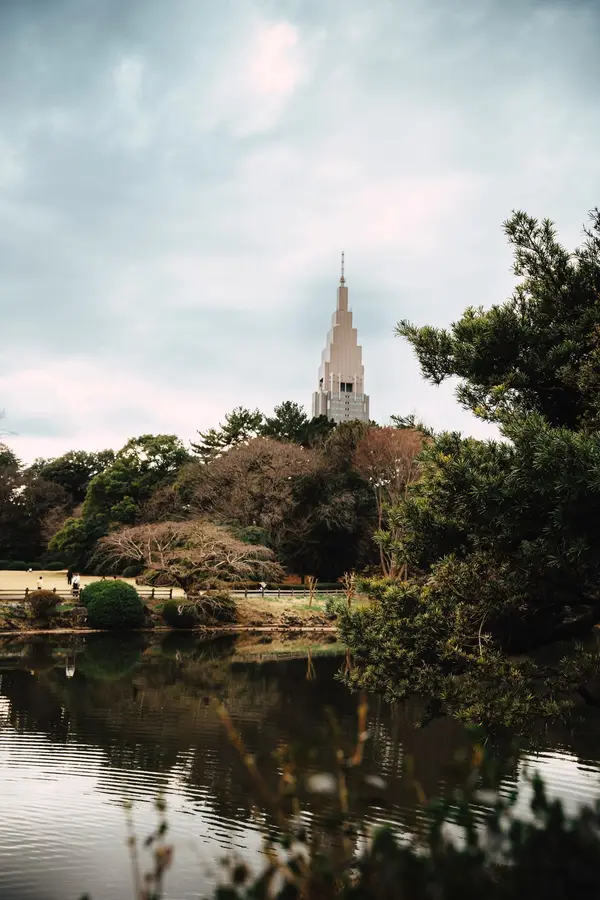
1. Shinjuku Gyoen National Garden
E shpëtoni nga kaosi neon i Tokios në 58 hektarë kopshtesh të qeta ku lulet e qershisë dhe pishat e lashta kornizojnë tri peizazhe të kuratuara në mënyrë perfekte. Shëtisni mes një kopshti formal francez, një shtëpie çaji japoneze dhe një livadhi anglez në një pasdite të vetme.
Fakte të shpejta: Nëpër 58 hektarët e tij të gjerë, tre stile të dallueshme kopshtesh bashkëjetojnë: një kopsht formal francez, një kopsht peizazhor anglez dhe një kopsht tradicional japonez me një pellg të madh. Mbi 20,000 pemë nga e gjithë bota lulëzojnë këtu, duke përfshirë rreth 1,500 pemë qershie që lulëzojnë çdo pranverë.
Pikat kryesore: Një shembull i rrallë i mbijetuar i një kopshti peizazhor në shkallë të gjerë të fillimit të shekullit të 20-të në Tokio, dikur ishte rezidenca private e një feudali përpara se t'i jepej familjes perandorake. Seksioni tradicional i kopshtit japonez përmban një pavion druri ku mund të uleni dhe të shikoni peshqit koi që qarkullojnë nën ju ndërsa pini çaj matcha të shërbyer nga shërbëtore të veshura me kimono.
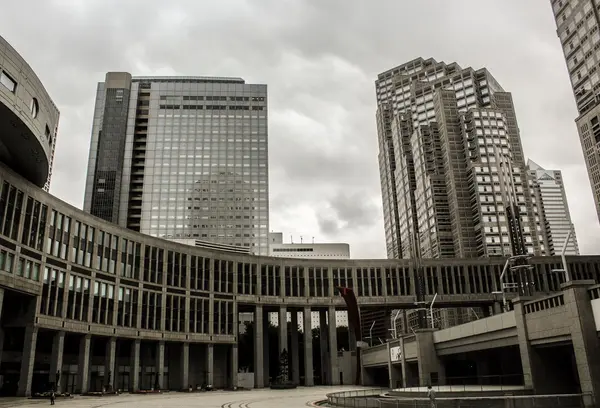
2. Tokyo Metropolitan Government Building
Dy kuverta vëzhgimi falas me pamjet më të mira të horizontit të Tokios. Ngjituni me ashensor 45 kate dhe shikoni Malin Fuji që shfaqet në horizont ndërsa qyteti shtrihet poshtë jush.
Fakte të shpejta: Katin e lirë vëzhgimi në katin e 45-të të të dy kullave ofrojnë pamje panoramike që shtrihen deri në malin Fuxhi në ditë të kthjellëta. Ndërtesa u projektua për t'i ngjasuar një katedraleje gotike, me kullat e saj binjake që ngrihen 243 metra dhe fasadën e saj të mbuluar me 12,000 dritare pasqyruese.
Pikat kryesore: Ngjitu pak para perëndimit të diellit dhe shiko Tokion duke u transformuar nga kati i 45-të ndërsa dritat e qytetit ndizen poshtë ndërsa qielli ende mban ngjyrë. Kuverta jugore e vëzhgimit qëndron e hapur deri në orën 11 të natës dhe ofron një humor krejtësisht të ndryshëm gjatë natës, me shumë më pak turma dhe peizazhin e qytetit që shkëlqen si një pllakë elektronike.
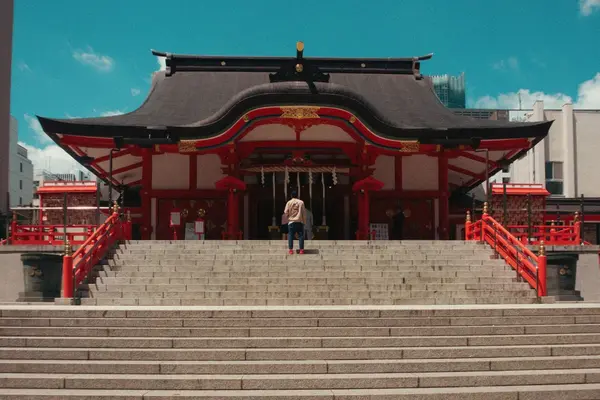
3. Hanazono Shrine
Gjeni një xhep qetësie në mes të kaosit neon të Shinjukut në një faltore që e ka ankoruar këtë lagje që nga vitet 1600. Kaloni pranë betonit të lartë dhe zbuloni vendasit që hedhin monedha, duartrokasin dhe pëshpëritin dëshira perëndive.
Fakte të shpejta: Faltorja Hanazono pret mbi 300 tregtarë gjatë tregjeve të saj vjetore të lirë, duke tërhequr mijëra gjuetarë të marrëveshjeve të mira çdo fundjavë. Kushtuar perëndive të prosperitetit të biznesit dhe fatit të mirë, kjo faltore ndodhet në mes të ndërtesave moderne të larta të Shinjukut dhe lagjes së argëtimit.
Pikat kryesore: Në natën e Vitit të Ri, zilja masive e faltoreve prej 500 kilogramësh bie 108 herë nga vullnetarë, çdo goditje simbolizon pastrimin e një dëshire njerëzore sipas traditës budiste. Tingulli jehon nëpër kanionet e betonit të Shinjukut, duke krijuar një përplasje akustike surrealiste midis ritualit të lashtë dhe modernitetit të ndriçuar me neon.
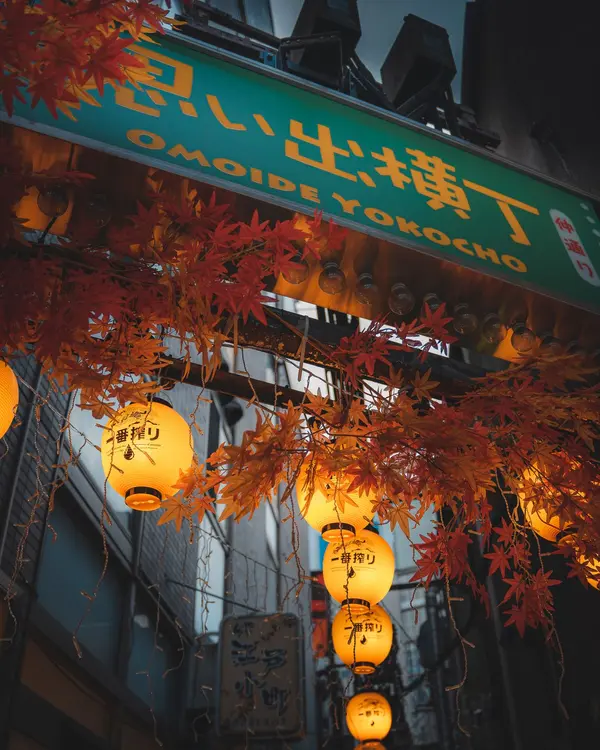
4. Omoide Yokocho
Hyni në një kapsulë kohore të tymosur dhe të ndriçuar nga fenerët, ku Tokio pjek yakitorin më të mirë të jetës suaj. Rrëshqiteni në një stol të vogël bari, porositni hell dhe birrë të ftohtë dhe shikoni kuzhinierët që tifozllojnë prush të ndezur centimetra larg fytyrës suaj.
Fakte të shpejta: Rreth 60 bare dhe restorante të vogla e të tymosura yakitori janë të ngjeshura në këtë rrjet rrugicash të ngushta pranë Stacionit të Shinjukut. Vendasit kanë ulur në stola që nga ditët e tregut të zi pas luftës në vitet 1940, kur kjo zonë u shfaq për herë të parë.
Pikat kryesore: Një nga xhepat e fundit të mbijetuar të Tokios së vjetër, kjo rrugicë arriti t'i shpëtonte disi rizhvillimit që e ktheu lagjen përreth në një pyll grashkelqyessh. Ajri ende mban erë pule të pjekur në qymyr dhe salcë soje, ashtu siç bënte 70 vjet më parë, dhe disa dyqane ende i marrin hellët nga të njëjtët furnitorë familjarë.
5. Golden Gai
Mbi 200 bare të vogla të mbushura në gjashtë rrugica të ndriçuara nga fenerët, ku çdo hapësirë zor se mban një grusht njerëz. Shëtisni nëpër rrugica të ngushta, futeni në një bar uiski me katër vende dhe shkëmbeni histori me vendasit deri në orët e para të mëngjesit.
Fakte të shpejta: I fshehur mes rrokaqiejve të Shinjukut, ky labirint me 200 bare të vogla zë gjashtë rrugica të ngushta që i mbijetuan rindërtimit pas luftës. Shumica e bareve kanë vetëm 4-6 vende, duke i detyruar të panjohurit të bisedojnë ngushtë mbi uiski ose sake.
Pikat kryesore: Shumë bare këtu ende drejtohen nga pronarë në moshë që kanë shërbyer në të njëjtin banak për mbi 50 vjet, disa prej tyre refuzojnë t'u shërbejnë kujtdo që duket nën 30 vjeç. Një bar ka një mace shtëpie që vendos se kur ndodh thirrja e fundit duke u hedhur në prehrin e klientit për të sinjalizuar se është koha për t'u larguar.
6. Samurai Museum
Afrohuni më shumë se kudo tjetër në Tokio pajisjeve të vërteta të samurajve. Do të mbani në dorë shpata 700-vjeçare, do të provoni armaturë dhe do të shikoni demonstrime live me shpata çdo ditë.
Fakte të shpejta: Mbi 13,000 artefakte përfshijnë 700 vjet histori të samurajve, nga periudha Kamakura deri në epokën Edo. Vizitorët mund të prekin shpatat e vërteta samurai dhe të provojnë armaturë autentike nën mbikëqyrjen e stafit.
Pikat kryesore: Një restaurues i pensionuar i armaturës së samurajve e mirëmban personalisht koleksionin dhe herë pas here demonstron procesin 45-minutësh të veshjes me armaturë të plotë. Dyshemeja prej druri kendo e muzeut ende mban shenjat e gërvishtjeve dhe gropëzimet nga dekada praktikash të klubeve kendo të universiteteve të Tokios.
7. Shinjuku Ni-chome
Askund tjetër nuk ka kaq shumë energji queer në disa blloqe të ndriçuara me neon. Hidheni nga një bar në tjetrin ku vendasit ndajnë pjata me edamame dhe ju derdhin pijen tjetër para se të mbaroni të parën.
Fakte të shpejta: Me mbi 300 bare, klube dhe restorante të vegjël të mbushur në vetëm disa blloqe, ky distrikt i vogël ka një nga përqendrimet më të larta të vendeve LGBTQ+ në të gjithë botën. Më shumë se 30 përqind e bareve këtu janë operacione të vogla me më pak se 10 vende, duke e bërë çdo natë të duket si një festë private.
Pikat kryesore: Shumë prej bareve drejtohen nga ish-drag queens që kanë derdhur pije në të njëjtin banak me 10 vende që nga vitet 1980 dhe i mbajnë mend çdo klient të rregullt me emër. Mund të hysh në një bar bodrumi me katër vende në mesnatë dhe të gjesh një ish-yll të kabaresë 70-vjeçar që këndon Edith Piaf ndërsa të përzien highball-in tënd.
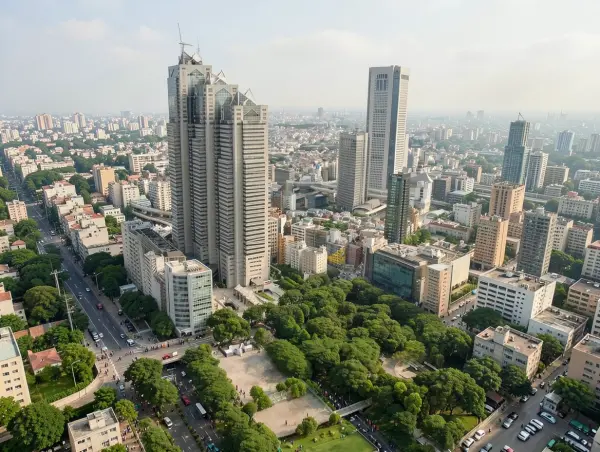
8. Shinjuku Central Park
Një arratisje e gjelbër dhe e harlisur e ngjeshur mes rrokaqiejve, që ofron vende të rreshtit të parë për baletin urban të Tokios. Merreni një kafe, gjeni një stol dhe shikoni punonjësit e zyrave që dremisin, sorrat që kurdisin dhe lulet e qershisë që lëvizin pranë betonit dhe xhamit.
Fakte të shpejta: Nyja më e ngarkuar e udhëtarëve në Shinjuku ndodhet në njërën anë të këtij korridori të gjelbër, por parku mbetet befasuesisht i qetë me mbi 700 pemë qershie përgjatë shtigjeve të tij. Ajo që dikur ishte një tokë bosh në pritje të një stadiumi sportiv që nuk u ndërtua kurrë, u shndërrua në këtë hapësirë të gjelbër prej 2.25 hektarësh që lidh dy nga distriktet kryesore të rrokaqiejve të qytetit.
Pikat kryesore: Gjatë ditëve të javës rreth drekës, do të shohësh punonjës zyrash duke fjetur në bar me kostume, një ritual i qetë tokioas që duket pothuajse i koreografuar. Parku shërben gjithashtu si një galeri arti në ajër të hapur me instalacione rrotulluese nga Galeria Tokyo Opera City aty pranë, kështu që skulpturat ndryshojnë çdo disa muaj.
Where to Stay in Shinjuku, Japan
Selected by City Buddy based on guest reviews and proximity to top attractions
Search all hotels in Shinjuku, JapanPowered by agoda
Ditët e hapjes në Shinjuku, Japan
Cilat nga atraksionet kryesore mbyllen cilën ditë të javës, armiku klasik i udhëtimit, të kontrolluara për ty.
e hënë: 1 nga 8 atraksione kryesore mbyllen, planifiko muzetë për një ditë tjetër.
Mbyllur të e hënë · 1 mbyllur, 7 hapur
Ditët e hapjes nga Google Maps (kontrolluar 2026-07-03). Festat publike, grevat dhe oraret sezonale mund të ndryshojnë, kontrollo faqen zyrtare para se të shkosh.
Ëmbëlsirat tradicionale
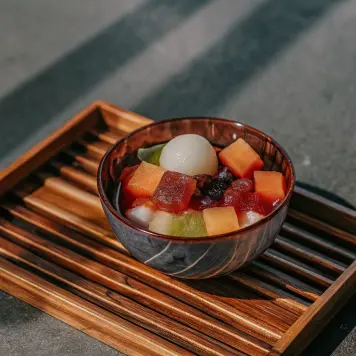
Anmitsu
Anmitsu features small cubes of agar jelly, sweet red bean paste, mochi, and fresh fruit all served with a drizzle of kuromitsu, a dark sugar syrup that originated as a medicine in the Edo period.
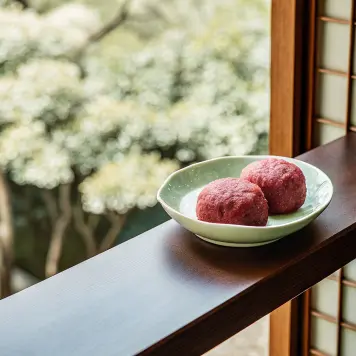
Ohagi (Botamochi)
Ohagi is a traditional sweet made from glutinous rice coated in sweet azuki bean paste, and its name changes to botamochi in spring depending on the seasonal flower in bloom.
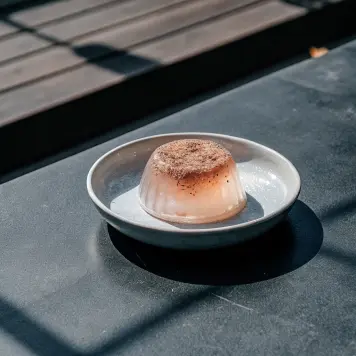
Kuzumochi
Unlike regular mochi made from rice, kuzumochi is made from kuzu (arrowroot) starch giving it a uniquely translucent, jelly-like texture, and it is often served with kinako (roasted soybean flour) and kuromitsu.
Gatimet tradicionale të kripura
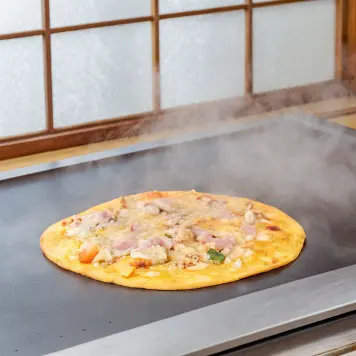
Monjayaki
Monjayaki is a thin, runny savory pancake cooked on a hot griddle that is famously associated with Tokyo's shitamachi (old town) culture, and Shinjuku has some of the best monjayaki specialty restaurants in the city.
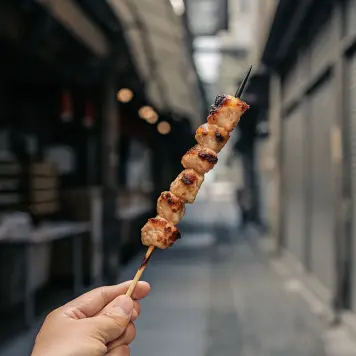
Yakitori
Shinjuku's Omoide Yokocho (Memory Lane) is legendary for its tiny yakitori stalls where skewers of chicken are grilled over charcoal, and the smoky alleyway has been a beloved dining destination since the post-war era.
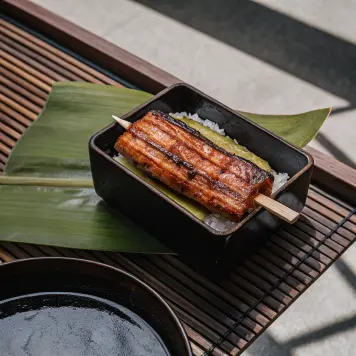
Unagi no Kabayaki
This dish features grilled eel glazed with a sweet soy-based sauce, and Shinjuku is home to some of Tokyo's most historic unagi restaurants that have been serving it continuously since the 1800s.
Pijet tradicionale
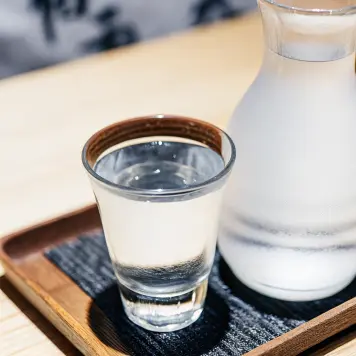
Sake
Sake is Japan's iconic rice wine, and Shinjuku's many izakaya (Japanese pubs) offer extensive sake selections where you can enjoy everything from fruity ginjo to rich, aged koshu varieties.
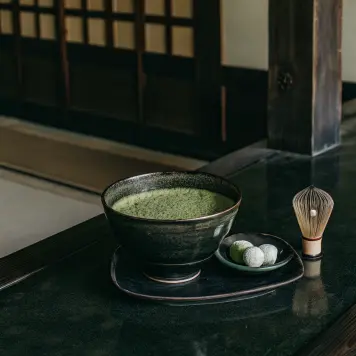
Matcha (Ceremonial Green Tea)
Matcha is a finely ground powder of specially grown green tea leaves, and Shinjuku's traditional tea houses offer this vibrant drink alongside the district's famous wagashi (Japanese sweets) for a perfect pairing.

Shochu
Shochu is a distilled spirit typically made from barley, sweet potato, or rice, and it is a staple at Shinjuku's drinking establishments where it is enjoyed on the rocks, with water, or mixed with hot water.
Pyetje të Shpeshta rreth Shinjuku, Japan
A është Shinjuku, Japoni i sigurt?
Sa ditë në Shinjuku, Japoni?
Koha më e mirë për të vizituar Shinjukun, Japoni?
A është Shinjuku, Japoni i shtrenjtë?
Si të lëvizësh në Shinjukun, Japoni?
Merrni një PDF me atraksionet më të njohura të dërguara në emailin tuaj
Merrni një PDF me të gjitha atraksionet, vlerësimet dhe këshillat. I përshtatshëm për përdorim offline.
Ekskursione ditore më të njohura
Kamakura
Historic coastal town with Great Buddha statue and serene temples
Hakone
Hot spring resort with views of Mount Fuji and Lake Ashi
Yokohama
Port city with Chinatown, Minato Mirai waterfront and gardens
Si të arrini atje
Stacionet e trenit
JR Yamanote Line, JR Chuo Line, Odakyu Line, Keio Line, Tokyo Metro Marunouchi Line
Highway bus connections to airports and other cities
From Haneda Airport take the Limousine Bus (45 min) or train via Yamanote Line. From Narita take the Narita Express (80 min) directly to Shinjuku Station.
Informacione të dobishme për Shinjuku, Japan
Përmbledhje për Shinjuku, Japan
Do një plan ditor për Shinjuku, Japan? Hap planifikuesin e udhëtimit
Kur do të shkoni në Shinjuku, Japan?
Zgjidh datat dhe stilin e udhëtimit për të marrë:
A ka ndonjë nga këto që është veçanërisht e rëndësishme për ju?
Zgjidh të gjitha që vlejnë
Si të lëvizësh
Si dëshiron të lëvizësh midis vendeve?
Gjuha e planit: Shqip