 CityBuddy
 Shqip
Shqip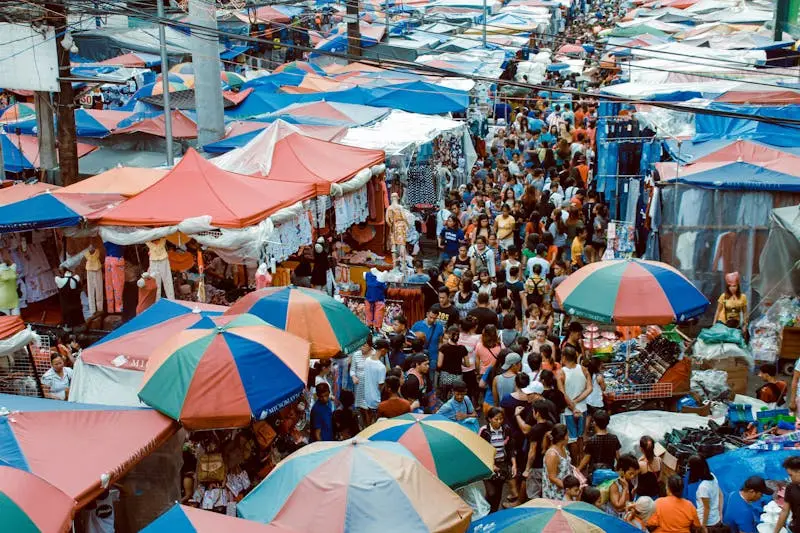
Çfarë të bëni në Manila, Philippines
Foto nga NIC LAW në Pexels.com
Kur të vizitoni
Manila është #14 qyteti më mikpritës për të huajt në botë, bazuar në të dhënat tona nga qindra destinacione.
Atraksionet më të njohura në Manila, Philippines
Gjërat kryesore për t'u bërë në Manila, Filipine, përfshijnë eksplorimin e Intramuros, qytetin historik të rrethuar nga muret që daton nga periudha e kolonializmit spanjoll. Vizitoni Fort Santiago, një citadelë me histori të pasur vetëm 600 metra nga bregu. Mos e humbisni Kishën dhe Muzeun San Agustin, kishën më të vjetër prej guri në vend, që ofron artefakte dhe arkitekturë magjepsëse.
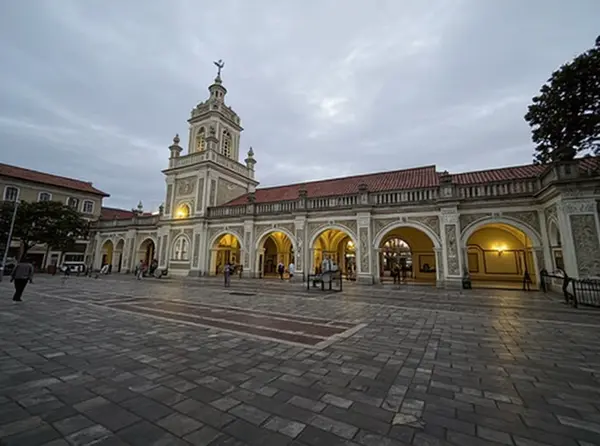
1. Intramuros (Historic Walled City)
Historic Walled City
Hyni në shekuj historie filipinase pas mureve të mëdha prej guri. Shëtisni nëpër rrugë të kalldrëmta, kisha koloniale, muzeume dhe shikoni perëndimin nga muret mbrojtëse.
Fakte të shpejta: Drita e diellit përhapet drejt murit prej guri me muhly, koçerë tërhequr nga kuajt kalojnë me hapa mbi kalldrëm, dhe kafeteritë mbushin sheshet e ngushta me muzikë akustike. Më shumë se një duzinë fortifikimesh dhe ndërtesash koloniale të restauruara tani presin muze, galeri arti, dhe kopshta në çati, kështu që ecjet ndjehen si hap i drejtpërdrejtë në një kapsulë kohe.
Pikat kryesore: Ecni nëpër rrugicat e ngrohta me kalldrëm pranë Kishës San Agustin, e përfunduar në 1607, dhe nën portën me hark të Fort Santiago, ku topat e kalbura spanjolle nga shekulli i 17-të ende tregojnë drejt gjirit dhe Sheshi Rizal shënon qelinë ku José Rizal mbahej para ekzekutimit të tij më 1896. Gjatë ditës kalesat e tërhequra nga kuajt kalojnë mbi gurë dhe punishtet nxjerrin dhjetëra biçikleta turistike prej bambu, era mbushet me vaj për skuqje, xhasmine, dhe shije të lehtë metalike nga lumi, duke bërë që të ndjeni tre shekuj histori dhe aromash njëherësh.
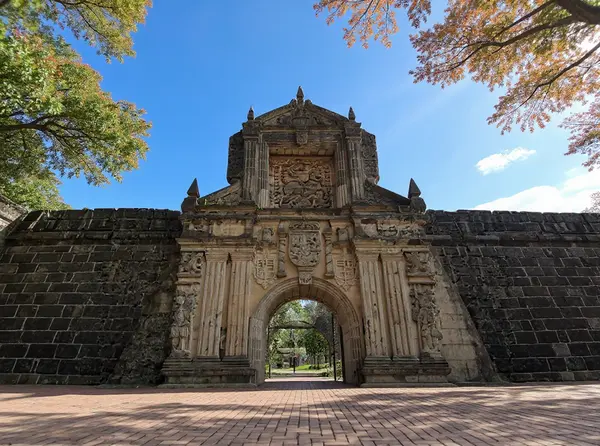
2. Fort Santiago
Kalaja me mure guri Fort Santiago tregon të kaluarën spanjolle koloniale dhe kohën e luftës së Manilës. Ecni nëpër kopshtet e gjelbra, shikoni Shtegun Rizal dhe shikoni sipër Pasig nga muret e vjetra mbrojtëse.
Fakte të shpejta: Muret e trasha prej guri vullkanik dhe një moatë e qetë krijojnë një heshtje cinematike, ku arkitektura koloniale dhe shenjat e kohës së luftës ndihen ende nën këmbë. Vizitorët ndalojnë shpesh në muzeun e vogël dhe në qelinë e ngushtë ku José Rizal shkroi poezitë e tij të fundit, duke imagjinuar heshtjen para marshit të tij përfundimtar.
Pikat kryesore: Hyni në qelinë e zymtë ku José Rizal kaloi netët e tij të fundit para ekzekutimit më 30 dhjetor 1896, muret e pabarabarta prej tullash ende të gërmuara me emra dhe me një shije të lehtë metalike nga topat e vjetër. Çdo 30 dhjetor, qindra studentë dhe anëtarë të lojërave masoike mblidhen për të vendosur kurora dhe ndezur qirinj në pllakat e vogla mermeri, heshtja thyhet vetëm nga një bugël i vetëm që luan lamentin kombëtar.
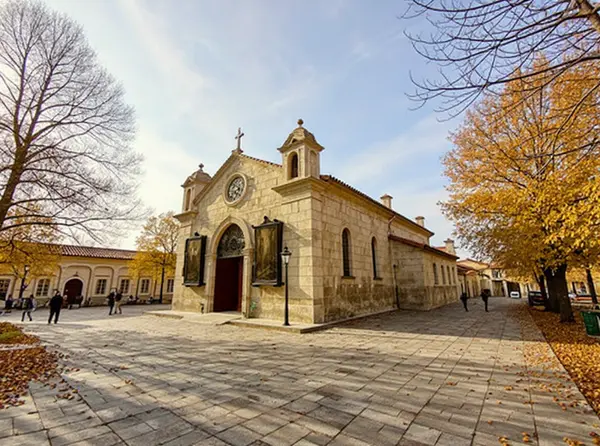
3. San Agustin Church and Museum
Hyni në Manilën e periudhës së Spanjës në Kishën San Agustin, një vend i njohur Barok nga UNESCO. Adhuroni altarët e shtuar me ar, tavanet trompe l'oeil dhe një muze të vogël me sende koloniake.
Fakte të shpejta: Ecni brenda dhe do ndjeni gurin e ngrohtë me nuancë mjaltë dhe zbukurime luksoze baroke, ndërsa tavanet trompe-l'œil duken sikur marrin frymë me re të pikturuara. Lart një muze i vogël përmban thesare shekullore kishtare, nga rrobat e qëndisura te reliket shkëlqyese, dhe gjithë ndërtesa ka mbijetuar jashtëzakonisht nga bombardimet që shkatërruan pjesën më të madhe të lagjes së saj.
Pikat kryesore: Ndërtuar në 1607, basilika prej guri ka qëndruar për më shumë se 400 vjet, dhe nën navën e saj ndodhet varri i konkeruesit Miguel López de Legazpi, i cili ka një epitaf të gdhendur që mund ta ndiqni ende me gishtat tuaj. Në dhomat e zymta të muzeut ndjehet një erë e lehtë e mjalti të bletëve dhe letre të vjetër mbi kabinetet e qelqta që mbajnë rroba kishtare të shekujve 17 dhe 18, enë të argjendta liturgjike, dhe figura prej druri të shenjtorëve procesionalë me fytyra të çara pikturuar që shkëlqejnë nën një llambë të vetme.
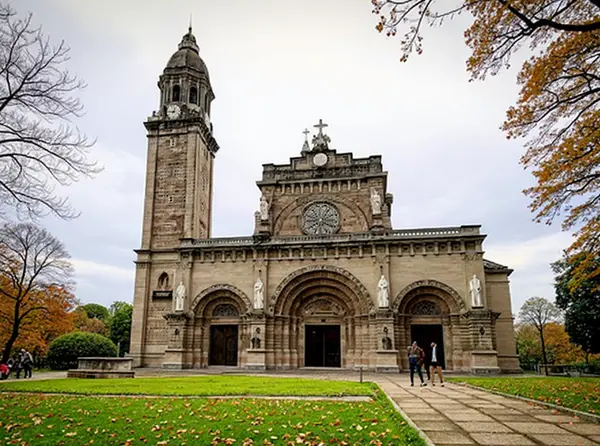
4. Manila Cathedral
Përjetoni shekuj historie të Manilës në një katedrale të madhe koloniale në zemër të Intramuros. Admironi detajet e restauruara barok dhe romane, xhamat ngjyrë dhe një ambient të qetë të brendshëm.
Fakte të shpejta: Drita e diellit që depërton përmes dritareve të mëdha me xham të ngjyrosur përhap ngjyra mbi mermerin e lëmuar, dhe akustika e harkuar bën që performancat e organeve dhe korit të jenë veçanërisht rezonatojnë. Plakate të heshtura dhe puna e riparuar me gurë tregojnë një histori dramatike të mbijetesës në tërmete dhe dëmtime lufte, ndërsa një imazh me peshë që ka disa shekuj brenda tërheq pelegrinët dhe vizitorët kuriozë njësoj.
Pikat kryesore: Hyni dhe do të gjendeni në një kishë që është rindërtuar tetë herë që nga shekulli i 16, kështu që dyshemetë prej mermeri, kolonat neoklasike, dhe gdhendjet baroke përbëjnë një kronologji në shtresa që mund të lexoni me sytë tuaj. Në shumë pasdite, një kor i moshuar stërvitet himnet gregoriane deri sa drita e diellit përmes xhamave të ngjyrosur kthen korridorin në shirita rubini dhe ari, dhe besimtarët shpesh fusin nota të vogla të palosura në rrjetën hekuri pranë altarit, skajet e letrës të zbutura nga vite mëndeje.
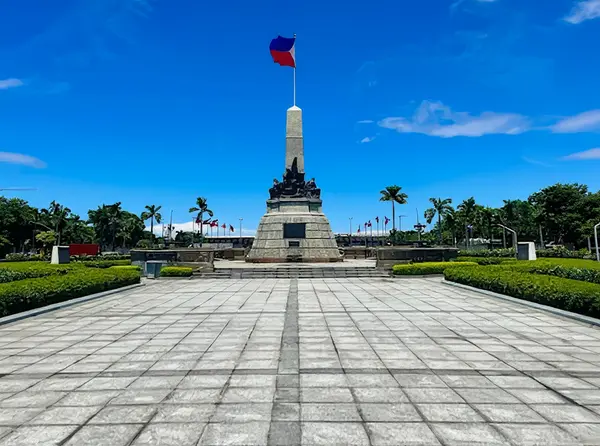
5. Rizal Park (Luneta)
Luneta
Park historik në zemër të Manilës, ku kujtesa kombëtare takon jetën e përditshme. Shëtisni pranë Monumentit Rizal, kopshtet e qeta dhe sheshet plot jetë për foto dhe vëzhgim njerëzish.
Fakte të shpejta: Drita e mëngjesit zbulon livadhe të gjëra të gjelbra të ndërthurura me fontana dekorative dhe kalldrëm të hijshëm, ku vendasit ushtrojnë tai chi dhe familjet bëjnë piknik mes akacive në lulëzim. Një monument dramatik kombëtar mbështet qendrën, tërhequr turma për ceremoni dhe reflektim të qetë ndërsa skuadrat e merimangave shtojnë në tingulloren e gjallë urbane.
Pikat kryesore: Në qendër qëndron një monument bronzi 12.8-metra për José Rizal, ku vendasit heshtur lënë qirinj të vegjël dhe kurora sampaguita të lidhura me dorë pas perëndimit të diellit, dylli dhe aroma e luleve përzihen me ajrin e mbrëmjes. Më 30 dhjetor çdo vit, qindra deri në mijëra mblidhen para agimit për një ceremoni vendosjeje kurorash dhe flamujsh, koret e shkollave këndojnë himnin kombëtar, dhe shitës rrugorë shesin flamuj të vegjël prej letre dhe torta orizi për rreth 10 deri në 20 pesos.
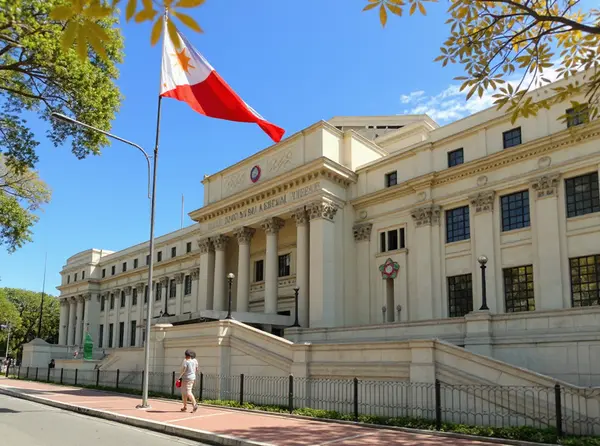
6. National Museum of the Philippines (National Museum Complex)
National Museum Complex
Eksploroni artin, historinë dhe biodiversitetin e Filipineve në një kompleks qendror. Shikoni Spolarium të Juan Luna, Pemën e Jetës së Historisë Natyrore, dhe sende të pasura kulturore.
Fakte të shpejta: Hyni brenda dhe do të habiteni nga sallat e mëdha neoklasike që ekspozojnë Spoliarium të Juan Luna-së së bashku me punime të mahnitshme ari para-kolonial dhe tekstile të endura me pasuri. Këndet e qeta ftojnë për studim të gjatë të specimeneve fosile, objekteve ceremoniale dhe pikturave monumentale, duke bërë vizitën të duket si një përmbledhje e kompaktë e shekujve të kulturës.
Pikat kryesore: Qëndroni nën rotundën e zbehtë neoklasike dhe Spoliarium i Juan Luna-së kap syrin tuaj, një kanavacë rreth 4 me 7 metra me brune të errëta dhe thekse karmine që thellohen kur konservatorët punojnë butësisht në lyerjen e tij, duke lëshuar një aromë të lehtë terpentine. Piktura fitoi një medalje ari në Madrid në 1884, një triumf që udhëzuesit ende e tregojnë si një shkëndijë për krenarinë nacionaliste filipinase, dhe dëgjimi i kësaj historisë ndërsa galeria hesht e bën skenën të ndihet papritur kinematografike.

7. Manila Ocean Park
Shikoni nga afër jetën marine filipinase në një akuarium të madh interaktiv. Kaloni në një tunel të gjatë xhami, ndiqni shfaqje ushqyerjeje dhe takoni pingvine.
Fakte të shpejta: Drita blu ndriçon dhe një tunel i rrumbullakët prej xhami ju lejon të shikoni peshkaqenët dhe gjilpërat e detit të rrëshqasin centimetra mbi kokën tuaj, duke bërë ecjen të duket si një kartolinë nën ujë. Mbi 3,000 kafshë detare banojnë në tanke tematike, dhe ushqyerjet ditore kthejnë ato që mund të ishin fakte klasore në përvoja praktike dhe emocionuese.
Pikat kryesore: Çdo mbrëmje akuariumi errësohet me drita blu të oqeanit dhe organizon një "serenatë ushqyerjeje" ku një shkollë prej rreth 200 sarde të shkëlqyeshme është koreografuar të notojë gjatë tunelit prej xhami, uji pëshpërit si shi i largët ndërsa familjet shtypin pëllëmbët e tyre kundër akrilikut. Zhytësi i gjatë Kuya Danny rrëfen shfaqjen në tagalog, duke i dhënë fëmijëve të guximshëm mundësinë të ndjejnë lëkurën e butë dhe të velvet të një kastravec deti dhe duke i mësuar emrat lokalë të peshqve, çka gjithmonë kthen britmat në biseda krenare dhe me sy të ndritshëm.
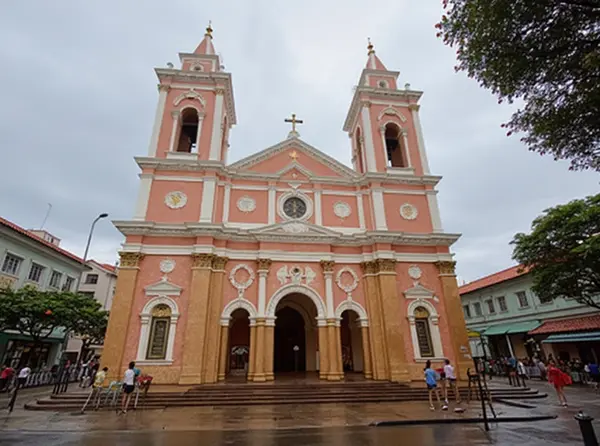
8. Binondo Church (Minor Basilica of San Lorenzo Ruiz)
Minor Basilica of San Lorenzo Ruiz
Përjetoni shekuj historie katolike kinezo-filipinase në Kishën Binondo. Admironi brendësinë e zbukuruar barok dhe përcillni devotshmëri lokale nga afër.
Fakte të shpejta: Një mjegull e ngrohtë prej tymi dhe shkandulla me ngjyra mirëpret vizitorët, duke zbuluar një përzierje të papritur altare baroke dhe motive dekorative kineze. Shumë vijnë për të nderuar shenjtorin e parë të kanonizuar të vendit, dhe dasmat e gjalla dhe ritualet komunitare mbajnë aletrat duke kumbuar nga përkushtimi.
Pikat kryesore: E themeluar në 1596 për të shërbyer tregtarët kinezë-filipinas, kisha është një nga parrokite më të vjetra të vendit dhe ende mbushet me tym të dendur dhe zhurmën e rozarëve prej druri gjatë festës së madhe më 28 shtator. Një praktikë lokale interesante ka vizitorët të fusin peticione të vogla të përfleksuara dhe shirita të kuq lutjeje në rrjetat prej hekuri rreth kapelave anësore, kështu që mund të shihni dhjetëra çekë me shkrim dore dhe bishta shiriti të zbehtë duke valëvitur në erëra.
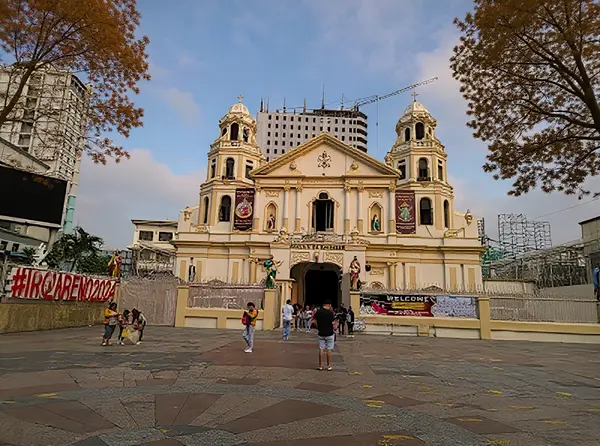
9. Quiapo Church (Minor Basilica of the Black Nazarene)
Minor Basilica of the Black Nazarene
Dëshmoni devotshmërinë e thellë popullore dhe historinë e gjallë të Manilës në Bazilikën e Vogël të Nazarenas së Zi. Përjetoni meshët e gjalla, ofertat me qirinj dhe pamjet afër të imazhit të Nazarenas së Zi.
Fakte të shpejta: Turma sillen me vështirësi përmes aleve të mbushura me aromë dhe me drita qirinjsh për të prekur një imazh prej druri të errët, duke krijuar një bubullimë lutjesh dhe ofrimesh të pëshpëritura që dridhen në kishën e mbushur. Besimtarët legjendar i atribojnë kësaj statuje qindra peticione të përgjigjura, dhe procesioni vjetor tërheq qindra mijëra që shtyhen përgjatë rrugëve për një përqafim të shkurtër me figurën e shenjtë.
Pikat kryesore: Nën re tym qirinjsh dhe tingullin metalik të rozarëve, besimtarët shtyjnë shalle të zbehta dhe peshqirë të vegjël kundër një statuje prej druri të errët me madhësi të jetës së Krishtit, e cila besohet të jetë nga shekulli i 17-të, duke shpresuar që një copë pëlhure të marrë një bekim. Çdo janar afërsisht 1 milion besimtarë bashkohen në procesionin e trazlacionit të frenetshëm, trupat e mbushur shpatull më shpatull për më shumë se 12 orë ndërsa njerëzit bërtasin lutje dhe përpiqen të prekin karrocën ose litarin e saj për të kërkuar një mrekulli.

10. Divisoria Market (shopping district)
shopping district
Gjeni oferta të pakrahasueshme për veshje, pëlhura dhe aksesorë në tregun më të zënë të Manilës. Kaloni rrugicat e ngarkuara dhe me ngjyra ndërsa shijoni ushqimin rrugor dhe bëni pazaret për çmime të ulëta.
Fakte të shpejta: Kanalet e ngushta pulsojnë me një labirint stendash të stivëzuara që ofrojnë gjithçka nga copa pëlhure deri te elektronikë me çmime të ulëta, kështu që bisedat ndjehen si një sport. Gjuetarët e përvojës të ofertave e duan të kërkojnë në kutitë e shumicës dhe karrocat e ushqimeve rrugore, duke arritur marrëveshje me shumicë dhe gjetje të pazakonta mes thirrjeve të vazhdueshme të shitësve.
Pikat kryesore: Rreshtat e stendave janë aq të ngushta sa mund ta ndjeni hudhrën nga një shitës që pjek toptha peshku, ndërsa një shitës afër shet llamba LED identike për sa pak si ₱10, copa pëlhure të grumbulluara dhjetë metra të larta nën dritat fluorescente që zhurmojnë. Blerësit e vjetër kanë një ritual të veçantë: ato bëjnë një numërim "çmimi i fundit" me tre trokitje të shpejtë në banak, dhe kur shitësi lëshon një stilolaps të gjelbër marrëveshja vuloset, duke kthyer kërkimin në një performancë rrugore.
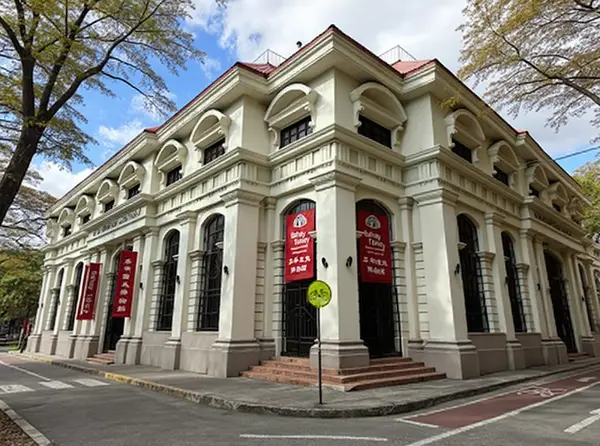
11. Visit Bahay Tsinoy Museum
Zbuloni trashëgiminë e pasur të filipinezëve kinezë përmes sendeve të rralla dhe tregimeve të gjalla. Hyni në histori me zëra dhe pamje që sjellin të kaluarën në jetë.
Fakte të shpejta: Vendi ekspozon historitë e mbi 1.2 milionë filipinas kinez dhe ndikimin e tyre në kulturën dhe historinë filipinase. Ekspozitat përfshijnë regjistra dhe artefakte të thelluara prej paraardhësve që datojnë prej më shumë se 300 vjetësh.
Pikat kryesore: Vizitorët mund të përjetojnë një ekspozitë unike tingulli ku instrumentet tradicionale kineze luajnë së bashku me tingujt e rrugës së vjetër të Manilas, duke krijuar një efekt të udhëtimit në kohë. Një moment kulmor përfshin një dioramë të detajuar të distriktit Binondo siç dukej në fillim të viteve 1900 me mbi 500 figura të vogla.
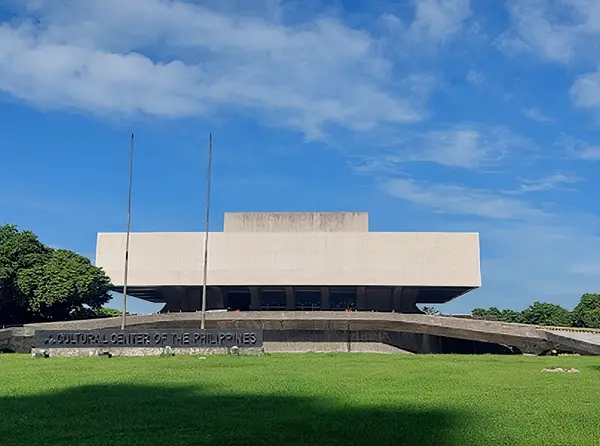
12. Cultural Center of the Philippines
Përjetoni pulsin e artit performues filipinez. Ndiqni shfaqje dinamike, koncerte dhe ekspozita në një mjedis arkitekturor unik që feston kulturën lokale.
Fakte të shpejta: Një tipar i habitshëm i këtij vendi është tanghalang nicanor abelardo, një teatër i njohur për projektimin e akustikës që lejon çdo fjalë dhe notë të arrijë ulësen e fundit qartë. Mbi 50 shfaqje dhe ekspozita arti ndodhin këtu çdo muaj, duke tërhequr artistë dhe publikut nga e gjithë vendi.
Pikat kryesore: Shikoni artistët që kalojnë një pishtar ceremonial përpara çdo eventi të madh për të nderuar artin filipinas, një traditë e filluar nga drejtori origjinal kulturor. Teatri kryesor i mban 1,800 vetë dhe ka një llambadar prej guaskash capiz, që reflekton mjeshtërinë lokale nën drita.
Where to Stay in Manila, Philippines
Selected by City Buddy based on guest reviews and proximity to top attractions
Search all hotels in Manila, PhilippinesPowered by agoda
Ditët e hapjes në Manila, Philippines
Cilat nga atraksionet kryesore mbyllen cilën ditë të javës, armiku klasik i udhëtimit, të kontrolluara për ty.
e hënë: 9 nga 19 atraksione kryesore mbyllen, planifiko muzetë për një ditë tjetër.
Mbyllur të e hënë · 9 mbyllur, 10 hapur
Ditët e hapjes nga Google Maps (kontrolluar 2026-03-14). Festat publike, grevat dhe oraret sezonale mund të ndryshojnë, kontrollo faqen zyrtare para se të shkosh.
Ëmbëlsirat tradicionale
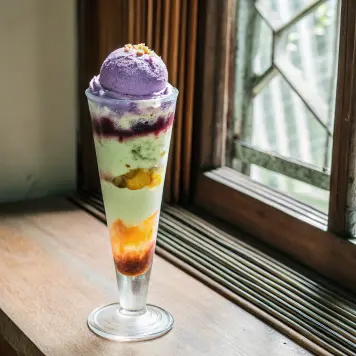
halo-halo
Halo-halo literally means 'mix', it evolved from Japanese shaved ice and Filipino sweet preserves, and today its rainbow layers topped with leche flan or ube ice cream are a summer symbol across Manila.
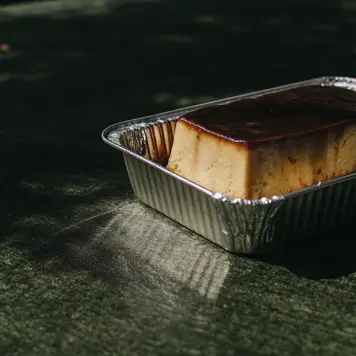
leche flan
Leche flan in the Philippines is denser and richer than its Spanish cousin because cooks use many egg yolks and condensed milk, and it is traditionally steamed in a tin mold called a llanera for a silky, custardy texture.
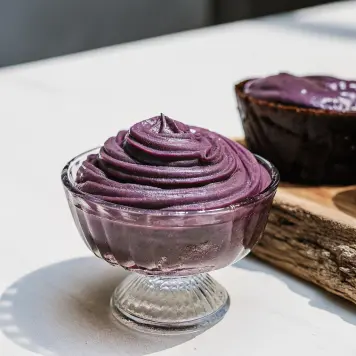
ube halaya
Ube halaya is a vivid purple jam made from purple yam, its color and nutty-sweet flavor turned it into a signature ingredient that elevates everything from halo-halo to pastries and ice cream.
Gatimet tradicionale të kripura
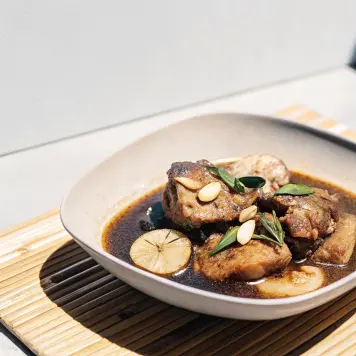
adobo
Adobo is more a method than a single recipe, vinegar and soy sauce preserve and flavor meat, and nearly every Filipino family in Manila guards a version they call their own.

sisig
Sisig began as a resourceful Kapampangan dish made from pig's head and ears, it was revived as a sizzling, tangy bar favorite in Manila and is often finished with a raw egg on the hot plate.
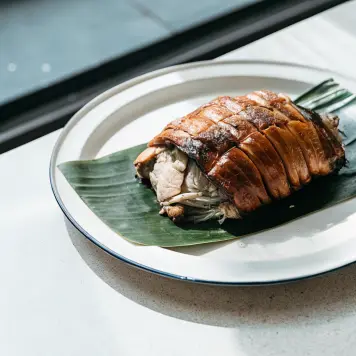
lechon
Lechon, a whole roasted pig with crackling skin and juicy meat, is the unmistakable centerpiece of Filipino fiestas and its carving announces celebration across Manila.
Pijet tradicionale

sago't gulaman
Sago't gulaman pairs chewy tapioca pearls with jiggly agar jelly in a sweet brown sugar syrup, it became a beloved street drink because it is both refreshing and texturally playful.

buko juice
Buko juice is the clear, slightly sweet water from young coconuts, sold straight from halved shells by vendors and prized as a natural electrolyte on hot Manila days.

tuba
Tuba is freshly tapped coconut sap that ferments into a mildly alcoholic palm wine, it has long been woven into Filipino rituals and fiestas and can be distilled into the stronger spirit lambanog.
Dijeni para se të shkoni
Sa kushton një ditë në Manila dhe mashtrimet që duhen shmangur
Kosto për person në ditë
Mashtrimet kryesore që duhen shmangur
- Shoferë të paautorizuar të aeroportit. Përdorni sportelin zyrtar të kuponëve të taksive brenda terminalit ose rezervoni Grab nga aplikacioni përpara se të dilni nga mbërritjet.
- Manipulimi i taksimatrit. Kontrolloni që taksimatëri është i rivendosur kur nisni dhe që tarifa përputhet me tarifën e shfaqur të ditës. Preferoni Grab për çmime fikse.
- Zyra këmbimi valutore me norma të dobëta. Përdorni degë bankash ose këmbim valutorë të besuar me norma të shfaqura. Numëroni peso tuaja te sporteli përpara se të largoheni.
Taksi me çmim të drejtë nga aeroporti: 700 ₱ - 1 000 ₱ (10 € - 14 €)
Opsion më i lirë: Xhipi i aeroportit ose autobuzi zyrtar i aeroportit/UV Express për në zonat qendrore si Baclaran ose stacioni Taft MRT (50 ₱)
Të gjitha mashtrimet, çmimet e drejta dhe rregullatPyetje të Shpeshta rreth Manila, Philippines
Koha më e mirë për të vizituar Manilën, Filipine?
A është Manila, Filipine e shtrenjtë?
Si mund të lëvizësh nëpër Manilë, Filipine?
A është Manila, Filipine e sigurt për t'u vizituar?
Sa turistë vizitojnë Manilën çdo vit?
Merrni një PDF me atraksionet më të njohura të dërguara në emailin tuaj
Merrni një PDF me të gjitha atraksionet, vlerësimet dhe këshillat. I përshtatshëm për përdorim offline.
Ekskursione ditore më të njohura
Tagaytay (Taal view)
Cool ridge with panoramic views of Taal Volcano.
Taal Volcano (via Talisay)
Boat trip to the volcanic island on Taal Lake.
Pagsanjan Falls (Laguna)
Scenic gorge and classic canoe (shooting the rapids) trip.
Anilao (Mabini, Batangas)
Popular snorkeling/diving spot with clear waters.
Si të arrini atje
Stacionet e trenit
PNR South Main Line (to Laguna, Lucena, Bicol)
MRT-3 / LRT-2 (major Metro Manila interchange)
LRT-1 / connecting buses to airport/Metro
From NAIA take a metered taxi or Grab; expect heavy traffic—allow 1–2 hours.
Informacione të dobishme për Manila, Philippines
Përmbledhje për Manila, Philippines
Do një plan ditor për Manila, Philippines? Hap planifikuesin e udhëtimit
Kur do të shkoni në Manila, Philippines?
Zgjidh datat dhe stilin e udhëtimit për të marrë:
A ka ndonjë nga këto që është veçanërisht e rëndësishme për ju?
Zgjidh të gjitha që vlejnë
Si të lëvizësh
Si dëshiron të lëvizësh midis vendeve?
Gjuha e planit: ShqipMost popular itineraries for Manila, Philippines
Browse trip plans created by other travelers
14-Day Authentic Philippines Adventure for Budget Backpackers
Discover the Philippines off the beaten path from Manila's local streets to Balabac's rugged islands and Boracay's hidden coves in this budget-friendly, authentic 14-day journey.
15-Day Manila Spring Immersion
Discover Manila’s rich history, vibrant culture, and local flavors in this 15-day spring adventure through famous landmarks and authentic experiences.