 CityBuddy
 Shqip
Shqip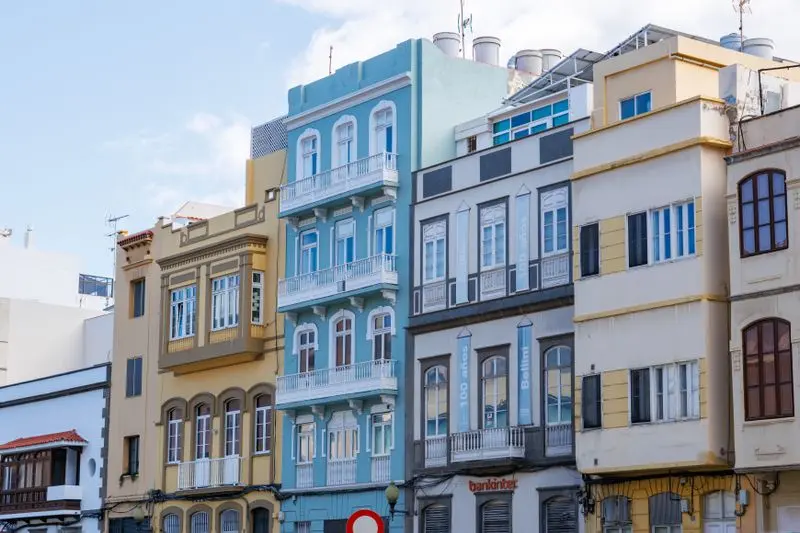
Çfarë të bëni në Las Palmas de Gran Canaria, Spain
Foto nga Canary Vista ES në Pexels.com
Kur të vizitoni
Kur do të shkoni në Las Palmas de Gran Canaria, Spain?
Zgjidh datat dhe stilin e udhëtimit për të marrë:
A ka ndonjë nga këto që është veçanërisht e rëndësishme për ju?
Zgjidh të gjitha që vlejnë
Plan language: ShqipLas Palmas de Gran Canaria is the #19 most LGBTQ+ friendly city in the world, based on our data across hundreds of destinations.
Atraksionet më të njohura në Las Palmas de Gran Canaria, Spain
Kur mendoni për gjëra për të bërë në Las Palmas de Gran Canaria, Spanjë, filloni me Playa de Las Canteras, një shtrirje tre kilometra me rërë të artë me një shkëmb natyror. Eksploroni katedralen historike të Santa Anës, ndërtimi i së cilës filloi në 1497, dhe vizitoni Museo Casa de Colón, ku Kristofor Kolombo supozohet se ka qëndruar gjatë udhëtimeve të tij.
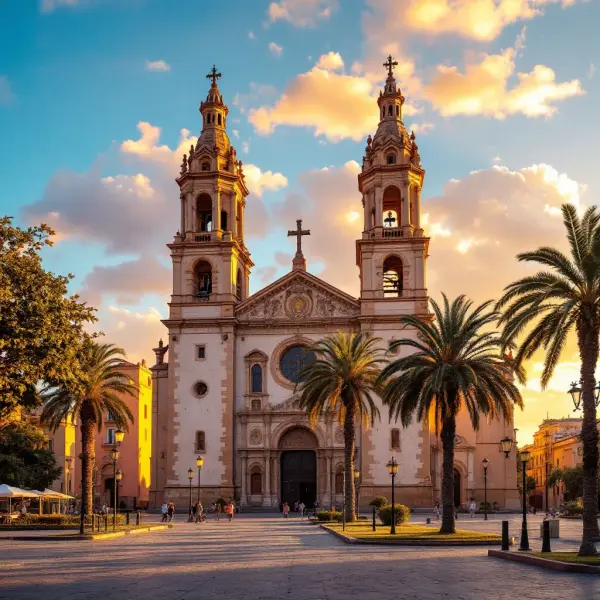
1. Catedral de Santa Ana
Zemra shpirtërore e Gran Canarias ndërthur majat gotike me dritën e Saharasë. Shëtisni pranë 44 dritareve me xham me ngjyra ndërsa dielli i mesditës i kthen shtyllat prej guri në një kaleidoskop ngjyrash.
Fakte të shpejta: Kisha ndodhet në një vend që ka qenë i shenjtë për mbi 500 vjet, me ndërtesën aktuale të ngritur pasi struktura origjinale e shekullit XVI u shemb. Fasada e saj neo-gotike përmban 44 dritare me xham të ngjyrosur që mbushin brendësinë me dritë ngjyrash të çmuara gjatë gjithë ditës.
Pikat kryesore: Hyni brenda dhe shikoni lart: tavani prej druri në stilin Mudéjar në nefin kryesor është pikturuar me modele gjeometrike të ndërlikuara, një shkrirje e rrallë kanariane e strukturës gotike dhe artit të frymëzuar nga islami. Organi i kishës, me mbi 1200 tuba, u ndërtua në vitet 1850 dhe ende i bën bankat të dridhen gjatë meshës të së dielës.
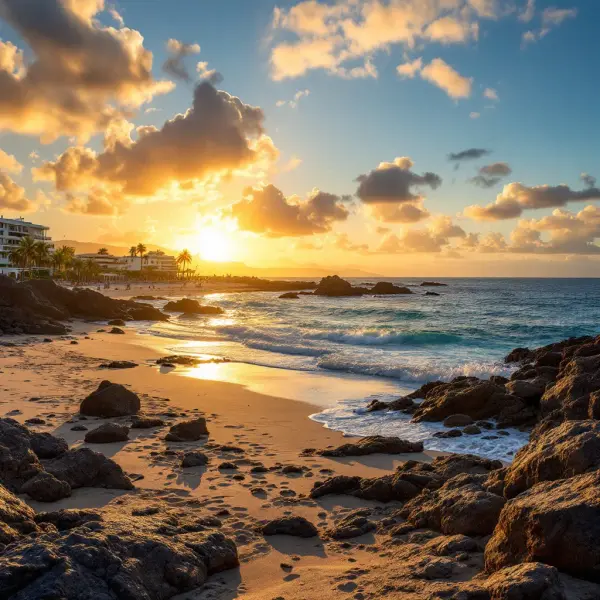
2. Playa de Las Canteras
Një plazh i artë i qytetit me një shkëmb vullkanik që e kthen bregun në një pishinë të madhe natyrore. Lëvizni në ujë, notoni ose bashkohuni në një ndeshje volejbolli ndërsa Atlantiku përplaset tek këmbët tuaja.
Fakte të shpejta: Plazhi i artë një kilometër i gjatë mbrohet nga një shkëmb natyror i quajtur La Barra, duke krijuar një lagunë të qetë të përkryer për not në çdo baticë. Më shumë se 50 rrjeta volejbolli vendosen çdo ditë përgjatë bregut, duke tërhequr vendas dhe turistë në lojëra të gjalla ndërsa perëndon dielli.
Pikat kryesore: La Barra, shkëmbi shkëmbor që shtrihet paralel me bregun, nuk është thjesht një thyes valësh; ai krijon një lagunë të cekët si akuarium ku mund të shihni sparit, mulletët dhe madje edhe rreze pa pajisje snorkelimi. Gjatë baticës së ulët, mund të ecni në pishina shkëmbore vullkanike të ekspozuara që ndjehen si një shesh lojrash sekret natyror, plotësisht i shkëputur nga qyteti pas jush.
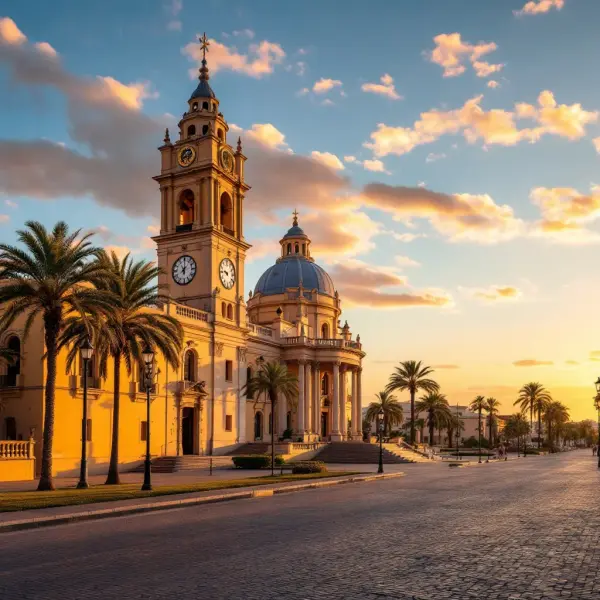
3. Museo Casa de Colón
Hyni në shtëpinë e shekullit të 15-të ku Kolombi u përgatit për kalimin e tij të Atlantikut. Eksploroni dhoma të mbushura me artefakte parakolombiane, mobilje të periudhës dhe kopshte tropikale që ju çojnë në epokën e zbulimeve.
Fakte të shpejta: Kolombi ndaloi këtu para udhëtimit të tij të parë në Amerikë në 1492, dhe shtëpia ndodhet në lagjen historike Vegueta. Ndërtesa kombinon stilet arkitekturore gotike, mudejare dhe të Rilindjes, me një oborr të brendshëm mahnitës që përfshin një shkallë prej guri të gdhendur kanarian.
Pikat kryesore: Një nga pronat më të çmuara të muzeut është botimi i parë i letrës së Kristofor Kolombit që shpall zbulimin e Botës së Re, i shtypur në Barcelonë në 1493. Vizitorët gjithashtu mund të qëndrojnë në dhomën e saktë ku navigatori supozohet se ka qëndruar, me tavanet origjinale prej druri të shekullit të 15-të dhe trarët e pemës së dragoit të Ishujve Kanarie ende sipër.
A keni dëgjuar për turët falas në këmbë?
Pas udhëtimeve në mbi 30 vende, ka një gjë që do të doja të më kishin thënë që në ditën e parë, dhe ajo ndryshoi plotësisht mënyrën se si përjetoj qytetet e reja.
Turët falas në këmbë. Po, me të vërtetë falas. Nuk kërkohet kartë krediti. Pa kapje.
Guidë lokale, 2-3 orë
Pamjet kryesore, thesaret e fshehura, historitë lokale
100% bazuar në bakshishe
Guidat fitojnë vetëm bakshishet, prandaj japin më të mirën e tyre
Ju jepni bakshishin që ndjeni
Në fund, thjesht jepni bakshishin që ndjeni se është i drejtë
I kam bërë këto në dhjetëra qytete dhe kanë qenë pika kulmore e pothuajse çdo udhëtimi. Nëse vizitoni Las Palmas de Gran Canaria, Spain, bëjeni këtë në ditën tuaj të parë. Do të më falënderoheni më vonë.
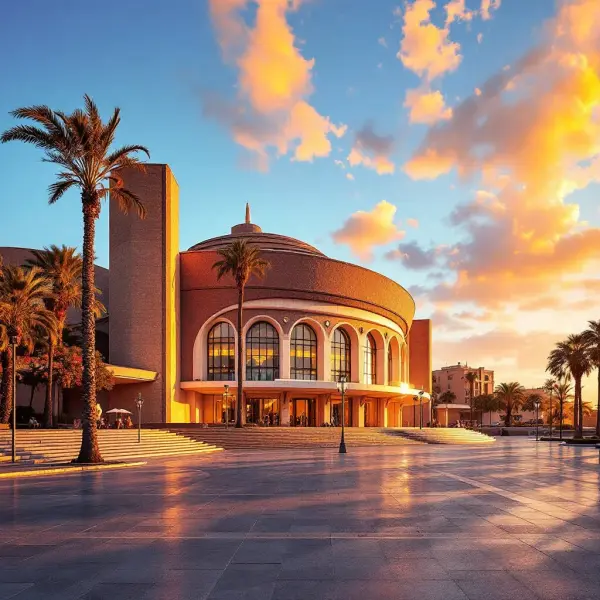
4. Auditorio Alfredo Kraus
Shikoni perëndimin e diellit që ngjyros Atlantikun përmes një muri xhami para se të dëgjohet nota e parë. Do të uleni brenda një guaskë deti futuriste ndërsa oqeani pothuajse i bashkohet orkestrës përmes dritareve nga dyshemeja në tavan.
Fakte të shpejta: Salla e koncerteve në formë guaskë ka 1,658 vende dhe u emërua sipas tenorit legjendar spanjoll Alfredo Kraus, i cili lindi në Las Palmas. Muri i saj prej xhami kristal ofron pamje panoramike të Oqeanit Atlantik, duke e bërë auditorin të duket sikur noton mes detit dhe qiellit.
Pikat kryesore: Fasada prej xhami 40 metra e lartë e auditorit reflekton ngjyrat e ndryshueshme të oqeanit gjatë gjithë ditës, duke e kthyer vetë ndërtesën në një performancë drite dhe uji. Në ditët me erë, guaska e lakuar prej betoni e kanalizon flladin e Atlantikut përmes vrimave akustike të projektuara me kujdes, duke krijuar një sistem natyral ftohjeje që inxhinierët e quajtën "skulpturë tingulli dhe ere".
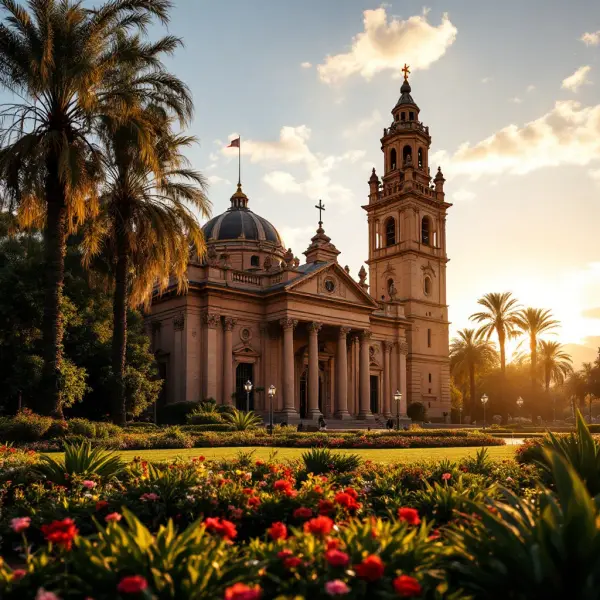
5. Parque de Santa Catalina
Ikni në një mrekulli botanike të harlisur ku pemët shekullore të dragoit hijezojnë sheshet e gjalla dhe salsa spontane shpërthen të dielave në mëngjes. Ecni nëpër shtigje të përdredhura mes luleve tropikale, oborreve me shatërvanë dhe vendasve që luajnë domino në tavolina guri të gdhendura nga koha.
Fakte të shpejta: Dy pemë gjigante dragoi, secila mbi 300 vjeçare, mbajnë sheshin kryesor të parkut. Më shumë se 80 lloje bimësh tropikale dhe subtropikale lulëzojnë këtu, duke krijuar një oaz të dendur urban.
Pikat kryesore: Të dielave në mëngjes, parku shndërrohet në një shesh vallëzimi në ajër të hapur ku vendasit e të gjitha moshave mblidhen për seanca spontane salsa dhe timba nën pemët ficus. Vendi më i mirë është afër bandës së vjetër prej druri, ku stolat e ngritura prej guri ofrojnë pamje nga rreshti i parë i çifteve që rrotullohen në ritmin e daulleve live të kongës.
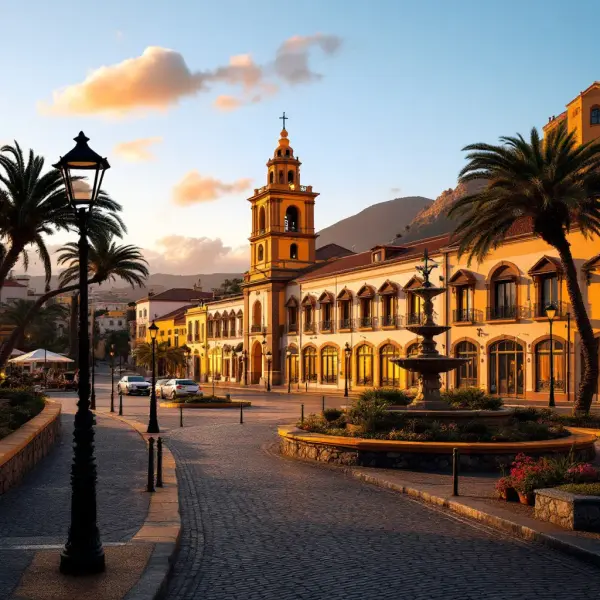
6. Barrio de Vegueta
Shëtisni në lagjen më të vjetër të Las Palmas ku rrugët me kalldrëm pëshpëritin pesë shekuj histori. Do të hasni sheshe të gjelbëruar, pallate koloniale të lyera me ngjyra sherbeti dhe Katedralen gjigante të Santa Anës që i mban të gjitha në vend.
Fakte të shpejta: Calle Mayor de Triana, arteria kryesore e lagjes, ishte rruga e parë në Ishujt Kanarie që mori ndriçim elektrik në vitin 1893. Rrugicat me kalldrëm të distriktit fshehin mbi 500 vjet histori të vazhdueshme, ku vetë Kolombi ndaloi këtu në 1492 për të riparuar Pintën përpara se të vazhdonte drejt perëndimit.
Pikat kryesore: Në cepin e Calle Colón dhe Calle Mendizábal, do të vini re një pllakë të ndritshme qeramike blu që shënon vendin ku Kolombi supozohet se u lut para udhëtimit të tij transatlantik, megjithëse vendasit ende debatojnë nëse historia është fakt apo folklor. Ajri këtu mban erë kripe deti të përzier me çurros të skuqur nga një tezë e vogël qosheje që funksionon që nga viti 1927, duke përdorur të njëjtën recetë shekullore të kaluar nëpër katër breza.
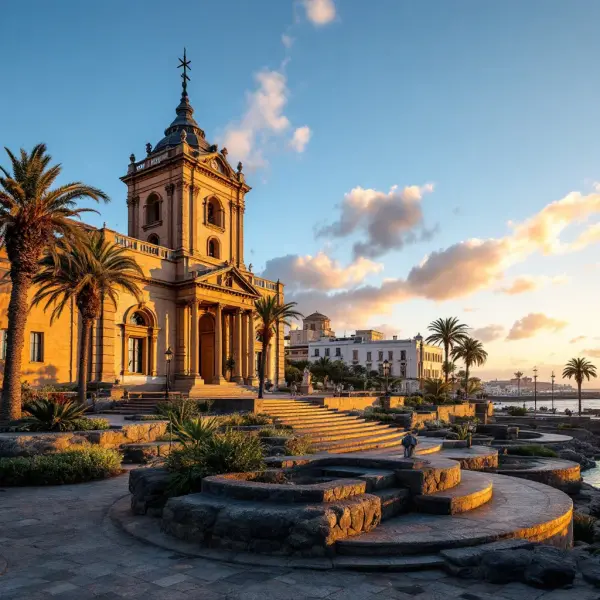
7. Museo Canario
Ndodheni ballë për ballë me popullin e vërtetë Guanche që jetoi këtu përpara se Kolombi të lundronte. Do të shqyrtoni mumiet, qeramikën dhe thikat e obsidianit të tyre në një ndërtesë të zymtë të shekullit të 19-të që duket si një kabinet kuriozitetesh.
Fakte të shpejta: Me rreth 1,200 kafka nga mumiet parakoloniale Guançe, koleksioni ofron një dritare të çuditshme se si këta njerëz indigjenë i trajtonin të vdekurit e tyre. Më shumë se 5,000 artefakte gjurmojnë mbi 1,500 vjet të historisë Kanariane para pushtimit spanjoll.
Pikat kryesore: Një dhomë mban dhjetëra kafka Guançe të rregulluara me kujdes, secila me shenja të veçanta të konsumit dentar nga përtypja e një rrëshire të caktuar bimore, duke treguar histori që asnjë shënim i shkruar nuk mund të tregojë. Mund të qëndroni centimetra larg dorës së një mumie të tharë, thonjtë ende të paprekur pas 800 vjetësh, të ruajtur nga asgjë më shumë se yndyra shtazore dhe minerale vullkanike ishullore.
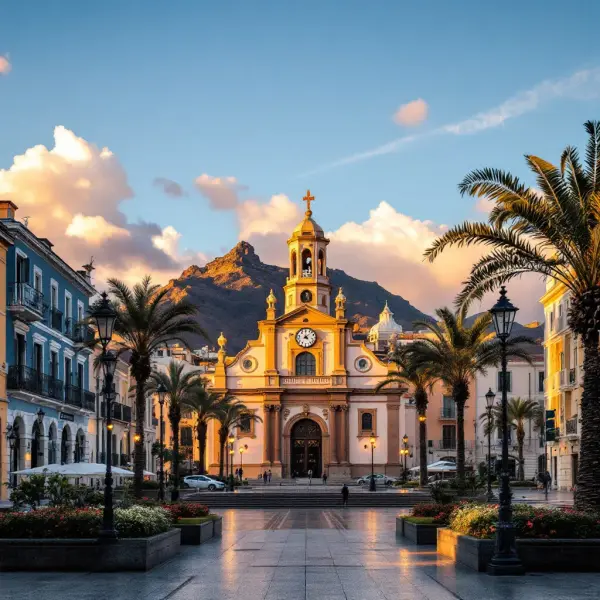
8. Plaza de Santo Domingo
Hyni në një dhomë ndenjeje ku vendasit mblidhen nën hijen e një peme dragoi 200-vjeçare. Pini kafe në një tarracë ndërsa muzikantët e rrugës luajnë melodi tradicionale kanariane.
Fakte të shpejta: Një palë qen të zinj të gdhendur nga guri vullkanik kanë ruajtur shatërvanin qendror që nga viti 1894, duke vëzhguar në heshtje vendasit dhe vizitorët njësoj. Sheshi mban një nga pemët më të fotografuara në ishull, një dafinë gjigante që shtrin kurorën e saj si një ombrellë jeshile mbi shesh.
Pikat kryesore: E gdhendur në shtrimin e sheshit, një busull gjigante prej bronzi ndodhet pikërisht në vendin ku muret e vjetra të qytetit kishin portën kryesore, duke treguar drejt detit që solli anijet nga Amerika shekuj më parë. Të dielave në mëngjes, artizanët dhe muzikantët vendas mblidhen rreth shatërvanit, duke mbushur ajrin me tingujt e timples ndërsa kanarët e moshuar luajnë domino në tavolinat prej guri me hije.
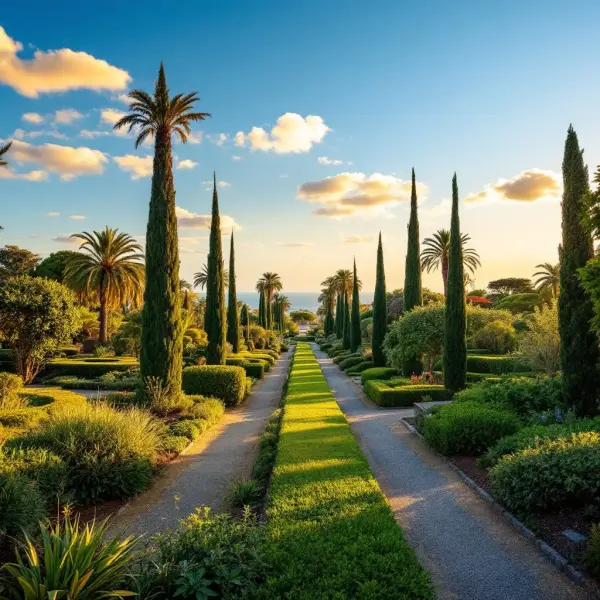
9. Jardín Botánico Canario Viera y Clavijo
Shëtisni nëpër një kanion vullkanik të mbushur me bimë parahistorike që nuk mbijnë diku tjetër në Tokë. Do të kaloni ura të varura mbi një përrua të harlisur, do të shihni pemë dragoi 200-vjeçare dhe do të vini re hardhuca të rralla që vrapojnë nëpër shkëmbinj të lashtë vullkanikë.
Fakte të shpejta: Kopshti shtrihet në 10 hektarë në një shpat vullkanik me më shumë se 500 lloje të florës vendase të Ishujve Kanarie, duke përfshirë 10 lloje bimësh të rrezikuara që nuk gjenden askund tjetër në Tokë. Pemët e dragoit, disa mbi 200 vjeçare, ngrihen mbi kaktusë si skulptura dhe një rrjet urash që kalojnë një grykë të harlisur.
Pikat kryesore: Një cep i fshehur i quajtur "Jardín de los Dragos" përmban një koleksion pemësh dragoi të lashta, lëngu i të cilave përdorej historikisht nga Guanches vendas për të mumifikuar të vdekurit e tyre. Qëndroni pranë urës së varur në orën e artë dhe shikoni hardhucat e egra të Atlantikut që bëjnë banja dielli mbi gurin vullkanik ndërsa gjithë lugina poshtë merr ngjyrë qelibar.
Where to Stay in Las Palmas de Gran Canaria, Spain
Selected by City Buddy based on guest reviews and proximity to top attractions
Search all hotels in Las Palmas de Gran Canaria, SpainPowered by agoda
Ëmbëlsirat tradicionale
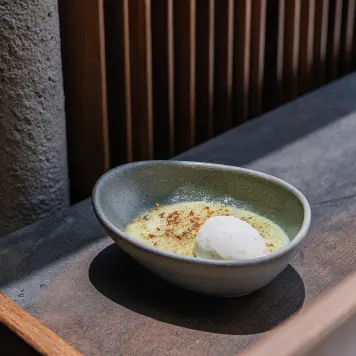
Bienmesabe
Bienmesabe literally means "tastes good to me" in Spanish. This creamy almond dessert is made with ground almonds, eggs, sugar, and lemon zest, often served with ice cream or as a cake filling.
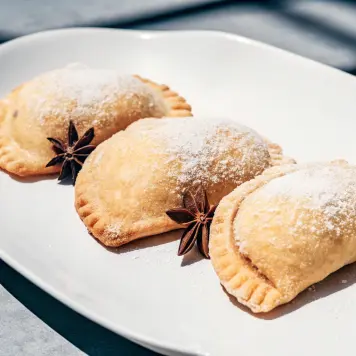
Truchas de Batata
These sweet potato filled pastries are a Christmas tradition in the Canary Islands. The dough is made with flour, olive oil, and anise, while the filling uses local sweet potato mixed with almonds and spices.
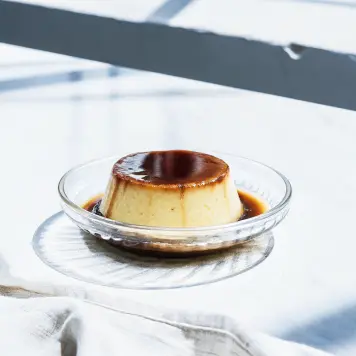
Quesillo
Quesillo is the Canarian version of flan, made with condensed milk, eggs, and caramel. Unlike traditional flan, it gets its name from its slightly porous, cheese-like texture.
Gatimet tradicionale të kripura
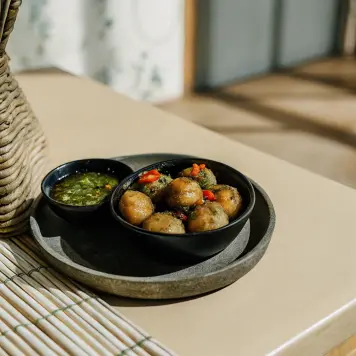
Papas Arrugadas con Mojo
This iconic Canarian dish features small potatoes boiled in heavily salted water until wrinkled, then served with mojo sauce. The two classic mojo varieties are mojo rojo, made with red peppers and cumin, and mojo verde, made with fresh cilantro or parsley.
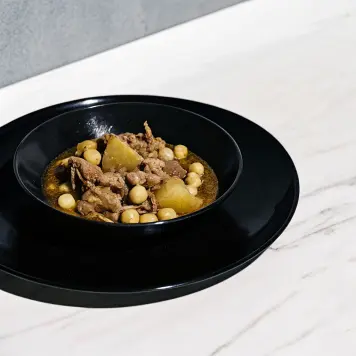
Ropa Vieja Canaria
Unlike its Cuban namesake, Ropa Vieja Canaria is made with shredded beef, chickpeas, and potatoes cooked together in a flavorful broth. The name means "old clothes" in Spanish, referring to the shredded appearance of the meat.
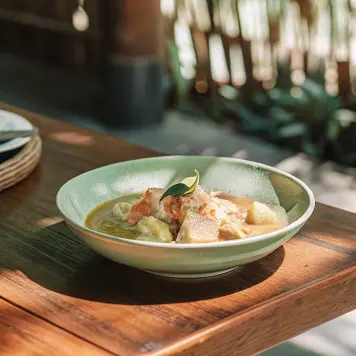
Sancocho Canario
This traditional fish stew is made with salted local fish such as cherne or vieja, served with sweet potatoes, gofio (toasted corn flour), and mojo sauce. It is a beloved Sunday meal in Las Palmas homes.
Pijet tradicionale

Barraquito
Barraquito is a layered coffee drink unique to the Canary Islands, containing espresso, condensed milk, milk, cinnamon, and lemon zest. It is also known as "Cafe Barraquito" and is a staple of local cafes in Las Palmas.
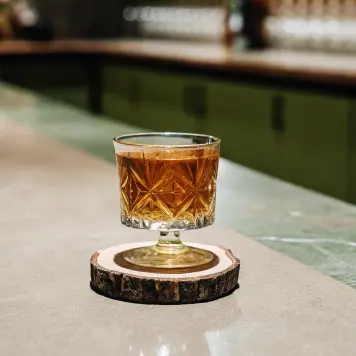
Ron de Miel
Ron de Miel is a honey rum produced in the Canary Islands, often served as a digestif or used in cocktails. It blends local rum with honey from the island's unique flora, creating a sweet and aromatic liqueur.
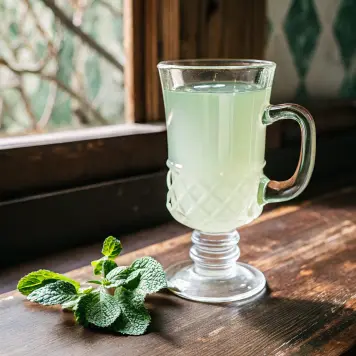
Poleo
Poleo is a traditional Canarian herbal tea made from the leaves of the poleo mint plant, which grows wild on the islands. It is commonly enjoyed after meals for its digestive properties and refreshing flavor.
Frequently Asked Questions about Las Palmas de Gran Canaria, Spain
A është e sigurt Las Palmas de Gran Canaria, Spanjë?
Sa ditë në Las Palmas de Gran Canaria, Spanjë?
Cila është koha më e mirë për të vizituar Las Palmas de Gran Canaria, Spanjë?
A është Las Palmas de Gran Canaria, Spanjë e shtrenjtë?
Si të lëvizni në Las Palmas de Gran Canaria, Spanjë?
Merrni një PDF me atraksionet më të njohura të dërguara në emailin tuaj
Merrni një PDF me të gjitha atraksionet, vlerësimet dhe këshillat. I përshtatshëm për përdorim offline.
Ekskursione ditore më të njohura
Maspalomas
Famous for its stunning sand dunes and Maspalomas lighthouse beach area.
Teror
Charming mountain town with traditional Canarian architecture and basilica.
Agaete
Coastal town known for natural pools, cliffs, and coffee plantations.
Tejeda
Scenic village in the mountains with almond trees and Roque Nublo views.
Puerto de Mogan
Picturesque fishing port called 'Little Venice' with canals and beaches.
Rent a car in Las Palmas de Gran Canaria, Spain
Si të arrini atje
Aeroporte
Stacionet e trenit
Global bus lines to all parts of the island and airport connections
Regional and intercity bus lines connecting Las Palmas to south resorts
Gran Canaria Airport (LPA) is 21 km south of the city. Take the Global bus No. 60 or a taxi (25 min) to reach the center.
Gjeni fluturime për Las Palmas de Gran Canaria, Spain
Klikoni për të marrë eSim për Las Palmas de Gran Canaria, Spain
Mënyra më e lehtë dhe më e përballueshme për të marrë internet mobil kudo që udhëtoni.
Informacione të dobishme për Las Palmas de Gran Canaria, Spain
Përmbledhje për Las Palmas de Gran Canaria, Spain
Most popular itineraries for Las Palmas de Gran Canaria, Spain
Browse trip plans created by other travelers
Komente (10)
Skip the restaurants right on Las Canteras beachfront. Walk two streets inland and you'll pay half the price for better food. La Marinera in La Isleta does amazing grilled fish.
I loved the beaches here, Las Canteras is huge and the water is warm even in winter. The old town Vegueta surprised me with its charm. Would visit again.
Best spot in the Canary Islands in my opinion. The weather is incredible year round and the food market in Vegueta is a must. Stayed 4 days which was perfect.
Bring cash for smaller restaurants and taxis, lots of places don't accept card for small amounts. Found that out the hard way. ATMs on Triana street have decent rates.
Go to the Vegueta market on Saturday morning for the best local produce and tapas. Arrive before 10 am to avoid queues for the popular stalls like Casa Montesdeoca.