 CityBuddy
 Shqip
Shqip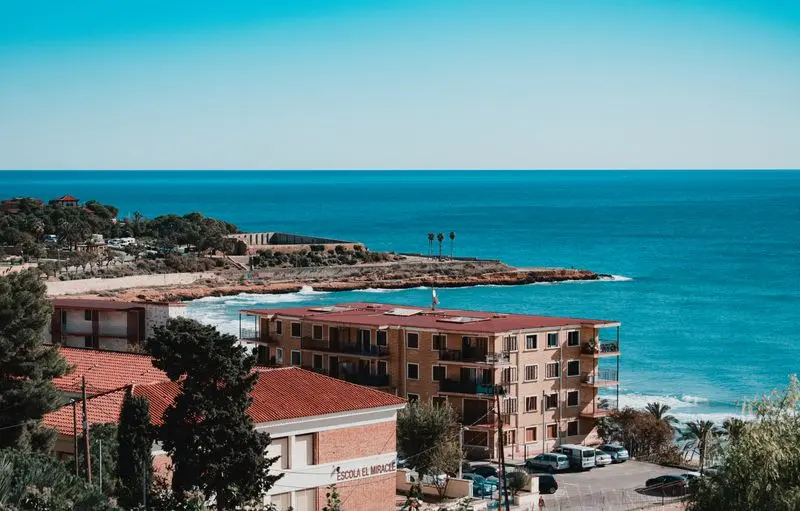
Çfarë të bëni në Tarragona, Spain
Foto nga Santiago Boada në Pexels.com
Kur të vizitoni
Atraksionet më të njohura në Tarragona, Spain
Nëse jeni duke kërkuar gjëra për të bërë në Tarragona të Spanjës, filloni me Amfiteatrin e Tarragonës të shekullit II, i cili ka pamje nga Deti Mesdhe dhe hapësirë për 15 000 spektatorë. Më pas ecni rreth 3.5 kilometra të Rrethit të Mureve Romake, ku disa pjesë datojnë që nga viti 200 para Krishtit. Përfundoni në Balcó del Mediterrani për një pamje të gjërë bregdetare nga 40 metra mbi nivelin e detit.
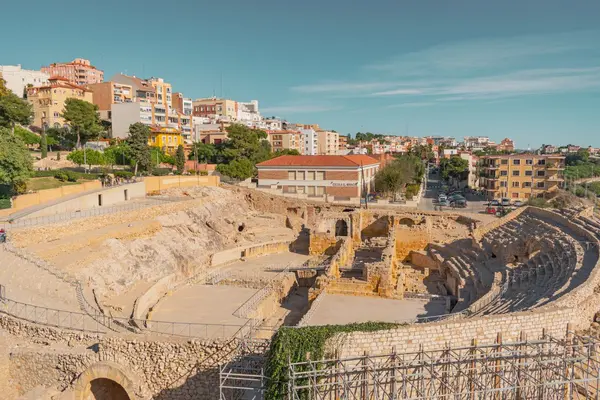
1. Tarragona Amphitheatre
Hyni në një arenë romake 2000-vjeçare ku dikur luftonin gladiatorët me detin si sfond. Do të kaloni nëpër të njëjtat harqe guri dhe do të qëndroni mbi rërën ku u shpalosën momentet më dramatike të historisë.
Fakte të shpejta: Romakët e ndërtuan këtë arenë rreth vitit 200 pas Krishtit për të organizuar beteja gladiatorësh dhe gjueti kafshësh. Gladiatorët luftuan dhe gjakosën këtu, ndërsa deri në 14,000 spektatorë brohorisnin nga vendet prej guri që shihnin Detin Mesdhe.
Pikat kryesore: Pasi përfundoi epoka e gladiatorëve, të krishterë u ekzekutuan këtu, dhe më vonë një kishë mesjetare u ndërtua pikërisht brenda mureve prej guri të arenës. Ende mund të shihni skicat e zbehta të themeleve të kishës të shtypura kundër muraturës romake, një histori e rrallë e shtresuar në një kornizë të vetme.
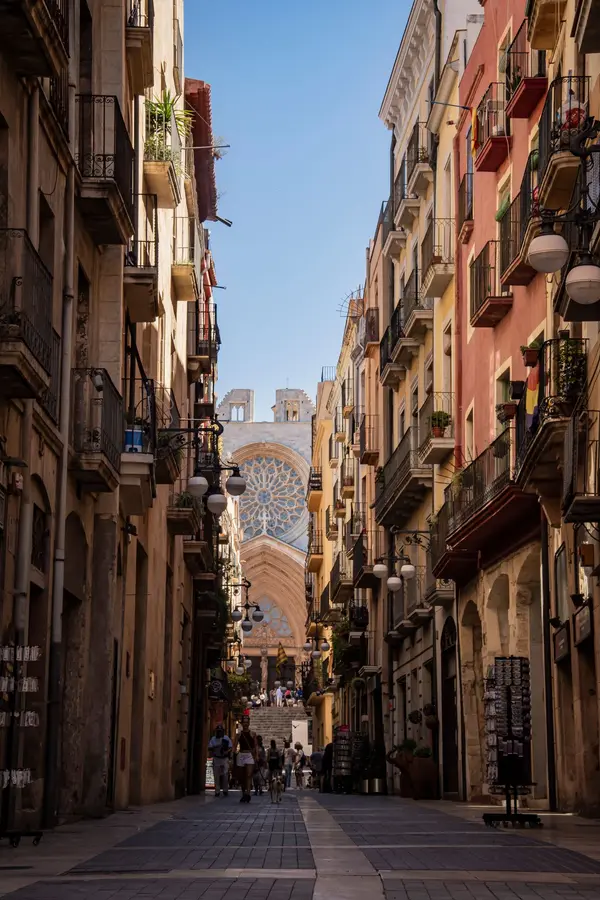
2. Tarragona Cathedral
Shekuj historie të gdhendur në çdo gur, nga themelet romake te kupat gotike. Hyni brenda për të gjetur një kthjellët të qetë ku e kaluara ndihet gati e prekshme.
Fakte të shpejta: Dy stile krejtësisht të ndryshme arkitekturore takohen nën një çati. Nevi gotik ngrihet mbi një kloastër romanik të shekullit XII, ku macet kanë jetuar për shekuj.
Pikat kryesore: Një gur brenda murit të kloastrit tregon gjurmën e putrës së një mace të shtypur në llaç prej më shumë se 800 vjetësh. Vendasit thonë se macet banuese të katedrales janë pasardhëse të drejtpërdrejta të gjuetarëve të minjve që e mbanin manastirin mesjetar pa brejtës.
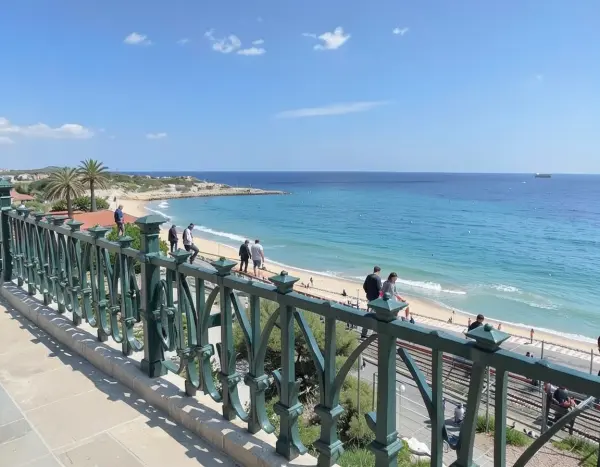
3. Balcó del Mediterrani
Një nga pikat më të mira falas të pamjes përgjatë gjithë bregdetit Katalanas. Qëndroni 60 metra mbi nivelin e detit dhe shikoni varkat me vela që lundrojnë në një horizont mesdhetar vezullues.
Fakte të shpejta: Perched 60 meters above the Mediterranean, this balcony offers sweeping views that stretch from the port of Tarragona to the distant Costa Daurada coastline. The viewpoint sits atop the ancient Roman Cyclopean Wall, built with massive stone blocks weighing up to 5 tons each.
Pikat kryesore: Come at sunset and watch the limestone balcony railings catch a warm golden glow while the sea turns deep sapphire below. On clear days you can spot the silhouette of the Ebro Delta, 30 kilometers away, jutting into the horizon.
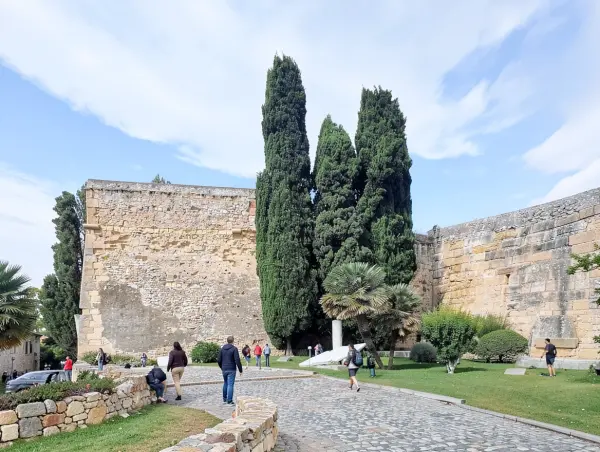
4. Roman Walls of Tarragona
Ecni përkrah fortifikimeve romake 2200-vjeçare që dikur ruanin kryeqytetin e një perandorie. Ndiheni gurin e ashpër dhe të gdhendur nga koha nën majat e gishtave teksa ndiqni të njëjtin perimetër që patrullonin ushtarët romakë.
Fakte të shpejta: These Roman walls stretch for nearly 3.5 kilometers and reach up to 12 meters high in places, making them one of the best preserved Roman fortifications in Spain. Originally built between the 3rd and 2nd centuries BC, they protected the ancient city of Tarraco, capital of the Roman province of Hispania Citerior.
Pikat kryesore: Look closely at the base of the walls near the Portal del Roser and you'll spot massive original stone blocks, some weighing over 6 tons, stacked without mortar through sheer precision and gravity. The wall's Cyclopean masonry creates a haunting contrast against the medieval structures built on top centuries later, a layered history you can literally touch.
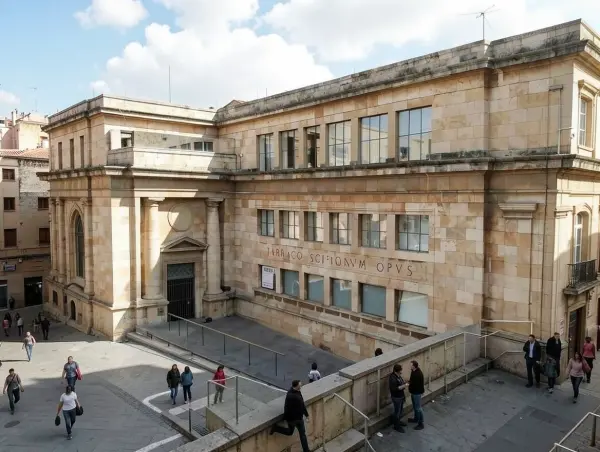
5. National Archaeological Museum of Tarragona
Enduni nëpër një nga koleksionet më të pasura të artefakteve romake në Spanjë, nga skulpturat kolosale te objektet e imta të përditshme. Do të ecni mbi dysheme xhami mbi rrugët antike romake dhe do të përballeni me mozaikun legjendar të Meduzës.
Fakte të shpejta: The collection houses over 25,000 objects spanning Roman history, with sculptures, mosaics, and everyday artifacts that tell the story of ancient Tarraco. One of the most stunning pieces is a massive 3rd-century mosaic of Medusa, covering an entire gallery floor with intricate details that still feel alive after 1,700 years.
Pikat kryesore: Walk into the main hall and you'll stand directly above a preserved stretch of the original Roman circus where chariots once thundered by. The museum's glass floor lets you peer down at the ancient cobblestones and drainage channels, making you feel like an archaeologist discovering the city layer by layer.
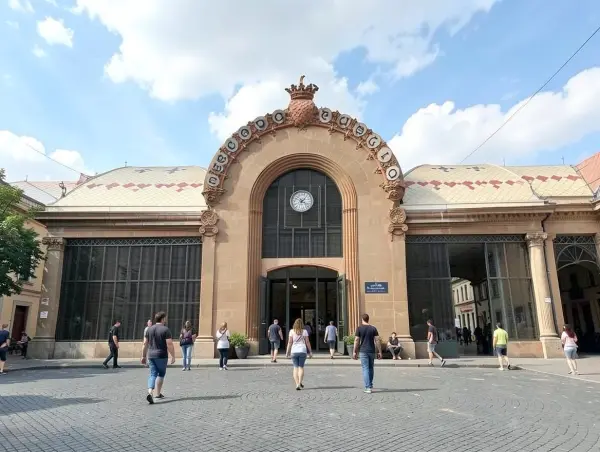
6. Mercat Central de Tarragona
Sink into a century of Catalan food culture under an iron and glass roof. Stroll 50 stalls of olives, cheese, and just-landed fish while vendors shout their prices.
Fakte të shpejta: Cast-iron columns and a glass canopy flood the nave with light, while roughly 50 vendors hawk daily catches and local produce. Restaurateurs, home cooks, and day-trippers haggle side by side over olive oil, vermouth, and cheese by 10:00 most mornings.
Pikat kryesore: Climb to the upper gallery to watch the choreography of crates, scales, and knives unfold below. At the center, an octagonal roof lantern pours sunlight onto hanging jamón, turning the market's busiest aisle into golden theater.
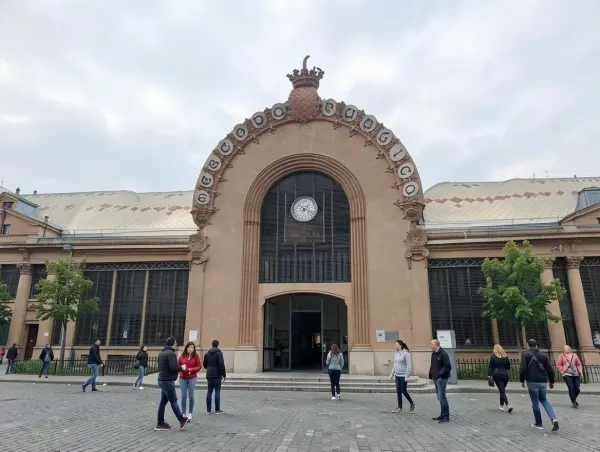
7. Mercat Central
A covered market perched over a Roman chariot track that still gleams below your feet. Follow the scent of fresh prawns and saffron into towering aisles of iron and brick.
Fakte të shpejta: Josep Maria Jujol, the architect who collaborated closely with Gaudí, sketched this market hall and had it standing within a single year, inaugurated in 1915. Roman charioteers raced four-horse teams across this exact plot two millennia before the first fruit stall opened.
Pikat kryesore: Heading down into the basement drops you into the Roman circus's tall vaulted corridor, the long gallery where spectators once climbed toward their seats in the 1st century AD. Above your head, Jujol's thin Catalan brick vaults and glazed ceramic rosettes bend the light so the ceiling seems to billow like a sail.
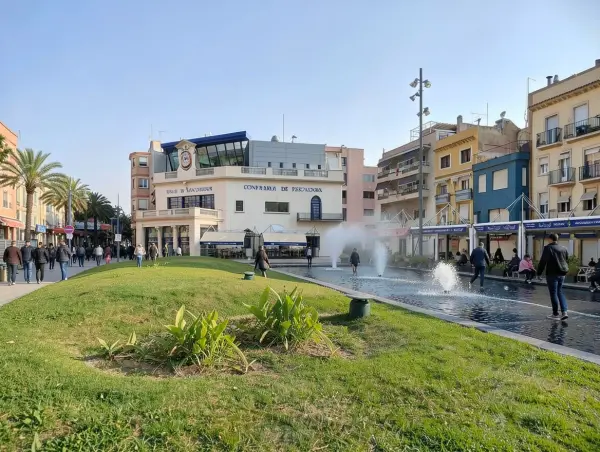
8. El Serrallo
Here's where the old port turns delicious, all neon-free and salty. Smell the sardines grilling by the harbor at dusk and watch the night's catch unloaded by hand, boat by boat.
Fakte të shpejta: A working fish heart beats inside this modest pocket of the old harbor, its auction of the night's catch echoing through a white hall every morning. Fishermen still hang nets to dry along the quay, and smoke from their charcoal sardine grills drifts straight up to the Roman stonework overhead.
Pikat kryesore: At the far end of the quay, tiny family-run hulls still wear hand-painted eyes on their bows, an old spell meant to help the boats see fish below the surface. Come for the late-June feast of Sant Pere, when the whole quarter drags tables onto the pavement and fries sardines until midnight.
Where to Stay in Tarragona, Spain
Selected by City Buddy based on guest reviews and proximity to top attractions
Search all hotels in Tarragona, SpainPowered by agoda
Ditët e hapjes në Tarragona, Spain
Cilat nga atraksionet kryesore mbyllen cilën ditë të javës, armiku klasik i udhëtimit, të kontrolluara për ty.
e hënë: 2 nga 6 atraksione kryesore mbyllen, planifiko muzetë për një ditë tjetër.
Mbyllur të e hënë · 2 mbyllur, 4 hapur
Ditët e hapjes nga Google Maps (kontrolluar 2026-09-05). Festat publike, grevat dhe oraret sezonale mund të ndryshojnë, kontrollo faqen zyrtare para se të shkosh.
Ëmbëlsirat tradicionale
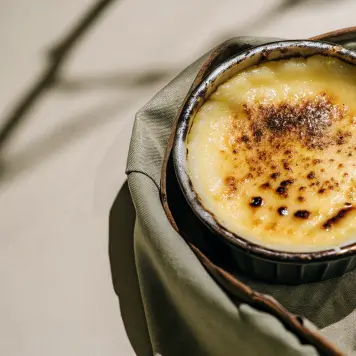
Crema Catalana
Crema Catalana is the Spanish sibling of crème brûlée, but with a distinct Catalan identity. It is traditionally served on Saint Joseph's Day (March 19) and flavored with cinnamon and lemon zest instead of vanilla.
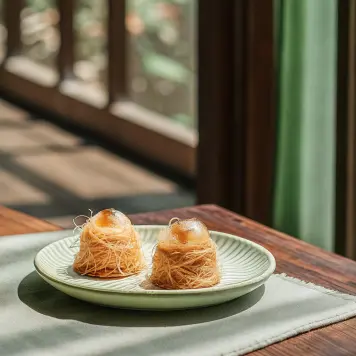
Pastissets de Cabell d'Àngel
These delicate pastries are filled with cabell d'àngel or angel's hair, a sweet jam made from pumpkin threads. The name literally means angel hair, referencing the translucent, stringy texture of the pumpkin preserve inside.

Carquinyolis
Carquinyolis are crunchy Catalan almond cookies similar to Italian biscotti, perfect for dunking in dessert wine. They are twice-baked for extra crunch and are a staple at festive gatherings across the Tarragona region.
Gatimet tradicionale të kripura
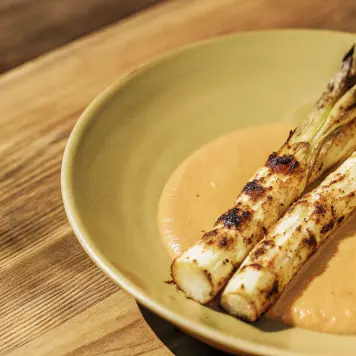
Calçots with Romesco Sauce
Calçots are a type of sweet green onion grilled over open flames until charred, a signature of Tarragona's province. Locals gather for massive calçotades (feasts) where these onions are eaten by peeling the burnt layers and dipping them in rich romesco sauce made from almonds and roasted peppers.
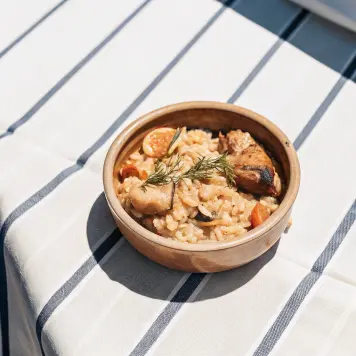
Arròs a la Cassola de Tarragona
This rustic casserole rice dish is Tarragona's take on paella, slow-cooked in a clay pot with local seafood, rabbit, and vegetables. The city's proximity to the Ebro Delta rice fields means the rice used is exceptionally fresh and flavorful.
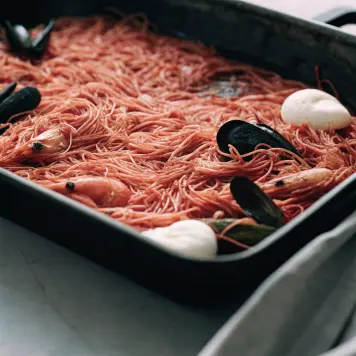
Fideuà
Fideuà is a beloved noodle-based dish similar to paella but made with short, thin vermicelli noodles instead of rice. It originated among fishermen on the Catalan coast who wanted a faster-cooking alternative to rice, and it is traditionally served with a dollop of garlicky allioli.
Pijet tradicionale
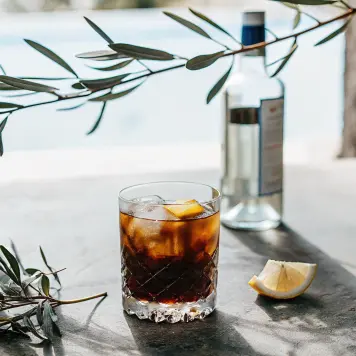
Vermut de Tarragona
Tarragona has a deep-rooted vermouth tradition dating back to the 19th century, and local vermuterías are a cherished social ritual. The region's vermouth is made with macabeo or xarel·lo wine bases and a secret blend of local herbs, giving it a distinctive Mediterranean character.

Cava
While Cava is most famous in Penedès, much of this sparkling wine is actually produced from grapes grown in the vineyards around Tarragona. It is made using the traditional method (same as Champagne) but at a fraction of the cost, making it the go-to celebratory drink in Catalonia.

Ratafia
Ratafia is a traditional Catalan liqueur made by macerating green walnuts, herbs, and spices in brandy or aguardiente for months. It is often homemade in Tarragona's rural homes and is sipped as a digestif, believed to aid digestion after heavy meals.
Dijeni para se të shkoni
Sa kushton një ditë në Tarragona dhe mashtrimet që duhen shmangur
Kosto për person në ditë
Mashtrimet kryesore që duhen shmangur
- Pickpocketing in crowds. Keep bags closed and in front, leave valuables in the hotel, and avoid loose back pockets in crowded spaces.
- Unofficial offers near the station. Walk to the official taxi rank and require the meter, or book through an app for a clear price.
- Menu without prices. Confirm prices before ordering, ask if a cover or service charge applies, and check the bill line by line.
Taksi me çmim të drejtë nga aeroporti: 110 € - 140 €
Të gjitha mashtrimet, çmimet e drejta dhe rregullatPyetje të Shpeshta rreth Tarragona, Spain
A është e sigurt Tarragona, Spanjë?
Sa ditë mjaftojnë për Tarragonën, Spanjë?
Cila është koha më e mirë për të vizituar Tarragonën, Spanjë?
A është e shtrenjtë Tarragona, Spanjë?
Si të lëvizësh në Tarragonë, Spanjë?
Merrni një PDF me atraksionet më të njohura të dërguara në emailin tuaj
Merrni një PDF me të gjitha atraksionet, vlerësimet dhe këshillat. I përshtatshëm për përdorim offline.
Ekskursione ditore më të njohura
Barcelona
Vibrant capital of Catalonia with Gaudi architecture and world-class museums.
Salou
Popular coastal resort with beaches and PortAventura theme park.
Sitges
Charming seaside town with beaches, art galleries, and nightlife.
Reus
Modernist architecture hub and birthplace of architect Antoni Gaudi.
Delta de l'Ebre
Stunning natural park with rice fields, wetlands, and birdwatching.
Si të arrini atje
Stacionet e trenit
AVE high-speed rail from Barcelona, Madrid, and Valencia
Regional trains along the Costa Daurada coastline
From Barcelona Airport take the direct bus or train to Tarragona. Reus Airport is smaller with seasonal flights and bus connections to Tarragona.
Informacione të dobishme për Tarragona, Spain
Përmbledhje për Tarragona, Spain
Krahaso Tarragona me destinacione të tjera
Çmimet, siguria, moti dhe atraksionet kryesore krah për krah, me një verdikt për çdo lloj udhëtari.
Do një plan ditor për Tarragona, Spain? Hap planifikuesin e udhëtimit
Kur do të shkoni në Tarragona, Spain?
Zgjidh datat dhe stilin e udhëtimit për të marrë:
A ka ndonjë nga këto që është veçanërisht e rëndësishme për ju?
Zgjidh të gjitha që vlejnë
Si të lëvizësh
Si dëshiron të lëvizësh midis vendeve?
Gjuha e planit: Shqip