 CityBuddy
 Eesti
Eesti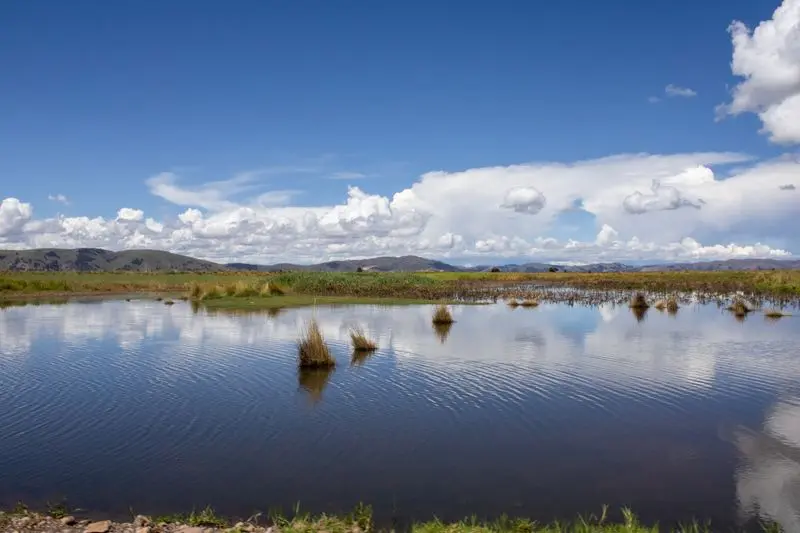
Mida teha kohas Puno, Peru
Foto autor Jesse Benjamin Lara Serna Pexels.com lehel
Millal külastada
Puno, Peru kõige populaarsemad atraktsioonid
Parimad tegevused Peruu Puno linnas keskenduvad Titicaca järvele, mis on maailma kõrgeim laevatatav järv, asudes 3812 meetri kõrgusel. Sõitke paadiga Urose ujuvatele saartele, kus 1200 elanikku elavad kihilistel totora pilliroogudel. Seejärel külastage Taquile saart, mis asub 45-minutilise paadisõidu kaugusel ja on tuntud oma keerukate käsitsi kootud tekstiilide ja iidsete inkade terrasside poolest.
1. Lake Titicaca
Mitte kusagil mujal maa peal ei saa sa magada pilliroost saarel, mis hõljub maailma kõrgeimal laevatataval järvel. Tunda oma jalgade all käsnalisi totora-pilliroogu, kui Urose perekonnad kutsuvad sind oma sajanditevanusse ujuvasse eluviisi.
Kiired faktid: Piirnedes Peruu ja Boliivia vahel 3812 meetri kõrgusel merepinnast, on see maailma kõrgeim laevatatav järv. Järves on 41 saart, millest paljud on Urosi rahva poolt totora pilliroost käsitsi punutud ujuvsaared.
Esiletõstmised: Urosi inimesed ehitavad terveid saari totora pilliroost, mis kasvab järves, ja nad on elanud nii sajandeid, et põgeneda kaldal toimuvate konfliktide eest. Saab tegelikult kõndida nendel vetruvatel saartel ja tunda, kuidas need jalge all nihkuvad, samal ajal kui naised põimivad pilliroost nukke ja mehed parandavad oma kodusid iga paari nädala tagant värske pillirooga.
2. Uros Floating Islands
Astu käsitsi kootud tehissaarele, mis on tehtud järvepilliroost ja hõljub maailma kõrgeimal laevatataval järvel. Kohtud kohalike perekondadega, sõidad traditsioonilise pilliroopaadiga ja tunned, kuidas käsnjas pinnas su jalgade all kõigub.
Kiired faktid: Need 70-plus saart on käsitsi punutud omavahel põimunud tortora pilliroo kihtidest, mis kasvavad järvepõhjas, ja need vajavad pidevat hooldust, kuna pilliroog mädaneb altpoolt ülespoole. Igal saarel on oma kool ja mõnel on isegi päikesepaneelid ning jalgpalliväljakud, mis hõljuvad otse vee peal.
Esiletõstmised: Saared imavad vett nagu käsn jalge all, nii et sa tunned sõna otseses mõttes, kuidas pinnas vajub ja nihkub, kui kõnnid 6-8 jala paksusel tihedalt pakitud pillirool. Pered vahetavad oma kodu asukohta iga paari aasta tagant, sest allpool olev pilliroog laguneb, mis tähendab, et iga kodu ehitatakse lõpuks nullist uuesti värsketele kihtidele.
3. Taquile Island
Järvesaar, kus tekstiilid räägivad lugusid ja mehed kuduvad kaldal. Vaata, kuidas käsitsi kootud meistriteosed ellu ärkavad, samal ajal kui naudid taevasiniseid vesi 3812 meetrit üle merepinna.
Kiired faktid: Saare 2000 elanikku juhivad kogu oma kogukonda ainulaadse rotatsioonisüsteemi kaudu, kus igaüks võtab kordamööda juhtivaid rolle, alates kalapüügist kuni kudumise kvaliteedikontrollini. Taquile käsitsi kootud tekstiilid on UNESCO poolt tunnistatud suulise ja vaimse pärandi meistriteoseks, mustritega, mis kodeerivad sajandeid Andide sümboolikat ja kogukonna ajalugu.
Esiletõstmised: Taquile mehed õpivad kuduma juba lapseeast, töötades sageli traditsioonilistel kangastelgedel kõndides või vesteldes - see on soorollide pööre, mis on Andides haruldane. Iga tekstiili muster paljastab kandja perekonnaseisu, kogukonnarolli ja isegi selle, kas nad on vallalised või otsivad kedagi - see on kantav sotsiaalne profiil, mis on kootud lambavillast ja looduslike värvainetega.
4. Plaza de Armas
Puno tuksuv süda, kus järvekultuur kohtub kõrgmäestiku koloniaalajalooga. Vaata, kuidas Andide tantsijad keerlevad iidsetel kividel, samal ajal kui müüjad pakuvad hiiglaslikku kohalikku maisi otse aurutist.
Kiired faktid: Peruu kõrgeim peaväljak asub 3860 meetri kõrgusel merepinnast, muutes isegi juhusliku jalutuskäigu treeninguks. Väljak on olnud tunnistajaks kõigele alates põlisrahvaste ülestõusudest kuni iseseisvusdeklaratsioonideni, mida raamivad koloniaalkaared ja kõrguv Puno katedraal.
Esiletõstmised: Väljaku kesksest purskkaevust avaneb otsene vaade katedraali keerukale mestizo-barokk fassaadile, mis on kohalikust vulkaanilisest kivist põlisrahvaste kätega raiutud. Igal pühapäevahommikul muutub plats värvide mässuks, kui kümned rahvatantsurühmad sequinides ja sulgedes ruumi pärast võistlevad, nende kellad ja muusika kajades vastu koloniaalkaarte.
5. Puno Cathedral
Andide barokkarhitektuuri meistriteos, kus põlised sümbolid peituvad silmnähtavalt kivifassaadil. Astu sisse, et näha 17 koloniaalaja maali ja säravat hõbedast altarit kõrguvate kuplite all.
Kiired faktid: Välisilme näib olevat raiutud ühest kivitükist tänu oma vapustavale renessansi ja baroki fassaadile, mis on valmistatud vulkaanilisest kivist. Sees on katedraalis 17 Cusco koolkonna õlimaali ja hõbetatud altar, mis särab kupli loomuliku valguse käes.
Esiletõstmised: Vaata tähelepanelikult fassaadi keerukaid nikerdusi ja märkad Andide sümboleid nagu chakana (inka rist) ja puuma pead, mis on põimitud katoliku kujundusse, see on peen põlisrahvaste vastupanuakt. Katedraali ehitajad kasutasid kohalikku roosat vulkaanilist kivi, mis muudab värvi päeva jooksul, muutudes päikeseloojangul sügavroosaks ja keskpäevase päikese all hõbedashalliks.
6. Sillustani
Vaata, kuidas päikeseloojang maalib 12-meetrised kivitornid kullaks pühas matmispaigas, mis asub kõrgmäestiku järve kohal. Rändad iidsete hauakambrite vahel, mis on vanemad kui inkad, samal ajal kui kondorid ringlevad pea kohal ja Andid ulatuvad lõpmatuseni nende taga.
Kiired faktid: Peninsulale, mis ulatub Umayo järve, on rajatud see inkade-eelne matmiskompleks, kus asuvad kuni 12 meetri kõrgused matmistornid, mida nimetatakse chullpadeks. Colla rahvas ehitas need tornid 12. ja 15. sajandi vahel, asetades oma mumifitseeritud eliidi näoga ida poos päikesetõusu suunas.
Esiletõstmised: Erinevalt inkadest, kes nad hiljem vallutasid, ehitas Colla rahvas oma chullpad kividest, mis olid nii täpselt kokku sobitatud, et nende vahele ei saa paberilehte pista, kuigi nad ei kasutanud üldse mörti. Seisa ühes kõrgeimas tornis päikeseloojangul ja tuul vuhiseb läbi kitsa sissepääsu, tekitades madalat undamist, täpselt nagu ehitajad seda oma surnutega vestlemiseks kavandasid.
7. Museo Carlos Dreyer
Too päevavalgele 10 000 aastat Peruu mägismaa kultuuri ühe koloniaalkatuse all. Vaata õudseid muumiaid, kuldseid Qulla kroone ja Saksa uurija isiklikke aardeid, kes tegi Punost oma kodu.
Kiired faktid: Muuseum asub 17. sajandi koloniaalmõisas, mis kuulus kunagi Hispaania aadlile. Selle kogu hõlmab 10 000 aastat piirkonna ajalugu alates inkadeeelsetest kiviraienditest kuni õudusäratava koloniaalajastu usukunstini.
Esiletõstmised: Peidetud vaiksesse nurka, ühes toas asub Carlos Dreyeri enda poolt lähedalasuvatest Sillustani matmistornidest väljakaevatud kulla- ja hõbeesemete isiklik kogu. Valgus peegeldub poleeritud metallilt just õigesti, paljastades keerukad geomeetrilised mustrid, mille Qulla rahvas sepistas rinnakilpideks ja kroonideks rohkem kui 800 aastat tagasi.
8. Arco Deustua
Seisa 11-meetriste graniitkaarte all, mis tähistavad pöördepunkti Peruu iseseisvuses. Vaata, kuidas seinad kuldsel tunnil oranžiks hõõguvad, samal ajal kui kohalikud müüvad anticuchosid kärukaupade juures nende jalamil.
Kiired faktid: Neli massiivset kivist kaart tõusevad 11 meetri kõrgusele, raiutud roosast graniidist, mis on toodud 40 kilomeetri kauguselt. Monument tähistab 1824. aasta Juníni lahingut, mis oli üks viimaseid konflikte Peruu iseseisvussõjas Hispaaniast.
Esiletõstmised: Erinevalt teiste Andide linnade uhkematest monumentidest on see tehtud hiiglaslikest roosadest graniitplokkidest, mis säravad päikeseloojangul tulioranžina. Kohalikud kogunevad siia igal õhtul spontaansete tänavatoiduputkade ja doomino mängude jaoks, muutes selle elavaks kogukonnaruumiks, mitte staatiliseks monumendiks.
Where to Stay in Puno, Peru
Selected by City Buddy based on guest reviews and proximity to top attractions
Search all hotels in Puno, PeruPowered by agoda
Lahtiolekuajad kohas Puno, Peru
Millised peamised vaatamisväärsused on nädala millisel päeval suletud, klassikaline reisirikkuja, sinu jaoks kontrollitud.
laupäev: 1 4 peamisest vaatamisväärsusest on suletud, planeeri muuseumid mõnele teisele päevale.
Suletud laupäev · 1 suletud, 3 avatud
Lahtiolekuajad Google Mapsist (kontrollitud 2026-06-29). Riigipühad, streigid ja hooajalised lahtiolekuajad võivad erineda, vaata enne minekut ametlikku veebilehte.
Traditsioonilised magusad road

Queso Helado
Despite its name meaning "frozen cheese," Queso Helado contains no cheese at all. It is a creamy cinnamon-vanilla frozen dessert made from milk, coconut, and sugar, traditionally shaved into layers and sold by street vendors in Puno.
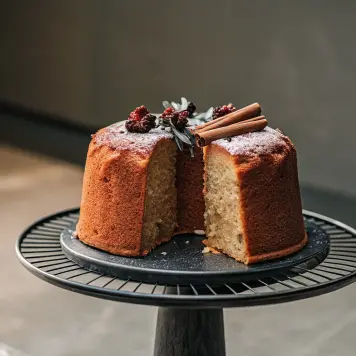
Torta de Quinua
This dense, sweet cake is made from quinua, a sacred Andean grain that has been cultivated on the altiplano around Lake Titicaca for thousands of years. It is often flavored with cinnamon, cloves, and dried fruits.
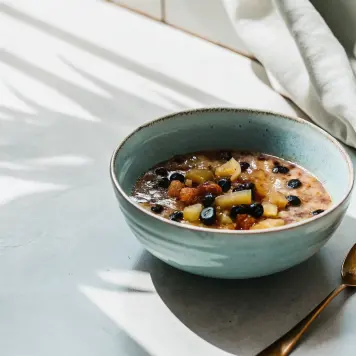
Mazamorra de Frutas
This thick, warm fruit pudding is made with local Andean fruits like aguaymanto and tuna (cactus fruit). It is sweetened with chancaca, a traditional unrefined cane sugar, and thickened with cornstarch or chuño flour.
Traditsioonilised soolased road
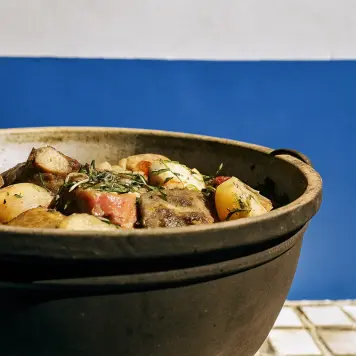
Pachamanca
Pachamanca means "earth pot" in Quechua, as the dish is cooked by burying marinated meats, potatoes, and herbs in a pit with hot stones. It is a ceremonial feast that honors Pachamama, the Earth Mother goddess revered by Andean communities around Lake Titicaca.
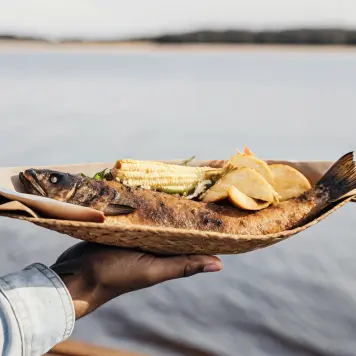
Trucha Frita
Lake Titicaca, the highest navigable lake in the world, is the source of the rainbow trout used in this dish. The trout is typically seasoned with local herbs like muña (Andean mint) and served with giant corn and fried potatoes.
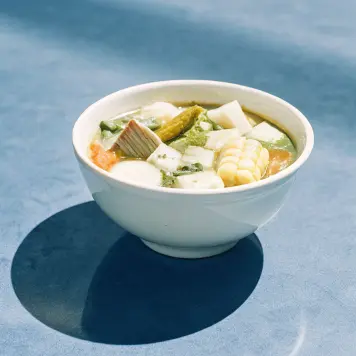
Chairo
Chairo is a hearty soup containing freeze-dried chuño potatoes, llama or sheep meat, and vegetables like corn and lima beans. It dates back to pre-Columbian times and was a staple for the Quechua and Aymara people of the highlands.
Traditsioonilised joogid
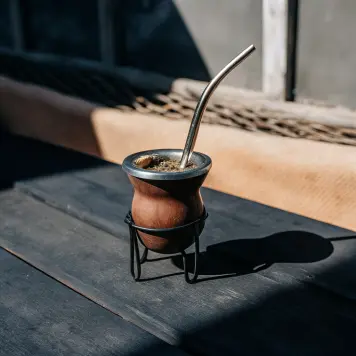
Mate de Coca
This herbal tea made from coca leaves is a traditional remedy for altitude sickness, which is essential in Puno at 3,830 meters above sea level. Locals have chewed and brewed coca leaves for thousands of years for energy and to aid digestion.

Chicha de Quinua
Unlike the corn-based chicha found elsewhere in Peru, this Puno version is fermented from quinua and has a slightly thicker, creamier texture. It is often consumed during festivals and is believed to have been a sacred drink in Inca rituals.
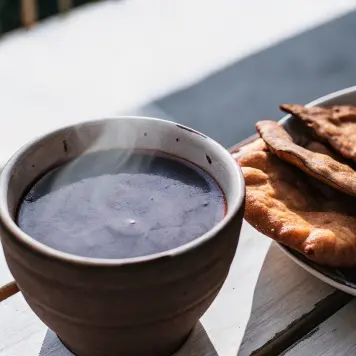
Api con Sopaipillas
Api is a thick, warm purple corn drink flavored with cinnamon, cloves, and fruit peel, commonly sold by street vendors at dawn in Puno's markets. It pairs perfectly with crispy fried sopaipillas (sweet pumpkin pastries) for a classic highland breakfast.
Korduma kippuvad küsimused Puno, Peru kohta
"Kas Puno, Peruu on turistidele ohutu?"
"Mitu päeva Punos, Peruus piisab?"
"Millal on parim aeg Puno, Peruu külastamiseks?"
"Kas Puno, Peruu on kallis külastada?"
"Kuidas liikuda Puno, Peruu piires?"
Saada PDF kõige populaarsemate atraktsioonidega oma e-postile
Hangi PDF koos kõigi atraktsioonide, hinnangute ja nõuannetega. Täiuslik võrguühenduseta kasutamiseks.
Kõige populaarsemad päevareisid
Lake Titicaca (Uros Floating Islands)
Iconic floating islands made of totora reeds on Lake Titicaca.
Sillustani Burial Towers
Pre-Inca chullpa burial towers on a peninsula overlooking Lake Umayo.
Amantani Island
Peaceful island with homestays and stunning lake views.
Chucuito
Small town with the Temple of Fertility and Inca stone structures.
Kuidas kohale jõuda
Lennujaamad
Raudteejaamad
Cusco to Puno (PeruRail / Andean Explorer service)
Fly into Juliaca Airport (JUL) 50 km away. Buses and taxis connect to Puno in about 1 hour. Or arrive by train from Cusco for a scenic route.
Puno, Peru kasulik info
Puno, Peru ülevaade
Soovid Puno, Peru päevapõhist plaani? Ava reisiplaneerija
Millal lähed Puno, Peru?
Vali kuupäevad ja reisistiil, et saada:
Kas mõni neist on sulle eriti oluline?
Vali kõik, mis kehtib
Liikumine
Kuidas soovid paikade vahel liikuda?
Plaani keel: Eesti