 CityBuddy
 Suomi
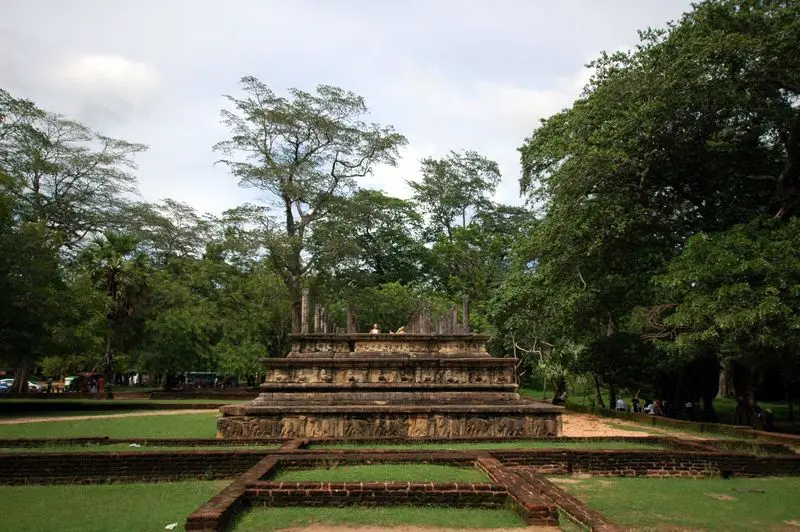
Tekemistä kohteessa Polonnaruwa, Sri Lanka
Kuvaaja Alfred Franz Pexels.com-sivustolta
Milloin vierailla
Suosituimmat nähtävyydet kohteessa Polonnaruwa, Sri Lanka
Kun miettii, mitä Polonnaruwaassa, Sri Lankassa, voi tehdä, ensimmäinen ajatus menee muinaiselle pyhälle kaupungille. Ihailkaa Gal Viharaa, jossa neljä massiivista Buddha-patsasta, jopa 7 metriä korkeita, on veistetty graniittikallioon. Vierailkaa Parakrama Samudralla, 1100-luvulla rakennetulla tekotekoisella järvellä, joka ulottuu 22 kilometrin päähän. Polonnaruwa Vatadage puolestaan suojelee neljää istuvaa Buddhaa pyöreän stupan ympärillä, täydellisenä esimerkkinä singalilaisesta pyhästä arkkitehtuurista.
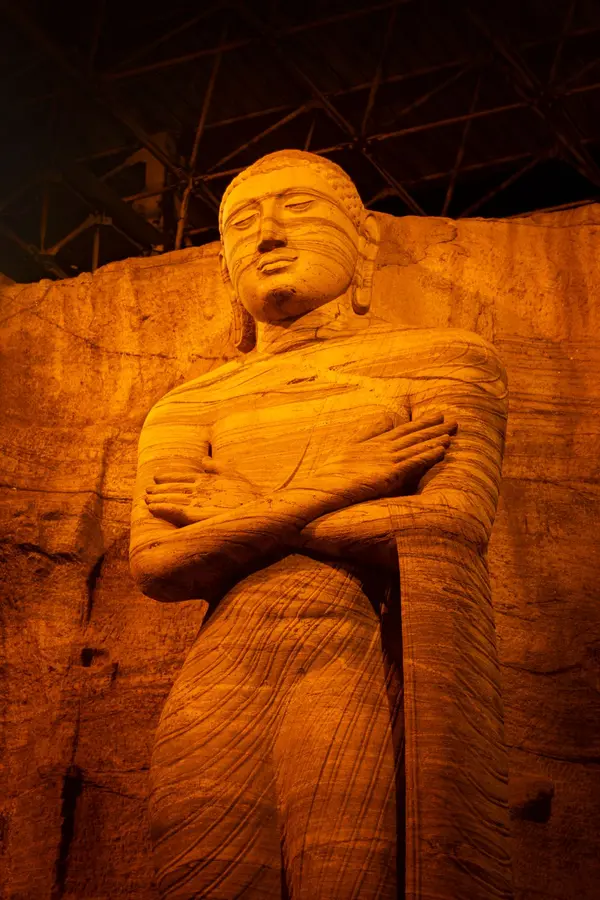
1. Gal Vihara
Four colossal Buddhas carved into a single granite cliff under the open sky. You will walk along the rock, looking up at stone expressions that still seem to breathe with life.
Nopeat faktat: Here four Buddha statues were carved directly into the granite wall. The most impressive is a 14-meter long reclining Buddha representing the passage to nirvana.
Kohokohdat: The 4.6-meter seated statue holds its arms crossed over its chest in a unique gesture not found on any other Buddha in Sri Lanka. Modern pilgrims still stop in silence before the standing Buddha, touching the rock smoothed by a thousand years of devotional gestures.
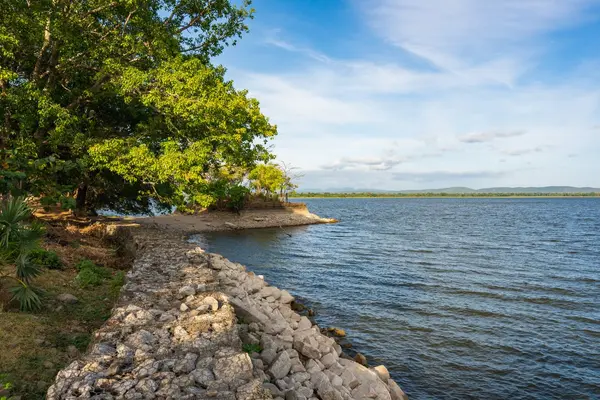
2. Parakrama Samudra
A 12th-century artificial lake that still sustains entire communities today. Walk along the thousand-year-old embankment and watch fishermen, water birds, and the sun painting the water gold.
Nopeat faktat: Pinta-alaltaan 5 800 hehtaarin laajuinen se on yksi antiikin ajan suurimmista tekoaltaista. Kuningas Parakramabahu rakennutti sen 1100-luvulla julistaen, että "yksikään sateen tuoma vesipisara ei saa virrata mereen olematta hyödyksi ihmiselle".
Kohokohdat: Tukimuuri ulottuu yli 14 kilometrin pituudelle, ja se säätelee edelleen veden virtausta riisipelloille ja kyliin. Auringonlaskun aikaan hehkuvan taivaan heijastus tyynellä vedellä sulautuu yhteen muinaisten raunioiden siluettien kanssa, jotka kuvastuvat pinnalla.
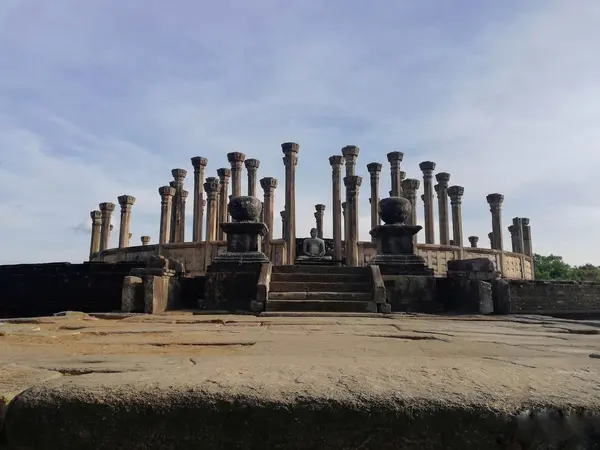
3. Polonnaruwa Vatadage
Enter the perfect circle of the best-preserved round temple in Sri Lanka. You will feel the silence among stone columns that guarded the island's most sacred relic for centuries.
Nopeat faktat: Nämä pyöreät tiilimuurit suojasivat aikoinaan Sri Lankan pyhintä aarretta: Buddhan hampaan reliikkiä. Neljä upeaa kaiverrettua sisäänkäyntiä, joista jokainen on suunnattu kohti yhtä ilmansuuntaa, johtavat pienelle keskellä sijaitsevalle stupalle, joka kohoaa tämän 1100-luvun rakennelman keskellä.
Kohokohdat: Ihaile läheltä kolmea monimutkaisten kaiverrusten nauhaa alimmalla tasolla: jokainen kerros kertoo erilaisen tarinan, ja siinä on kiviin kaiverrettuja norsuja, leijonia ja tanssivia kääpiöitä. Kuukivi (sandakada pahana) pohjoisen sisäänkäynnin luona on parhaimmillaan singaleesilaisen veistotaiteen edustaja, viidellä samankeskisellä liekkien, eläinten ja lootuksenkukkien rivillään.
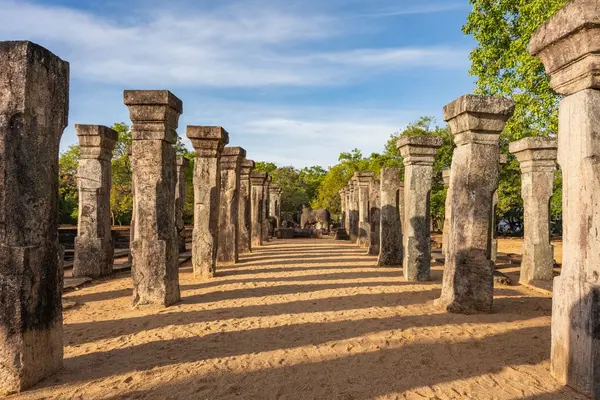
4. Lankatilaka Temple
Among the ruins of Polonnaruwa, this multi-story temple defies time with its brick walls standing 17 meters high. You will walk among ancient frescoes and ceremonial halls, imagining the pilgrims who for centuries walked the same steps.
Nopeat faktat: Sen seinät kohoavat 17 metrin korkeuteen, mikä on vaikuttava korkeus 1100-luvun temppelille. Arkeologit ovat selvittäneet, että alkuperäinen Buddhan patsas oli yli 4 metriä korkea, nykyään siitä on jäljellä vain jalat.
Kohokohdat: Toisin kuin muut kivitemppelit, sen sivuseinät on rakennettu punatiilestä, mikä on arkkitehtoninen poikkeavuus, joka tekee siitä lähes ainutlaatuisen Polonnaruwan raunioiden joukossa. Nousemalla ylimmälle kerrokselle, jossa Buddhan patsas aikoinaan sijaitsi, voit nauttia henkeäsalpaavista näkymistä ympäröivään viidakkoon, ja ymmärrät, miksi tällä paikalla oli niin voimakas pyhä merkitys.
5. Thuparama Image House
A Buddhist temple unlike any other, with three imposing Buddha statues still wrapped in an aura of mystery. Enter the dim light and let yourself be surprised by the details of the original frescoes that withstand time.
Nopeat faktat: Called the "House of Images," it houses some of the most impressive standing Buddha statues in Polonnaruwa, over 3 meters high. The interior walls preserve fragments of original 12th-century frescoes, still visible despite centuries of exposure to the elements.
Kohokohdat: Unlike the other open temples, here you walk in an enclosed space that amplifies the echo of footsteps, creating an almost hypnotic atmosphere. The statues are not aligned as one would expect: one is slightly turned toward the entrance, as if welcoming those who enter with a sideways glance.
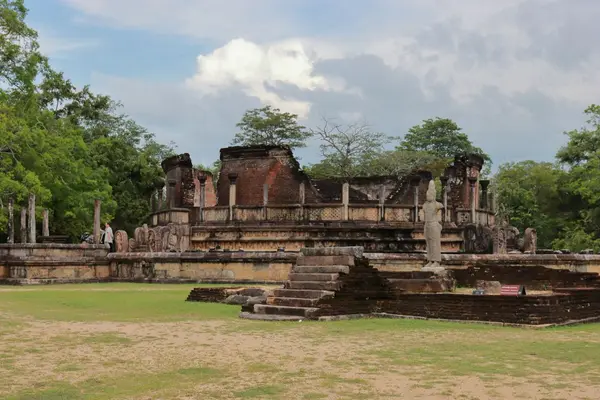
6. Royal Palace of King Parakramabahu
A royal palace that once rose seven stories high in the heart of ancient Polonnaruwa. Stroll among the ruins of an empire and imagine 12th-century court life.
Nopeat faktat: Built with 12 million bricks, this palace was once the most imposing royal residence in Southeast Asia. The original structure rose seven stories, although today only the first three levels of majestic walls remain.
Kohokohdat: Walking among these walls means entering a site that in the 12th century contained over a thousand rooms. The walls still preserve traces of colored plaster and holes for wooden beams, details that tell of the incredible engineering of the Sinhalese builders.
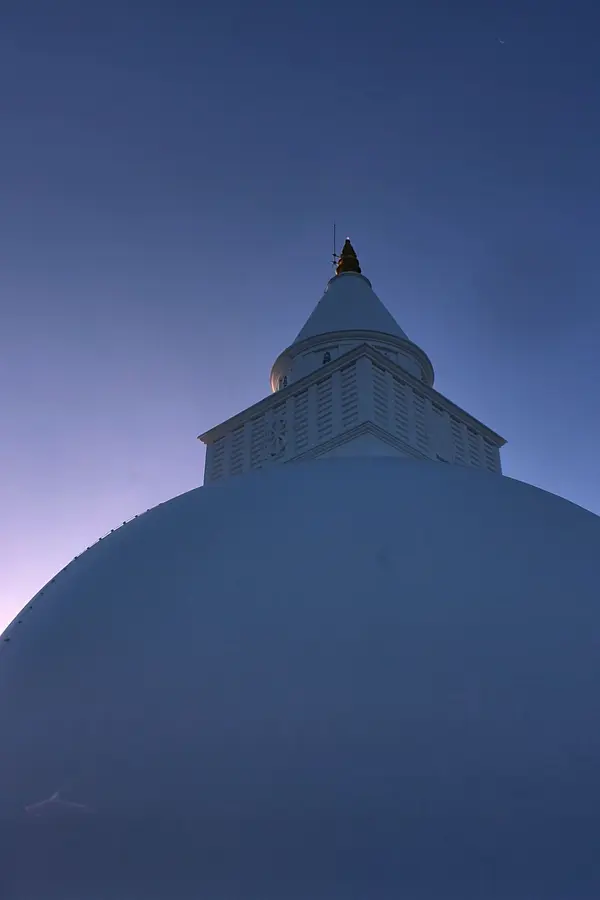
7. Kiri Vehera
One of the best-preserved stupas of ancient Sri Lanka, still alive between faith and history. You will smell the lotus flowers and the sound of Tibetan bells carried by the wind.
Nopeat faktat: Every day hundreds of Buddhist devotees arrive with lotus flowers to honor this 30-meter high stupa. It dates back to the 12th century and is part of Sri Lanka's cultural triangle, yet today it is still a very active place of worship.
Kohokohdat: If you sit on the east side of the stupa at dawn, the sun rises exactly behind the white dome, creating a golden glow that lasts barely four minutes. Locals call this moment "the awakening of the stupa" and many arrive in silence to meditate during those instants.
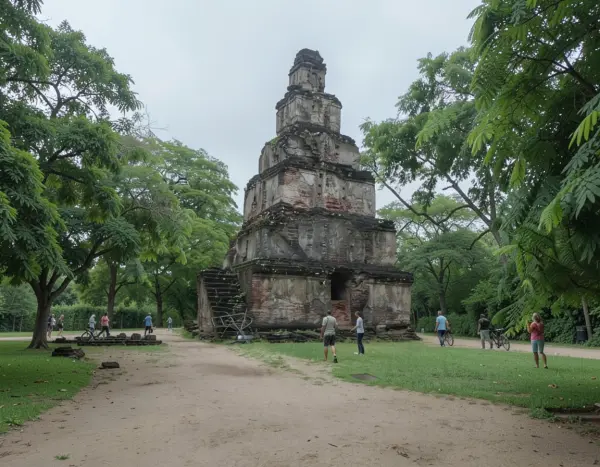
8. Sathmahal Prasada
The only seven-story tower in all of Sri Lanka, a stone enigma that tourists often overlook. Climb the worn steps and discover an architectural masterpiece with no roof nor windows, alive under the sun of Polonnaruwa.
Nopeat faktat: Climb to the seventh floor and you will still see the holes for the wooden beams that once supported the floors, a true stone skeleton open to the sky. No one knows for sure who built it: perhaps King Parakramabahu, perhaps Chinese merchants, perhaps a forgotten Hindu temple.
Kohokohdat: Unlike the other structures of Polonnaruwa, this seven-story tower has a pyramidal shape unique in Sri Lanka, almost like a Chinese pagoda grown in Sinhalese soil. Try standing at the center of the north side: from there the entire structure aligns perfectly with the summer solstice sunrise, an astronomical alignment that few visitors notice.
9. Polonnaruwa Archaeological Museum
A journey into the second medieval capital of Sri Lanka comes to life among thousand-year-old statues and golden objects. You will walk among stone inscriptions 900 years old and jewels that still smell of history.
Nopeat faktat: Housed within the ancient royal palace, the museum gathers over 800 artifacts from the sacred city of Polonnaruwa. Its halls hold limestone Buddha statues and one of the most complete collections of medieval Sinhalese coins in Sri Lanka.
Kohokohdat: Few know that here lies one of the most striking bronze statues of the dancing god Shiva, found intact among the ruins of a Hindu temple. The details carved into the hand gestures and the serene expression on the face still seem alive, as if the cosmic dance had stopped just an instant ago.
Where to Stay in Polonnaruwa, Sri Lanka
Selected by City Buddy based on guest reviews and proximity to top attractions
Search all hotels in Polonnaruwa, Sri LankaPowered by agoda
Aukiolopäivät paikassa Polonnaruwa, Sri Lanka
Mitkä suosituimmista nähtävyyksistä ovat suljettuina minäkin viikonpäivänä. Klassinen matkanpilaaja, tarkistettu puolestasi.
Hyviä uutisia: kaikki 4 suosituinta nähtävyyttä, joiden aukioloajat ovat tiedossa, ovat avoinna joka viikonpäivä.
Suljettu maanantai · 0 suljettu, 4 avoinna
Mikään ei ole suljettu maanantai. Kaikki 4 nähtävyyttä, joiden aukioloajat ovat tiedossa, ovat avoinna.
Aukiolopäivät Google Mapsista (tarkistettu 2026-07-29). Yleiset vapaapäivät, lakot ja kausittaiset aukioloajat voivat poiketa. Tarkista virallisilta verkkosivuilta ennen lähtöä.
Perinteiset makeat ruoat
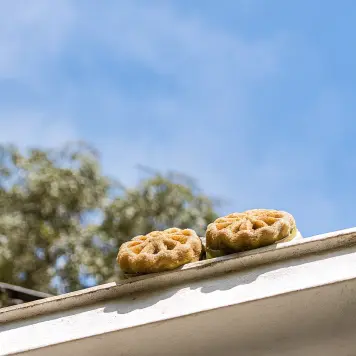
Kavum
Kavum is a deep fried oil cake made from rice flour and treacle. It is traditionally prepared during the Sinhalese and Tamil New Year and its shape is said to resemble a lotus flower.
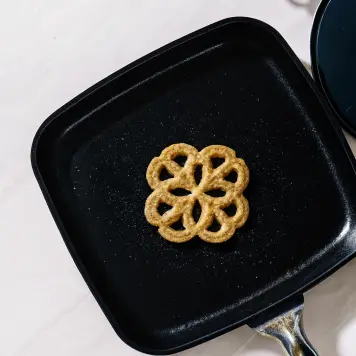
Kokis
Kokis is a crispy, layered, deep fried sweet snack made from rice flour and coconut milk. Its beautiful flower-like pattern is created by using a special metal mold dipped in batter and fried in oil.
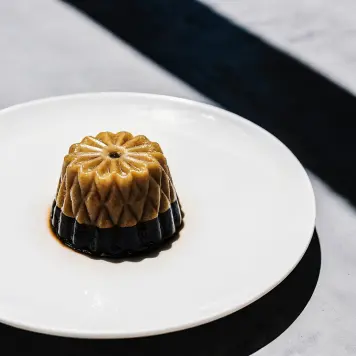
Aluwa
Aluwa is a diamond shaped sweet confection made from roasted rice flour and treacle or sugar. It is often flavored with cardamom and has a hard, brittle texture that melts in your mouth.
Perinteiset suolaiset ruoat
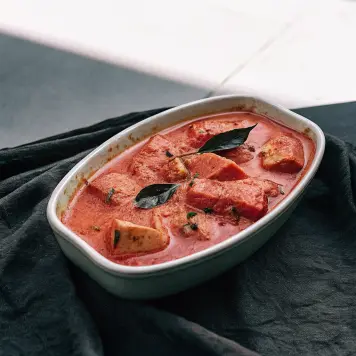
Polos Curry
Polos curry is a tender young jackfruit curry cooked in coconut milk and spices. In Polonnaruwa, jackfruit trees have been cultivated since ancient times and this dish has been enjoyed for over a thousand years.
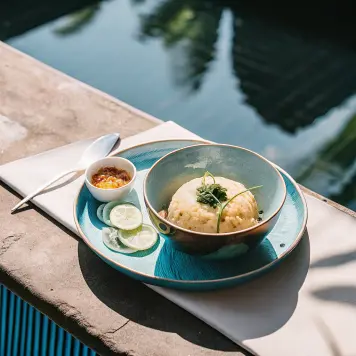
Kiri Bath
Kiri Bath is creamy coconut milk rice, often served with lunu miris (a spicy onion and chili relish). It is considered an auspicious dish in Sri Lankan culture and is commonly prepared for ceremonies and special occasions.
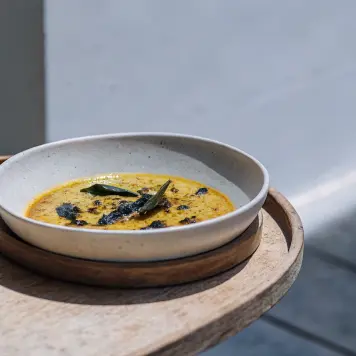
Dhal Curry (Parippu)
Parippu is a staple red lentil curry cooked with coconut milk, turmeric, and pandan leaves. It is a daily essential in Sri Lankan meals and the version from the Polonnaruwa region often uses locally grown coconuts for extra richness.
Perinteiset juomat
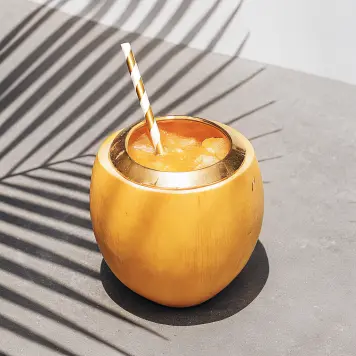
King Coconut Water (Thambili)
Thambili is the refreshing juice of the golden king coconut, which is native to Sri Lanka. Unlike regular coconuts, the king coconut is bright orange and its water is naturally sweet and rich in electrolytes.
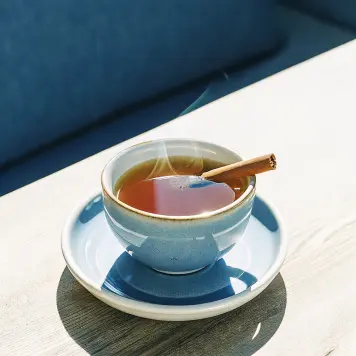
Ceylon Tea
While most famous in the hill country, Ceylon tea is enjoyed throughout Sri Lanka including Polonnaruwa. A traditional method involves brewing the tea with fresh ginger and a stick of cinnamon for a warming, aromatic drink.
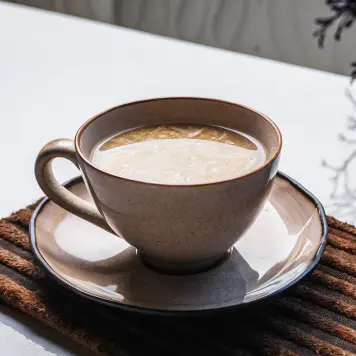
Ranawara Tea
Ranawara is a traditional herbal tea made from the flowers of the Cassia auriculata plant. It has been used for centuries in Sri Lanka as a natural remedy for cooling the body and supporting kidney health.
Usein kysytyt kysymykset: Polonnaruwa, Sri Lanka
Polonnaruwa, Sri Lanka - onko se turvallinen?
Kuinka monta päivää Polonnaruwassa, Sri Lankassa kannattaa viettää?
Mikä on paras aika vierailla Polonnaruwassa, Sri Lankassa?
Onko Polonnaruwa, Sri Lanka kallis?
Miten Polonnaruwassa, Sri Lankassa liikutaan?
Lähetä PDF suosituimmista nähtävyyksistä sähköpostiisi
Saat PDF:n kaikista nähtävyyksistä, arvioista ja vinkeistä. Täydellinen offline-käyttöön.
Suosituimmat päiväretket
Sigiriya Rock Fortress
Ancient rock fortress and UNESCO World Heritage Site with frescoes and lion gate.
Dambulla Cave Temple
Largest cave temple complex in Sri Lanka with stunning Buddha statues and murals.
Anuradhapura
Ancient capital and sacred city with massive dagobas and sacred Bodhi tree.
Minneriya National Park
Famous for large elephant gatherings during dry season and diverse wildlife.
Saapuminen
Rautatieasemat
Main Line connecting Colombo, Kandy, and Batticaloa
Nearby station on the Main Line
From Colombo airport, take a taxi or bus to Colombo Fort station, then train to Polonnaruwa (5-6 hours). Alternatively hire a private car.
Hyödyllistä tietoa kohteesta Polonnaruwa, Sri Lanka
Yleiskatsaus kohteelle Polonnaruwa, Sri Lanka
Haluatko päiväkohtaisen suunnitelman kohteeseen Polonnaruwa, Sri Lanka? Avaa matkasuunnittelija
Milloin matkustat kohteeseen Polonnaruwa, Sri Lanka?
Valitse päivämäärät ja matkustustyyli saadaksesi:
Onko jokin näistä erityisen tärkeä sinulle?
Valitse kaikki, jotka sopivat
Liikkuminen
Miten haluat liikkua paikkojen välillä?
Suunnitelman kieli: Suomi