 CityBuddy
 Français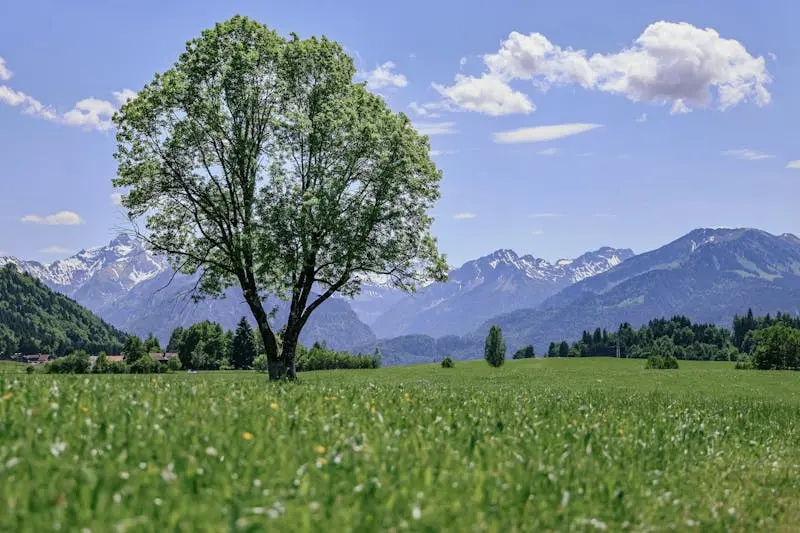
Que faire à Bavaria, Germany
Photo prise par Studio Lichtfang sur Pexels.com
Quand visiter
Quand partez-vous à Bavaria, Germany ?
Choisissez vos dates et style de voyage pour obtenir :
Qu'est-ce qui est particulièrement important pour vous ?
Sélectionnez tout ce qui s'applique
Plan language: FrançaisBavaria is the #1 city for healthcare in the world, based on our data across hundreds of destinations.
Attractions les plus populaires à Bavaria, Germany
Lorsque vous envisagez des activités en Bavière, en Allemagne, commencez par le château de conte de fées de Neuschwanstein, qui a inspiré Disney et se dresse sur une colline escarpée près de Füssen. À Munich, rejoignez les habitants au Hofbräuhaus, une brasserie vieille de 500 ans servant des chopes d'un litre. La Marienplatz accueille le célèbre Glockenspiel avec ses 43 cloches et ses 32 figures grandeur nature.
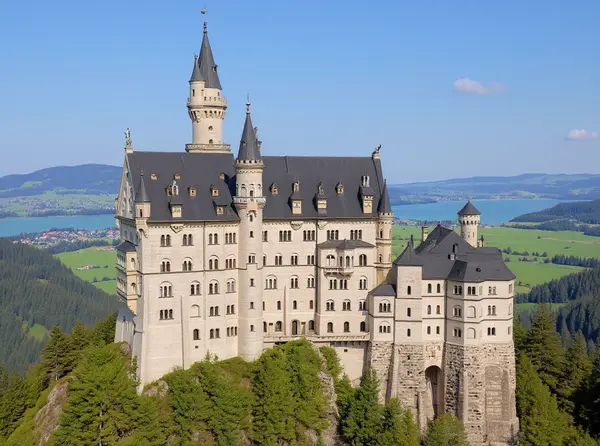
1. Neuschwanstein Castle
Entrez dans l'inspiration réelle du château de la Belle au bois dormant de Disney. Vous déambulerez dans des halls opulents ornés de motifs de cygnes et contemplerez les Alpes bavaroises depuis le balcon privé d'un roi.
Faits rapides: Le roi Louis II n'a passé que 172 jours dans son refuge de conte de fées avant sa mort mystérieuse en 1886. L'intérieur élaboré du château n'a jamais été entièrement achevé, avec seulement 14 pièces terminées sur plus de 200 prévues.
Points forts: La salle du trône a été conçue pour ressembler à une basilique byzantine fantastique, mais elle n'a pas de trône réel, juste une plateforme vide où aucun n'a jamais été installé. Depuis le pont Marienbrücke, vous pouvez voir le château perché de façon spectaculaire au-dessus d'une cascade de 45 mètres dans la gorge de Pöllat.
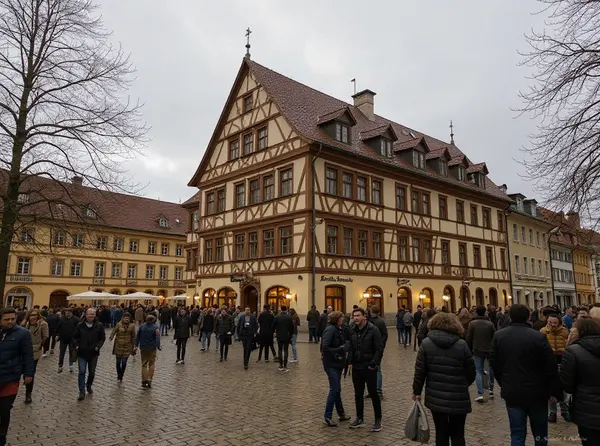
2. Hofbräuhaus
Levez une chope d'un litre sous le même plafond peint où les habitants et les voyageurs trinquent depuis les années 1600. Vous entendrez de la musique oompah, partagerez de longues tables en bois avec des inconnus qui deviendront des amis, et goûterez une bière brassée fraîchement sur place.
Faits rapides: Chaque jour, environ 10 000 litres de bière s'écoulent des robinets ici, tous brassés sur place selon la loi de pureté bavaroise de 1516. Le bâtiment a survécu à deux guerres mondiales et a été reconstruit après la Seconde Guerre mondiale avec des briques originales récupérées dans les décombres.
Points forts: Un orchestre de cuivres joue en direct tous les soirs à 18 heures, et les habitués ont leurs propres chopes personnelles enfermées dans des armoires privées le long des murs. Cherchez les tables réservées « Stammtisch » où les habitants de Munich se réunissent tous les jeudis depuis des décennies, certaines familles s'étendant sur quatre générations.
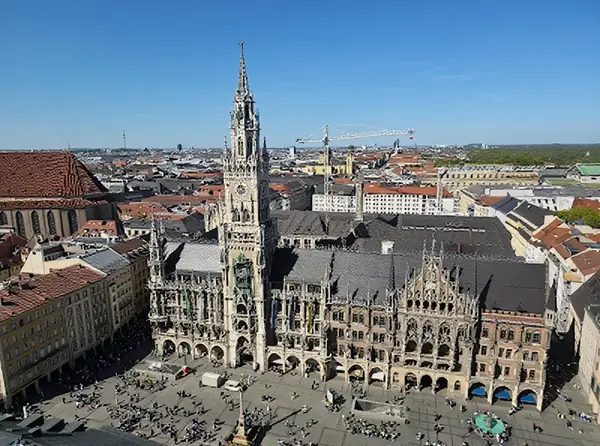
3. Marienplatz
Regardez 43 cloches sonner et 32 figures danser sur trois étages du Glockenspiel. Sentez le pouls de Munich alors que les habitants se rassemblent sur les pavés sous l'hôtel de ville gothique.
Faits rapides: Trois personnages originaux du XIVe siècle continuent de danser autour du mât de cocagne lors du Schäfflertanz annuel. La place attire plus d'un million et demi de personnes chaque mois de décembre pour son seul marché de Noël.
Points forts: Au niveau supérieur du carillon, des figures grandeur nature reconstituent le mariage de 1568 du duc Guillaume V, tandis qu'en dessous, des tonneliers exécutent leur danse traditionnelle en hommage aux survivants de la peste de 1517. Le carillon sonne tous les jours à 11h et à midi, attirant des foules qui entendent les 43 cloches et voient les 32 figures se déplacer sur trois niveaux.
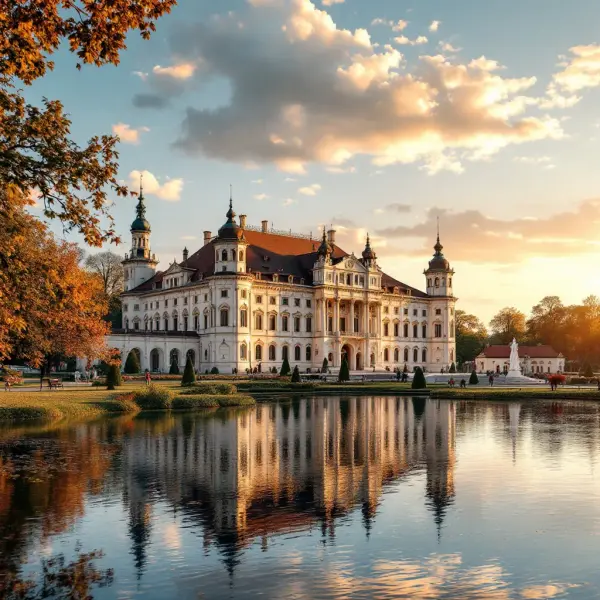
4. Nymphenburg Palace
Parcourez des halls opulents où la royauté bavaroise échappait autrefois à la chaleur estivale, puis promenez-vous dans des jardins fleuris plus grands que Monaco. Vous trouverez des collections de calèches scintillantes, un atelier de porcelaine caché et des canaux parfaits pour une promenade en bateau un après-midi paresseux.
Faits rapides: Construite à l'origine comme résidence d'été pour la dynastie des Wittelsbach, sa façade de 200 mètres de long a été conçue pour rivaliser avec Versailles. Le pavillon central du palais abrite la célèbre Galerie des Beautés, avec 36 portraits de femmes du XIXe siècle choisies uniquement par le roi Louis Ier pour leur charme et leur caractère.
Points forts: Nichée dans l'aile sud du palais se trouve le Marstallmuseum, qui abrite la plus belle collection de carrosses et de traîneaux royaux au monde, dont un traîneau doré en forme de coquille sur lequel Louis II chevauchait la nuit avec des torches allumées. Jetez un coup d'œil au Musée de la Porcelaine de Nymphenburg pour voir comment la porcelaine peinte à la main est fabriquée sur place depuis plus de 260 ans, avec des artisans qui utilisent encore les mêmes fours aujourd'hui.
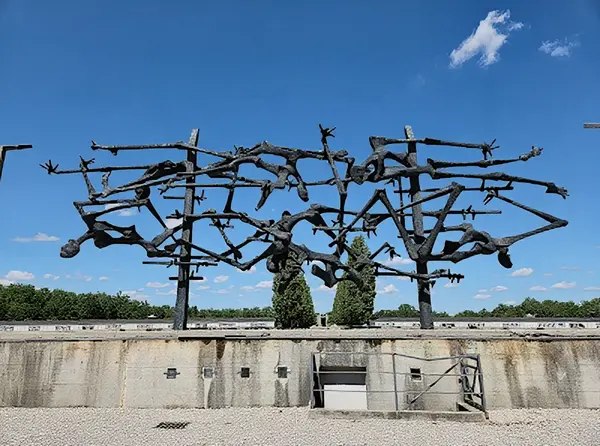
5. Dachau Concentration Camp Memorial Site
Tenez-vous là où l'histoire a changé de cap, sur le site qui a défini la terreur nazie avant Auschwitz. Vous traverserez la porte d'origine, verrez les fondations restantes de 34 baraquements et écouterez les témoignages de survivants.
Faits rapides: Plus de 200 000 prisonniers de 30 nations ont été détenus ici sous le régime nazi, mais seule une infime partie apparaît sur les célèbres photographies. Le site reçoit aujourd'hui plus de 800 000 visiteurs chaque année qui franchissent la même porte arborant la cynique devise « Arbeit macht frei ».
Points forts: Les baraquements des prisonniers étaient disposés en une grille précise afin que les gardes puissent tirer le long de n'importe quelle rangée depuis une seule tour de guet, un élément architectural glaçant que l'on peut encore observer au sol aujourd'hui. Ce qui rend l'expérience véritablement troublante, c'est de marcher sur le même gravier que les prisonniers foulèrent à leur arrivée, d'entendre le craquement sous vos pieds exactement comme eux.
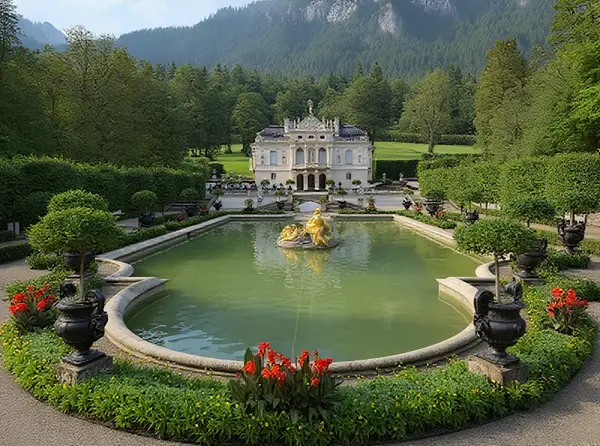
6. Linderhof Palace
Entrez dans un palais de conte de fées où un roi a construit son propre monde fantastique privé. Vous déambulerez dans des salles scintillantes, une grotte cachée avec un lac artificiel et des jardins parfaitement entretenus.
Faits rapides: Le roi Louis II a dépensé plus de 2 millions de marks pour cette retraite, dont plus de la moitié est allée aux seuls jardins et fontaines élaborés. Le palais était sa résidence la plus petite mais la plus ornée, chaque surface intérieure étant recouverte de feuilles d'or, de miroirs et de sculptures complexes.
Points forts: La célèbre Grotte de Vénus, une grotte artificielle de 10 mètres construite dans l'enceinte du palais, comprend une cascade, des lampes en verre coloré qui changent de couleur, et un lac avec un bateau en forme de cygne. Louis se faisait ramer à travers ce lac intérieur en écoutant les opéras de Wagner résonnant contre les parois de la grotte.
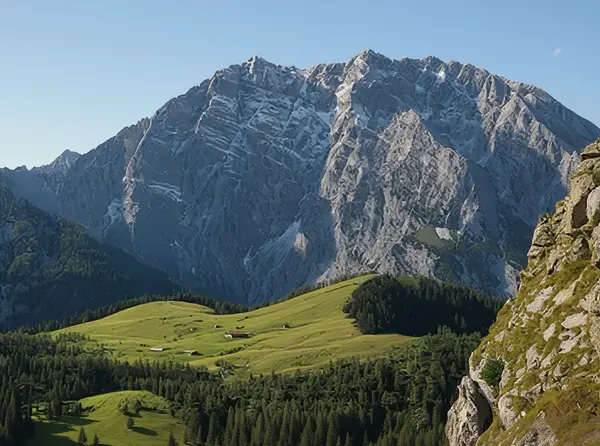
7. Bavarian Alps
Nature alpine sauvage où des pics dentelés rencontrent des prairies tapissées de fleurs. Randonnez devant des cascades tonitruantes, des lacs de montagne à l'eau cristalline et des vaches broutant avec d'énormes cloches en laiton.
Faits rapides: Certains des plus hauts sommets d'Europe percent ces pentes, le Zugspitze atteignant le ciel à 2 962 mètres. Plus de 4 000 espèces de plantes et d'animaux prospèrent dans les prairies alpines et les falaises calcaires, dont l'insaisissable aigle royal.
Points forts: Les agriculteurs ici pratiquent encore la transhumance traditionnelle, déplaçant 50 000 vaches vers les hauts pâturages chaque été, portant des coiffes élaborées et des cloches sculptées à la main qui peuvent peser jusqu'à 30 livres. Le tintement de centaines de cloches de vaches résonnant à travers les vallées au lever du soleil pendant la descente automnale est un son que vous n'oublierez pas.
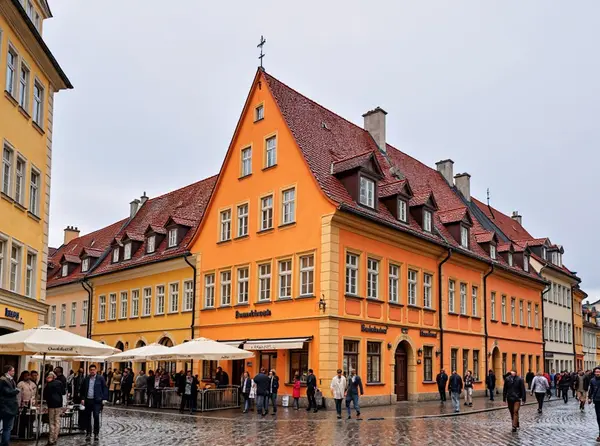
8. Bamberg Old Town
Déambulez dans une ville médiévale qui semble figée dans le temps, avec des canaux croisant des ruelles pavées. Vous tomberez sur des maisons à colombage, une cathédrale vieille de 900 ans et des habitants sirotant de la rauchbier dans des tavernes éclairées à la bougie.
Faits rapides: La vieille ville est située sur sept collines, chacune couronnée d'une église, ce qui lui a valu le surnom de "Rome franconienne". Plus de 2 000 bâtiments médiévaux et baroques ont survécu à la Seconde Guerre mondiale en grande partie intacts, ce qui en fait l'un des centres historiques les mieux préservés d'Allemagne.
Points forts: Deux fois par an, toute la vieille ville prend une odeur d'oignons rôtis pendant la Sandkirchweih, une fête populaire qui se déroule depuis plus de 900 ans. Vous pouvez également apercevoir la plus petite statue de lion peint en rouge au monde, cachée à la vue de tous sur le Rathaus du 15e siècle.
Where to Stay in Bavaria, Germany
Selected by City Buddy based on guest reviews and proximity to top attractions
Search all hotels in Bavaria, GermanyPowered by agoda
Plats sucrés traditionnels

Schwarzwälder Kirschtorte
This famous Black Forest cake layers chocolate sponge with cherries and whipped cream. It gets its name from the Schwarzwald region and the cherry brandy known as Kirschwasser that gives it its distinctive flavor.
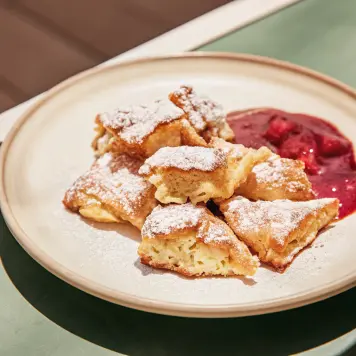
Kaiserschmarrn
This shredded pancake dessert is served with applesauce or plum compote. Legend says Emperor Franz Joseph I loved this fluffy treat, which is why it is named after him.
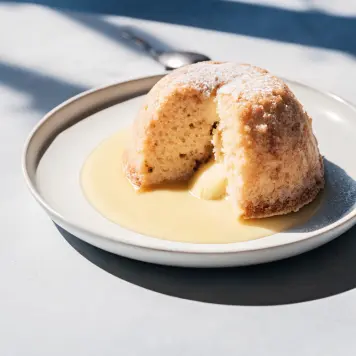
Dampfnudel
These steamed yeast dumplings are a Bavarian classic, often served with vanilla sauce or poppy seed butter. They are surprisingly light and fluffy despite their dense appearance.
Plats salés traditionnels
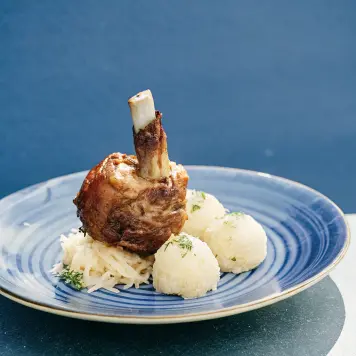
Schweinshaxe
This roasted pork knuckle has a famously crispy crackling exterior and tender meat inside. It is a staple at Oktoberfest and is traditionally served with potato dumplings and sauerkraut.

Weißwurst
Bavaria's famous white sausage is made from minced veal and pork back bacon. By tradition it should be eaten before noon, as it was made fresh daily and had no preservatives for the afternoon.

Leberkäse
Despite its name meaning "liver cheese," this Bavarian meat loaf contains no liver or cheese. It is made from finely ground corned beef, pork, and bacon, baked until it has a dark brown crust.
Boissons traditionnelles
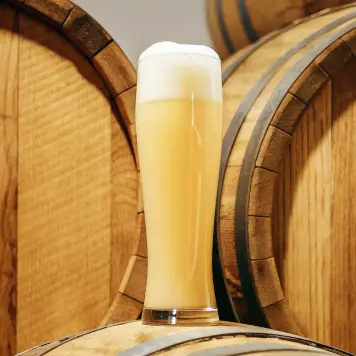
Weißbier
Bavaria's iconic wheat beer is unfiltered and naturally cloudy. It is traditionally served in a tall, narrow vase-shaped glass to showcase its golden haze and thick white foam head.

Obstler
This clear fruit brandy is a traditional Bavarian digestif, often made from apples, pears, or plums. It is commonly produced by small family distilleries in the Bavarian countryside.

Apfelschorle
This refreshing mix of apple juice and sparkling mineral water is the most popular non-alcoholic drink in Bavaria. It is enjoyed by people of all ages and is often served at family gatherings and festivals alike.
Frequently Asked Questions about Bavaria, Germany
"La Bavière, en Allemagne, est-elle sûre ?"
"Combien de jours en Bavière, Allemagne ?"
"Quelle est la meilleure période pour visiter la Bavière, Allemagne ?"
"La Bavière, en Allemagne, est-elle chère ?"
"Comment se déplacer en Bavière, Allemagne ?"
Recevez un PDF avec les attractions les plus populaires envoyé à votre email
Obtenez un PDF avec toutes les attractions, évaluations et conseils. Parfait pour une utilisation hors ligne.
Excursions d'une journée les plus populaires
Neuschwanstein Castle
Fairytale 19th-century castle perched on a rugged hilltop
Salzburg, Austria
Mozart's birthplace with baroque architecture and alpine views
Rothenburg ob der Tauber
Well-preserved medieval town on the Romantic Road
Garmisch-Partenkirchen
Alpine resort with Zugspitze, Germany's highest peak
Rent a car in Bavaria, Germany
Comment y arriver
Gares
ICE, EC, regional trains connecting to all major German cities
ICE and IC connections to Berlin, Frankfurt, and Munich
From Munich Airport, take the S-Bahn S1 or S8 to Munich Central Station. Direct train connections to Bavarian towns are frequent and reliable.
Trouvez des vols vers Bavaria, Germany
Cliquez pour obtenir une eSim pour Bavaria, Germany
Le moyen le plus simple et abordable d'avoir internet mobile où que vous voyagiez.
Commentaires (8)
Buy a Bayern Ticket at the DB machines for unlimited regional trains. Best 24 euros you'll spend for day trips around.
Overpriced and crowded in peak season. August was a mistake. Beautiful region but too many tourists everywhere.
Three days in Bavaria felt rushed. Wish I had at least a week to really explore the small towns and mountains.
Bavaria blew me away. The beer gardens alone are worth the trip, everything felt so relaxed and beautiful.
Skip the restaurant right at Marienplatz. Walk 5 minutes toward Sendlinger Tor, way better schnitzel for half the price.