 CityBuddy
 Français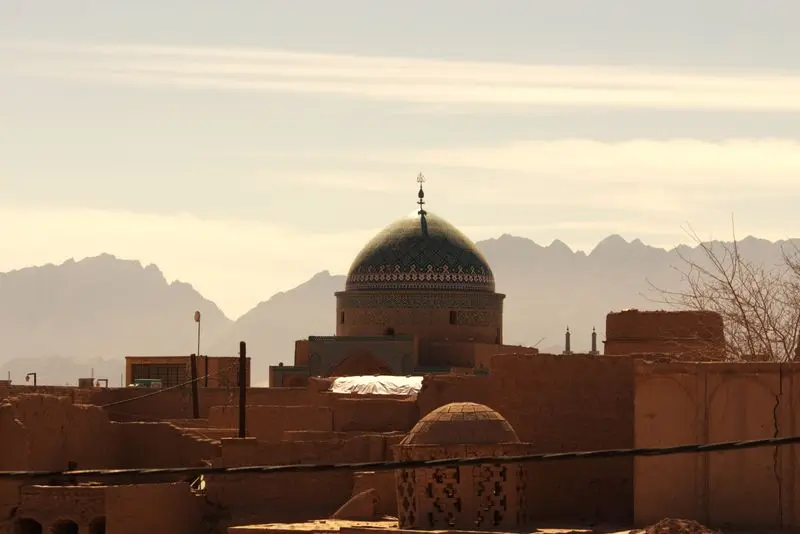
Que faire à Yazd, Iran
Photo prise par SYDE Yvi sur Pexels.com
Quand visiter
Attractions les plus populaires à Yazd, Iran
À Yazd, en Iran, de nombreuses activités passionnantes attendent les voyageurs. Parmi les choses à faire les plus importantes à Yazd, en Iran figure l'admiration des minarets de la mosquée Jameh de Yazd, datant du XIVe siècle, dont la hauteur impressionnante atteint 52 mètres. La façade du complexe Amir Chakhmaq aligne 12 immenses arcs. Ne manquez pas non plus la visite du temple du feu zoroastrien de Yazd, où brûle un feu sacré vieux de 1 500 ans.
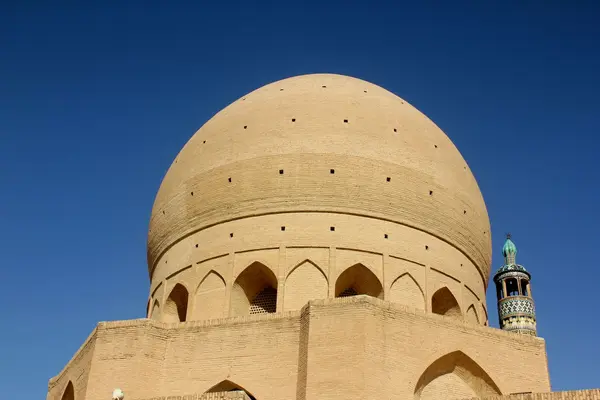
1. Jameh Mosque of Yazd
Chef-d'œuvre de l'architecture persane, où les tuiles bleues semblent presque briller sous le soleil du désert. Tiens-toi sous le dôme de briques du XIe siècle tandis que tu découvres le sommet de l'art décoratif.
Faits rapides: L'un des plus somptueux exemples de l'art iranien de la céramique et du carrelage, où le bleu domine les murs. 900 mètres carrés de carreaux recouvrent le bâtiment, et son portail d'entrée est la plus haute porte islamique d'Iran, avec 24 mètres de hauteur.
Points forts: À la lumière de l'aube, les carreaux bleus semblent presque briller, et sous le soleil de l'après-midi, les détails minutieux des motifs arabesques apparaissent sur les façades. En se tenant sous l'immense dôme de briques, le visiteur est accueilli par l'impressionnante expérience acoustique de l'architecture seldjoukide du XIe siècle.
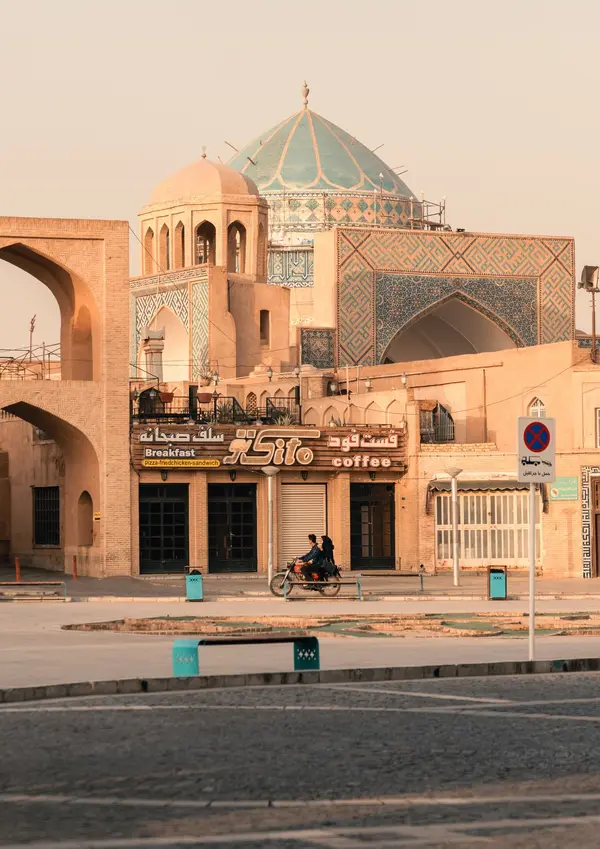
2. Amir Chakhmaq Complex
Ici tu découvres l'une des façades les plus photogéniques de Perse, qui s'illumine vraiment à la tombée du jour. Traverse le bazar couvert, bois un thé sur la place et observe les habitants vaquer à leur quotidien.
Faits rapides: Le monument chiite du 19e siècle se reconnaît à son unique mur immense et parsemé d'alvéoles régulières, qui s'élève sur trois étages. Le bazar attenant serpente sur 400 mètres de long, et les habitants connaissent avant tout la place comme le lieu des courses quotidiennes et des discussions au tea-house.
Points forts: Les 567 niches régulières de la façade baignent le soir dans une lumière orangée, comme si un gigantesque rayon de miel illuminé s'élevait du bord du désert. Le bassin d'eau isolé au centre de la place se perd aussi dans la brume du passé, alors que lors des étés torrides, les passants y refroidissaient leurs melons avec un seau remonté du fond.
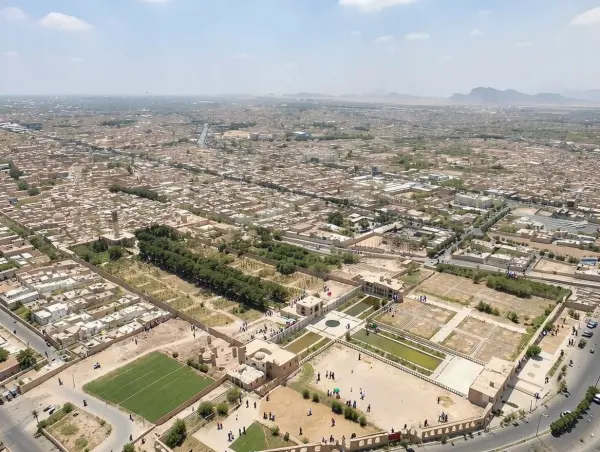
3. Dowlatabad Garden
Dans l'un des plus beaux jardins persans d'Iran, une tour du vent de 33 mètres rafraîchit l'air. Traverse les salles aux miroirs pendant que le murmure des canaux souterrains t'enveloppe.
Faits rapides: La tour de 33 mètres est l'une des plus hautes tours à vent d'Iran, qui rafraîchit les espaces intérieurs grâce à une ventilation naturelle. Le jardin fut construit au XVIIIe siècle par Mohammad Taqi Khan, qui créa également un immense système de canalisations souterraines pour l'approvisionnement en eau de la ville.
Points forts: À l'intérieur du pavillon octogonal situé au centre du bagh (jardin persan), les murs sont recouverts de mosaïques de miroirs finement travaillées qui dispersent la lumière du soleil par centaines dans les salles. À travers le système de couloirs souterrains long de 65 mètres, même en pleine canicule, un air de 15 à 20 degrés Celsius plus frais remonte à travers la tour à vent jusqu'au pavillon.
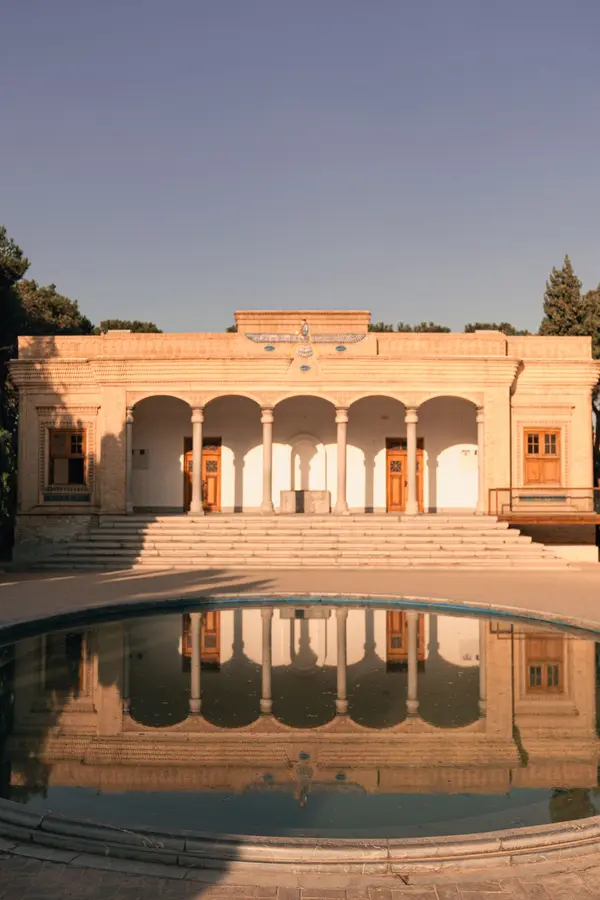
4. Zoroastrian Fire Temple of Yazd
Ici tu vois l'un des feux brûlant continuellement depuis le plus longtemps au monde, allumé depuis plus d'un millénaire et demi. Assis dans la salle obscure, tu regardes les flammes danser tandis que l'atmosphère de la foi zoroastrienne t'entoure.
Faits rapides: La flamme qui brûle ici ne se serait pas éteinte depuis plus de 1500 ans, et ce feu compte parmi les feux du monde brûlant en continu depuis le plus longtemps. Le feu sacré conservé dans le temple a été recueilli à partir de neuf sources différentes avant d'être transporté ici au début du 20e siècle.
Points forts: Au centre de la façade, un immense symbole Faravahar gravé dans la pierre observe les visiteurs, l'un des emblèmes les plus anciens de la foi zoroastrienne. La lumière qui filtre à travers les vitraux du temple danse dans l'espace intérieur, enveloppant l'antique flamme d'une lueur presque surnaturelle.
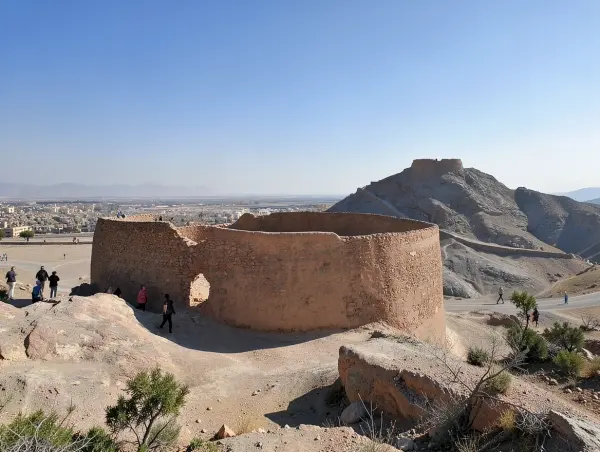
5. Towers of Silence
Un lieu où la mort rencontre presque tangiblement le vent du désert. Tu vois les tours de pierre et le désert, tandis que la lumière du soleil transforme lentement le sable.
Faits rapides: Selon le rituel funéraire zoroastrien, les corps étaient exposés aux vautours sur cette hauteur. Les tours, construites au 6e siècle, n'accueillent plus de cérémonies de nos jours, mais l'esprit du lieu demeure toujours aussi fort.
Points forts: À l'intérieur des tours, il n'y a rien d'effrayant, ni aucun élément architectural spectaculaire. Ce que l'on ressent au sommet de la colline, c'est le silence absolu et cette sagesse vieille de 2500 ans selon laquelle la mort ne signifie pas la fin de la vie, mais un retour à la nature.
6. Yazd Water Museum
Ici tu comprends comment les Perses maintenaient en vie les villes du désert. Descends dans un canal souterrain antique, où l'eau glacée et le sable brûlant offrent une expérience tangible.
Faits rapides: Des ingénieurs perses ont construit il y a des siècles un système de canaux souterrains qui transportait l'eau même dans la chaleur du désert. Certaines des qanats présentées dans le musée pouvaient mesurer jusqu'à 70 kilomètres de long, et l'eau n'entrait jamais en contact avec la surface.
Points forts: Tu peux descendre sous terre le long d'un qanat vieux de 300 ans, où l'on entend le murmure de l'eau entre les murs de pierre. L'une des pièces les plus remarquables de l'exposition est un tuyau d'argile de 2000 ans que les anciens Perses utilisaient pour l'adduction d'eau.
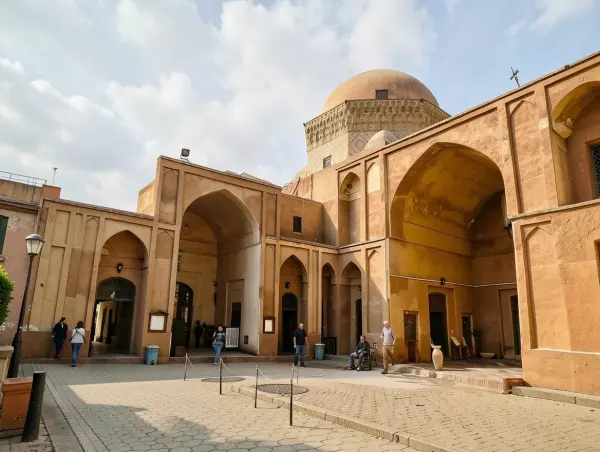
7. Alexander's Prison
Un lieu où le passé caché et l'architecture persane géniale se rencontrent. Entre dans l'obscurité, sens l'air frais et découvre le mécanisme fascinant du système caché de collecte des eaux.
Faits rapides: La structure du IXe siècle n'a en réalité jamais été une prison, mais une immense citerne et un lieu de repos dans la Perse antique. Le nom vient du fait que, selon les légendes locales, Alexandre le Grand y aurait enfermé les nobles rebelles.
Points forts: À l'intérieur, un immense hall sombre en forme de dôme s'ouvre à vous, où la lumière venant du haut dessine les parois de la citerne profonde de 8 mètres. Le silence parfait et l'air plus frais de 12 degrés créent la sensation d'avoir reculé dans un autre siècle.
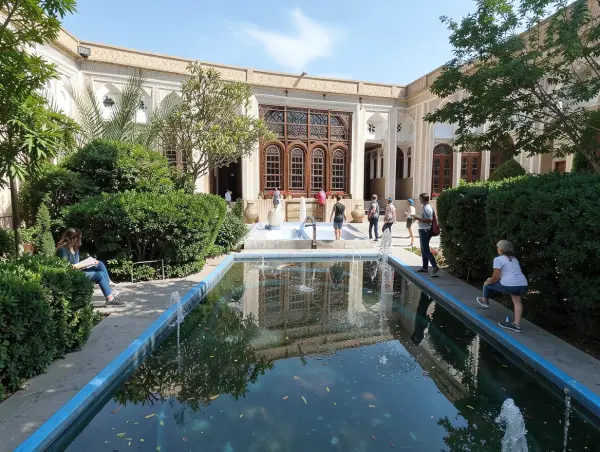
8. Lariha House
Ici tu peux voyager dans le temps au cœur du quotidien d'une riche famille persane. En écoutant le souffle des tours à vent et le murmure de la fontaine, tu t'installes avec un thé à la menthe.
Faits rapides: Le palais de marchand du 19e siècle peut se targuer de poutres sculptées à la main et de fenêtres en verre coloré. Le bassin au centre de la cour recrée le microclimat frais des jardins persans dans la chaleur du désert.
Points forts: Les murs intérieurs de la maison sont recouverts de 47 motifs géométriques différents, sculptés à la main dans un stuc de gypse à la consistance de crème fouettée. Au plafond de l'une des pièces se trouve une composition circulaire en bois vieille de 200 ans, renfermant des symboles secrets, que l'on ne peut découvrir que lorsque la lumière de midi entre selon un certain angle.
9. Khan Bathhouse and Bazaar
Plonge dans l'atmosphère magique d'un bain et d'un bazar persans vieux de 400 ans. Des mosaïques bleues, des salles aux miroirs et des épices fraîches t'entourent dans des couloirs qui rappellent un labyrinthe.
Faits rapides: Un complexe de bains en activité continue depuis plus de 400 ans, où tu peux admirer un exemple fascinant d'architecture persane. Sous les immenses coupoles couvertes de mosaïques colorées et de décorations de miroirs, ce ne sont pas seulement des bains qui t'attendent, mais aussi un bazar où tu peux acheter des produits artisanaux.
Points forts: Sur la face intérieure de la coupole, la lumière du soleil filtre à travers des centaines de petites ouvertures, créant un ciel étoilé au-dessus des bassins, même en plein jour. En te tenant sous ce plafond de 12 mètres de haut, orné de mosaïques en verre coloré, tu en oublies presque que tu te trouves dans une construction souterraine.
Where to Stay in Yazd, Iran
Selected by City Buddy based on guest reviews and proximity to top attractions
Search all hotels in Yazd, IranPowered by agoda
Jours d'ouverture à Yazd, Iran
Quels sites incontournables ferment quel jour de la semaine, le classique gâcheur de voyage, vérifié pour vous.
vendredi : 1 sur 9 sites incontournables fermés, prévoyez les musées un autre jour.
Fermé le vendredi · 1 fermés, 8 ouverts
Jours d'ouverture issus de Google Maps (vérifié le 2026-07-23). Jours fériés, grèves et horaires saisonniers peuvent varier, consultez le site officiel avant de partir.
Plats sucrés traditionnels
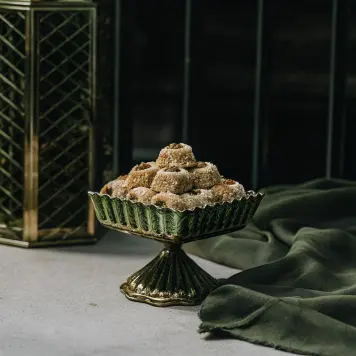
Baklava (Yazdi style)
Unlike the filo-based versions in Turkey or Greece, Yazdi Baklava is a diamond-shaped cookie made with almonds, cardamom, and rosewater, and soaked in a thick sugar syrup for a delightfully chewy texture.
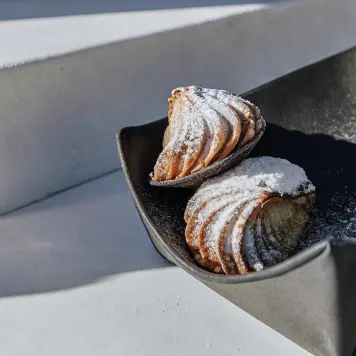
Qottab
These deep-fried almond-filled pastries are dusted with powdered sugar and have a delicate, crescent shape. They are a signature of Yazd and often served at celebrations and Nowruz gatherings.
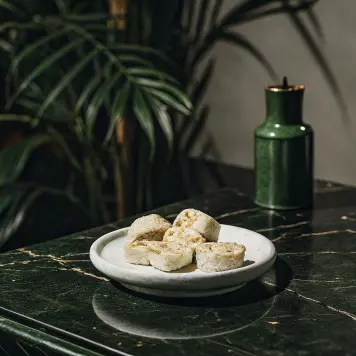
Hajji Badami
A crumbly, biscuit-like cookie packed with whole almonds and ground cardamom, Hajji Badami is named after a famous Yazdi baker. Its dry, melt-in-your-mouth texture makes it perfect for dipping in tea.
Plats salés traditionnels

Shuli (Sholeh)
This thick, hearty Yazdi soup is made from lamb, lentils, spinach, and a tart herb called "ghoureh" (unripe grapes). It is famous for its tangy, sour flavor that is unique to the region.

Yazdi Koofteh (Koofteh Yazdi)
Unlike the classic Tabrizi meatball, this version is a large, stuffed meatball made from ground lamb or beef with rice, split peas, and a surprising sour center made from dried plums or prunes.
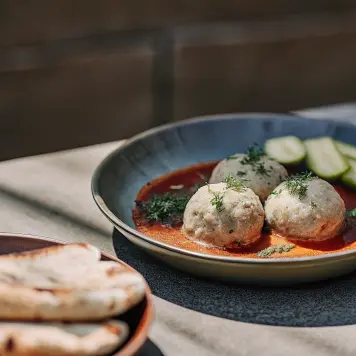
Gondi (Yazdi style)
Gondi are chickpea and chicken meatballs, slow-cooked in a spiced broth and often served with pita bread, pickles, and fresh herbs. Yazd's version is particularly famous for its light, fluffy texture.
Boissons traditionnelles

Sekanjebin-e Yazdi
This sweet and sour syrup is made from vinegar, honey or sugar, and mint. Yazdi families often ferment it for weeks, giving it a complex, slightly fizzy quality that is incredibly refreshing in the desert heat.

Kashk-e Bademjan (as a drink)
While commonly a dip, in Yazd they prepare a unique warm, drinkable version (often called "Aab-e Kashk") made from diluted fermented whey, mint, and walnuts, served as a restorative winter beverage.
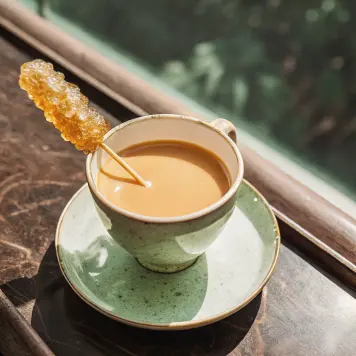
Chai-ye Nabat (Yazdi Rock Candy Tea)
This is simply strong black tea served with a stick of amber-colored rock candy (nabat) on the side. The diner stirs the candy to their desired sweetness, and the saffron in the nabat gives the tea a golden hue.
Questions fréquentes sur Yazd, Iran
Yazd, en Iran, est-elle sûre ?
Combien de jours vaut-il la peine de passer à Yazd ?
Quand est-il préférable de voyager à Yazd ?
Yazd, en Iran, est-elle chère ?
Comment se déplacer à Yazd ?
Recevez un PDF avec les attractions les plus populaires envoyé à votre email
Obtenez un PDF avec toutes les attractions, évaluations et conseils. Parfait pour une utilisation hors ligne.
Excursions d'une journée les plus populaires
Chak Chak (Zoroastrian Fire Temple)
Sacred Zoroastrian pilgrimage site nestled in desert mountains.
Kharanaq (Ancient Village)
Abandoned 1000-year-old mud-brick village with a shaking minaret.
Isfahan
Iconic city with Naqsh-e Jahan Square and stunning mosques.
Comment y arriver
Aéroports
Gares
Tehran, Isfahan, Kerman, Mashhad
From the airport, taxis cost around 10-15 USD to the city center. Yazd is well connected by night trains from Tehran (6-7 hours).
Informations utiles pour Yazd, Iran
Aperçu de Yazd, Iran
Vous voulez un plan jour par jour pour Yazd, Iran ? Ouvrez le planificateur de voyage
Quand partez-vous à Yazd, Iran ?
Choisissez vos dates et style de voyage pour obtenir :
Qu'est-ce qui est particulièrement important pour vous ?
Sélectionnez tout ce qui s'applique
Se déplacer
Comment souhaitez-vous vous déplacer entre les lieux ?
Langue du plan : Français