 CityBuddy
 Français
Que faire à Kumano, Japan
Photo prise par Marcu Ioachim sur Pexels.com
Quand visiter
Quand partez-vous à Kumano, Japan ?
Choisissez vos dates et style de voyage pour obtenir :
Qu'est-ce qui est particulièrement important pour vous ?
Sélectionnez tout ce qui s'applique
Plan language: FrançaisAttractions les plus populaires à Kumano, Japan
Choses à faire à Kumano, au Japon, notamment parcourir les anciens chemins de pèlerinage du Kumano Kodo qui s'étendent sur plus de 200 kilomètres à travers des montagnes sacrées. Visitez le Kumano Nachi Taisha, un grand sanctuaire près des magnifiques chutes Nachi de 133 mètres. Le temple Seiganto-ji se trouve à proximité, offrant des vues paisibles et une histoire spirituelle.
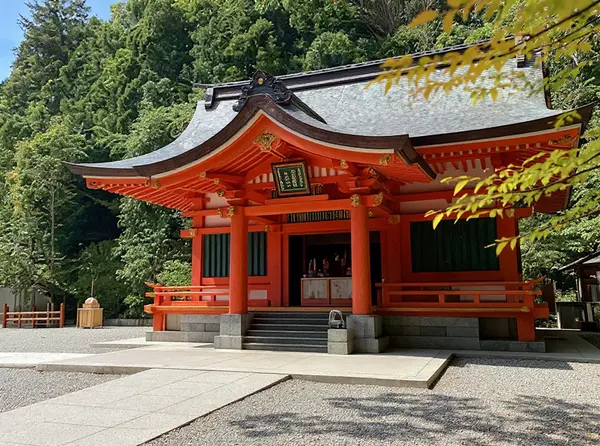
1. Kumano Nachi Taisha
Nature et spiritualité se rencontrent dans un sanctuaire spectaculaire de cascade de 133 mètres. Vivez des rituels sacrés et des sentiers forestiers immaculés à chaque pas.
Faits rapides: "Une cascade sacrée géante nommée Nachi, haute de 133 mètres, s'écoule majestueusement derrière le sanctuaire principal, créant un décor naturel spectaculaire. Ce site fait partie du chemin de pèlerinage de Kumano Kodo, qui attire plus d'un million de pèlerins chaque année depuis des siècles."
Points forts: "Les visiteurs entrent dans un royaume spirituel où le rugissement de la cascade se mêle aux anciens cyprès, censés abriter les esprits ancestraux. Les rituels uniques incluent le fait de parer la cascade de cordes shimenawa, symbolisant la purification et la protection divine au fil des saisons."
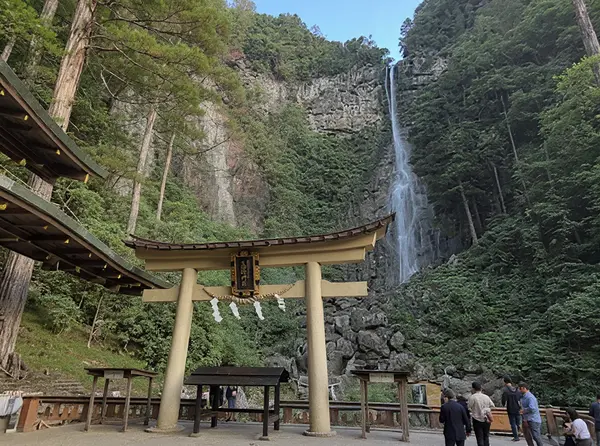
2. Nachi Falls
Culminant à 133 mètres, une puissante cascade vous attend. Vivez un rituel sacré et des vues forestières paisibles qui rafraîchissent votre esprit.
Faits rapides: La cascade chute de 133 mètres, ce qui en fait l'une des plus hautes cascades à chute unique du Japon. Elle attire près de 1,2 million de visiteurs chaque année qui viennent admirer son flux ininterrompu et ses embruns brumeux.
Points forts: On croit que les embruns de la cascade apportent chance et santé, inspirant un rituel unique où les visiteurs attrapent des gouttelettes sur des feuilles pour s'en asperger. En automne, la forêt environnante s'embrase de teintes rouges et dorées, encadrant la cascade dans une couleur saisonnière à couper le souffle.
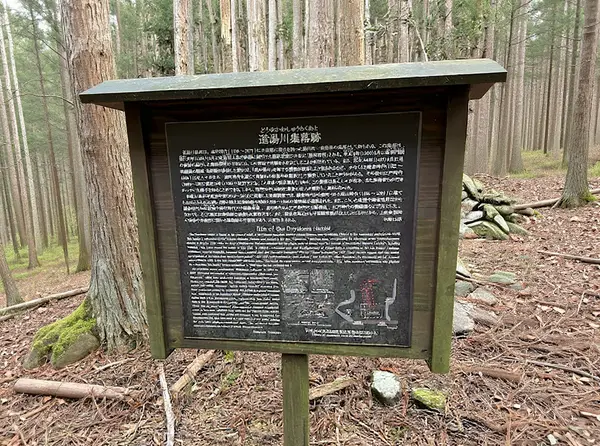
3. Kumano Kodo Pilgrimage Routes
Suivez les traces des pèlerins d'autrefois à travers des forêts sereines. Vivez des sentiers de montagne tranquilles et des traditions sacrées de première main.
Faits rapides: Ancient paths cross through dense cedar forests and connect three major shrines across 100 kilometers of rugged terrain. Pilgrims have walked these routes for over 1,000 years, tracing footsteps of emperors and monks alike.
Points forts: Walking along moss-covered stone steps, travelers can hear the distant ringing of a bell from Kumano Hayatama Taisha shrine, a ritual believed to cleanse the soul. A secretive mountain herb, "kumano-cha," grows only here and locals brew it into a calming tea cherished by pilgrims.
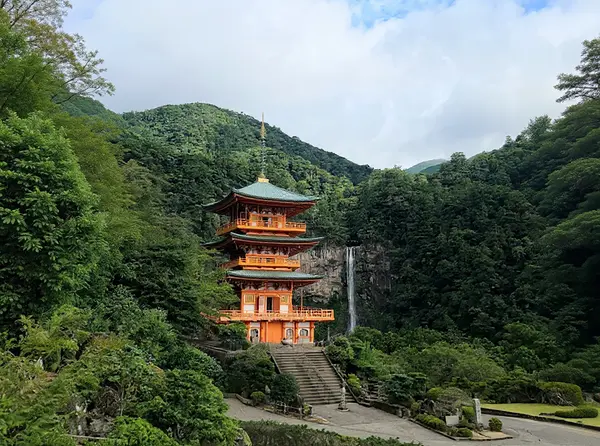
4. Seiganto-ji Temple
Découvrez un mélange unique d'architecture vibrante et de la puissance de la nature. Marchez sous l'eau cascadante et imprégnez-vous des vibes spirituelles anciennes.
Faits rapides: Seiganto-ji fait partie d'un itinéraire de pèlerinage sacré dont les racines s'étendent sur plus de 1 200 ans. Les visiteurs passent souvent par une cascade voisine, censée purifier le corps et l'esprit avant d'entrer dans le temple.
Points forts: La pagode rouge vif du temple se dresse à seulement 15 mètres d'une cascade spectaculaire, une combinaison peu commune qui crée une atmosphère brumeuse et magique. La légende raconte que la cascade fut révélée par un moine frappant un rocher avec son bâton, ajoutant une aura mystique au site.
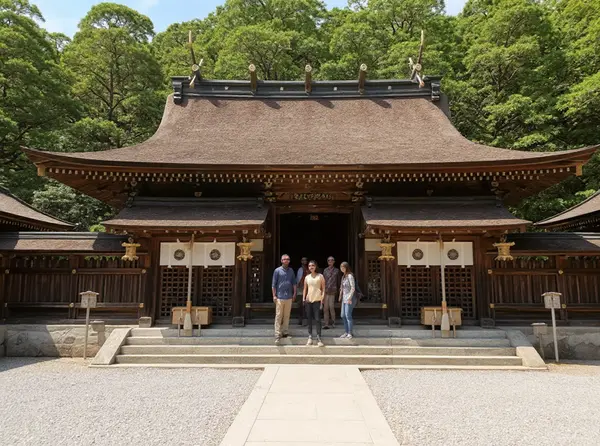
5. Hongu Taisha Shrine
Vivez un lieu de pèlerinage sacré aux vibes spirituelles profondes. Marchez sous des cèdres anciens et assistez à des rituels uniques de marche sur le feu.
Faits rapides: Le sanctuaire fait partie d'un réseau de Kumano Sanzan avec trois sanctuaires majeurs attirant plus de 2 millions de pèlerins chaque année. Les visiteurs peuvent trouver des cèdres anciens de plus de 800 ans bordant la route d'approche, créant un tunnel naturel majestueux.
Points forts: Un rituel mystérieux est accompli tous les 60 ans où les prêtres marchent 30 kilomètres pieds nus sur le feu pour renouveler la puissance spirituelle du sanctuaire. Le toit de chaume du sanctuaire, l'un des plus grands du Japon, couvre une superficie de 39 mètres sur 11 mètres, créant une silhouette architecturale époustouflante contre la toile de fond de la forêt.
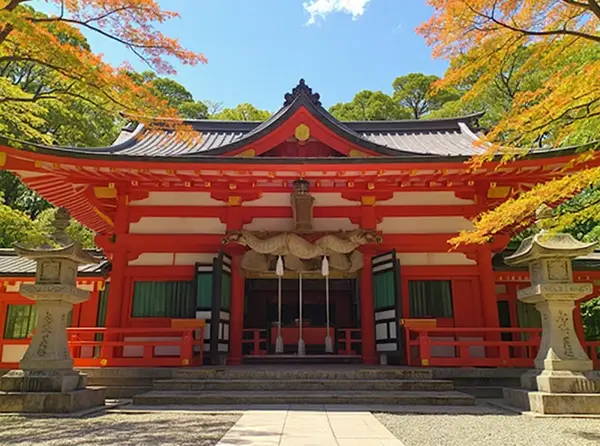
6. Kumano Hayatama Taisha
Entrez dans un sanctuaire spirituel entouré de cèdres anciens. Vivez des rituels captivants où la tradition rencontre la nature.
Faits rapides: Imaginez-vous marcher sous un grand cèdre vieux de plus de 800 ans se dressant à l'entrée du sanctuaire. Le sanctuaire abrite un artefact précieux : le miroir sacré représentant l'esprit de la déesse du soleil Amaterasu, une figure clé de la mythologie japonaise.
Points forts: Un rituel sacré appelé le "Festival du Feu" illumine le sanctuaire chaque été avec des processions aux flambeaux attirant plus de 30 000 personnes. L'architecture du sanctuaire se marie harmonieusement avec la forêt ancienne qui l'entoure, créant une atmosphère sereine qui donne l'impression de remonter le temps.
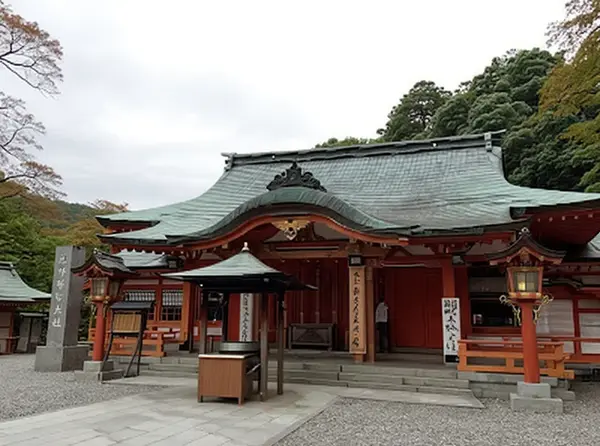
7. Kumano Nachi Taisha Treasure Hall
Explorez des artefacts sacrés vieux de plusieurs siècles et des chants sereins. Ressentez l'esprit calme à travers des statues et des rouleaux anciens.
Faits rapides: La Salle aux Trésors abrite plus de 100 objets religieux, dont des sutras anciens et des statues datant du Xe siècle. Les visiteurs peuvent voir des rouleaux et des reliquaires soigneusement préservés à travers des siècles de pèlerinages.
Points forts: Parmi les expositions, une statue du XIVe siècle d'une divinité sculptée dans du bois de camphre se distingue par les détails complexes de ses robes. Une salle silencieuse permet aux visiteurs de vivre une expérience de chant bouddhiste traditionnel grâce à un son ambiant, créant une atmosphère spirituelle immersive.
Where to Stay in Kumano, Japan
Selected by City Buddy based on guest reviews and proximity to top attractions
Search all hotels in Kumano, JapanPowered by agoda
Plats sucrés traditionnels
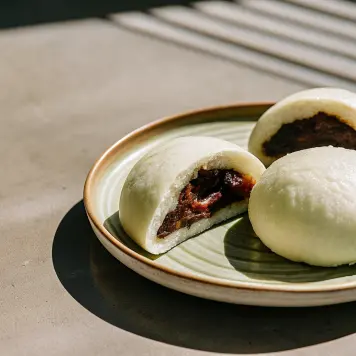
Kumano Manju
Kumano Manju is a steamed bun filled with sweet red bean paste, traditionally enjoyed during festivals and pilgrimages in the Kumano region. Its fluffy texture and rich flavor make it a beloved local treat.
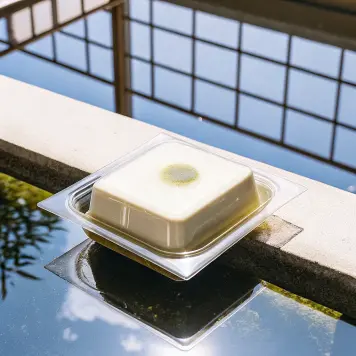
Uiro
Uiro is a jelly-like sweet made from rice flour and sugar, often flavored with subtle regional ingredients like yuzu or matcha. It is admired for its smooth, chewy texture and delicate sweetness.
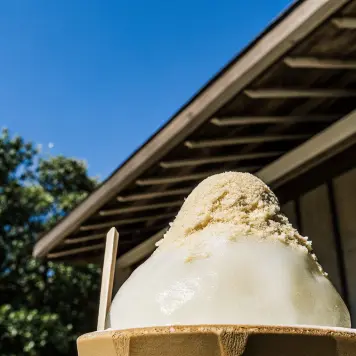
Kuzumochi
Kuzumochi is a refreshing dessert made from kudzu starch, served chilled with kinako (roasted soybean flour) and kuromitsu syrup. It is a traditional sweet that offers a cool relief in Kumano's warmer months.
Plats salés traditionnels
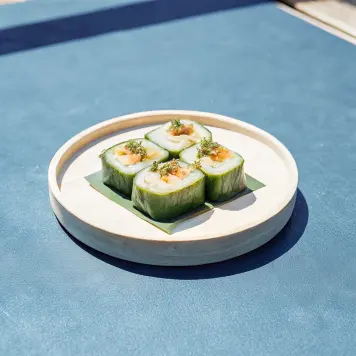
Mehari-zushi
Mehari-zushi is a traditional Kumano sushi wrapped in pickled mustard leaves, known for its tangy and savory flavor profile. This dish originated as a portable meal for workers and pilgrims, embodying the local culinary tradition.

Kumano Saba-zushi
Kumano Saba-zushi features vinegared mackerel atop sushi rice wrapped in kelp, reflecting the region's rich fishing culture. It is praised for its umami-packed taste and was historically made for long journeys.
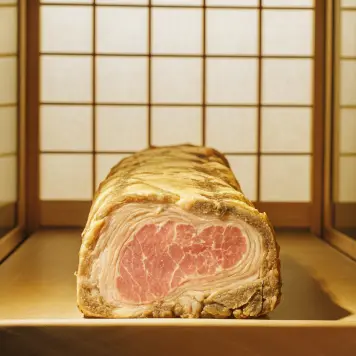
Yamato Beef
Yamato Beef from the Kumano area is celebrated for its tenderness and rich marbling, often grilled or prepared in sukiyaki style. This premium beef highlights the excellence of Kumano's livestock farming.
Boissons traditionnelles

Kumano Umeshu
Kumano Umeshu is a sweet plum wine made with locally harvested ume plums, offering a perfect balance of tartness and sweetness. It is a traditional drink enjoyed for its refreshing taste and digestive benefits.
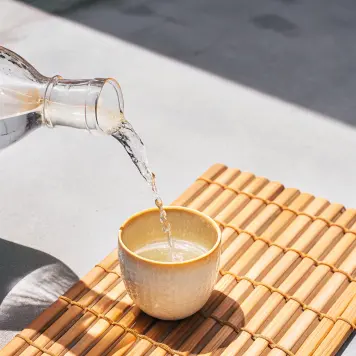
Kumano Sake
Kumano Sake is brewed using pristine water from the Kumano mountains, renowned for its clean and crisp flavor profile. This sake represents the region's dedication to high-quality rice wine production.

Sansho Tea
Sansho Tea is made from the aromatic pepper leaves native to Kumano, prized for its unique citrusy and spicy flavor. It is traditionally consumed for its warming and medicinal properties.
Frequently Asked Questions about Kumano, Japan
"Kumano, au Japon, est-elle une destination sûre pour les voyageurs ?"
"Combien de jours devrais-je passer à Kumano, au Japon ?"
"Quelle est la meilleure période pour visiter Kumano, au Japon ?"
"Kumano, au Japon, est-elle chère pour les touristes ?"
"Comment se déplacer à Kumano, au Japon ?"
Recevez un PDF avec les attractions les plus populaires envoyé à votre email
Obtenez un PDF avec toutes les attractions, évaluations et conseils. Parfait pour une utilisation hors ligne.
Excursions d'une journée les plus populaires
Kumano Nachi Taisha
Famous shrine known for Nachi Waterfall, the tallest waterfall in Japan.
Kawayu Onsen
Popular hot spring area located along the river, great for relaxation.
Comment y arriver
Aéroports
Gares
JR Kisei Line
From Kansai Airport, take the train to Shin-Osaka, then JR Kisei Line to Kumano Station.
Trouvez des vols vers Kumano, Japan
Cliquez pour obtenir une eSim pour Kumano, Japan
Le moyen le plus simple et abordable d'avoir internet mobile où que vous voyagiez.
Commentaires (9)
Not many ATMs around, so carry enough cash when heading to the rural parts of Kumano or you'll be stuck.
Stayed in Kumano for a weekend, weather was muggy but locals are super friendly. Town feels a bit sleepy though, maybe better for a chill getaway.
Kumano's nature trails are stunning but be ready for sudden rain even in spring. Loved the peaceful vibe but plan for at least 3 days to explore well.
The seafood in Kumano was fresh but pricey. Street food options are limited, so bring snacks if you want to save money.
If you buy bus tickets from the local shop rather than the bus driver, you save 20%. It isn’t obvious so watch out for this little trick.