 CityBuddy
 Français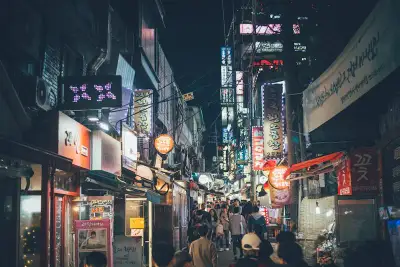
Que faire à Shinjuku, Japan
Photo prise par Tan Danh sur Pexels.com
Quand visiter
Shinjuku est la #2 ville pour la vie nocturne au monde, selon nos données sur des centaines de destinations.
Attractions les plus populaires à Shinjuku, Japan
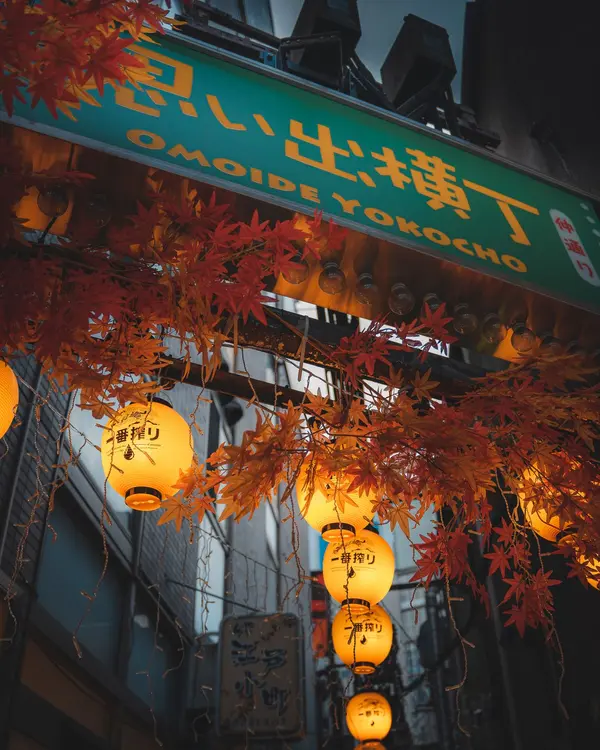
Les meilleures choses à faire à Shinjuku, au Japon, vont des échappées paisibles aux aventures lumineuses au néon. Promenez-vous dans le jardin national de Shinjuku Gyoen, qui s'étend sur 58 acres et mêle les styles paysagers français et japonais. Prenez l'ascenseur gratuit jusqu'à 202 mètres de haut au Tokyo Metropolitan Government Building pour une vue panoramique sur la ville. Puis glissez-vous dans Omoide Yokocho, une ruelle étroite bordée de 60 minuscules grills servant des yakitori depuis la Seconde Guerre mondiale.
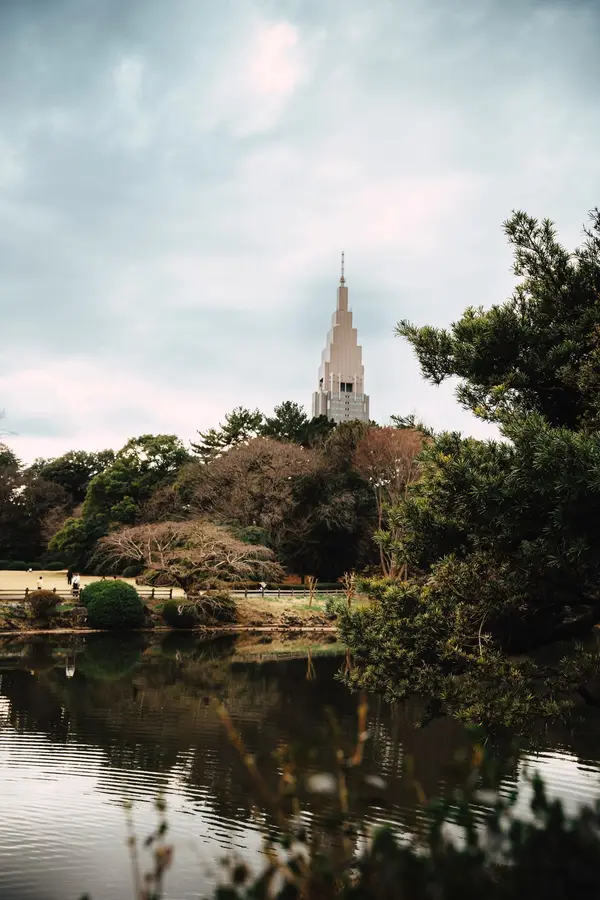
1. Shinjuku Gyoen National Garden
Escape Tokyo's neon chaos into 58 hectares of serene gardens where cherry blossoms and ancient pines frame three perfectly curated landscapes. Wander between a French formal garden, a Japanese tea house, and an English meadow in a single afternoon.
Faits rapides: Across its 58 sprawling hectares, three distinct garden styles coexist: a formal French garden, an English landscape garden, and a traditional Japanese garden with a large pond. Over 20,000 trees from around the world thrive here, including some 1,500 cherry trees that burst into bloom each spring.
Points forts: A rare surviving example of an early 20th century large-scale landscape garden in Tokyo, it was once the private residence of a feudal lord before being given to the imperial family. The traditional Japanese garden section features a wooden pavilion where you can sit and watch koi fish swirl beneath you while sipping matcha tea served by kimono-clad attendants.
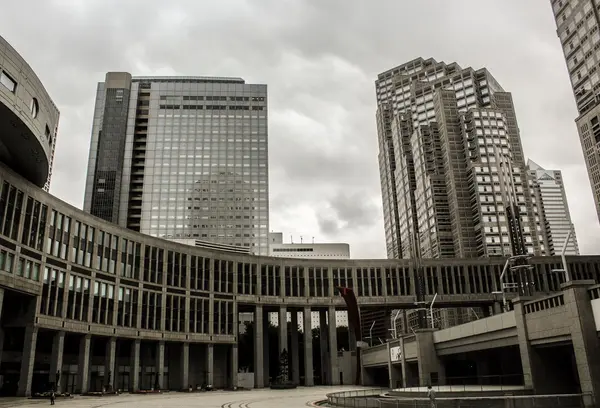
2. Tokyo Metropolitan Government Building
Two free observation decks with Tokyo's best skyline views. Ride the elevator up 45 floors and watch Mount Fuji appear on the horizon as the city sprawls beneath you.
Faits rapides: Free observation decks on the 45th floor of both towers offer panoramic views stretching all the way to Mount Fuji on clear days. The building was designed to resemble a Gothic cathedral, with its twin towers rising 243 meters and its facade covered in 12,000 mirrored windows.
Points forts: Head up just before sunset and watch Tokyo transform from the 45th floor as the city lights flicker on below while the sky still holds color. The south observation deck stays open until 11 PM and offers a completely different mood at night, with far fewer crowds and the cityscape glittering like a circuit board.
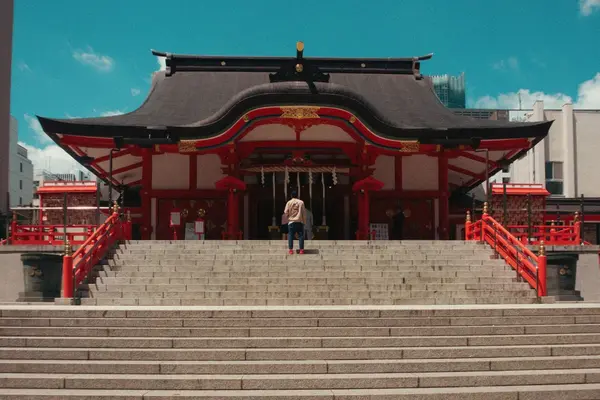
3. Hanazono Shrine
Find a pocket of serenity amid Shinjuku's neon chaos at a shrine that has anchored this neighborhood since the 1600s. Wander past towering concrete, and discover locals tossing coins, clapping hands, and whispering wishes to the gods.
Faits rapides: Hanazono Shrine hosts over 300 vendors during its annual flea markets, drawing thousands of bargain hunters each weekend. Dedicated to the gods of business prosperity and good fortune, this shrine sits in the middle of Shinjuku's modern high-rises and entertainment district.
Points forts: On New Year's Eve, the shrine's massive 500-kilogram bell is rung 108 times by volunteers, each strike symbolizing the cleansing of a human desire according to Buddhist tradition. The sound reverberates through the concrete canyons of Shinjuku, creating an surreal acoustic collision between ancient ritual and neon-lit modernity.
4. Omoide Yokocho
Step into a smoky, lantern-lit time capsule where Tokyo grills the best yakitori of your life. Squeeze onto a tiny counter stool, order skewers and cold beer, and watch the chefs fan glowing charcoal inches from your face.
Faits rapides: Environ 60 petits bars et restaurants yakitori enfumés sont entassés dans ce réseau de ruelles étroites près de la gare de Shinjuku. Les habitants s'y serrent sur des tabourets depuis l'époque du marché noir de l'après-guerre dans les années 1940, lorsque le quartier a vu le jour.
Points forts: L'un des derniers bastions du vieux Tokyo, cette ruelle a échappé à la rénovation qui a transformé le quartier environnant en une forêt de gratte-ciels en verre. L'air y sent encore le poulet grillé au charbon de bois et la sauce soja, comme il y a 70 ans, et certains restaurants se procurent toujours leurs brochettes auprès des mêmes fournisseurs familiaux.
5. Golden Gai
Over 200 tiny bars packed into six lantern-lit alleys where each space seats barely a handful. Wander narrow passages, duck into a 4-seat whiskey bar, and trade stories with locals until the wee hours.
Faits rapides: Blotti entre les gratte-ciel de Shinjuku, ce labyrinthe de 200 minuscules bars occupe six ruelles étroites qui ont survécu à la reconstruction d'après-guerre. La plupart des bars n'ont que 4 à 6 places, forçant les inconnus à engager la conversation autour d'un whisky ou d'un saké.
Points forts: Beaucoup de bars ici sont encore tenus par des propriétaires vieillissants qui ont veillé sur le même comptoir pendant plus de 50 ans, certains refusant de servir quiconque paraît avoir moins de 30 ans. Un bar a un chat qui décide de l'heure de la dernière commande en sautant sur les genoux du client pour signaler qu'il est temps de partir.
6. Samurai Museum
Get closer to real samurai gear than anywhere else in Tokyo. You'll hold 700-year-old swords, try on armor, and watch live sword demonstrations daily.
Faits rapides: Over 13,000 artifacts span 700 years of samurai history, from the Kamakura period through the Edo era. Visitors can handle real samurai swords and try on authentic armor under staff supervision.
Points forts: A retired samurai armor restorer personally maintains the collection and occasionally demonstrates the 45-minute process of dressing in a full suit of armor. The museum's wooden kendo floor still carries the scuff marks and dents from decades of practice by Tokyo's university kendo clubs.
7. Shinjuku Ni-chome
Nowhere else packs this much queer energy into a few neon-lit blocks. Hop between tiny bars where locals share plates of edamame and pour your next drink before you finish the first.
Faits rapides: With over 300 bars, clubs, and small restaurants packed into just a few blocks, this tiny district has one of the highest concentrations of LGBTQ+ venues anywhere in the world. More than 30 percent of the bars here are tiny operations seating fewer than 10 people, making every night feel like a private party.
Points forts: Many of the bars are run by retired drag queens who have been pouring drinks in the same 10-seat counter since the 1980s, and they remember every regular by name. You can walk into a four-seat basement bar at midnight and find a 70-year-old former cabaret star singing Edith Piaf while mixing your highball.
8. Shinjuku Central Park
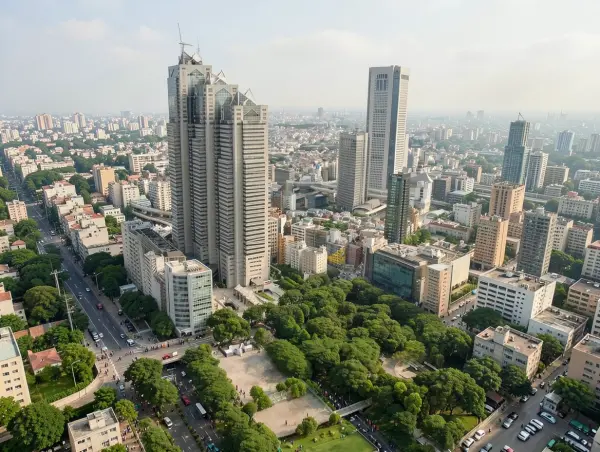
A lush green escape sandwiched between skyscrapers, offering front-row seats to Tokyo's urban ballet. Grab a coffee, find a bench, and watch salarymen nap, crows plot, and cherry blossoms drift past concrete and glass.
Faits rapides: Shinjuku's busiest commuter hub sits on one side of this green corridor, yet the park stays surprisingly quiet with over 700 cherry trees lining its paths. What was once a vacant lot awaiting a never-built sports stadium transformed into this 2.25-hectare stretch of greenery that connects two of the city's major skyscraper districts.
Points forts: On weekdays around lunch, you'll see office workers napping on the grass in their suits, a quiet Tokyo ritual that feels almost choreographed. The park also doubles as an open-air art gallery with rotating installations from the nearby Tokyo Opera City Gallery, so the sculptures change every few months.
Where to Stay in Shinjuku, Japan
Selected by City Buddy based on guest reviews and proximity to top attractions
Search all hotels in Shinjuku, JapanPowered by agoda
Jours d'ouverture à Shinjuku, Japan
Quels sites incontournables ferment quel jour de la semaine, le classique gâcheur de voyage, vérifié pour vous.
lundi : 1 sur 8 sites incontournables fermés, prévoyez les musées un autre jour.
Fermé le lundi · 1 fermés, 7 ouverts
Jours d'ouverture issus de Google Maps (vérifié le 2026-07-03). Jours fériés, grèves et horaires saisonniers peuvent varier, consultez le site officiel avant de partir.
Plats sucrés traditionnels
Anmitsu
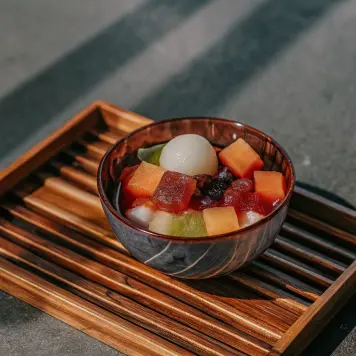
Anmitsu features small cubes of agar jelly, sweet red bean paste, mochi, and fresh fruit all served with a drizzle of kuromitsu, a dark sugar syrup that originated as a medicine in the Edo period.
Ohagi (Botamochi)
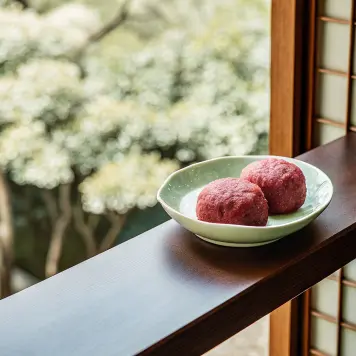
Ohagi is a traditional sweet made from glutinous rice coated in sweet azuki bean paste, and its name changes to botamochi in spring depending on the seasonal flower in bloom.
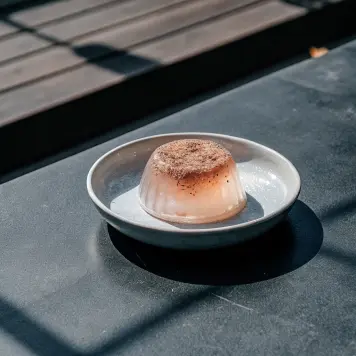
Kuzumochi
Unlike regular mochi made from rice, kuzumochi is made from kuzu (arrowroot) starch giving it a uniquely translucent, jelly-like texture, and it is often served with kinako (roasted soybean flour) and kuromitsu.
Plats salés traditionnels
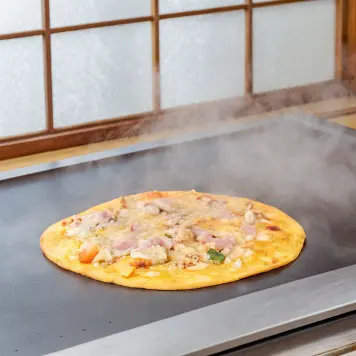
Monjayaki
Monjayaki is a thin, runny savory pancake cooked on a hot griddle that is famously associated with Tokyo's shitamachi (old town) culture, and Shinjuku has some of the best monjayaki specialty restaurants in the city.
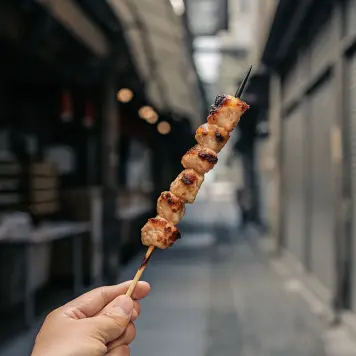
Yakitori
Shinjuku's Omoide Yokocho (Memory Lane) is legendary for its tiny yakitori stalls where skewers of chicken are grilled over charcoal, and the smoky alleyway has been a beloved dining destination since the post-war era.
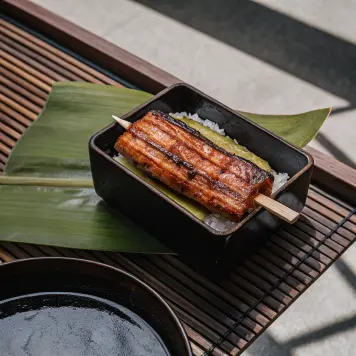
Unagi no Kabayaki
This dish features grilled eel glazed with a sweet soy-based sauce, and Shinjuku is home to some of Tokyo's most historic unagi restaurants that have been serving it continuously since the 1800s.
Boissons traditionnelles
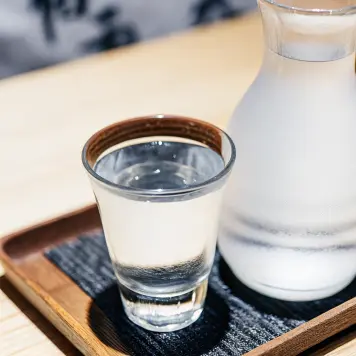
Sake
Sake is Japan's iconic rice wine, and Shinjuku's many izakaya (Japanese pubs) offer extensive sake selections where you can enjoy everything from fruity ginjo to rich, aged koshu varieties.
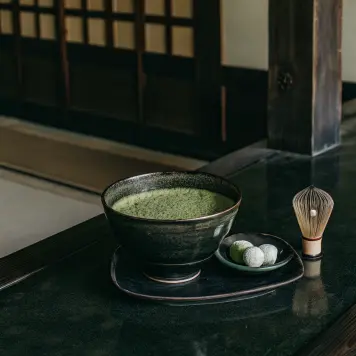
Matcha (Ceremonial Green Tea)
Matcha is a finely ground powder of specially grown green tea leaves, and Shinjuku's traditional tea houses offer this vibrant drink alongside the district's famous wagashi (Japanese sweets) for a perfect pairing.
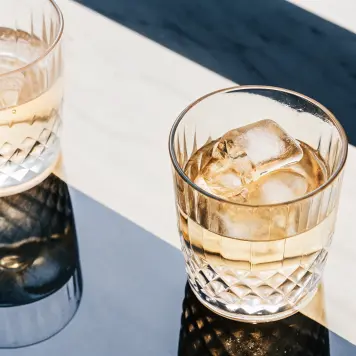
Shochu
Shochu is a distilled spirit typically made from barley, sweet potato, or rice, and it is a staple at Shinjuku's drinking establishments where it is enjoyed on the rocks, with water, or mixed with hot water.
Questions fréquentes sur Shinjuku, Japan
Shinjuku, au Japon, est-ce sûr ?
Combien de jours passer à Shinjuku, au Japon ?
Quelle est la meilleure période pour visiter Shinjuku, au Japon ?
Shinjuku, au Japon, est-ce cher ?
Comment se déplacer à Shinjuku, au Japon ?
Recevez un PDF avec les attractions les plus populaires envoyé à votre email
Obtenez un PDF avec toutes les attractions, évaluations et conseils. Parfait pour une utilisation hors ligne.
Excursions d'une journée les plus populaires
Kamakura
Historic coastal town with Great Buddha statue and serene temples
Hakone
Hot spring resort with views of Mount Fuji and Lake Ashi
Yokohama
Port city with Chinatown, Minato Mirai waterfront and gardens
Comment y arriver
Gares
JR Yamanote Line, JR Chuo Line, Odakyu Line, Keio Line, Tokyo Metro Marunouchi Line
Highway bus connections to airports and other cities
From Haneda Airport take the Limousine Bus (45 min) or train via Yamanote Line. From Narita take the Narita Express (80 min) directly to Shinjuku Station.
Informations utiles pour Shinjuku, Japan
Aperçu de Shinjuku, Japan
Vous voulez un plan jour par jour pour Shinjuku, Japan ? Ouvrez le planificateur de voyage
Quand partez-vous à Shinjuku, Japan ?
Choisissez vos dates et style de voyage pour obtenir :
Qu'est-ce qui est particulièrement important pour vous ?
Sélectionnez tout ce qui s'applique
Se déplacer
Comment souhaitez-vous vous déplacer entre les lieux ?
Langue du plan : Français