CityBuddy
Lake Oloiden
Meilleur moment pour visiter
Visit early morning, 7 to 10 a.m., when hippos are still in the water and birdsong peaks. Dry months from June to September keep the rim trails firm and animals easier to spot.
Conseils budget
Entry for walking access runs roughly 500 Kenyan shillings per person, with most visitors paying a couple of thousand if they add a guided boat outing. Carry small cash notes, since card machines rarely work at the rural gate, and skip overpriced add-ons you don't actually need.
Recommandé pour
Birdwatchers, Photography enthusiasts, Nature lovers, Budget travelers
Planifiez votre visite
2-3 hours
À propos
Faits rapides: Un cratère volcanique effondré inondé d'eau, ce lac plonge sur environ 100 mètres de profondeur, soit environ trois fois plus profond que le lac bien plus vaste situé à côté. Ses parois abruptes couvertes de broussailles abritent l'une des populations d'hippopotames les plus denses par kilomètre carré du Kenya.
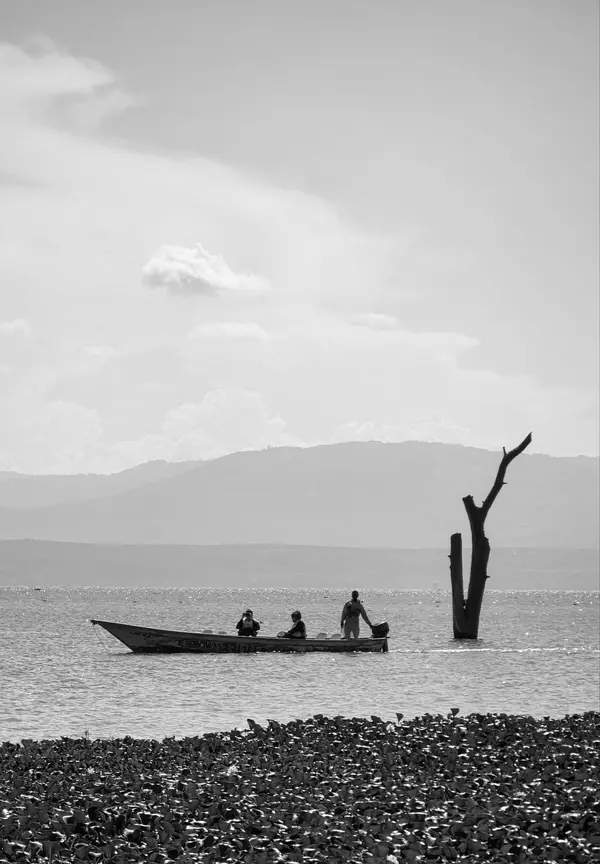
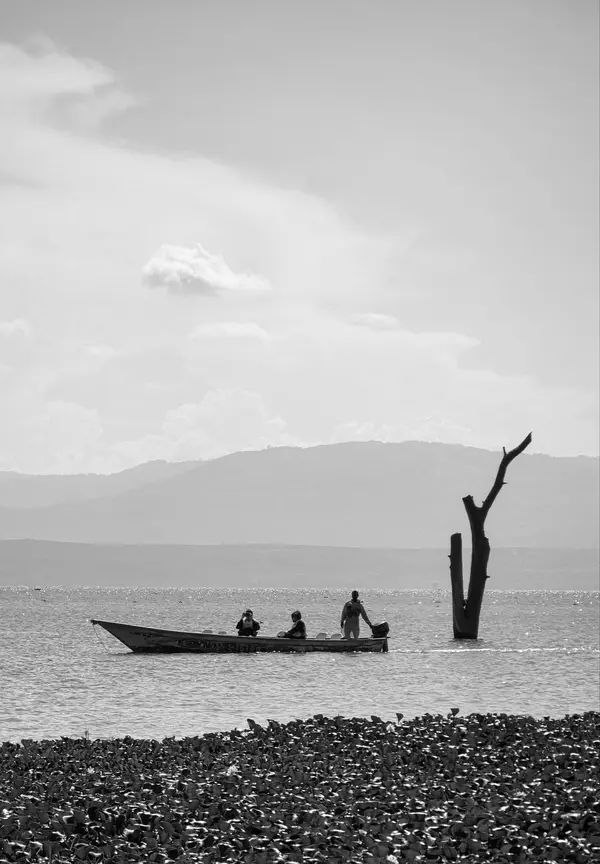
Points forts: La montée des eaux dans les années 2010 a fusionné ce cratère avec son immense voisin, noyant l'isthme herbeux qui permettait autrefois aux visiteurs de marcher jusqu'au rebord surélevé de l'île. Aujourd'hui, on peut parcourir ces sentiers de crête et observer les hippopotames remonter à la surface dans une eau profonde qui reste presque vitreuse, tandis que les pygargues crient au-dessus.
Conseils d'initiés
- Wear sturdy, closed-toe shoes with good grip for the steep volcanic rim trails, which turn slick after rain.
- Bring binoculars, since the crater's natural amphitheater walls amplify bird calls and make sightings easier.
- Time your hike for dawn when hippos are still in the water and the rim catches the first golden light.
- Keep a clear distance from the shoreline at dusk, because hippos haul out to graze and move fast on land.
Where to Stay in Naivasha
Selected by City Buddy based on guest reviews and proximity to top attractions
Search all hotels in NaivashaPowered by agoda