 CityBuddy
 Bahasa Indonesia
Hal yang Dapat Dilakukan di Hrodna, Belarus
Foto dibuat oleh Vladimir Srajber di Pexels.com
Kapan berkunjung
Atraksi paling populer di Hrodna, Belarus
Hal terbaik yang dapat dilakukan di Hrodna, Belarus berpusat pada konsentrasi arsitektur abad pertengahan dan Barok yang luar biasa. Jelajahi area Gereja Kalozha Sts. Boris dan Gleb dari abad ke-11, bangunan tertua yang masih berdiri di kota ini. Bandingkan dengan Katedral St. Francis Xavier dari abad ke-17, yang menara setinggi 100 meternya mendominasi cakrawala. Kunjungi Kastil Lama Hrodna dan Kastil Baru Hrodna, yang berdiri berdampingan di tepi tinggi Sungai Niemen.
1. Hrodna Old Castle
"Tempat di mana berabad-abad sejarah Polandia, Lithuania, dan Belarus bertabrakan di dalam satu benteng. Susuri aula tempat raja-raja pernah tidur dan sentuh dinding yang berlubang akibat tembakan meriam sungguhan."
Fakta cepat: Kolom-kolom menjulang dalam tiga gaya arsitektur yang berbeda, karena setiap abad meninggalkan jejaknya di dinding batu. Bola meriam dari pengepungan tahun 1656 masih tertanam di benteng luar dekat gerbang utama.
Sorotan: Sebuah lorong rahasia di bawah kastil pernah menghubungkannya dengan biara Bernardine di seberang Sungai Niemen, memungkinkan para prajurit bergerak tanpa terlihat. Naiklah ke menara barat daya saat matahari terbenam, ketika cahaya rendah mengubah sungai menjadi emas cair dan seluruh cakrawala Hrodna terbentang di hadapanmu.
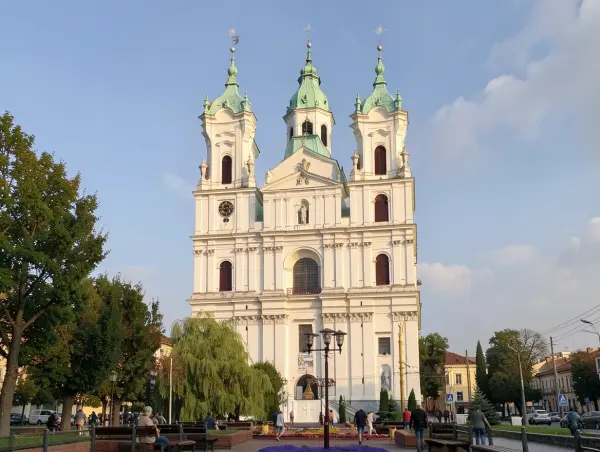
2. St. Francis Xavier Cathedral
"Sebuah mahakarya Barok yang menjulang tinggi dan selamat dari dua perang dunia serta ateisme Soviet tanpa banyak kerusakan. Melangkah melewati pintunya mengungkap salah satu interior gereja abad ke-18 paling lengkap dan asli di Eropa."
Fakta cepat: Salah satu menara gereja Barok tertinggi di dunia, setinggi 65 meter, dapat terlihat dari jarak beberapa kilometer. Katedral ini memiliki siklus lukisan dinding abad ke-18 yang langka dan masih bertahan, dilukis oleh seorang seniman tunggal selama satu dekade.
Sorotan: Masuklah dan lihat ke atas: lukisan dinding langit-langit tampak bergelombang seperti kain, dilukis dengan keterampilan ilusionistik sedemikian rupa sehingga plester datar tampak menonjol dan melipat. Legenda setempat mengatakan bahwa seniman tersebut jatuh dari perancahnya tiga kali saat menyelesaikan karyanya, namun tidak pernah patah tulang sedikit pun.
3. Kalozha Church of Sts. Boris and Gleb
"Masuki salah satu gereja Ortodoks tertua yang masih berdiri di Eropa Timur, masih aktif setelah berabad-abad sejarah. Anda akan berdiri di dalam tempat suci di mana dinding batu yang kasar, cahaya lilin yang berkelip, dan grafiti kuno menceritakan kisah para peziarah abad pertengahan."
Fakta cepat: Dindingnya dihiasi dengan ribuan salib batu berwarna cerah dan ubin keramik yang ditanam langsung ke dalam tembok. Ratusan grafiti kuno yang unik menghiasi bagian dalam, ditinggalkan oleh para jemaah selama 800 tahun terakhir.
Sorotan: Tidak seperti gereja Ortodoks lain yang masih bertahan dari era itu, dinding luarnya tidak pernah diplester, sehingga pola rumit dari batu berwarna yang dipoles dan piring keramik berlapis kaca sepenuhnya terbuka terhadap cuaca. Perhatikan baik-baik fasadnya dan Anda akan melihat salib batu kecil, ubin hijau dan kuning, dan bahkan pecahan marmer, semuanya tersusun dalam desain geometris yang berkilau berbeda saat sinar matahari bergeser.
4. Soviet Square
"Saksikan matahari bermain di atas batu-batu bulat di titik pertemuan pusat Hrodna di mana berabad-abad sejarah bertemu. Rasakan denyut kehidupan kota saat penduduk setempat mengobrol di bangku-bangku di bawah pohon kastanye dan anak-anak mengejar merpati melintasi plaza batu yang geometris."
Fakta cepat: Alun-alun ini menampilkan patung Lenin yang mencolok dan tetap menjadi titik fokus, kontras dengan bangunan-bangunan berwarna-warni dari abad ke-19 di sekitarnya. Perkerasan jalannya memiliki pola melingkar yang unik yang menciptakan ilusi optik ketika dilihat dari atas.
Sorotan: Di tengah berdiri salah satu patung Lenin terakhir yang tersisa di Belarus, yang dengan sayang dijuluki "Kakek" oleh penduduk setempat, dengan bunga segar yang sering muncul di dasarnya baik dari warga yang lebih tua maupun pasangan muda. Alun-alun berubah saat senja ketika fasad bersejarah di sekitarnya bersinar keemasan dari pencahayaan bawah yang tersembunyi, mengungkapkan detail arsitektur rumit yang tidak terlihat pada siang hari.
5. Drama Theatre
"Masuki mahakarya desain modernis Soviet di mana setiap pertunjukan terasa intim, bahkan di aula berkapasitas 700 kursi. Nantikan arsitektur dramatis, akustik yang mengejutkan, dan jadwal bergilir pertunjukan drama, balet, dan eksperimental."
Fakta cepat: Teater Drama Hrodna menyelenggarakan lebih dari 300 pertunjukan setiap musimnya, memenuhi hampir setiap kursi di aula berkapasitas 700 orang. Fasad bangunan yang putih bersih dan garis geometrisnya terinspirasi dari modernisme Soviet tahun 1960-an, membuatnya menonjol di antara arsitektur kota yang lebih tua.
Sorotan: Hanya sedikit pengunjung yang menyadari bahwa auditorium utama dirancang dengan lubang orkestra yang dapat ditarik dan menghilang di bawah panggung, memungkinkan ruang tersebut berubah untuk pertunjukan drama intim atau produksi balet penuh. Selama pertunjukan musim dingin, jendela besar dari lantai ke langit-langit di foyer menangkap pemandangan taman bersalju di luar, menciptakan latar panggung yang berubah setiap musim.
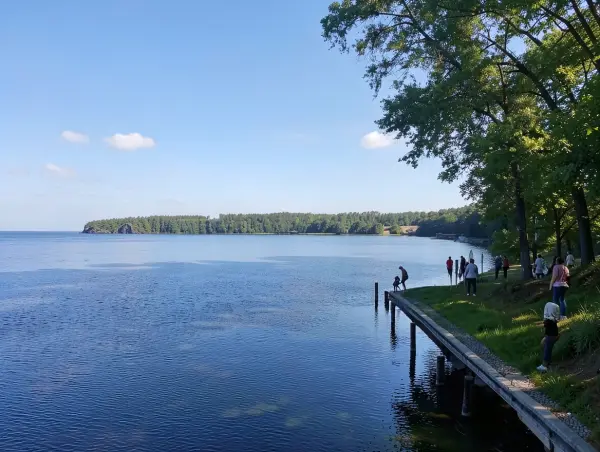
6. Augustow Canal
"Mengarungilah jalur air hutan yang masih perawan dan nyaris tidak berubah sejak tahun 1830-an. Bersepeda di sepanjang jalur penarik yang teduh, melewati pintu air yang dioperasikan dengan tangan, dan saksikan elang melayang di atas koridor hijau yang tenang."
Fakta cepat: Membentang sepanjang 101 kilometer melintasi Polandia dan Belarus, kanal abad ke-19 ini menghubungkan Sungai Vistula dan Neman melalui 18 kunci dan 22 pintu air. Para insinyur merancang kanal ini dengan presisi sedemikian rupa sehingga mekanisme kunci aslinya, yang dioperasikan secara manual menggunakan balok kayu, masih berfungsi setelah hampir 200 tahun.
Sorotan: Tidak seperti kebanyakan kanal, kanal ini melintasi cagar biosfer yang masuk daftar UNESCO di mana berang-berang, linsang, dan elang ekor putih menjaga perairan di samping perahu-perahu yang lewat. Kunci-kuncinya mengubah ketinggian hingga 3 meter setiap kali, dan kamu dapat menyaksikan mekanisme engkol tangan asli berderit hidup saat air menggelegar melewati gerbang kayu ek berusia satu abad.
7. Museum of Religion History
"Di mana lagi Anda bisa berjalan melewati biara berusia 300 tahun dan melihat segala hal mulai dari gulungan Taurat abad pertengahan hingga propaganda ateis Soviet dalam satu sore? Anda akan bergerak melewati koridor batu yang bergema melewati ikon-ikon yang diterangi lilin, lalu melangkah ke halaman yang sunyi tempat para biarawan pernah menanam rempah."
Fakta cepat: Bertempat di bekas kompleks biara Katolik Roma dari abad ke-17, koleksi museum ini mencakup lebih dari 2.000 artefak di empat pameran permanen. Pengunjung dapat melihat Alkitab cetak langka, benda-benda liturgi Yahudi, dan interior sinagoga abad ke-19 yang direkonstruksi.
Sorotan: Satu aula menampilkan sebuah ruangan tunggal yang seluruhnya ditutupi lukisan dinding buatan tangan yang menggambarkan adegan-adegan alkitabiah, di mana pigmen aslinya masih bersinar dalam nuansa oker dan lapis lazuli. Loteng museum menyimpan koleksi artefak keagamaan era Soviet yang berdebu, yang diam-diam dilestarikan oleh penduduk setempat selama masa ateisme yang diberlakukan negara.
Where to Stay in Hrodna, Belarus
Selected by City Buddy based on guest reviews and proximity to top attractions
Search all hotels in Hrodna, BelarusPowered by agoda
Hari buka di Hrodna, Belarus
Objek wisata terbaik mana yang tutup pada hari apa dalam seminggu, hal klasik yang bisa merusak perjalanan, sudah kami cek untuk Anda.
Senin: 1 dari 3 objek wisata terbaik tutup, rencanakan kunjungan museum di hari lain.
Tutup pada Senin · 1 tutup, 2 buka
Hari buka dari Google Maps (diperiksa 2026-08-04). Hari libur nasional, pemogokan, dan jam musiman dapat berbeda, cek situs resmi sebelum pergi.
Hidangan manis tradisional

Krambambula
Krambambula is a spiced honey liqueur often used in desserts and believed to have originated in the Grand Duchy of Lithuania. Its name comes from a popular 18th century drinking song.

Sochen with poppy seeds
Sochen is a thin unleavened flatbread traditionally baked for Christmas Eve and served with a sweet poppy seed filling. In Hrodna, locals often add crushed nuts and dried apples for extra flavor.
Draniki with apple and cinnamon
While draniki are usually savory potato pancakes, in Hrodna they are often sweetened with grated apple and cinnamon. They are served with sour cream or honey as a beloved local dessert.
Hidangan gurih tradisional

Draniki
Draniki are crispy potato pancakes that are considered the national dish of Belarus. In Hrodna, they are often served with sour cream, fried onions, or mushroom sauce.
Machanka
Machanka is a thick, hearty gravy made from pork fat, flour, and sour cream, traditionally served with thick Belarusian pancakes called bliny. It is a rustic winter comfort food beloved in the Hrodna region.
Kolduny
Kolduny are stuffed dumplings similar to pierogi, filled with meat and mushrooms. In Hrodna, the local version is sometimes called "magic dumplings" and was a favorite of the Polish-Lithuanian nobility.
Minuman tradisional

Krambambula (drink version)
This spiced honey liqueur is one of the most famous beverages from the Hrodna region. It was historically brewed by Dominican monks in the city and is still made today with honey, spices, and alcohol.

Bierzo
Bierzo is a traditional Belarusian birch sap drink collected in early spring. Hrodna locals tap birch trees in March for this refreshing, slightly sweet beverage that is believed to cleanse the blood.
Kvass
Kvass is a fermented rye bread drink that is a staple across Belarus. In Hrodna, it is often homemade with local rye bread and flavored with mint, berries, or dried fruits.
Pertanyaan yang Sering Diajukan tentang Hrodna, Belarus
Apakah Hrodna, Belarus aman untuk wisatawan?
Berapa hari yang cukup untuk berkunjung ke Hrodna, Belarus?
Kapan waktu terbaik untuk mengunjungi Hrodna, Belarus?
Apakah Hrodna, Belarus mahal untuk dikunjungi?
Bagaimana cara berkeliling di Hrodna, Belarus?
Dapatkan PDF dengan atraksi paling populer dikirim ke email Anda
Dapatkan PDF dengan semua atraksi, penilaian, dan tips. Sempurna untuk digunakan secara offline.
Perjalanan sehari paling populer
Mir Castle
A UNESCO World Heritage castle with Gothic and Renaissance architecture.
Nesvizh Castle
Historic palace and park complex, another UNESCO listed site.
Augustow Canal
Scenic 19th century canal connecting Belarus and Poland, great for walks and boat trips.
Bialowieza Forest
Ancient primeval forest and UNESCO site, home to European bison.
Cara menuju ke sana
Stasiun kereta
Minsk, Brest, Vilnius, Warsaw
From Grodno Airport, take a taxi or bus to city center (20 min). From Minsk, take a direct train (4h) or bus (4.5h).
Informasi berguna untuk Hrodna, Belarus
Ikhtisar untuk Hrodna, Belarus
Ingin rencana harian untuk Hrodna, Belarus? Buka perencana perjalanan
Kapan Anda akan ke Hrodna, Belarus?
Pilih tanggal dan gaya perjalanan Anda untuk mendapatkan:
Apakah ada hal yang sangat penting bagi Anda?
Pilih semua yang sesuai
Transportasi
Bagaimana Anda ingin berpindah antar tempat?
Bahasa rencana: Bahasa Indonesia