 CityBuddy
 Bahasa Indonesia
Hal yang Dapat Dilakukan di Taizhou, China
Foto dibuat oleh Alexander Kovalev di Pexels.com
Kapan berkunjung
Atraksi paling populer di Taizhou, China
Hal-hal yang dapat dilakukan di Taizhou, China meliputi menjelajahi Kuil Guoqing, situs pendirian Buddhisme Tiantai, yang hanya berjarak 15 kilometer dari pusat kota. Gunung Tiantai menawarkan pemandangan pegunungan yang menakjubkan dan kuil bersejarah. Jangan lewatkan Kota Kuno Linhai dengan Menara Drum-nya yang terawat baik, yang menampilkan arsitektur dan budaya Tionghoa kuno.
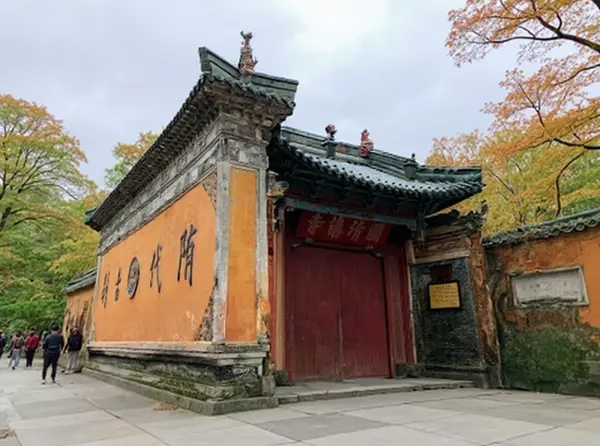
1. Guoqing Temple
Kompleks Buddha di puncak bukit dengan aula hias dan sutra batu, situs inti tradisi Tiantai. Jelajahi halaman yang tenang, daki pagoda dan nikmati pemandangan gunung serta sungai.
Fakta cepat: Naiki tangga batu itu, Anda bisa mendengar para biksu melantunkan doa dan ketukan kayu ikan berpadu dengan suara angin yang menyapu pepohonan pinus. Suasananya terasa khidmat sekaligus hangat. Di dalam halaman terdapat ukiran batu dan lukisan dinding yang terawat dengan baik. Jika diperhatikan lebih dekat, Anda bisa menemukan gaya tulisan dan warna yang memudar dari masa Dinasti Sui dan Tang, sangat cocok untuk mengamati setiap detail dengan perlahan.
Sorotan: Pukul lonceng pagi sering terdengar 108 kali. Suaranya yang dalam bergema memenuhi lembah, membuat lumut di bawah kaki dan aroma pinus di udara terasa lebih hidup. Konon setiap tahun pada bulan kesepuluh kalender lunar, para biksu membaca sutra selama tujuh hari berturut-turut. Cahaya lilin menari-nari di atas lukisan kuno sementara suara membawa orang ke dalam ketenangan yang luar biasa.
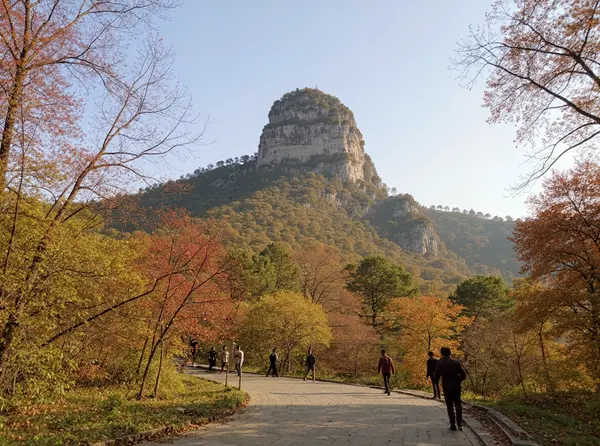
2. Tiantai Mountain
Kuil Guoqing kuno dan puncak yang diselimuti kabut menawarkan suasana Buddha pegunungan yang tenang dan pemandangan luas. Naiki tangga batu atau naik kereta gantung untuk panorama matahari terbit di atas laut awan.
Fakta cepat: Di puncak gunung, jarum pinus mengeluarkan aroma resin yang lembut. Saat berjalan di tangga batu, kabut sering membalut dengan lembut. Di antara jalan setapak dan kuil kuno, terdapat lebih dari 200 ukiran batu dan prasasti. Jika Anda menengadah, bisa melihat patung kecil Buddha dan relief yang terpasang di dinding batu.
Sorotan: Dalam tradisi yang sedikit diketahui, penduduk desa meletakkan lebih dari 100 lentera kertas di sepanjang 108 anak tangga pada tanggal enam bulan keenam kalender lunar. Dalam kegelapan malam, cahaya lentera itu seperti pita bercahaya yang berkelok ke atas. Konon Zhi Yi meninggalkan batu besar dengan cetakan tangan di tengah gunung. Jika berdiri dekat, Anda dapat merasakan tekstur halus dan aroma debu batu yang dingin akibat pelapukan selama bertahun-tahun.
3. Taizhou Museum
Jelajahi sejarah maritim dan regional Taizhou melalui pajangan yang jelas dan artefak lokal. Telusuri arkeologi, seni rakyat, dan pameran interaktif yang menghidupkan cerita komunitas.
Fakta cepat: Koleksi museum mencakup ribuan tahun, menampilkan porselen, lukisan, dan artefak laut berdampingan. Cahaya alami masuk ke ruang pamer melalui jendela lengkung dan dinding kaca. Sinar matahari sore menampilkan bercak cahaya keemasan yang hangat pada permukaan glasir dan kertas sutra.
Sorotan: Di ruang pamer terdapat piring porselen Hijau Song dengan nomor seri A032, berdiameter 32 cm. Gelasannya berwarna hijau mint dengan retakan halus seperti es yang membentang. Di bawah cahaya, tampak seperti air yang mengalir di permukaan piring. Relawan pemandu akan mengajak hingga 6 pengunjung menggunakan senter melihat pantulan pada glasir. Dekat, Anda juga dapat mencium aroma tanah dan lem tua dari tembikar kuno.
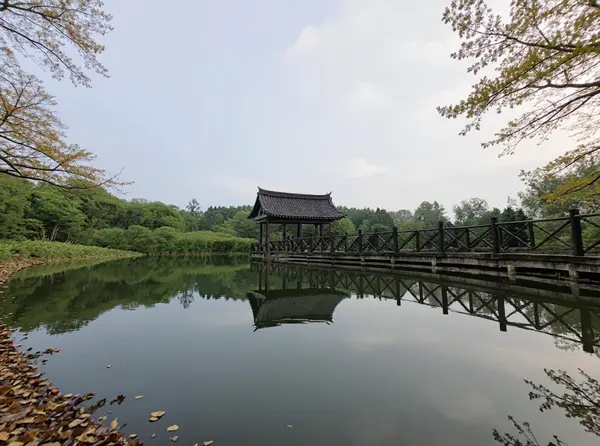
4. Taizhou Bay National Wetland Park
Lahan basah pesisir yang luas penuh burung migran dan jalur alam yang tenang. Jalan di atas papan kayu, daki menara pandang dan abadikan hamparan alang-alang, lumpur, dan burung pantai.
Fakta cepat: Padang lumpur dan rawa alang-alang di zona pasang surut pesisir membentang luas. Parit air yang berkelok sering menjadi tempat aktivitas hampir seratus spesies burung air. Saat menginjak jalan papan, Anda bisa mencium aroma angin laut yang lembap dan asin. Sesekali kepiting muncul dari lumpur dan bergerak cepat seperti pertunjukan mini.
Sorotan: Di ujung jalan papan terdapat menara pengamatan burung. Jalur pendek dua kilometer ini mengizinkan penampakan ribuan burung migran melintasi laut saat pagi hari. Matahari membuat bulu mereka berkilau keemasan seperti ombak yang berkilau. Di bawah jalan papan terdapat lebih dari 30 jendela pengamatan sudut rendah, memungkinkan melihat detail makhluk hidup garis pasang. Tubuh cacing pasir dan gerakan udang kecil terdengar seperti detak jantung pantai.
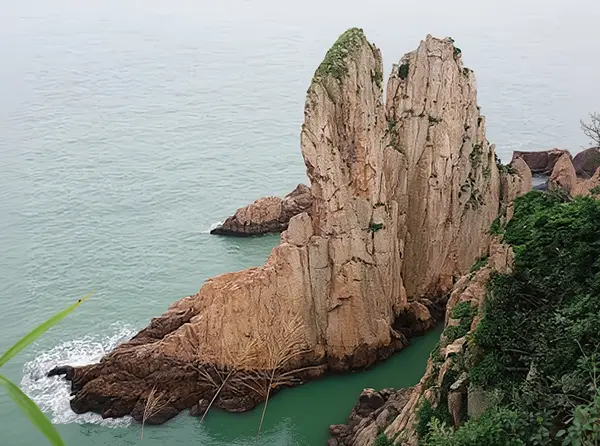
5. Dachen Islands
Pemandangan pulau yang kasar dan hasil laut segar di lepas pantai Taizhou. Jelajahi desa nelayan, tebing berbatu, teluk berpasir, dan jalan-jalan pemandangan laut saat matahari terbit.
Fakta cepat: Angin laut sering membawa aroma ikan kering yang asin. Deretan rumah nelayan dari kayu dan perahu warna-warni membentuk lukisan kehidupan laut yang hidup. Penduduk setempat mengatakan saat air surut, mereka bisa menemukan lebih dari 20 jenis kerang di dasar laut yang terbuka. Banyak keluarga memasak bubur laut segar dari kerang tersebut.
Sorotan: Di pelabuhan, nelayan tua Wu memiliki kebiasaan mengetuk jangkar besi tiga kali saat senja. Orang percaya ini akan memberkati hasil tangkapan malam agar lebih melimpah. Suara ketukan yang berat seperti berbicara dengan ombak. Sekitar 50 kapal kecil tersusun rapi di pasir dangkal. Kabut pagi dan aroma rumput laut bercampur di udara, menciptakan estetika kerja yang lambat antara visual dan penciuman.
Where to Stay in Taizhou, China
Selected by City Buddy based on guest reviews and proximity to top attractions
Search all hotels in Taizhou, ChinaPowered by agoda
Hidangan manis tradisional
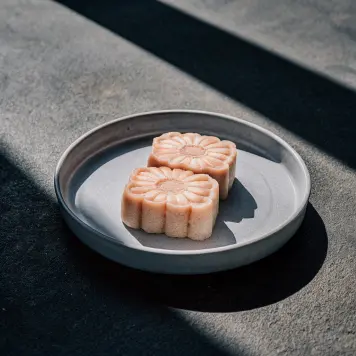
Osmanthus Rice Cake (桂花年糕)
Taizhou uses locally harvested osmanthus to scent soft sweet rice cakes that are especially popular at festivals, giving them a floral perfume and a delicate texture.

Tangyuan (Glutinous Rice Balls)
A Lantern Festival and winter favorite in Taizhou, these glutinous rice balls are often filled with sesame or sweet bean paste and serve as a symbol of family reunion.

Sugar-Coated Osmanthus Pastry (糖桂花糕)
Small pastries glazed with syrup and the region's fragrant osmanthus are a classic Taizhou treat, prized for their balance of sweetness and floral notes.
Hidangan gurih tradisional
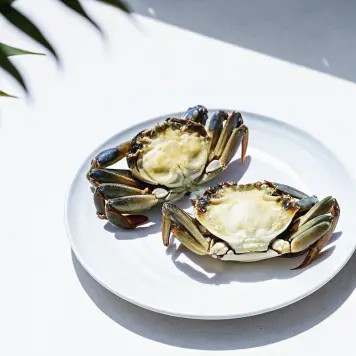
Sanmen Crab (三门青蟹)
From Sanmen County in Taizhou, this blue-green coastal crab is celebrated across Zhejiang for its sweet, delicate meat and is a seasonal delicacy in autumn.
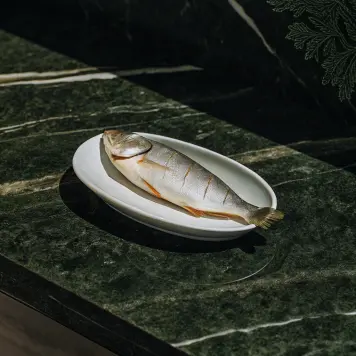
Taizhou Yellow Croaker (台州黄鱼)
Fresh yellow croaker from Taizhou's coastal waters is commonly steamed or lightly braised to showcase its sweet flesh, and it is a local seafood signature.

Taizhou Fish Balls (台州鱼丸)
Handmade fish balls made from local white fish are famous for their springy, bouncy texture and are a staple in Taizhou soups and noodle dishes.
Minuman tradisional

Jasmine Tea (茉莉花茶)
Jasmine tea, scented with locally grown blossoms, is a daily classic in Taizhou and pairs naturally with the region's light, seafood-forward cuisine.

Local Rice Wine (本地黄酒/米酒)
Small-batch rice wines brewed in Taizhou are used for drinking and cooking, offering a mellow, slightly sweet backbone to many traditional dishes.

Osmanthus Tea (桂花茶)
Osmanthus flowers are steeped into tea across Taizhou for a fragrant, gently sweet drink that complements local pastries and seafood.
Pertanyaan yang Sering Diajukan tentang Taizhou, China
Kapan waktu terbaik untuk mengunjungi Taizhou, China?
Apakah biaya hidup di Taizhou mahal?
Bagaimana dengan transportasi umum di Taizhou?
Berapa banyak wisatawan yang berkunjung ke Taizhou setiap tahunnya?
Bagaimana cara berkeliling saat berwisata di Taizhou?
Dapatkan PDF dengan atraksi paling populer dikirim ke email Anda
Dapatkan PDF dengan semua atraksi, penilaian, dan tips. Sempurna untuk digunakan secara offline.
Perjalanan sehari paling populer
Xianju National Park
Granite peaks, waterfalls, walking trails, and temples.
Linhai Ancient City
Well-preserved city wall and historic streets.
Tiantai Mountain (Guoqing Temple)
Sacred mountain with Guoqing Temple, scenic hikes.
Sanmen Islands
Coastal islands, beaches, seafood; good for a seaside day trip.
Ningbo city
Large port city with temples, museums, and shopping.
Cara menuju ke sana
Bandara
Stasiun kereta
Conventional lines connecting Ningbo, Wenzhou, regional services.
Ningbo-Wenzhou high-speed line, fast connections to Ningbo and Shanghai.
From Taizhou Luqiao Airport take taxi or airport shuttle to city center, about 20-30 minutes.
Informasi berguna untuk Taizhou, China
Ikhtisar untuk Taizhou, China
Ingin rencana harian untuk Taizhou, China? Buka perencana perjalanan
Kapan Anda akan ke Taizhou, China?
Pilih tanggal dan gaya perjalanan Anda untuk mendapatkan:
Apakah ada hal yang sangat penting bagi Anda?
Pilih semua yang sesuai
Transportasi
Bagaimana Anda ingin berpindah antar tempat?
Bahasa rencana: Bahasa Indonesia