 CityBuddy
 Bahasa Indonesia
Hal yang Dapat Dilakukan di Trier, Germany
Foto dibuat oleh Rodolfo Gaion di Pexels.com
Kapan berkunjung
Atraksi paling populer di Trier, Germany
Hal-hal yang dapat dilakukan di Trier, Jerman termasuk menjelajahi Porta Nigra kuno, sebuah gerbang kota Romawi besar yang berasal dari tahun 180 M. Kunjungi Katedral Trier, dengan arsitektur Romanesque yang menakjubkan dan seni yang tak ternilai harganya. Jangan lewatkan Gereja Bunda Maria di dekatnya, yang dikenal karena keindahan Gotik dan signifikansi sejarahnya.
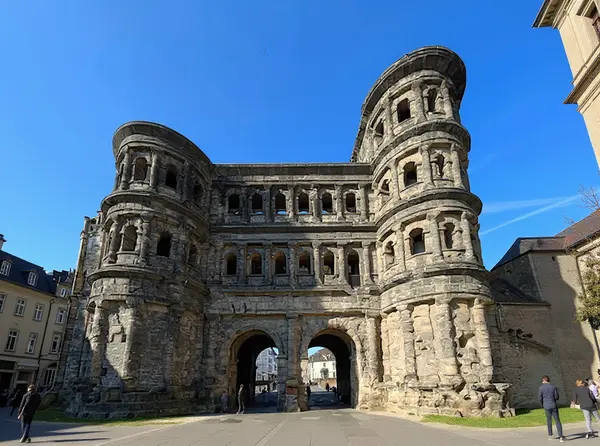
1. Porta Nigra
Gerbang Romawi spektakuler yang menunjukkan masa kekaisaran Trier. Berjalan melewati lengkungan tinggi, naik ke tingkat atas, dan lihat kota dari benteng batu kuno.
Fakta cepat: Anda dapat melihat balok-balok besar batu pasir abu-abu yang membentuk gerbang kota Romawi terbesar di utara Pegunungan Alpen, strukturnya menjulang hingga sekitar 30 meter. Di dalam salah satu menara, seorang pertapa bernama Simeon tinggal dan kemudian dimakamkan di sana, sebuah pemakaman yang mengubah tempat itu menjadi gereja ziarah selama sekitar 800 tahun.
Sorotan: Naiki tanjakan batu sempit dan rasakan batu pasir bergerigi di bawah kaki, batu asli Romawi yang masih diikat oleh penjepit besi yang dapat Anda telusuri dengan jari. Dalam kejutan abad pertengahan, seorang pertapa bernama Simeon dimakamkan di dalam satu ruangan dan makamnya menjadikan gerbang itu sebagai tempat ibadah selama sekitar 800 tahun, meninggalkan lapisan grafiti dan tanda devosional yang masih bisa dilihat pengunjung hingga hari ini.
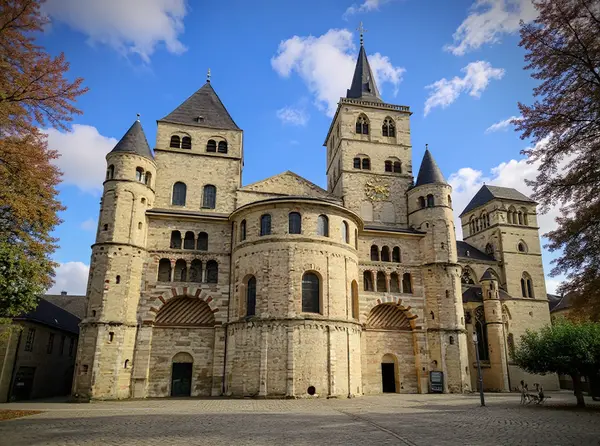
2. Trier Cathedral
Katedral tertua di Jerman, berlapis sejarah Romawi, abad pertengahan, dan barok. Jelajahi ruang utama yang menjulang, Perbendaharaan Kekaisaran, dan peninggalan Jubah Suci.
Fakta cepat: Lihatlah ke atas untuk melihat campuran gaya di mana pilar Romanesque yang berat bertemu dengan kubah Gotik yang ringan, sebuah tambal sulam yang mencerminkan perubahan selama berabad-abad. Sebuah relik terkenal, Jubah Suci, menarik para peziarah dan pengunjung yang penasaran ke ruang perbendaharaan dan kapel.
Sorotan: Menyusup ke kapel kecil utara dan Anda akan menemukan Jubah Suci yang disimpan dalam cahaya redup, anyaman kain yang samar-samar bergaris terlihat di balik kaca pelindung. Sebuah lentera tunggal menerangi jubah selama pertunjukan langka, dan banyak pengunjung mengatakan keheningan dan udara sejuk membuat detail jahitannya tampak hampir bersinar.
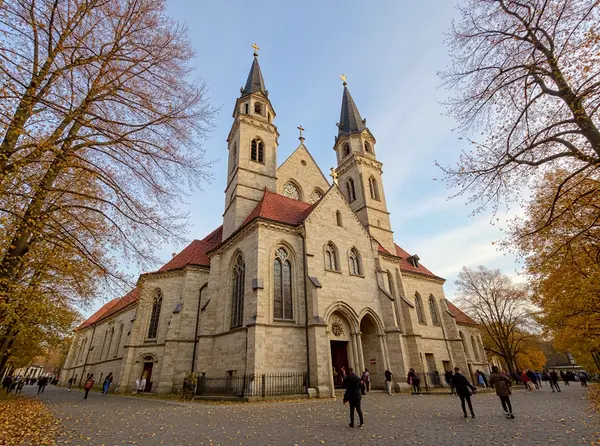
3. Church of Our Lady (Liebfrauenkirche)
Liebfrauenkirche
Gereja abad pertengahan terkenal yang memadukan kekokohan Romanesque dengan ketinggian Gotik. Berjalan di bawah batu berkubah, pelajari patung berusia berabad-abad, dan temukan taman biara yang tenang.
Fakta cepat: Salah satu gereja Gotik paling awal di utara Pegunungan Alpen, bangunan ini memadukan kekokohan Romanesque dengan kubah Gotik yang menjulang sehingga sinar matahari masuk melalui tracery dan mewarnai interiornya. Sebagai bagian integral dari ansambel Warisan Dunia UNESCO dengan monumen Romawi di sekitarnya, Anda dapat merasakan lebih dari seribu tahun sejarah berlapis ketika jejak kaki bergema di antara kapitel berukir dan batu nisan yang aus.
Sorotan: Masuk ke dalam dan sinar matahari sore sekitar pukul 3 sore mengalir melalui jendela tracery tinggi, memandikan kapitel berukir dan batu nisan yang sejuk dalam warna emas hangat dan biru tua. Pemandu lokal sering menunjukkan alur dangkal di pilar utara di mana penduduk kota telah menghaluskan batu dengan persembahan selama lebih dari 200 tahun, Anda dapat merasakan bagian yang dipoles di bawah ujung jari.
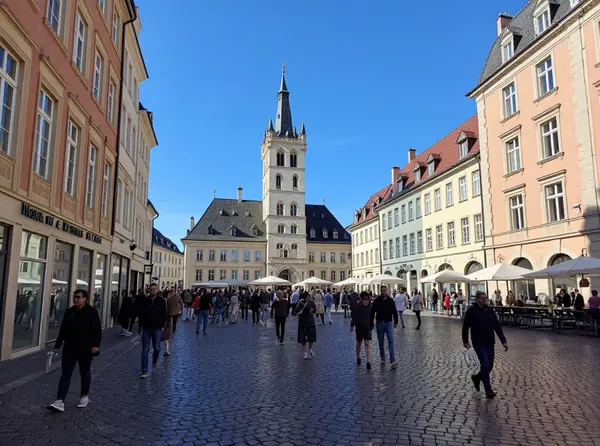
4. Hauptmarkt
Jantung pasar bersejarah Trier, ramai dengan pasar dan arsitektur abad pertengahan. Ada air mancur, rumah berwarna-warni dengan atap runcing, kafe luar ruangan, dan pasar petani Sabtu yang meriah.
Fakta cepat: Batu-batu bulat bergema dengan gemerincing gerobak pedagang dan percakapan, sementara kios warna-warni memenuhi udara terbuka dengan bunga, kerajinan tangan, dan gelas Riesling lokal. Sebuah air mancur pasar berpatina menambatkan ruang, menawarkan salah satu titik pertemuan favorit bagi penduduk dan fotografer yang menyukai siluet tebal saat golden hour.
Sorotan: Kelompok sekitar 100 kios kayu yang berkilau memenuhi alun-alun setiap musim dingin untuk pasar Natal, memenuhi udara dengan anggur yang dibumbui, kayu manis, dan kastanye panggang di bawah untaian lampu hangat. Jika Anda mengintip dasar air mancur, Anda dapat melihat tanda-tanda kecil tukang batu dan inisial terukir, daftar diam para pengrajin yang membentuk alun-alun, menangkap sinar matahari di celah-celah yang tak terduga.
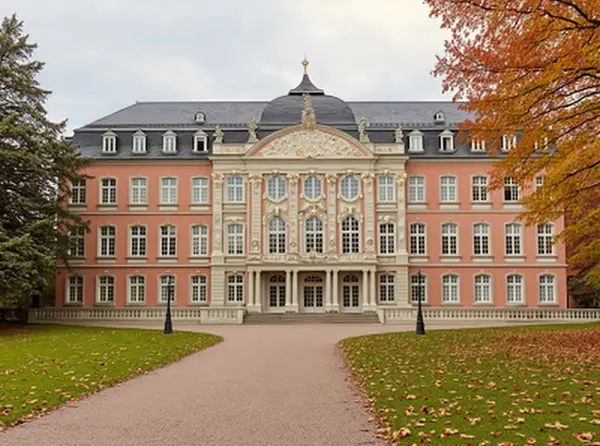
5. Electoral Palace (Kurfürstliches Palais)
Kurfürstliches Palais
Istana Barok elegan dengan taman formal rapi yang mencerminkan masa lalu aristokrat Trier. Berjalan di ruangan megah, foto fasadnya, lalu bersantai di dekat kolam pemantul.
Fakta cepat: Anda dapat berjalan di aula berkubah besar dengan langit-langit berlapis emas, di mana jejak kaki seremonial masih seakan bergema di batu. Kontras yang mengejutkan antara fondasi abad pertengahan dan ornamen Barok yang mencolok muncul di setiap sudut, dan taman yang terpencil menyediakan tempat yang tenang untuk duduk dan menyaksikan cahaya menyebar di atas batu tua.
Sorotan: Masuk ke ruang perjamuan utama dan Anda hampir bisa mencium bau lilin dan kulit jeruk, sebuah cerita lokal mengklaim bahwa Elektor Clemens Wenceslaus pernah menjadi tuan rumah sekitar 400 tamu untuk pesta topeng di sana. Carilah koridor kecil yang tersembunyi dengan 12 anak tangga batu yang aus, penduduk setempat mengatakan para pelajar biasa berlomba menuruni tangga itu pada hari-hari festival, ujung-ujungnya yang tergores masih berkilau di bawah kaki.
Where to Stay in Trier, Germany
Selected by City Buddy based on guest reviews and proximity to top attractions
Search all hotels in Trier, GermanyPowered by agoda
Hari buka di Trier, Germany
Objek wisata terbaik mana yang tutup pada hari apa dalam seminggu, hal klasik yang bisa merusak perjalanan, sudah kami cek untuk Anda.
Sabtu: 1 dari 4 objek wisata terbaik tutup, rencanakan kunjungan museum di hari lain.
Tutup pada Sabtu · 1 tutup, 3 buka
Hari buka dari Google Maps (diperiksa 2026-02-24). Hari libur nasional, pemogokan, dan jam musiman dapat berbeda, cek situs resmi sebelum pergi.
Hidangan manis tradisional
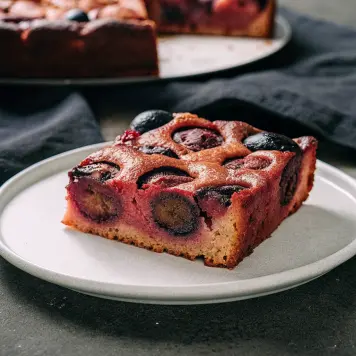
Quetschekuchen
A plum cake made with local damson plums, Quetschekuchen celebrates the Moselle harvest and is a seasonal favorite in Trier cafés and bakeries, especially in autumn.

Rheinischer Apfelkuchen
Rhenish apple cake, often spiced and served with whipped cream, is a homey, much-loved dessert found throughout Trier and the surrounding Rhineland-Palatinate region.

Dampfnudel with vanilla sauce
Steamed yeast dumplings served hot with vanilla sauce or fruit compote, Dampfnudeln are a comforting traditional dessert enjoyed at family meals and local festivals in the region.
Hidangan gurih tradisional
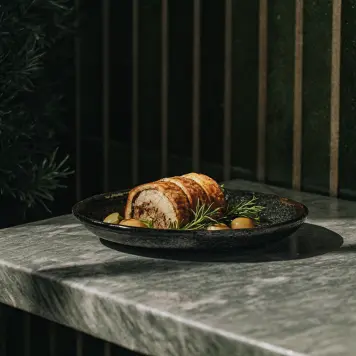
Saumagen
Originally from the Palatinate but widely eaten across Rhineland-Palatinate, Saumagen is a hearty stuffed pork-and-potato dish that became famous nationally and is still served in traditional Trier restaurants.

Himmel und Erde
Himmel und Erde, meaning Heaven and Earth, combines mashed potatoes and apple purée with blood sausage or fried bacon, offering a sweet and savory contrast typical of Rhineland cuisine and common in Trier.
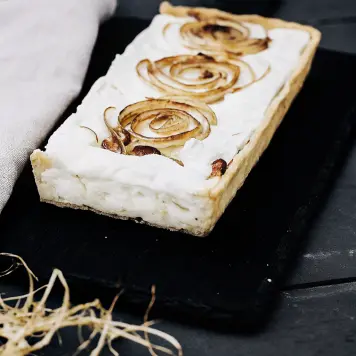
Zwiebelkuchen
Onion tart made with a yeasted or flaky crust topped with caramelized onions and bacon, Zwiebelkuchen is a staple at Moselle wine festivals and pairs perfectly with local new wine.
Minuman tradisional
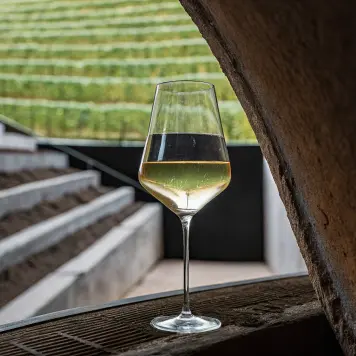
Mosel Riesling
Riesling from the Moselle is world-renowned, its crisp acidity and mineral notes come from steep slate terraces that define Trier's wine culture and seasonal festivals.

Federweißer
Federweißer is a young, partially fermented grape must available in autumn during the grape harvest, commonly enjoyed in Trier with savory pastries and at wine festivals.

Mosel Sekt
Locally produced sparkling wine, Mosel Sekt is the region's bubbly choice for celebrations and offers a fruit-driven, mineral character that reflects Trier's vineyards.
Ketahui sebelum berangkat
Biaya satu hari di Trier, dan penipuan yang harus dihindari
Pertanyaan yang Sering Diajukan tentang Trier, Germany
"Apakah Trier, Jerman aman untuk wisatawan?"
"Berapa hari yang sebaiknya saya habiskan di Trier, Jerman?"
"Kapan waktu terbaik untuk mengunjungi Trier, Jerman?"
"Apakah Trier, Jerman mahal untuk dikunjungi?"
"Bagaimana cara berkeliling di Trier, Jerman?"
Dapatkan PDF dengan atraksi paling populer dikirim ke email Anda
Dapatkan PDF dengan semua atraksi, penilaian, dan tips. Sempurna untuk digunakan secara offline.
Perjalanan sehari paling populer
Luxembourg City, Luxembourg
Grand Ducal Palace, Old Town, compact international capital.
Bernkastel-Kues (Mosel Valley), Germany
Picturesque wine village, half-timbered houses, river views.
Burg Eltz (Eltz Castle), Germany
Well-preserved medieval castle in a forested valley.
Koblenz and Deutsches Eck, Germany
Confluence of Mosel and Rhine, cable car to Ehrenbreitstein.
Saarbrücken, Germany
Regional capital with French influence, shops and museums.
Cara menuju ke sana
Stasiun kereta
Regional and Intercity services to Koblenz, Luxembourg, Saarbrücken and Cologne
From Luxembourg Airport take train or shuttle to Trier; from Hahn use airport bus; Trier Hbf is walkable from center.
Informasi berguna untuk Trier, Germany
Ikhtisar untuk Trier, Germany
Bandingkan Trier dengan destinasi lain
Harga, keamanan, cuaca, dan atraksi terbaik bersebelahan, lengkap dengan rekomendasi untuk setiap jenis wisatawan.
Ingin rencana harian untuk Trier, Germany? Buka perencana perjalanan
Kapan Anda akan ke Trier, Germany?
Pilih tanggal dan gaya perjalanan Anda untuk mendapatkan:
Apakah ada hal yang sangat penting bagi Anda?
Pilih semua yang sesuai
Transportasi
Bagaimana Anda ingin berpindah antar tempat?
Bahasa rencana: Bahasa Indonesia