 CityBuddy
 Bahasa Indonesia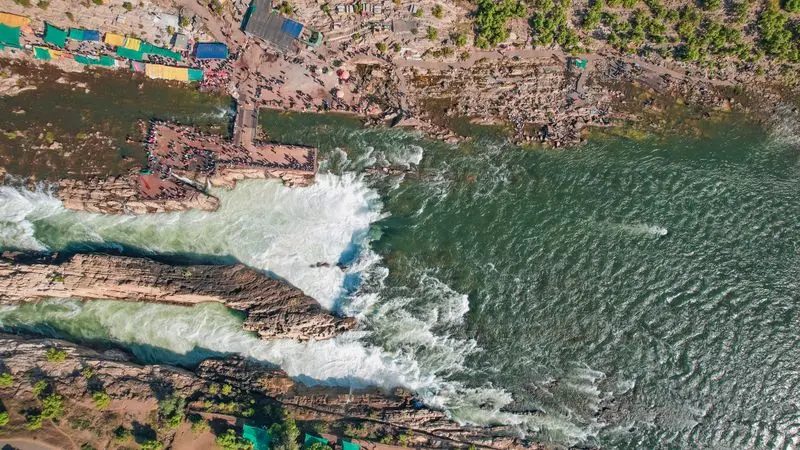
Hal yang Dapat Dilakukan di Jabalpur, India
Foto dibuat oleh Raghu Manda's di Pexels.com
Kapan berkunjung
Kapan Anda akan ke Jabalpur, India?
Pilih tanggal dan gaya perjalanan Anda untuk mendapatkan:
Apakah ada hal yang sangat penting bagi Anda?
Pilih semua yang sesuai
Getting around
How do you want to move between places?
Plan language: Bahasa IndonesiaAtraksi paling populer di Jabalpur, India
The top things to do in Jabalpur, India start at Bhedaghat, where the Narmada River carves through the 100-meter-tall Marble Rocks, a three-kilometer gorge of luminous white cliffs. Take a boat ride at sunrise, then cross the river to feel the thunderous spray of Dhuandhar Falls, which drops 30 meters into a churning pool.
1. Dhuandhar Falls
Feel the thunder of the Narmada as it crashes through a narrow marble gorge, throwing mist high into the air. You'll be drenched in spray, awe, and the sheer power of one of India's most dramatic natural spectacles.
Fakta cepat: The falls drop 30 meters in a dramatic cascade that sends up a thick smoky mist, which gives them their name. Around 100 meters wide at full flow, they carry the Narmada River's water at roughly 3,000 cubic meters per second during monsoon season.
Sorotan: Standing close to the rail bridge, you feel the spray on your face while the roar of the water vibrates through your chest, a sensation you can't get from the distant viewing platforms. Even in summer when the river thins, the falls still pulse with life, and the mist creates rainbows that dance across the gorge at golden hour.
2. Bhedaghat
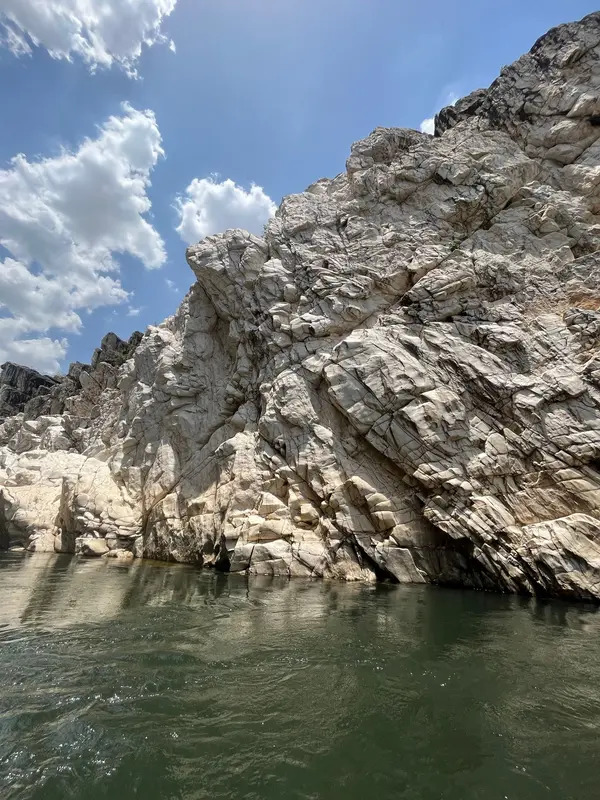
Boat through a 3-kilometer gorge where marble walls tower 100 feet above a glassy green river. Feel the spray and echo as your boatman navigates the twists, then watch the cliffs catch fire at sunset.
Fakta cepat: The Narmada River narrows into a 3-kilometer gorge here, with marble walls rising up to 100 feet on either side. Weathering and mineral deposits have stained these cliffs in shades of white, pink, and grey, and the water glows an emerald green when sunlight hits it.
Sorotan: During the full moon, the marble cliffs reflect the moonlight so strongly that the entire gorge glows silver, and local boatmen row visitors down the river in absolute silence to take it all in. That lunar reflection has drawn poets and photographers here for over a century, and the experience is completely different from the daytime boat ride.
3. Marble Rocks
Drift between gleaming marble cliffs on a wooden boat while the Narmada roars below. You'll feel the spray, hear the echoes, and watch the stone change color with every passing hour.
Fakta cepat: These 100-meter-tall banded marble cliffs squeeze the Narmada River into a 3-kilometer gorge where the water churns through a narrow pass. Over 300 million years old, the rock face shifts color from deep amber at sunrise to cool silver under the full moon.
Sorotan: The Dhuandhar Falls at the gorge's exit throws up a constant spray that locals call "smoke mist," and you can hear the rumble from nearly a kilometer away before you even see the water. On full moon nights, boatmen steer visitors through the canyon while moonlight bounces off the white marble walls, turning the whole passage into a lantern-lit corridor.
4. Madan Mahal Fort
A short climb puts you on top of an ancient hilltop fortress with stunning city views. Feel the old stone, trace the ruined walls, and watch the sun sink over the plains.
Fakta cepat: Perched on a granite hilltop roughly 500 meters above the city, this fortified outpost once guarded the trade routes between the great Gond and Mughal empires. Its surviving ramparts and gateways date back centuries, and the climb rewards you with a full 360-degree sweep of the surrounding landscape.
Sorotan: On a clear day, you can spot the distant blue haze of the Narmada River winding through the plains below, a view that made this perch strategically priceless for generations of rulers. Stand where the old signal fires would have been lit, and imagine how news could travel from here to far-off forts in minutes, not days.
5. Rani Durgavati Museum
Step into a treasure house of Gond warrior legacy and prehistoric fossils. Wander halls filled with ancient sculptures, tribal art, and 40-million-year-old petrified trees.
Fakta cepat: Housing over 10,000 artifacts, this museum is named after the 16th-century Gond queen who died defending her kingdom. Its standout collections include prehistoric fossilized tree trunks and a 60,000-year-old fossil of a human ancestor.
Sorotan: The fossilized tree trunks here are so massive and perfectly preserved that you can count the annual growth rings, some dating back 40 million years. One hall holds a complete fossilized skeleton of a dinosaur-era crocodile that looks like it could snap its jaws shut at any moment.
6. Tilwara Ghat
Watch the Narmada rise and fall with the seasons from a staircase that disappears under the water every monsoon. Wade, picnic, and catch the evening aarti as the river shimmers at your feet.
Fakta cepat: When the Narmada River drops its full flow each March, the exposed stone stairs here transform into a massive open-air washbasin where hundreds gather to rinse clothes, soak in the shallows, and picnic on the rocks. During the monsoon, the same steps vanish entirely under the swollen river, only reappearing as the water retreats, a rhythm that has marked local life for generations.
Sorotan: After an evening aarti, families lower marigold garlands strung with diyas onto the water, and the riverbank glows in slow-moving chains of hundreds of tiny flames. What makes this different from any other riverbank is the sheer scale of exposed rock; in the dry season you can walk a kilometer out onto sun-baked platforms that are completely underwater just months earlier.
7. Bargi Dam
Watch water roar over a 100-foot spillway and feel the spray on your face. Wander scenic viewpoints, spot migratory birds, and end with a golden-hour picnic by the shore.
Fakta cepat: Stretching over 26,000 hectares, this reservoir ranks among India's largest artificial lakes and supplies drinking water to Jabalpur's 1.5 million residents. The dam generates 495 MW of hydropower while also irrigating roughly 1,580 square kilometers of farmland downstream.
Sorotan: During the monsoon, the spillway erupts into a wall of white thunder, flinging spray that coats the surrounding hills like morning mist. Local families make a ritual of picnicking on the stepped embankment as the sun sinks, casting the entire reservoir into a molten copper glow.
8. Balancing Rock
Watch a 600-tonne boulder defy every law of physics you've ever trusted. Stand at its base, feel the tremble, and walk away questioning how on earth it stays put.
Fakta cepat: Formasi granit ini berbobot sekitar 600 ton namun bertumpu pada dasar yang nyaris seukuran koin, menciptakan pemandangan yang menantang gravitasi. Kekuatan angin dan hujan mengukir keajaiban alam ini selama jutaan tahun, dan penduduk setempat mengklaim batu ini sedikit bergoyang saat badai.
Sorotan: Letakkan ujung jari Anda di dasar batu dan Anda bisa merasakan batu bergetar sangat halus saat angin bertiup kencang, sensasi yang membuat seluruh benda ini terasa hidup. Para insinyur telah mengukur titik kontaknya hanya beberapa inci persegi, yang berarti batu raksasa ini seimbang di atas area permukaan yang lebih kecil dari telapak tangan Anda.
9. Chaunsath Yogini Temple
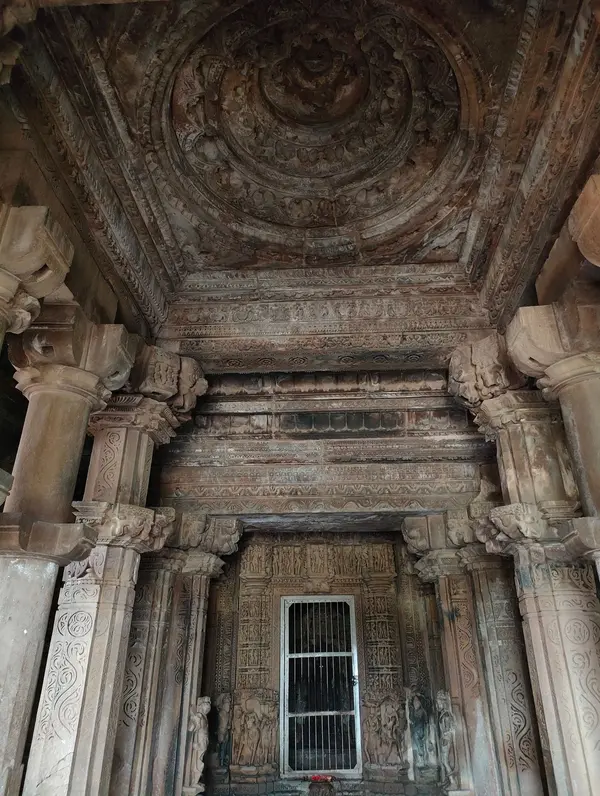
Step into one of only a handful of surviving Yogini temples in India, and lose yourself among 64 carved goddesses. You'll walk a circular stone gallery with open skies overhead and the Narmada river haze on the horizon.
Fakta cepat: This circular temple houses 64 stone goddesses arranged in a perfect ring around a central shrine, each with its own unique expression and pose. Legend says the temple was built in a single night, and the central shrine was once topped with a conical roof before a British official dismantled it in the 1800s.
Sorotan: Walk the inner ring and you'll pass all 64 Yoginis, each carved from local granite with faces so individual they feel like portraits of real women, not repetitive idols. The roof is completely open to the sky, so on a clear night you can stand at the center and see stars framed by the ancient stone circle above you.
10. Gwarighat
Watch centuries of devotion play out on sacred stone steps beside the Narmada. Feel the energy of morning prayers, holy dips, and riverside rituals that haven't changed for generations.
Fakta cepat: Lebih dari satu abad sejarah, tempat suci di tepi sungai ini menarik ribuan peziarah setiap pagi untuk mandi ritual. Anak tangga batu ini membentang di sepanjang Sungai Narmada, salah satu perairan paling suci di India, dengan tangga batu yang diukir untuk para pemuja.
Sorotan: Saat fajar, tepian sungai berubah menjadi pusaran jubah safron, lampu kuningan, dan para pendeta yang melantunkan doa, yang telah melayani tempat ini selama beberapa generasi. Saksikan upacara aarti ketika puluhan lampu minyak diangkat dalam gerakan terkoordinasi, memancarkan cahaya berkelip di permukaan air sementara lonceng kuil berbunyi.
Where to Stay in Jabalpur, India
Selected by City Buddy based on guest reviews and proximity to top attractions
Search all hotels in Jabalpur, IndiaPowered by agoda
Hidangan manis tradisional
Kalakand
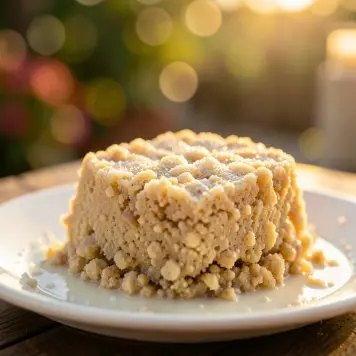
Kalakand is a dense, milk-based fudge that is a beloved specialty of Jabalpur. It is made by slowly reducing milk and paneer with sugar until it forms a rich, grainy-textured sweet.
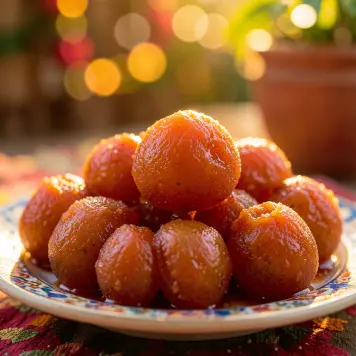
Gulab Jamun
These soft, syrupy balls made from khoya are a festival staple across Jabalpur. The name literally translates to "rose berry," referring to their rose-scented sugar syrup.

Jalebi
Jalebi is a crispy, spiraled sweet soaked in saffron syrup that is immensely popular in Jabalpur. Locals love eating them hot with a glass of milk during winter mornings.
Hidangan gurih tradisional
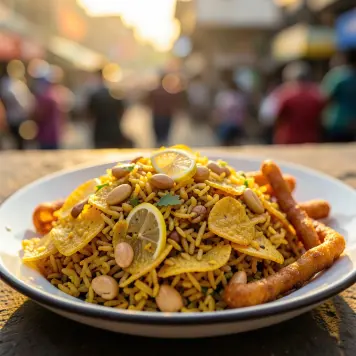
Poha Jalebi
While jalebi is a sweet, the savory poha made with flattened rice, turmeric, peanuts, and lemon is the signature street breakfast of Jabalpur. It is often served alongside jalebi for a sweet and spicy contrast.

Bedai
Bedai is a deep-fried, spiced lentil-stuffed bread that is a classic Jabalpur breakfast item. It is typically served with tangy aloo sabzi and spicy chutney.

Samosa
The Jabalpur-style samosa is famous for its flaky, golden crust and generously spiced potato and pea filling. Street vendors across the city serve them piping hot with mint and tamarind chutneys.
Minuman tradisional

Lassi
Thick, creamy lassi made from curd is a refreshing favorite in Jabalpur, especially during the hot summer months. It is often topped with a dollop of malai and a sprinkle of cardamom.

Shikanji
Shikanji is a spiced lemonade made with black salt, roasted cumin, and mint that is a beloved roadside cooler in Jabalpur. It is known for its tangy and refreshing kick in the intense heat.
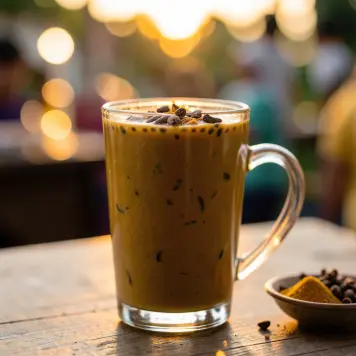
Masala Chai
Masala chai, brewed with ginger, cardamom, and cloves, is the daily ritual drink across Jabalpur. Every tea stall has its own secret spice blend, making each cup a unique local experience.
Frequently Asked Questions about Jabalpur, India
Is Jabalpur, India safe for tourists?
How many days in Jabalpur, India are enough?
What is the best time to visit Jabalpur, India?
Is Jabalpur, India expensive to visit?
How to get around Jabalpur, India?
Dapatkan PDF dengan atraksi paling populer dikirim ke email Anda
Dapatkan PDF dengan semua atraksi, penilaian, dan tips. Sempurna untuk digunakan secara offline.
Perjalanan sehari paling populer
Bandhavgarh National Park
Renowned tiger reserve with rich wildlife and ancient fort
Kanha National Park
One of India's largest tiger reserves with lush sal forests
Pench National Park
Scenic wildlife sanctuary inspired by Kipling's Jungle Book
Dhuandhar Falls
Powerful waterfall on Narmada River surrounded by marble cliffs
Cara menuju ke sana
Bandara
Stasiun kereta
Mumbai-Howrah main line, Delhi-Chennai via Bhopal
Local and regional routes, Satpura lines
From Dumna Airport, take a prepaid taxi or auto rickshaw to the city center in about 25 minutes. Jabalpur Junction is well connected by direct trains from major cities across India.
Cari penerbangan ke Jabalpur, India
Klik untuk mendapatkan eSim untuk Jabalpur, India
Cara termudah dan paling terjangkau untuk mendapatkan internet seluler di mana pun Anda bepergian.
Komentar (9)
Went for the Dhuandhar falls but honestly the whole drive around the area was the best part. Lots of scenic spots you'd never find on the map.
Food was surprisingly good, lots of local stalls near the ghats serving proper street food. Just watch the spice level, my mouth was on fire for hours.
December weather is perfect for sightseeing, cool mornings and warm afternoons. Just bring layers because it gets chilly by the river at night.
Skip the fancy restaurants near the station, walk towards Gorakhpur chowk and eat at the small stalls there. Half the price and double the taste.
Came in summer and big mistake, it was brutally hot. The Narmada was low and the whole place felt dusty. Should've checked the season.