 CityBuddy
 Bahasa Indonesia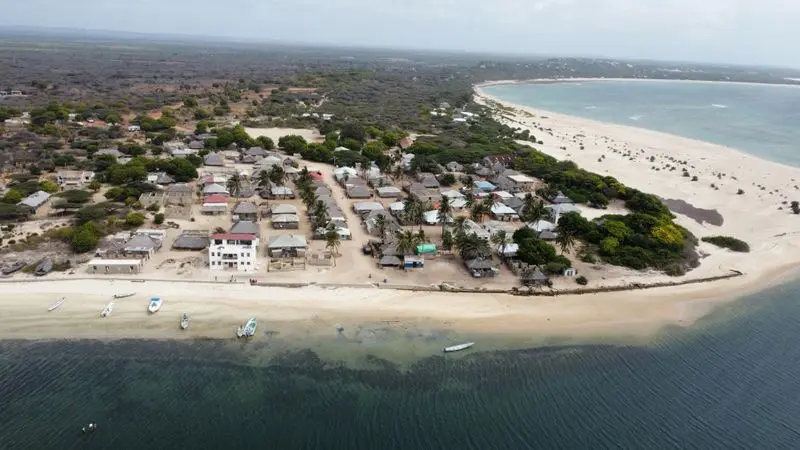
Hal yang Dapat Dilakukan di Lamu, Kenya
Foto dibuat oleh ATHUMAN KOMORA GARISSE di Pexels.com
Kapan berkunjung
Kapan Anda akan ke Lamu, Kenya?
Pilih tanggal dan gaya perjalanan Anda untuk mendapatkan:
Apakah ada hal yang sangat penting bagi Anda?
Pilih semua yang sesuai
Getting around
How do you want to move between places?
Plan language: Bahasa IndonesiaAtraksi paling populer di Lamu, Kenya
For the best things to do in Lamu, Kenya, start by wandering Lamu Old Town's winding eleventh-century lanes. Climb Lamu Fort's coral-stone ramparts, built in the 1820s, where you can count the island's whitewashed rooftops. Visit Swahili House Museum to see four centuries of Zanzibar doorway carvings, then end at Riyadha Mosque.
1. Lamu Old Town
Savor centuries of Swahili life in a place where time moves at donkey pace. Wander through carved doorways, spice-scented markets, and rooftop cafés looking over the harbor.
Fakta cepat: Roughly 3,000 donkeys serve as the only transport through lanes too narrow for any vehicle. Nearly three-quarters of its coral stone buildings predate 1800, and the intricately carved wooden doors record each family's history and status.
Sorotan: Around late November, the whole waterfront turns into a festival ground where dhow races, donkey races, and henna contests unfold against the turquoise channel. The real secret is wandering the winding alleys at dusk, when cardamom coffee and the call to prayer drift out of doorways carved more than two centuries ago.
2. Lamu Fort
Coral ramparts that once guarded a shoreline now hold a cool, echoing courtyard museum. Mount the staircase to a rooftop where dhows drift across the channel and the old town glows below.
Fakta cepat: Rising from the island's war-torn past, the massive coral stone stronghold took nearly a decade to raise and doubled as a working prison well into the 1980s. Inmates once scratched their names and dates into the walls, and those etchings now sit beside restored museum rooms and a research library.
Sorotan: Climb the rooftop for the real payoff: the sweep of flat rooftops and dhows sliding across the channel, with the call to prayer drifting up from the Old Town below. Down in the courtyard, press close to the coral blocks where former prisoners carved their names and tallies, a dusty human ledger hidden in plain sight.
3. Lamu Museum
Step inside where 700 years of Swahili seafaring, carved doors, and silver treasures tell the island's trading story. You'll wander arched coral halls, circle a full-size dhow, and leave feeling the pulse of the Indian Ocean.
Fakta cepat: Seven centuries of Swahili seafaring unfold across two floors, from ancient trade coins to a full-scale dhow you can circle on foot. Rare silver anklets, ceremonial chairs, and a giant brass astrolabe sit beside exhibits tracing Omani, Portuguese, and Chinese trading ties.
Sorotan: One display case holds a 400-year-old ceremonial horn carved from a single elephant tusk, its surface etched with verses from the Quran. Local boat builders sewed the centerpiece dhow together using coconut fiber rope and cedar planks, a technique still passed down among island shipwrights today.
4. Swahili House Museum
Step inside a 1700s merchant home frozen in time, carved doors and clay lamps intact. Climb dark timber stairs, then watch dhows glide past from a rooftop with 300 years of sea views.
Fakta cepat: Climbing three stories of coral stone and mangrove timber, you'll find carved lattice screens, lime-plastered walls, and furnishings that look lived-in more than three centuries after they were first used. Donkeys clip-clop along the alley outside while the rooftop baraza still serves up the same sweeping harbor view that generations of merchant families enjoyed.
Sorotan: Look for the scallop-edged plaster niches in the sitting room, where the merchant family once displayed imported Chinese porcelain to broadcast their trading wealth. The central courtyard shoots light and sound up through all three floors at once, so a single voice below genuinely reached everyone in the house.
5. Riyadha Mosque
Hear centuries-old chants echo off coral stone walls in a mosque that still teaches daily. Come for Maulid when thousands of pilgrims flood the courtyard in white robes.
Fakta cepat: Hampir 5.000 peziarah berdesakan melewati gang-gang sempit setiap Maulid untuk berdoa dan berzikir di sini, memperkuat peran masjid ini sebagai pusat ziarah. Seorang ulama Yaman bernama Habib Salih mengubah rumah ibadah di lingkungan ini menjadi sekolah teologi Islam paling dihormati di Afrika Timur pada awal tahun 1900-an.
Sorotan: Festival Maulid di sini mengubah tengah malam menjadi teater: perahu-perahu dhow bermandi cahaya obor meluncur di sepanjang tepi air sementara ribuan peziarah berjubah putih mengalir ke halaman, suara mereka meninggi dalam puji-pujian berirama. Warga lama bertengger di atap-atap rumah tetangga dan menaburkan kelopak mawar serta manisan ke arah prosesi di bawah, sebuah tradisi yang telah berlangsung turun-temurun.
6. Shela Beach
Two kilometers of powder-soft sand stretch from the old stone town down to a climbable dune. Expect hare-thin crowds, dhow sails drifting by, and water warm enough to wade in by dawn.
Fakta cepat: Low tide can push the shoreline back by hundreds of meters, exposing rippled sand flats scattered with intact cowrie shells. Roughly 3,000 donkeys shuttle everything across this car-free island, so the beach soundtrack is hoofbeats, prayer calls, and creaking dhow masts.
Sorotan: About a 25-minute barefoot walk from the village, the beach ends in a pale dune locals have always called "the mountain of sand, and climbing its 30-meter face rewards you with a full view of the channel. On calm, windless mornings, green turtles surface right in the shallows beside the moored dhows, close enough that you can hear the exhale of their surfacing breaths.
7. Takwa Ruins
Stand where a whole town vanished in the 1700s, leaving coral walls and a 10-meter pillar tomb behind. You'll wander silent passageways and a mosque quiet for centuries.
Fakta cepat: Four centuries of sea spray and monsoon rain have left the coral-block walls of this abandoned Swahili town remarkably intact. A lone pillar tomb still rises 10 meters over the empty streets, marking the Friday Mosque whose mihrab keeps traces of 16th-century paint.
Sorotan: A single block of fossil coral was carved into the mosque's mihrab, complete with fluted niches and a hand-painted medallion that survived the abandonment. Rumor says the town's residents left a prophecy that it would flourish again only when white birds returned, and today herons nest exactly where the old well ran dry.
8. Lamu Donkey Sanctuary
Watch hardworking donkeys get free veterinary care in the middle of a car-free town. Bell-ringing feeding sessions, gentle patients, and the good feeling that your visit saves lives.
Fakta cepat: Roughly 3,000 donkeys haul water, goods, and people through the car-free old town, and every single one gets free veterinary care when it needs it. The shelter treats around 60 in-patients at a time, from cracked hooves to nasty saddle sores, then sends them back to work fully healed.
Sorotan: Every donkey wears a bell that clinks a soft soundtrack through the narrow lanes, and in the sandy yard you'll spot pens painted with each patient's hand-written name. Owners can't take a recovering donkey back to heavy street work until a vet gives the all-clear, a rule that has saved thousands of animals from being overworked.
9. Pate Island
East Africa's oldest Swahili port thrums with dhow builders and brass inlayers. Wander coral-stone ruins, then sip spiced tea while elders recite 300-year-old poetry.
Fakta cepat: Roughly two dozen scattered villages remain on this low-lying island, though the old town ruins still show traces of a 700-year-old sultanate that traded gold, ivory, and ambergris. A poem written here in 1728, Utendi wa Tambuka, survives as the oldest known Swahili literary work, and locals still speak Kipate, an ancient dialect some linguists link to the language's earliest form.
Sorotan: Old stone houses still wear brass-studded doors hammered by craftsmen whose trade grew out of salvaging Portuguese shipwrecks, and finished trays leave the island on dhows bound for Kenya's coast cities. Elders also point to Ming-era coins and porcelain dug up near the ruins, backed by a local legend that a Chinese fleet anchored here in the 1400s and left behind sailors who intermarried into the villages.
10. Siyu Fort
Scan the sea from a rooftop where sultans once watched for enemies. Climb worn stone steps and gaze across turquoise channels from cannon-warmed walls.
Fakta cepat: Blocks of fossilized coral cut from the reef and bound with lime mortar stack into walls up to 4 meters thick. A narrow staircase of roughly 100 steps climbs through three storeys to rooftop gun positions overlooking the channel.
Sorotan: Locals whisper about a fortune walled up inside the tower by a former owner, and guides say a faint drumming stirs from within on still nights. The original double-leaf entrance door, a two-meter slab of mangrove wood studded with bronze and carved with Arabic script, still swings in the same stone frame.
Where to Stay in Lamu, Kenya
Selected by City Buddy based on guest reviews and proximity to top attractions
Search all hotels in Lamu, KenyaPowered by agoda
Hidangan gurih tradisional
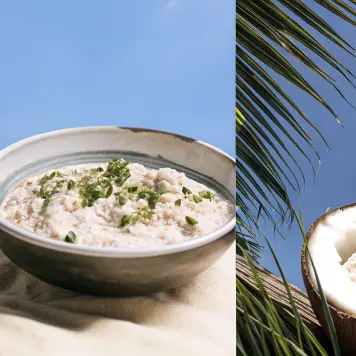
Wali wa Naz
Wali wa nazi is coconut rice where rice is slowly simmered in rich coconut milk and spices until it is creamy and fragrant. In Lamu it is the essential base for almost every seafood meal and is eaten with both hands in the traditional Swahili style.
Minuman tradisional

Kahawa ya Tangawizi
Kahawa ya tangawizi is a Swahili coffee brewed with fresh ginger and cardamom, and in Lamu it is traditionally served in small Chinese porcelain cups called finjans. It is a ritual drink that marks hospitality and is often offered to guests at important gatherings.

Stoney Tangawizi
Stoney Tangawizi is a fizzy ginger ale that has become the unofficial soda of the Kenyan coast, and on Lamu it is often mixed with fresh lime and served ice cold from the waterfront cafes. Its sharp ginger kick pairs perfectly with the island's spicy Swahili dishes.

Chai ya Maziwa
Chai ya maziwa is a comforting milk tea spiced with cardamom, ginger, and cloves that Lamu families sip slowly with breakfast. In the dhow-making neighborhoods, cups of this sweet tea are shared for hours during afternoon conversations.
Frequently Asked Questions about Lamu, Kenya
Is Lamu, Kenya safe?
How many days in Lamu, Kenya?
Best time to visit Lamu, Kenya?
Is Lamu, Kenya expensive?
How to get around Lamu, Kenya?
Dapatkan PDF dengan atraksi paling populer dikirim ke email Anda
Dapatkan PDF dengan semua atraksi, penilaian, dan tips. Sempurna untuk digunakan secara offline.
Perjalanan sehari paling populer
Shela Beach and Village
Beautiful white sand beach with boutique hotels and seafood restaurants
Manda Island and Takwa Ruins
UNESCO listed Swahili ruins amid forest, dunes, and calm beaches
Matondoni Village
Traditional dhow building village where wooden boats are still crafted by hand
Pate Island and Siyu Fort
Historic Swahili island with Siyu Fort and ancient mosques
Kiwayu and Kiunga Marine Reserve
Secluded reef and island paradise ideal for snorkeling and dolphin spotting
Cara menuju ke sana
Bandara
Stasiun kereta
Mombasa to Nairobi standard gauge railway
Mombasa to Nairobi railway line
Fly to Manda Airport then take a 15 minute boat across the channel. By road, take a bus to Mokowe jetty and transfer by boat into Lamu town.
Cari penerbangan ke Lamu, Kenya
Klik untuk mendapatkan eSim untuk Lamu, Kenya
Cara termudah dan paling terjangkau untuk mendapatkan internet seluler di mana pun Anda bepergian.
Komentar (10)
Honestly the heat in March was rough, no AC in our guesthouse and power cuts at night. Cool vibe but bring a portable fan or book a place with solar
Skip the restaurants facing the main square, walk two blocks inland and eat where the locals eat. Same fish, half the price, double the portion
Half the charm is getting lost in the old town, every corner has a carved door. Got a bit tired of being asked to buy tours though
If you come during the Lamu Cultural Festival in December the island is packed, fun but book your stay months ahead or youll sleep on a rooftop
The museum is small but worth an hour, the real highlight was just wandering the waterfront at sunset watching dhows come in