 CityBuddy
 Italiano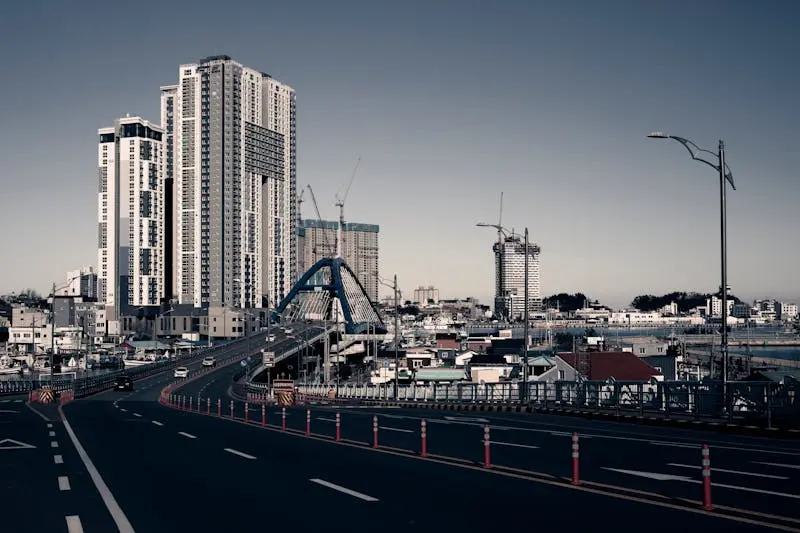
Cosa fare a Sokcho, South Korea
Foto di 정규송 Nui MALAMA su Pexels.com
Quando visitare
Quando andrai a Sokcho, South Korea?
Scegli le date e lo stile di viaggio per ottenere:
Qualcosa di particolarmente importante per te?
Seleziona tutto ciò che si applica
Plan language: ItalianoAttrazioni più popolari a Sokcho, South Korea
If you are looking for things to do in Sokcho, South Korea, start by climbing to the top of Ulsanbawi Rock in Seoraksan National Park, where you can enjoy panoramic views of the East Sea. Take a walk along the 300-meter pier in Abai Village, try the local squid at Sokcho Beach, and admire the sunset at Yeonggeumjeong Pavilion.
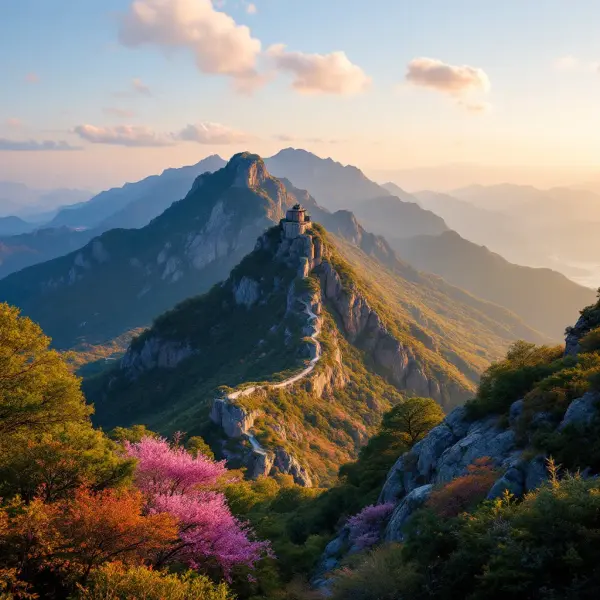
1. Seoraksan National Park
Vertiginous granite peaks and waterfalls where the air smells of pine and the salt of the Sea of Japan. Walk across suspension bridges among the clouds and touch the 400-year-old cedars that have outlived dynasties.
Fatti rapidi: Rocky peaks soar up to 1708 meters, and in spring the slopes are immersed in purple blooms of rhododendrons. Every year, more than 3 million travelers come here to see the granite cliffs covered in dense forests.
Punti salienti: At dawn, clouds hang between the granite peaks in the shape of dragons, as the locals say. This is where the oldest Buddhist temple, Sinheungsa, founded in 652, is located, and inside there is an 80-meter bronze Buddha statue.
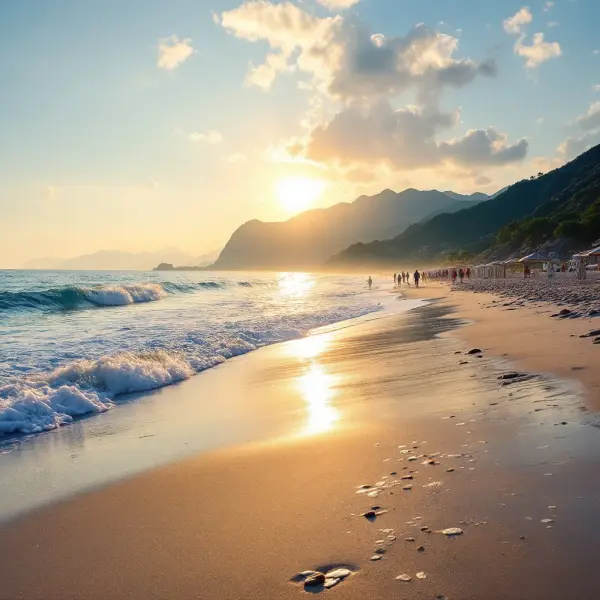
2. Sokcho Beach
The best city beach on the east coast with soft sand and scenic pine trees. Dip into the warm sea, grab a bite of the freshest seafood on the promenade, and watch the sunset from a café table.
Fatti rapidi: La sabbia bianca e fine si estende per 1,5 chilometri lungo la costa del Mar Orientale. Le onde sono piuttosto calme e l'acqua si riscalda fino a comodi 24 gradi entro metà luglio.
Punti salienti: La mattina presto, prima dell'arrivo dei primi bagnanti, si possono vedere i pescatori locali che tirano a mano le reti con il pesce appena pescato, che si può acquistare sul posto. Una pineta a soli 50 metri dall'acqua offre un'ombra fitta, e l'odore degli aghi di pino si mescola alla brezza salmastra: un bouquet unico che non si trova in altre spiagge.
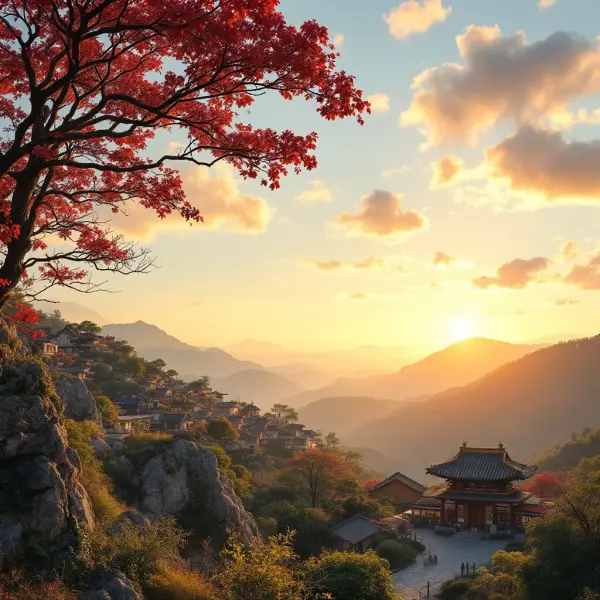
3. Abai Village
Step into living history where time stopped in the 1950s. Stroll along narrow streets, try homemade pies, and listen to stories from grandmothers who remember the war.
Fatti rapidi: A soli 20 minuti di auto dal centro di Sokcho, questo luogo ricorda la vita dei profughi nordcoreani che qui trovarono rifugio durante la Guerra di Corea. Il villaggio conta circa 50 case, molte delle quali ancora oggi servono come abitazioni per gli anziani sfollati e i loro discendenti.
Punti salienti: L'esposizione più insolita è un vecchio altoparlante sul pendio della collina, attraverso il quale un tempo veniva trasmessa la propaganda alla Corea del Nord, e si può ancora ascoltare la registrazione della voce dell'annunciatore di quegli anni. Ogni autunno gli abitanti del luogo organizzano una fiera improvvisata con piatti preparati secondo ricette di oltre 60 anni fa.

4. Sokcho Lighthouse Observatory
The only lighthouse in Korea where you can go up and see both the sea and the mountains. Here you will walk on a glass floor above the waves and see where Seoraksan meets the East Sea.
Fatti rapidi: С высоты 56 метров открывается панорама, охватывающая Восточное море, город Сокчо и даже пик Сораксан в ясную погоду. Маяк был построен не просто как навигационный ориентир, а как часть большого портового комплекса, и сегодня он соединен с живописным деревянным променадом вдоль побережья.
Punti salienti: Стеклянный пол на смотровой площадке заставляет сердце пропустить удар: под ногами в 30 метрах бьются волны, а ветер гулко задувает сквозь металлическую решетку. По вечерам маяк вспыхивает 5-секундными лучами сине-белого света, и местные рыбаки до сих пор сверяют по нему свой курс, традиция, которой больше 50 лет.
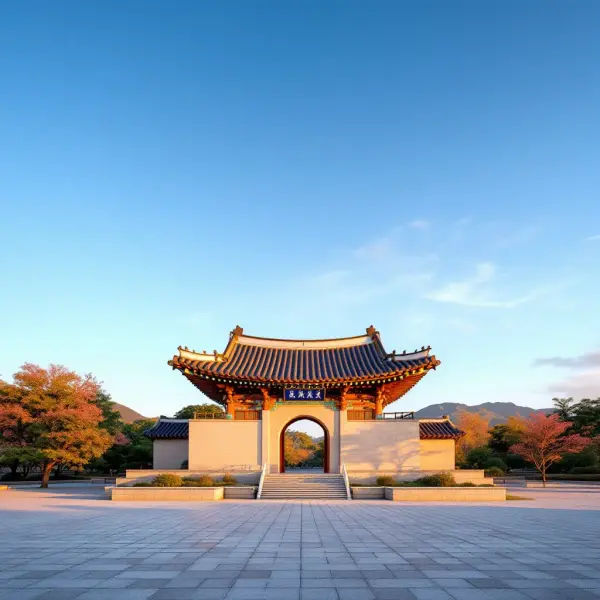
5. Yeonggeumjeong Pavilion
A pavilion over the sea where wind and waves create a natural symphony. Feel the salty spray on your face and watch fishing boats enter Sokcho port.
Fatti rapidi: Il Padiglione Yeonggeumjeong si trova su una scogliera rocciosa proprio sopra il Mar del Giappone, con le onde che si infrangono sulle rocce 20 metri più in basso. Da una piccola piattaforma panoramica si gode la vista di tre pittoresche spiagge di Sokcho e del porto con le barche da pesca.
Punti salienti: Con il vento, qui si può sentire un accompagnamento "musicale" naturale: il vento che fischia tra le colonne del padiglione si mescola al fragore delle onde sottostanti. I rami dei pini costieri che crescono direttamente dalle rocce si piegano e si sdraiano quasi orizzontalmente: uno spettacolo che ricorda una scena di un vecchio film coreano.
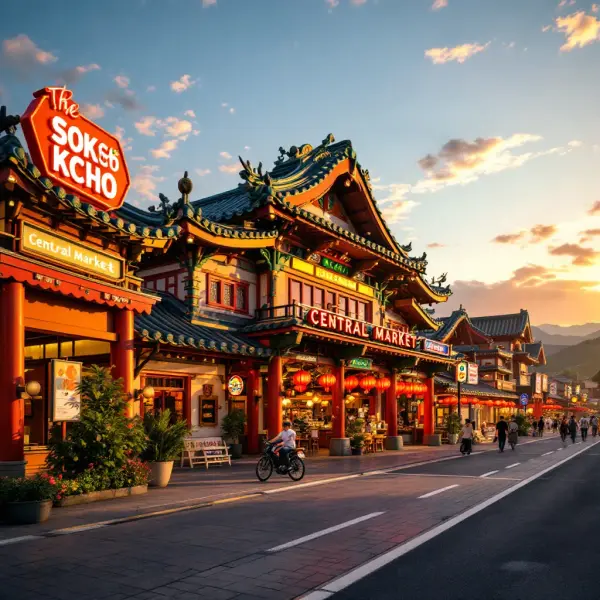
6. Sokcho Central Market
The main gastronomic nerve of Sokcho, where seafood is sold right off the boats. Walk through the rows, try hwe sashimi and sweet rice cakes, and you will discover the true taste of the city.
Fatti rapidi: Ogni giorno passano circa 30.000 persone attraverso il Mercato Centrale di Sokcho, specialmente durante la stagione del pesce fresco. Qui puoi assaggiare il hwe, il sashimi coreano, direttamente al volo, acquistandolo dai pescatori che sono appena tornati con il pescato mattutino.
Punti salienti: Nel vicolo dietro la fila del pesce si nasconde una minuscola via del hwe, dove per 15.000 won ti tagliano il sashimi direttamente su una cassetta di polistirolo, e accanto friggono subito gli scarti di pesce sui carboni. I locali lo chiamano "sashimi dei poveri", ma per qualità di freschezza non è inferiore ai ristoranti costosi.
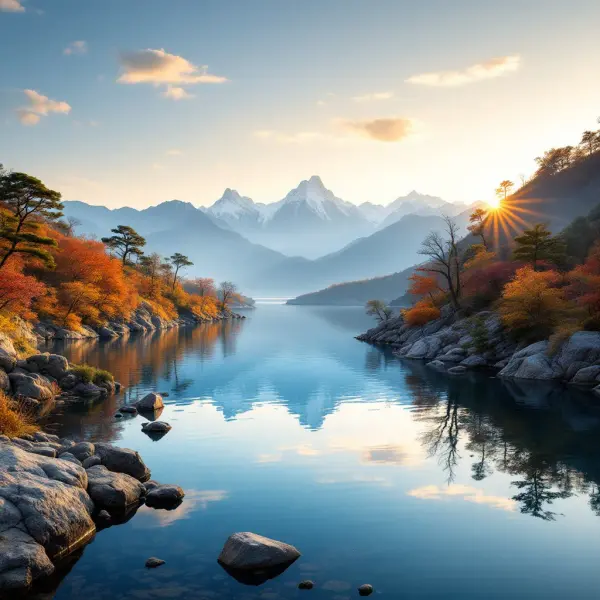
7. Cheongcho Lake
A mirror-like surface among granite cliffs looks like a scene from a fantasy film. Walk along the wooden boardwalk and see the mountains reflected in the turquoise water.
Fatti rapidi: Il lago è circondato da rocce dalle forme bizzarre e l'acqua cambia colore dal verde smeraldo al turchese a seconda dell'illuminazione. Ogni anno circa 1,5 milioni di turisti vengono qui per percorrere le passerelle di legno lungo la riva e ammirare il riflesso delle montagne.
Punti salienti: Quando non c'è vento, la superficie del lago si trasforma in uno specchio perfetto, dove le creste delle montagne si riflettono con precisione fotografica. Al mattino presto, quando la nebbia si stende sull'acqua, sembra che le rocce fluttuino nell'aria.
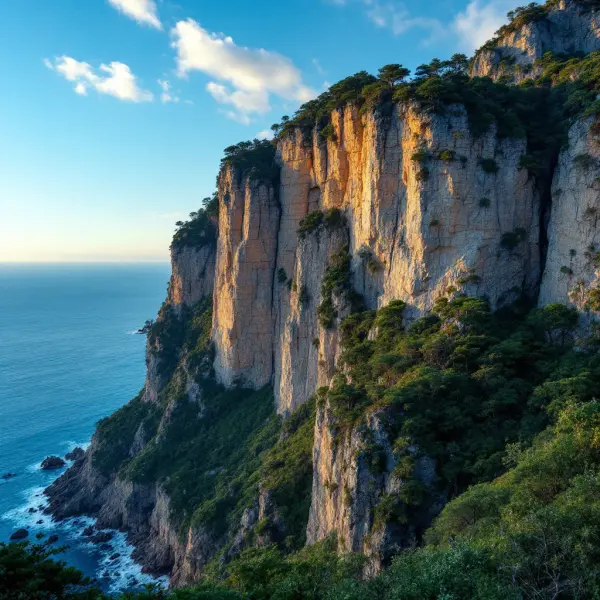
8. Daepo Jusangjeolli Cliff
Only here can you see how the ocean created a real stone organ from hundreds of perfect columns. You will walk along a wooden boardwalk right above the raging waves, feeling the breath of the elements.
Fatti rapidi: Onde e vento hanno scolpito per milioni di anni queste colonne basaltiche esagonali direttamente nella roccia, creando un organo naturale alto fino a 30 metri. È uno dei più grandi giacimenti di colonnati basaltici in Corea, che si estende lungo la costa per circa 2 chilometri.
Punti salienti: A differenza delle normali scogliere, queste colonne basaltiche sono perfettamente simmetriche, come se fossero state scolpite da un gigantesco scultore: alcuni blocchi sono esattamente esagonali, come favi di api. Durante la tempesta, le onde si infrangono fragorosamente contro le colonne e gli spruzzi volano fino a 20 metri di altezza, investendo gli spettatori con una gelida polvere salata.
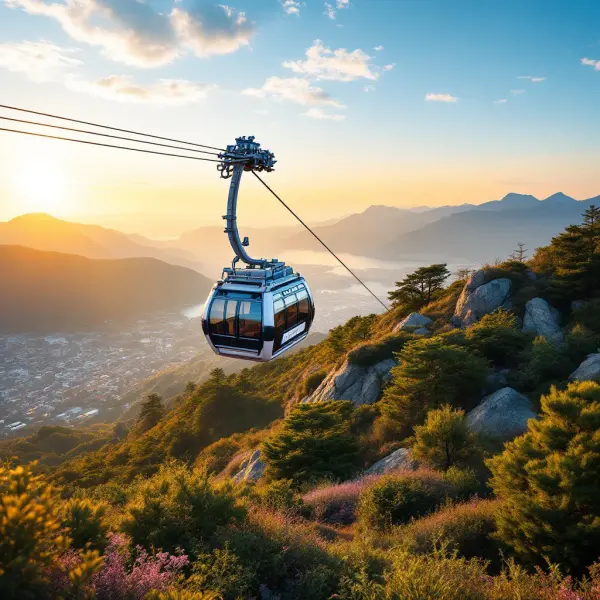
9. Seorak Cable Car
Want to see where the emerald peaks of the National Park meet the endless sea? In 8 minutes you will climb 600 meters, and from above you will see landscapes that take your breath away.
Fatti rapidi: La funivia sale a un'altezza di 600 metri in soli 8 minuti, offrendo un panorama mozzafiato sulle vette rocciose e sul Mare Orientale. Ogni anno circa 1,5 milioni di persone utilizzano questa funivia, rendendola una delle più trafficate della Corea.
Punti salienti: Le cabine salgono quasi verticalmente lungo la parete di granito della gola, l'inclinazione raggiunge i 40 gradi e sembra di poter toccare la roccia con la mano. In cima non troverete solo un punto panoramico, ma un intero percorso su passerelle di legno tra pini secolari con vista sull'antico picco granitico di Ulsan-Bawi.
Where to Stay in Sokcho, South Korea
Selected by City Buddy based on guest reviews and proximity to top attractions
Search all hotels in Sokcho, South KoreaPowered by agoda
Dolci tradizionali
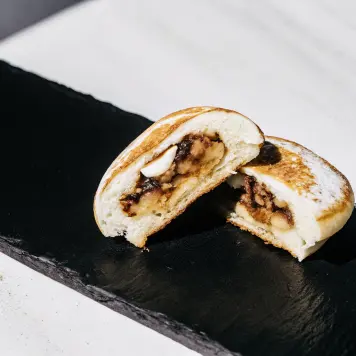
Hotteok
Hotteok is a popular Korean street food pancake filled with brown sugar, cinnamon, and nuts. In Sokcho's cold winters, the hot, syrupy filling provides a warming treat for locals and visitors alike.

Sujeonggwa
Sujeonggwa is a traditional Korean cinnamon punch made with dried persimmons and ginger. It is often served as a digestif after meals and is especially popular in Sokcho's seafood restaurants.

Yaksik
Yaksik is a sweet Korean rice cake made with glutinous rice, honey, chestnuts, and dried fruits. It is traditionally enjoyed during festive occasions and symbolizes good fortune and health.
Piatti salati tradizionali

Sokcho Ojingeo Sundae
Sokcho Ojingeo Sundae is a local specialty where squid is stuffed with glass noodles, vegetables, and minced meat, then steamed or grilled. As a coastal city, Sokcho is famous for this unique squid-based version of Korean blood sausage.

Dak Kangjeong
Dak Kangjeong is crispy deep-fried chicken coated in a sweet and spicy gochujang glaze. Sokcho's version often incorporates local honey for a distinctive regional flavor.
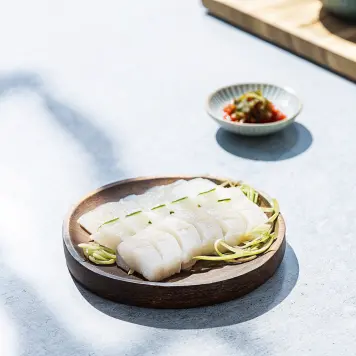
Hoe (Korean Raw Fish)
Sokcho is a major port city and the fresh hoe (raw fish) served here comes straight from the East Sea. The local Abai Village is especially known for its raw fish dishes, often served with gochujang and fresh vegetables.
Bevande tradizionali

Sikhye
Sikhye is a traditional sweet rice punch made from malted barley and rice. It is commonly served after meals in Sokcho restaurants as a refreshing digestive drink.
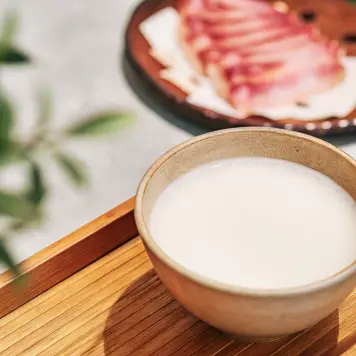
Makgeolli
Makgeolli is a milky, slightly fizzy Korean rice wine that pairs perfectly with Sokcho's savory seafood pancakes and raw fish. Local breweries in the Gangwon region produce versions with subtle variations in sweetness and tang.

Omija Cha
Omija Cha is a tea made from magnolia berries, known as "five-flavor berries" for their sweet, sour, salty, bitter, and pungent tastes. It is a popular warming drink in Sokcho's cold winters and is often served with honey.
Frequently Asked Questions about Sokcho, South Korea
Is Sokcho, South Korea safe for tourists?
How many days should I allocate for a trip to Sokcho?
What is the best time to visit Sokcho?
Is Sokcho an expensive city for tourists?
How do I get around Sokcho?
Ricevi un PDF con le attrazioni più popolari via email
Ricevi un PDF con tutte le attrazioni, valutazioni e consigli. Perfetto per l'uso offline.
Gite di un giorno più popolari
Seoraksan National Park
South Korea's most iconic national park with dramatic granite peaks, temples, and hiking trails
Goseong Unification Observatory
Observatory offering views of the DMZ and North Korea from the eastern coast
Naksansa Temple
Historic seaside Buddhist temple with a giant statue and ocean views
Yangyang Beach
Popular surfing destination with long sandy beaches and surf schools
Cheongcho Lake
Scenic coastal lagoon surrounded by walking paths and cafes near Sokcho
Rent a car in Sokcho, South Korea
Come arrivare
Stazioni ferroviarie
KTX and Donghae Line connecting to Seoul and Gangneung
KTX high-speed line from Seoul (approx 2 hours)
From Yangyang Airport take bus 7 or a taxi (30 min). From Seoul take KTX to Gangneung then bus or taxi to Sokcho (total about 3 hours).
Trova voli per Sokcho, South Korea
Clicca per ottenere eSim per Sokcho, South Korea
Il modo più semplice ed economico per avere internet mobile ovunque tu viaggi.
Commenti (8)
The sunrise at Yeonggeumjeong Pavilion was gorgeous. Get there by 5am though, it gets packed fast.
Stay near the bus terminal, not the beach. Cheaper hotels and better food options within walking distance.
If you're renting a car, park at the public lot near the bus terminal. Free and close to everything.
Sokcho surprised me. The market food is incredible and way cheaper than Seoul. Definitely worth a weekend trip.
Had high hopes but the weather was awful. Rainy and cold even in June. Couldn't enjoy the beach at all.