 CityBuddy
 English
Things to Do in Taizhou, China
Photo made by Alexander Kovalev on Pexels.com
When to visit
Plan your perfect trip to Taizhou, China
Get a complete travel plan built just for you in under 30 seconds, with daily routes, local food tips, budget estimates and more.
Are any of these especially important to you?
Select all that apply
Plan language: EnglishMost popular attractions in Taizhou, China
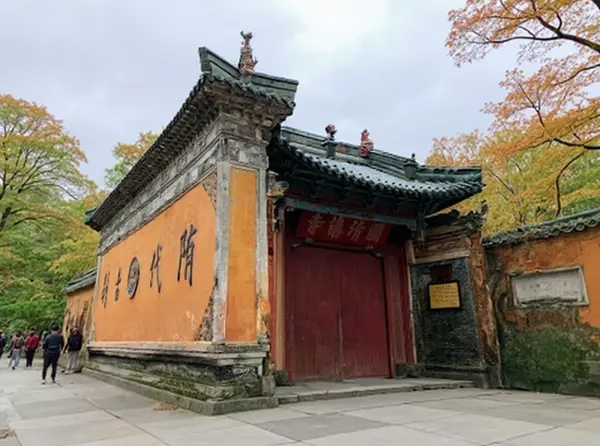
1. Guoqing Temple
Hilltop Buddhist complex with ornate halls and stone sutras, core site of the Tiantai tradition. Explore quiet courtyards, climb the pagoda and enjoy mountain and river views.
Quick facts: Climb the string of stone steps and you can hear monks chanting and the beat of the wooden fish mingling with the wind through the pines; the atmosphere is both solemn and intimate. The courtyard houses well-preserved cliff inscriptions and murals; on closer inspection you can detect Sui and Tang brushwork and mottled colors, making it perfect for slowly observing every detail.
Highlights: In the morning the bell is often struck 108 times; its deep reverberation can fill the valley, making the moss underfoot and the pine scent in the air seem sharper. It is said that every year in the tenth month of the lunar calendar the monks chant continuously for seven days, candlelight casting dancing shadows on the ancient murals while the sound leads people into an unexpected calm.
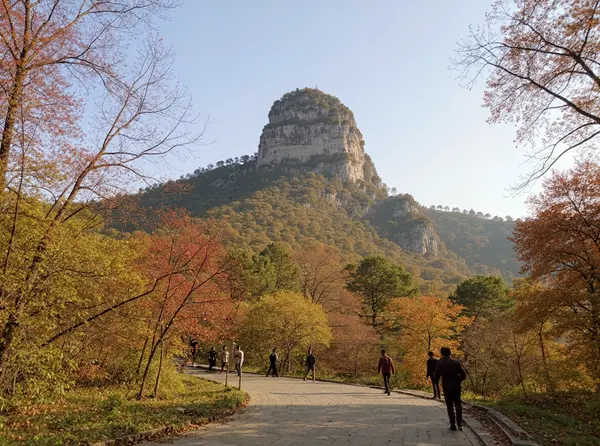
2. Tiantai Mountain
Ancient Guoqing Temple and mist-wreathed peaks offer serene mountain Buddhism and sweeping views. Climb stone stairways or ride the cable car to sunrise cloud-sea panoramas.
Quick facts: At the summit pine needles carry a faint resin scent; walking the stone steps you are often gently wrapped in mist. More than 200 stone carvings and steles are scattered between the trails and ancient temples, and looking up you can see small Buddha images and reliefs embedded in the cliff faces.
Highlights: In a little-known tradition, villagers place over a hundred paper lanterns along the 108 stone steps on the sixth day of the sixth lunar month; at night the lights wind upward like a glowing ribbon. Legend says Zhiyi left a giant stone with a handprint on the mountainside; standing close you can feel the subtle texture of weathering and the cool dust of the rock.

3. Taizhou Museum
Explore Taizhou's maritime and regional history through clear displays and local artifacts. Walk through archaeology, folk art, and interactive exhibits that bring community stories alive.
Quick facts: The collection spans thousands of years with ceramics, calligraphy and maritime artifacts displayed side by side, revealing details of coastal life and craftsmanship. Natural light pours into the galleries through arched skylights and glass walls, and afternoon sun casts warm golden highlights on glazes and rice paper.
Highlights: In the gallery there is a Song dynasty celadon plate labeled A032, 32 centimeters in diameter, its glaze mint green and covered in fine craquelure; under light it looks as if flowing water moves across the surface. Tour volunteers give small demonstrations allowing up to six visitors to observe the glaze reflections with a flashlight, and up close you can smell a faint earthiness of old pottery and the scent of aged glue.
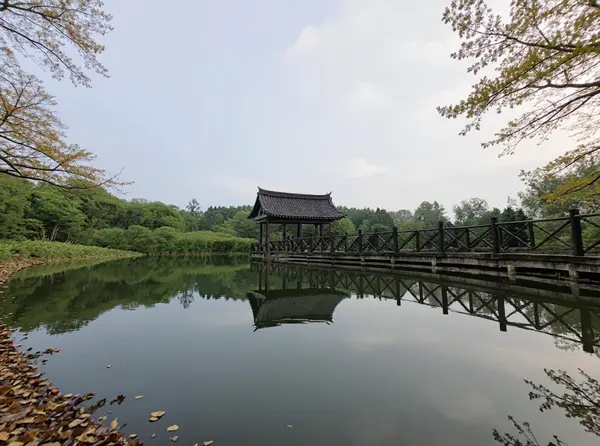
4. Taizhou Bay National Wetland Park
Expansive coastal wetlands full of migrant birds and quiet nature trails. Walk boardwalks, climb viewing towers and photograph reedbeds, mudflats and waders.
Quick facts: Intertidal mudflats and reedbeds along the coast form wide wetlands, and winding channels often host nearly a hundred species of waterbirds. On the wooden boardwalk you can smell the damp sea breeze and a hint of salt, and occasionally crabs burrow from the mud like agile performers in a miniature theater.
Highlights: At the end of the boardwalk stands a birdwatching tower; on clear mornings the two-kilometer route can see thousands upon thousands of migratory birds skimming the sea, sunlight turning their feathers into glittering gold. Over thirty low-angle observation windows are installed beneath the boardwalk for close views of shoreline life; the feel of sandworm tentacles and the sound of small shrimps flipping on the mud make it feel like listening to the heartbeat of the shore.
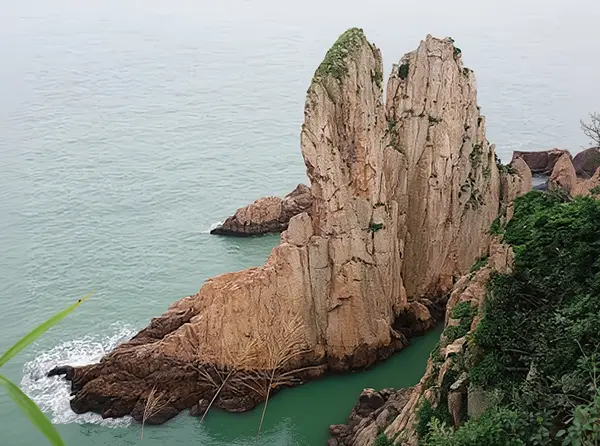
5. Dachen Islands
Rugged island scenery and fresh seafood off Taizhou's coast. Explore fishing villages, rocky cliffs, sandy coves and sunrise sea-view walks.
Quick facts: The sea breeze often carries the salty smell of sun-dried fish, and wooden fishing rafts and colorful boats along the shore form a vivid picture of maritime life. Locals say that at low tide more than 20 species of shellfish can be found on the exposed seabed, and many families use them to cook savory seafood porridge.
Highlights: Near the harbor fisherman Old Wu has a habit of knocking his iron anchor three times at dusk; people believe it blesses a richer catch that night, and the knocks sound low as if conversing with the waves. You can see about fifty small boats arranged in a netlike pattern on the shallows; morning mist and the scent of seaweed mingle in the air, with the sights and smells forming a slow, laboring aesthetics.
Where to Stay in Taizhou, China
Selected by City Buddy based on guest reviews and proximity to top attractions
Search all hotels in Taizhou, ChinaPowered by agoda
Traditional Sweet Dishes
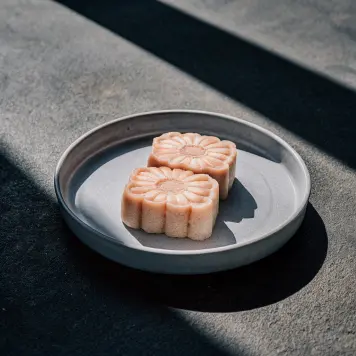
Osmanthus Rice Cake (桂花年糕)
Taizhou uses locally harvested osmanthus to scent soft sweet rice cakes that are especially popular at festivals, giving them a floral perfume and a delicate texture.

Tangyuan (Glutinous Rice Balls)
A Lantern Festival and winter favorite in Taizhou, these glutinous rice balls are often filled with sesame or sweet bean paste and serve as a symbol of family reunion.

Sugar-Coated Osmanthus Pastry (糖桂花糕)
Small pastries glazed with syrup and the region's fragrant osmanthus are a classic Taizhou treat, prized for their balance of sweetness and floral notes.
Traditional Savory Dishes
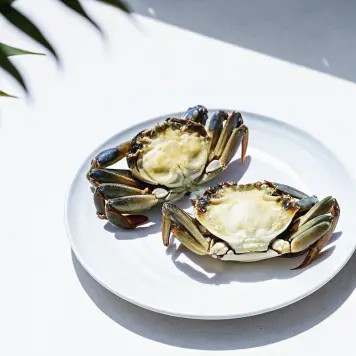
Sanmen Crab (三门青蟹)
From Sanmen County in Taizhou, this blue-green coastal crab is celebrated across Zhejiang for its sweet, delicate meat and is a seasonal delicacy in autumn.
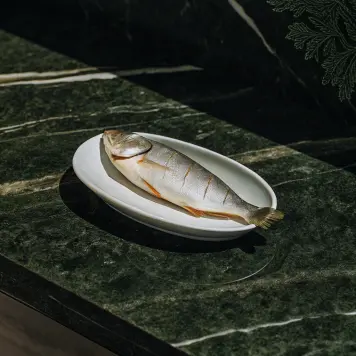
Taizhou Yellow Croaker (台州黄鱼)
Fresh yellow croaker from Taizhou's coastal waters is commonly steamed or lightly braised to showcase its sweet flesh, and it is a local seafood signature.
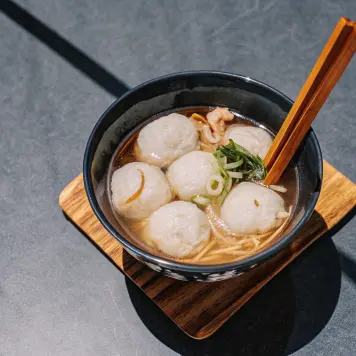
Taizhou Fish Balls (台州鱼丸)
Handmade fish balls made from local white fish are famous for their springy, bouncy texture and are a staple in Taizhou soups and noodle dishes.
Traditional Beverages

Jasmine Tea (茉莉花茶)
Jasmine tea, scented with locally grown blossoms, is a daily classic in Taizhou and pairs naturally with the region's light, seafood-forward cuisine.

Local Rice Wine (本地黄酒/米酒)
Small-batch rice wines brewed in Taizhou are used for drinking and cooking, offering a mellow, slightly sweet backbone to many traditional dishes.

Osmanthus Tea (桂花茶)
Osmanthus flowers are steeped into tea across Taizhou for a fragrant, gently sweet drink that complements local pastries and seafood.
Frequently Asked Questions about Taizhou, China
Get a PDF with the most popular attractions sent to your email
Get a PDF with all attractions, ratings, and tips. Perfect for offline use.
Most popular day trips
Xianju National Park
Granite peaks, waterfalls, walking trails, and temples.
Linhai Ancient City
Well-preserved city wall and historic streets.
Tiantai Mountain (Guoqing Temple)
Sacred mountain with Guoqing Temple, scenic hikes.
Sanmen Islands
Coastal islands, beaches, seafood; good for a seaside day trip.
Ningbo city
Large port city with temples, museums, and shopping.
Getting there
Airports
Train stations
Conventional lines connecting Ningbo, Wenzhou, regional services.
Ningbo-Wenzhou high-speed line, fast connections to Ningbo and Shanghai.
From Taizhou Luqiao Airport take taxi or airport shuttle to city center, about 20-30 minutes.
Find flights to Taizhou, China
Click to get eSim for Taizhou, China
The easiest and most affordable way to get mobile internet wherever you travel.
Comments (6)
Intercity buses to Linhai leave from East Bus Station, they run more often and cost less than trains; book a day ahead on weekends.
Skip restaurants on the main square, walk two blocks into the alleys for cheaper dumplings. Try the riverside stall after 5pm for great soup dumplings.
City center mornings are peaceful, heat in July is brutal though. Street food stalls are worth it, just bring cash for small vendors.
Loved Taizhou's coastline and seafood markets, people were friendly. Not crowded like bigger cities, perfect for a 3-day chill trip.
Got a bit bored after two days if you only do museums, bring patience for slow service but the tea shops made up for it.