 CityBuddy
 English
Things to Do in Croatia
Photo made by Vladimir Srajber on Pexels.com
When to visit
Plan your perfect trip to Croatia
Get a complete travel plan built just for you in under 30 seconds, with daily routes, local food tips, budget estimates and more.
Are any of these especially important to you?
Select all that apply
Plan language: EnglishMost popular attractions in Croatia
Top things to do in Croatia include exploring Plitvice Lakes National Park with its 16 cascading lakes and crystal-clear waters, wandering through the ancient Roman Diocletian's Palace in Split, and walking the nearly 2-kilometer-long Dubrovnik City Walls for stunning Adriatic views. Each offers a unique glimpse into Croatia's natural beauty and rich history.
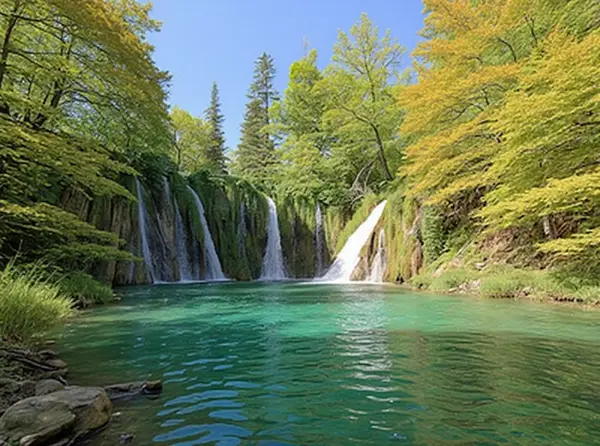
1. Plitvice Lakes National Park
Plitvička Jezera
Turquoise lakes and cascading waterfalls framed by old forest, a stunning natural landscape. Walk wooden boardwalks, take the lake boat, and photograph the mighty Veliki Slap.
Quick facts: Walkways thread over 16 terraced lakes, where stepped pools spill into one another and waterfalls flash a startling blue-green in sunlight. Expect to hear constant cascades and the crunch of travertine underfoot, as mineral-rich springs and calcite deposits slowly reshape the landscape.
Highlights: Guides often point out tiny bright-green moss banks that trap minerals and help build travertine dams, which can grow at rates up to 1 cm per year. Listen for a hush when an electric boat glides across the deepest central lake, the air tasting of wet pine and limestone while waterfalls drum in the distance.
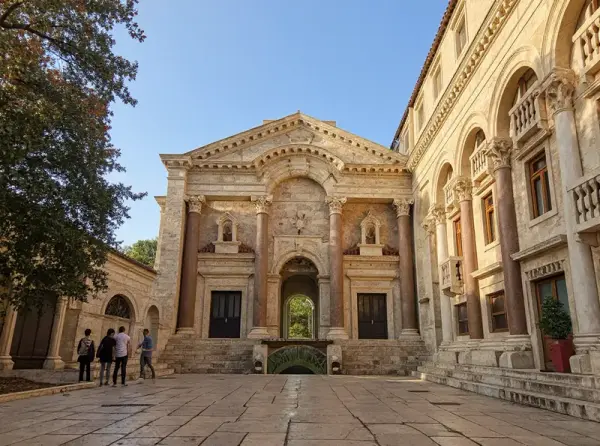
2. Diocletian's Palace
Split
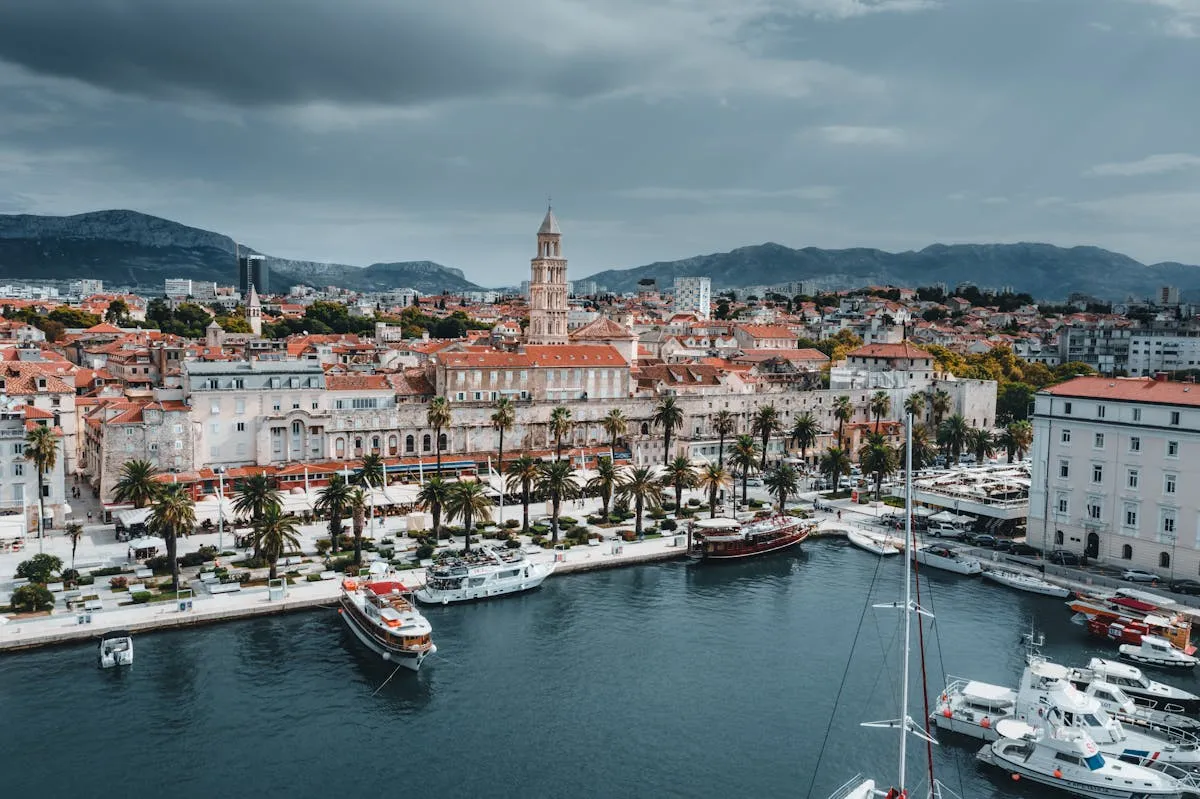
Step into a world where history meets lively culture. Experience ancient walls alive with local buzz and timeless beauty.
Quick facts: A Roman emperor's retirement pad that doubles as a lively city center where locals shop, dine, and socialize. Over 3,000 years old, this site blends ancient history with everyday life seamlessly.
Highlights: A charming labyrinth of narrow alleys and ancient cellars where you can spot peacocks roaming freely. Its mix of Roman architecture with quaint shops and cozy cafes creates an enchanting atmosphere unlike any other.
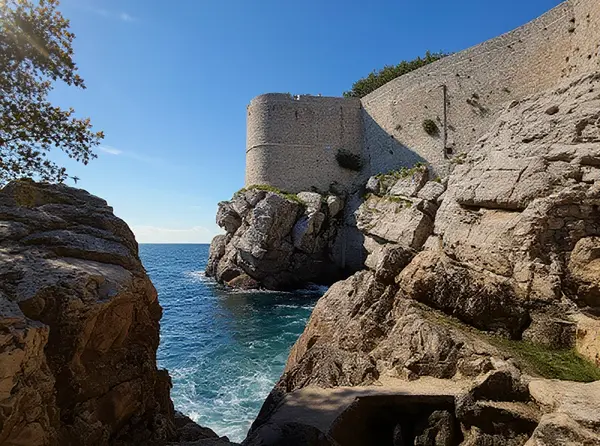
3. Dubrovnik City Walls
Dubrovnik
Walk the Dubrovnik City Walls for sweeping Adriatic views and centuries of history. Expect stone ramparts, towers and panoramic photo spots around the old town.
Quick facts: Climbing the ramparts rewards you with nearly 1.9 kilometers of continuous stone walkway, punctuated by towers and viewpoints that frame red-tiled roofs and the glittering sea. Guard bastions rise at regular intervals, their thick limestone faces bearing cannon scars and narrow embrasures that hint at centuries of maritime defense.
Highlights: Catch the ramparts at first light for a cinematic moment, orange tiles glowing as seagulls wheel below and the 1.9-kilometer loop lies almost empty so footsteps echo on ancient stone. When the bora blows, cold gusts fling salty spray over the lower walls, leaving a gritty film on camera lenses and turning views into wind-whipped, high-contrast scenes.
Have you heard of free walking tours?
After traveling to 30+ countries, there's one thing I wish someone had told me from day one, and it completely changed how I experience new cities.
Free walking tours. Yes, actually free. No credit card needed. No catch.
Local guide, 2-3 hours
Major sights, hidden gems, local stories
100% tip-based
Guides earn only tips, so they give their absolute best
You tip what feels right
At the end, just tip whatever you feel is right
I've done these in dozens of cities and they've been the highlight of almost every trip. If you're visiting Croatia, do this on your first day. You'll thank me later.
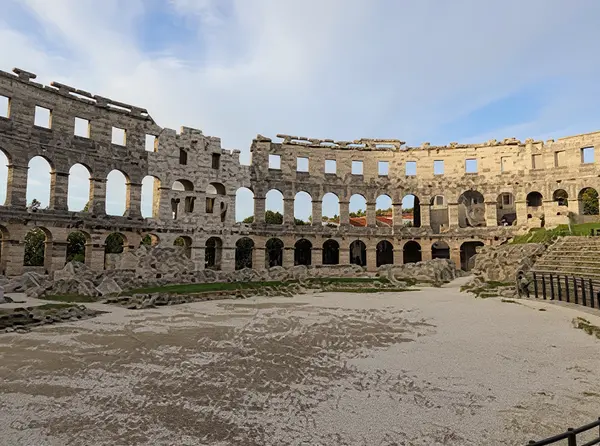
4. Pula Arena
Pula
Ancient Roman amphitheatre with towering stone walls and sea views. Walk the sand-floor arena, climb the seating tiers and feel the scale of Roman spectacles.
Quick facts: An enormous stone amphitheatre once held up to 23,000 spectators, today it seats roughly 5,000 under the open sky. Walk close to the limestone walls and you can feel centuries of wear, hear festival acoustics, and count 72 surviving outer arches that catch the sun in dramatic patterns.
Highlights: Nighttime shows flood the pale stone with warm light while orchestras and rock bands perform to crowds of about 5,000, letting sound swirl across the oval so you can stand in the center and feel music wrap around you. Local lore claims one arch was sealed off in the 19th century to hide a merchants' passage, and the patched masonry is still visible if you circle the western side.
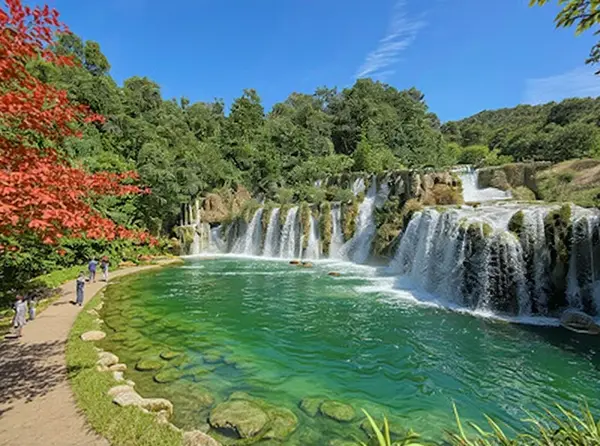
5. Krka National Park
Skradin
Terraced waterfalls and emerald pools showcase Croatia's most dramatic freshwater scenery. Walk wooden boardwalks, take a short boat ride, and swim at Skradinski Buk in season.
Quick facts: A lively river carves through karst canyons for about 73 kilometers, feeding travertine waterfalls that sparkle with spray and echo with birdsong. You can wander on wooden boardwalks that hover above the water, and watch for otters, kingfishers, and old stone mills tucked into shaded riverbanks.
Highlights: Morning light turns the travertine pools a milky turquoise, while fine spray cools your skin and the scent of wet limestone mixes with pine. A dramatic cascade drops roughly 45 meters at its tallest point, and a tiny island monastery adds an uncanny human hush, its bell carrying clear across the pools.
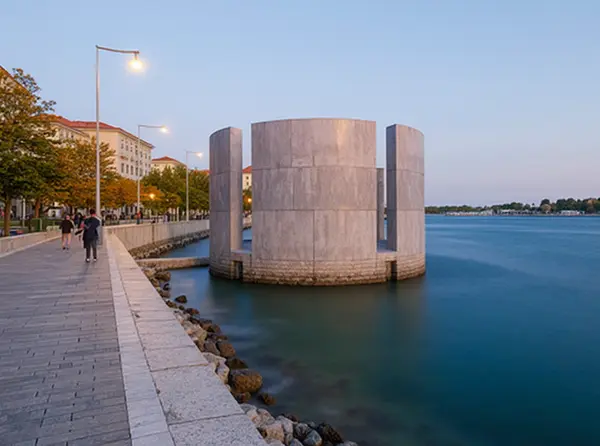
6. Sea Organ
Zadar
Hear the sea play music on Zadar's stone steps, an original public instrument. Sit at sunset to feel waves push air through pipes and produce haunting melodies.
Quick facts: Ocean waves push air through hidden channels and produce unpredictable, organ-like chords that change with every swell. Marble steps double as resonant lids, so you can sit close enough to feel low, breathy tones underfoot while gulls wheel above.
Highlights: Subtle harmonies can thrum so clearly during a strong swell that people say they feel the sound more than they hear it, a sensation that makes conversations hush. Architect Nikola Bašić hid roughly 35 tuned pipes under the polished steps, and a quirky local habit is to press your ear to different stones to find distinct notes, turning the promenade into a playful listening tour.
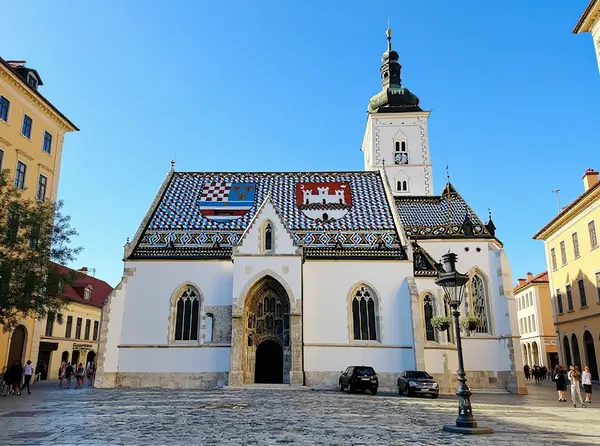
7. St. Mark's Church
Zagreb
Discover a rooftop mosaic telling a royal tale. Experience vibrant colors and rich history all in one glance!
Quick facts: The church showcases a striking medieval coat of arms made of colorful tiles on its roof. Visitors often marvel at the intricate Gothic portal sculpted by the architect Juraj Dalmatinac.
Highlights: Look closely at the roof's vibrant tiles depicting the medieval Kingdom of Croatia, Dalmatia, and Slavonia, alongside the emblem of Zagreb. This visual story is unlike any other church facade, making it a vivid blend of art and history.
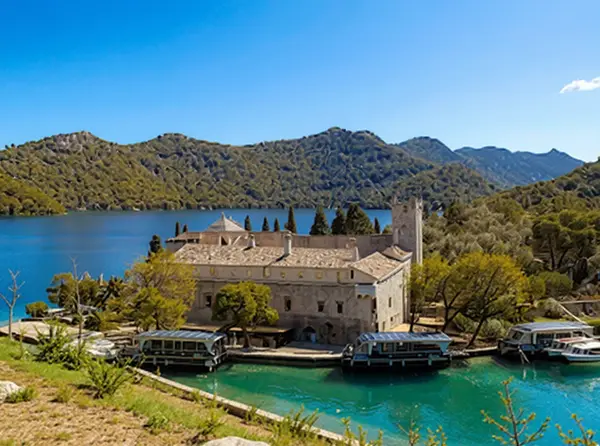
8. Mljet National Park
Mljet
Two saltwater lakes framed by pine forests and a medieval island monastery make Mljet a serene escape. Walk or cycle, take the short boat to the island, and swim in calm lake waters.
Quick facts: More than 80 percent of Mljet National Park is covered in evergreen Mediterranean forest, giving shaded trails and fragrant pine on nearly every path. Two deep saltwater lakes sit close to the sea, and a tiny islet in one contains a Benedictine monastery you can reach by a short boat ride.
Highlights: Paddle across glassy water and in under 10 minutes you can circle the islet with the monastery, where bell tones cut through pine-scented air and the stone steps still bear centuries of wear. Golden light in the late afternoon turns the lagoon a metallic teal, while salt, rosemary, gull calls, and cicadas mingle so strongly you feel like you're inside a living postcard.
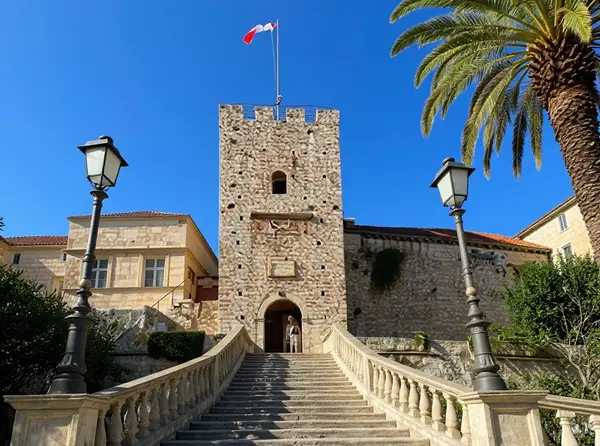
9. Korčula Old Town
Korčula
Medieval walls and Venetian palaces sit on a compact, sea surrounded peninsula. Wander sunlit alleys, climb St Mark's bell tower, and catch the evening Moreska sword dance.
Quick facts: Narrow medieval lanes funnel sea breezes and the scent of pine down to tiny piazzas where locals linger over coffee beneath sun-warmed stone arches. A fishbone-like fortified layout shelters the harbor, while slender towers let you climb for sweeping Adriatic panoramas.
Highlights: A theatrical sword dance called the Moreska brings about 20 performers onto the main cobbles, metal clashing and old chants echoing up to the balconies. Around a small corner a weathered plaque claims the birth of Marco Polo, and pressing your palm to the cool stone feels like touching a story that still smells faintly of salt and resin.
Where to Stay in Croatia
Selected by City Buddy based on guest reviews and proximity to top attractions
Search all hotels in CroatiaPowered by agoda

Traditional Sweet Dishes
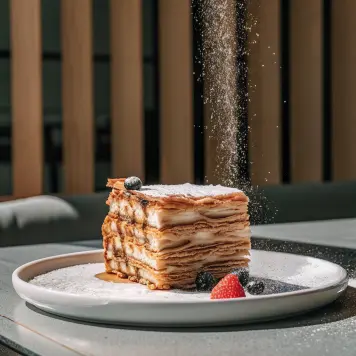
Kremšnita
A tall custard slice of layers of crisp puff pastry and silky vanilla custard, kremšnita is famously associated with Samobor and Zagreb, and locals often queue for it fresh from the patisserie.

Rožata
A Dalmatian caramel custard traditionally scented with rose liqueur or rose water, rožata blends Mediterranean and Central European influences into a silky, fragrant dessert.
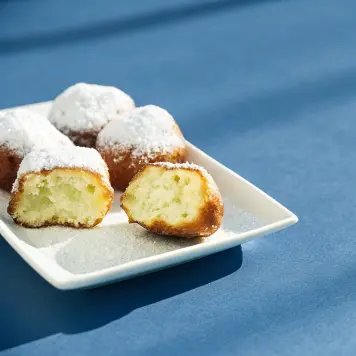
Fritule
Small, rum and citrus scented fritters dusted with powdered sugar, fritule are a beloved festive treat especially around Christmas, with family recipes handed down through generations.
Traditional Savory Dishes

Pašticada
A slow-braised Dalmatian beef stew marinated in wine, vinegar and dried fruit, pašticada is a rich, celebratory dish typically served with gnocchi at feasts and family gatherings.
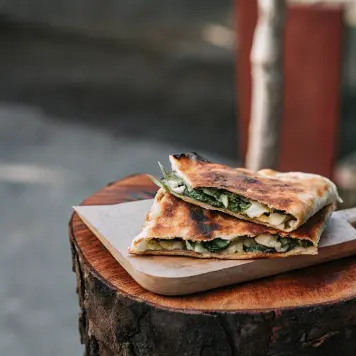
Soparnik
A paper-thin savory pie filled with Swiss chard, onions and garlic, soparnik is a rustic coastal specialty traditionally baked in a wood-fired oven and served at village celebrations.
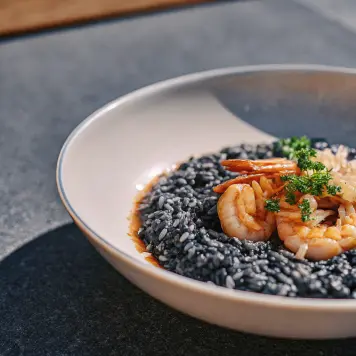
Crni rižot
A striking black risotto colored by cuttlefish or squid ink, crni rižot is prized on the Adriatic coast for its briny, umami-packed flavor and silky texture.
Traditional Beverages

Rakija (Šljivovica)
A potent fruit brandy commonly made from plums or grapes, rakija is often homemade, served as a welcome drink, and plays a central role in Croatian hospitality and celebrations.

Maraschino
A cherry liqueur that originated in Zadar and is made from Marasca cherries including their pits, maraschino has a distinctive bitter-almond complexity and long history in European cocktails.
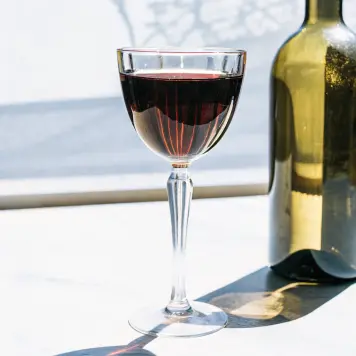
Plavac Mali wine
Made from the indigenous Plavac Mali grape of Dalmatia, these bold, tannic red wines show dark fruit and Mediterranean herb notes, with famed sites like Dingač producing age-worthy bottles.
Frequently Asked Questions about Croatia
What is the best time to visit Croatia?
Is Croatia expensive to live or travel in?
How safe is the tap water in Croatia?
How can I get around Croatia?
How many tourists visit Croatia each year?
Get a PDF with the most popular attractions sent to your email
Get a PDF with all attractions, ratings, and tips. Perfect for offline use.
Most popular day trips
Plitvice Lakes National Park
UNESCO park with cascading lakes and waterfalls.
Rent a car in Croatia
Getting there
Train stations
Main national hub; connections to Split, Rijeka, Budapest, Ljubljana
Coastal connections to Zagreb and regional coastal services
Use airport shuttles or buses to centers; trains and intercity buses connect major cities.
Click to get eSim for Croatia
The easiest and most affordable way to get mobile internet wherever you travel.
Visa & entry
EU/EEA, USA, Canada, UK, Australia, Japan, South Korea, Israel
Many African and South Asian nationals, including India, Pakistan, Nigeria; check embassy
Most short stays follow Schengen rules; check visa requirements well before travel.
Comments (6)
Pro tip: Buy bus tickets early online for intercity travel, it saves a lot of money and hassle. Some routes get fully booked fast.
Try eating at konobas away from the main tourist streets in Split. Portion sizes are generous and prices way better than the tourist traps.
Croatia's coast is stunning but crowded in summer, the food is delicious, especially fresh seafood, I stayed 7 days and felt it was just right.
Had high hopes for Dubrovnik, but it felt too touristy and pricey. Still, the views from the walls are worth seeing at least once.
Weather in early autumn was perfect for exploring cities without the intense heat or huge tourist crowds. Loved the relaxed vibe overall.