 CityBuddy
 English
Things to Do in Hokkaido, Japan
Photo made by Alexander Kovalev on Pexels.com
When to visit
Plan your perfect trip to Hokkaido, Japan
Get a complete travel plan built just for you in under 30 seconds, with daily routes, local food tips, budget estimates and more.
Are any of these especially important to you?
Select all that apply
Plan language: EnglishMost popular attractions in Hokkaido, Japan
Things to do in Hokkaido, Japan blend nature, culture, and adventure. Visit Asahiyama Zoo to see unique animal behaviors up close. Stroll along the scenic Otaru Canal, lined with historic warehouses. Explore Shiretoko National Park, a UNESCO site, with rugged coastlines and diverse wildlife.
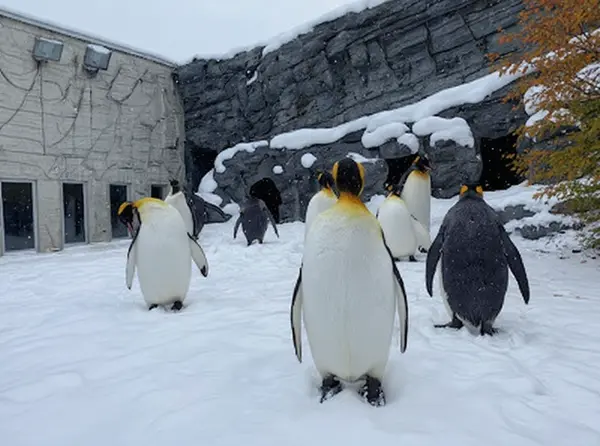
1. Asahiyama Zoo
Up-close animal behavior in creative enclosures makes Asahiyama Zoo uniquely engaging. Watch the penguin parade and peer through glass tunnels for intimate views.
Quick facts: Penguins regularly waddle along a snow-lined path right past visitors during the lively penguin parade, often featuring about 30–50 tuxedoed birds. Angled glass panels and underwater tunnels give front-row views of seals and polar bears as they glide and somersault, feeling more like a marine theater than a typical enclosure.
Highlights: Watch roughly 30 penguins march down a cleared path, their webbed feet crunching on packed snow while keepers guide them with soft calls and tiny fish as treats. Narrow underwater viewing windows let swimmers pass within a meter of your face, so you can feel the spray and see bubbles and whiskers up close as seals and bears perform playful rolls.
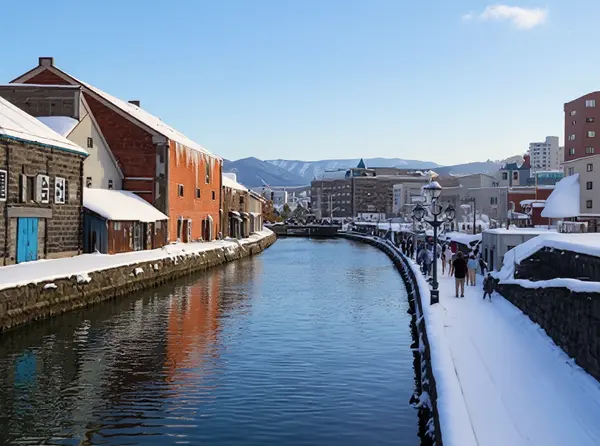
2. Otaru Canal
Atmospheric canal framed by restored stone warehouses and gas lamps, perfect for a slow, scenic stroll. Walk cobbled paths, ride a short boat, and photograph golden-hour reflections.
Quick facts: Morning mist turns the waterway into a glassy ribbon, making reflections of brick warehouses look like watercolor paintings photographers love to chase. Cargo barges once shuffled crates along the quays, and today cobbled walkways hold cozy cafés, glass studios, and a line of vintage gas lamps you can wander between in under fifteen minutes.
Highlights: Amber gas lamps line the stone quay, about twenty of them, throwing gold ribbons across the water and bathing faces and camera lenses in warm light. A local custom sees groups set afloat small paper lanterns on colder nights, sometimes releasing a hundred or more tiny lights that drift slowly and clink against wooden barges, a quiet, glowing show you can almost hear.
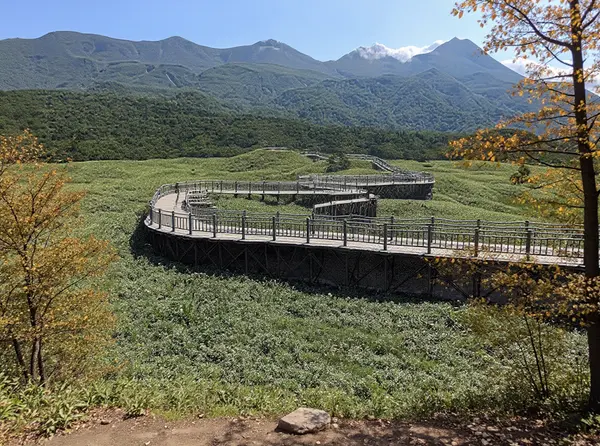
3. Shiretoko National Park
Wild coastal wilderness and abundant wildlife on Hokkaido's remote Shiretoko Peninsula. Expect bear sightings, drift-ice boat cruises, dramatic cliffs and relaxing hot springs.
Quick facts: Jagged sea cliffs and primeval forest host more than 20 species of large mammals, including an unusually dense brown bear population that visitors sometimes glimpse from safe viewpoints. Ocean currents bring drifting pack ice every winter, turning the coast into fields of blue-white floes that photographers and whale-watchers patiently wait for.
Highlights: Mist and low clouds often flip a cluster of five emerald lakes into perfect mirrors at dawn, while the air smells of cedar sap and wet moss underfoot. Chunked pack-ice frames the shoreline and creates a stage where Steller's sea eagles with wingspans over two meters sometimes swoop within ten meters of research boats, a sight that stuns even seasoned naturalists.
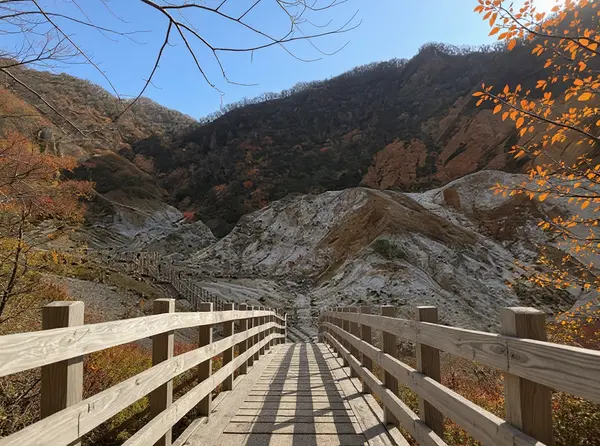
4. Noboribetsu Jigokudani (Hell Valley)
Hell Valley
Raw volcanic energy in Hokkaido's dramatic geothermal landscape. Walk steaming trails, watch bubbling vents and taste onsen-boiled eggs beside the river.
Quick facts: Steam rises from boiling vents and paints the air with a sharp sulfur tang, while rocky ravines and bubbling mud pools create an otherworldly landscape. Wooden boardwalks thread over fumaroles and hot streams, and near some vents water temperatures top 100°C so you can actually feel the heat rising underfoot.
Highlights: Yellow sulfur crystals and streaks of iron-oxide color the cliffs, and from higher viewpoints you can spot more than twenty steam vents clustering like a miniature smoking city. Local stalls sell steamed eggs warmed by the valley's heat for about ¥150 each, the shells often stained and the yolks creamy with a faint sulfur aroma that people tuck into between viewpoints.
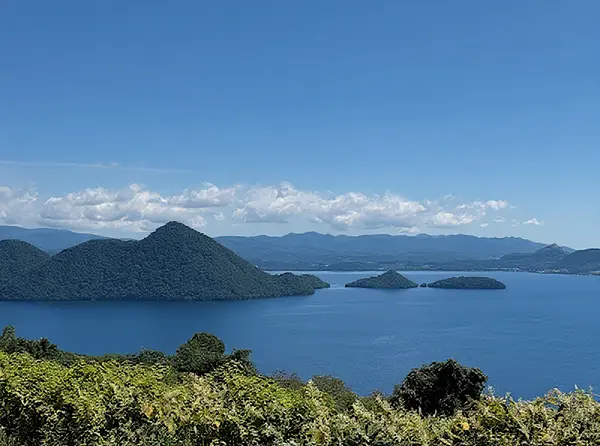
5. Lake Toya
Caldera lake framed by Mt. Usu and a tree-covered island, with dramatic volcanic scenery. Enjoy lakeside onsen, Nakajima Island boat cruises, and summer fireworks over the water.
Quick facts: An almost perfectly circular caldera holds a startlingly blue lake whose glassy surface mirrors the volcanic ridges around it. Onsen towns hug one shore, so you can soak in hot springs with steam drifting over the water and then stroll along lakeside promenades.
Highlights: A group of four tree-covered islets called Nakajima crowns the middle, and small boats let you step ashore to walk beneath pines and inhale the cool, mineral-tinted air. At sunrise a thin veil of steam from nearby geothermal vents gilds the surface in molten gold and orange, a sight often captured by photographers using 300mm lenses to isolate the islands against the glowing water.
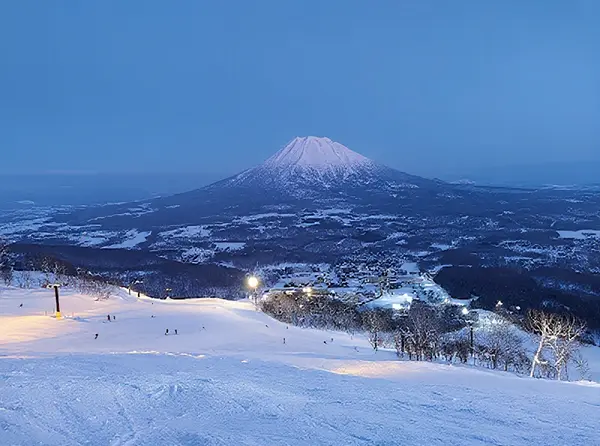
6. Niseko United
Deep, dry powder across five linked resorts makes Niseko worth the trip. Expect varied terrain, night skiing, backcountry access and hot spring après.
Quick facts: Niseko United is famous for some of the world’s lightest, deepest powder, with annual snowfall often exceeding 15 meters across its four linked resorts. The area also offers a surprising blend of international dining and cosy onsens, with dozens of English-friendly cafes and lively après-ski scenes in the base villages.
Highlights: What makes Niseko United genuinely special is the synchronized lift network connecting four mountains, allowing skiers and boarders to link long, varied runs without long transfers. On peak powder days local guides lead small groups into nearby backcountry bowls where fresh 30 to 50 centimeters of overnight snow produces pillow-soft lines and an almost absolute hush between turns.
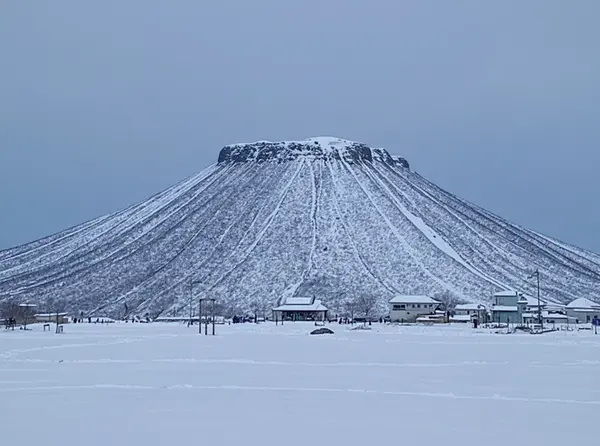
7. Mount Hakodate
Panoramic city-and-sea views from a compact peak make Hakodate unforgettable. Ride the cable car and watch glittering nightscape or sunrise over the bay.
Quick facts: A steep, forested summit reaches 334 meters, offering a sweeping panorama of a crescent-shaped bay and the compact city grid below. Observers prize the panoramic nightscape, often listed among Japan's top three views, where city lights curve like a glittering crescent.
Highlights: Photographers time their arrival for 10 to 20 minutes after the sun dips, when the blue hour turns the sky indigo and the city's lights sharpen into a perfect crescent. A quick three-minute ropeway ride ascends 334 meters to the rounded summit, where cold sea breezes sharpen the neon and the tang of salt hangs in the air.
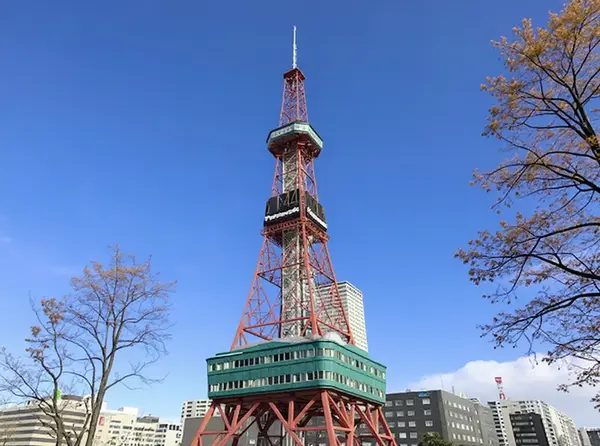
8. Sapporo TV Tower
Iconic skyline view above Odori Park, perfect for photo lovers. Take the elevator to the observation deck for sunset-to-night panoramas of Sapporo and distant mountains.
Quick facts: Rising to 147.2 meters, the tower's red lattice cuts a distinctive silhouette against blue skies and snowy winters. Visitors reach a glassed observation deck at 90.38 meters, where 360-degree views sweep from the urban grid out to distant mountain ridges.
Highlights: Climb to the 90.38-meter deck and watch how seasonal lights and festival displays line up into neat patterns, the perspective turning dozens of sculptures into a miniature, postcard-ready cityscape. Warmly lit steel lattice glows in programmed colors at night, the elevator's soft hum and the crisp air on your face making the panorama feel unexpectedly intimate and cinematic.
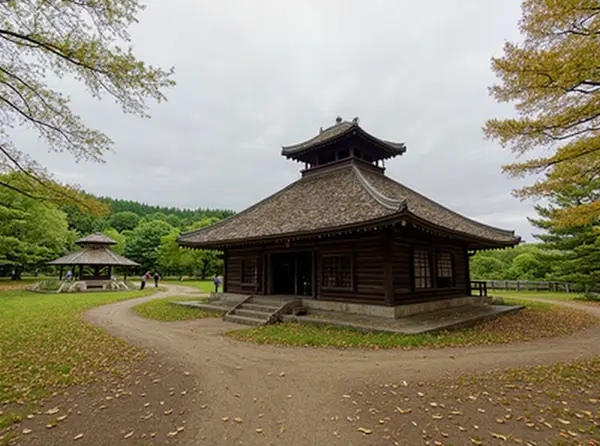
9. Farm Tomita
Lavender-scented hills that bloom into purple waves in summer. Walk colorful flower terraces, taste lavender soft-serve and snap wide-angle photos.
Quick facts: Rows of lavender form vivid purple ribbons across the slopes, their scent turning a warm breeze into a soft, perfumed hug. Local soft-serve ice cream infused with lavender provides a cool, floral contrast to bright summer sun, and the gift shop sells sachets and oils pressed from the blooms.
Highlights: Rows of Hidcote and Grosso lavender are planted in tight stripes, and during peak bloom staff hand-cut roughly 10,000 stems each morning for fresh bouquets sold only at the farm. Close-up, leaves smell resinous and slightly camphor-like, while the tiny purple flowers release a sweet, almost citrus top note that turns the air into a perfume you can taste on your lips.
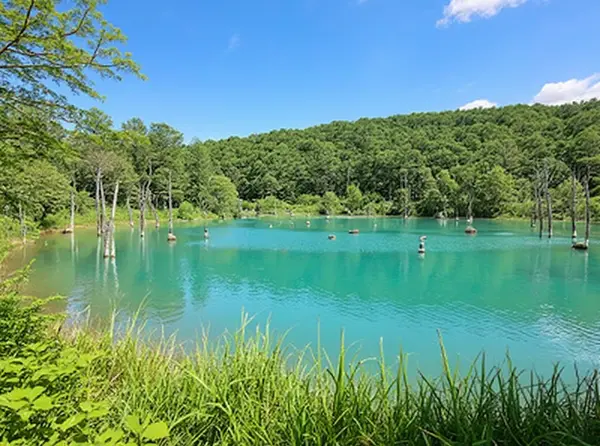
10. Shirogane Blue Pond
A surreal milky-blue pond framed by birch and larch, formed by volcanic minerals. Expect mirrorlike reflections and a short walk to Shirahige Falls for great photos.
Quick facts: Look closely and you'll notice the water glows a strange cobalt, caused by finely suspended minerals scattering sunlight. Photographers often arrive before dawn to catch mirror reflections, while beech and conifer trunks poke from the surface creating sculptural silhouettes.
Highlights: A colloidal layer of aluminum hydroxide in the water scatters blue wavelengths, so the pond can shift from teal to cobalt depending on sunlight angle and mineral concentration. At dawn many photographers use long exposures of 1 to 3 seconds to melt ripples into glass, while soft fog often carries a faint scent of pine and cold metal.
Where to Stay in Hokkaido, Japan
Selected by City Buddy based on guest reviews and proximity to top attractions
Search all hotels in Hokkaido, JapanPowered by agoda
Traditional Sweet Dishes

Shiroi Koibito
These famous white chocolate sandwiched cookies are made by Ishiya in Sapporo and are the prefecture's most iconic souvenir, cherished for their delicate buttery biscuit and creamy filling.
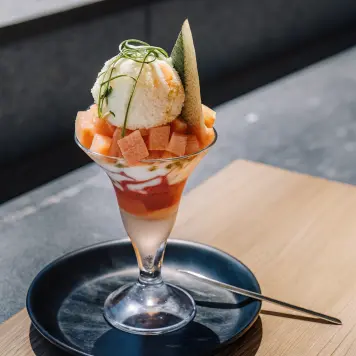
Yubari Melon Parfait
Yubari melons are prized for their intense sweetness and fragrance, and parfaits made with them showcase the fruit's luxury status, sometimes featuring melons that sold for record auction prices.
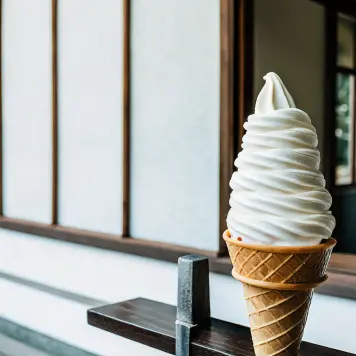
Hokkaido Soft Serve
Made from rich local milk, Hokkaido soft serve is famed across Japan for its ultra-creamy texture and pure dairy flavor, often found at farms and markets throughout the island.
Traditional Savory Dishes
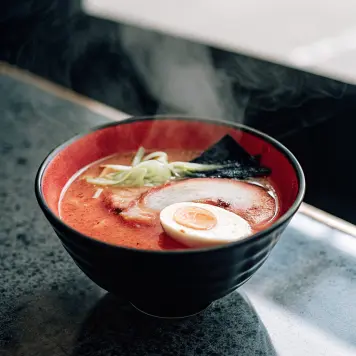
Sapporo Miso Ramen
Developed in Sapporo after World War II, this hearty miso-based ramen features a robust broth, thick noodles, and toppings like butter and corn that highlight Hokkaido's dairy and corn production.
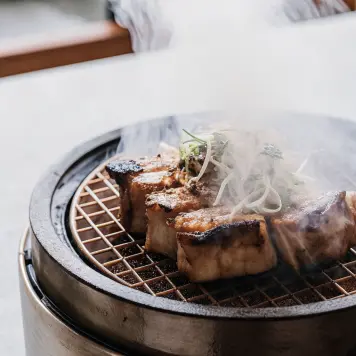
Jingisukan (Genghis Khan)
This distinctive dish of grilled lamb or mutton is cooked on a convex iron grill and remains a beloved Hokkaido specialty, reflecting the island's history of sheep farming and communal dining culture.
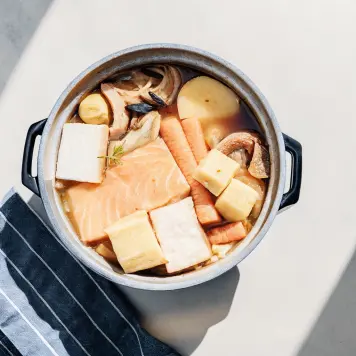
Ishikari Nabe
Named after the Ishikari River, this traditional salmon hotpot uses miso-based broth and regional vegetables, originating as a practical, warming dish for cold Hokkaido winters.
Traditional Beverages

Sapporo Beer
Founded in Sapporo in 1876, Sapporo is one of Japan's oldest breweries and its beers have become synonymous with the city and Hokkaido's brewing heritage.

Hokkaido Milk
Hokkaido's high-quality milk, produced from local dairy farms on fertile pastures, is celebrated nationwide and enjoyed fresh, in coffee, and as the base for many local dairy products.

Yoichi Whisky
The Yoichi Distillery, established by Masataka Taketsuru, brought Scottish-style single malt whisky production to Hokkaido, and its peaty, robust whiskies are highly regarded in Japan and abroad.
Frequently Asked Questions about Hokkaido, Japan
Is Hokkaido, Japan safe for travelers?
How many days should I spend in Hokkaido, Japan?
What is the best time to visit Hokkaido, Japan?
Is Hokkaido, Japan expensive to visit?
How to get around Hokkaido, Japan?
Get a PDF with the most popular attractions sent to your email
Get a PDF with all attractions, ratings, and tips. Perfect for offline use.
Most popular day trips
Noboribetsu
Famous hot spring, Jigokudani 'Hell Valley' sights.
Furano
Lavender fields and rural landscapes, seasonal flowers.
Niseko
World-class skiing, outdoor activities and nightlife.
Getting there
Train stations
JR Hakodate Main Line; Airport Rapid; limited express services
Sekihoku and Soya lines; limited express to Sapporo
Hakodate Main Line; connections via Shin-Hakodate-Hokuto for Shinkansen
From New Chitose, take the Airport Rapid JR train to Sapporo in about 37-45 minutes.
Find flights to Hokkaido, Japan
Click to get eSim for Hokkaido, Japan
The easiest and most affordable way to get mobile internet wherever you travel.
Comments (8)
Buy the Hokkaido Rail Pass if hopping between cities, and always reserve seats online or at major stations before peak holiday weeks.
Pro tip: get a Hokkaido Rail Pass for multiple long legs, reserve seat tickets early on holiday weekends to avoid standing.
Snowy Sapporo streets at night felt magical, ramen booths are everywhere, but eating out adds up. Five days gave a good taste.
Avoid eateries around Odori Park, walk two blocks toward Susukino for cheaper bowls and izakaya where locals actually eat.
Endless fields and quiet hot springs, perfect for a slow trip. Bring layers, nights can stay surprisingly chilly even in summer.