 CityBuddy
 English
Things to Do in Kagoshima, Japan
Photo made by Belle Co on Pexels.com
When to visit
Plan your perfect trip to Kagoshima, Japan
Get a complete travel plan built just for you in under 30 seconds, with daily routes, local food tips, budget estimates and more.
Are any of these especially important to you?
Select all that apply
Plan language: EnglishMost popular attractions in Kagoshima, Japan
Exploring things to do in Kagoshima, Japan offers a mix of nature and culture. Visit Sakurajima Volcano, an active volcano visible from 10 kilometers away, perfect for hiking and hot springs. Stroll through Sengan-en, a historic garden with views of the bay. Don’t miss Kagoshima Aquarium, known for its dolphin shows and marine exhibits.
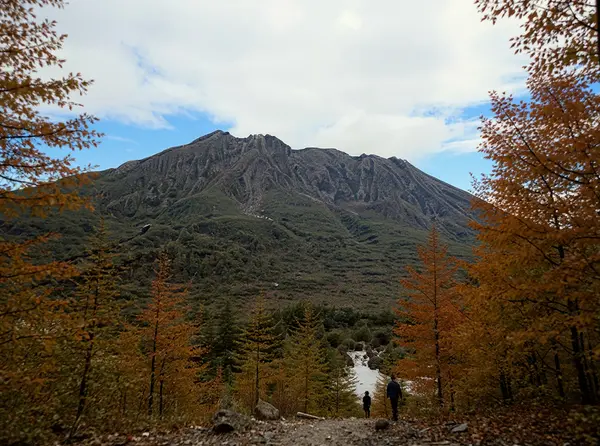
1. Sakurajima (Sakurajima Volcano)
Sakurajima Volcano
Active volcano dominating Kagoshima Bay, where ash plumes meet coastal scenery. Ride the short ferry, walk volcanic trails, and soak in nearby onsen.
Quick facts: Frequent eruptions send ash and steam into the sky dozens of times a year, with some plumes reaching several hundred meters. Locals and visitors quickly get used to a fine gray dust that settles on cars and streets, while ferries still cross the bay for smoky, up-close views.
Highlights: Climb to an observation spot around 300 meters up where ash plumes explode like slow-motion fireworks, you can feel a low rumble through the ground and smell a sharp sulfur tang on the wind. A quirky local boast is the oversized radishes that sometimes top 20 kilograms, their crisp, sweet slices served steamed or pickled and tasting unexpectedly mellow after a day near volcanic steam.
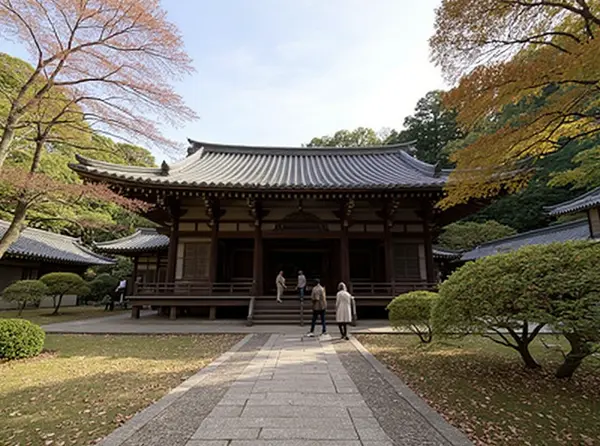
2. Sengan-en (Iso Teien / Shimadzu Family Garden)
Iso Teien / Shimadzu Family Garden
Classical feudal garden with volcano views and samurai history. Wander pond-lined paths, tea houses, and the Shimadzu family museum.
Quick facts: Lantern-lit ponds mirror a smoking volcano across the bay, creating one of the most photographed garden views you'll find near a coastal estate. A family estate preserves samurai-era tea houses, lacquer collections, and an ingenious seawater circulation system that keeps carp active even in cold months.
Highlights: A narrow stone channel threads through the grounds, feeding 12 connected ponds with seawater so koi glint with a salty sheen you can almost taste as you lean over the wooden rail. Guides point out a 300-year-old cedar and describe a quirky ritual where a tea master rings a bell three times, then serves fennel-scented matcha while recounting how a hidden family heirloom was once concealed in the tree's hollow.
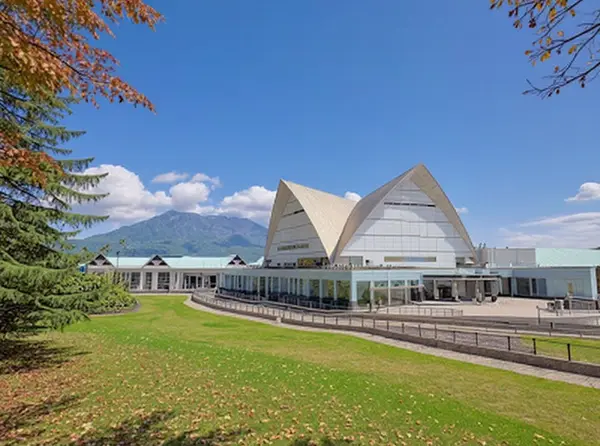
3. Kagoshima Aquarium (Io World Kagoshima Aquarium)
Io World Kagoshima Aquarium
Experience the power of the Kuroshio Current and local marine life. Walk large viewing tanks, catch feeding shows and explore hands-on touch pools.
Quick facts: Step inside and you'll follow the warm, swirling path of the Kuroshio Current, where tropical species brush shoulders with local coastal critters. Exhibits are organized so you can hop from rockpool touch tanks to colorful reef displays and a deep open-water gallery without backtracking, giving a surprisingly compact tour of nearby seas.
Highlights: A cavernous Kuroshio tank throws shafts of emerald light across the hall, and watching schools of jack and horse mackerel spiral around the main viewing window for several minutes feels hypnotic. Keepers narrate local stories during feeding demonstrations, and you can hear soft splashes as scales flash like coins, making the whole scene feel choreographed and oddly intimate.
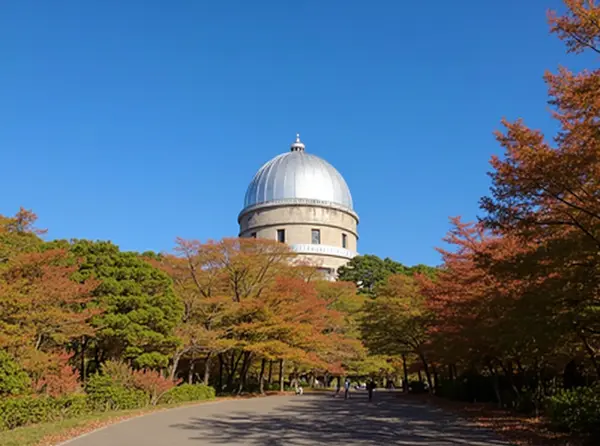
4. Shiroyama Park & Observatory (Shiroyama Observatory)
Shiroyama Observatory
Spectacular views of Sakurajima and Kagoshima Bay from a compact mountain-top park. Short trails lead to observation decks, perfect for sunset and skyline photos.
Quick facts: Perched above a smoky bay, the lookout frames an active volcanic silhouette, ferry traffic, and a quilt of city lights that blush red at sunset. A short forested trail climbs past camphor and pine, where weathered stone steps and old cannon emplacements quietly recall a wartime past.
Highlights: Groups of locals arrive about thirty minutes before dusk, spreading bento on stone benches while ferries cross the bay in roughly 15 minutes and their horns punctuate the air. Photographers wait 20 to 30 minutes after sundown to capture a brief window when the volcano's plume catches pink light and the city's runway-like lights stretch into a perfect long-exposure ribbon.
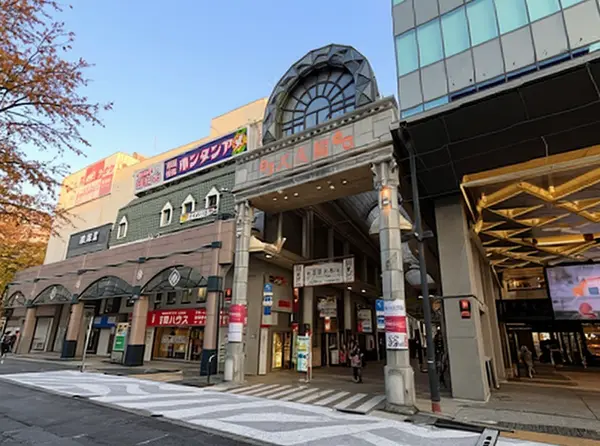
5. Tenmonkan Shopping Arcade
Historic downtown arcade packed with local food, shops and neon energy. Wander covered streets to snack on satsuma-age, hunt shochu labels, and shop for crafts.
Quick facts: A covered arcade stretches roughly 600 meters, packed with over 200 shops and eateries that keep the walk buzzing from morning markets to late-night snack runs. Local specialties like shirokuma shaved ice and satsuma-age fried fish fill the air with sweet and savory aromas, while street performers and pachinko parlors add unexpected noise and color.
Highlights: Neon reflections make the wet tiles sparkle after rain, and a popular stall called Suzu sells as many as 300 bowls of shirokuma shaved ice on sweltering summer weekends. An old brass bell hung above one alley is rung by shopkeepers during local festivals, a quirky ritual where children count the chimes until they reach seven to 'bring luck' for the season.
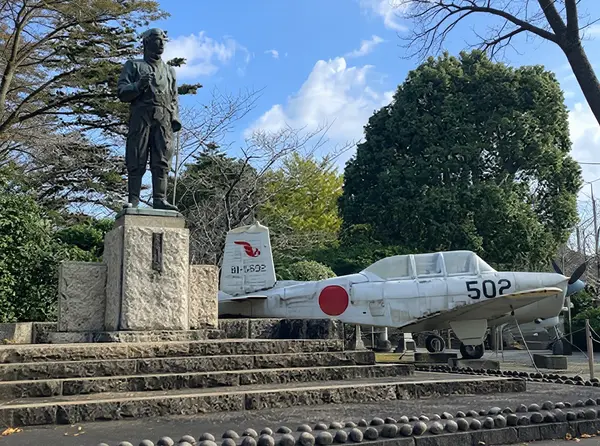
6. Chiran Peace Museum for Kamikaze Pilots
Powerful, personal WWII stories told through pilots' letters and uniforms. Walk quiet gardens, read farewell notes and see pilots' belongings up close.
Quick facts: Quiet galleries hold rows of portrait photos and more than 1,000 farewell letters, many penned in shaky pencil and folded into small envelopes. Flight jackets, helmets, and a battered propeller sit alongside the personal notes, so the scale of the human stories hits you more than any technical detail.
Highlights: A low-lit room displays over 1,000 handwritten farewell letters arranged by sender age, and one envelope reveals a writer was 19, the ink faded but the signature still clear. Visitors often stand in silence while the smell of old paper and the creak of wooden floors make the portraits and tiny, folded notes feel immediately present.
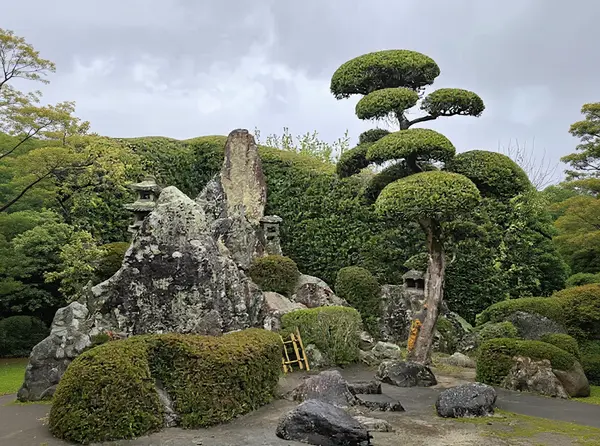
7. Chiran Samurai Residences (Chiran Historical Samurai District)
Chiran Historical Samurai District
Authentic samurai town with preserved homes and tranquil gardens. Walk through tatami rooms, armor displays, family museums and narrow stone lanes.
Quick facts: Winding stone lanes reveal rows of low white walls, narrow wooden gates and tiny gardens, where the crunch of gravel mixes with the scent of pine.
Highlights: Slip under a low gate and you can stand beside a mossy stone lantern shaded by a maple, noticing how rain softens the colors and muffles footsteps. Local guides often point out a carved wooden plaque with a circular three-comma family crest and the year 1848, a tiny tangible detail that links a single household to a specific name and story.
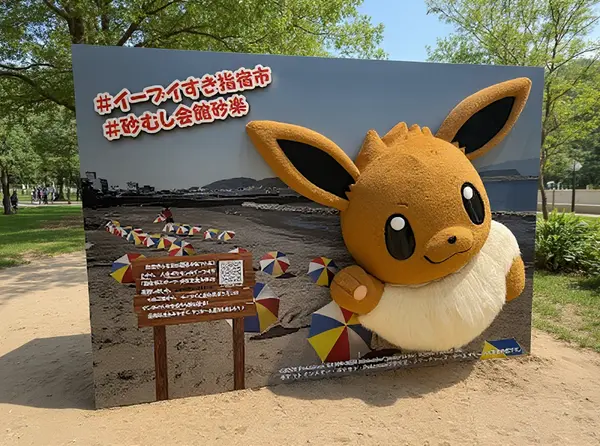
8. Ibusuki Sunamushi Sand Baths (Ibusuki Onsen)
Ibusuki Onsen
Relax in Ibusuki's warm volcanic sand for a uniquely soothing onsen experience. Lie on the beach while attendants cover you in steaming sand and enjoy ocean views.
Quick facts: Steam rising through the shore heats black volcanic sand so you can be buried up to your neck, producing a heavy, humid sweat that feels like a sauna. Sessions are short, usually 10 to 15 minutes, attendants cover you with damp towels and bamboo mats, and many visitors rinse off in the sea afterward.
Highlights: Lying with only your face free, you hear waves and smell salt while the sand sits around 45–55°C (113–131°F), a warmth that makes your skin flush and muscles loosen within minutes. Local attendants use wooden scoops to bury guests quickly and often finish with a brief scalp towel compress or gentle pressure release, then most people jump into the surf for a shocking cool-down that sharpens the whole sensory contrast.
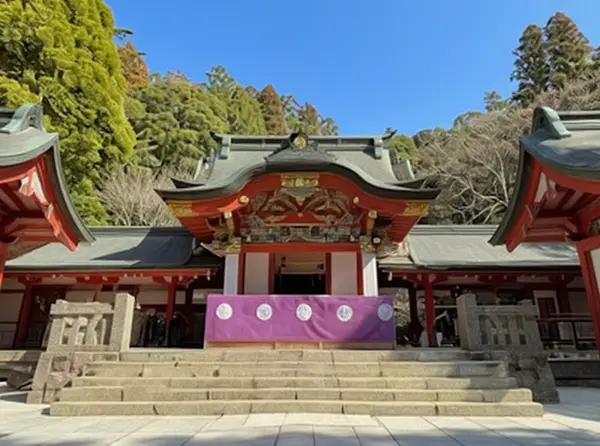
9. Kirishima-Jingu Shrine (Kirishima Shrine)
Kirishima Shrine
Volcanic mountain shrine with dramatic peak and lake views. Stroll cedar avenues, see layered torii, and experience centuries-old Shinto rituals.
Quick facts: A dramatic approach takes you under tall cedar trees and across stone steps, where the scent of incense mixes with cool mountain air to set a quietly reverent mood. Local worshippers honor the shrine's connection to Ninigi-no-Mikoto and Konohanasakuya-hime, and many visitors notice torii gates and carved panels that echo myths about gods and volcanic fire.
Highlights: Local lore recounts how Konohanasakuya-hime proved her purity by giving birth inside a blazing hut, a dramatic scene carved into a wooden panel near the main hall that visitors often stop to study. A visitor can feel the story in the air, where cool mountain mist mixes with the warm sweetness of sandalwood incense and the echo of wooden clappers, making the myths nearly audible.
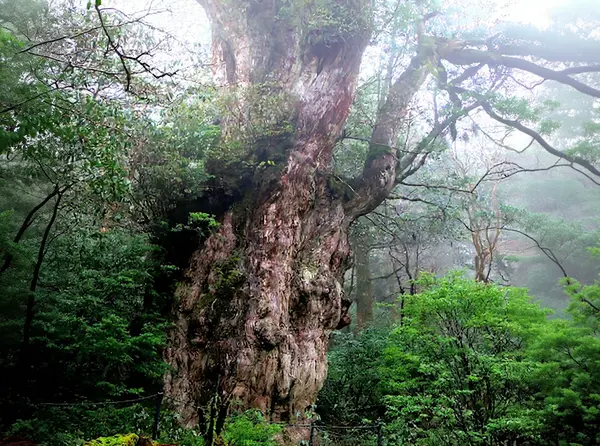
10. Yakushima Island — Jomon Sugi / Yakusugi Forest (Yakushima National Park)
Yakushima National Park
Ancient cedar giants and primeval mossy trails reward the trek. Walk to Jomon Sugi and through Yakusugi Forest for towering trunks, mist, and quiet.
Quick facts: Hiking to the most famous old cedar involves a 10 to 14-kilometer round-trip over steep, moss-draped trails, so plan for a full day and slippery rocks. Researchers estimate the largest specimen may be as old as 7,200 years, so you are walking among trees that survived millennia of storms and coastal fog.
Highlights: Up close, one ancient cedar's trunk measures more than 16 meters around, a scale that shrinks voices and makes every creak sound enormous. Experienced guides often ask groups to pause in complete silence for 60 seconds at a clearing, a ritual that reveals layered sounds: slow drip from needles, a distant river, and the soft scrape of leaves underfoot.
Where to Stay in Kagoshima, Japan
Selected by City Buddy based on guest reviews and proximity to top attractions
Search all hotels in Kagoshima, JapanPowered by agoda
Traditional Sweet Dishes
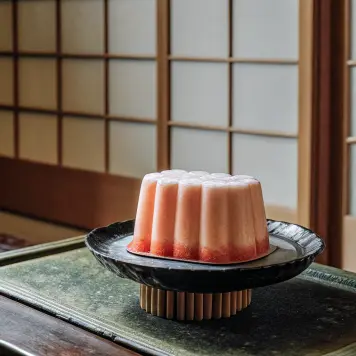
Karukan
Karukan is a pillowy steamed cake made from grated Japanese yam and rice flour, its springy texture was prized in feudal Satsuma court cuisine and still feels like biting into a soft cloud.
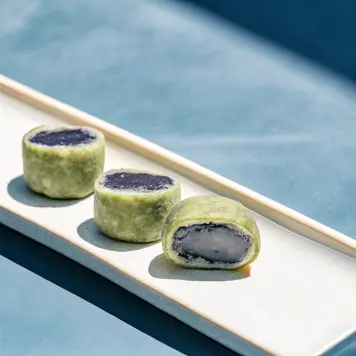
Kuro-imo sweets
Kuro-imo sweets use Kagoshima's black sweet potato, the deep purple flesh gives confections a velvety color and a naturally sweet, chestnut-like flavor that needs little added sugar.
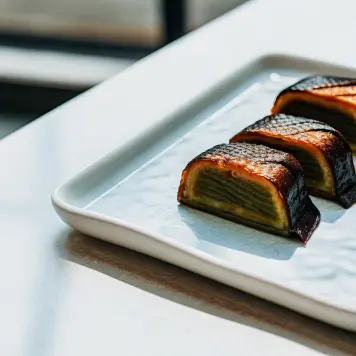
sweet potato desserts
Kagoshima's sweet potato desserts celebrate a tuber the region grows in abundance, from simple roasted yaki-imo to silky puddings, and local bakers say the flavor changes with the microclimate of each field.
Traditional Savory Dishes
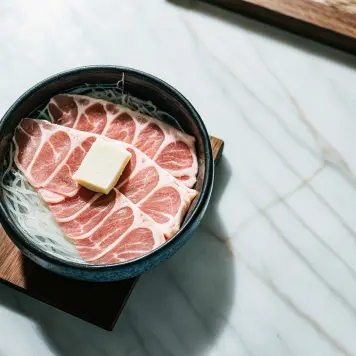
Kurobuta
Kurobuta, Kagoshima's Berkshire pork, is famed for its delicate marbling and buttery richness, and some farmers historically finished hogs on sweet potatoes to deepen the meat's natural sweetness.
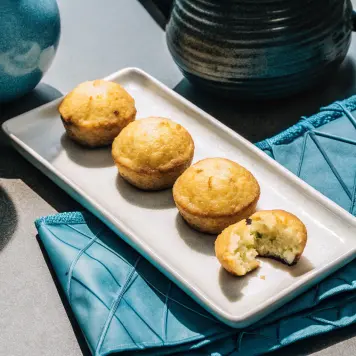
Satsuma-age
Satsuma-age are golden fried fish cakes created in Satsuma as a method to preserve surplus catch, and their chewy, slightly sweet texture makes them a beloved snack and ingredient across Japan.
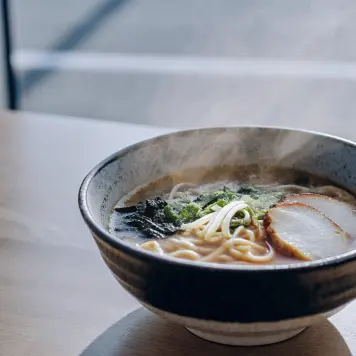
Kagoshima ramen
Kagoshima ramen features a multi-layered broth made by simmering pork, chicken, and vegetables together, and its mellow, slightly sweet profile reflects the region's preference for comforting, balanced flavors.
Traditional Beverages
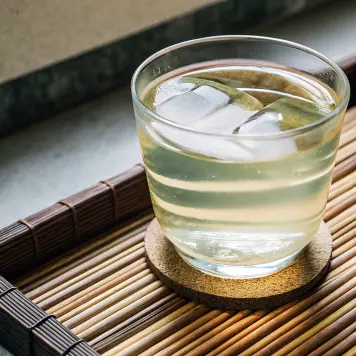
Shochu
Kagoshima is Japan's shochu heartland, famous for imo shochu distilled from sweet potatoes, and traditional single-distillation methods preserve the tuber's earthy aroma and distinctive personality.
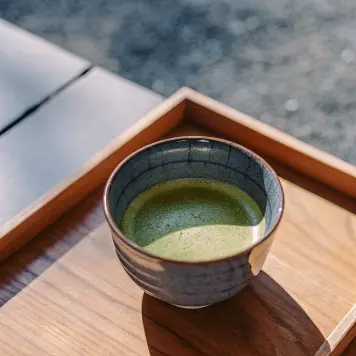
Green tea
Kagoshima's green tea benefits from warm coastal climates and volcanic soils near Sakurajima, which help produce a deep, rounded sweetness that surprises drinkers used to more astringent varieties.
Frequently Asked Questions about Kagoshima, Japan
Is Kagoshima, Japan safe for travelers?
How many days should I spend in Kagoshima, Japan?
What is the best time to visit Kagoshima, Japan?
Is Kagoshima, Japan expensive for travelers?
How to get around Kagoshima, Japan?
Get a PDF with the most popular attractions sent to your email
Get a PDF with all attractions, ratings, and tips. Perfect for offline use.
Most popular day trips
Kirishima (Kirishima-Kinkowan NP)
Volcanic park with hikes, crater lakes and shrines
Yakushima
World Heritage island with ancient cedar forests
Getting there
Train stations
Kyushu Shinkansen, JR Kagoshima Main Line, Ibusuki Makurazaki Line
JR Kagoshima Main Line, local services
From Kagoshima Airport take the Airport Shuttle bus (40–50 min) to Kagoshima-Chuo Station.
Find flights to Kagoshima, Japan
Click to get eSim for Kagoshima, Japan
The easiest and most affordable way to get mobile internet wherever you travel.
Comments (10)
Skip Tenmonkan main strip restaurants, walk a couple blocks into side streets for proper izakayas and much better prices.
Buy the port counter one-day ferry and bus pass if heading to Sakurajima, saves time and a bit of cash over separate tickets.
Most small stalls and mom-and-pop places prefer cash, use post office or Aeon ATMs if your card acts up late at night.
Was hoping for clear views of Sakurajima but it stayed fogged, so sightseeing felt anticlimactic. Still enjoyed the food.
Three days felt right to see highlights slowly, budget travelers can stretch it with cheap buses and convenience store meals.