 CityBuddy
 English
Things to Do in Kamakura, Japan
Photo made by Nothing Ahead on Pexels.com
When to visit
Plan your perfect trip to Kamakura, Japan
Get a complete travel plan built just for you in under 30 seconds, with daily routes, local food tips, budget estimates and more.
Are any of these especially important to you?
Select all that apply
Plan language: EnglishMost popular attractions in Kamakura, Japan
Things to do in Kamakura, Japan span centuries of history and serene nature. Walk 1 km along Komachi Street for charming shops, then visit Tsurugaoka Hachimangu Shrine, founded in 1063. Marvel at the 13.35-meter Great Buddha of Kamakura, an impressive bronze statue standing in open air since the 13th century.
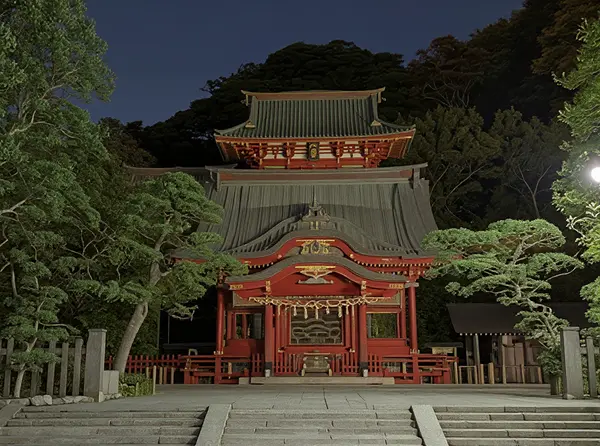
1. Tsurugaoka Hachimangu Shrine
Experience the vibrant cultural heartbeat with spectacular festivals and tranquil garden scenes. Marvel at colorful koi carp, historic bridges, and seasonal blossoms.
Quick facts: Vibrant festivals bring this shrine alive with thrilling horseback archery called yabusame several times a year. A picturesque pond home to ruby-red koi carp adds a burst of color to the serene grounds.
Highlights: At the heart, a striking red bridge arches over a reflective pond, offering a stunning photo op as cherry blossoms flutter in spring. During autumn, fiery maple leaves carpet the pathways, creating a vivid natural tapestry that contrasts beautifully with the shrine's traditional architecture.
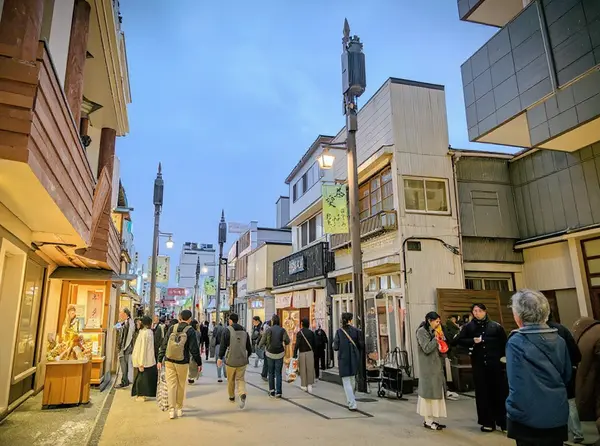
2. Komachi Street
Explore a lively street filled with unique crafts and tasty treats. Experience vibrant scenes with charming shops and authentic local flavors at every turn.
Quick facts: A lively street brimming with over 70 quaint shops and eateries, this place offers everything from traditional sweets to modern crafts. Locals and tourists alike flock here to grab unique souvenirs and sample freshly made treats like freshly baked rice crackers and matcha ice cream.
Highlights: Colorful noren curtains sway over wooden facades, creating a picture-perfect scene that changes with the seasons. Handmade Kamakura wares, such as delicate pottery and bamboo crafts, can be found tucked among cozy cafes and bustling food stalls, showcasing the town's artisan spirit.
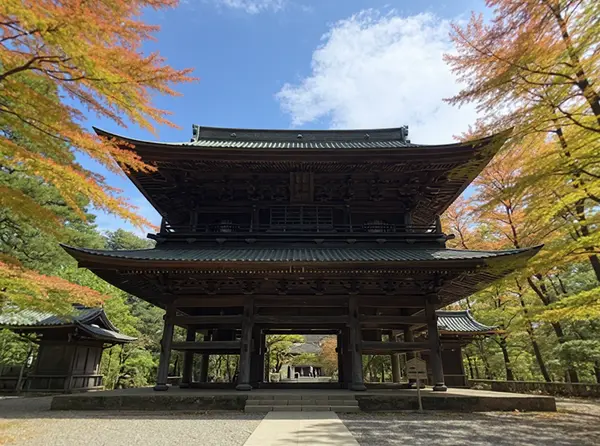
3. Engaku-ji Temple
Experience peaceful Zen gardens and ancient woods that calm your spirit. Walk through grand gates and embrace centuries of serene tradition.
Quick facts: This temple ranks as one of the top five Zen temples in Japan and holds a tranquil forest setting that soothes the mind instantly. The temple grounds span a large area filled with ancient cedar trees, some more than 700 years old, creating a timeless atmosphere.
Highlights: Step into a serene atmosphere where tea ceremonies have been held under ancient trees, offering a quiet ritual to connect with nature and history. The massive Sanmon gate stands as one of the largest wooden gates in Japan, offering a striking entrance that speaks volumes of traditional craftsmanship.
Have you heard of free walking tours?
After traveling to 30+ countries, there's one thing I wish someone had told me from day one, and it completely changed how I experience new cities.
Free walking tours. Yes, actually free. No credit card needed. No catch.
Local guide, 2-3 hours
Major sights, hidden gems, local stories
100% tip-based
Guides earn only tips, so they give their absolute best
You tip what feels right
At the end, just tip whatever you feel is right
I've done these in dozens of cities and they've been the highlight of almost every trip. If you're visiting Kamakura, Japan, do this on your first day. You'll thank me later.
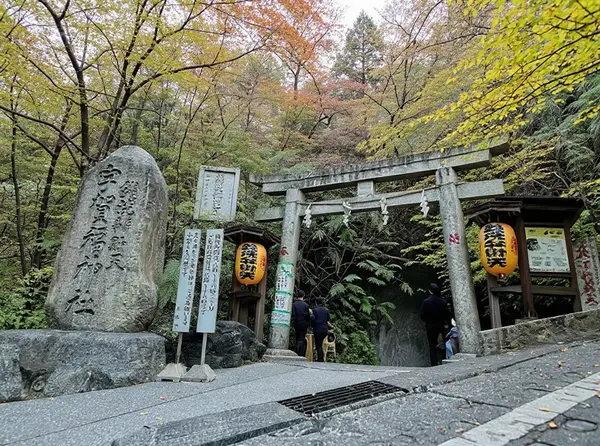
4. Zeniarai Benten Shrine
Experience a spiritual ritual that promises fortune like no other. Walk into a serene cave and wash your money in cool sacred waters for luck and prosperity.
Quick facts: A unique charm lies in its ritual where visitors wash their money in a sacred spring, believed to multiply wealth. Nestled in a cool cave, the shrine offers a refreshing escape from the summer heat of Kamakura.
Highlights: The spring water flows through a stone basin within a moss-covered cave, creating a mystical atmosphere. Locals treasure the ritual of cleansing coins here, which supposedly brings financial fortune, making it a lively blend of spirituality and superstition.
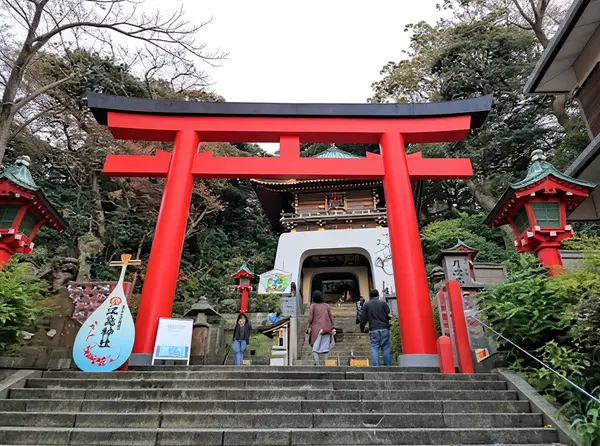
5. Enoshima Island
Escape to a volcanic island with sacred shrines and panoramic views. Enjoy mystical caves, peaceful gardens, and a vibrant cultural atmosphere.
Quick facts: An island just off the coast, it's famous for its caves and shrines dedicated to the goddess Benzaiten. The island offers stunning views of Mount Fuji on clear days, blending natural beauty with cultural richness.
Highlights: A series of enchanting caves carved into the volcanic rock create a mysterious, cool retreat during summer visits. The vibrant annual firefly festival attracts thousands who witness glowing insects flickering among dense greenery by night.
Where to Stay in Kamakura, Japan
Selected by City Buddy based on guest reviews and proximity to top attractions
Search all hotels in Kamakura, JapanPowered by agoda
Traditional Sweet Dishes
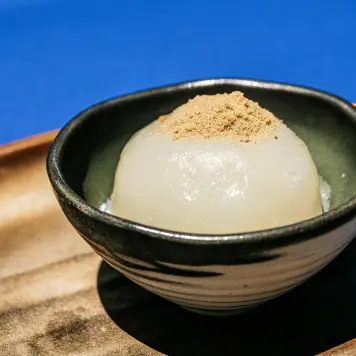
Kuzumochi
Kuzumochi is a jelly-like dessert made from kuzuko starch, famous in Kamakura for its light texture and refreshing taste, often enjoyed during summer.
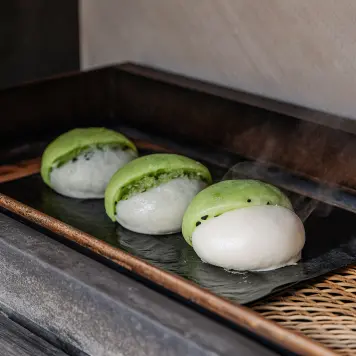
Shirasu Manju
Shirasu Manju are steamed buns filled with a sweet whitebait paste, a unique sweet that represents Kamakura's coastal culture.
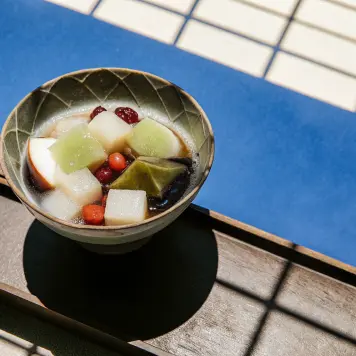
Anmitsu
Anmitsu is a traditional Japanese dessert consisting of agar jelly with fruits, red beans, and syrup, widely enjoyed in Kamakura tea houses for its balance of flavors.
Traditional Savory Dishes
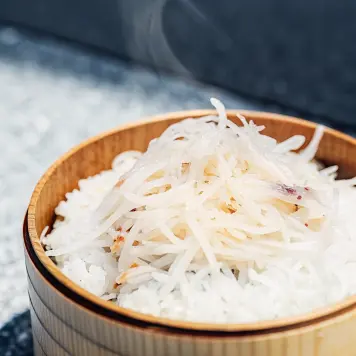
Shirasu-don
Shirasu-don is a rice bowl topped with fresh whitebait, a local specialty that highlights Kamakura's access to fresh seafood.
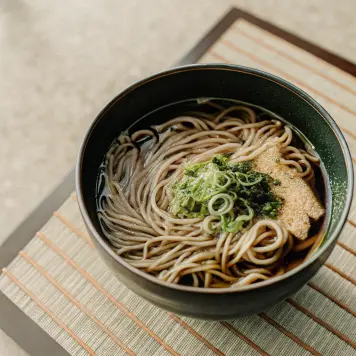
Kamakura Soba
Kamakura Soba features buckwheat noodles served with a variety of toppings, renowned for its firm texture and rich broth typical of the region.
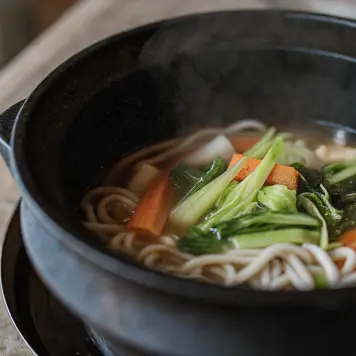
Hōtō
Hōtō is a hearty noodle soup with flat udon noodles and seasonal vegetables, popular in Kamakura for its comforting and rustic taste.
Traditional Beverages
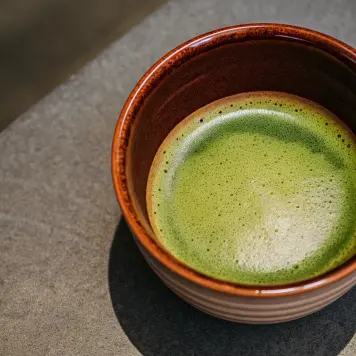
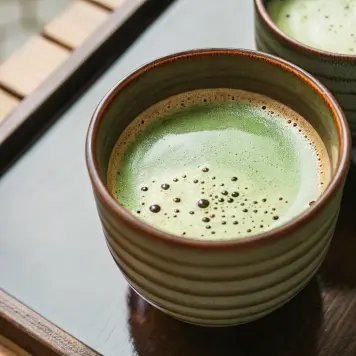
Matcha
Matcha, powdered green tea, is a staple in Kamakura's traditional tea ceremonies, known for its vibrant color and rich umami flavor.
Genmaicha
Genmaicha combines green tea with roasted brown rice, creating a nutty flavor that is enjoyed as a soothing drink in Kamakura homes and cafes.
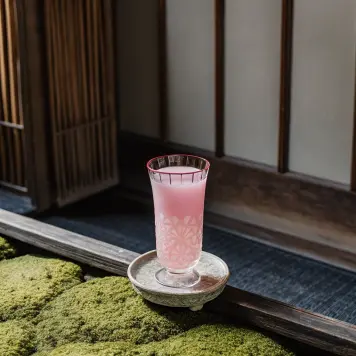
Sakura-cha
Sakura-cha is a fragrant tea made with cherry blossoms, celebrated in Kamakura during cherry blossom season for its delicate floral taste.
Frequently Asked Questions about Kamakura, Japan
Is Kamakura, Japan safe for tourists?
How many days should I spend in Kamakura, Japan?
What is the best time to visit Kamakura, Japan?
Is Kamakura, Japan expensive to visit?
How to get around Kamakura, Japan?
Get a PDF with the most popular attractions sent to your email
Get a PDF with all attractions, ratings, and tips. Perfect for offline use.
Most popular day trips
Enoshima
A small island with beautiful beaches, a lighthouse, and caves.
Yokohama
A vibrant port city known for its Chinatown and Minato Mirai district.
Hakone
Famous for hot springs, open-air museums, and views of Mount Fuji.
Getting there
Train stations
JR Yokosuka Line, JR Shonan-Shinjuku Line
From Haneda Airport, take the Keikyu Line to Yokohama, then transfer to the JR Yokosuka Line to Kamakura.
Find flights to Kamakura, Japan
Click to get eSim for Kamakura, Japan
The easiest and most affordable way to get mobile internet wherever you travel.
Comments (6)
The big Buddha was impressive but honestly too crowded during the day, early morning visits are way more peaceful.
Weather was hit or miss in early spring, prepare for sudden rain showers but the blooming sakura made up for it.
If you're hitting multiple temples, get a day pass for the Enoden train, it saves money and gives unlimited travel along the scenic coast.
Food was a mixed bag, some amazing fresh seafood spots but a couple of tourist traps that were pricey and underwhelming.
Skip the main street ramen shops and try Komachi Dori side alleys for cheaper, authentic noodles and friendlier service.