 CityBuddy
 English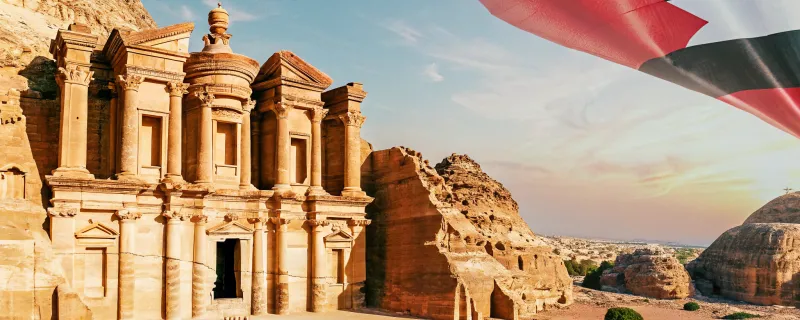
Things to Do in Jordan
When to visit
Plan your perfect trip to Jordan
Get a complete travel plan built just for you in under 30 seconds, with daily routes, local food tips, budget estimates and more.
Are any of these especially important to you?
Select all that apply
Plan language: EnglishMost popular attractions in Jordan
The top things to do in Jordan include exploring Petra, especially the Treasury face carved into rose-red cliffs more than 2,000 years ago. Visitors also enjoy the vast Wadi Rum Protected Area with its dramatic desert landscapes. For relaxation, float effortlessly in the Dead Sea at Sweimeh, the lowest point on earth.
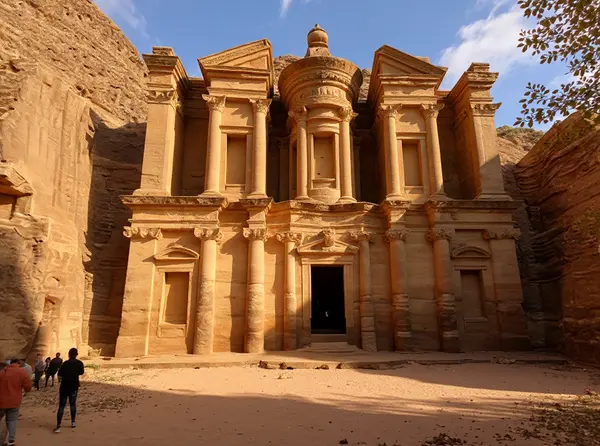
1. Petra - The Treasury
Wadi Musa
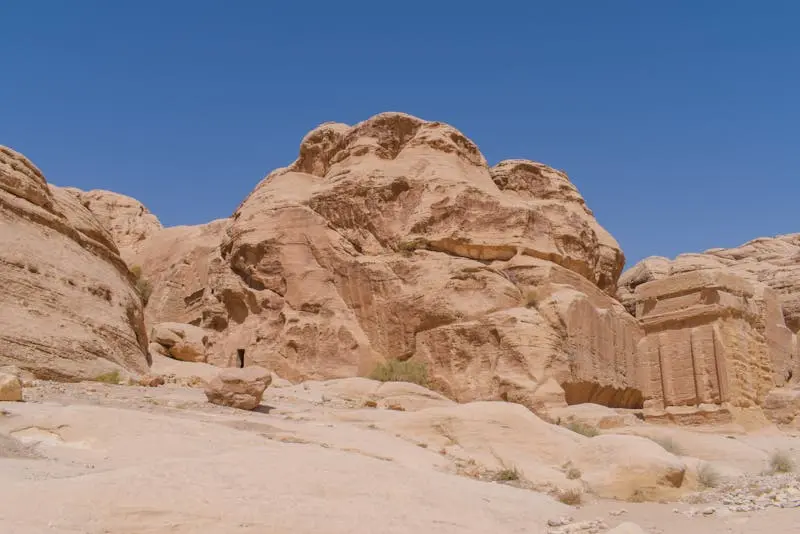
A cinematic rock-carved facade, worth the trek. Walk a narrow canyon, then stand beneath a 39 m-tall rose-red façade.
Quick facts: Stroll through a narrow, candlelit gorge and suddenly face a towering rock-carved façade that glows rose-red at sunset. Skilled stonecutters blended Hellenistic columns with local motifs, carving every detail directly from sandstone so light and weather paint the surface in shifting hues.
Highlights: A narrow 1.2-kilometre slot canyon funnels you toward the façade, producing a cinematic reveal when afternoon light strikes the stone. Local Bedouin musicians often play reed flutes at dawn and dusk, their plaintive notes echoing off 39-metre-high columns and turning the courtyard into a living stage.
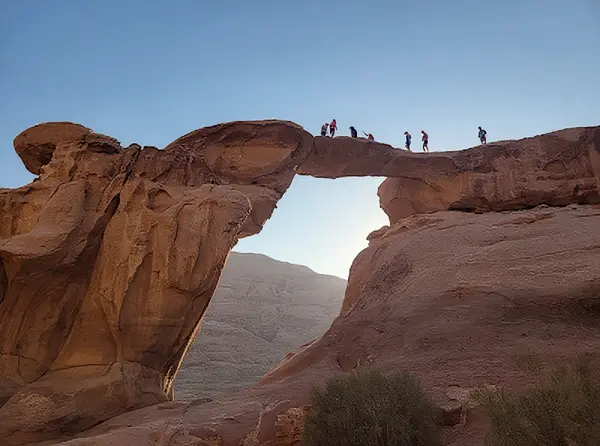
2. Wadi Rum Protected Area
Wadi Rum Village
Epic desert scenery worth the trip. Sleep under an endless sky, ride dunes, and explore red-rock canyons.
Quick facts: Red sand and giant granite and sandstone walls create a cinematic landscape photographers and filmmakers adore. Nabatean petroglyphs and faint camel tracks ripple across the rock, and guided jeep or camel rides reach remote canyons and arches.
Highlights: Local Bedouin hosts still serve sweet tea brewed with three cardamom pods in small brass kettles after night tours, a ritual that warms chilled visitors. The Milky Way sweeps overhead with almost no light pollution, so star shows often reveal hundreds of visible stars and bands of the galaxy that feel within arm's reach.

3. Dead Sea - Sweimeh (Dead Sea Resort Area)
Sweimeh
Float effortlessly in super-salty water, a surreal, relaxing experience. Smear mineral-rich mud and watch mirror-like sunsets.
Quick facts: Strange buoyancy lets even non-swimmers float effortlessly, thanks to water nearly ten times saltier than the ocean. Sitting about 430 meters below sea level, surface reflections turn sunset colors into surreal mirrors.
Highlights: A single bath feels like a guided spa, salt levels near 34% make you float while mineral-rich black mud is prized for skin treatments. Local vendors often offer 10- to 20-minute mud scrubs, and the low sun paints the water in gold and violet for dramatic photos.
Have you heard of free walking tours?
After traveling to 30+ countries, there's one thing I wish someone had told me from day one, and it completely changed how I experience new cities.
Free walking tours. Yes, actually free. No credit card needed. No catch.
Local guide, 2-3 hours
Major sights, hidden gems, local stories
100% tip-based
Guides earn only tips, so they give their absolute best
You tip what feels right
At the end, just tip whatever you feel is right
I've done these in dozens of cities and they've been the highlight of almost every trip. If you're visiting Jordan, do this on your first day. You'll thank me later.
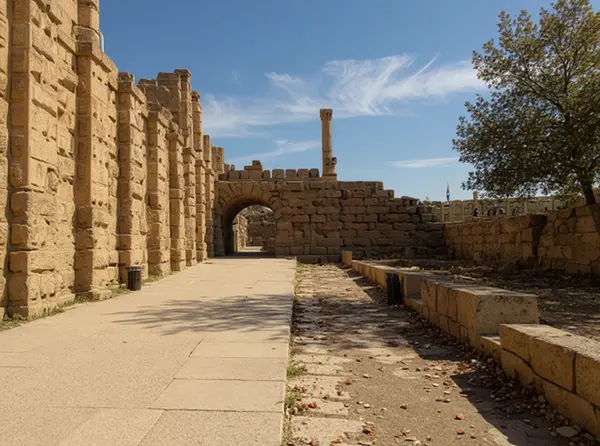
4. Jerash Ancient City
Jerash
Walk among towering Roman columns and marble streets. Hear echoes in a 3,000-seat theater and pass under Hadrian's Arch.
Quick facts: Walk along one of the most complete Roman colonnaded streets outside Italy, where fluted pillars and paved stones still guide your steps. A dramatic triumphal arch greets arriving visitors, and several large stone theaters continue to host concerts and festivals under the sky.
Highlights: Hadrian's Arch, erected to honor Emperor Hadrian's visit in 129, frames the main approach and makes for a cinematic photo with pale limestone and deep shadows. A horseshoe-shaped south theater seats about 3,000 people, letting you stand where cheering crowds once gathered and feel surprising acoustic echoes during performances.
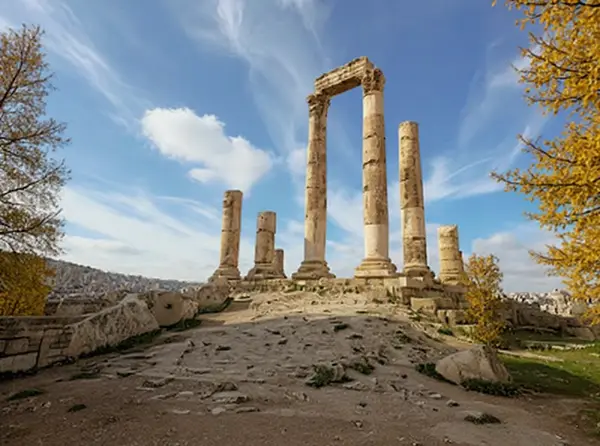
5. Amman Citadel
Amman
Hilltop ruins, epic city views make it worth visiting. Walk among Roman columns and a ruined palace while the skyline unfolds.
Quick facts: Perched on a prominent hill, the site layers Roman columns, Byzantine mosaics and Umayyad walls in one compact sweep. Visitors can stare up at colossal stone fragments from the Temple of Hercules and wander through a partially preserved Umayyad palace complex.
Highlights: Climb to the highest terrace and you encounter the battered remains of a monumental Roman statue, the Temple of Hercules, where a giant hand and arm hint at a sculpture once imposing enough to dominate the skyline. Nearby, the Umayyad Palace reveals a basalt tower and mosaic fragments that still catch the morning light, making the courtyard feel like an open-air time capsule.
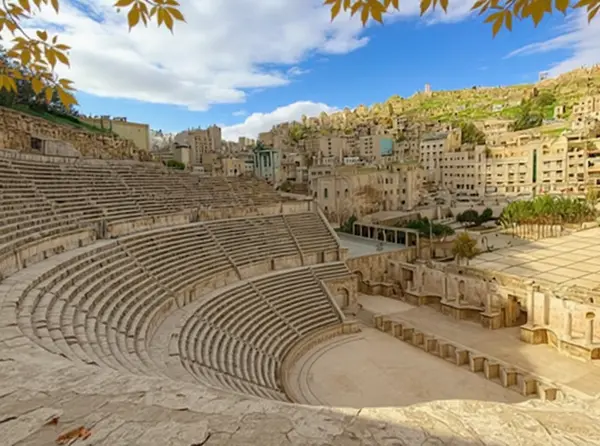
6. Roman Theatre
Amman
Feel ancient drama come alive in a vaulted stone theater. Climb the tiers and test the legendary acoustics.
Quick facts: Stone seating fans out in a near-perfect semicircle, so you can picture thousands watching performances from tiered rows. Echoes travel surprisingly well, so a whisper from the stage often carries to the highest seats.
Highlights: A single stage whisper can be heard in tiers about 30 rows up, the larger auditorium holding roughly 3,000 people so the scale is physically impressive. Carved capitals and faint tool marks on the stones invite you to run your hand along blocks and feel centuries of wear.
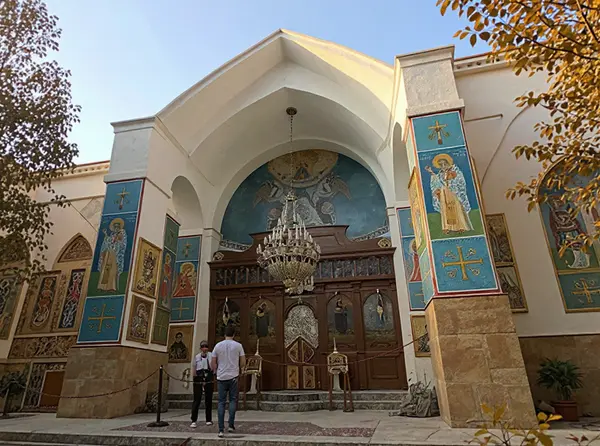
7. Madaba Mosaic Map
Madaba
Worth visiting for its scale and vivid detail. You'll circle a tiled map dotted with miniature towns, seas and tiny boats.
Quick facts: The Madaba Mosaic Map is the oldest surviving large-scale cartographic mosaic of the Holy Land, laid out across the floor of a church nave. Vivid blues form the sea while tiny buildings and Greek labels mark towns, roads and pilgrimage routes.
Highlights: A tiny mosaic boat and stylized fish animate the Dead Sea, while Jerusalem appears with a recognizable Cardo and the Church of the Holy Sepulchre rendered as miniature landmarks you can study up close. More than 150 place names appear in Greek across the scene, turning a floor into a navigational tool pilgrims once used.
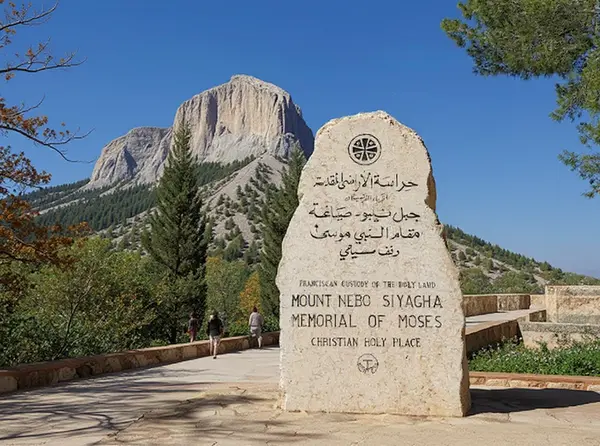
8. Mount Nebo (Mount Nebo / Madaba Governorate)
Mount Nebo
Panoramic highland views and quiet memorial atmosphere. Sunrise hues sweep the valley while ancient mosaics peek under your feet.
Quick facts: Mount Nebo sits about 817 meters above sea level, offering sweeping views over the Dead Sea and the Jordan Valley on clear days. Pilgrims long identified the summit as the spot where Moses viewed the Promised Land, and visitors still leave small stones and notes at the memorial.
Highlights: Perched at roughly 817 meters, the summit provides a dramatic drop of about 1,250 meters down to the Dead Sea's surface at around -430 meters, producing a breathtaking panorama from the western lookout. A small modern memorial chapel shelters colorful Byzantine mosaics with fish and vine motifs, their tesserae preserved under a protective canopy and best seen in soft side light.
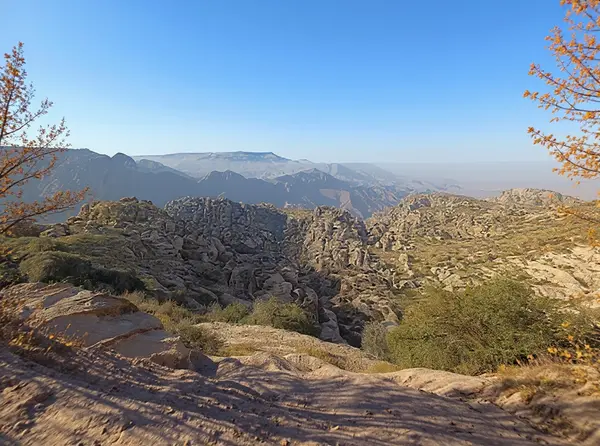
9. Dana Biosphere Reserve
Dana
Epic canyon views and rich biodiversity. Hike steep trails, smell wild thyme, watch migrating birds.
Quick facts: Expect dramatic elevation swings, from high plateaus down into deep sandstone canyons, so weather and plants change quickly as you move. More than 700 plant species and over 200 recorded bird species share surprisingly different habitats within short distances.
Highlights: A 14-kilometer wadi trail plunges roughly 800 meters, carving vivid orange cliffs and tiny springs where wild thyme and pistachio trees scent the air. Local families still tend stone terraces and brew goat cheese with mint, offering a warm kitchen-table welcome after long hikes.
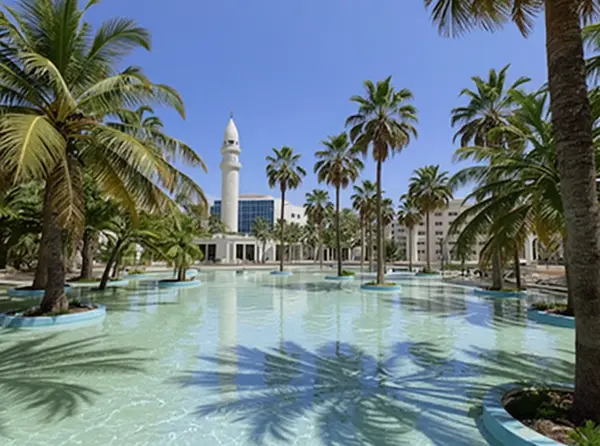
10. Aqaba Marine Park / Coral Reefs
Aqaba
Vibrant coral gardens are just offshore, perfect for quick snorkels or short dives. Expect turtles, colorful reef fish, and glass-clear water ideal for photos.
Quick facts: Shallow coral gardens lie close to shore, so colorful fish and branching corals are visible from a simple snorkel rather than a deep dive. On calm days water clarity exceeds 20 meters, and divers frequently spot hawksbill turtles, stingrays, and schooling reef fish within short swims.
Highlights: A single reef stretch hosts more than 250 recorded fish species and roughly 30 hard coral species, producing vivid mosaics of purple, orange, and lime green. Night dives reveal bright-green bioluminescent plankton and sleeping parrotfish, while shallow sand flats often hide sleeping turtles within ten meters of the reef edge.
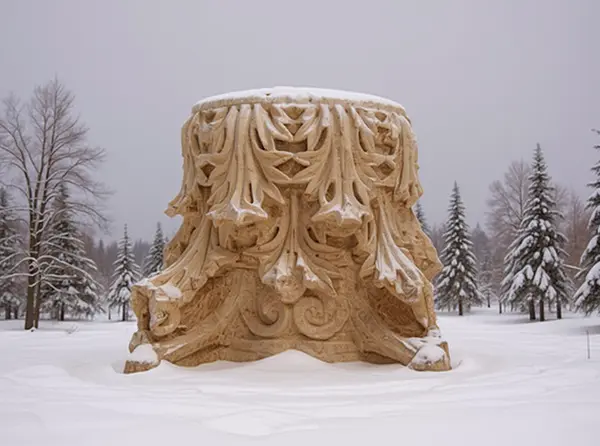
11. Jordan Museum
World-class archaeology in a sleek modern setting. Haunting plaster figures, interactive displays, and close-up original artifacts.
Quick facts: Expect some of the most complete prehistoric human figures anywhere, including about 32 plaster statues from Ain Ghazal with hollow, expressive eyes. A mix of interactive tech and original artifacts lets you trace daily life, ritual, and craft across long stretches of regional history without slogging through dense text panels.
Highlights: A dim gallery showcases roughly 32 life-sized plaster figures from Ain Ghazal, their bitumen-inlaid eyes and reed armatures visible under soft directional lighting. Close inspection of a reconstructed head reveals individual reed fibers and tool marks, a startlingly immediate link to the people who made them.
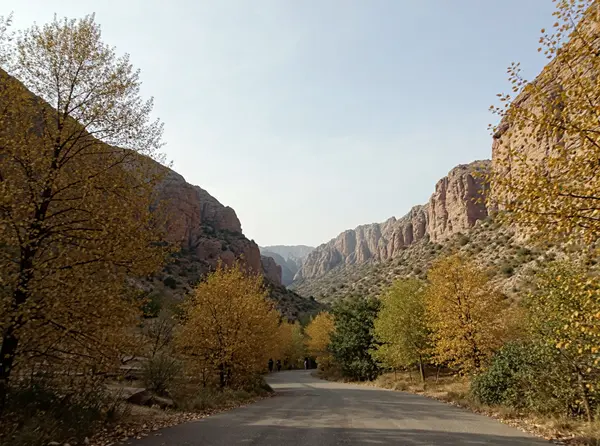
12. Rainbow Street
Vibrant night scene and cozy rooftop views make it irresistible. Expect street music, artisan shops, and sunset tea on terraces.
Quick facts: Colorful street lined with centuries-old stone buildings now hosting artisan shops, cozy cafes, and rooftop bars that buzz after sunset. Live music and street performers appear most nights, and you'll often smell cardamom coffee and frying dough as you walk.
Highlights: Rooftop terraces flood with warm golden light for about 20 to 30 minutes at sunset, where locals sip mint tea while the scent of spices drifts up from below. A quirky custom has many cafes stamping a free postcard with a red wax emblem after a coffee purchase, a charming carryover from neighborhood café rivalries that surprises first-time visitors.
Where to Stay in Jordan
Selected by City Buddy based on guest reviews and proximity to top attractions
Search all hotels in JordanPowered by agoda
Traditional Sweet Dishes

Kunafeh
Kunafeh is eaten hot so the sweet cheese melts into long, stringy ribbons when served, and in Jordan it is a celebratory dessert often sprinkled with crushed pistachios.

Baklava
Baklava layers flaky filo with syrup and chopped nuts, and in Jordan it is a festival favorite that often uses orange blossom or rose water for a fragrant twist.
Basbousa
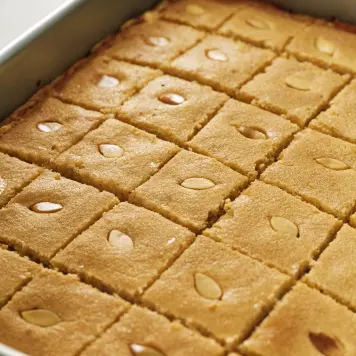
Basbousa is a semolina cake soaked in syrup, and its tender, grainy texture makes it a Ramadan and celebration staple across Jordanian homes.
Traditional Savory Dishes

Mansaf
Mansaf is Jordan’s national dish, lamb simmered in jameed, a fermented yogurt, and served communally over rice and flatbread to signal honor and hospitality.

Falafel
Falafel are crunchy chickpea patties that became a beloved street breakfast in Jordan, and they are traditionally eaten tucked into warm bread with pickles and tahini.

Hummus
Hummus is a creamy chickpea dip that doubles as food and social glue in Jordan, it is always served with olive oil and fresh bread for scooping.
Traditional Beverages
Arabic coffee
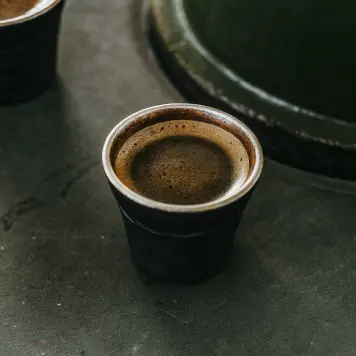
Arabic coffee in Jordan is lightly roasted and often spiced with cardamom, it is poured in tiny cups as a ritual of welcome and respect.

Tea with mint
Tea with mint is a ubiquitous gesture of hospitality in Jordan, it is usually served sweet and hot to greet guests and to wind down conversations.

Ayran
Ayran is a frothy, salted yogurt drink that refreshes the palate and pairs especially well with rich Jordanian dishes, it is both simple and incredibly cooling.
Frequently Asked Questions about Jordan
What is the best time to visit Jordan?
Is Jordan expensive to travel to?
How safe is Jordan for tourists?
How can I get around Jordan using public transport?
How many tourists visit Jordan each year?
Get a PDF with the most popular attractions sent to your email
Get a PDF with all attractions, ratings, and tips. Perfect for offline use.
Most popular day trips
Getting there
Airports
Train stations
Historic Hejaz Railway; no regular passenger service
Freight and historical lines; no regular passenger service
Prebook transfers or taxis; Queen Alia is about 30 km from Amman, allow 45-60 minutes.
Click to get eSim for Jordan
The easiest and most affordable way to get mobile internet wherever you travel.
Visa & entry
GCC countries, Turkey, Malaysia, Singapore, Bahrain, Kuwait, Oman, Qatar, UAE
Most other nationalities require an e-visa or visa on arrival; check your embassy.
Many nationalities can get a visa on arrival; confirm requirements and e-visa before travel.
Comments (10)
Pick up a Zain or Orange SIM at the airport, cheap data and easy top ups, offline maps worked great for wandering.
Loved the bread and mansaf, I found best meals at tiny local places, skip the tourist restaurants downtown.
Three nights in Amman, two exploring the south and one for Wadi Rum felt right. August was scorching, pack sunscreen.
Budget tip: hostels are cheap, but taxis added up fast. I blew my budget on transfers between sites.
Carry small JOD notes and coins, roadside cafes and local markets often only accept cash and change is limited.