 CityBuddy
 English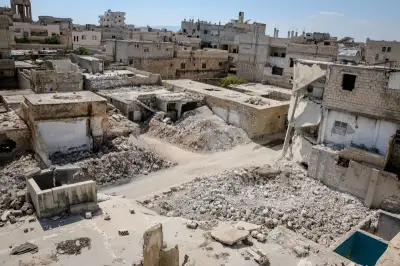
Things to Do in Syria
Photo made by Ahmed akacha on Pexels.com
When to visit
Plan your perfect trip to Syria
Get a complete travel plan built just for you in under 30 seconds, with daily routes, local food tips, budget estimates and more.
Are any of these especially important to you?
Select all that apply
Plan language: EnglishMost popular attractions in Syria
The main things to do in Syria include exploring the ancient city of Palmyra, located about 215 km from Damascus, known for its impressive Roman ruins. Also visit the Umayyad Mosque in Damascus, one of the largest and oldest mosques in the Islamic world, as well as the Castle of the Knights, a well-preserved Crusader fortress near Homs. These attractions offer a deep immersion into the country's history and culture.
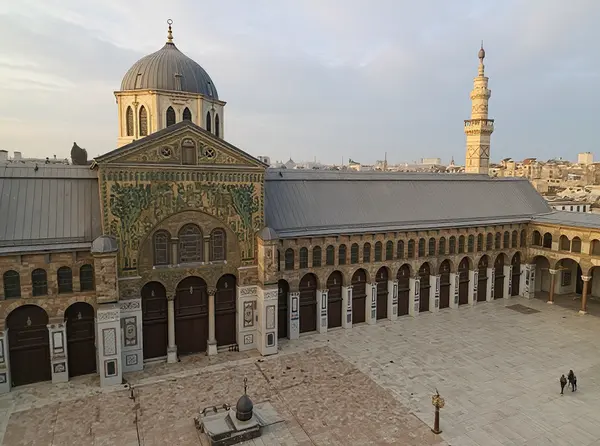
1. Umayyad Mosque
Damascus
Quick facts: You feel the scale instantly as a marble courtyard opens beneath shadowed arcades, while slender minarets rise into the sky as crisp geometric silhouettes. A dazzling program of Byzantine-style mosaics uses thousands of tiny tesserae, the gold and glass catching daylight so the river and city scenes seem to shimmer.
Highlights: A small octagonal shrine houses a relic revered as the head of John the Baptist, set behind carved wooden screens and an emerald lamp that casts a cool green glow. Visitors note three named minarets, the Minaret of the Bride, the Minaret of Jesus, and the Minaret of the Eagle, and climbing one of their tight stone staircases rewards you with a dizzying view over layered courtyards and glittering mosaics.
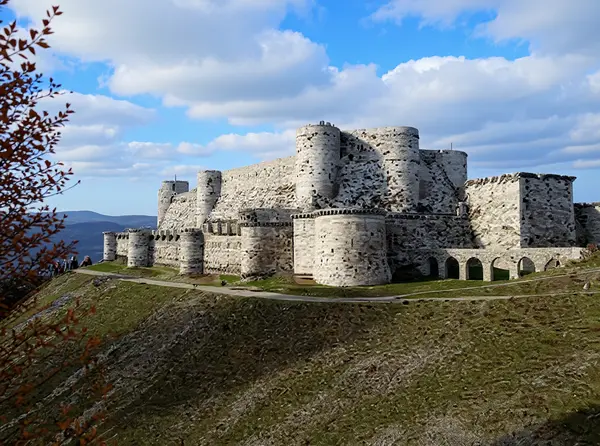
2. Crac des Chevaliers
Homs
Worth visiting if you enjoy living history. Feel the medieval atmosphere inside imposing walls with spectacular views.
Quick facts: Imagine a fortress that stood through hundreds of battles during the Crusades, maintaining its grandeur to this day. This place was a key piece in controlling important routes in the Eastern Mediterranean.
Highlights: The walls reach an impressive 6 meters thick, making defense nearly impenetrable. Exploring the knights' quarters, you can almost hear the echoes of past strategies and battles.
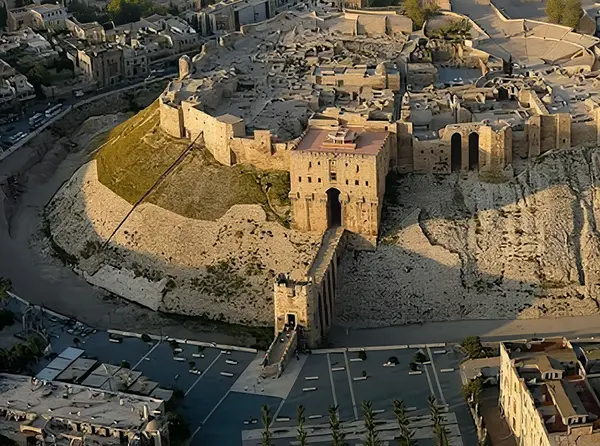
3. Old City of Aleppo
Aleppo
Explore a historic maze full of living culture. Experience lively markets and architecture that captivates.
Quick facts: The ancient walls hold millennia-old stories intertwined at every corner. The architecture shows Byzantine, Roman, and Ottoman influences, revealing the region's cultural blend.
Highlights: Find yourself in the heart of a maze of narrow streets where the scent of spices and the sounds of vibrant souks create a unique atmosphere. The great citadel, with its imposing stone walls, offers a panoramic view that seems to freeze time.
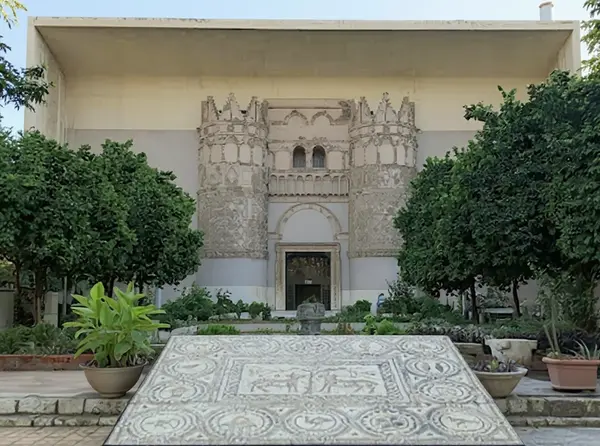
4. National Museum of Damascus
Damascus
Quick facts: More than 100,000 objects fill the galleries, ranging from chipped Paleolithic tools to luminous Umayyad glass that seems to change color under certain lights. You'll find towering stone reliefs, a rich array of Roman mosaics, and coin hoards that let you trace trade routes across the ancient Near East.
Highlights: Step into a fully reassembled merchant's room, its roughly 500 carved wood panels and painted tiles arranged so you can almost hear the creak of the floorboards and smell cedar when sunlight hits the varnish. A tucked-away corridor holds funerary stelae including one dated around 200 BCE with a clear Aramaic inscription, and curators sometimes bathe the stone in low light so visitors can trace the ancient chisel marks by hand-held lamps.
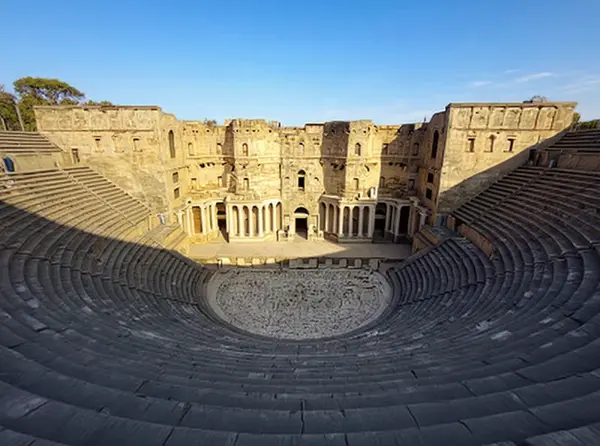
5. Roman Theatre of Bosra
Bosra
Experience an ancient spectacle where history and architecture collide. Walk through a dramatic basalt theater that once hosted thousands of excited fans.
Quick facts: Imagine stepping into a massive arena that could hold over 15,000 cheering spectators. The stone walls here still echo ancient performances that blend Roman engineering genius with stunning local craftsmanship.
Highlights: Unique basalt stones give the theater a dark, dramatic look unlike any other Roman site. Visualize actors and audiences surrounded by a perfectly preserved oval stage, one of the best examples of Roman theaters standing today.
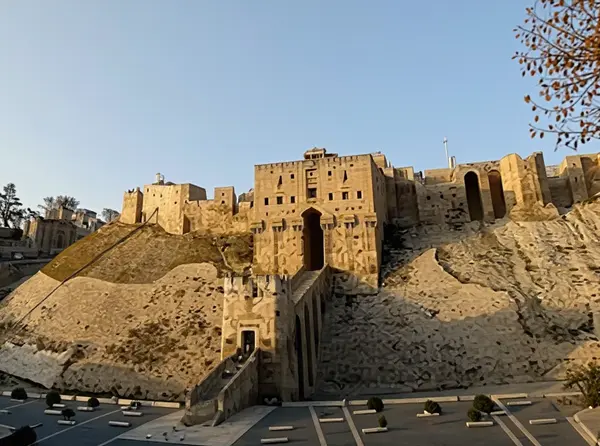
6. Citadel of Aleppo
Aleppo
Explore a monumental fortress with incredible views of the ancient city. Experience history through walls and artifacts that seem frozen in time.
Quick facts: The citadel offers an impressive panoramic view of the old city, with its robust walls that withstand time and many conflicts. Some of the structures inside include palaces, mosques, and arches that tell stories of various empires that passed through.
Highlights: Inside the citadel, a tall minaret carved with intricate details reveals the art of centuries ago, a visual gem that few visitors notice right away. Also, the giant stones used in construction show ancient techniques that challenged engineering with limited resources.
Where to Stay in Syria
Selected by City Buddy based on guest reviews and proximity to top attractions
Search all hotels in SyriaPowered by agoda
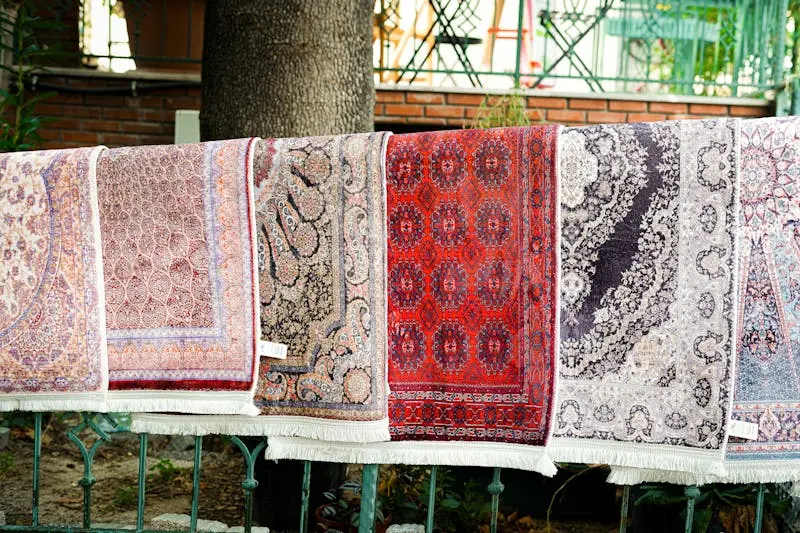

Traditional Sweet Dishes
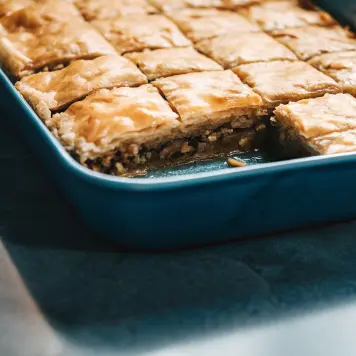
Baklava
Baklava is a rich, sweet pastry made of layers of filo filled with chopped nuts and sweetened with syrup or honey, and it is a beloved dessert in Syrian celebrations and festive occasions.
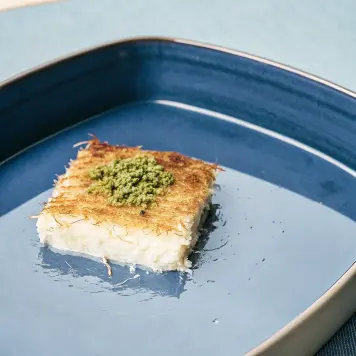
Knafeh
Knafeh is a cheese-based dessert soaked in sweet syrup, often topped with crushed pistachios, and is famous for its unique combination of crispy and gooey textures.
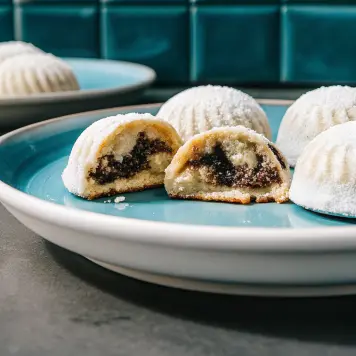
Maamoul
Maamoul are delicate semolina pastries filled with dates, nuts, or figs, traditionally made during religious holidays and symbolizing hospitality in Syrian culture.
Traditional Savory Dishes
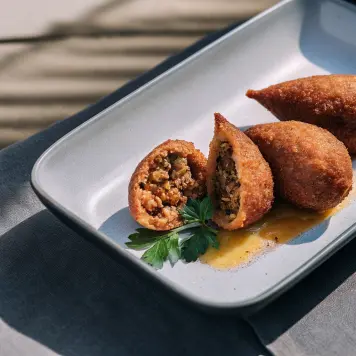
Kibbeh
Kibbeh is a quintessential Syrian dish made of bulgur, minced onions, and finely ground lean meat, often shaped into balls or patties and served fried or baked, showcasing the rich flavors of Levantine cuisine.
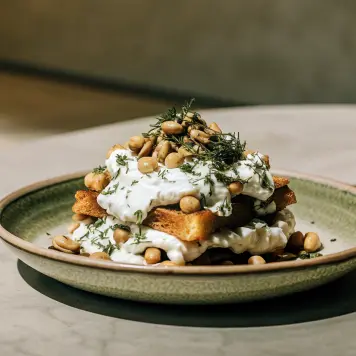
Fatteh
Fatteh is a layered dish with toasted bread, yogurt, chickpeas, and pine nuts, and its versatility and comforting flavors make it a popular Syrian staple for gatherings.
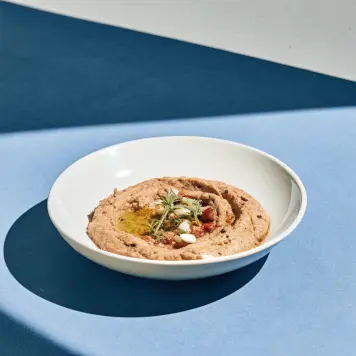
Muhammara
Muhammara is a flavorful dip made from roasted red peppers, walnuts, and olive oil, offering a smoky and slightly spicy taste that complements many Syrian meals.
Traditional Beverages
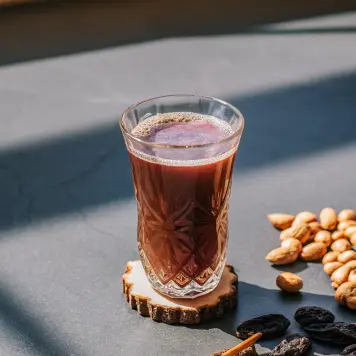
Jallab
Jallab is a traditional drink made from grape molasses, dates, and rose water, often served with pine nuts and raisins, and it is especially refreshing in the hot Syrian climate.
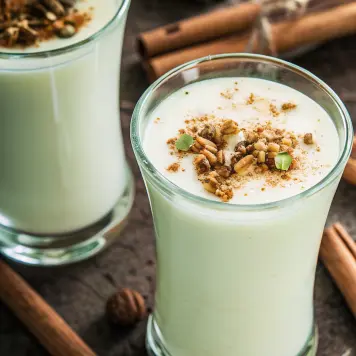
Sahlab
Sahlab is a warm, creamy beverage made from orchid root powder, flavored with cinnamon and nuts, and it is cherished as a comforting winter drink in Syria.
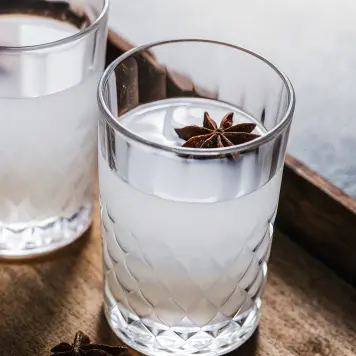
Arak
Arak is an anise-flavored distilled spirit, traditionally served diluted with water and ice, and it holds cultural significance as a social drink in Syrian hospitality.
Frequently Asked Questions about Syria
What is the best time to visit Syria?
Is Syria an expensive destination for tourists?
How is public transportation in Syria?
How many tourists visit Syria per year?
Is it safe to travel to Syria?
Get a PDF with the most popular attractions sent to your email
Get a PDF with all attractions, ratings, and tips. Perfect for offline use.
Most popular day trips
Aleppo
Ancient city known for its historic citadel and bustling souks.
Crac des Chevaliers
Medieval Crusader castle, one of the best-preserved in the world.
Getting there
Airports
Train stations
Services to Aleppo, Homs, Hama
From Damascus airport, use taxi or shuttle buses for city center transport.
Click to get eSim for Syria
The easiest and most affordable way to get mobile internet wherever you travel.
Visa & entry
Lebanon, Jordan, Iraq
Most other countries
Obtain visa prior to arrival; check latest requirements due to changing regulations.
Comments (8)
Get a local SIM card from the airport, cheaper than hotel wifi and saves a lot of hassle when ordering taxis or maps.
Wasn't sure what to expect but the mix of old and new city vibes really hit me, 4 days felt just right to catch the essence.
If you like history, 3-4 days is enough, but weather gets pretty hot in July so bring light clothes. Loved the tea spots everywhere.
Prices for food were surprisingly low for how tasty everything was. Some places felt overly touristy but a quick walk off main roads sorted that.
Food in Syria is something else, tried the kebabs and street figs, wild flavors. The heat in summer can be brutal though, plan early or late in the year.