 CityBuddy
 English
Things to Do in Damascus, Syria
Photo made by İpek Bayrak on Pexels.com
When to visit
Plan your perfect trip to Damascus, Syria
Get a complete travel plan built just for you in under 30 seconds, with daily routes, local food tips, budget estimates and more.
Are any of these especially important to you?
Select all that apply
Plan language: EnglishMost popular attractions in Damascus, Syria
Exploring things to do in Damascus, Syria offers a rich historical experience. Visit the Umayyad Mosque, one of the oldest and largest mosques in the world. Wander through the Old City, a UNESCO World Heritage Site with labyrinthine alleys. Don't miss Al-Hamidiyah Souq, a marketplace stretching nearly 600 meters, perfect for local crafts.
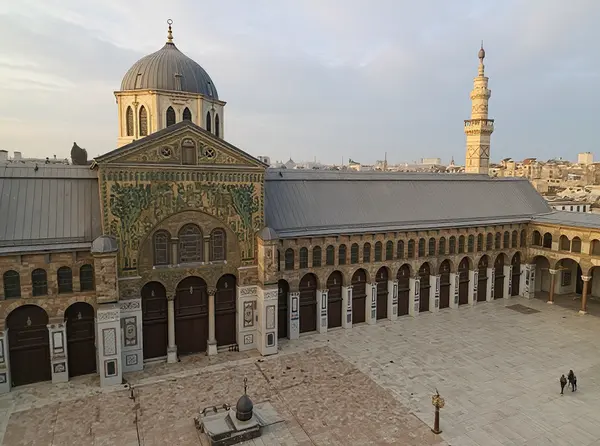
1. Umayyad Mosque (Great Mosque of Damascus)
Great Mosque of Damascus
One of the world's oldest major mosques with dazzling mosaics and layered history. Walk through ornate courtyards, see the Shrine of John the Baptist, and feel ancient Damascus.
Quick facts: You feel the scale instantly as a marble courtyard opens beneath shadowed arcades, while slender minarets rise into the sky as crisp geometric silhouettes. A dazzling program of Byzantine-style mosaics uses thousands of tiny tesserae, the gold and glass catching daylight so the river and city scenes seem to shimmer.
Highlights: A small octagonal shrine houses a relic revered as the head of John the Baptist, set behind carved wooden screens and an emerald lamp that casts a cool green glow. Visitors note three named minarets, the Minaret of the Bride, the Minaret of Jesus, and the Minaret of the Eagle, and climbing one of their tight stone staircases rewards you with a dizzying view over layered courtyards and glittering mosaics.
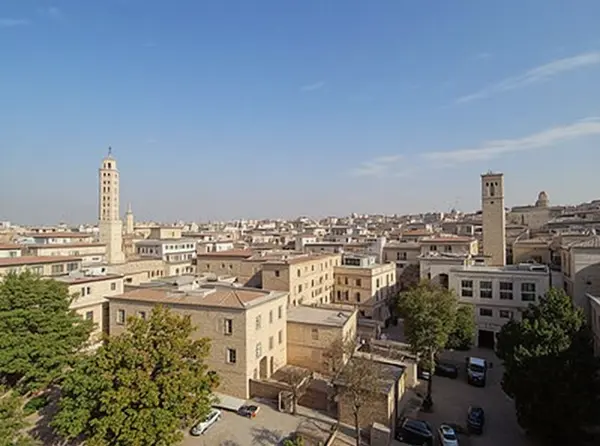
2. Old City of Damascus (Ancient City)
Ancient City
One of the oldest continuously inhabited cities, alive with layers of Roman, Byzantine and Ottoman history. Wander narrow souks, ancient mosques and aromatic spice stalls.
Quick facts: Winding alleys reveal a patchwork of stone, carved wood and mosaic, where more than a dozen historic mosques and churches peek over rooftops. Markets brim with rosewater, hammered copper, and hand-blown glass, and many family stalls still follow recipes and techniques passed down across five generations.
Highlights: Slip through a low-arched doorway into a candlelit courtyard where a shopkeeper named Ahmad keeps a handwritten ledger of every lantern he repaired since 1978. Evening brings a cloud of rosewater and spiced coffee, and an elderly storyteller counts precisely seven tales reserved for guests who settle on the courtyard cushions.
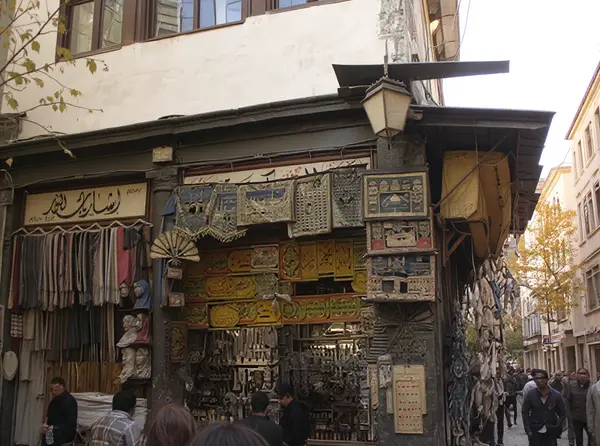
3. Al-Hamidiyah Souq
Historic covered market in the old city, alive with scents, spices and traditional crafts. Wander narrow alleys and haggle for sweets, textiles and copperware.
Quick facts: Narrow, lantern-lit alleys pulse with color and scent, as spice sacks, piles of dried fruit, and bolts of fabric press into every stall. Local vendors and wandering shoppers mingle day and night, creating a lively market where hundreds of traders sell hand-blown glass, carved woodware, and honey-sweet pastries.
Highlights: A covered arcade runs roughly 600 meters, the filtered sunlight turning dust motes into golden confetti while the air fills with roasted coffee and za'atar. Older families spanning three generations keep a quirky tradition alive: they still offer tiny samples of sugared walnuts and cardamom coffee to passersby, a warm, everyday ritual that smells of cinnamon and history.
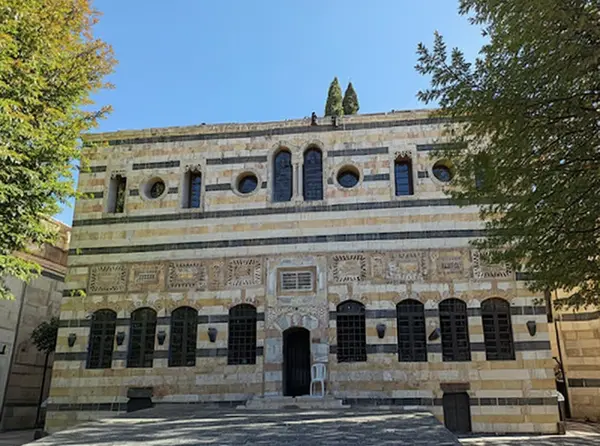
4. Azm Palace (Beit al-Azem)
Beit al-Azem
Elegant 18th-century Ottoman residence showcasing intricate Damascene woodwork and tiled courtyards. Wander quiet rooms, admire carved panels, and feel the rhythm of old Damascus.
Quick facts: Lavish interiors once hosted the influential al-Azm family, with a central courtyard where a marble fountain still splashes beneath carved wooden mashrabiya. Visitors often notice painted cedar ceilings and expansive reception halls, where sunlight filters through patterned screens to throw lace-like shadows across colorful tile floors.
Highlights: Step into the central courtyard and you’ll hear water tapping against the fountain, smell orange blossom when gardeners water the potted trees, and see sunlight choreographing a pattern across 16 stone columns. A narrow upstairs corridor hides seven tiny rooms traditionally used for private correspondence and record-keeping, the air in them retaining a faint trace of rosewater and smoked cedar.
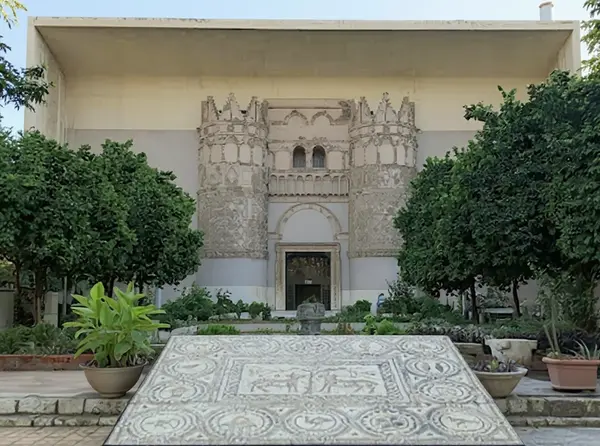
5. National Museum of Damascus
Walk through millennia of Syrian history under one roof. Galleries of statues, mosaics and everyday objects trace life from prehistory to the Islamic era.
Quick facts: More than 100,000 objects fill the galleries, ranging from chipped Paleolithic tools to luminous Umayyad glass that seems to change color under certain lights. You'll find towering stone reliefs, a rich array of Roman mosaics, and coin hoards that let you trace trade routes across the ancient Near East.
Highlights: Step into a fully reassembled merchant's room, its roughly 500 carved wood panels and painted tiles arranged so you can almost hear the creak of the floorboards and smell cedar when sunlight hits the varnish. A tucked-away corridor holds funerary stelae including one dated around 200 BCE with a clear Aramaic inscription, and curators sometimes bathe the stone in low light so visitors can trace the ancient chisel marks by hand-held lamps.
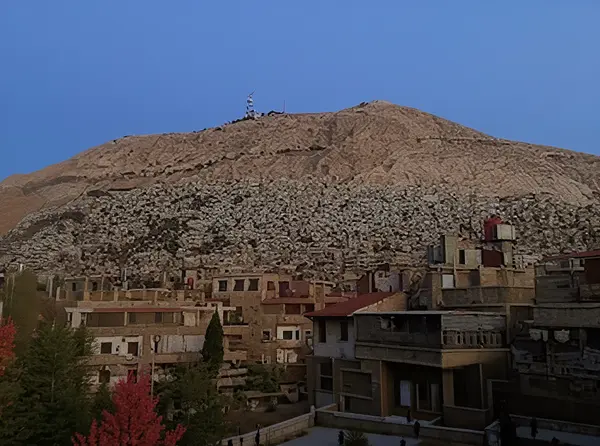
6. Mount Qasioun (Qasioun Mountain viewpoint)
Qasioun Mountain viewpoint
Panoramic views over Damascus and the Umayyad Mosque from a historic ridge. Watch sunset paint the city for striking photos and peaceful walks.
Quick facts: From the ridge you can watch city lights spill into olive groves and the plain beyond, a panorama that flips from gold to indigo as day yields to night. Local storytellers and merchants cluster at viewpoints offering small cups of cardamom coffee while hawks and kites patrol the thermals above.
Highlights: Climb to the western lookout and count more than 50 minarets puncturing the skyline, their slim outlines glowing copper during the last quarter hour before sunset. Some families still tie ribboned cloth to a weathered outcrop, whispering newborn names or wishes into the wind, a tactile little ritual that leaves colorful threads fluttering like prayer flags.
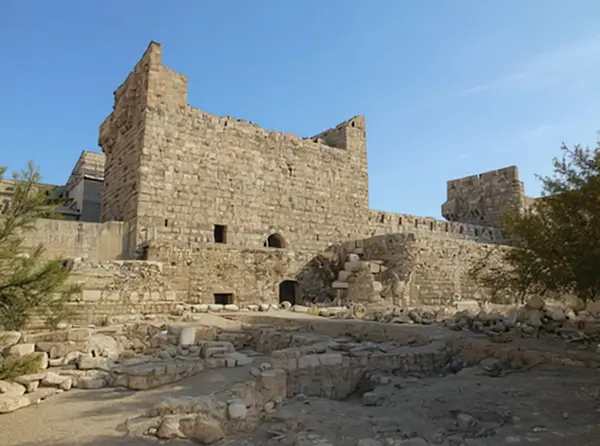
7. Citadel of Damascus (Qal'at Dimashq)
Qal'at Dimashq
A skyline-defining fortress that encapsulates Damascus's 2,000-year history. Wander ramparts, vaulted halls and archaeological layers while enjoying sweeping city views.
Quick facts: Massive limestone walls reach roughly 20 meters, with thick buttresses and closely spaced towers that make you feel the scale of old defenses. Archaeologists can still trace Roman foundations beneath the visible stonework, and visitors often spot layers of different masonry where Crusader and Mamluk repairs meet.
Highlights: A central keep soars about 30 meters, climb its tight spiral stair and the wind carries the citrus-sweet scent of nearby orchards across sun-warmed stone. Guides love to point out a small carved cross sitting beside an Arabic inscription. Press your palm into centuries-smoothed grooves and feel the hollows generations have touched.
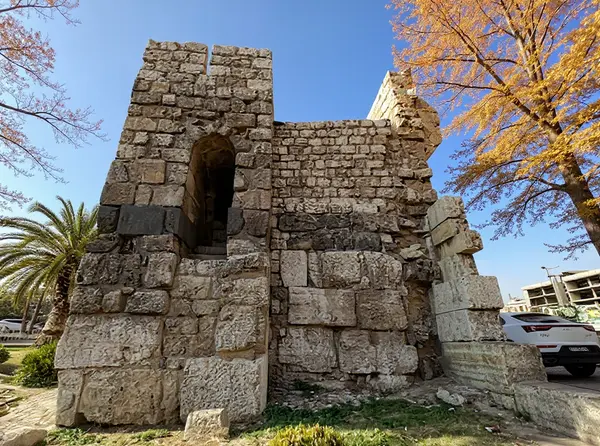
8. Bab Touma (Saint Thomas Gate) / Christian Quarter
Centuries of Christian life clustered around a striking city gate. Wander narrow lanes, ornate churches, and rooftop cafes for local color.
Quick facts: Step through a narrow stone gate and fresh coffee, incense, and church bells fuse into a layered soundtrack you can feel as much as hear. More than a dozen churches and tiny artisan shops cluster within a few hundred meters, so you can pass carved icons, old brasssmithing tools, and frescoed chapels in the space of a short walk.
Highlights: Wander down a lamp-lit alley and you'll find a tiny chapel where a bronze bell tolls exactly three clear notes at noon, a sound that routinely stops market chatter and draws neighbors to the doorway. An old neighborhood habit survives: shopkeepers leave a handful of fresh basil or olive sprigs on thresholds during major feast days, and if you're lucky a family will invite you inside to see a room hung with thirty or more hand-painted icons.
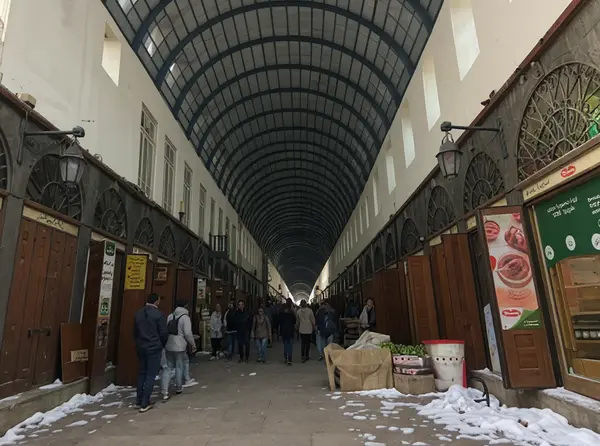
9. Straight Street (Via Recta)
Via Recta
Walk a living Roman thoroughfare where biblical history and Ottoman-era markets meet. Wander colonnades, churches, ancient paving and local cafes.
Quick facts: You can follow a remarkably straight thoroughfare slicing through a maze of winding alleys, a rare urban spine that still shapes processions and daily trade. Shops and cafes tuck beneath arched colonnades, where worn flagstones click underfoot and the air fills with roasted coffee, spices, and calls from nearby vendors.
Highlights: Local storytellers often point to Acts 9:11, a New Testament verse, as the reason pilgrims light candles and walk the route in small groups of about 20 to 50 people. As evening falls, warm lantern light pools on faded Greek and Arabic inscriptions, while the scent of orange blossom and the sound of an oud drifting from a courtyard make the walk feel like stepping into a layered living memory.
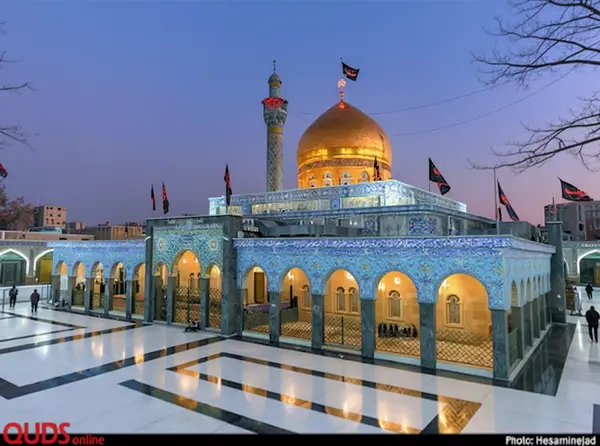
10. Sayyidah Zainab Mosque
Major Shia shrine with a striking blue dome and ornate interiors, rich in history and devotion. Experience candlelit prayer halls, marble courtyards, and daily devotional rituals.
Quick facts: You can smell incense the moment you walk into the courtyard, the air thick with oud and rosewater. A gilded dome and tiled mosaics catch the light, while intricate calligraphy and brass lamps draw the eye toward the inner shrine.
Highlights: A centuries-old custom has visitors pressing their palms to the ornate metal lattice that encases the tomb, quietly repeating a three-line supplication as candles flicker. Soft murmurs accompany the sound of hundreds of slips of paper tucked into the grille, a papery rustle that mingles with the scent of rose water to create a surprisingly intimate atmosphere.
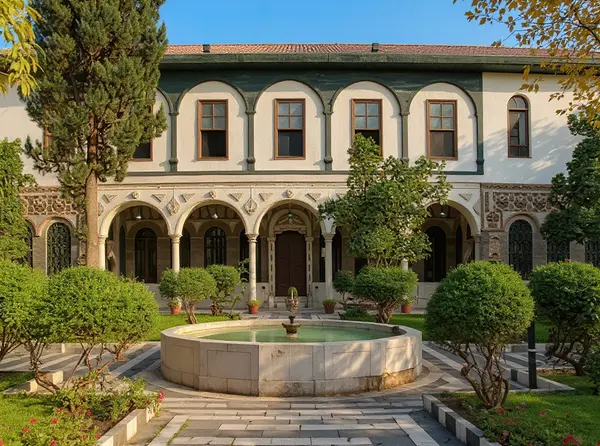
11. Maktab Anbar
Lavish 18th-century Damascene merchant house that shows ornate Ottoman-era craftsmanship. Wander painted reception rooms, tiled courtyards, and quiet galleries.
Quick facts: Sunlight pours across a tiled courtyard, highlighting painted cedar ceilings and ornate mashrabiya while cool air pools around a central marble fountain. More than 100 rooms, arranged around multiple iwans and hidden corridors, reveal private family quarters, merchant offices, and vaulted storage chambers.
Highlights: Step into the shaded courtyard and smell citrus and cedar as painted screens cast kaleidoscopic patterns on mosaic tiles. A narrow secret stair climbs to a cramped attic that once sheltered over 500 family documents and trunks, the papery musk and a tiny carved keyhole still reward curious visitors.
Where to Stay in Damascus, Syria
Selected by City Buddy based on guest reviews and proximity to top attractions
Search all hotels in Damascus, SyriaPowered by agoda
Traditional Sweet Dishes
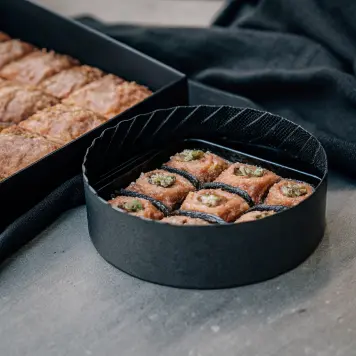
Baklava
A syrupy layered pastry of thin phyllo dough filled with pistachios or walnuts, baklava is a staple of Damascene confectioneries and has been sold in the Old City's sweet shops for centuries.
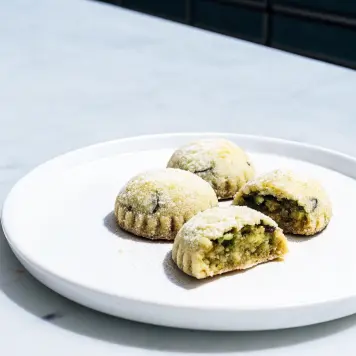
Ma'amoul
Small semolina or shortbread cookies filled with dates, pistachios, or walnuts, ma'amoul are intricately molded and traditionally baked for Eid and Easter, making them central to family celebrations.
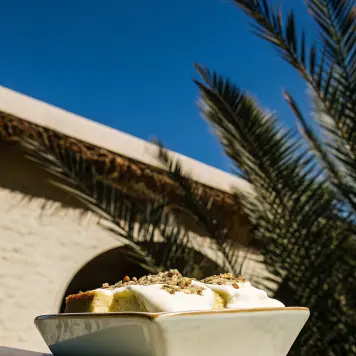
Aish al-Saraya
A Levantine bread pudding soaked in orange blossom or rose water syrup and topped with clotted cream and pistachios, aish al-saraya is a favorite Damascene dessert for its fragrant sweetness and creamy texture.
Traditional Savory Dishes
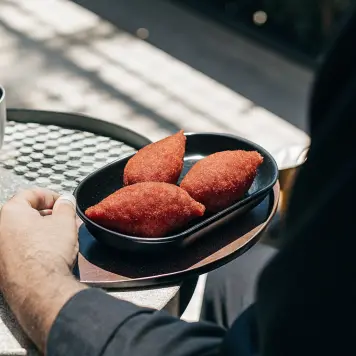
Kibbeh
Often described as Syria's national dish, kibbeh combines bulgur wheat, minced meat, and spices in forms from fried croquettes to raw tartare, reflecting a deep tradition of skills and family recipes.
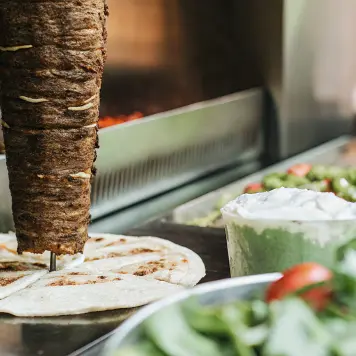
Shawarma
Thinly sliced, seasoned meat roasted on a vertical spit and served hot in flatbread with tahini, pickles, and garlic sauce, shawarma is a ubiquitous street-food favorite across Damascus.
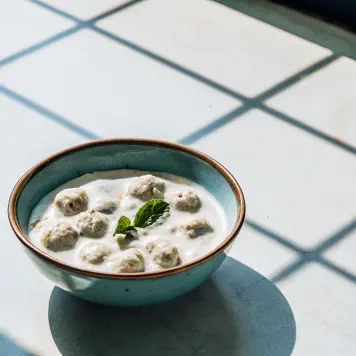
Shish Barak
Little meat-filled dumplings simmered in a garlicky yogurt sauce and finished with dried mint, shish barak is a comforting, celebratory dish commonly served at family gatherings.
Traditional Beverages
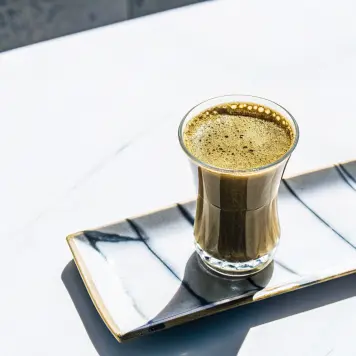
Arabic Coffee
Strong, often lightly spiced coffee served in tiny cups, Arabic coffee is a central symbol of Damascene hospitality and is traditionally prepared and offered to guests.

Tea with Mint
A brisk black tea brewed and steeped with fresh mint leaves, this sweet, aromatic tea is served throughout the day and forms a cornerstone of social life in Damascus.

Ayran
A frothy, salted yogurt drink, ayran is a refreshing accompaniment to rich, savory dishes like kebabs and is widely enjoyed in Damascus, especially in warm weather.
Frequently Asked Questions about Damascus, Syria
What is the best time to visit Damascus, Syria?
Is Damascus, Syria expensive for travelers?
How reliable is public transport in Damascus, Syria?
Approximately how many tourists visit Damascus annually?
What is the best way to get around Damascus, Syria?
Get a PDF with the most popular attractions sent to your email
Get a PDF with all attractions, ratings, and tips. Perfect for offline use.
Most popular day trips
Maaloula
Ancient Christian village, Aramaic-speaking, cliffside monasteries.
Krak des Chevaliers
Crusader castle, one of the best-preserved medieval fortresses.
Getting there
Airports
Train stations
Homs, Aleppo, Daraa
Taxis and hotel shuttles link the airport to the center; confirm fare in advance.
Find flights to Damascus, Syria
Click to get eSim for Damascus, Syria
The easiest and most affordable way to get mobile internet wherever you travel.
Comments (7)
Carry small cash, most souk stalls and tiny restaurants don't take cards. Use shared 'service' taxis to save money, split fares.
Skip the main thoroughfare for lunch, walk two blocks into side streets for authentic meals at half the price and friendlier service.
Food in Damascus is incredible, huge flavors and super friendly people. A few touristy spots but the small tavernas made the trip.
July is really hot, bring light clothes and water. Nights cool off a bit, and the souks at dusk are magical but crowded.
Crowds by the Umayyad Mosque were intense, traffic is chaotic and English signage is sparse. Felt a bit uneasy at times.