 CityBuddy
 Lietuvių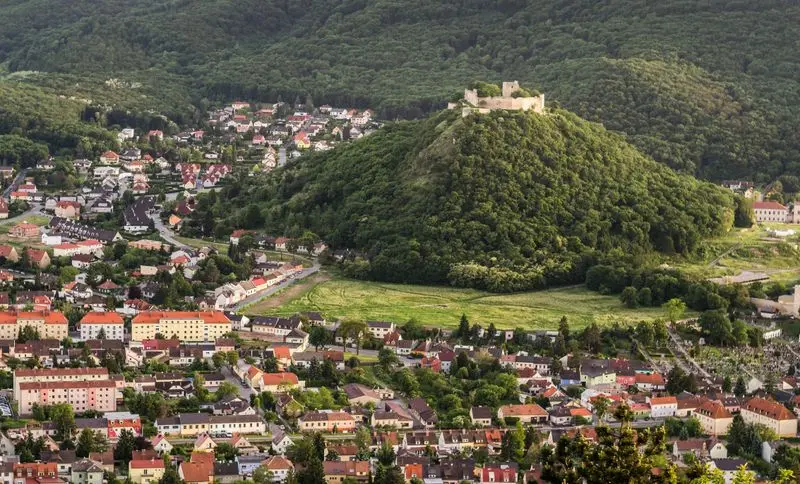
Ką veikti Hainburg an der Donau, Austria
Nuotrauką padarė Karol Czinege Pexels.com
Kada lankytis
Kada keliaujate į Hainburg an der Donau, Austria?
Pasirinkite datas ir kelionės stilių, kad gautumėte:
Ar kas nors iš šių jums ypač svarbu?
Pažymėkite visus, kurie tinka
Plan language: LietuviųPopuliariausios lankytinos vietos Hainburg an der Donau, Austria
Jei ieškote veiklų Hainburge prie Dunojaus, Austrijoje, pradėkite nuo XIII amžiaus Burg Hainburg pilies - ant kalvos esančios tvirtovės, nuo kurios atsiveria vaizdai į Dunojaus slėnį. Eikite pro viduramžių Wiener Tor vartus, tada užkopkite 222 Haymburgwarte apžvalgos bokšto laipteliais ir iš viršaus pasigrožėkite Wachau regiono panorama.
1. Burg Hainburg
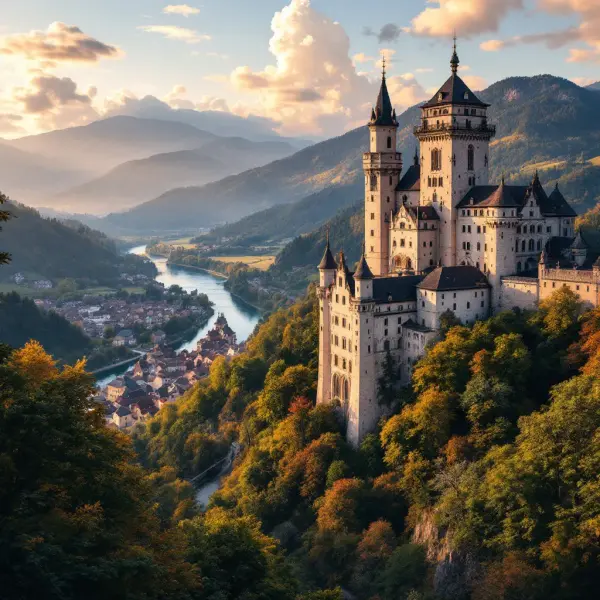
Užlipkite ant ilgiausios viduramžių gynybinės sienos Austrijoje, iš kurios atsiveria kvapą gniaužiantis Dunojaus vaizdas į tris šalis. Eikite tais pačiais gynybiniais takais, kur sargybiniai kadaise stebėjo artėjančias kariuomenes.
Greiti faktai: Įsikūręs ant kalvos virš Dunojaus, ši viduramžių tvirtovė gali pasigirti ilgiausia išlikusia gynybine siena Austrijoje, siekiančia 250 metrų. Jos XII amžiaus bokštas atlaikė daugybę apgulčių ir giedromis dienomis siūlo 360 laipsnių vaizdą į tris šalis.
Akcentai: Kitaip nei dauguma atkurtų pilių, bokšto vidus sąmoningai paliktas šiurkštus: grubios akmens sienos, nusidėvėję spiraliniai laiptai ir originalūs viduramžių žibintų laikikliai. Galite stovėti toje pačioje sargybos patalpoje, kurioje kariai prieš daugiau nei 800 metų stebėjo upę ieškodami artėjančių armijų.
2. Wiener Tor
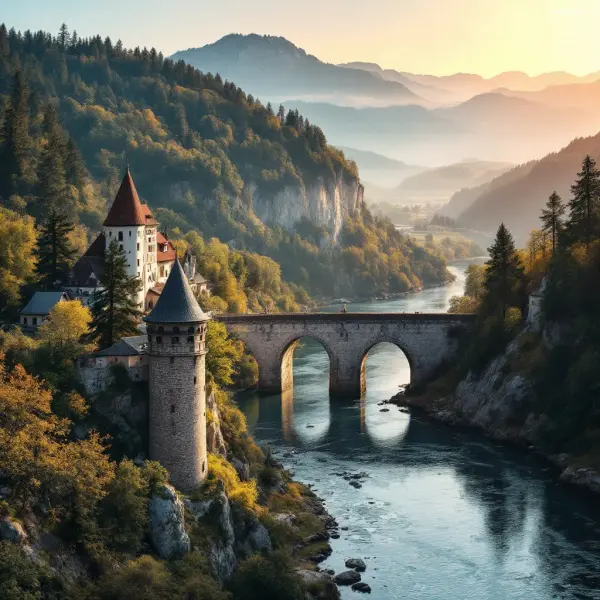
Atsistokite ten, kur viduramžių kariai kadaise stebėjo artėjančias kariuomenes palei Dunojų. Užlipkite vingiuotais akmeniniais laiptais ir vienu metu išvyskite panoraminį vaizdą į Austriją, Slovakiją ir Vengriją.
Greiti faktai: Du akmeniniai bokštai vainikuoja kalvą, nuo kurios atsiveria vaizdas į Dunojaus upę ir Slovakijos sieną. XIII amžiaus įtvirtinimas kadaise saugojo rytinę Šventosios Romos imperijos sieną.
Akcentai: Trys sunkios geležinės patrankų sviediniai iš 1683 metų Osmanų apgulties vis dar kyšo pietinio bokšto išorinėje sienoje. Lankytojai gali perbraukti pirštais per smūgio kraterius, pajusdami tuos pačius įdubimus, kuriuos prieš daugiau nei 340 metų paliko artilerijos ugnis.
3. Braunsberg
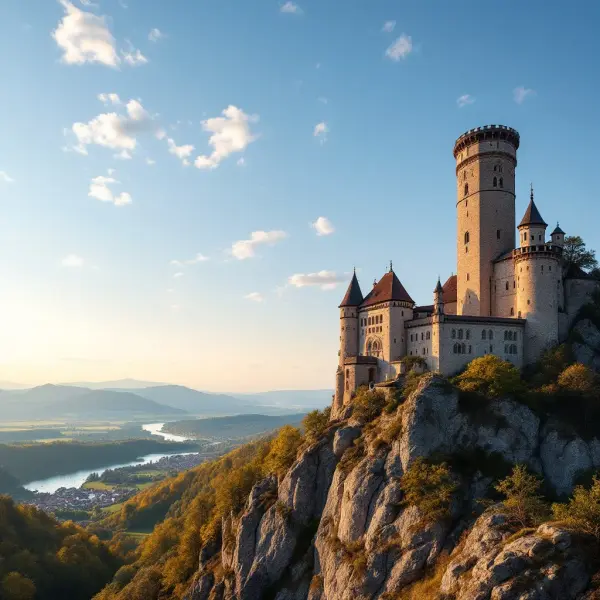
Braunsbergas apdovanoja jus vienu geriausių Centrinės Europos trijų šalių apžvalgos taškų po trumpo pasivaikščiojimo į kalną. Sekite taku per laukinių gėlių pievas ir bukų miškus, kol pasieksite viduramžių tvirtovės griuvėsius viršūnėje.
Greiti faktai: Užlipę 443 laipteliais į viduramžių bokšto viršų būsite apdovanoti panoraminiais vaizdais iš vietos, kur susitinka trys šalys: Austrija, Slovakija ir Vengrija. Tvirtovės sienos driekiasi daugiau nei 500 metrų ir buvo pastatytos naudojant kalkakmenį, atgabentą iš karjero už 8 kilometrų.
Akcentai: Tvirtovė niekada nebuvo užkariauta mūšyje, todėl originali gotikinė architektūra išliko nepaprastai autentiška. Bokšto viduje vis dar galite matyti viduramžių grafičius, įdrėkstus akmens sienose nuobodžiaujančių sargybinių iš XV amžiaus.
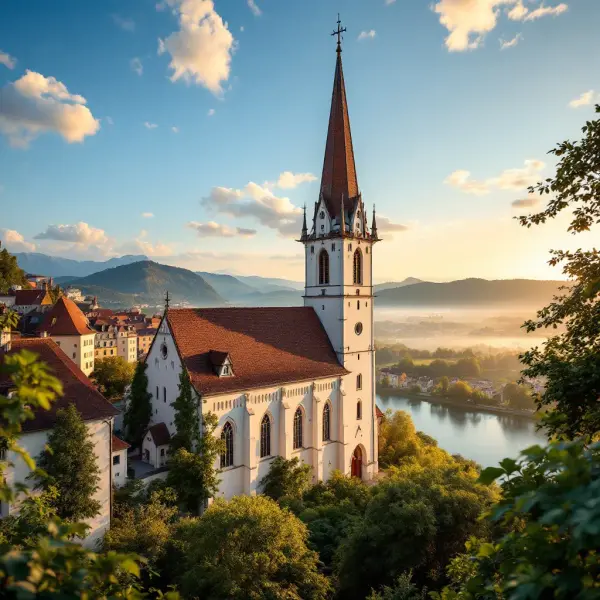
4. Pfarrkirche Hainburg
Ženkite į gotikinį šedevrą, kur viduramžių akmens drožėjai paliko savo paslaptis kiekviename stulpe. Stovėsite po aukštais briaunotais skliautais ir atrasite medinius choro suolus su 700 metų slėptomis scenomis.
Greiti faktai: Bažnyčia iškilusi virš Hainburgo su savo 86 metrų bokštu, matomu iš kilometrų atstumo palei Dunojų. Jos pamatų akmenys buvo padėti XIII amžiuje, laikotarpiu, kai Hainburgas tarnavo kaip pagrindinė pasienio tvirtovė Babenbergų dinastijai.
Akcentai: Išraižyti chore esančiuose giesmininkų suoluose yra 42 unikalios misericordia sėdynės, kurių kiekviena vaizduoja skirtingą viduramžių kasdienio gyvenimo sceną - nuo vynuogių derliaus nuėmimo iki muzikantų, grojančių dūdmaišiais. Šie medžio drožiniai išliko Turkijos apgulčių ir Napoleono karų metu, todėl jie yra vieni geriausiai išlikusių tokio tipo rinkinių Austrijoje.
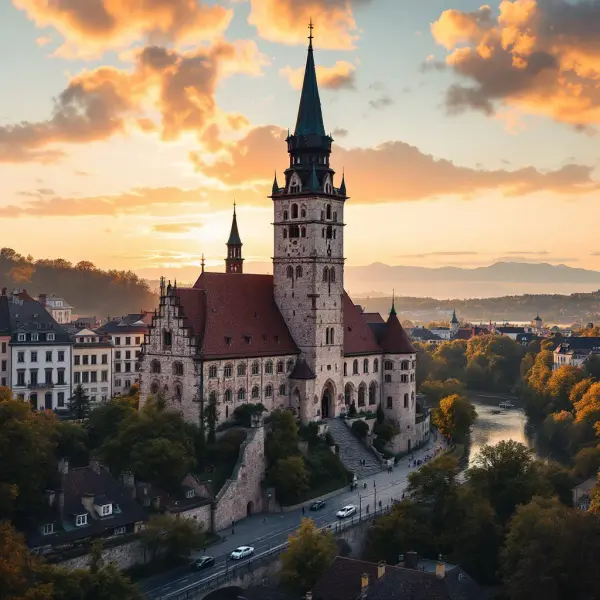
5. Stadtmuseum Hainburg
Ženkite į 300 metų senumo vienuolyną, virtusį regioninio gyvenimo laiko kapsule. Klaidžiosite nuo priešistorinių įrankių iki pilnos XIX amžiaus bakalėjos parduotuvės, visa tai po skliautinėmis akmeninėmis lubomis.
Greiti faktai: Muziejus įsikūręs buvusiame pranciškonų vienuolyne, pastatytame apie 1700 metus, su išlikusiu vienuolyno kiemu. Jo kolekcijos apima daugiau nei 20 000 objektų - nuo keltų artefaktų, rastų ant netoliese esančio Braunsbergo kalno, iki eksponatų apie 1683 metų Osmanų apgultį.
Akcentai: Vienas visas kambarys atkuria 1920-ųjų Hainburgo vaistinę su originaliomis riešutmedžio spintelėmis, stikliniais kamščiais uždarytais stiklainiais ir ranka etiketuotais vaistų buteliukais, vis dar kvepiančiais džiovintomis žolelėmis. Tamsesniame kampe eksponuojama "Hainburgo Venera", 5000 metų senumo molinė vaisingumo figūrėlė, rasta vietinių statybos darbų metu.
Where to Stay in Hainburg an der Donau, Austria
Selected by City Buddy based on guest reviews and proximity to top attractions
Search all hotels in Hainburg an der Donau, AustriaPowered by agoda
Tradiciniai saldūs patiekalai
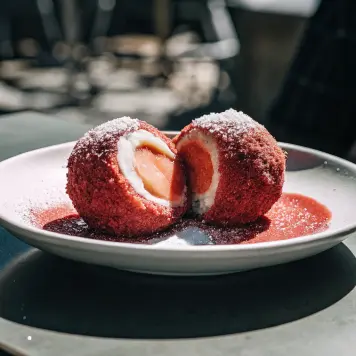
Marillenknödel
These apricot dumplings are a famous Austrian dessert from the Danube region. The apricots are wrapped in potato dough, boiled, and rolled in buttered breadcrumbs and powdered sugar.
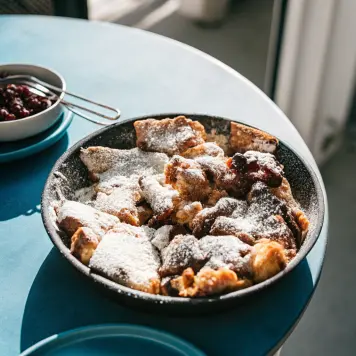
Kaiserschmarrn
This shredded caramelized pancake was supposedly named after Emperor Franz Joseph I, who loved it as a simple yet elegant dessert. It is often served with plum compote or apple sauce.
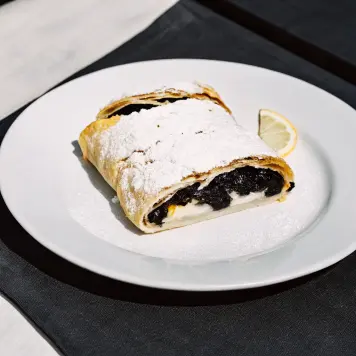
Topfenstrudel
Unlike the famous apple strudel, this version features a creamy quark cheese filling with raisins and lemon zest. Hainburg's location along the Danube made it a crossroads for this beloved pastry tradition.
Tradiciniai sūrūs patiekalai

Wiener Schnitzel
Though named after Vienna, this breaded and fried veal cutlet is beloved throughout Lower Austria, including Hainburg. The city's location near the Slovakian border means local versions sometimes include a slight Hungarian paprika twist.
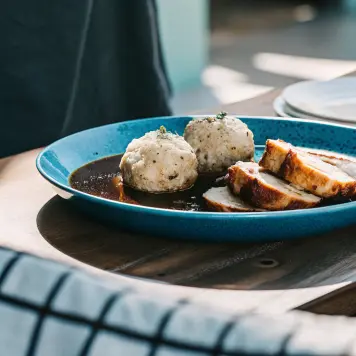
Schweinsbraten mit Knödel
This classic roast pork with crispy crackling and bread dumplings is a Sunday staple in Hainburg. The local beer from the region is often used to deglaze the roasting pan for a rich, flavorful gravy.
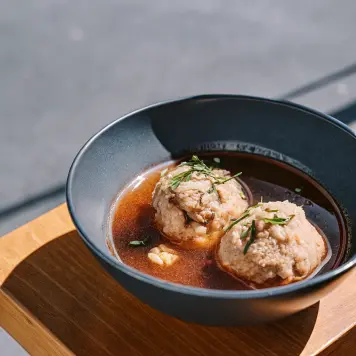
Leberknödelsuppe
This clear beef broth with liver dumplings is a traditional starter across Austrian taverns. In Hainburg, the dumplings are often made with a hint of marjoram and served with chives on top.
Tradiciniai gėrimai

Melange
This classic Viennese coffee drink, made with espresso and steamed milk topped with milk foam, is a daily ritual in Hainburg's cafés. It is traditionally served with a small glass of water on the side.
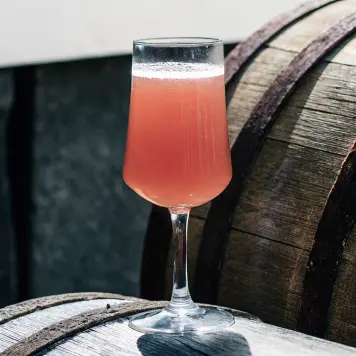
Sturm
Sturm is a partially fermented young wine enjoyed in autumn throughout the wine regions of Lower Austria near Hainburg. It is lightly fizzy, sweet, and only available for a few weeks each year during grape harvest season.

Almdudler
Often called Austria's national soft drink, this herbal lemonade is made from Alpine mountain herbs. It was created in 1957 and remains a beloved non-alcoholic refreshment in Hainburg and across the country.
Frequently Asked Questions about Hainburg an der Donau, Austria
„Ar Hainburg an der Donau, Austrijoje, yra saugu?“
„Kiek dienų skirti Hainburg an der Donau, Austrijoje?“
„Koks geriausias laikas aplankyti Hainburg an der Donau, Austrijoje?“
„Ar Hainburg an der Donau, Austrijoje, yra brangu?“
„Kaip keliauti po Hainburg an der Donau, Austrijoje?“
Gaukite PDF su populiariausiomis lankytinomis vietomis į savo el. paštą
Gaukite PDF su visomis lankytinomis vietomis, įvertinimais ir patarimais. Puikiai tinka naudoti neprisijungus.
Populiariausios dienos išvykos
Vienna
Austria's imperial capital with palaces, museums, and coffee houses
Devín Castle
Ruins of a historic castle at the confluence of Danube and Morava rivers
Carnuntum Archaeological Park
Open-air museum showcasing ancient Roman city ruins
Bratislava Forest Park
Large nature reserve with hiking trails and panoramic views
Rent a car in Hainburg an der Donau, Austria
Kaip nuvykti
Geležinkelio stotys
Regional rail lines to Vienna and Bratislava
Main hub with connections to all major Austrian cities and international routes
From Vienna Airport, take the S-Bahn or Railjet to Wien Hauptbahnhof, then transfer to a regional train to Hainburg.
Raskite skrydžius į Hainburg an der Donau, Austria
Spustelėkite, kad gautumėte eSIM Hainburg an der Donau, Austria
Lengviausias ir prieinamiausias būdas gauti mobilųjį internetą bet kur keliaujant.
Komentarai (8)
The Danube bike path goes right through here. Perfect spot to stop for a coffee if you're cycling Vienna to Bratislava.
Really charming old town with the castle ruins up top. Stayed one night and that felt enough for most people.
Honestly kind of sleepy. Beautiful streets but not much going on after 5pm unless you're there for a hike.
Weather was drizzly and gray when I went in October. I bet it's gorgeous in spring with the hills all green.
Had lunch at a little cafe near the Rathaus. Prices were surprisingly fair for Austria. Goulash was solid.