 CityBuddy
 Lietuvių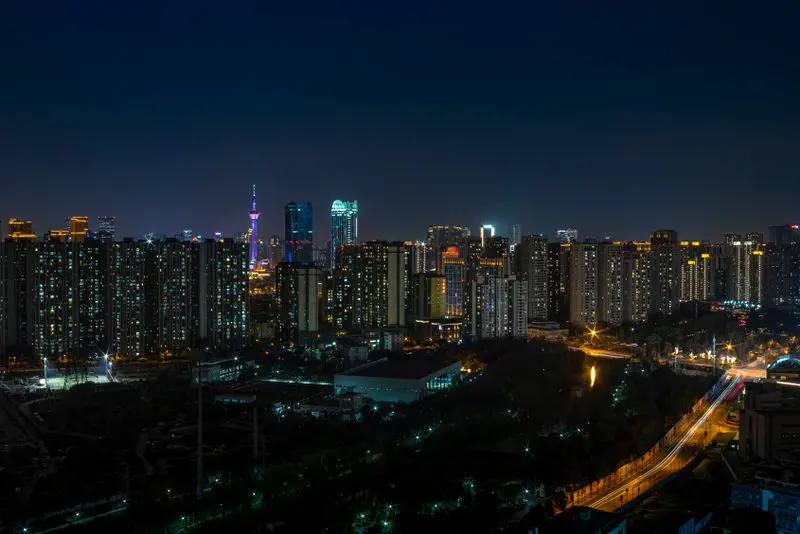
Ką veikti Chengdu, China
Nuotrauką padarė AG ZN Pexels.com
Kada lankytis
Chengdu yra #3 miestas maisto mėgėjams pasaulyje, remiantis mūsų duomenimis iš šimtų kelionės tikslų.
Populiariausios lankytinos vietos Chengdu, China
Kalbant apie Čengdu lankytinas vietas, labiausiai traukia Chengdu Research Base of Giant Panda Breeding. Čia gyvena daugiau nei 80 didžiųjų pandų, o gyviausia čia būna rytais, kai pandos šeriamos. Vėliau galima aplankyti Kuanzhai Alley (Wide and Narrow Alley). Ši iš plačiosios, siaurosios ir šulinio alėjų susidedanti Čingų dinastijos senoji gatvė išsaugojo senojo Čengdu kiemų gyvenimo dvasią. Wuhou Shrine savo ruožtu mena Trijų karalysčių laikų garsųjį kanclerį Džuge Liangą, o šventovės kieme stūkso seni kiparisai, suteikiantys jai istoriškumo. Šios trys vietos apima svarbiausią Čengdu kultūrinę ir gamtinę patirtį.
1. Chengdu Research Base of Giant Panda Breeding
Geriausia patirtis iš arti stebėti nacionalinį lobį: žiūrėti, kaip apvali bambuką kramtanti panda išgydo visos dienos nuovargį. Pasivaikščiodami bambukyno takais, nuo žavių jauniklių iki ramiai besimaitinančių suaugusių pandų, kiekviena akimirka verta įamžinimo.
Greiti faktai: Čia kasdien gyvena daugiau nei 100 didžiųjų pandų, nuo ką tik gimusių rausvų jauniklių iki suaugusių pandų galima pamatyti visų. Tai taip pat didžiausia pasaulyje dirbtinio didžiųjų pandų veisimo tyrimų įstaiga, kuri iki šiol sėkmingai išaugino daugiau nei 300 didžiųjų pandų.
Akcentai: Kiekvienas ankstyvas rytas čia yra magiškiausias metas, kelių mėnesių pandų jaunikliai auginimo dėžėse skleidžia į šuniukų lojimą panašius garsus, o prižiūrėtojai atlieka „pandų darželio" kolektyvinio maitinimo ceremoniją. Savo akimis matant, kaip keliolika apkūnių pandų mažylių rikiuojasi į eilę gerti pieno, ta laimės jausmas tiesiog tirpdo širdį.
2. Wuhou Shrine
Įženkite į legendinį Trijų karalysčių didvyrių pasaulį ir pajuskite Čuge Liango dvasinę jėgą, atsiduodančio iki paskutinio atodūsio. Praeikite pro raudonas sienas ir senovinius kiparisus, tarp smilkalų dūmų kalbėkitės su tūkstantmete istorija.
Greiti faktai: Šventykloje, užimančioje 37 tūkst. kvadratinių metrų plotą, saugomas „trijų tobulybių" stela, kurios tekstą parašė Tangų dinastijos kancleris Pei Du, o kaligrafiją atliko meistras Liu Gongchuo. Daugiau nei 2000 senų kiparisų juosia raudonų sienų ir pilkų čerpių rūmus, o vienas iš jų, pasak legendos, pasodintas paties Zhuge Liango rankomis, jo amžius viršija 1700 metų.
Akcentai: Pagrindinės salės karnizuose stovi 47 Trijų karalysčių veikėjų terakotos figūrėlės, kurių kiekvienos veido išraiška kitokia, o lietingomis dienomis glazūra įgauna žalsvą blizgesį. Dar ypatingiau tai, kad smilkalų dubenyje kylantis sandalmedžio kvapas susimaišo su senųjų kiparisų gaivumu, ir visą kiemą apgaubia tūkstantmetį persmelkianti ramybės nuojauta.
3. Du Fu Thatched Cottage
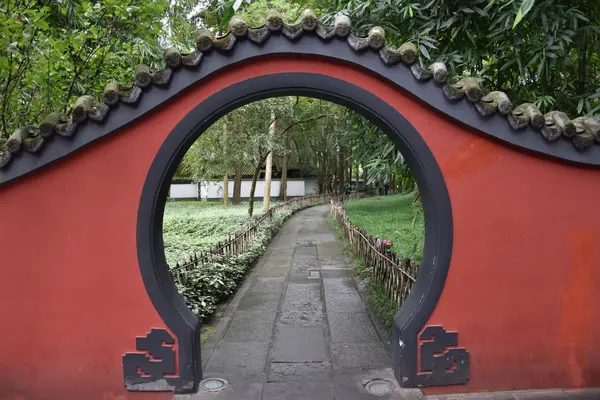
Įženkite į vietą, kurioje kadaise, bėgdamas nuo suirutės Čendu, gyveno poezijos šventasis, ir užuoskite bambuko bei žemės kvapą. Bambukų apsuptame kieme išgerkite puodelį arbatos iš puodelio su dangteliu ir klausykitės, kaip vietiniai Sičuano tarme deklamuoja Du Fu eiles.
Greiti faktai: Kasmet daugiau nei 2 milijonai lankytojų aplanko šį ramų sodą, skirtą poeto atminimui. Sode yra daugiau nei 800 porų eilių užrašų ir daugiau nei 150 akmens plokščių, sudarančių didžiausią Kinijoje Du Fu tematikos kaligrafijos stelų kolekciją.
Akcentai: Prie šiaudinės trobelės esančiame lotosų tvenkinyje gyvena kelios dešimtys vėžlių, surinktų iš senojo Čengdu miesto centro. Jie čia gyvena jau daugiau nei dvidešimt metų, o vietiniai juos vadina „poeto sergėtojais". Kiekvienų metų trečią mėnulio kalendoriaus mėnesio trečią dieną sodo administracija išdėlioja rašymo reikmenis ir kviečia lankytojus perrašyti Du Fu eiles prie trobelės. Popierius ir tušas yra visiškai nemokami.
4. Mount Qingcheng
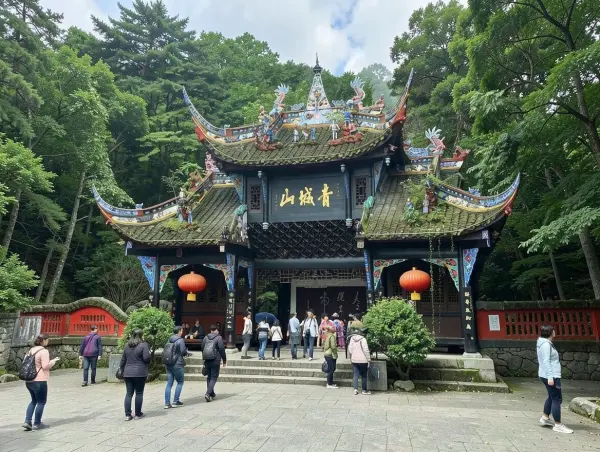
Nori tarp vešlių kalnų miškų pajusti ramią daoizmo kultūros galią? Lipkite akmeniniais laiptais į viršų, senosios šventyklos ryto varpai, skaidrus šaltinis ir paukščių čiulbesys, visą kelią lydi kraštovaizdis, leidžiantis pamiršti miesto triukšmą.
Greiti faktai: Čingčengo kalnas skirstomas į priekinį ir užpakalinį, priekiniame gausu daoistų šventyklų ir smilkalų aukų, o užpakalinis yra tylesnis ir laukinesnis. Tai viena iš kinų daoizmo ištakų vietų, visame kalne išlikusios 36 daoistų šventyklos, pradėtos statyti Rytų Hanų dinastijos laikotarpiu.
Akcentai: Rytų rūko migloje prie Laodzi paviljono galima išvysti baltai apsirengusius daoistus, praktikuojančius taiči, jų siluetai tarytum išnyra ir pranyksta, tarsi keliautume per tūkstantmetį. Dar įdomiau tai, kad užpakalinio kalno Vudziango slėnio upelio čiurlenimas susipina su paukščių giesmėmis, o kelyje galima netikėtai sutikti kalnų laukines beždžiones, tad atmosfera visiškai neprastesnė už bet kurio kovos menų romano.
5. Leshan Giant Buddha
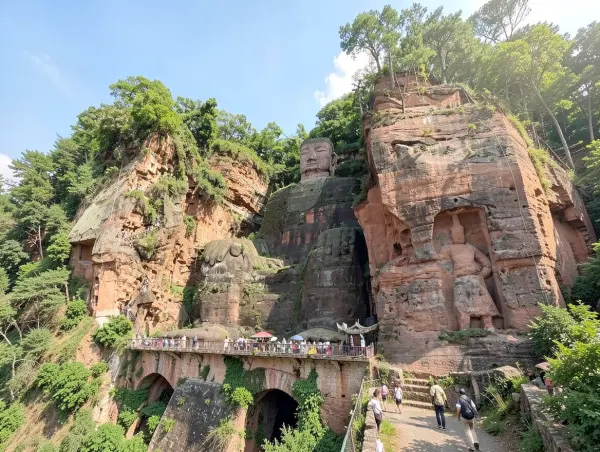
Savo akimis pamatykite didžiausią pasaulyje į uolą iškaltą Budą ir pajuskite Tang dinastijos meistrų nepakartojamą meistriškumą. Vingiuotu lentiniu taku nueikite nuo Budos galvos iki kojų ir trijų upių santakoje išgirskite tūkstantmečio aidą.
Greiti faktai: Ši 71 metro aukščio uoloje iškalta statula yra trijų upių santakoje, aukštesnė nei 20 aukštų pastatas, o vien jos pėdos dydis prilygsta dviem krepšinio aikštelėms. Visos statulos kūrimas truko 90 metų, ją sukūrė trys meistrų kartos, o ant jos buvo pastatytas 13 aukštų pastatas, apsaugantis ją nuo vėjo ir lietaus.
Akcentai: Statula buvo restauruojama net 20 metų, o meistrai jos viršūnėje rado daugiau nei tūkstantį Tang dinastijos laikotarpio plytų. Dar labiau stebina tai, kad statulos ausyse ir plaukuose slepiasi išmani drenažo sistema, kurią sumaniai suprojektavo Tang dinastijos meistrai, leidžianti šiam milžinui išstovėti tūkstančius metų.
6. Sanxingdui Museum
Įženkite į paslaptingą senovės karalystę, niekada nepaminėtą istorijos kronikose, ir savo akimis pamatykite prieš 3000 metų gyvavusią, vaizduotę pranokstančią bronzos civilizaciją. Tris metrų aukščio bronzinį dievų medį, kaukes su išsikišusiomis akimis, kiekvienas radinys verčia permąstyti jūsų supratimą apie Kinijos civilizaciją.
Greiti faktai: Daugiau nei tūkstantis bronzinių kaukių, šventųjų medžių ir dramblio kaulų 1986 metais išvydo dienos šviesą dviejose aukojimo duobėse, kiekvienas jų yra keistos formos ir visiškai nepanašus į Vidurio lygumų bronzos dirbinius. Archeologai iki šiol nerado jokių rašytinių įrašų, o kokia senovės karalystė šie radiniai priklausė ir kodėl buvo užkasti, tebėra neįminta mįslė.
Akcentai: Bronzinis šventasis medis siekia 3,96 metro aukštį, jo šakos išsidėsčiusios trimis pakopomis, ant kiekvienos tupi po devynis šventuosius paukščius, o viršūnėje stovi sėkmę nešanti būtybė, visas medis parodų salėje siekia nuo grindų iki pat lubų. Įspūdingiausios yra tos kaukės išsikišusiomis akimis, kurių akies obuoliai kyšo net 16 centimetrų, tarsi ateivių atvaizdai, tad kiekvienas priešais jas atsidūręs lankytojas nevalingai giliai įkvepia.
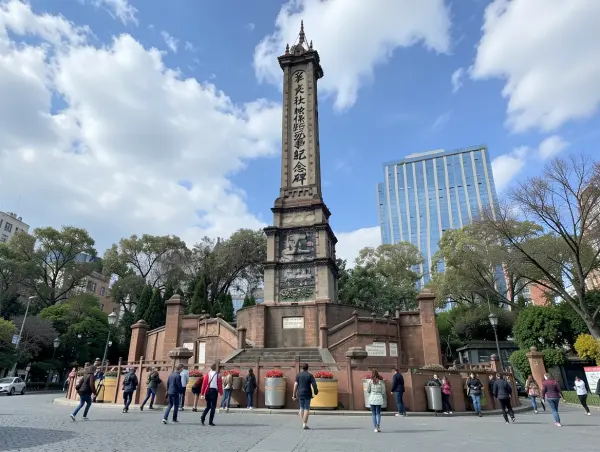
7. People's Park
Nori akimirksniu įsikūrti senojo Čendu lėtame gyvenime? Ateikite čia gerti arbatos, valytis ausis, stebėti praeivius, ir pusė dienos prabėgs nepastebimai.
Greiti faktai: Oazė miesto centre, užimanti daugiau nei 70 mu (apie 4,7 ha), kasdien pritraukia dešimtis tūkstančių gyventojų, čia geriančių arbatą, šokančių ir žaidžiančių mahjongą. Šimtametis ginkmedžių parkas kiekvieną rudenį tampa auksinis - tai artimiausia širdžiai poilsio vieta čengduiečiams.
Akcentai: Parko gilumoje esanti He Ming arbatos namai veikia nuo 1923 metų iki šiol. Bambukinės kėdės, variniai arbatinukai, dubenėliai arbatos - vienas puodelis kainuoja vos keliolika juanių, ir niekas tavęs nevaro, net jei sėdi visą dieną. Kiekvieną sekmadienio rytą vienu metu vyksta anglų kalbos pokalbių klubas ir pažinčių kampelis. Scena, kai žilaplaukis senolis sklandžiai angliškai šnekučiuojasi su užsienio studentais, tikriausiai matoma tik čia, visoje Kinijoje.
Where to Stay in Chengdu, China
Selected by City Buddy based on guest reviews and proximity to top attractions
Search all hotels in Chengdu, ChinaPowered by agoda
Tradiciniai saldūs patiekalai
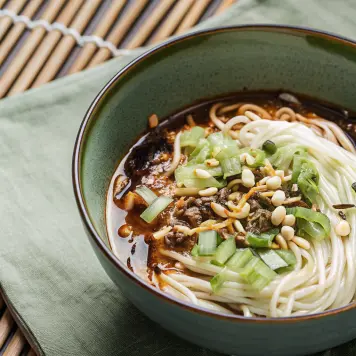
Dandan Mian (Dan Dan Noodles)
Despite being a noodle dish, Dandan Mian is often served as a sweet and savory street food. Its name comes from the bamboo pole (dan dan) that street vendors used to carry the noodles and sauce on their shoulders.

Three Balls (San Da Pao)
San Da Pao, or Three Big Bangs, is a Chengdu dessert made from glutinous rice that makes three loud sounds when prepared. The pounding and shaking of the rice cakes create a theatrical performance as the vendor calls out each bang.
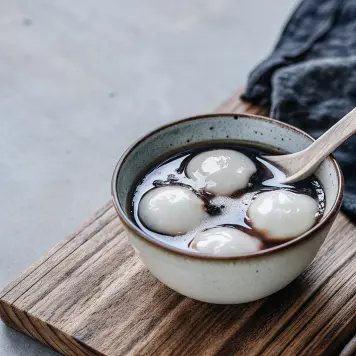
Sweet Rice Balls (Tangyuan)
Tangyuan are glutinous rice balls filled with black sesame paste or sweet bean paste, often served in a warm ginger syrup. In Chengdu, these are especially popular during the Lantern Festival as their round shape symbolizes family togetherness.
Tradiciniai sūrūs patiekalai
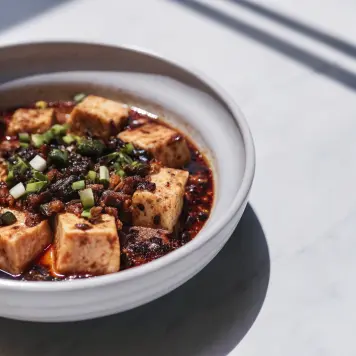
Mapo Tofu
This iconic Chengdu dish features soft tofu in a fiery sauce of doubanjiang (fermented bean paste) and Sichuan peppercorns. It is named after an elderly pockmarked woman (ma po) who supposedly invented the recipe in a small Chengdu eatery.
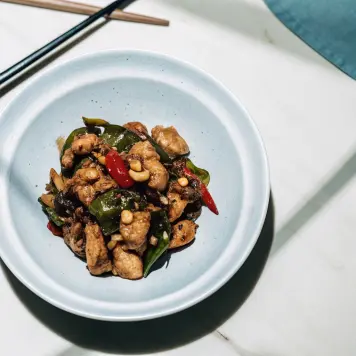
Kung Pao Chicken (Gong Bao Ji Ding)
This dish originated in Chengdu and is named after Ding Baozhen, a Qing Dynasty governor whose title was "Gong Bao" (Palace Guardian). The original recipe uses only chicken, peanuts, and chili peppers without the vegetables often added in Western adaptations.
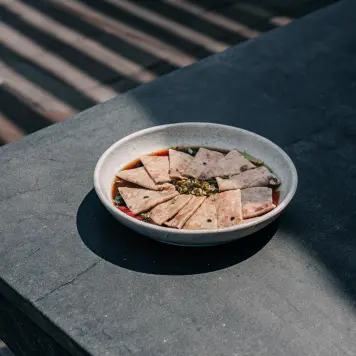
Fuqi Feipian (Husband and Wife Lung Slices)
Despite its literal name meaning "husband and wife lung slices," this dish actually contains no lung tissue but rather thinly sliced beef and offal. It was created by a married couple who sold the spicy, numbing cold beef dish from a pushcart in Chengdu.
Tradiciniai gėrimai
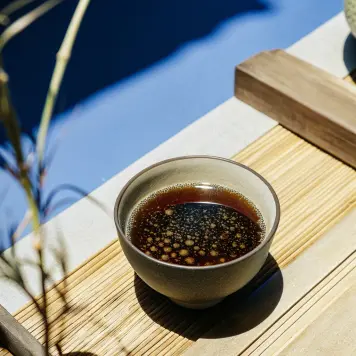
Sichuan Buckwheat Tea (Ku Qiao Cha)
Ku Qiao Cha is a nutty, slightly bitter tea made from roasted tartary buckwheat grown in the highlands of Sichuan. It is caffeine free and believed to help with digestion, especially after eating Chengdu's famously spicy food.

Suan Mei Tang (Sour Plum Drink)
This tangy, sweet beverage is made from smoked plums, rock sugar, and licorice root, and is a cherished Chengdu summer drink. It is said to have been invented during the Song Dynasty to cool down emperors in the heat.
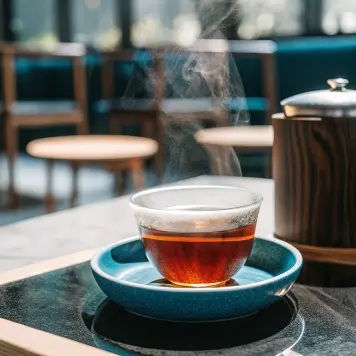
Gaiwan Tea (Covered Bowl Tea)
The gaiwan, a lidded bowl used for brewing and drinking tea, is inseparable from Chengdu's teahouse culture where locals spend hours sipping, socializing, and playing mahjong. Chengdu has the most teahouses of any city in China, with thousands dotting its streets and parks.
Dažnai užduodami klausimai apie Chengdu, China
Ar saugu keliauti į Čengdu?
Kiek dienų verta praleisti Čengdu?
Kada yra geriausias laikas keliauti į Čengdu?
Ar brangu keliauti į Čengdu?
Kaip judėti Čengdu miesto centre?
Gaukite PDF su populiariausiomis lankytinomis vietomis į savo el. paštą
Gaukite PDF su visomis lankytinomis vietomis, įvertinimais ir patarimais. Puikiai tinka naudoti neprisijungus.
Populiariausios dienos išvykos
Leshan Giant Buddha
Home to the world's largest stone Buddha statue carved into a cliff face.
Mount Qingcheng
Ancient Taoist mountain with lush greenery and serene temples.
Dujiangyan Irrigation System
Ancient irrigation system still in use, a UNESCO World Heritage site.
Panda Base (Bifengxia)
Giant panda breeding and research center in a lush valley setting.
Mount Emei
Sacred Buddhist mountain with stunning sunrise views and monasteries.
Kaip nuvykti
Oro uostai
Geležinkelio stotys
High-speed rail to Xi'an, Chongqing, Guangzhou, Shanghai, Beijing
High-speed rail to Leshan, Mount Emei, Kunming
High-speed rail to Dujiangyan, Qingchengshan
From Shuangliu Airport (CTU), take Metro Line 10 to city center in 30 minutes. Tianfu Airport (TFU) is farther; use the Airport Express Bus or Metro Line 18.
Naudinga informacija apie Chengdu, China
Apžvalga apie Chengdu, China
Norite dienos plano Chengdu, China? Atidarykite kelionės planuoklį
Kada keliaujate į Chengdu, China?
Pasirinkite datas ir kelionės stilių, kad gautumėte:
Ar kas nors iš šių jums ypač svarbu?
Pažymėkite visus, kurie tinka
Judėjimas mieste
Kaip norite keliauti tarp vietų?
Plano kalba: Lietuvių