 CityBuddy
 Lietuvių
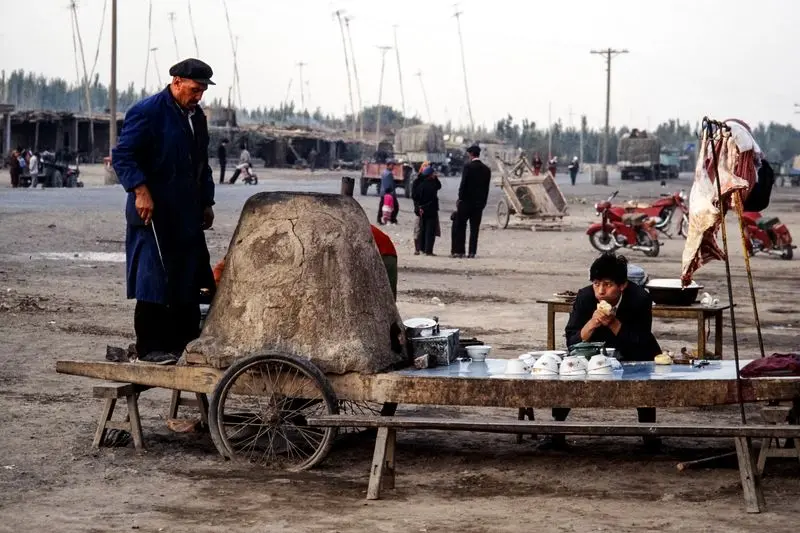
Ką veikti Kashgar, China
Nuotrauką padarė pierre matile Pexels.com
Kada lankytis
Populiariausios lankytinos vietos Kashgar, China
Geriausi dalykai, kuriuos verta pamatyti Kašgare, Kinijoje, yra susiję su šimtmečius gyvuojančia uigūrų kultūra. Pradėkite nuo XV amžiaus Id Kah mečetės, didžiausios Sindziange, kur penktadienio pamaldose susirenka tūkstančiai žmonių. Pasivaikščiokite labirintą primenančiomis senojo Kašgaro gatvelėmis, tada derėkitės dėl šilko ir prieskonių Didžiajame Kašgaro turguje, kuris jau daugiau nei 2 000 metų yra prekybos centras Šilko kelyje.
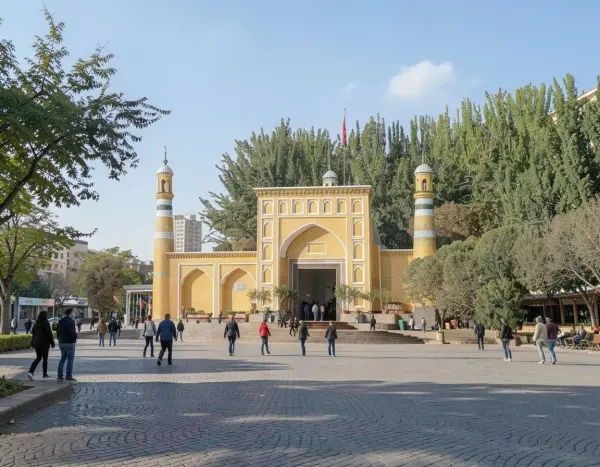
1. Id Kah Mosque
Dvasinė Kašgaro senamiesčio širdis, kur kiekvieną penktadienį susirenka 20 000 žmonių. Ženkite į 500 metų senumo kiemą su auksiniais tuopų stulpais ir turkio spalvos plytelėmis, kuriuos laikas tarsi pamiršo.
Greiti faktai: Roughly 20,000 worshippers pack its vast courtyard during Friday prayers, one of the largest gatherings in all of Central Asia. The turquoise-tiled minaret rises 30 meters above Kashgar's old town, visible from nearly every rooftop in the surrounding maze of alleys.
Akcentai: At 16,800 square meters, the courtyard is the biggest in China, and the Friday sermon echoes through a space where Uyghur, Tatar, and Kazakh pilgrims have knelt side by side for centuries. Watch for the older men who arrive three hours early with their own carpets, staking out the same spot they have claimed for decades, a quiet ritual that repeats every single week.
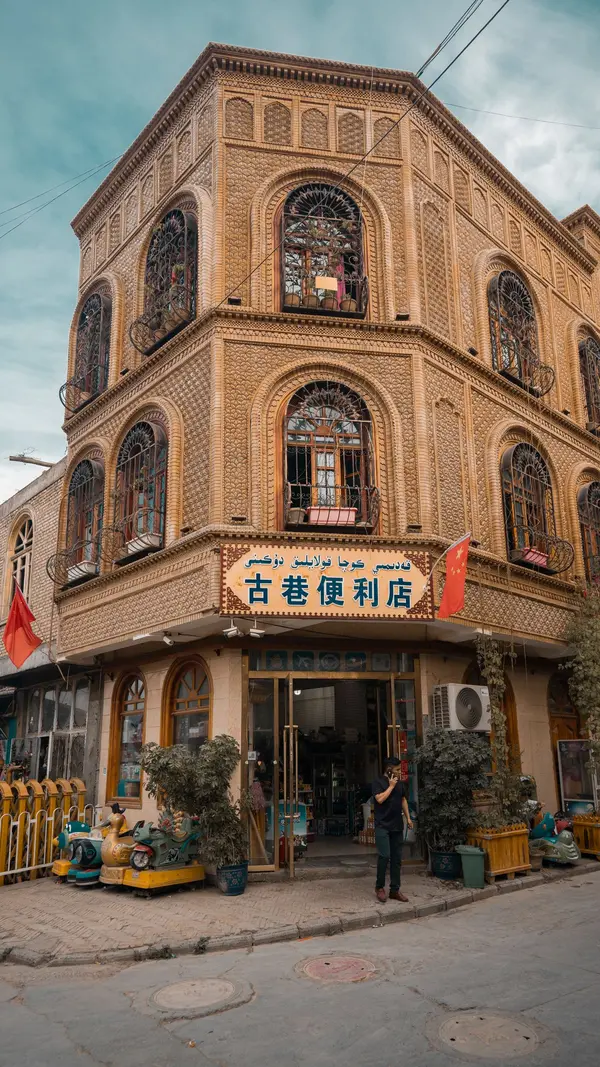
2. Kashgar Old City
Klaidžiokite per 2 000 metų Šilko kelio gyvenimo, kur 100 000 žmonių vis dar vadina senovės gatveles namais. Gurkšnosite arbatą vietiniame kieme ir stebėsite, kaip amatininkai kala varį taip, kaip tai darė jų protėviai.
Greiti faktai: Maždaug 2 000 metų nenutrūkstamos gyvenvietės istorija padarė šį miestą vienu iš seniausių išlikusių urbanistinių centrų Šilko kelyje, o kai kurios šeimos savo namus gali atsekti per daugiau nei tuziną kartų. Daugiau nei 100 000 gyventojų vis dar gyvena ir dirba šiose labirintą primenančiose gatvelėse, suteikdami joms gyvybingumo, kurio dauguma senųjų miestų jau seniai neteko.
Akcentai: Kiekvienos durys čia pasakoja istoriją: daugiau nei 400 rankomis raižytų medinių vartų yra šeimos relikvijos, o kiekvienas raštas slepia apsaugos ir gerovės simbolius. Tikrasis siurprizas yra stogai, kur gyventojai augina arbūzus, vynuoges ir figas aukštai virš gatvelių, sukurdami slaptą sodų miestą, nematomą nuo gatvės lygmens.
3. Kashgar People's Park
Žalias ramybės kampelis, kuriame vietiniai iš tikrųjų gyvena kasdienį gyvenimą. Praeikite pro šachmatų stalus, ančių tvenkinius ir gėlynus, mėgaudamiesi autentišku kasdieniu Kašgaro ritmu.
Greiti faktai: Parkas užima maždaug 36 hektarų pačioje senamiesčio širdyje, todėl yra žalias prieglobstis tarp aplinkinio dykumos klimato. Rytinės tai či grupės ir popietiniai šachmatų žaidėjai čia renkasi dešimtmečius, o centrinis fontanas iššauna vandenį beveik 20 metrų į orą.
Akcentai: Savaitgalio vakarais dešimtys uigūrų šeimų ant vejų įsirengia improvizuotus pikniko ratus, dalijasi naano duona ir melionais, kol iš mažų radijo imtuvų skamba tradicinė muzika, o kai kuriais vakarais pamatysite pagyvenusius vyrus, vedančius improvizuotus šokių ratus, į kuriuos turistai šiltai įtraukiami. Parko ančių tvenkinys iš tikrųjų maitinamas šimtmečius senu karizo drėkinimo kanalu, ta pačia požemine vandens sistema, kuri daugiau nei tūkstantį metų drėkina Kašgaro oazę.
Where to Stay in Kashgar, China
Selected by City Buddy based on guest reviews and proximity to top attractions
Search all hotels in Kashgar, ChinaPowered by agoda
Tradiciniai saldūs patiekalai
Uyghur Naan with Figs
This sweet naan is baked with locally grown figs, which thrive in Kashgar's warm, sunny climate. The fruit's natural honey-like sweetness caramelizes into the bread during baking in traditional clay ovens called tonur.
Samsa with Pumpkin and Sugar
Unlike the savory lamb samsa, this sweet version is filled with caramelized pumpkin and crystal sugar. Bakers press intricate patterns into the pastry so it cracks open beautifully when baked, revealing the golden filling inside.
Ghorzha (Fried Sweet Dough)
Ghorzha are small, twisted pieces of dough fried until golden and then drizzled with sugar syrup or honey. They are a beloved treat during the Uyghur festival of Nowruz and are often shared with neighbors as a symbol of sweetness and good fortune.
Tradiciniai sūrūs patiekalai
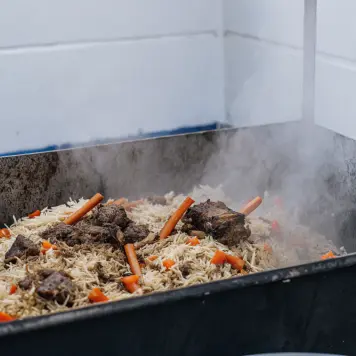
Polo (Lamb Pilaf)
This is the undisputed king of Kashgar's cuisine, made with fragrant local rice, carrots, onions, and tender chunks of lamb cooked in oil and spices. It is traditionally served on a large communal platter and eaten by hand, with guests taking portions from the pile nearest them.
Laghman (Hand-Pulled Noodles)
Kashgar's laghman features thick, hand-pulled noodles topped with a rich stir-fry of lamb, bell peppers, tomatoes, and garlic. Skilled noodle makers stretch and twirl a single piece of dough into dozens of strands in under a minute right at the table.
Kao Baozi (Baked Lamb Buns)
Unlike steamed dumplings, these buns are pressed flat and slapped against the inner walls of a scorching clay oven until they puff up golden and crisp. The juicy lamb and onion filling is seasoned with cumin and black pepper, creating a smoky, savory burst with every bite.
Tradiciniai gėrimai
Duo He Cha (Milk Tea)
This is Kashgar's everyday breakfast beverage, made by boiling brick tea with fresh camel or cow milk and a pinch of salt. It is poured from a great height into bowls to create a frothy top, cooling the tea and intensifying its rich, creamy flavor.
Arak (Uyghur Rice Wine)
Arak is a mildly sweet, low-alcohol beverage distilled from fermented rice or wheat, with roots tracing back centuries along the Silk Road. It is traditionally served during weddings and celebrations, and guests drink it to wish the hosts a long and prosperous life.
Anar Sherbeti (Pomegranate Juice)
Kashgar's pomegranates are celebrated as some of the finest in the world, with deep crimson, jewel-like seeds bursting with tangy-sweet juice. Street vendors squeeze them fresh to order, and the drink is believed to aid digestion and cool the body during the region's intense summer heat.
Dažnai užduodami klausimai apie Kashgar, China
Ar Kašgaras, Kinija, yra saugus?
Kiek dienų praleisti Kašgare, Kinijoje?
Geriausias laikas aplankyti Kašgarą, Kinijoje?
Ar Kašgaras, Kinija, yra brangus?
Kaip judėti po Kašgarą, Kinijoje?
Gaukite PDF su populiariausiomis lankytinomis vietomis į savo el. paštą
Gaukite PDF su visomis lankytinomis vietomis, įvertinimais ir patarimais. Puikiai tinka naudoti neprisijungus.
Populiariausios dienos išvykos
Id Kah Mosque area
The largest mosque in China with nearby old town bazaars
Tashkurgan
Historic Silk Road town near the Pakistan border at high altitude
Shipton's Arch
One of the world's highest natural stone arches in the mountains
Wutong Mountain (Fig Tree Valley)
Scenic valley with ancient fig trees and traditional Uyghur villages
Kaip nuvykti
Geležinkelio stotys
Main line from Urumqi, connections to Hotan and southern Xinjiang routes
Branch line connecting to Kashgar and Hotan
Take a taxi from Kashgar Airport to the city center, about 20 minutes and 30 RMB. Alternatively, buses run from the airport every 30 minutes into town.
Naudinga informacija apie Kashgar, China
Apžvalga apie Kashgar, China
Norite dienos plano Kashgar, China? Atidarykite kelionės planuoklį
Kada keliaujate į Kashgar, China?
Pasirinkite datas ir kelionės stilių, kad gautumėte:
Ar kas nors iš šių jums ypač svarbu?
Pažymėkite visus, kurie tinka
Judėjimas mieste
Kaip norite keliauti tarp vietų?
Plano kalba: Lietuvių