 CityBuddy
 Lietuvių
Ką veikti Nanjing, China
Nuotrauką padarė Abderrahmane Habibi Pexels.com
Kada lankytis
Populiariausios lankytinos vietos Nanjing, China
Ieškote geriausių veiklų Nankine, Kinijoje? Pradėkite nuo Sun Jatseno mauzoliejaus, įsikūrusio aukštai Purpuriniame kalne su 392 granitiniais laipteliais. Pasivaikščiokite Nankino miesto siena prie Zhonghua vartų, 600 metų senumo tvirtovės, besidriekiančios beveik 22 mylias. Užbaikite prie Konfucijaus šventyklos (Fuzimiao), kur Činhuai upės žibintų valtys šimtmečius traukia lankytojus.
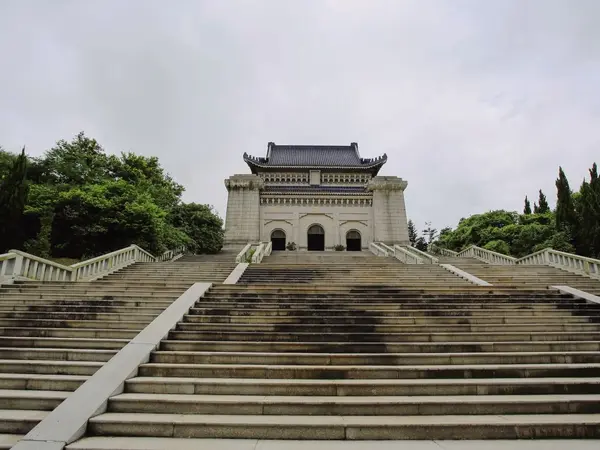
1. Sun Yat-sen Mausoleum
A 392-step climb through towering pine forests leads to one of the most symbolic monuments in modern Chinese history. At the top, sweeping views of the Purple Mountain and the bell-shaped architectural complex unfold before you.
Greiti faktai: Daugiau nei 3 milijonai lankytojų kasmet įveikia 392 laiptelius, vedančius į mauzoliejų. Visas kompleksas suprojektuotas milžiniškos varpo formos, simbolizuojančios kvietimą pažadinti Kinijos žmones.
Akcentai: Balto marmuro vyro statula stovi salėje, kurios lubose yra nuostabi 12 spindulių Kuomintango mėlyno dangaus simbolika, puikiai deranti su žemiau esančiu grindų raštu. Iš viršutinės aikštelės pažvelkite atgal pro arką ir pastebėkite, kaip visi laiptai išnyksta iš akių, sukurdami iliuziją, kad einate tiesiai į kalno šlaitą.
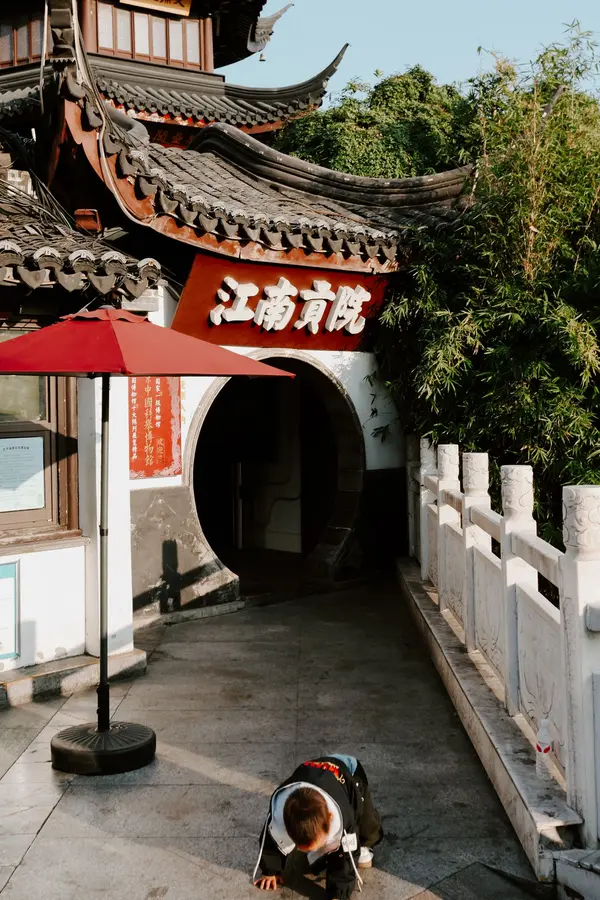
2. Confucius Temple (Fuzimiao)
Fuzimiao
Wander through a 1,000-year-old temple complex surrounded by a lively night market and canal district. Sample street food, browse calligraphy shops, and watch boats glide under moon bridges on the Qinhuai River.
Greiti faktai: Nandzingo Konfucijaus šventyklos kompleksas datuojamas 1034 metais, nors dauguma pastatų buvo atstatyti po Taipingo sukilimo, nuniokojusio miestą XIX a. šeštajame dešimtmetyje. Aplinkinis turgaus rajonas kasmet pritraukia daugiau nei 50 milijonų lankytojų, todėl tai viena lankomiausių pėsčiųjų zonų Kinijoje.
Akcentai: Užeikite į pagrindinę salę, kur rasite vieną didžiausių Kinijoje iš akmens išskaptuotų Konfucijaus statulų, apsuptą senovinių muzikos instrumentų, kuriais iki šiol grojama tradicinių ceremonijų metu. Naktį tūkstančių raudonų žibintų atspindys Činhuai upėje sukuria tokį tikslų veidrodinį efektą, kad vandenyje galima suskaičiuoti kiekvieno žibinto antrininką.
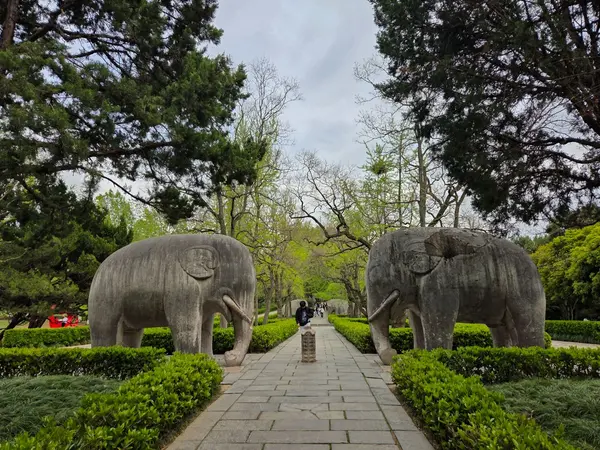
3. Ming Xiaoling Mausoleum
Explore the resting place of a founding emperor, where ancient stone guardians have stood watch for six centuries. Stroll a 1,800-meter sacred pathway lined with giant beasts and climb to a crimson-walled tower with sweeping forest views.
Greiti faktai: Mauzoliejaus kompleksas buvo statomas daugiau nei 25 metus, jame dirbo 100 000 darbininkų. Jo milžiniškas akmens vėžlys, sveriantis daugiau nei 80 tonų, yra viena didžiausių senovinių akmeninių skulptūrų Kinijoje.
Akcentai: Eikite Šventuoju keliu, apsodintu 12 milžiniškų akmeninių gyvūnų, kurių kiekvienas išskaptuotas iš vientiso granito luito ir tyliai stovi jau daugiau nei 600 metų. Kvadratinis mūrinis „Sielų bokštas“ iškilęs 33 metrų aukštyje, o jo raudonos sienos ir auksinis stogas ryškiai švyti žalios miško lapijos fone.
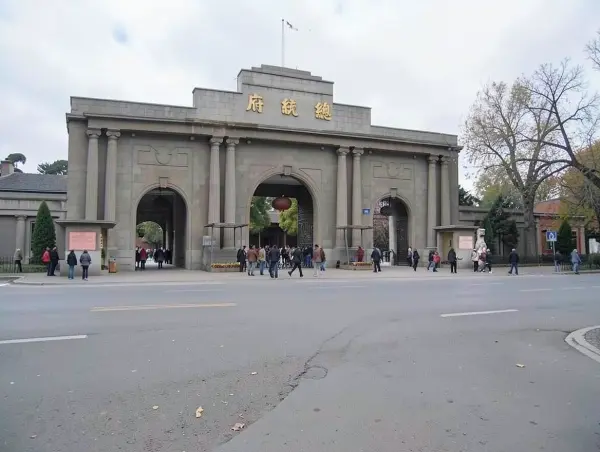
4. Presidential Palace of Nanjing
Walk through the actual offices and courtyards where China's modern history was written by emperors, rebels, and presidents. Stand in the same rooms where treaties were signed and dynasties fell.
Greiti faktai: Devynios skirtingos Kinijos vyriausybės įsikūrė šiame didžiuliame komplekse - nuo Taipingo sukilėlių XIX a. šeštajame dešimtmetyje iki komunistų pergalės 1949 metais. Kompleksas apima daugiau nei 120 000 kvadratinių metrų ir turi daugiau nei 1000 kambarių, išsibarsčiusių po tradicinius kinų sodus ir vakarietiško stiliaus administracinius pastatus.
Akcentai: Komplekso viduje yra tylus vakarietiško stiliaus sodas ir ankstyvas Chiang Kai-shek vyriausybės įrengtas liftas - vienas pirmųjų veikiančių liftų visoje to meto Kinijoje. Jūs vis dar galite įžengti į tą originalią lifto kabiną su jos žalvarinėmis grotomis ir rankiniu stumdomu vartais - tai stebinantis 1930-ųjų technologijos fragmentas, paslėptas tarp senovinių paviljonų.
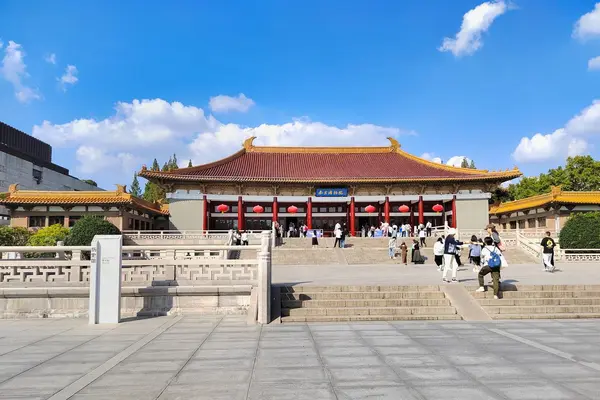
5. Nanjing Museum
Step into a museum that holds one of China's greatest cultural treasure troves. Wander halls filled with ancient jade, imperial porcelain, and a remarkably preserved Ming dynasty tomb.
Greiti faktai: Šiame muziejuje saugoma daugiau nei 400 000 eksponatų, o vienu metu eksponuojama tik dalis jų. Kolekcija apima laikotarpį nuo priešistorinių laikų iki Mingų ir Čingų dinastijų, siūlydama svaiginančią kelionę per tūkstantmečius kinų civilizacijos.
Akcentai: Ieškokite „Auksinio cikados“ iš Hanų dinastijos - mažo laidojimo papuošalo, išskaptuoto iš vientiso nefrito gabalo, su sparnais tokiais plonais, kad pro juos galima matyti šviesą. Muziejaus požeminė lobyno patalpa saugo daugiau nei 2000 geriausių kūrinių kontroliuojamo klimato tamsoje, išimdama juos tik kartą per dešimtmetį, kad išlaikytų jų būklę.
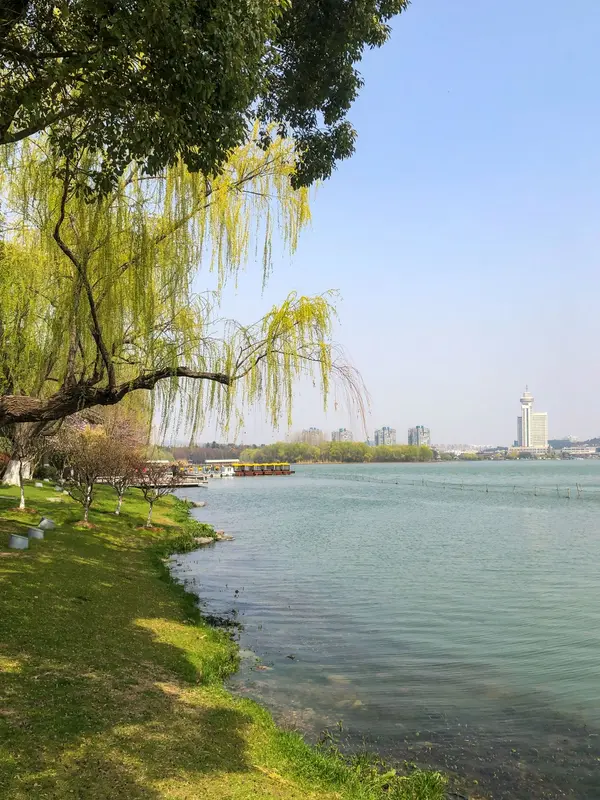
6. Xuanwu Lake Park
Swap Nanjing's neon bustle for a five-island escape where 444 hectares of water and willow trees await. Cycle past lotus ponds under 600-year-old city wall ruins, then join morning tai chi groups by the shore.
Greiti faktai: Parkas, užimantis 444 hektarus, juosia ežerą, kuris sudaro maždaug tris ketvirtadalius visos jo teritorijos, o penkios tarpusavyje sujungtos salelės yra sujungtos arkiniais tilteliais ir pylimais. Rytiniai lankytojai gali pamatyti vietinius, praktikuojančius taiči prie 9,5 kilometro ilgio pakrantės tako - tai kasdienis ritualas, kuriuo dalijasi šimtai žmonių.
Akcentai: Didžiausioje salelėje vis dar stovi XV amžiaus Mingų dinastijos miesto sienos fragmentas, ir jūs galite užlipti į dalį, kurios istorija siekia daugiau nei 600 metų, kad pamatytumėte panoraminį vaizdą, kuriame senovės įtvirtinimai susitinka su modernaus Nandzingo stikliniais bokštais. Parkas taip pat slepia tylų literatūrinį paslaptį: garsusis Čingų dinastijos mokslininkas Yuan Mei kadaise čia kūrė poeziją, žvelgdamas į ežero lotoso žiedus.
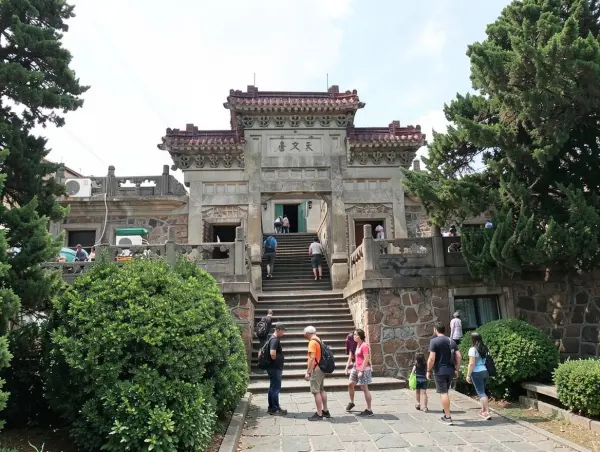
7. Purple Mountain Observatory
Stand where China's first modern astronomers did, among ancient bronze instruments and century-old telescopes. Walk through domed observation rooms, touch real meteorite fragments, and see the Milky Way through a telescope that has tracked stars since the 1930s.
Greiti faktai: Pirmoji moderni Kinijos astronomijos observatorija yra ant kalno 267 metrų aukštyje, joje yra daugiau nei 30 teleskopų, įskaitant nuostabų 60 centimetrų Zeiss refraktorių iš 1934 metų. Observatorijos teritorijoje yra senoviniai kinų astronominiai instrumentai, tokie kaip armiliarinė sfera ir gnomonas, kai kurie datuojami XV amžiumi ir čia perkelti saugojimui.
Akcentai: Paslėptas tarp pušų yra 1934 metų Zeiss dvynys astrografas, sumontuotas ant masyvaus betoninio pjedestalo, kuris izoliuoja jį nuo menkiausios žemės vibracijos. Giedromis naktimis šis beveik šimtmečio senumo instrumentas vis dar gali sekti žvaigždes mechaniniu tikslumu, o juo naudojasi astronomai, kurie rankomis atidaro stumdomą stogą, kad atskleistų dangų.
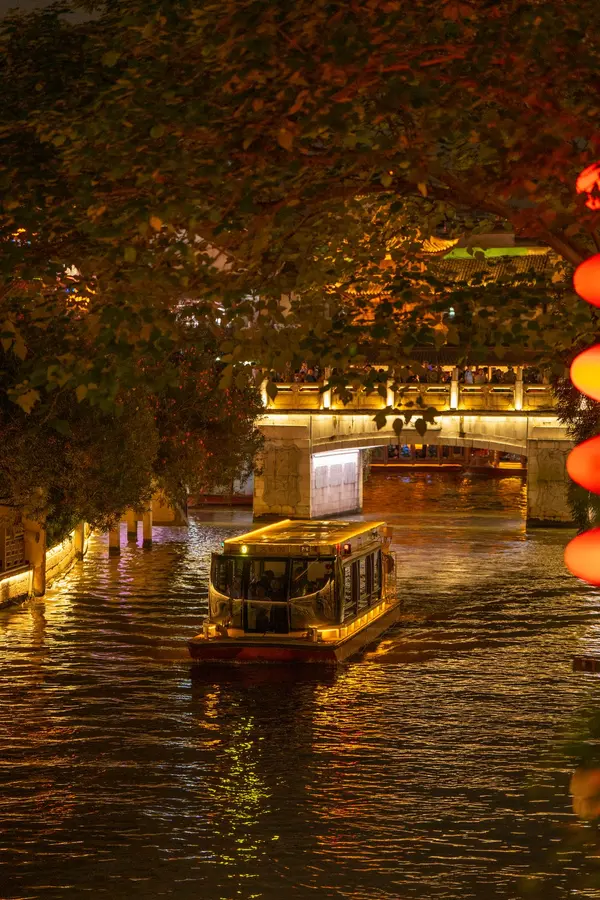
8. Qinhuai River Scenic Belt
Nowhere else on earth can you glide past 1,500 years of history while listening to musicians serenade you from wooden boats. Expect lantern-lit waterways, ancient temples reflected in dark water, and the scent of street food drifting across the bridges.
Greiti faktai: Šis vandens kelias, besitęsiantis maždaug 110 kilometrų nuo Dziangsu iki Šanchajaus, kadaise buvo pagrindinė imperinių grūdų siuntų arterija. Žibintais apšviestos pramoginės valtys šiais vandenimis plaukioja nuo Tangų dinastijos - tai tradicija, kuri tęsiasi iki šių dienų.
Akcentai: Kiekvieną vakarą apie prieblandą vietiniai muzikantai, vilkintys tradiciniais drabužiais, lipa į medines valtis ir atlieka pingtaną - pasakojamąjį liaudies meną, plaukdami pro 1500 metų senumo Konfucijaus šventyklą. Dainuojamos poezijos, pipos stygų ir vandens pliūpsnio į akmenines sienas derinys sukuria akustinę patirtį, kuri išliko nepakitusi šimtmečius.
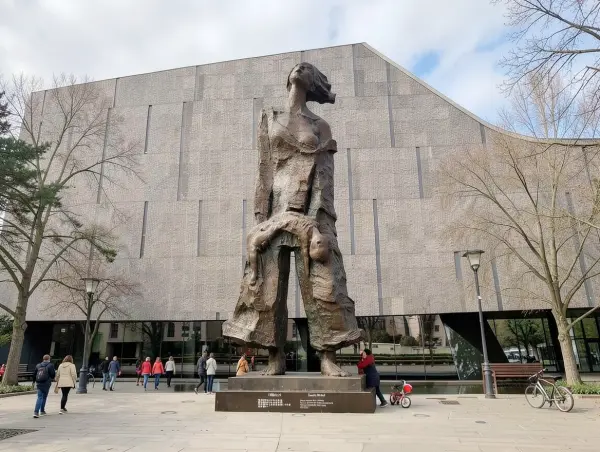
9. Memorial Hall of the Victims in Nanjing Massacre
One of the most solemn and powerful memorials in the world, documenting a tragedy that must never be forgotten. You will walk through galleries of personal artifacts, survivor testimonies, and an outdoor sculpture garden designed to stir quiet reflection.
Greiti faktai: Memorialinis kompleksas stovi masinio palaidojimo vietoje, kurioje ilsisi daugiau nei 10 000 aukų palaikai. Genocido tyrinėtojai tai laiko vienu geriausiai dokumentuotų XX amžiaus masinių žiaurumų, o salėje eksponuojama daugiau nei 5000 fizinių eksponatų, įskaitant liudytojų parodymus ir retas nuotraukas.
Akcentai: Lankytojai eina per didžiulę salę, išbarstytą baltais akmenukais, kur kiekvienas akmuo tyliai simbolizuoja auką, žuvusią per šešių savaičių okupaciją. 10 642 patvirtintų aukų vardai iškalti ant milžiniškos „Sielvarto sienos“, besitęsiančios 40 metrų, o kinų rašmenys išraižyti taip giliai, kad juos galite apčiuopti pirštų galiukais.
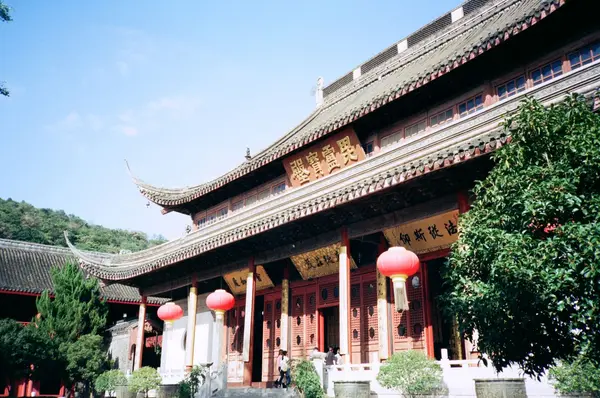
10. Qixia Mountain
Ateikite dėl rudens ugnies: 50 rūšių klevų lapkritį nudažo ištisus šlaitus tamsiai raudonai. Klaidžiokite samanotais laiptais tarp 1000 metų senumo šventyklų, uolų Budų ir tykių miškų.
Greiti faktai: Lapkritis įžiebia šį šlaitą, kai maždaug 50 klevų veislių liepsnoja raudonai, oranžinė ir auksu slėniuose. Daugiau nei 500 iškaltų Budų žvelgia iš uolos sienos už 1 400 metų senumo šventyklos komplekso.
Akcentai: Už pagrindinės salės stovi 18 metrų akmeninė pagoda iš 601 m. po Kr., kurios 8 kraštai išraižyti šokančiais dangaus muzikantais, liūtais ir lotoso motyvais. Vėsią lapkričio popietę įstriža šviesa užtvindo uolos iškaltus Budos veidus auksu, tuo pačiu šiltu spindesiu, kurio tikriausiai tikėjosi akmenskaldžiai.
11. Lao Men Dong
Žibintais apšviestos gatvelės, gyva opera ir sriubos dubenys, kurių ilgėsitės metų metus. Pavaikščiokite vieną vakarą ir paragausite, išgirsite bei užuosite pilną vakarą gyvame senamiestyje.
Greiti faktai: Daugiau nei 40 automobiliams uždarytų gatvelių sklinda iš vienų arkinio akmens vartų, o kepamos tešlos ir antienos sultinio kvapas nuo vidurdienio užpildo orą. 35 kilometrų Ming dinastijos siena iškyla virš stogų, jos akmeniniai stebėjimo bokštai po sutemų apšviečiami prožektoriais.
Akcentai: Pasukite nuo pagrindinės gatvės ir rasite šimtmečių senumo plytų raižinius su šikšnosparniais ir bijūnais, vis dar įtaisytus virš durų, kur gyventojai kadaise linkėjo turtų ir šeimos. Sutemus vietinis komedijos teatras pradeda savo komiškų dialogų pasirodymą, o juokas plūsta į žibintais apšviestą gatvelę kaip naktinis ritualas, trunkantis po dešimtos.
Where to Stay in Nanjing, China
Selected by City Buddy based on guest reviews and proximity to top attractions
Search all hotels in Nanjing, ChinaPowered by agoda
Darbo dienos mieste Nanjing, China
Kurie iš pagrindinių lankytinų vietų uždaromos kurią savaitės dieną , klasikinis kelionės griovėjas, patikrintas už jus.
pirmadienis: 2 iš 4 pagrindinių lankytinų vietų uždaroma , muziejus planuokitės kitai dienai.
Uždaryta pirmadienis · uždaryta: 2, atvira: 2
Darbo dienos pagal Google Maps (tikrinta 2026-07-02). Valstybinių švenčių, streikų ir sezoninis darbo laikas gali skirtis , prieš vykdami patikrinkite oficialią svetainę.
Tradiciniai saldūs patiekalai
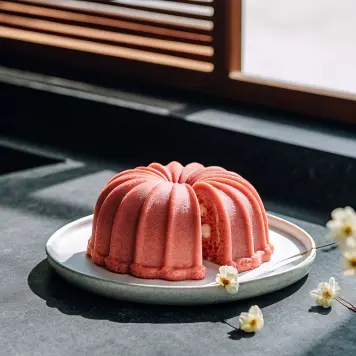
Sweet Osmanthus Cake (Gui Hua Gao)
This steamed sponge cake is infused with sweet osmanthus flowers that bloom across Nanjing in autumn. The cake's delicate floral aroma and fluffy texture have made it a beloved snack since the Ming Dynasty.
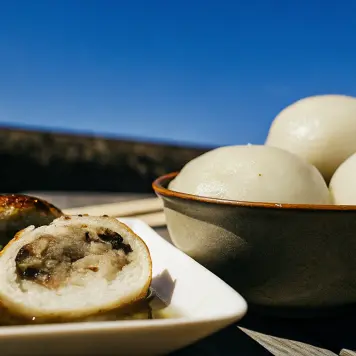
Nanjing Salted Duck and Glutinous Rice Balls (Tangyuan)
For a sweet twist on a savory city, Nanjing style tangyuan are often filled with black sesame or osmanthus and served in fermented rice soup. They are a must eat during the Lantern Festival celebrations in the city.
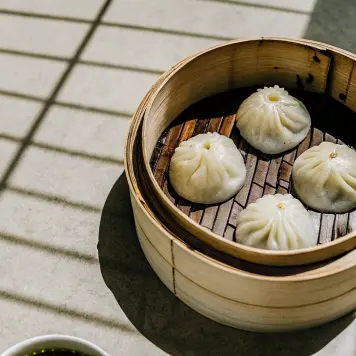
Plum Cake (Mei Hua Gao)
Named after Nanjing's city flower (the plum blossom), this diamond shaped cake is made from rice flour and red bean paste. Vendors have sold it from street stalls near the Ming City Wall for generations.
Tradiciniai sūrūs patiekalai

Nanjing Salted Duck (Yan Shui Ya)
Nanjing's most famous dish uses a dry salt curing method that dates back over 1,000 years. The duck is slowly brined and then gently poached, resulting in incredibly tender meat and silky skin.
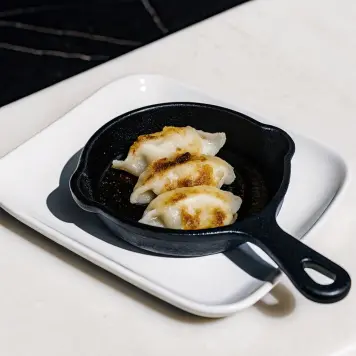
Nanjing Pan Fried Beef Dumplings (Niu Rou Guo Tie)
These crescent shaped dumplings have a crispy, lacy golden bottom from pan frying in a special iron skillet. They are typically served with a vinegary soy dipping sauce that locals insist must include freshly shredded ginger.

Duck Blood and Vermicelli Soup (Ya Xue Fen Si Tang)
This hearty soup features duck blood cubes, glass vermicelli, tofu puffs, and fresh duck parts in a rich broth. It is such a staple of Nanjing street food that countless small shops have spent generations perfecting their family recipes.
Tradiciniai gėrimai

Osmanthus Sake (Gui Hua Jiu)
Nanjing's sweet osmanthus flowers are steeped in rice wine to create this fragrant, lightly sweet liquor. It has been produced in the region since the Tang Dynasty and is traditionally drunk during the Mid Autumn Festival.

Yuxing Plum Juice (Suan Mei Tang)
This tangy and refreshing sour plum drink is made from smoked plums, rock sugar, osmanthus, and hawthorn berries. It is the classic thirst quencher of Nanjing, especially popular during the sweltering summer months along Confucius Temple street.

Nanjing Green Tea (Yu Hua Cha)
Named after the famous Rainflower Pebbles found in Nanjing, this green tea has a distinctive pine needle shape and a clean, chestnut like flavor. It was awarded the title of one of China's top ten famous teas.
Dažnai užduodami klausimai apie Nanjing, China
"Ar Nankinas, Kinija yra saugus turistams?"
"Kiek dienų Nankine, Kinijoje turėčiau planuoti?"
"Koks geriausias laikas aplankyti Nankiną, Kiniją?"
"Ar Nankinas, Kinija yra brangus aplankyti?"
"Kaip judėti po Nankiną, Kiniją?"
Gaukite PDF su populiariausiomis lankytinomis vietomis į savo el. paštą
Gaukite PDF su visomis lankytinomis vietomis, įvertinimais ir patarimais. Puikiai tinka naudoti neprisijungus.
Populiariausios dienos išvykos
Suzhou
Classical gardens and water towns, a UNESCO World Heritage site
Hangzhou
Famous West Lake, tea plantations and historic temples
Kaip nuvykti
Oro uostai
Geležinkelio stotys
Beijing-Shanghai High-Speed Railway, Shanghai-Nanjing Intercity Railway
Beijing-Shanghai Railway, Ningxi Railway
From Lukou Airport, take Metro Line S1 to Nanjing South Station (about 50 minutes). Taxi to city center takes 40 minutes.
Naudinga informacija apie Nanjing, China
Apžvalga apie Nanjing, China
Norite dienos plano Nanjing, China? Atidarykite kelionės planuoklį
Kada keliaujate į Nanjing, China?
Pasirinkite datas ir kelionės stilių, kad gautumėte:
Ar kas nors iš šių jums ypač svarbu?
Pažymėkite visus, kurie tinka
Judėjimas mieste
Kaip norite keliauti tarp vietų?
Plano kalba: Lietuvių