 CityBuddy
 Lietuvių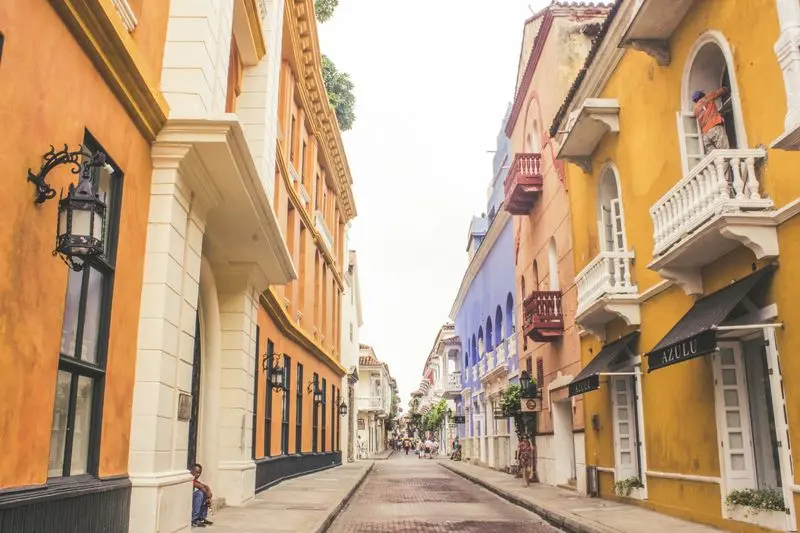
Ką veikti Cartagena, Colombia
Nuotrauką padarė Maria Paula Medina Pexels.com
Kada lankytis
Kada keliaujate į Cartagena, Colombia?
Pasirinkite datas ir kelionės stilių, kad gautumėte:
Ar kas nors iš šių jums ypač svarbu?
Pažymėkite visus, kurie tinka
Plan language: LietuviųPopuliariausios lankytinos vietos Cartagena, Colombia
Svarstant, ką veikti Kartachenoje, Kolumbijoje, išsiskiria trys lankytinos vietos. Įkopkite į 300 metų senumo Castillo San Felipe de Barajas pilį su 23 patrankomis ir 3 kilometrais tunelių. Aplankykite Torre del Reloj, XVII amžiaus laikrodžio bokštą, senamiesčio įėjimą. Užbaikite Santo Domingo aikštėje, kur Botero skulptūra stovi po kolonijiniais balkonais.
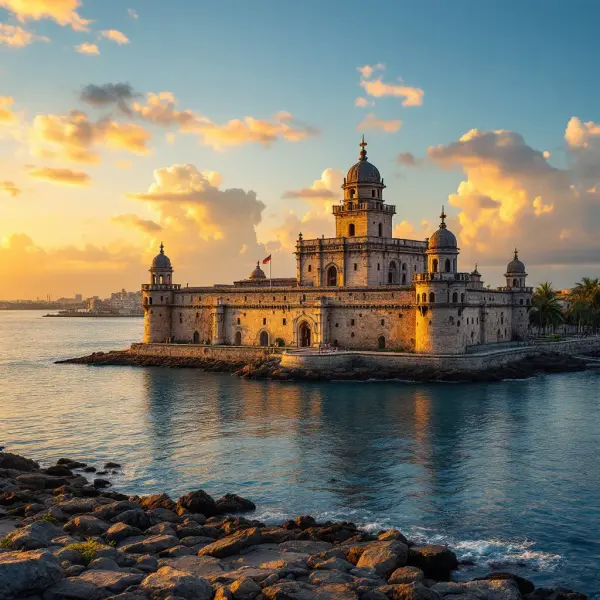
1. Castillo San Felipe de Barajas
Eikite per 450 metų senumo tunelius, kur šnabždesiai aidi išilgai tobulai suprojektuotų akustinių sienų. Nuo viršutinių pylimų stebėkite, kaip saulėlydis dažo dangų virš Karibų.
Greiti faktai: Daugiau nei 20 milijonų plytų ir 130 metų trukusi statyba suformavo šią tvirtovę į besidriekiantį gynybinį kompleksą. Sargybiniai kadaise bendravo per 2 kilometrų ilgio tunelių tinklą, kur garsas sklinda aiškiai išilgai išlenktų akmeninių sienų.
Akcentai: Inžinieriai suprojektavo tris tarpusavyje susijungiančių tunelių lygius su kampiniais klausymosi postais, leidžiančiais vienam sargybiniui vienu metu aptikti įsibrovėlius iš kelių krypčių. Aukščiausiame tvirtovės pylime galite atsekti tikslias gynybines regėjimo linijas, kurios kadaise leido kariams pastebėti artėjančius laivus valandomis prieš jiems pasiekiant įlanką.
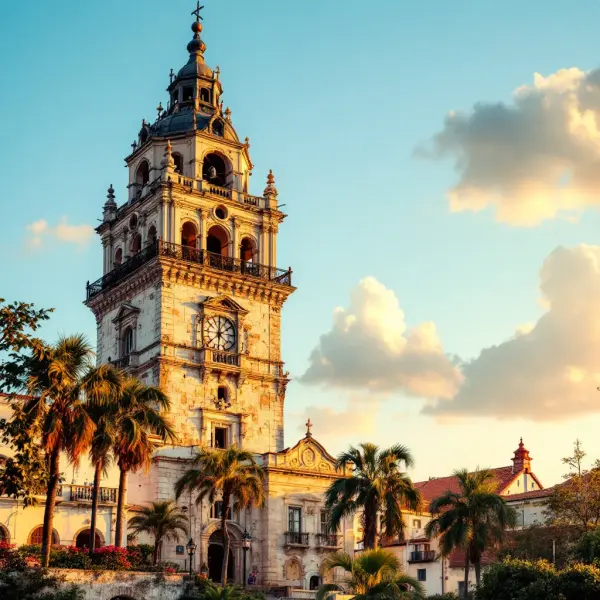
2. Torre del Reloj
Ši arkinė vartai jau daugiau nei 400 metų yra miesto priekinės durys, pasitikdami prekiautojus, keliautojus ir net piratus. Įžengę pro juos patenkate į aikštę, apjuostą pastelinių balkonų, arklių vežimų ir ritmiško batų bildesio akmenimis.
Greiti faktai: Daugiau nei 2 milijonai žmonių kasmet praeina pro šiuos koralinio akmens vartus, jungiančius gyvąją Getsemaní kaimynystę su kolonijiniu Senamiesčiu. Viršuje esantis laikrodžio mechanizmas buvo importuotas iš Šveicarijos XX amžiaus pradžioje ir vis dar rodo laiką, rankiniu būdu užvedamas du kartus per savaitę.
Akcentai: Atidžiai pažiūrėkite į arkos pagrindą ir pastebėsite mažą Mergelės Marijos statulėlę, įstatytą į nišą, čia padėtą prieš šimtmečius, kad palaimintų kiekvieną į miestą įžengiantį žmogų. Aikštės pusėje išblukę kolonijiniai freskai ant gretimų pastatų keičia spalvą, kai popietės saulė slenka per raižytą akmeninį fasadą.
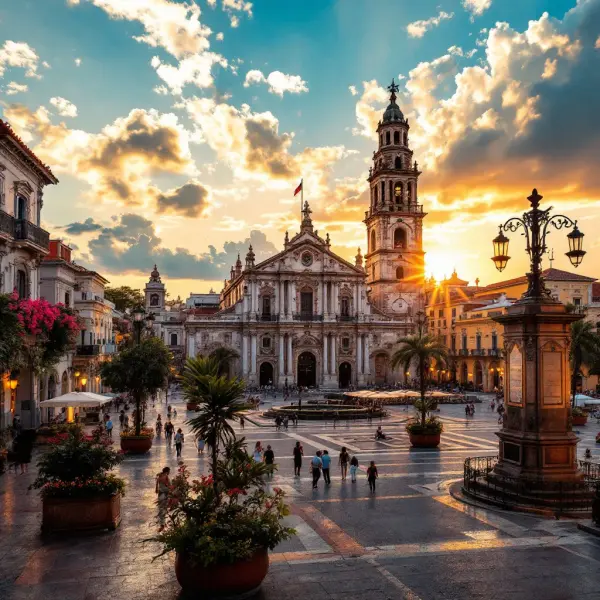
3. Plaza Santo Domingo
Magnetinė Kartachenos socialinė traukos vieta, kur Botero garsioji bronzinė deivė leidžia laiką po Karibų saule. Gurkšnokite kokosų limonadą stebėdami salsos šokėjus, batų valytojus ir papūgas, tupinčias ant kolonijinių balkonų.
Greiti faktai: Bronzinė Fernando Botero skulptūra, vaizduojanti putlią gulinčią moterį, pavadinta "La Gorda Gertrudis", yra šios akmenimis grįstos aikštės centras. Gatvės prekeiviai, salsa muzika ir keptų arepų kvapas užpildo orą nuo ryto iki vėlyvos nakties.
Akcentai: Vietiniai gyventojai trina Botero Gertrudis pilvą ir bronzinius kojų pirštus sėkmės labui, palikdami šias vietas nušlifuotas iki blizgančio auksinio spindesio priešais tamsesnę patiną. Po to, kai 2006 metais vandalas ją apgadino, miestas ją taip kruopščiai suremontavo, kad randas tapo jos istorijos dalimi, liudijančia Kartachenos nuožmią apsaugą jos atžvilgiu.
Ar girdėjote apie nemokamas pėsčiųjų ekskursijas?
Po kelionių į daugiau nei 30 šalių yra viena dalykas, kurį norėčiau, kad kas nors būtų pasakęs nuo pat pradžių, ir tai visiškai pakeitė mano požiūrį į naujų miestų pažinimą.
Nemokamos pėsčiųjų ekskursijos. Taip, tikrai nemokamos. Nereikia kreditinės kortelės. Jokio spąsto.
Vietinis gidas, 2-3 valandos
Pagrindinės lankytinos vietos, paslėpti perlai, vietinės istorijos
100% priklauso nuo arbatpinigių
Gidai uždirba tik iš arbatpinigių, todėl stengiasi iš visų jėgų
Paliekate arbatpinigius, kokius manote tinkamus
Pabaigoje tiesiog paliekate arbatpinigius, kokius manote tinkamus
Aš dalyvavau tokiuose daugelyje miestų ir tai buvo beveik kiekvienos kelionės akcentas. Jei lankotės Cartagena, Colombia, padarykite tai pirmą dieną. Vėliau man padėkosite.
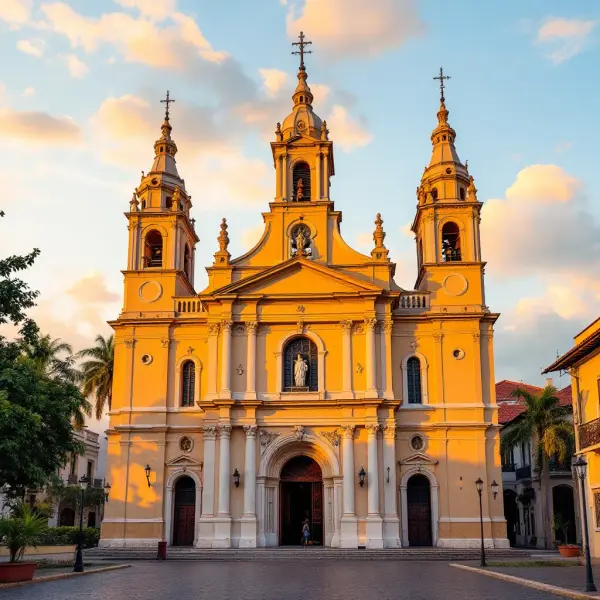
4. Iglesia de San Pedro Claver
Atsistokite prieš 400 metų senumo altorių, prie kurio tikras šventasis kadaise kasdien meldėsi. Klaidžiokite po saulės nušviestus vienuolyno kiemus, pamatykite jo išsaugotus palaikus ir pajuskite, kaip atgyja daugiasluoksnė Kolumbijos istorija.
Greiti faktai: Šventasis Petras Klaveras praleido 40 metų šioje bažnyčioje, krikštydamas daugiau nei 300 000 afrikiečių vergų, atvykusių per Kartachenos uostą. Jo nepaprastai gerai išsilaikęs kūnas guli stiklo sarkofage prie pagrindinio altoriaus, tebedėvintis mantiją, kurią jis vilkėjo mirties metu 1654 metais.
Akcentai: Užlipkite ant stogo ir rasite tą patį varpinės bokštą, iš kurio Klaveras stebėdavo uostą, ieškodamas atplaukiančių vergų laivų, ruošdamasis suteikti paguodą. Gretimame vienuolyne yra šventojo originalūs gyvenamieji kambariai, kuriuose jo paprasta medinė lova ir asmeninis nukryžiuotasis tebėra tokie, kokius jis juos paliko.
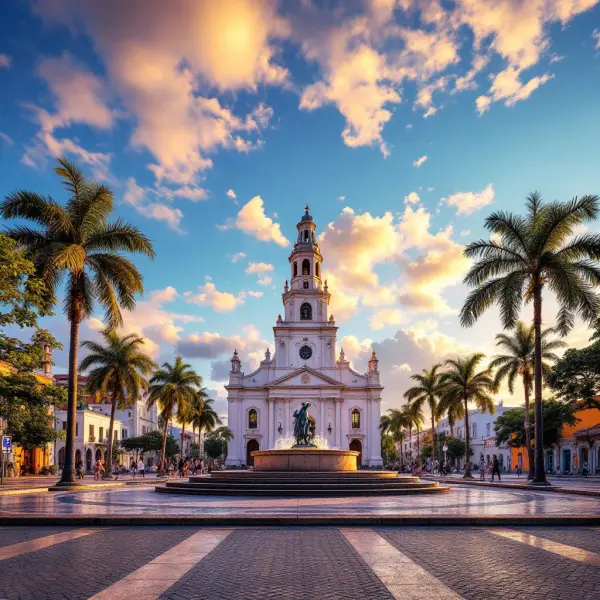
5. Plaza de los Coches
Įžengkite į kolonijinę Kartachenos širdį, kur arkliais traukiami vežimai kadaise viešpatavo ant akmenų. Gurkšnokite kavą po arkadomis, kol gatvės pardavėjai ir muzikantai pripildo aikštę gyvybės aplink jus.
Greiti faktai: Arkliais traukiami vežimai kadaise rikiavosi šioje aikštėje, suteikdami jai pavadinimą, reiškiantį "Vežimų aikštė". Jos centre stovi Pedra de Heredijos, ispanų konkistadoro, įkūrusio Kartacheną 1533 metais, statula.
Akcentai: Pažvelkite aukštyn į aikštę supančius pastatus ir pamatysite medinius balkonus, nudažytus ryškiomis geltonomis ir mėlynomis spalvomis, kiekvienas su skirtingu raižytu raštu. Šie balkonai pasakoja Kartachenos kolonijinės pirklių klasės istoriją, kuri čia pastatė savo namus ir parduotuves, kad būtų arti uosto prekybos veiklos.
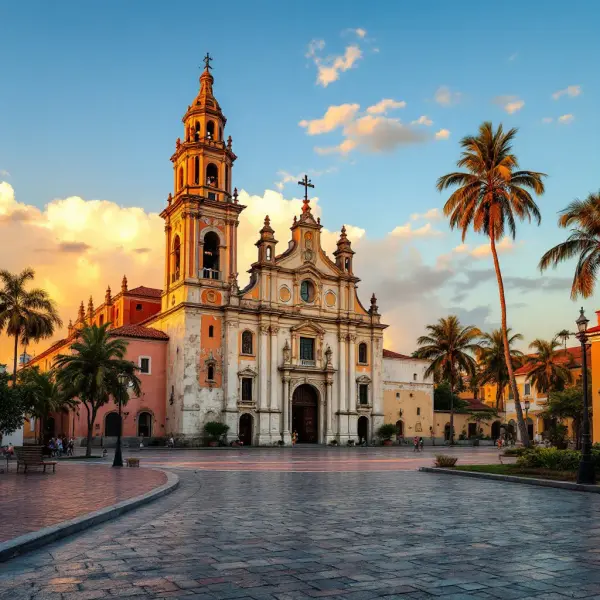
6. Convento de la Popa
Aukščiausias Kartachenos taškas suteikia geriausius miesto, įlankos ir salų vaizdus iš karto. Užlipkite ant vienuolyno stogo terasos ir stebėkite, kaip kruiziniai laivai plaukia pro senojo miesto sienas 150 metrų žemiau.
Greiti faktai: Įsikūręs 150 metrų virš jūros lygio, šis XVII amžiaus vienuolynas siūlo 360 laipsnių Kartachenos horizonto, įlankos ir Karibų jūros panoramą. Kalva gavo pavadinimą "Popa", nes ispanų jūreiviai manė, jog ji primena laivo užpakalinį denį.
Akcentai: Vienuolyno koplyčioje stovi maža medinė La Kandelarijos Mergelės, Kartachenos globėjos, statula, kuri, vietinių tikėjimu, išgelbėjo miestą nuo maro XVIII amžiuje. Kasmet vasario 2 dieną šimtai piligrimų lipa į kalvą La Kandelarijos fiestai, nešdami žvakes akmenimis grįstu taku auštant.
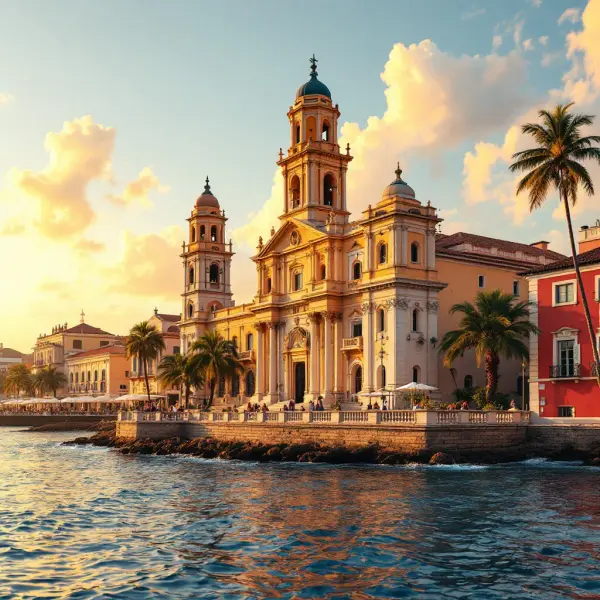
7. Las Bóvedas
Pirkite autentiškus Kolumbijos suvenyrus šimtamečiuose kariniuose skliautuose, iškaltuose miesto sienose. Klaidžiokite per 23 arkas, pripildytas amatininkų prekystalių, o jūros vėjas ir vietinė muzika aidi nuo akmens.
Greiti faktai: Dvidešimt trys arkinės nišos driekiasi senovinėse miesto sienose, kadaise tarnavusios kaip karinės saugyklos ispanų kariuomenei. Stori akmeniniai skliautai vėliau laikė kalinius, kol virto spalvinga vietinių amatų ir meno turgaviete.
Akcentai: Kolonijiniais laikais šiuose skliautuose buvo laikomi parakas ir ginklai, o jūra plaukė tiesiai prie išorinių sienų, todėl jie buvo neįveikiami atakoms. Šiandien tos pačios arkos užpildytos amatininkų, drožiančių tagua riešutų figūrėles ir pyniančių mochila krepšius, tarškėjimu, o regaetonas sklinda per akmeninius koridorius.
8. Museo del Oro Zenu
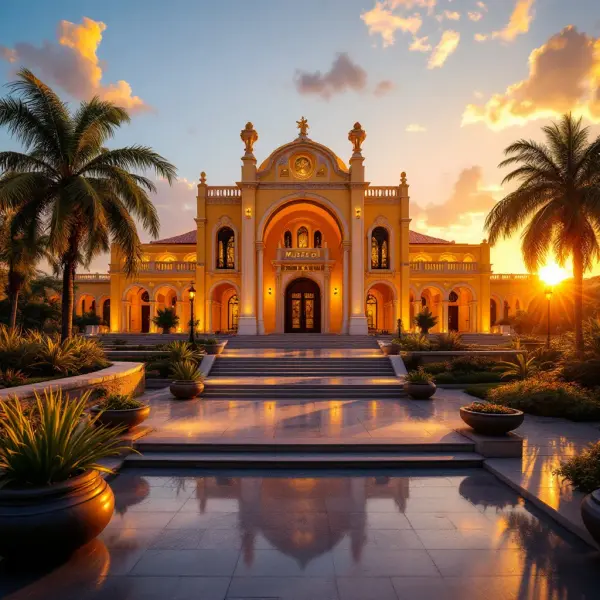
Įžengkite į čiabuvių aukso dirbinių lobyną, kuris prilygsta bet kuriai kolekcijai Pietų Amerikoje. Jūs akis į akį susidursite su įmantriais filigraniniais auskarais, apeiginėmis kaukėmis ir įrankiais, atskleidžiančiais, kaip Zenú žmonės formavo auksą prieš 2000 metų.
Greiti faktai: Zenú žmonės, sukūrę šiuos aukso dirbinius, suprojektavo sudėtingą kanalų sistemą potvyniams kontroliuoti 500 000 hektarų žemumų. Kai kurie eksponuojami filigraniniai auskarai ir nosies žiedai yra taip subtiliai supinti, kad sveria mažiau nei vienas sąvaržėlė.
Akcentai: Pažvelkite pro stiklą į poporo, kalkių indą kokos lapams, kurio paviršius pasakoja Zenú dvasinio gyvenimo istoriją per tūkstančius mažų įkaltų taškelių. Skirtingai nei Inka ar Actekų aukso dirbiniai, laikomi saugyklose, čia daugiau nei 1 200 kūrinių išdėstyti atviruose eksponatuose, leidžiančiuose matyti priekinę ir galinę kiekvieno artefakto puses, atskleidžiančias, kaip meistrai apdirbo abi metalo puses.
9. Catedral de Cartagena
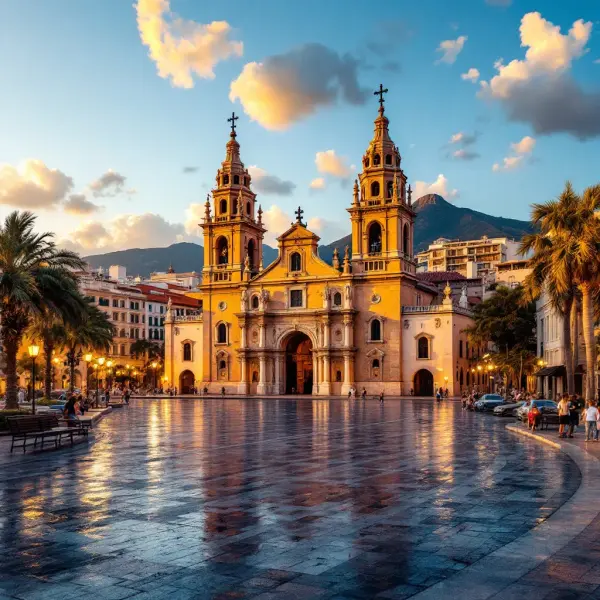
Viena seniausių katedrų Amerikoje, kur kolonijinė istorija susitinka su piratų legendomis. Stovėkite sienose, išgyvenusiose žemės drebėjimus, atakas ir 400 metų Karibų audrų.
Greiti faktai: Trys statybos amžiai suteikė šiai katedrai žavų architektūrinį derinį. Sero Franciso Dreiko 1586 metų ataka sustabdė ankstyvuosius statybos darbus, palikdama nebaigtą statinį stovėti pagrindinėje aikštėje dešimtmečius.
Akcentai: Atidžiai pažiūrėkite į pagrindinį altorių ir pastebėsite mažą patrankos sviedinį, įstrigusį sienoje, žymę nuo XVII amžiaus piratų atakos. Nelygus katedros varpinės bokštas pasakoja kitą istoriją: 1830 metų žemės drebėjimas sugriovė originalų, o jo pakaitalas buvo pastatytas šiek tiek kreivai tyčia, kad ateityje išvengtų griūties.
Where to Stay in Cartagena, Colombia
Selected by City Buddy based on guest reviews and proximity to top attractions
Search all hotels in Cartagena, ColombiaPowered by agoda
Tradiciniai saldūs patiekalai
Cocadas
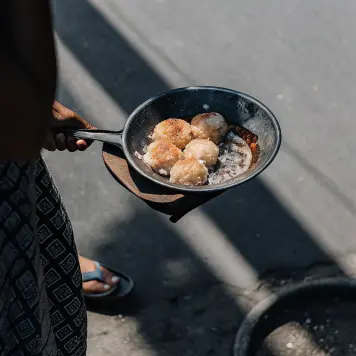
Cocadas are sweet coconut confections that trace their origins to the African diaspora in Cartagena. They are famously sold by palenqueras, Afro-Colombian women in colorful dresses who balance bowls of them on their heads as they walk through the city.
Dulce de Leche (Arequipe)
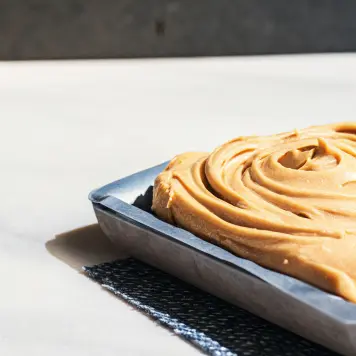
In Cartagena, dulce de leche is often blended with coconut or fruits like guava to create rich, creamy desserts. It is a staple sweet spread that locals enjoy with cheese or on bread.
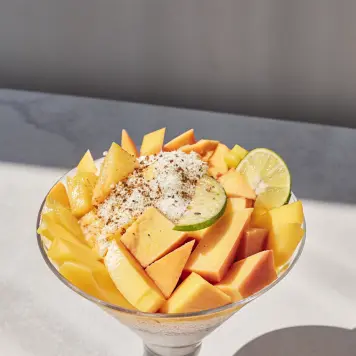
Ensalada de Frutas (Fruit Salad)
Cartagena's fruit salad is no ordinary dish; it is a vibrant mix of tropical fruits like mango, papaya, and lulo, often topped with a splash of lime and a sprinkle of salt. Street vendors sell it chilled on hot Caribbean days for a refreshing treat.
Tradiciniai sūrūs patiekalai
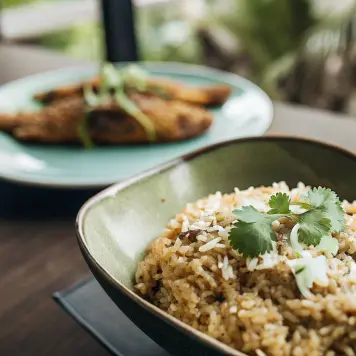
Arroz con Coco (Coconut Rice)
Arroz con coco is a quintessential Cartagena side dish made by cooking rice in coconut milk and often sweetened with a hint of sugar. It is typically served alongside fried fish and patacones, creating the classic Caribbean coastal plate.

Mote de Queso
Mote de queso is a hearty, creamy soup made with yam, salted costeño cheese, and herbs. It originated in Cartagena's countryside and is a comforting dish that showcases the region's love for combining cheese with savory stews.
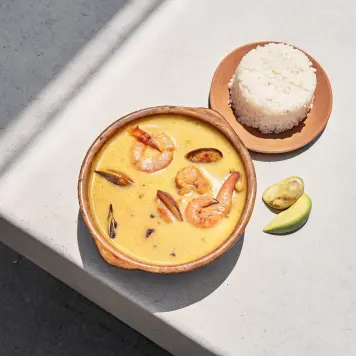
Cazuela de Mariscos (Seafood Stew)
This rich seafood stew is packed with shrimp, fish, crab, and clams simmered in a coconut milk and tomato broth. It reflects Cartagena's coastal location and is often served in a clay pot with rice and avocado on the side.
Tradiciniai gėrimai
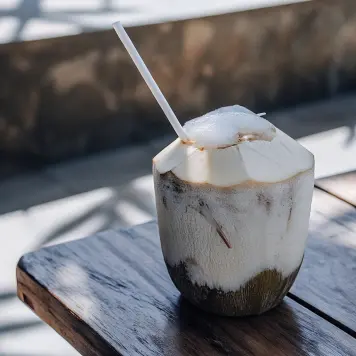
Limonada de Coco (Coconut Lemonade)
Limonada de coco is a creamy, tropical blend of fresh lime juice, coconut milk, and ice that is uniquely popular in Cartagena. Unlike a standard lemonade, it is frothy and rich, making it the ultimate thirst-quencher on a Caribbean afternoon.

Jugo de Lulo
Lulo is a tangy, citrus-like fruit native to Colombia, and its juice is a beloved drink throughout Cartagena. It is often sweetened with sugar and served over ice, offering a bright, zesty flavor that locals swear by for beating the heat.

Aguardiente Antioqueno
Aguardiente is Colombia's signature anise-flavored sugarcane spirit and a favorite at Cartagena's lively street festivals and nightclubs. It is commonly called "guaro" and is typically sipped straight or mixed into cocktails like the popular "Saoco."
Frequently Asked Questions about Cartagena, Colombia
Ar Kartachena, Kolumbija yra saugi?
Kiek dienų praleisti Kartachenoje, Kolumbijoje?
Koks geriausias laikas aplankyti Kartacheną, Kolumbiją?
Ar Kartachena, Kolumbija yra brangi?
Kaip keliauti po Kartacheną, Kolumbiją?
Gaukite PDF su populiariausiomis lankytinomis vietomis į savo el. paštą
Gaukite PDF su visomis lankytinomis vietomis, įvertinimais ir patarimais. Puikiai tinka naudoti neprisijungus.
Populiariausios dienos išvykos
Islas del Rosario
Stunning coral islands with white sand beaches and clear turquoise water
Playa Blanca (Barú)
Pristine white sand beach with crystal clear Caribbean waters
Volcán de Lodo El Totumo
Famous mud volcano where you bathe in therapeutic warm mud
San Basilio de Palenque
UNESCO heritage village founded by escaped African slaves
Kaip nuvykti
Oro uostai
Geležinkelio stotys
None. Buses, taxis, and private cars are the main transport options.
From CTG airport, take a taxi or Uber to the Old Town (15 to 20 minutes, around USD 10 to 15). Always agree on price beforehand.
Raskite skrydžius į Cartagena, Colombia
Spustelėkite, kad gautumėte eSIM Cartagena, Colombia
Lengviausias ir prieinamiausias būdas gauti mobilųjį internetą bet kur keliaujant.
Komentarai (10)
Eat at La Cevicheria for lunch not dinner. Same amazing food but half the price. And skip the restaurants on the main wall, walk one block inland.
Best 4 days ever. The colors, the music, the people. Took a boat to Islas del Rosario and it felt like paradise. Would go back tomorrow.
Always carry small bills. So many places claim to not have change for larger notes. Taxis too, insist on the meter or agree on price before getting in.
Mixed feelings. City is stunning but everything felt overpriced for Colombia. Drinks in Plaza Santo Domingo were twice what I paid in Medellin.
Rainy season caught me off guard. Showers every afternoon but they pass fast. Still managed to see everything and had a great time overall.