 CityBuddy
 Lietuvių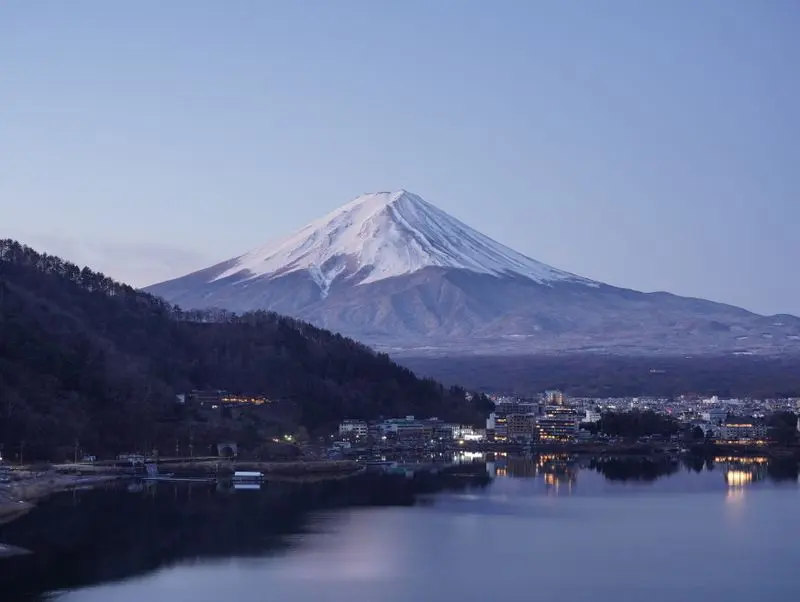
Ką veikti Fujikawaguchiko, Japan
Nuotrauką padarė 艾倫 莊 Pexels.com
Kada lankytis
Kada keliaujate į Fujikawaguchiko, Japan?
Pasirinkite datas ir kelionės stilių, kad gautumėte:
Ar kas nors iš šių jums ypač svarbu?
Pažymėkite visus, kurie tinka
Getting around
How do you want to move between places?
Plan language: LietuviųPopuliariausios lankytinos vietos Fujikawaguchiko, Japan
If you are looking for things to do, the best things to do in Fujikawaguchiko, Japan start with a walk up 398 steps to the Chureito Pagoda to see Mount Fuji framed among cherry blossoms. Then, stroll along the northern shore of the lake with views of the volcano's reflection. Finally, ride the Mount Fuji Panoramic Ropeway, a 3-minute cable car that offers 360-degree panoramic views over the Kawaguchi Lake basin.
1. Chureito Pagoda
A five-story red pagoda with Mount Fuji as the backdrop: the perfect framing of Japan. Climb the steps, breathe in the mountain air, and capture the photo every traveler dreams of.
Greiti faktai: Climbing the 398 steps to the pagoda is an effort rewarded with one of Japan's most famous postcard views. From here, Mount Fuji appears flanked by the five lakes, a composition that attracts thousands of photographers every year.
Akcentai: In autumn, the 500 sakura trees and maples tinged red frame the five-story pagoda facing Fuji, creating a contrast of colors that seems straight out of a dream. The curious thing is that the structure itself was moved here from another nearby peak, so every stone carries more than 400 years of history on its shoulders.
2. Lake Kawaguchi
A frontal view of Mount Fuji that many consider the most spectacular in all of Japan. Gazing at the volcano reflected in crystal-clear waters while strolling along the shore will leave you breathless.
Greiti faktai: The lake reaches depths of up to 15 meters and its waters reflect the silhouette of Mount Fuji when the sky is clear. Every autumn, more than 400,000 visitors arrive to admire the red and gold foliage surrounding the shore.
Akcentai: The lake's waters change temperature with the season, creating a unique visual phenomenon where mist rises above the surface at dawn between October and February. On days of total calm, Mount Fuji doubles in the mirror of the water, a reflection so sharp that photographers call it "inverted Fuji" and wait hours to capture it.
3. Oishi Park
A walk along the lake where the sacred mountain is reflected in the water with cherry blossoms in the foreground. Walk among flowers, breathe in fresh air, and take home the perfect photo.
Greiti faktai: The lake that frames the view changes color with the season, reflecting the cherry blossoms and autumn tones. During bloom season, more than 3 million visitors cross its paths to contemplate the view.
Akcentai: From the northern end of the walkway, the silhouette of the sacred mountain appears reflected on the water with such symmetry that it looks like a painted mirror. At dawn, when the wind calms and the crowds have not yet arrived, that reflection becomes almost perfect, a spectacle known only to early risers.
4. Kawaguchiko Music Forest Museum
Relive the golden age of mechanical music with automatons that still play on their own today. You will hear melodies from 200 years ago while dolls dance before your eyes.
Greiti faktai: It houses more than 100 functional musical automata, including barrel organs and music boxes dating from the 18th to the 20th centuries. Every day, a 17-meter-tall organ plays melodies outdoors while visitors stroll through gardens inspired by the French Provence.
Akcentai: Every hour, the great 17-meter dancing organ unfolds with moving dolls that play drums, bells, and violins, synchronized with concerts lasting about 20 minutes. The central concert hall was built specifically so the acoustics enhance the sound of the original instruments, and at dusk candle lights are lit on the stage, creating a European fairy-tale atmosphere in the heart of Japan.
5. Mount Fuji Panoramic Ropeway
Ride the gondola and gain a breathtaking 360-degree view. In three minutes you will go from the bustle of the village to a panoramic terrace where the volcano seems within arm's reach.
Greiti faktai: The gondola ride lasts barely three minutes, but it ascends 400 meters to offer one of the widest panoramas of the Five Lakes region. On clear days, the view reaches up to 100 kilometers away, encompassing Lake Kawaguchi and the surrounding mountains.
Akcentai: At the summit, a trail of about ten minutes leads to a hill from where the mountain reflects perfectly in the lake's waters, an effect photographers call "kuromitsu" for the volcano's dark contrast. Local legend says the shape of the landscape inspired the silhouette of the characters from Japan's best-selling manga, a fact that surprises many visitors.
6. Kawaguchiko Natural Living Center
Savor rural life with views of Fuji in a single place. Taste artisanal cheeses, feed the animals, and take home fresh produce from the orchard.
Greiti faktai: This center combines farms, orchards, and a fresh produce market at the foot of Mount Fuji. Its artisanal workshops let you see how cheeses, breads, and jams are made with regional ingredients.
Akcentai: The farm's cows and goats are the true stars: you can feed them and take part in making fresh ice cream with milk that was just milked. The magical moment comes in autumn, when the leaves of the surrounding orchards turn red and gold just as Fuji clears of clouds.
7. Fuji-Q Highland
Feel the thrill of world records of steel and speed with Mount Fuji as the backdrop. Drops of 121 degrees, speeds of 180 km/h, and mist that wraps around the rails await you.
Greiti faktai: Its roller coasters have broken world records for speed, drop, and tunnel length on several occasions. More than 4 million visitors arrive each year just to experience its extreme rides with Mount Fuji in the background.
Akcentai: The Takabisha roller coaster launches you downward in a 121-degree drop, the steepest on the planet, while you see Mount Fuji right in front of you. On clear days, the view from the top of the ride combines pure adrenaline with Japan's most famous volcanic landscape.
8. Kawaguchiko Onsen
A hot bath with Mount Fuji in the background, without haste and without crowds. Relax in natural hot springs while Japan's most famous volcano is reflected before you.
Greiti faktai: Its waters spring forth at 52 degrees Celsius and are rich in mineral salts that soften the skin. The views of Mount Fuji from the outdoor baths change color with each season, from the pink of the cherry blossoms to the red of the maples.
Akcentai: Every morning, before the sun rises, the attendants sweep the wooden platforms of the outdoor baths so that no one steps on leaves or sand upon entering. Feeling the hot steam while the dawn tints the volcano orange is a ritual few travelers know about and one that turns the bath into something almost sacred.
9. Arakurayama Sengen Park
A staircase of 398 steps leads you to Japan's most famous postcard. The red pagoda, the cherry blossoms, and Mount Fuji combine in a single shot you will never forget.
Greiti faktai: From its 398 steps unfolds one of the most photographed views of Mount Fuji, with the Chureito Pagoda in the foreground. It reaches 12,000 daily visits during cherry blossom season.
Akcentai: The five-story pagoda was built in 1963 as a tribute to peace, and its balcony aligns perfectly with Fuji to create a composition that seems painted. During autumn, the maple leaves frame the pagoda with fire-red tones that contrast brutally with the white snow of the mountain.
10. Momiji Tunnel
A 250-meter walk between walls of blazing maples that seems straight out of a dream. In November, you will walk under a red canopy that bursts with color at every corner.
Greiti faktai: Every autumn, more than 400 maple trees form a red and orange canopy over a stretch of road barely 250 meters long. The sunset light filters through the leaves and creates a luminous tunnel effect that attracts photographers from around the world.
Akcentai: Although the stretch of road takes only a few minutes to walk, the spectacle changes every week of November, going from greens to intense yellows and then to deep reds, with windows of perfect color that last only a few days. Drivers slow down to 10 km/h so as not to miss the swirls of leaves falling onto the wet asphalt.
Where to Stay in Fujikawaguchiko, Japan
Selected by City Buddy based on guest reviews and proximity to top attractions
Search all hotels in Fujikawaguchiko, JapanPowered by agoda
Tradiciniai saldūs patiekalai
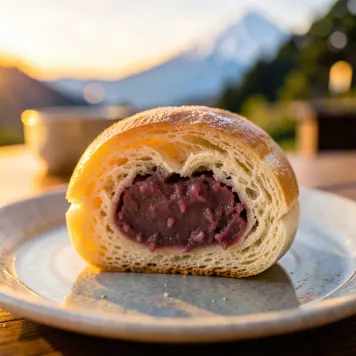
Houtou Manju
Houtou manju is a steamed sweet bun filled with red bean paste, a beloved treat near Mount Fuji. It gets its name from the houtou noodle stew that dominates the region's cuisine, giving the bun a local twist on a classic Japanese confection.
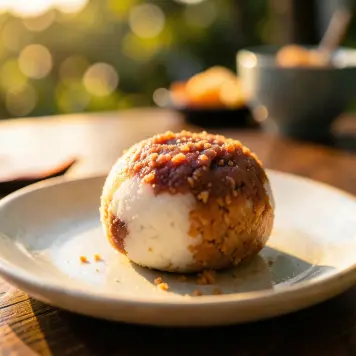
Fuji no Tama
Fuji no Tama, meaning "Jewel of Fuji," is a small round sweet made from mochi and sweet red bean paste that resembles the shape of Mount Fuji. These tiny cakes are a popular souvenir gift for visitors to Fujikawaguchiko.
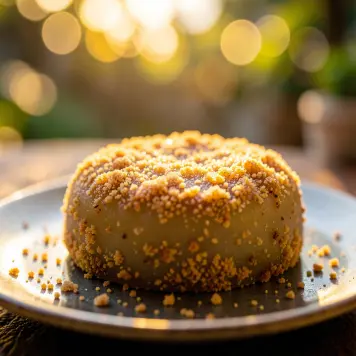
Kawaguchiko Warabi Mochi
Kawaguchiko warabi mochi is a soft, jelly-like confection made from bracken starch and covered in sweet roasted soybean flour. It has a uniquely smooth and melt-in-your-mouth texture that contrasts with the firmer traditional mochi found elsewhere in Japan.
Tradiciniai sūrūs patiekalai

Houtou
Houtou is a hearty miso-based noodle stew filled with flat udon noodles, pumpkin, and seasonal vegetables, and it is the signature dish of Yamanashi Prefecture. The dish is cooked in an iron pot and is said to have originated as a warm meal for farmers working at the foot of Mount Fuji.
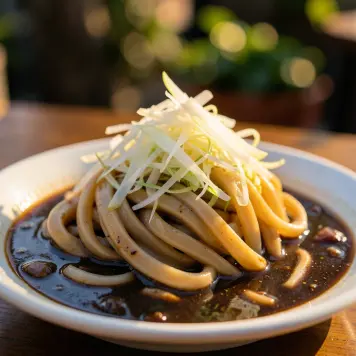
Yoshida no Udon
Yoshida no udon is famous for its incredibly thick and firm noodles served in a dark, rich soy-based soup topped with raw cabbage and grated daikon. The noodles are so chewy and firm that they are nicknamed "the udon you chew" among locals.
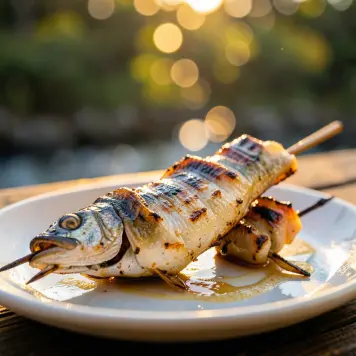
Ayu no Shioyaki
Ayu no shioyaki is a salt-grilled sweetfish caught fresh from the rivers around Mount Fuji, and is especially prized in summer. The ayu is grilled on a skewer in a bent shape, a style that allows the fish's natural sweetness and subtle aroma of watermelon to shine through.
Tradiciniai gėrimai

Koshu Budoshu (Local Wine)
Koshu budoshu is a crisp white wine made from the Koshu grape, a variety native to the slopes near Mount Fuji that has been cultivated for over 1,200 years. The grape's thin skin and gentle acidity make wines that pair beautifully with the region's freshwater fish dishes.

Kawaguchiko Sake
Kawaguchiko sake is brewed using the exceptionally pure spring water that filters down from Mount Fuji's volcanic slopes. The mineral-rich water gives the sake a remarkably clean and smooth character that sake connoisseurs praise worldwide.

Fuji no Takibori Green Tea
Fuji no takibori green tea is grown in tea fields that sit on the volcanic ash soils around Fujikawaguchiko, which drain perfectly and impart subtle mineral notes. The cool mountain mist and large temperature swings help produce a tea with a deep umami flavor and a gentle, refreshing finish.
Frequently Asked Questions about Fujikawaguchiko, Japan
Is it safe to travel to Fujikawaguchiko, Japan?
How many days are needed to visit Fujikawaguchiko?
What is the best time to visit Fujikawaguchiko?
Is it expensive to visit Fujikawaguchiko?
How do you get around Fujikawaguchiko?
Gaukite PDF su populiariausiomis lankytinomis vietomis į savo el. paštą
Gaukite PDF su visomis lankytinomis vietomis, įvertinimais ir patarimais. Puikiai tinka naudoti neprisijungus.
Populiariausios dienos išvykos
Lake Kawaguchi
Iconic lake with Mt. Fuji views, boat rides, and lakeside promenades
Oshino Hakkai
Eight spring ponds fed by Mt. Fuji snowmelt, traditional village setting
Chureito Pagoda
Famous five-story pagoda with stunning Mt. Fuji backdrop photo spot
Mt. Fuji 5th Station
High altitude viewpoint at 2,300m with panoramic Fuji and valley views
Kawaguchiko Music Forest Museum
European-style museum with antique music boxes and rose gardens
Kaip nuvykti
Oro uostai
Geležinkelio stotys
Fujikyuko Line from Otsuki, direct limited express from Shinjuku
JR Chuo Line from Tokyo/Shinjuku, connection to Fujikyuko Line
Local lines to Hakone area, bus connections to Fuji Five Lakes
From Shinjuku Station take the Fuji Excursion limited express train directly to Kawaguchiko Station in about 2 hours. Alternatively, highway buses from Shinjuku take 1h 45m to 2h and are more affordable.
Raskite skrydžius į Fujikawaguchiko, Japan
Spustelėkite, kad gautumėte eSIM Fujikawaguchiko, Japan
Lengviausias ir prieinamiausias būdas gauti mobilųjį internetą bet kur keliaujant.
Komentarai (7)
do the chureito pagoda hike at sunrise instead of the lakeside viewpoint. the buses from the station are cheap but only run every hour so check the timetable before you go, otherwise you'll wait forever in the cold.
if you want the classic reflection shot, go before 7am. by 9am the whole lakeside is a line of tripods and selfie sticks. also book your accommodation way ahead, prices spike hard on weekends.
got the two day bus pass from the tourist office and it paid for itself by day one. also the ropeway sells out of morning slots fast, so buy your ticket online the night before and show up early.
honestly it was prettier than i expected. we only planned one night but stayed three. the food near the station was decent but walk a bit further and you find smaller family run places that are way better and cheaper.
the bus from tokyo was packed and the town felt touristy in a way i didnt love. that said, the bakery by the lake had the best bread i ate in japan and the sunset walk along the water made up for the crowds.