 CityBuddy
 Lietuvių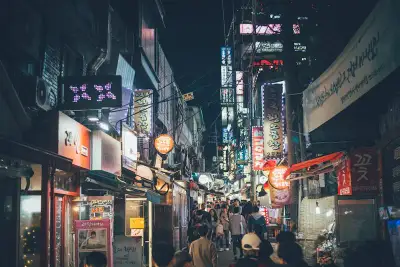
Ką veikti Shinjuku, Japan
Nuotrauką padarė Tan Danh Pexels.com
Kada lankytis
Shinjuku yra #2 miestas naktiniam gyvenimui pasaulyje, remiantis mūsų duomenimis iš šimtų kelionės tikslų.
Populiariausios lankytinos vietos Shinjuku, Japan
Geriausi dalykai, kuriuos galima nuveikti Shinjuku, Japonijoje, svyruoja nuo ramių pabėgimų iki neoninių nuotykių. Pasivaikščiokite po 58 arų Shinjuku Gyoen nacionalinį sodą, kuriame susilieja prancūziškas ir japoniškas kraštovaizdžio stiliai. Laisvu liftu pakilkite 202 metrus aukštyn į Tokijo metropolinės valdžios pastatą ir apžvelkite panoraminius miesto vaizdus. Tada užsukite į Omoide Yokocho, siaurą alėją su 60 mažyčių grilio restoranėlių, kuriuose nuo Antrojo pasaulinio karo laikų patiekiama yakitori.
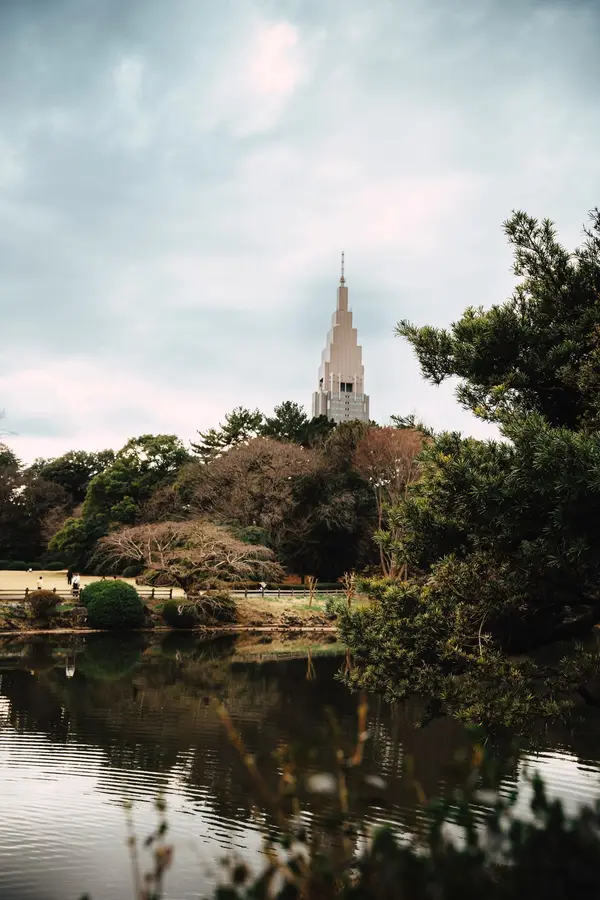
1. Shinjuku Gyoen National Garden
Escape Tokyo's neon chaos into 58 hectares of serene gardens where cherry blossoms and ancient pines frame three perfectly curated landscapes. Wander between a French formal garden, a Japanese tea house, and an English meadow in a single afternoon.
Greiti faktai: Per 58 hektarų jo teritorijoje darniai egzistuoja trys skirtingi sodų stiliai: formalus prancūziškas sodas, angliškas peizažinis sodas ir tradicinis japoniškas sodas su dideliu tvenkiniu. Čia auga daugiau nei 20 000 medžių iš viso pasaulio, tarp jų apie 1 500 vyšnių medžių, kurie kas pavasarį pražysta.
Akcentai: Tai retas išlikęs ankstyvojo XX amžiaus didelio masto peizažinio sodo pavyzdys Tokijuje, kuris kadaise buvo feodalo valdos, kol buvo perduotas imperatoriškajai šeimai. Tradicinio japoniško sodo dalyje yra medinis paviljonas, kuriame galite sėdėti ir stebėti po jumis besisukančias koi žuvis, gurkšnodami matcha arbatą, patiekiamą kimono vilkinčių padavėjų.
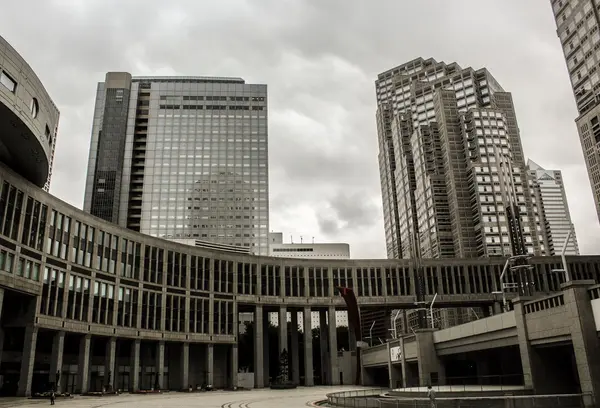
2. Tokyo Metropolitan Government Building
Two free observation decks with Tokyo's best skyline views. Ride the elevator up 45 floors and watch Mount Fuji appear on the horizon as the city sprawls beneath you.
Greiti faktai: Nemokami apžvalgos aikšteliai 45-ajame abiejų bokštų aukšte giedromis dienomis siūlo panoraminius vaizdus, siekiančius net iki Fudži kalno. Pastatas suprojektuotas taip, kad primintų gotikinę katedrą, jo dvyniai bokštai kyla 243 metrus, o fasadą dengia 12 000 veidrodinių langų.
Akcentai: Apsilankykite prieš pat saulėlydį ir stebėkite, kaip Tokijus transformuojasi nuo 45-ojo aukšto, kai žemiau mirga miesto šviesos, o danguje dar išlieka spalvų. Pietinis apžvalgos aikštelis dirba iki 23 valandos ir siūlo visiškai kitokią nuotaiką naktį, kai gerokai mažiau žmonių, o miesto peizažas žiba kaip mikroschema.
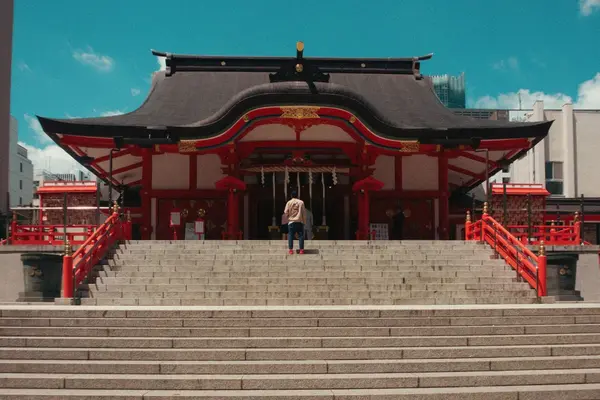
3. Hanazono Shrine
Find a pocket of serenity amid Shinjuku's neon chaos at a shrine that has anchored this neighborhood since the 1600s. Wander past towering concrete, and discover locals tossing coins, clapping hands, and whispering wishes to the gods.
Greiti faktai: Hanazono šventykloje kasmetiniuose blusų turguose prekiauja daugiau nei 300 pardavėjų, kiekvieną savaitgalį pritraukiančių tūkstančius ieškotojų. Skirta verslo klestėjimo ir sėkmės dievybėms, ši šventykla įsikūrusi pačiame Šindžiuku modernių dangoraižių ir pramogų rajono centre.
Akcentai: Naujųjų metų išvakarėse šventyklos didžiulis 500 kilogramų varpas skambinamas 108 kartus savanorių, kiekvienas dūžis simbolizuoja žmogaus troškimo apsivalymą pagal budistų tradiciją. Garsas aidi per betoninius Šindžiuku kanjonus, sukurdamas siurrealų akustinį susidūrimą tarp senovinių ritualų ir neoninių šviesų modernybės.
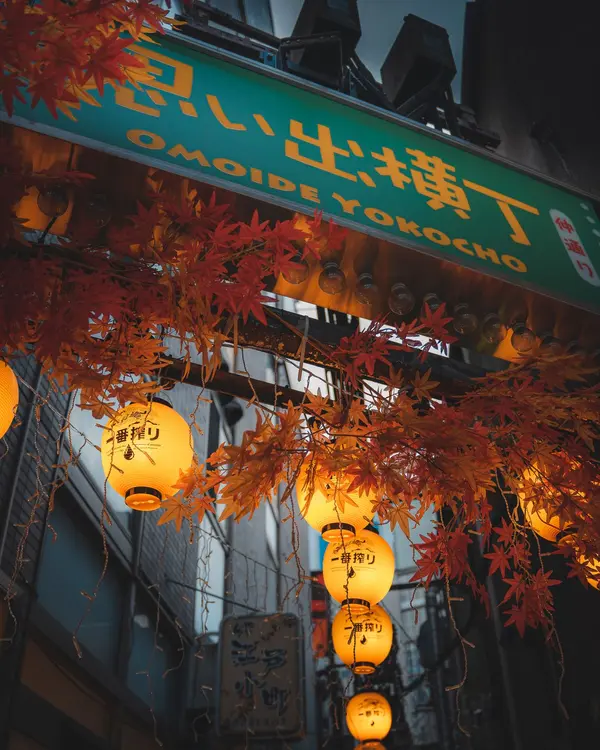
4. Omoide Yokocho
Step into a smoky, lantern-lit time capsule where Tokyo grills the best yakitori of your life. Squeeze onto a tiny counter stool, order skewers and cold beer, and watch the chefs fan glowing charcoal inches from your face.
Greiti faktai: Maždaug 60 mažų, dūminių yakitori barų ir restoranų susigrūdę siaurame alėjų tinkle netoli Šindžiuku stoties. Vietiniai čia tupėjo ant taburečių nuo pokario juodosios rinkos laikų 1940-aisiais, kai ši teritorija pirmą kartą išdygo.
Akcentai: Viena iš paskutinių išlikusių senojo Tokijo kišenių, ši alėja kažkokiu būdu išvengė pertvarkymo, kuris pavertė aplinkinį rajoną stiklinių dangoraižių mišku. Ore vis dar kvepia anglų kepta vištiena ir sojų padažu, kaip prieš 70 metų, o kai kurios parduotuvės vis dar gauna savo iešmelius iš tų pačių šeimos tiekėjų.
5. Golden Gai
Over 200 tiny bars packed into six lantern-lit alleys where each space seats barely a handful. Wander narrow passages, duck into a 4-seat whiskey bar, and trade stories with locals until the wee hours.
Greiti faktai: Įsiterpęs tarp Šindžiuku dangoraižių, šis 200 mažyčių barų labirintas užima šešias siauras alėjas, išlikusias po pokario rekonstrukcijos. Daugumoje barų telpa tik 4-6 žmonės, priversdami nepažįstamuosius artimai pabendrauti prie viskio ar sakės.
Akcentai: Daugelyje barų vis dar dirba senstantys savininkai, kurie už to paties prekystalio stovi daugiau nei 50 metų, o kai kurie atsisako aptarnauti jaunesnius nei 30 metų. Viename bare gyvena katė, kuri nusprendžia, kada bus paskutinis užsakymas, užšokdama klientui ant kelių ir signalizuodama, kad laikas išeiti.
6. Samurai Museum
Get closer to real samurai gear than anywhere else in Tokyo. You'll hold 700-year-old swords, try on armor, and watch live sword demonstrations daily.
Greiti faktai: Daugiau nei 13 000 eksponatų apima 700 metų samurajų istoriją nuo Kamakuros iki Edo laikotarpio. Lankytojai gali paliesti tikrus samurajų kardus ir išbandyti autentiškus šarvus prižiūrint personalui.
Akcentai: Pensininkas samurajų šarvų restauratorius asmeniškai prižiūri kolekciją ir retkarčiais demonstruoja 45 minučių procesą, kaip apsirengti pilnais šarvais. Muziejaus medinės kendo grindys vis dar nešioja įbrėžimus ir įlenkimus nuo dešimtmečius trukusių Tokijo universitetų kendo klubų treniruočių.
7. Shinjuku Ni-chome
Nowhere else packs this much queer energy into a few neon-lit blocks. Hop between tiny bars where locals share plates of edamame and pour your next drink before you finish the first.
Greiti faktai: Turintis daugiau nei 300 barų, klubų ir mažų restoranų, suspaustų vos keliuose kvartaluose, šis mažytis rajonas turi vieną didžiausių LGBTQ+ vietų tankių pasaulyje. Daugiau nei 30 procentų barų čia yra mažos įstaigos, kuriose telpa mažiau nei 10 žmonių, todėl kiekvienas vakaras jaučiasi kaip privatus vakarėlis.
Akcentai: Daugelį barų veda pensijoje esančios drag queen, kurios pila gėrimus už to paties 10 vietų prekystalio nuo 1980-ųjų ir atsimena kiekvieną nuolatinį lankytoją vardu. Galite vidurnaktį įeiti į keturių vietų rūsio barą ir rasti 70-metį buvusį kabareto atlikėją, dainuojantį Edith Piaf ir maišantį jūsų haibolą.
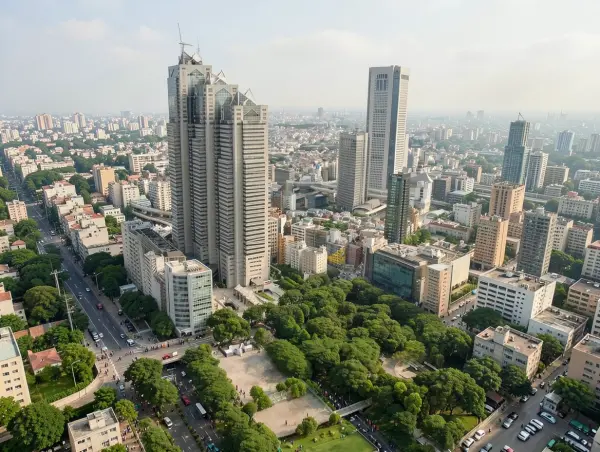
8. Shinjuku Central Park
A lush green escape sandwiched between skyscrapers, offering front-row seats to Tokyo's urban ballet. Grab a coffee, find a bench, and watch salarymen nap, crows plot, and cherry blossoms drift past concrete and glass.
Greiti faktai: Judriausias Šindžiuku transporto mazgas yra vienoje šio žalio koridoriaus pusėje, tačiau parkas išlieka stebėtinai tylus, o jo takus juosia per 700 vyšnių medžių. Tai, kas kadaise buvo tuščias sklypas, laukiantis niekada nepastatyto sporto stadiono, virto 2,25 hektaro žalumos ruožu, jungiančiu du didžiausius miesto dangoraižių rajonus.
Akcentai: Darbo dienomis apie pietus pamatysite biuro darbuotojus, miegančius ant žolės su kostiumais - tai tyli Tokijo tradicija, atrodanti beveik surežisuota. Parkas taip pat tarnauja kaip atviro dangaus meno galerija su kintančiomis instaliacijomis iš netoliese esančios Tokijo operos miesto galerijos, todėl skulptūros keičiasi kas kelis mėnesius.
Where to Stay in Shinjuku, Japan
Selected by City Buddy based on guest reviews and proximity to top attractions
Search all hotels in Shinjuku, JapanPowered by agoda
Darbo dienos mieste Shinjuku, Japan
Kurie iš pagrindinių lankytinų vietų uždaromos kurią savaitės dieną , klasikinis kelionės griovėjas, patikrintas už jus.
pirmadienis: 1 iš 8 pagrindinių lankytinų vietų uždaroma , muziejus planuokitės kitai dienai.
Uždaryta pirmadienis · uždaryta: 1, atvira: 7
Darbo dienos pagal Google Maps (tikrinta 2026-07-03). Valstybinių švenčių, streikų ir sezoninis darbo laikas gali skirtis , prieš vykdami patikrinkite oficialią svetainę.
Tradiciniai saldūs patiekalai
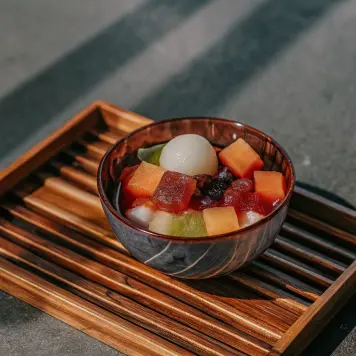
Anmitsu
Anmitsu features small cubes of agar jelly, sweet red bean paste, mochi, and fresh fruit all served with a drizzle of kuromitsu, a dark sugar syrup that originated as a medicine in the Edo period.
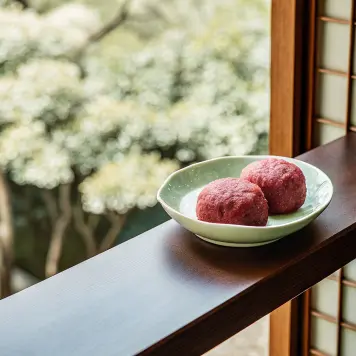
Ohagi (Botamochi)
Ohagi is a traditional sweet made from glutinous rice coated in sweet azuki bean paste, and its name changes to botamochi in spring depending on the seasonal flower in bloom.
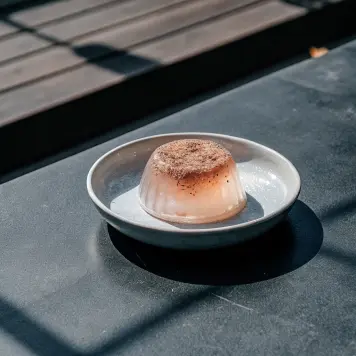
Kuzumochi
Unlike regular mochi made from rice, kuzumochi is made from kuzu (arrowroot) starch giving it a uniquely translucent, jelly-like texture, and it is often served with kinako (roasted soybean flour) and kuromitsu.
Tradiciniai sūrūs patiekalai
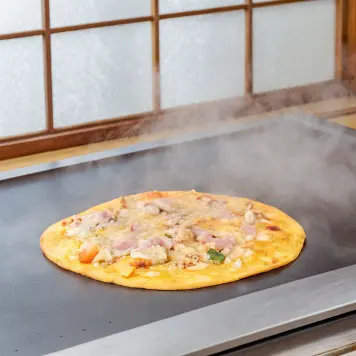
Monjayaki
Monjayaki is a thin, runny savory pancake cooked on a hot griddle that is famously associated with Tokyo's shitamachi (old town) culture, and Shinjuku has some of the best monjayaki specialty restaurants in the city.
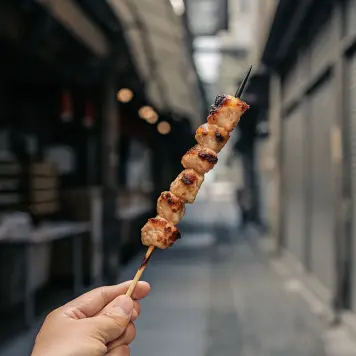
Yakitori
Shinjuku's Omoide Yokocho (Memory Lane) is legendary for its tiny yakitori stalls where skewers of chicken are grilled over charcoal, and the smoky alleyway has been a beloved dining destination since the post-war era.
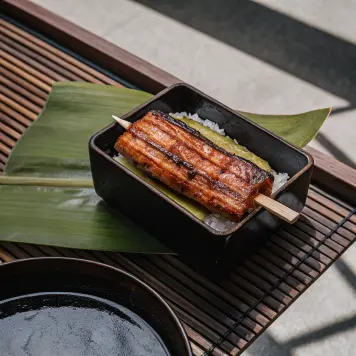
Unagi no Kabayaki
This dish features grilled eel glazed with a sweet soy-based sauce, and Shinjuku is home to some of Tokyo's most historic unagi restaurants that have been serving it continuously since the 1800s.
Tradiciniai gėrimai
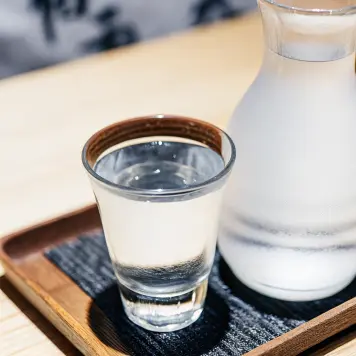
Sake
Sake is Japan's iconic rice wine, and Shinjuku's many izakaya (Japanese pubs) offer extensive sake selections where you can enjoy everything from fruity ginjo to rich, aged koshu varieties.
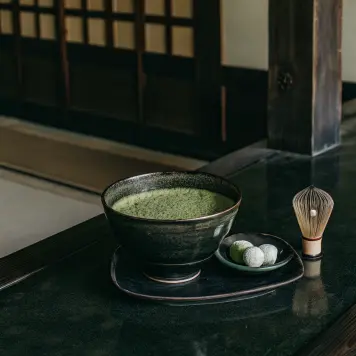
Matcha (Ceremonial Green Tea)
Matcha is a finely ground powder of specially grown green tea leaves, and Shinjuku's traditional tea houses offer this vibrant drink alongside the district's famous wagashi (Japanese sweets) for a perfect pairing.

Shochu
Shochu is a distilled spirit typically made from barley, sweet potato, or rice, and it is a staple at Shinjuku's drinking establishments where it is enjoyed on the rocks, with water, or mixed with hot water.
Dažnai užduodami klausimai apie Shinjuku, Japan
Ar Šindžiuku, Japonijoje, saugu?
Kiek dienų skirti Šindžiuku, Japonijoje?
Koks geriausias laikas aplankyti Šindžiuku, Japonijoje?
Ar Šindžiuku, Japonijoje, brangu?
Kaip keliauti po Šindžiuku, Japonijoje?
Gaukite PDF su populiariausiomis lankytinomis vietomis į savo el. paštą
Gaukite PDF su visomis lankytinomis vietomis, įvertinimais ir patarimais. Puikiai tinka naudoti neprisijungus.
Populiariausios dienos išvykos
Kamakura
Historic coastal town with Great Buddha statue and serene temples
Hakone
Hot spring resort with views of Mount Fuji and Lake Ashi
Yokohama
Port city with Chinatown, Minato Mirai waterfront and gardens
Kaip nuvykti
Geležinkelio stotys
JR Yamanote Line, JR Chuo Line, Odakyu Line, Keio Line, Tokyo Metro Marunouchi Line
Highway bus connections to airports and other cities
From Haneda Airport take the Limousine Bus (45 min) or train via Yamanote Line. From Narita take the Narita Express (80 min) directly to Shinjuku Station.
Naudinga informacija apie Shinjuku, Japan
Apžvalga apie Shinjuku, Japan
Norite dienos plano Shinjuku, Japan? Atidarykite kelionės planuoklį
Kada keliaujate į Shinjuku, Japan?
Pasirinkite datas ir kelionės stilių, kad gautumėte:
Ar kas nors iš šių jums ypač svarbu?
Pažymėkite visus, kurie tinka
Judėjimas mieste
Kaip norite keliauti tarp vietų?
Plano kalba: Lietuvių