 CityBuddy
 Lietuvių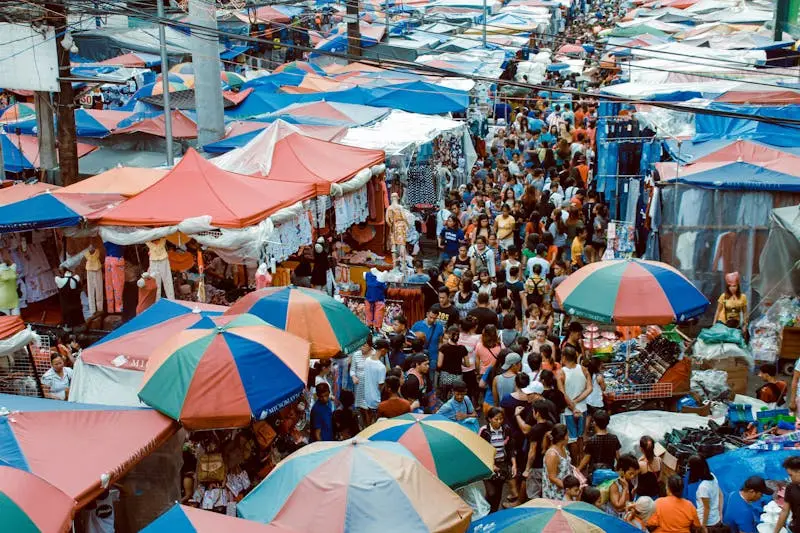
Ką veikti Manila, Philippines
Nuotrauką padarė NIC LAW Pexels.com
Kada lankytis
Manila yra #14 draugiškiausias miestas užsieniečiams pasaulyje, remiantis mūsų duomenimis iš šimtų kelionės tikslų.
Populiariausios lankytinos vietos Manila, Philippines
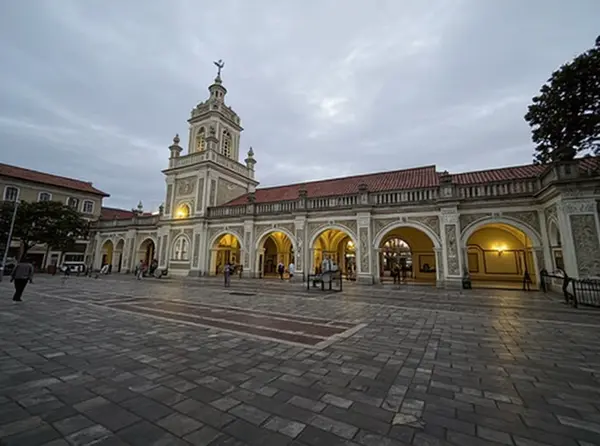
Pagrindiniai dalykai, kuriuos verta pamatyti Maniloje, Filipinuose, apima Intramuros, istorinio įtvirtinto miesto, siekiančio Ispanijos kolonijinį laikotarpį, tyrinėjimą. Aplankykite Fort Santjago, citadelę, turinčią turtingą istoriją, vos 600 metrų nuo kranto. Nepraleiskite Šv. Augustino bažnyčios ir muziejaus, seniausios mūrinės bažnyčios šalyje, siūlančios žavius eksponatus ir architektūrą.
1. Intramuros (Historic Walled City)
Historic Walled City
Ženkite į Filipinų istorijos šimtmečius už didingų akmeninių sienų. Klaidžiokite trinkelėmis grįstomis gatvėmis, kolonijinėmis bažnyčiomis, muziejais ir mėgaukitės saulėlydžio vaizdais nuo gynybinių sienų.
Greiti faktai: Saaknius mato saulės šviesą ant samanotų akmens sienų, arkliais traukiami vežimai dunda akmenimis grįstais keliais, o kavinės siaurose aikštėse skleidžia akustinę muziką. Daugiau nei tuzinas restauruotų įtvirtinimų ir kolonijinių pastatų dabar talpina muziejus, meno galerijas ir stogo sodus, todėl klajojant jaučiamasi lyg sugrįžus į gyvą laiko kapsulę.
Akcentai: Klaidžiokite saulės sušildytomis akmenimis grįstomis gatvelėmis pro San Agustin bažnyčią, baigtą statyti 1607 m., ir po tvirtovės Santjago arkiniu vartu, kur surūdiję XVII a. ispanų patrankos vis dar nukreiptos į įlanką, o Rizal memorialas žymi kamerą, kurioje Džozefas Rizalis buvo laikomas prieš savo 1896 m. egzekuciją. Dieną arkliais traukiami vežimai dunda akmenimis, o dirbtuvės siūlo dešimtis bambukinių turistinių dviračių, ore sklando kepto aliejaus, jazminų ir silpno metalinio upės kvapo dvelksmas, todėl vienu metu galite pajusti trijų šimtmečių sukauptus kvapus ir istorijas.
2. Fort Santiago
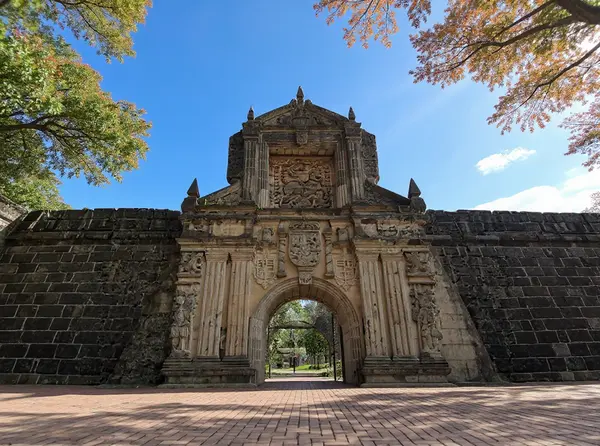
Akmeninėmis sienomis aptverta Fort Santiago atskleidžia Manilos ispanišką kolonijinę ir karo laikų praeitį. Vaikščiokite apžėlusiais kiemais, pamatykite Rizal šventovę ir žvelkite į Pasig upę nuo senųjų gynybinių sienų.
Greiti faktai: Storos vulkaninio akmens sienos ir tylus vartai sukuria kino juostos ramybę, kurioje galima pajusti kolonijinę architektūrą ir karo žymes po kojomis. Lankytojai dažnai stabteli prie mažo muziejaus ir ankštos ląstelės, kurioje José Rizalas parašė savo paskutines eiles, įsivaizduodami tylą prieš jo paskutinį žygį.
Akcentai: Įženkite į tamsią ląstelę, kur José Rizalas praleido paskutines naktis prieš egzekuciją 1896 m. gruodžio 30 d., grubios plytų sienos vis dar subraižytos vardų ir jaučiamas lengvas metalinis atspalvis nuo senųjų patrankų. Kiekvieną gruodžio 30-ąją šimtai studentų ir masonų ložių narių susirenka padėti vainikus ir uždegti žvakes prie mažo marmuro ženklo, ramybę pertraukia tik vienas trimitas, grojantis nacionalinę laidotuvių giesmę.
3. San Agustin Church and Museum
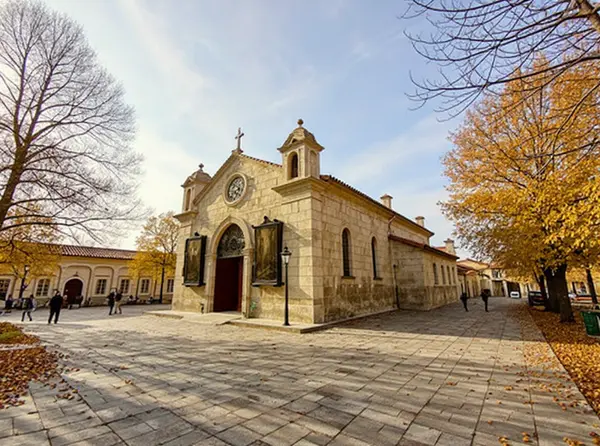
Ženkite į ispaniškosios eros Manilą San Agustin bažnyčioje, UNESCO baroko paminkle. Stebėkitės paauksuotais altoriais, trompe l'oeil lubomis ir kompaktišku kolonijinių artefaktų muziejumi.
Greiti faktai: Užeik į vidų ir tave sužavės šiltas, medaus spalvos akmuo ir prabangus baroko ornamentas, o trompe l'oeil lubos tarsi kvėpuoja nutapytais debesimis. Viršuje kompaktinis muziejus saugo šimtmečius bažnytinių lobių, nuo siuvinėtų drabužių iki spindinčių relikvijorių, o visas pastatas stebėtinai išgyveno bombardavimus, sulyginusius su žeme didžiąją dalį apylinkių.
Akcentai: Pastatyta 1607 m., akmeninė bazilika stovi jau daugiau nei 400 metų, o po jos nava ilsisi konkistadoro Miguelio Lópezo de Legazpi kapas, kurio iškaltą epitafiją vis dar gali apčiuopti pirštais. Muziejaus prieblandoje virš stiklinių vitrinų tvyro bičių vaško ir seno popieriaus kvapas, o vitrinose, XVII ir XVIII a. drabužiai, sidabriniai liturginiai indai ir medinės procesijų šventųjų skulptūros, kurių įtrūkę polichrominiai veidai švyti po viena lempa.
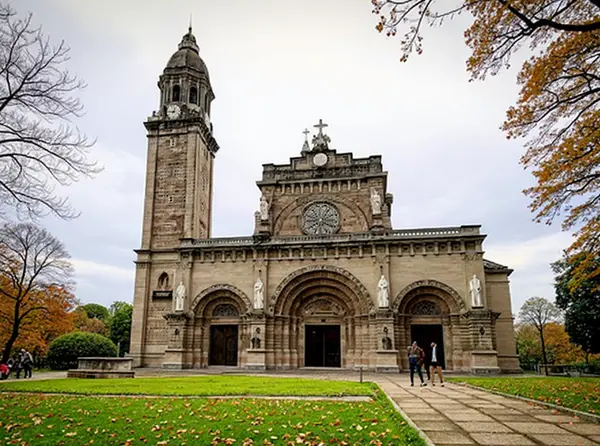
4. Manila Cathedral
Patirkite šimtmečius Manilos istorijos didingoje kolonijinėje katedroje Intramuros širdyje. Grožėkitės atkurtais baroko ir romanikos elementais, vitražais ir ramiu interjeru.
Greiti faktai: Saulės šviesa, liejasi pro aukštus vitražo langus, išlieja spalvas ant poliruoto marmuro, o skliautų akustika vargonų ir choro pasirodymus daro ypač skambius. Tylūs memorialiniai ženklai ir suremontuotas mūras pasakoja dramatišką istoriją apie išgyventus daugybę žemės drebėjimų ir karo meto sugriovimus, o gerbiamas, šimtmečius skaičiuojantis atvaizdas viduje traukia ir piligrimus, ir smalsius lankytojus.
Akcentai: Įžengęs vidun atsidursi bažnyčioje, kuri nuo XVI a. buvo atstatyta aštuonis kartus, todėl marmurinės grindys, neoklasicistinės kolonos ir barokiniai raižiniai sudaro sluoksniuotą laiko juostą, kurią gali perskaityti akimis. Daugelį popiečių senyvo amžiaus choras repetuoja grigališkąsias giesmes, kol saulės šviesa pro vitražą paverčia navą rubino ir aukso juostomis, o parapijiečiai dažnai įkiša mažyčius sulankstytus raštelius į geležines grotas prie altoriaus, jų popieriaus kraštai išminkštėję nuo metų smilkalų.
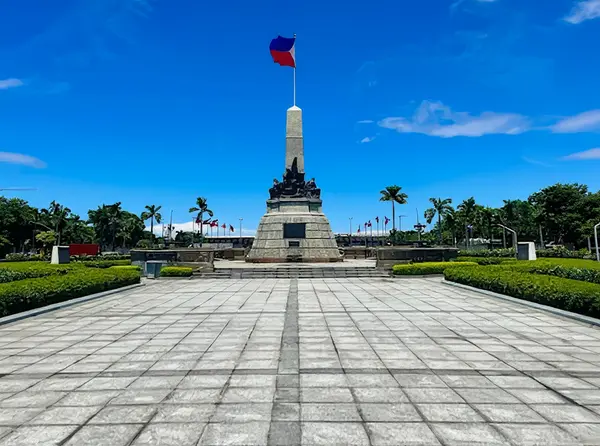
5. Rizal Park (Luneta)
Luneta
Istorinis parkas Manilos širdyje, kur tautinė atmintis susitinka su kasdieniu gyvenimu. Pasivaikščiokite prie Rizal paminklo, atsipalaidavusiuose soduose ir gyvose aikštėse nuotraukoms ir žmonių stebėjimui.
Greiti faktai: Rytinė šviesa atskleidžia plačius žalius vejus, per kuriuos vingiuoja dekoratyviniai fontanai ir pavėsinės alėjos, kur vietiniai gyventojai praktikuoja taiči, o šeimos piknikauja tarp žydinčių akacijų. Dramatinis nacionalinis paminklas stovi centre, pritraukdamas minią ceremonijoms ir ramiam susimąstymui, kol gausios balandžių bandas papildo gyvą miesto garsų takelį.
Akcentai: Tiesiai centre stovi 12,8 metro bronzinis paminklas Chosė Rizalio garbei, kur vietiniai tyliai palieka mažas žvakes ir rankų darbo sampaguita vėrinius po saulėlydžio, vaškas ir gėlių kvapas susilieja su vakaro oru. Kiekvienų metų gruodžio 30-ąją šimtai iki tūkstančių renkasi prieš aušrą vainikų klojimo ir vėliavos ceremonijai, mokyklų choruose skamba nacionalinė himnas, o gatvės prekeiviai parduoda mažytes popierines vėliavėles ir ryžių pyragaičius už maždaug 10-20 pesų.
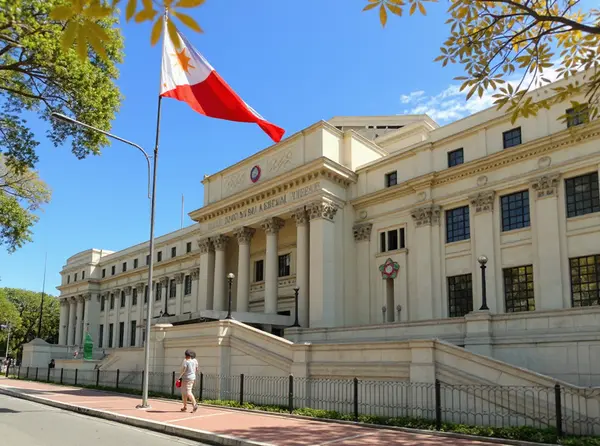
6. National Museum of the Philippines (National Museum Complex)
National Museum Complex
Tyrinėkite Filipinų meną, istoriją ir biologinę įvairovę viename centriniame komplekse. Pamatykite Juan Lunos Spoliarium, Gamtos istorijos gyvybės medį ir gausius kultūrinius artefaktus.
Greiti faktai: Įžengus vidun tave sužavės erdvios neoklasicistinės salės, kuriose eksponuojamas Juano Lunos „Spoliarium" greta akinančių ikikolonijinių aukso dirbinių ir gausiai austų tekstilės gaminių. Tylūs kampeliai kviečia ilgiau pasilikti tyrinėjant fosilijų pavyzdžius, apeiginius daiktus ir monumentalius paveikslus, todėl apsilankymas jaučiasi kaip koncentruota kelionė per kultūros šimtmečius.
Akcentai: Atsistok po blyškia neoklasicistine rotonda, ir Juano Lunos „Spoliarium" užvaldys tavo žvilgsnį, tai maždaug 4 x 7 m drobė, kurios tamsūs umbriniai ir tamsiai raudoni akcentai dar labiau pagilėja, kai konservatoriai švelniai dirba prie jos lako, skleisdami silpną terpentino kvapą. Paveikslas 1884 m. Madride pelnė aukso medalį, o šią pergalę gidai vis dar pasakoja kaip Filipinų nacionalinio pasididžiavimo kibirkštį, ir išgirdus tą istoriją, kol galerija nutyla, scena pasidaro netikėtai kinematografiška.

7. Manila Ocean Park
Iš arti pamatykite Filipinų jūrų gyvūniją dideliame interaktyviame akvariume. Eikite ilgu stikliniu tuneliu, stebėkite maitinimo šou ir susipažinkite su pingvinais.
Greiti faktai: Švytinčios mėlynos šviesos ir išlenktas stiklinis tunelis leidžia stebėti, kaip rykliai ir rajos slysta vos keliais coliais virš tavo galvos, todėl pasivaikščiojimas jaučiasi kaip povandeninis atvirukas. Daugiau nei 3 000 jūros gyvūnų gyvena teminiuose akvariumuose, o kasdieniai maitinimai paverčia tai, kas galėtų būti vadovėliniais faktais, praktine ir širdį virpinančia patirtimi.
Akcentai: Kiekvieną vakarą akvariumas pritemdo vandenyno mėlynos spalvos šviesas ir rengia „maitinimo serenadą", kurioje maždaug 200 blizgančių sardinių būrys choreografiškai plaukia per visą stiklinį tunelį, o vanduo šniokščia kaip tolimas lietus, kol šeimos spaudžia delnus prie akrilo. Ilgametis naras Kuya Danny šou komentuoja tagalų kalba, suteikdamas drąsiems vaikams galimybę paliesti lygaus jūros agurko vėsią, aksominę odą ir mokydamas juos vietinių žuvų pavadinimų, o tai cypimą visada paverčia pasididžiavimo kupinomis, plačiomis akimis spindinčiomis kalbomis.
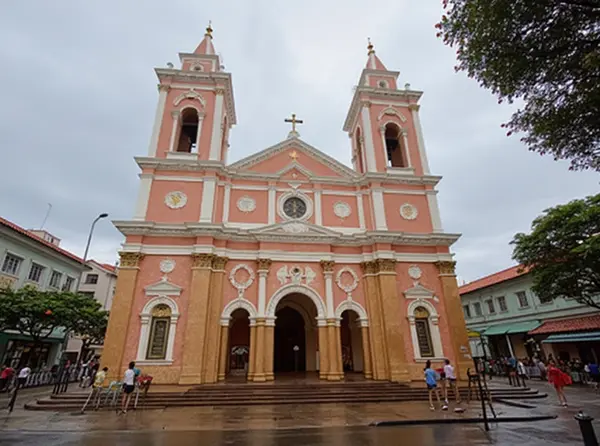
8. Binondo Church (Minor Basilica of San Lorenzo Ruiz)
Minor Basilica of San Lorenzo Ruiz
Patirkite šimtmečius kinų-filipiniečių katalikiškos istorijos Binondo bažnyčioje. Grožėkitės puošniu barokiniu interjeru ir iš arti stebėkite vietines pamaldas.
Greiti faktai: Šilta smilkalų migla ir spalvingi žibintai pasitinka lankytojus, atskleisdami netikėtą baroko altorių ir kinų dekoratyvinių motyvų derinį. Daugelis ateina pagarbinti pirmosios šalyje kanonizuotos šventosios, o gyvos vestuvės ir bendruomeniniai ritualai pripildo navas atsidavimo virpėjimo.
Akcentai: Įkurta 1596 m. aptarnauti kinų ir filipiniečių prekybininkus, bažnyčia yra viena seniausių parapijų šalyje ir vis dar prisipildo tirštų smilkalų bei medinių rožinių kleketėjimo per didžiąją rugsėjo 28 d. šventę. Savita vietinė praktika - lankytojai įkiša mažyčius sulankstytus prašymus ir raudonas maldos juosteles į geležines grotas aplink šonines koplyčias, todėl galima pamatyti dešimtis ranka rašytų lapelių ir išblukusių juostelių galų, plevenančių skersvėjuose.
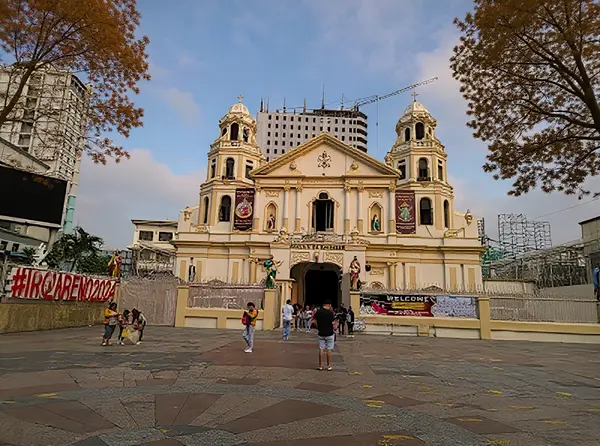
9. Quiapo Church (Minor Basilica of the Black Nazarene)
Minor Basilica of the Black Nazarene
Tapkite liudininkais gilaus liaudies pamaldumo ir gyvosios Manilos istorijos Juodojo Nazariečio mažojoje bazilikoje. Patirkite gyvas mišias, žvakių apšviestas aukas ir artimus Juodojo Nazariečio atvaizdo vaizdus.
Greiti faktai: Minios spraudžiasi kvapniais, žvakių apšviestais takais paliesti tamsaus medžio atvaizdo, kurdamos maldų ir šnabždesių griaustinį, kuris virpa per sausakimšą bažnyčią. Legendiniai tikintieji statulai priskiria nesuskaičiuojamus išklausytus prašymus, o kasmetinė procesija sutraukia šimtus tūkstančių žmonių, kurie grūdasi gatvėmis, kad trumpam prisiliestų prie šventosios figūros.
Akcentai: Po žvakių dūmų debesimis ir metaliniu rožančių žvangesiu tikintieji spaudžia išblukusius šalikus ir mažus rankšluosčius prie natūralaus dydžio tamsaus medžio Kristaus statulos, kuri, manoma, datuojama XVII a., tikėdamiesi, kad audinys pasiims palaiminimą. Kiekvieną sausį maždaug 1 milijonas tikinčiųjų prisijungia prie pašėlusios Traslacion procesijos, kūnai susigrūdę pečius prie pečių daugiau nei 12 valandų, žmonės šaukia maldas ir bando paliesti vežimą ar jo virvę, kad gautų stebuklą.

10. Divisoria Market (shopping district)
shopping district
Raskite neprilygstamų nuolaidų drabužiams, audiniams ir aksesuarams judriausiame Manilos turguje. Naršykite sausakimšomis spalvingomis gatvelėmis, ragaukite gatvės maisto ir derėkitės dėl žemų kainų.
Greiti faktai: Siauros gatvelės pulsuoja tankiai susigrūdusiu prekystalių labirintu, siūlančiu visko, nuo audinių ritinių iki pigios elektronikos, todėl derėjimasis jaučiasi kaip sportas. Patyrę ieškotojai mėgsta kapstytis didmeninės prekybos dėžėse ir gatvės maisto vežimėliuose, susižvejant didmenines nuolaidas ir keistus radinius tarp nesibaigiančių pardavėjų šauksmų.
Akcentai: Prekystalių eilės susigrūdusios taip arti, kad gali paragauti česnako iš pardavėjo, kepančio žuvies rutuliukus, o šalia esantis prekiautojas siūlo vienodus LED žibintus už vos ₱10, audinių ritiniai sukrauti dešimties pėdų aukščio po zvimbiančiomis fluorescencinėmis lemputėmis. Ilgamečiai pirkėjai turi įžūlų ritualą: jie paskelbia „paskutinės kainos" atgalinį skaičiavimą trimis greitais taukšėjimais į prekystalį, o kai pardavėjas pamojuoja žaliu rašikliu, sandoris antspauduojamas, d
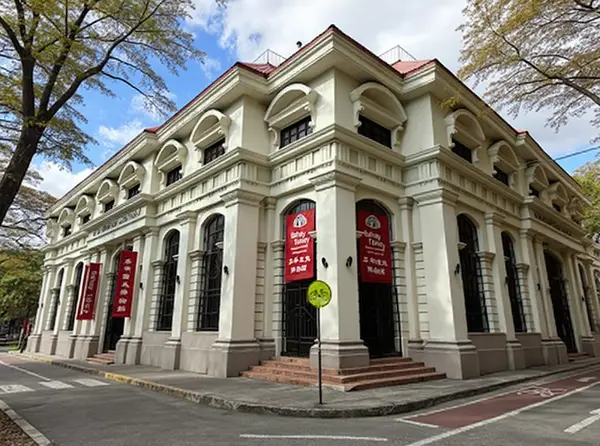
11. Visit Bahay Tsinoy Museum
Atraskite turtingą kinų filipiniečių paveldą per retus artefaktus ir ryškias istorijas. Ženkite į istoriją su garsais ir vaizdais, kurie atgaivina praeitį.
Greiti faktai: Ši vieta pasakoja daugiau nei 1,2 milijono kinų filipiniečių istorijas ir jų įtaką Filipinų kultūrai bei istorijai. Ekspozicijose galima pamatyti įmantrius protėvių įrašus ir artefaktus, kurių istorija siekia daugiau nei 300 metų.
Akcentai: Lankytojai gali patirti unikalią garso ekspoziciją, kurioje tradiciniai kinų instrumentai skamba greta senų Manilos gatvių garsų, sukurdami įtraukiantį kelionės laiku efektą. Ypatingas akcentas - detalus Binondo rajono dioramas, atkuriantis vaizdą, koks jis buvo XX a. pradžioje, su daugiau nei 500 miniatiūrinių figūrėlių.
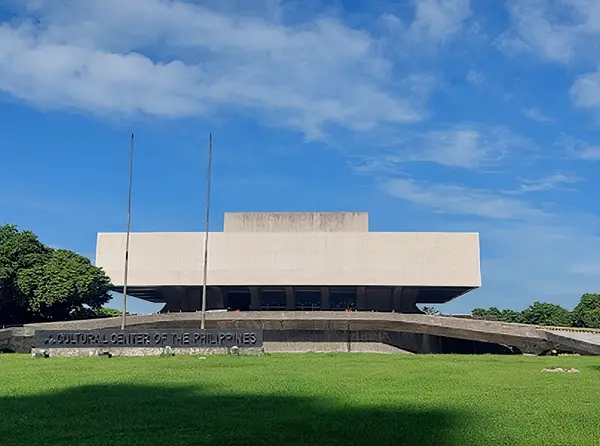
12. Cultural Center of the Philippines
Patirkite Filipinų scenos menų pulsą. Pamatykite dinamiškus spektaklius, koncertus ir parodas architektūriškai unikalioje aplinkoje, kuri švenčia vietinę kultūrą.
Greiti faktai: Ryškus šios vietos bruožas - tanghalang nicanor abelardo teatras, garsėjantis savo akustiniu dizainu, kuris leidžia kiekvienam žodžiui ir natui aiškiai pasiekti paskutinę sėdimąją vietą. Čia kas mėnesį vyksta daugiau nei 50 spektaklių ir meno parodų, į kurias suvažiuoja menininkai ir žiūrovai iš visos šalies.
Akcentai: Stebėkite, kaip atlikėjai prieš kiekvieną svarbų renginį perduoda ceremoninį deglą, pagerbdami filipiniečių meniškumą, tradiciją, kurią įkūrė pirmasis kultūros direktorius. Pagrindinis teatras talpina 1 800 žmonių ir jame puikuojasi iš kapizų kriauklių pagamintas sietynas, šviesoje atspindintis vietos meistriškumą.
Where to Stay in Manila, Philippines
Selected by City Buddy based on guest reviews and proximity to top attractions
Search all hotels in Manila, PhilippinesPowered by agoda
Darbo dienos mieste Manila, Philippines
Kurie iš pagrindinių lankytinų vietų uždaromos kurią savaitės dieną , klasikinis kelionės griovėjas, patikrintas už jus.
pirmadienis: 9 iš 19 pagrindinių lankytinų vietų uždaroma , muziejus planuokitės kitai dienai.
Uždaryta pirmadienis · uždaryta: 9, atvira: 10
Darbo dienos pagal Google Maps (tikrinta 2026-03-14). Valstybinių švenčių, streikų ir sezoninis darbo laikas gali skirtis , prieš vykdami patikrinkite oficialią svetainę.
Tradiciniai saldūs patiekalai

halo-halo
Halo-halo literally means 'mix', it evolved from Japanese shaved ice and Filipino sweet preserves, and today its rainbow layers topped with leche flan or ube ice cream are a summer symbol across Manila.
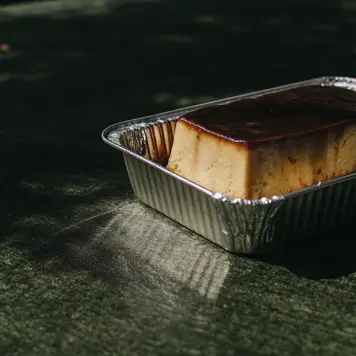
leche flan
Leche flan in the Philippines is denser and richer than its Spanish cousin because cooks use many egg yolks and condensed milk, and it is traditionally steamed in a tin mold called a llanera for a silky, custardy texture.

ube halaya
Ube halaya is a vivid purple jam made from purple yam, its color and nutty-sweet flavor turned it into a signature ingredient that elevates everything from halo-halo to pastries and ice cream.
Tradiciniai sūrūs patiekalai
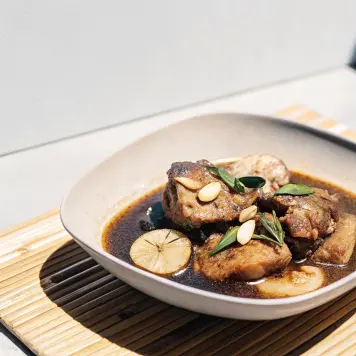
adobo
Adobo is more a method than a single recipe, vinegar and soy sauce preserve and flavor meat, and nearly every Filipino family in Manila guards a version they call their own.

sisig
Sisig began as a resourceful Kapampangan dish made from pig's head and ears, it was revived as a sizzling, tangy bar favorite in Manila and is often finished with a raw egg on the hot plate.
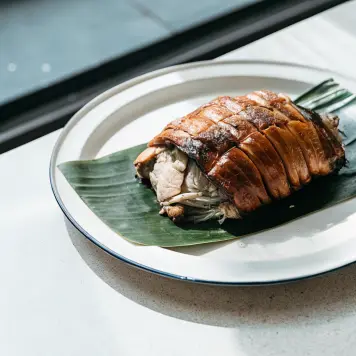
lechon
Lechon, a whole roasted pig with crackling skin and juicy meat, is the unmistakable centerpiece of Filipino fiestas and its carving announces celebration across Manila.
Tradiciniai gėrimai

sago't gulaman
Sago't gulaman pairs chewy tapioca pearls with jiggly agar jelly in a sweet brown sugar syrup, it became a beloved street drink because it is both refreshing and texturally playful.

buko juice
Buko juice is the clear, slightly sweet water from young coconuts, sold straight from halved shells by vendors and prized as a natural electrolyte on hot Manila days.

tuba
Tuba is freshly tapped coconut sap that ferments into a mildly alcoholic palm wine, it has long been woven into Filipino rituals and fiestas and can be distilled into the stronger spirit lambanog.
Sužinok prieš išvykdamas
Kiek kainuoja diena Manila ir kokių sukčių vengti
Išlaidos vienam asmeniui per dieną
Dažniausios sukčiavimo schemos, kurių vengti
- Nelicencijuoti oro uosto vairuotojai. Naudokitės oficialiu kupono taksi postu terminalo viduje arba užsisakykite Grab per programėlę prieš išeidami iš atvykimo zonos.
- Taksometro klastojimas. Patikrinkite, ar taksometras yra atnaujintas prieš pradedant, ir ar tarifas atitinka paskelbtą dienos pradinį mokestį. Pirmenybę teikite Grab dėl fiksuotų kainų.
- Nepalankaus kurso valiutos keityklos. Naudokitės bankų filialais arba patikimais pinigų keitėjais su paskelbtais kursais. Suskaičiuokite savo pesus prie prekystalio prieš išeidami.
Sąžiningas taksi iš oro uosto: 700 ₱ - 1 000 ₱ (10 € - 14 €)
Pigesnis variantas: Oro uosto Jeepney arba oficialus oro uosto autobusas/UV Express į centrines vietoves, pavyzdžiui, Baclaran arba Taft MRT stotį (50 ₱)
Visos aferos, sąžiningos kainos ir taisyklėsDažnai užduodami klausimai apie Manila, Philippines
Geriausias laikas aplankyti Manilą, Filipinus?
Ar Manila, Filipinai, yra brangi?
Kaip judėti po Manilą, Filipinus?
Ar Manilą, Filipinus, saugu aplankyti?
Kiek turistų kasmet aplanko Manilą?
Gaukite PDF su populiariausiomis lankytinomis vietomis į savo el. paštą
Gaukite PDF su visomis lankytinomis vietomis, įvertinimais ir patarimais. Puikiai tinka naudoti neprisijungus.
Populiariausios dienos išvykos
Tagaytay (Taal view)
Cool ridge with panoramic views of Taal Volcano.
Taal Volcano (via Talisay)
Boat trip to the volcanic island on Taal Lake.
Pagsanjan Falls (Laguna)
Scenic gorge and classic canoe (shooting the rapids) trip.
Anilao (Mabini, Batangas)
Popular snorkeling/diving spot with clear waters.
Kaip nuvykti
Geležinkelio stotys
PNR South Main Line (to Laguna, Lucena, Bicol)
MRT-3 / LRT-2 (major Metro Manila interchange)
LRT-1 / connecting buses to airport/Metro
From NAIA take a metered taxi or Grab; expect heavy traffic—allow 1–2 hours.
Naudinga informacija apie Manila, Philippines
Apžvalga apie Manila, Philippines
Norite dienos plano Manila, Philippines? Atidarykite kelionės planuoklį
Kada keliaujate į Manila, Philippines?
Pasirinkite datas ir kelionės stilių, kad gautumėte:
Ar kas nors iš šių jums ypač svarbu?
Pažymėkite visus, kurie tinka
Judėjimas mieste
Kaip norite keliauti tarp vietų?
Plano kalba: LietuviųMost popular itineraries for Manila, Philippines
Browse trip plans created by other travelers
14-Day Authentic Philippines Adventure for Budget Backpackers
Discover the Philippines off the beaten path from Manila's local streets to Balabac's rugged islands and Boracay's hidden coves in this budget-friendly, authentic 14-day journey.
15-Day Manila Spring Immersion
Discover Manila’s rich history, vibrant culture, and local flavors in this 15-day spring adventure through famous landmarks and authentic experiences.