 CityBuddy
 Lietuvių
Ką veikti Kampong Java Teban, Singapore
Nuotrauką padarė Richa W-Fryatt Pexels.com
Kada lankytis
Kada keliaujate į Kampong Java Teban, Singapore?
Pasirinkite datas ir kelionės stilių, kad gautumėte:
Ar kas nors iš šių jums ypač svarbu?
Pažymėkite visus, kurie tinka
Plan language: LietuviųKampong Java Teban is the #1 safest city in the world, based on our data across hundreds of destinations.
Populiariausios lankytinos vietos Kampong Java Teban, Singapore
Kad pamatytumėte geriausius dalykus Kampong Java Teban mieste, Singapūre, pradėkite nuo Sri Veeramakaliamman šventyklos, pastatytos 1855 metais, vėliau aplankykite Mustafa centrą, kuris dirba visą parą šešiuose aukštuose. Dieną užbaikite apžiūrėdami Tan Teng Niah, saldainių spalvų vilą iš XIX amžiaus dešimtojo dešimtmečio, ir visa tai rasite per 10 minučių ėjimo atstumu.
1. Sri Veeramakaliamman Temple
Stebėkite šimtmečių senumo ritualą, kuriame po dažytų dievų stogu susitinka alyvos lempos, būgnai ir giedamas sanskritas. Vakaro arati metu pajusite virpantį grindis, o išeidami paragausite palaiminto prasadamo.
Greiti faktai: Devotees stream in daily for pujas to Kali, whose fearsome statue wears a garland of skulls and a long golden tongue, imagery almost impossible to find elsewhere in Singapore. Carved into the three-tiered gopuram above the entrance are more than 40 painted deities, and the morning ritual fills the hall with bells, drums, and the sweet smoke of camphor.
Akcentai: The site began as a plea for survival: Tamil laborers raised it in the 1800s so Kali's protection would stop a cholera epidemic that was ravaging the settlement. During evening prayers, deities are gently swung on an oonjal, a polished swing that rocks with each bell ring while jasmine, incense, and scorched coconut hang thick in the air.
2. Little India
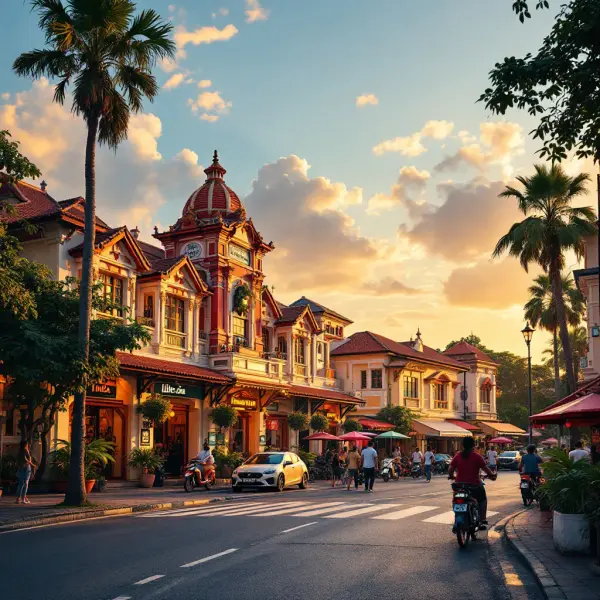
Ateikite dėl garsiausios ir kvapniausios gatvės maisto scenos mieste, kur atviruose wok induose čirška karis lapai. Pasivaikščiokite pro prieskonių bokštus, sari parduotuves ir šventyklas, o atsivėsinkite su jazminų kvapo 2 dolerių dosa.
Greiti faktai: Maždaug 100 išsaugotų krautuvėlių ir šventyklų knibžda šiose gatvelėse, daugelis jų vainikuotos pasteliniais fasadais ir arkiniais mediniais langais. Seniausia šios kaimynystės induistų šventykla datuojama 1855 m., o jos aštraus kvapo prieskonių parduotuvės ištisas kartas maitino Pietų Indijos virtuves.
Akcentai: Auštant gėlių pardavėjai dengtoje turgavietėje supina šimtus jazminų ir medetkų vainikų dar iki kavos pertraukėlės, taip greitai, kad akys nespėja sekti siūlų. Ryškiai rožinė vila, 1900 m. pastatyta gumos magnatui, iki šiol dominuoja pagrindinėje gatvelėje, o jos girgždančiose grindyse dabar parduodami rankomis traukti saldainiai vaikams.
3. Mustafa Centre
Apsipirkimas po vienu 24 valandų stogu pranoksta keliavimą po prekybos centrus karštyje. Tikėkitės sausakimšų praėjimų, svaiginančių pasiūlymų ir prieskonių kvapų, sumaišytų su išparduodama elektronika.
Greiti faktai: More than 100,000 products sit on these shelves, spanning gold jewellery, curry leaves, pressure cookers, and phone chargers. Open 365 days a year around the clock, it processes purchases at such a rate that staff restock the fixtures even at 3am.
Akcentai: One escalator ride glides you from fried snacks and jars of turmeric to crates of SIM cards, silk saris, and hard-shell luggage in under a minute. At 2am the fluorescent lights still blaze and trolleys still rattle, so the place feels like a glowing bazaar that simply ignores the concept of night.
4. Tekka Centre
Du aukštai karis dūmų, šnypštančių wok keptuvių ir prieskonių kalnų laukia alkanųjų. Žemiau esančią turgų užpildo gyvos žuvys, šviežios gėlės ir šūkaujantys žuvų pardavėjai.
Greiti faktai: For a spicy taste of the city's Indian Muslim quarter on a local's budget, the two-storey centre stacks a working wet market directly beneath a cooked-food level. Traders haul in live fish and gunny sacks of chillies every morning, while upstairs the woks turn out curry, rojak, and biryani under stacks of clattering plates.
Akcentai: The fish head curry here simmers to order in a sour tamarind-laced tomato gravy, with the whole head, gills and all, served beneath okra and brinjal. Order the mutton soup and the cook tears a fist-size dough of flaky bread straight from a decades-old tin basin, dipping a chunk into the broth before your eyes.
5. Tan Teng Niah
Pastebėkite saldainių rožinės spalvos XIX amžiaus vilą, įspraustą tarp stiklo bokštų, reginį, kurio niekur kitur mieste nerasite. Pasivaikščiokite ramiu šaligatviu ir per kelias minutes užfiksuokite ją iš kiekvieno kampo.
Greiti faktai: The 1880s villa wears a bold fuchsia and cream coat that still turns heads against the glass towers piled around it. More than a century of sun and rain has left the ornamental plasterwork, timber shutters and hand-painted Chinese motifs remarkably intact.
Akcentai: A wealthy spice merchant raised this house when horse carts ruled the road, and the eclectic facade still reads as a handshake between Chinese, Malay and European styles. Look up at the gable end and you'll spot a star-shaped vent and scalloped tiles that most passers-by zoom past without ever noticing.
6. Sri Srinivasa Perumal Temple
Eikite ten, kur kasmet 10 000 Thaipusam piligrimų pradeda savo šventą kelionę. Pajusite būgnų ritmus ir kamparo dūmus, kai jus apjuos raižytos granito sienos.
Greiti faktai: Five tiers of carved deities climb a 22-meter gopuram that dominates the neighborhood skyline. On Thaipusam, thousands of devotees set off from these very grounds on a punishing walk, many bearing heavy kavadis attached with hooks and skewers.
Akcentai: At the heart of the sanctum, the main idol perches on a stone Garuda, the eagle that serves as Vishnu's mount, its wings frozen mid-sweep above the butter lamps. During festivals, priests dress the statue in fresh jasmine garlands so thick they weigh several kilograms, and the whole hall smells of camphor and frangipani.
7. Abdul Gafoor Mosque
Vėsios marmurinės grindys ir žaliakupolių siluetas suteikia ramybės akimirką nuo sausakimšų gatvių. Nusiaukite batus ir per mažiau nei valandą įsisunkite šimtmečių pamaldumu.
Greiti faktai: Twin minarets and a gold-tipped dome crown a facade painted in soft green and cream, an easy spot to find among the surrounding shophouses. Roughly 1,000 worshippers can fit inside the hall, and the Tamil Muslim families who first prayed here in 1907 still make up most of the congregation.
Akcentai: A hand-lettered plaque notes its 2014 national monument status, yet the interior feels more like a family home than a landmark. Step onto the cool marble floor and afternoon light turns the hand-painted floral arches a soft gold, a quiet contrast to the traffic just outside the gate.
8. Sun Yat Sen Nanyang Memorial Hall
Įženkite į ramią vilą, kuri slapčia pakurstė tautos likimą pakeitusią revoliuciją. Pasivaikščiokite pro autentiškus daiktus, tamsius kampelius, kuriuose gimė planai, ir bronzinę figūrą, stebinčią sodą.
Greiti faktai: Over 150 artifacts fill this two-story villa, with roughly 80 percent being original documents and objects from the early 1900s. The building later served as a community hall before its 21st-century restoration, so layers of history sit stacked in every room.
Akcentai: The dining room once hosted strategy meetings disguised as casual tea gatherings, with loyalists plotting a new nation while acting like ordinary hosts. That same carved wooden staircase and covered veranda remain intact, so you can trace the exact paths revolutionaries walked more than a century ago.
9. Farrer Park
Lenktynių dienos glamūras ir 1942 metų karo drama suvaidinti toje pačioje žolės lopinėlyje. Pasivaikščiokite veja, o tada nerkite į šalia esančias paveldėto krašto gatveles, dvelkiančias prieskonių kvapais.
Greiti faktai: Rolling green turf here hosted the island's very first horse race meetings back in the 1830s, when crowds arrived in top hats and silk dresses. Those same lawns later processed around 3,400 internees in early 1942, when the site briefly doubled as a civilian internment camp.
Akcentai: Turn your eyes to the flat green heart of the neighborhood: horses thundered around this exact turf at the island's pioneering race meets in the 1830s. Roughly 3,400 prisoners gathered on these same lawns on a February 1942 morning before marching off to Changi, making one modest patch of grass hold both grandest celebration and darkest hour.
10. Little India Arcade
Vingiuokite pro jazminų, žalvario ir ciberžolės prekystalius ieškodami geriausios chnos rajone. Stebėkite, kaip meistrai per mažiau nei dvidešimt minučių laisva ranka ant jūsų delnų piešia nėrinių raštus.
Greiti faktai: Three generations of henna artists work from the same cramped stalls, tracing patterns that fade within days yet carry wedding-day sentiment. Row upon row of goldsmiths hammer out custom bangles onsite, while dried marigold garlands sell by the strand for under five Singapore dollars.
Akcentai: Inside, the air layers cardamom, jasmine garlands, and fresh sandalwood paste that vendors grind by hand each morning. Upstairs, a single elderly tailor still stitches festival churidars on a 1970s sewing machine, a craft no other shop in the complex has kept up.
Where to Stay in Kampong Java Teban, Singapore
Selected by City Buddy based on guest reviews and proximity to top attractions
Search all hotels in Kampong Java Teban, SingaporePowered by agoda
Tradiciniai saldūs patiekalai
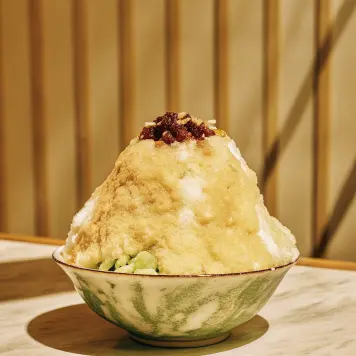
Ais Kachang with Chendol
This shaved ice mountain is drenched in golden palm sugar syrup and topped with soft green chendol jelly strips made from pandan. The ice is so finely shaved that locals say it melts in your mouth like snow.
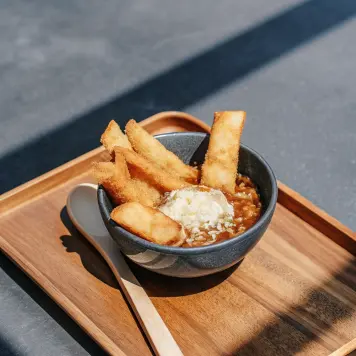
Tau Suan
A comforting Hokkien porridge made from split mung beans, it is sweetened and finished with a swirl of coconut milk. It is traditionally eaten warm with crispy fried youtiao breadsticks for dipping.
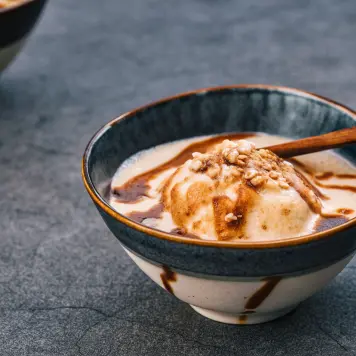
Orh Nee
This velvety mashed taro yam dessert is enriched with coconut milk and studded with ginkgo nuts and a rich sauce. Older generations consider it a luxury treat served at weddings and festive banquets.
Tradiciniai sūrūs patiekalai
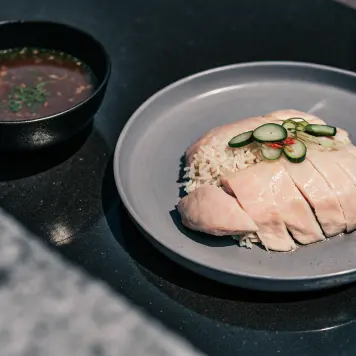
Hainanese Chicken Rice
Often called Singapore's unofficial national dish, the silky poached chicken is born in rice simmered with garlic and pandan. Every neighborhood has its own fiercely defended hawker stall version.
Chilli Crab
This messy, finger-licking favorite swims in a sweet tomato and chilli gravy and is always eaten with golden fried mantou buns. Diners famously tear the buns apart to mop up every last drop of sauce.
Bak Chor Mee
This springy minced pork noodle dish gets its signature tang from black vinegar, chilli, and lard. It is traditionally ordered with a "dry" (no soup) style so the noodles stay tossed in the sauce.
Tradiciniai gėrimai
Kopi
Singapore's robust local coffee is brewed through a cloth sock and sweetened with condensed milk, which is why kopi is said to be invented by necessity and habit. Ordering it is a local art, with words like "kopi" and "kopi c" changing the milk and sugar.
Bandung
This bright pink drink is simply rose syrup swirled into evaporated milk and water, yet it has become a beloved Singaporean classic. Its pretty hue led locals to nickname it the universal birthday party drink.
Barley Drink
A cooling brew of pearl barley and rock sugar that is often served with a wedge of lime on the side. It is a popular hawker counter drink for beating Singapore's sweltering heat.
Frequently Asked Questions about Kampong Java Teban, Singapore
Ar Kampong Java Teban, Singapūras, saugus?
Kiek dienų praleisti Kampong Java Teban, Singapūre?
Koks geriausias laikas aplankyti Kampong Java Teban, Singapūrą?
Ar Kampong Java Teban, Singapūras, brangus?
Kaip keliauti po Kampong Java Teban, Singapūrą?
Gaukite PDF su populiariausiomis lankytinomis vietomis į savo el. paštą
Gaukite PDF su visomis lankytinomis vietomis, įvertinimais ir patarimais. Puikiai tinka naudoti neprisijungus.
Populiariausios dienos išvykos
Sentosa Island
Beach resort island with parks, cable car, and Universal Studios.
Johor Bahru, Malaysia
Cross-border city with street food, malls, and inexpensive shopping.
Pulau Ubin
Rustic island with bike trails, old kampongs, and mangrove boardwalks.
Kusu Island
Small island with a Chinese temple and three large turtle statues.
Sungei Buloh Wetland Reserve
Mangrove reserve famous for migratory birds and monitor lizards.
Kaip nuvykti
Geležinkelio stotys
North South Line, bus interchange
North South Line and Circle Line
From Changi Airport take the MRT East West Line to the city, or a taxi for about 30 minutes. Buy an EZ-Link card for trains and buses.
Raskite skrydžius į Kampong Java Teban, Singapore
Spustelėkite, kad gautumėte eSIM Kampong Java Teban, Singapore
Lengviausias ir prieinamiausias būdas gauti mobilųjį internetą bet kur keliaujant.
Komentarai (5)
The neighborhood is quiet, almost feels like old Singapore. Two hours was enough, lovely stroll but not a day trip.
Came for the hawker food, stayed for the vibe. Super humid in July though, bring a towel honestly.
Skip the stalls right by the MRT, walk five minutes deeper, prices drop and the laksa is way better.
Grab a transport card before you arrive, cash is awkward and most stalls only take card or PayNow.
Honestly expected more. Nice enough walk, but the afternoon rain caught us and everything shuts early.