 CityBuddy
 Lietuvių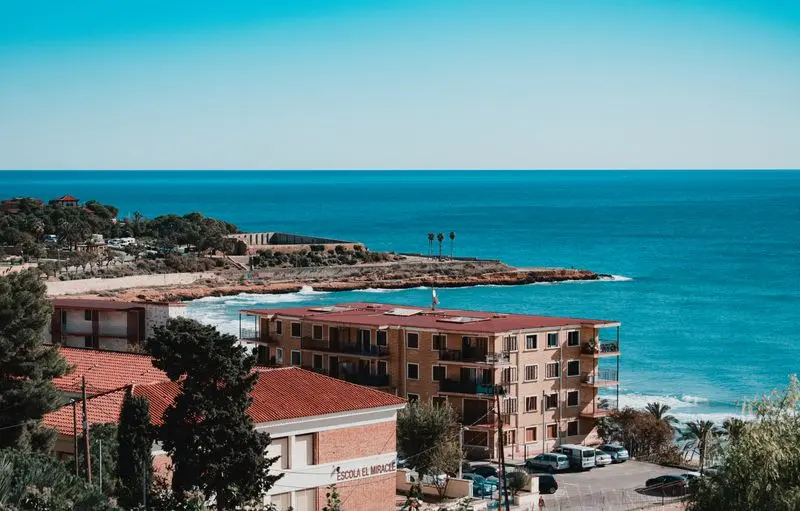
Ką veikti Tarragona, Spain
Nuotrauką padarė Santiago Boada Pexels.com
Kada lankytis
Populiariausios lankytinos vietos Tarragona, Spain
Jei ieškote, ką veikti Taragonoje, Ispanijoje, pradėkite nuo II amžiaus Taragonos amfiteatro, iš kurio atsiveria Viduržemio jūra ir kuris turi vietos 15 000 žiūrovų. Tada nueikite 3,5 km ilgio Romos sienų trasą, kai kurios jos dalys siekia 200 m. pr. Kr. Užbaikite Balcó del Mediterrani, iš kurio iš 40 metrų virš jūros lygio atsiveria plati pakrantės panorama.
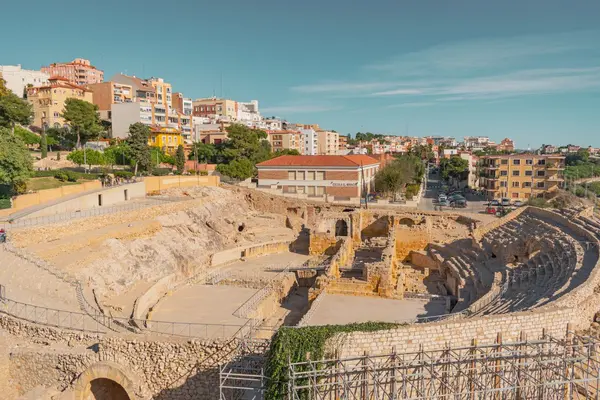
1. Tarragona Amphitheatre
Ženkite į 2000 metų senumo Romos areną, kur gladiatoriai kadaise kovėsi jūros fone. Eisite per tas pačias akmenines arkas ir stovėsite ant smėlio, kuriame klostėsi dramatiškiausios istorijos akimirkos.
Greiti faktai: Romėnai šią areną pastatė apie 200 m. po Kr. gladiatorių kovoms ir žvėrių medžioklei rengti. Gladiatoriai čia kovėsi ir kraujavo, o iki 14 000 žiūrovų plojo iš akmeninių sėdynių, nuo kurių atsiveria Viduržemio jūra.
Akcentai: Pasibaigus gladiatorių erai, čia buvo egzekucijomis baudžiami krikščionys, o vėliau viduramžių bažnyčia buvo įstatyta tiesiai į arenos akmenines sienas. iki šiol galite įžiūrėti silpnus bažnyčios pamatų kontūrus, glaudžiančius prie romėniškojo mūro, retą sluoksniuotą istoriją viename kadre.
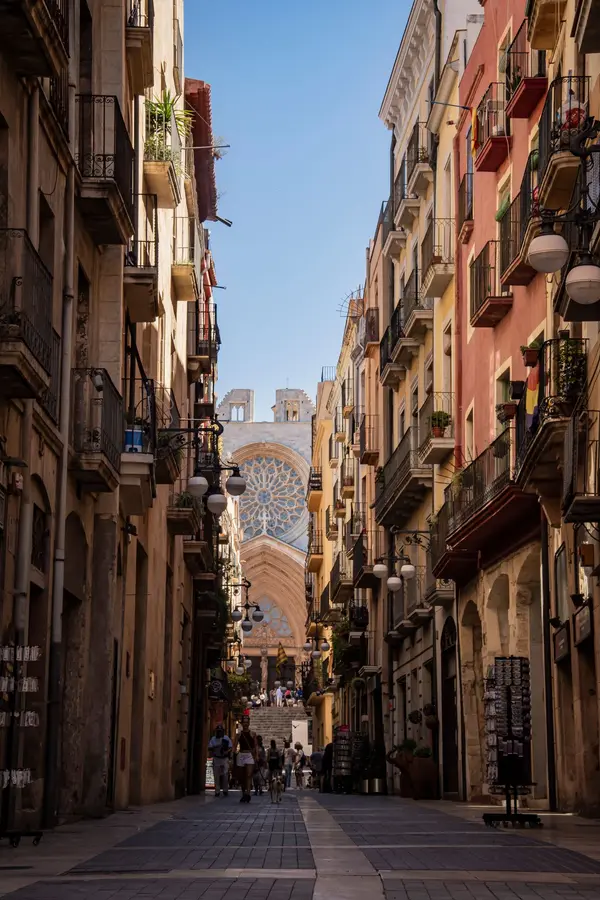
2. Tarragona Cathedral
Šimtmečiai istorijos, iškalti kiekviename akmenyje, nuo romėnų pamatų iki gotikinių smailių. Užėjus į vidų rasite ramų klaustrą, kuriame praeitis atrodo beveik apčiuopiama.
Greiti faktai: Po vienu stogu susitinka du visiškai skirtingi architektūros stiliai. Gotikinė nava iškilusi virš XII a. romanikinio kloštoriaus, kuriame katės gyvena jau ištisus šimtmečius.
Akcentai: Viename kloštoriaus sienos akmenyje įspaustas katės letenos pėdsakas skiedinyje, kuriam daugiau nei 800 metų. Vietiniai sako, kad katedros nuolatinės katės yra tiesioginės pelių gaudytojų palikuonys, kurie viduramžiais saugojo vienuolyną nuo graužikų.
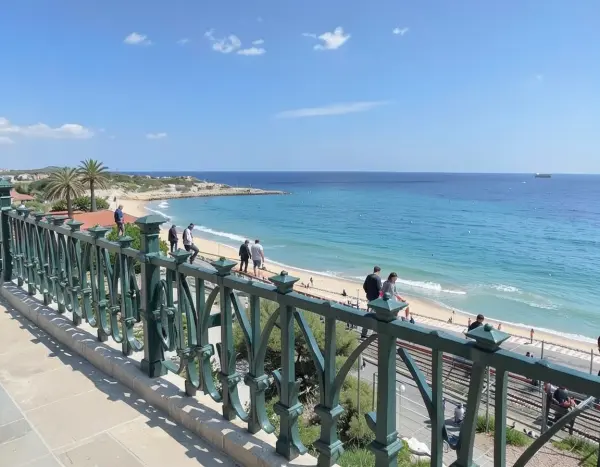
3. Balcó del Mediterrani
Vienas geriausių nemokamų apžvalgos taškų visoje Katalonijos pakrantėje. Stovėkite 60 metrų virš jūros lygio ir stebėkite burlaivius, plaukiančius spindinčiu Viduržemio jūros horizontu.
Greiti faktai: Įsikūręs 60 metrų aukštyje virš Viduržemio jūros, šis balkonas atveria nuostabius vaizdus nuo Taragonos uosto iki tolimos Costa Daurados pakrantės. Apžvalgos aikštelė yra ant senovinės romėnų Kiklopų sienos, pastatytos iš milžiniškų akmens luitų, kurių kiekvienas sveria iki 5 tonų.
Akcentai: Ateikite saulėlydžio metu ir stebėkite, kaip kalkakmenio balkono turėklai įgauna šiltą auksinį atspalvį, o jūra žemiau nusidažo giliai safyro spalva. Giedromis dienomis galite įžvelgti Ebro deltos siluetą, 30 kilometrų atstumu, išsikišusį į horizontą.
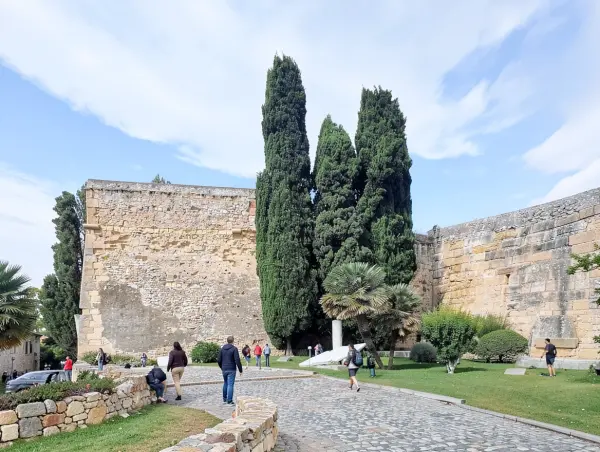
4. Roman Walls of Tarragona
Eikite šalia 2200 metų senumo romėnų įtvirtinimų, kurie kadaise saugojo imperijos sostinę. Pajuskite šiurkštų, laiko nugairintą akmenį po pirštų galiukais, eidami tuo pačiu perimetru, kurį patruliavo romėnų kareiviai.
Greiti faktai: Šios romėnų sienos nusidriekia beveik 3,5 kilometrų ir kai kur siekia iki 12 metrų aukščio, todėl tai vieni geriausiai išlikusių romėnų įtvirtinimų Ispanijoje. Iš pradžių pastatytos III ir II a. pr. Kr., jos gynė senovinį Tarako miestą, Romos provincijos Hispania Citerior sostinę.
Akcentai: Atidžiai įsižiūrėkite į sienų pamatą prie Portal del Roser ir pastebėsite masyvius originalius akmens blokus, kai kurie sveria daugiau nei 6 tonas, sukrautus be skiedinio vien tik dėl tobulo apdirbimo ir gravitacijos. Ciklopinis sienos mūras sukuria kerintį kontrastą su viduramžių statiniais, pastatytais ant jos po šimtmečių, sluoksniuotą istoriją, kurią galite tiesiog paliesti.
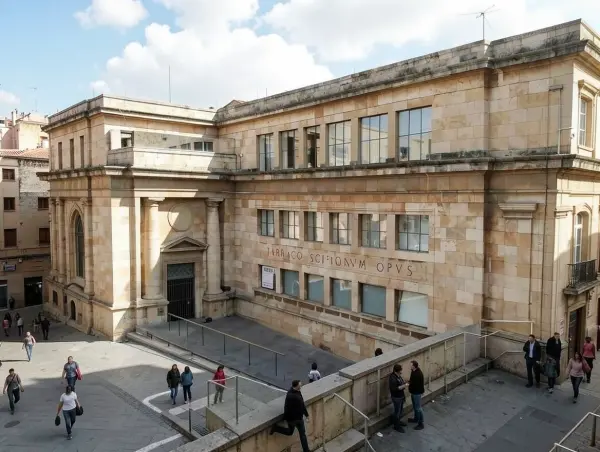
5. National Archaeological Museum of Tarragona
Klaidžiokite po vieną turtingiausių Ispanijos romėnų artefaktų kolekcijų, nuo kolosalinių skulptūrų iki gležnų kasdienio gyvenimo daiktų. Vaikščiosite stiklinėmis grindimis virš senovės romėnų gatvių ir akis į akį susidursite su legendine Medūzos mozaika.
Greiti faktai: Kolekcijoje yra daugiau nei 25 000 objektų, apimančių romėnų istoriją, su skulptūromis, mozaikomis ir kasdieniais dirbiniais, pasakojančiais senovės Tarako istoriją. Vienas įspūdingiausių kūrinių yra didžiulė III a. Medūzos mozaika, dengianti visą galerijos grindis su įmantriomis detalėmis, kurios po 1 700 metų vis dar atrodo gyvos.
Akcentai: Įžengę į pagrindinę salę stovėsite tiesiai virš išlikusios originalaus romėnų cirko atkarpos, kur kadaise dundėjo vežimai. Muziejaus stiklinės grindys leidžia pažvelgti žemyn į senovinius akmenis ir drenažo kanalus, todėl jaučiatės kaip archeologas, sluoksnis po sluoksnio atrandantis miestą.
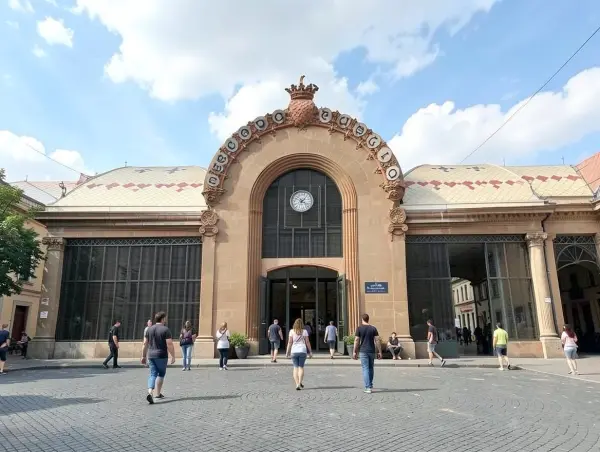
6. Mercat Central de Tarragona
Pasinerkite į šimtmetį katalonų maisto kultūros po geležies ir stiklo stogu. Praeikite pro 50 prekystalių su alyvuogėmis, sūriais ir ką tik atgabenta žuvimi, kol pardavėjai šaukia savo kainas.
Greiti faktai: Ketaus kolonos ir stiklinis stogas užlieja navą šviesa, o maždaug 50 pardavėjų siūlo dienos laimikį ir vietinius produktus. Restoranų šefai, namų virėjai ir vienadieniai lankytojai derasi vieni šalia kitų dėl alyvuogių aliejaus, vermuto ir sūrio daugelį rytų jau iki 10 valandos.
Akcentai: Užlipkite į viršutinę galeriją ir stebėkite, kaip apačioje skleidžiasi dėžių, svarstyklių ir peilių choreografija. Centre aštuonkampis stogo žibintas lieja saulės šviesą ant kabantisch kumpių, paverčiant judriausią turgaus alėją auksiniu teatru.
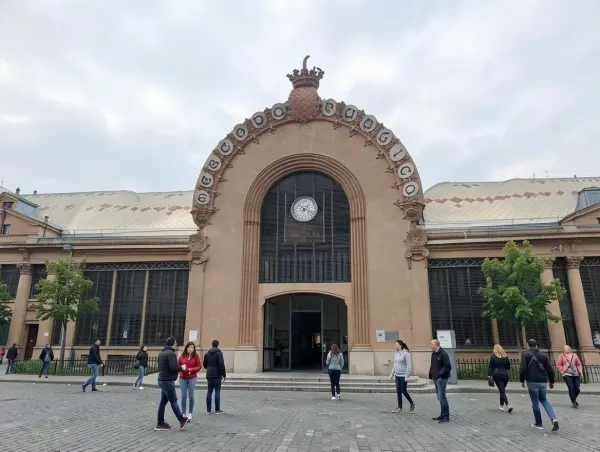
7. Mercat Central
Uždengtas turgus, įsikūręs virš romėnų vežimų lenktynių trasos, kuri vis dar spindi po jūsų kojomis. Sekite šviežių krevečių ir šafrano kvapą į aukštus geležies ir plytų praėjimus.
Greiti faktai: Josep Maria Jujol, architektas, glaudžiai bendradarbiavęs su Gaudí, suprojektavo šią turgaus salę ir per vienerius metus ją pastatė, atidaryta 1915 m. Romėnų vežikų lenktynininkai dviem tūkstantmečiais anksčiau šioje pačioje vietoje lenktyniavo su keturių arklių komandomis, dar prieš atidarant pirmąjį vaisių kioską.
Akcentai: Nusileidę į rūsį patenkate į aukštą skliautuotą romėnų cirko koridorių, ilgą galeriją, kuria žiūrovai kadaise lipo į savo vietas I a. po Kr. Virš jūsų galvos Jujol ploni katalonų plytų skliautai ir glazūruotos keramikos rozetės lenkia šviesą taip, kad lubos atrodo tarsi banguotų kaip burė.
8. El Serrallo
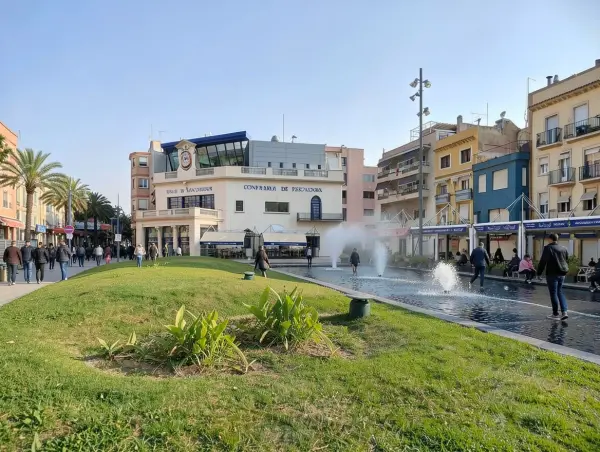
Štai kur senasis uostas tampa skanus, visas be neonų šviesų ir sūrus. Užuoskite prieblandoje prie uosto kepamas sardines ir stebėkite, kaip naktinis laimikis iškraunamas rankomis, laivas po laivo.
Greiti faktai: Veikianti žuvų širdis plaka šiame kukliame senojo uosto kampelyje, o kiekvieną rytą nakties laimikio aukciono aidai skamba baltojoje salėje. Žvejai vis dar kabina tinklus džiūti palei krantinę, o dūmai nuo jų sardinių grilių su anglimis kyla tiesiai aukštyn, prie virš galvos esančio romėniško mūro.
Akcentai: Tolimiausiame krantinės gale mažų šeimyninių valčių korpusai vis dar ant laivapriekių turi ranka tapytas akis, seną kerėjimą, turėjusį padėti valtims įžiūrėti žuvis po paviršiumi. Ateikite į birželio pabaigos Sant Pere šventę, kai visas kvartalas ištraukia stalus ant šaligatvio ir kepa sardines iki vidurnakčio.
Where to Stay in Tarragona, Spain
Selected by City Buddy based on guest reviews and proximity to top attractions
Search all hotels in Tarragona, SpainPowered by agoda
Darbo dienos mieste Tarragona, Spain
Kurie iš pagrindinių lankytinų vietų uždaromos kurią savaitės dieną , klasikinis kelionės griovėjas, patikrintas už jus.
pirmadienis: 2 iš 6 pagrindinių lankytinų vietų uždaroma , muziejus planuokitės kitai dienai.
Uždaryta pirmadienis · uždaryta: 2, atvira: 4
Darbo dienos pagal Google Maps (tikrinta 2026-09-05). Valstybinių švenčių, streikų ir sezoninis darbo laikas gali skirtis , prieš vykdami patikrinkite oficialią svetainę.
Tradiciniai saldūs patiekalai
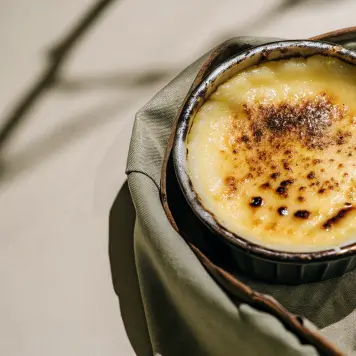
Crema Catalana
Crema Catalana is the Spanish sibling of crème brûlée, but with a distinct Catalan identity. It is traditionally served on Saint Joseph's Day (March 19) and flavored with cinnamon and lemon zest instead of vanilla.
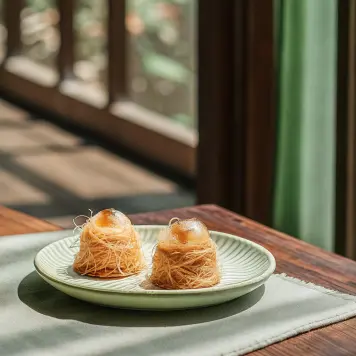
Pastissets de Cabell d'Àngel
These delicate pastries are filled with cabell d'àngel or angel's hair, a sweet jam made from pumpkin threads. The name literally means angel hair, referencing the translucent, stringy texture of the pumpkin preserve inside.

Carquinyolis
Carquinyolis are crunchy Catalan almond cookies similar to Italian biscotti, perfect for dunking in dessert wine. They are twice-baked for extra crunch and are a staple at festive gatherings across the Tarragona region.
Tradiciniai sūrūs patiekalai
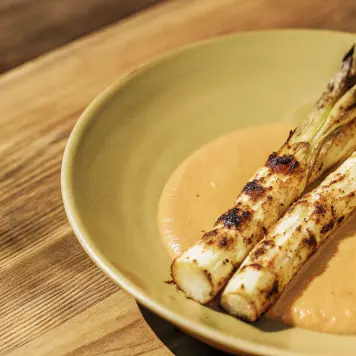
Calçots with Romesco Sauce
Calçots are a type of sweet green onion grilled over open flames until charred, a signature of Tarragona's province. Locals gather for massive calçotades (feasts) where these onions are eaten by peeling the burnt layers and dipping them in rich romesco sauce made from almonds and roasted peppers.
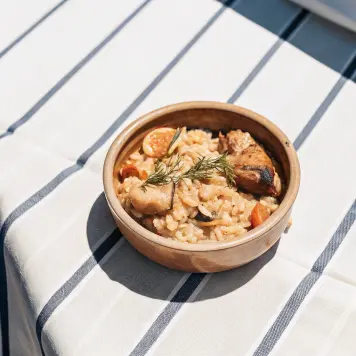
Arròs a la Cassola de Tarragona
This rustic casserole rice dish is Tarragona's take on paella, slow-cooked in a clay pot with local seafood, rabbit, and vegetables. The city's proximity to the Ebro Delta rice fields means the rice used is exceptionally fresh and flavorful.
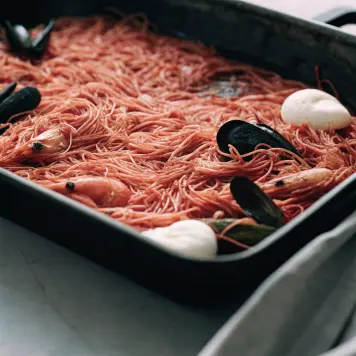
Fideuà
Fideuà is a beloved noodle-based dish similar to paella but made with short, thin vermicelli noodles instead of rice. It originated among fishermen on the Catalan coast who wanted a faster-cooking alternative to rice, and it is traditionally served with a dollop of garlicky allioli.
Tradiciniai gėrimai
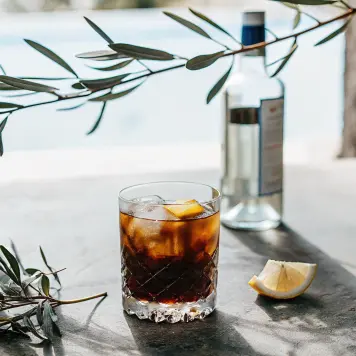
Vermut de Tarragona
Tarragona has a deep-rooted vermouth tradition dating back to the 19th century, and local vermuterías are a cherished social ritual. The region's vermouth is made with macabeo or xarel·lo wine bases and a secret blend of local herbs, giving it a distinctive Mediterranean character.

Cava
While Cava is most famous in Penedès, much of this sparkling wine is actually produced from grapes grown in the vineyards around Tarragona. It is made using the traditional method (same as Champagne) but at a fraction of the cost, making it the go-to celebratory drink in Catalonia.

Ratafia
Ratafia is a traditional Catalan liqueur made by macerating green walnuts, herbs, and spices in brandy or aguardiente for months. It is often homemade in Tarragona's rural homes and is sipped as a digestif, believed to aid digestion after heavy meals.
Sužinok prieš išvykdamas
Kiek kainuoja diena Tarragona ir kokių sukčių vengti
Išlaidos vienam asmeniui per dieną
Dažniausios sukčiavimo schemos, kurių vengti
- Pickpocketing in crowds. Keep bags closed and in front, leave valuables in the hotel, and avoid loose back pockets in crowded spaces.
- Unofficial offers near the station. Walk to the official taxi rank and require the meter, or book through an app for a clear price.
- Menu without prices. Confirm prices before ordering, ask if a cover or service charge applies, and check the bill line by line.
Sąžiningas taksi iš oro uosto: 110 € - 140 €
Visos aferos, sąžiningos kainos ir taisyklėsDažnai užduodami klausimai apie Tarragona, Spain
Ar Tarragona, Ispanijoje, yra saugi?
Kiek dienų užtenka praleisti Tarragonoje, Ispanijoje?
Koks geriausias laikas apsilankyti Tarragonoje, Ispanijoje?
Ar Tarragona, Ispanijoje, yra brangi?
Kaip judėti po Tarragoną, Ispanijoje?
Gaukite PDF su populiariausiomis lankytinomis vietomis į savo el. paštą
Gaukite PDF su visomis lankytinomis vietomis, įvertinimais ir patarimais. Puikiai tinka naudoti neprisijungus.
Populiariausios dienos išvykos
Barcelona
Vibrant capital of Catalonia with Gaudi architecture and world-class museums.
Salou
Popular coastal resort with beaches and PortAventura theme park.
Sitges
Charming seaside town with beaches, art galleries, and nightlife.
Reus
Modernist architecture hub and birthplace of architect Antoni Gaudi.
Delta de l'Ebre
Stunning natural park with rice fields, wetlands, and birdwatching.
Kaip nuvykti
Geležinkelio stotys
AVE high-speed rail from Barcelona, Madrid, and Valencia
Regional trains along the Costa Daurada coastline
From Barcelona Airport take the direct bus or train to Tarragona. Reus Airport is smaller with seasonal flights and bus connections to Tarragona.
Naudinga informacija apie Tarragona, Spain
Apžvalga apie Tarragona, Spain
Palyginti Tarragona su kitomis kryptimis
Kainos, saugumas, orai ir populiariausios lankytinos vietos greta viena kitos, su išvada kiekvienam keliautojų tipui.
Norite dienos plano Tarragona, Spain? Atidarykite kelionės planuoklį
Kada keliaujate į Tarragona, Spain?
Pasirinkite datas ir kelionės stilių, kad gautumėte:
Ar kas nors iš šių jums ypač svarbu?
Pažymėkite visus, kurie tinka
Judėjimas mieste
Kaip norite keliauti tarp vietų?
Plano kalba: Lietuvių