 CityBuddy
 Lietuvių
Ką veikti Galle, Sri Lanka
Nuotrauką padarė Ceylon Frames Pexels.com
Kada lankytis
Kada keliaujate į Galle, Sri Lanka?
Pasirinkite datas ir kelionės stilių, kad gautumėte:
Ar kas nors iš šių jums ypač svarbu?
Pažymėkite visus, kurie tinka
Plan language: LietuviųPopuliariausios lankytinos vietos Galle, Sri Lanka
Geriausi dalykai, kuriuos galima nuveikti Galėje, Šri Lankoje, sukasi apie 300 metų senumo Galės tvirtovę, UNESCO pasaulio paveldo objektą, besidriekiantį 100 akrų palei pakrantę. Pasivaikščiokite jos pylimais link baltojo Galės švyturio, pastatyto 1939 metais, tada aplankykite 1755 metų Olandų reformatų bažnyčią (Groote Kerk) su jos skliautinėmis lubomis ir raižytu mediniu sakykla.
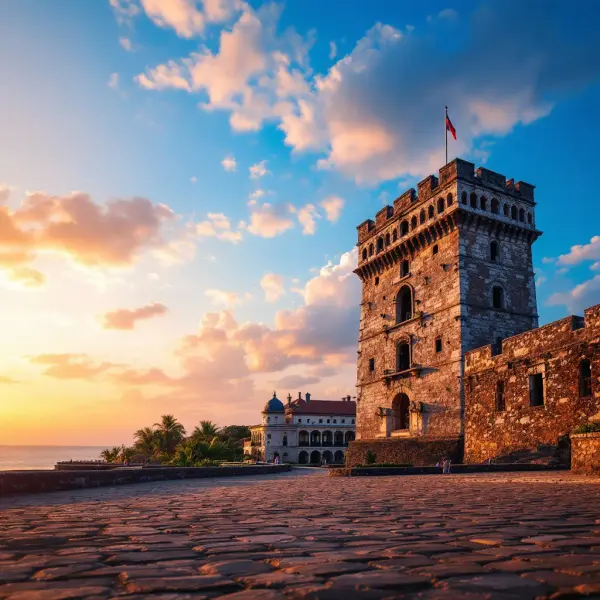
1. Galle Fort
Šimtametės tvirtovės sienos vis dar supa gyvą, alsuojantį rajoną, kupiną kolonijinio žavesio. Klaidžiokite pro olandų bažnyčias, butikus ir prieskonių kvapais dvelkiančias kavines trinkelėmis grįstomis gatvelėmis.
Greiti faktai: Wandering inside these 300-year-old ramparts, you will find a vibrant neighborhood where Portuguese, Dutch, and British colonial architecture blends with local Sri Lankan life. Covering 52 hectares with 14 distinct bastions, this fortified city survived the 2004 tsunami that devastated the surrounding region.
Akcentai: At sunset, locals and visitors gather on the ramparts near the Flag Rock bastion to watch teenage boys leap 15 meters into the Indian Ocean from the ancient fort walls. Cricket matches erupt spontaneously on the grassy fort grounds most evenings, with tuk-tuks parked along the edges serving as makeshift bleachers for spectators of all ages.
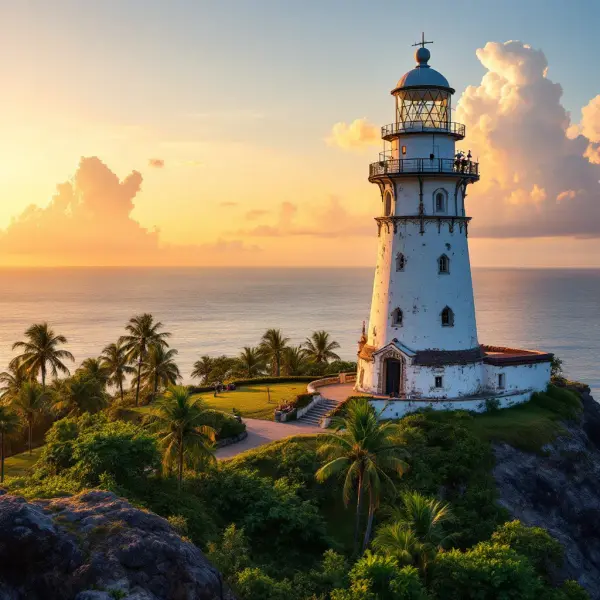
2. Galle Lighthouse
Vienas iš nedaugelio švyturių pasaulyje, pastatytų ant istorinės tvirtovės. Stebėkite bangas, daužančias į šimtamečius akmeninius mūrus, o laivams slystant horizontu.
Greiti faktai: Perched on the ramparts of the historic Galle Fort, this whitewashed lighthouse has been guiding ships since 1939. Its 26-meter tower stands at the southern tip of the fort, where the Indian Ocean crashes against the ancient stone walls below.
Akcentai: Unlike most lighthouses that stand alone, this one rises directly from the top of the fort's original 16th-century Dutch bastion walls. At sunset, the entire structure glows golden against the deep blue ocean while local fishermen cast lines from the rocks just below.
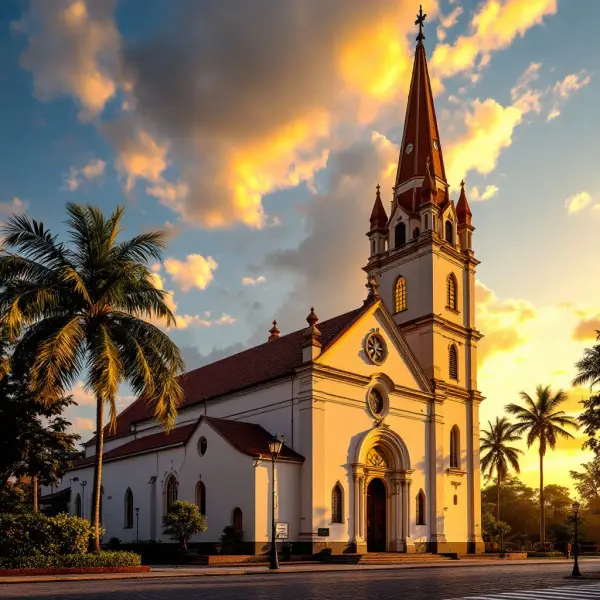
3. Dutch Reformed Church (Groote Kerk)
Groote Kerk
Įženkite į 1755 metų bažnyčią, kur grindis dengia antkapiai, o sienose vis dar kyli patrankų sviediniai. Viduje poliruoto raudonmedžio kvapas susilieja su tyliu lubų ventiliatorių tarškėjimu.
Greiti faktai: The floor inside is paved with heavy sandstone slabs brought all the way from the Netherlands as ballast in 18th century ships. Originally a Portuguese convent, the structure was transformed into a Dutch Reformed church in 1755 and still holds Sunday services in both Sinhala and Tamil.
Akcentai: Look down at the floor and you will find weathered tombstones from the 1700s, their carved skulls and crossbones worn smooth by 250 years of footsteps. One grave marker remembers the Dutch governor's wife who died at sea, her body buried right here beneath the pews where families now sing hymns every Sunday.
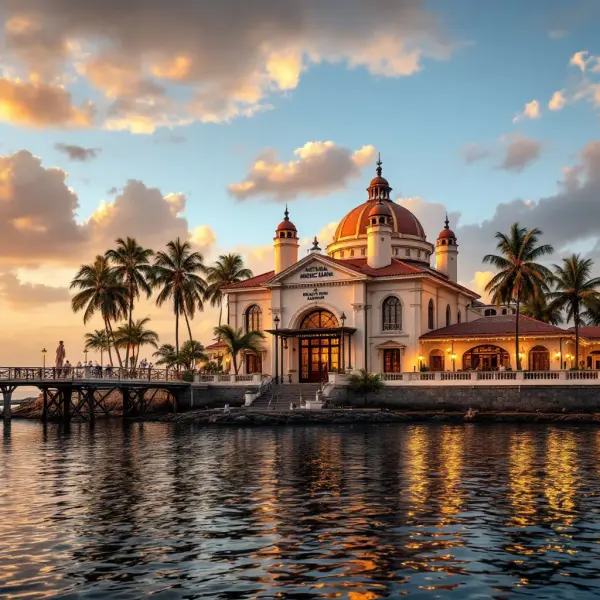
4. National Maritime Museum
Įženkite į XVII a. olandų sandėlį, kupiną lobių iš daugiau nei dviejų tūkstantmečių kelionių vandenynais. Grožėkitės banginio griaučiais, palieskite senovinius prekybos karoliukus ir pažvelkite į patrankos vamzdį, pakeltą iš gelmių.
Greiti faktai: Housed inside a 300-year-old Dutch colonial building that once served as a warehouse for spices, this museum preserves artifacts from over 2,000 shipwrecks scattered along Sri Lanka's southern coast. Among the most fascinating exhibits is a 25-foot whale skeleton suspended from the ceiling, alongside ancient navigational instruments used by Arab, Chinese, and European traders.
Akcentai: The museum's centerpiece is a remarkably preserved 14th-century Chinese shipwreck discovered off Galle's coast, complete with its cargo of blue-and-white porcelain still visible through the coral encrustation. You can actually hold a 500-year-old trade bead from the same era in your palm during the interactive touch table session, feeling the smooth glass worn by centuries of ocean currents.
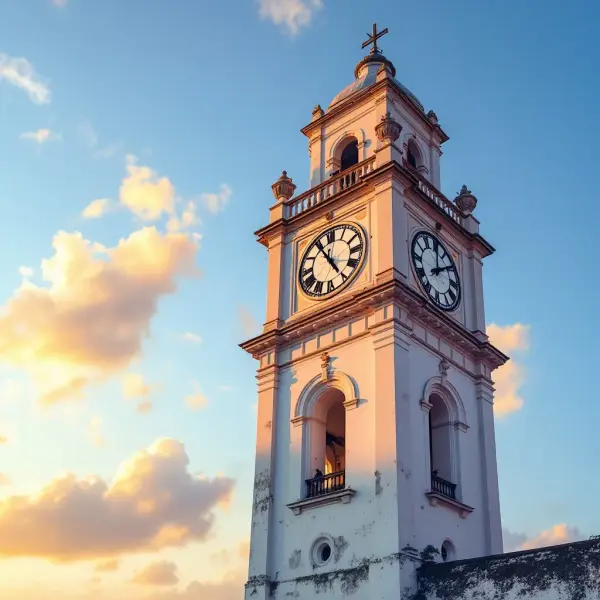
5. Galle Fort Clock Tower
Atsistokite Indijos vandenyno pakraštyje ir stebėkite laivus, slystančius pro šį 26 metrų kalkakmenio sargą. Varpų skambesys aidi trinkelėmis grįstomis gatvėmis, saulei nudažant senąją tvirtovę auksu.
Greiti faktai: Baltos akmens bokštas iškilęs 26 metrų aukščiau palei senosios olandų tvirtovės sienas. Jo keturi laikrodžio ciferblatai nuo 1883 metų rodo laiką praeiviams.
Akcentai: Skirtingai nei dauguma pasaulio laikrodžių bokštų, šis buvo visiškai finansuotas vietos gyventojų, norint pagerbti mylimą britų gubernatorių serą Džoną Longdeną. Pinigai buvo surinkti per viešą prenumeratą vos per dvi savaites, retas tarpkultūrinio įvertinimo pavyzdys kolonijiniais laikais.
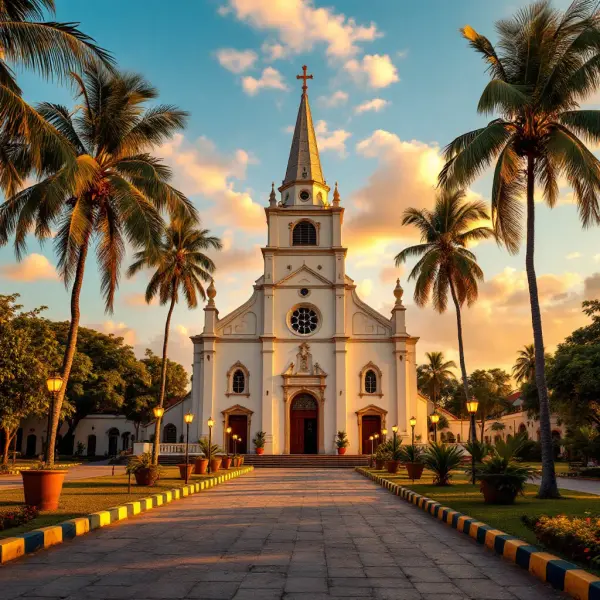
6. All Saints' Church
Įženkite į 260 metų olandų bažnyčią, kur grindis dengia antkapiai, o stogą laiko mediniai kaiščiai. Klaidžiosite tarp raižytų kolonijinių paminklų ir girdėsite senovinės tekos girgždesį po kojomis.
Greiti faktai: A Dutch colonial church built by commandeur Casparus de Jong, the church was completed in 1755 and its floor is entirely paved with tomb slabs from the old Dutch cemetery. The barrel-vaulted ceiling with its intricate wooden beams has held together for over 260 years without a single nail, using only wooden pegs and joinery.
Akcentai: Look down at your feet as you enter: the entire floor is a patchwork of centuries-old Dutch tombstones, each carved with skulls, hourglasses, and family crests that feel both macabre and beautiful. Above you, the massive 18th-century teak beams that hold the roof together were joined with nothing but wooden pegs, surviving monsoons and centuries of salt air without a single metal fastener.
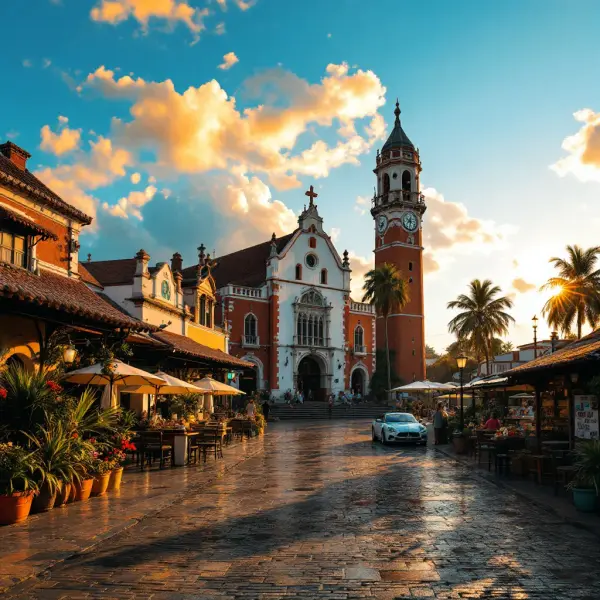
7. Old Dutch Market
Stebėkite 300 metų prekybos tradiciją, atgyjančią po olandų statytomis kolonadomis. Užuoskite šviežius prieskonius ir girdėkite ritmišką žuvies pardavėjų kapojimą, o vietiniai derasi dėl dienos laimikio.
Greiti faktai: Senasis Olandų turgus Galėje veikia nepertraukiamai jau daugiau nei 300 metų po ta pačia dengta kolonada, pastatyta Olandijos kolonijinių administratorių. Kokoso pluoštas, cinamono žievė ir šviežia žuvis buvo prekiaujama tuose pačiuose akmeniniuose koridoriuose nuo XVII amžiaus.
Akcentai: Užeikite vidun auštant ir pamatysite prekiautojus, rūšiuojančius krūvas cinamono lazdelių, muskato riešutų ir gvazdikėlių, kaip tai darė olandų pirkliai prieš tris šimtmečius. Originalios medinės turgaus sijos vis dar laiko stogą, o kieme vyksta rytinis tą pačią dieną sugautų tunų aukcionas - tai ritualas, nepasikeitęs nuo kolonijinių laikų.
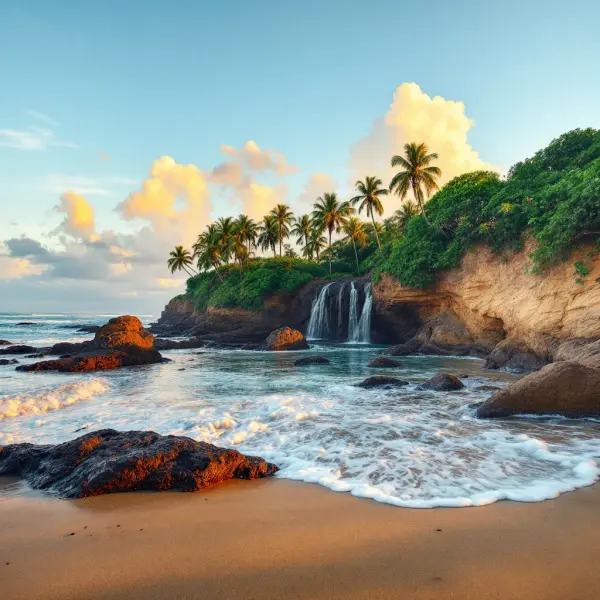
8. Jungle Beach
Tingios bangos, palmių šešėlis ir rifas, visą dieną raminantis vandenyną. Įsitaisykite paplūdimio kėdėje su šviežiu kokosu ir stebėkite, kaip žvejai traukia savo laimikį į krantą.
Greiti faktai: A 1.5 kilometer stretch of golden sand framed by palm trees and a protective reef, this beach offers some of the safest swimming on Sri Lanka's southwestern coast. During the peak season from November to April, the waters here stay calm and clear, making it a favorite for families and less experienced swimmers.
Akcentai: The reef creates a natural lagoon that keeps the water almost perfectly flat when the ocean outside is churning, like a giant saltwater swimming pool. Sea turtles occasionally drift into this protected zone, and you can sometimes spot them surfacing for air just meters from where you are floating.
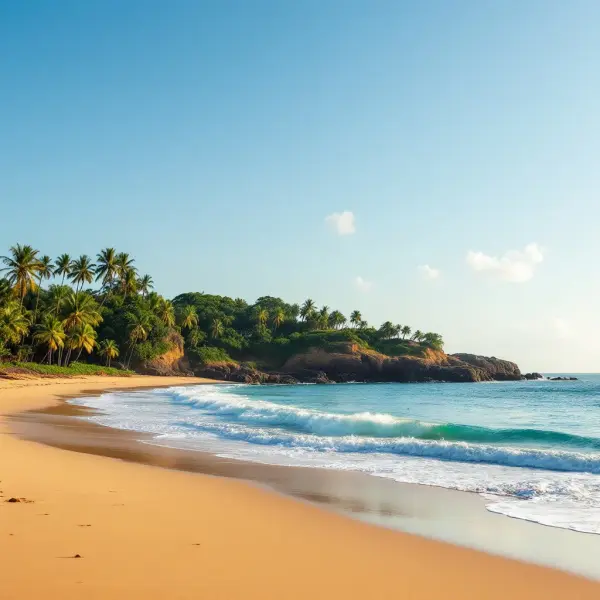
9. Unawatuna Beach
Mėnulio formos įlanka su neįtikėtinai skaidriu vandeniu ir švelniomis bangomis, puikiai tinkančiomis plūduriavimui. Tikėkitės šalia plaukiojančių jūros vėžlių, šviežių kokosų pardavėjų smėlyje ir džiunglėmis apaugusių kalvų, rėminančių pakrantę.
Greiti faktai: Clear turquoise waters meet a dramatic palm-fringed shoreline shaped like a half-moon, protected by a offshore coral reef. Sea turtles glide through the shallows just meters from shore, making snorkel encounters possible without a boat.
Akcentai: A 200-year-old Japanese peace pagoda perches on the cliff at the beach's eastern end, offering sweeping views over the bay at sunset. Monks still chant inside at dawn, the sound floating down to the water through the rustling palm fronds.
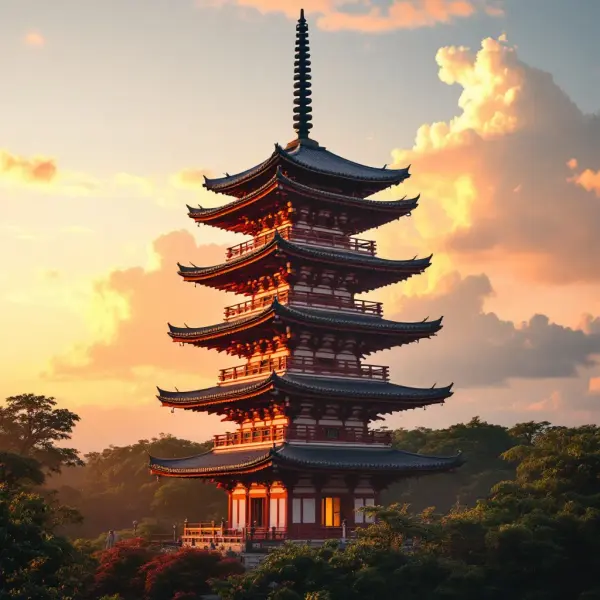
10. Japanese Peace Pagoda
Saulėlydis nuo šios ant kalvos stovinčios pagodos nušviečia visą Galės tvirtovės pusiasalį ir vandenyną auksiniais atspalviais. Stebėkite žvejybinius laivelius, siūbuojančius turkio spalvos vandenyje, kol vienuoliai gieda vakaro maldas.
Greiti faktai: Standing 40 meters tall on a hilltop at the southern tip of Sri Lanka, this gleaming white peace pagoda offers panoramic views over Galle Fort and the Indian Ocean. It was one of 80+ peace pagodas built worldwide by the Japanese Buddhist order Nipponzan Myohoji to promote world peace after World War II.
Akcentai: Unlike most pagodas built strictly by Japanese monks, this one was constructed through the collaboration of Japanese and Sri Lankan Buddhists, with local craftsmen carving intricate details into the white walls. Four different Buddhist traditions are represented in the pagoda's design, with small shrines at each cardinal direction featuring Buddha statues in varying poses from Thai, Burmese, Sri Lankan, and Japanese styles.
Where to Stay in Galle, Sri Lanka
Selected by City Buddy based on guest reviews and proximity to top attractions
Search all hotels in Galle, Sri LankaPowered by agoda
Tradiciniai saldūs patiekalai
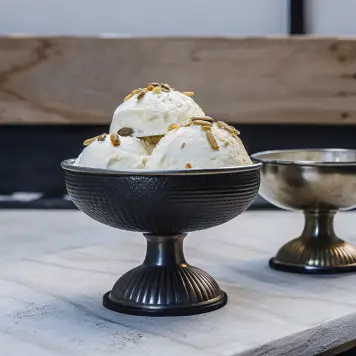
Kiri Toffee
This creamy milk toffee is made by slowly condensing buffalo milk with sugar and cardamom, and it gets its signature melt-in-your-mouth texture from generous amounts of ghee. It is a beloved festive sweet in Galle's Muslim and Sinhalese communities.
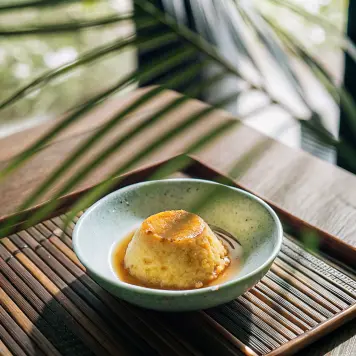
Watalappan
This steamed coconut custard pudding is infused with jaggery (palm sugar), cardamom, and nutmeg, and it has strong Malay and Sri Lankan Moor influences. It is an essential dessert at celebrations and Ramadan iftar feasts in the Galle region.
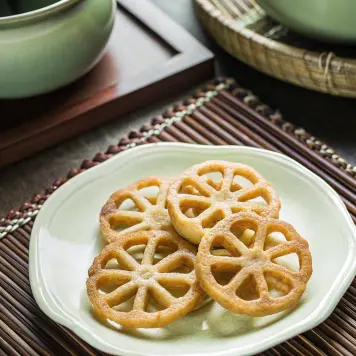
Kokis
A crispy, deep-fried cookie made from rice flour and coconut milk, it is shaped like a flower using a special metal mold. Kokis is a colorful and crunchy staple at Sri Lankan New Year celebrations in Galle.
Tradiciniai sūrūs patiekalai
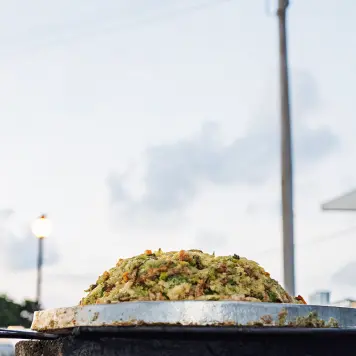
Kottu Roti
Made by chopping flatbread (roti) on a griddle with vegetables, egg, and meat while clanging metal blades create a signature rhythmic sound, this dish is a street food icon across Galle. The sounds of kottu being prepared are a familiar part of Galle's evening atmosphere.
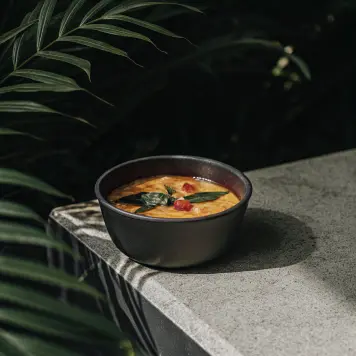
Parippu (Dal Curry)
This creamy red lentil curry, seasoned with coconut milk, turmeric, curry leaves, and pandan, is the soul of a traditional Galle rice and curry meal. In coastal Galle, it is often enriched with a splash of creamy coconut milk from freshly grated coconuts.
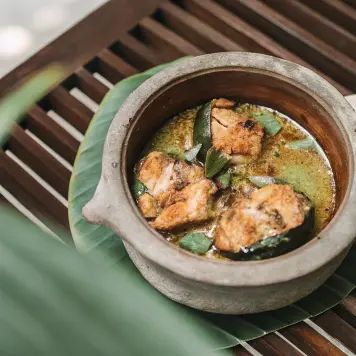
Fish Ambul Thiyal
A classic sour fish curry from the southern coast, it uses goraka (a dried tamarind-like fruit) as a souring agent and black pepper for heat. The fish is traditionally cooked in a clay pot, which gives it a distinctive earthy depth of flavor unique to Galle and the southern coast.
Tradiciniai gėrimai
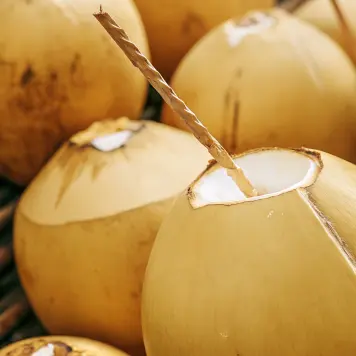
King Coconut Water (Thambili)
Unlike green coconuts elsewhere, Sri Lanka's bright orange king coconuts offer water that is naturally sweet, electrolyte-rich, and less acidic. In Galle's tropical heat, vendors slice the top off with a single machete stroke for a perfect refreshing drink.
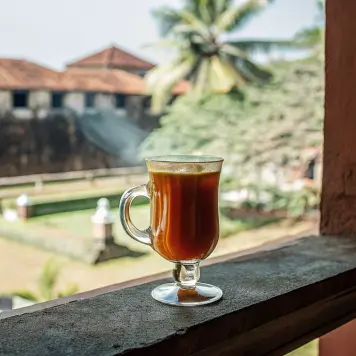
Ceylon Tea
Galle is a major exit hub for Sri Lanka's world-famous tea, and local tea stalls serve it strong and sweet with milk. A cup of Ceylon tea in Galle's Dutch Fort area combines colonial history with a globally revered brew.
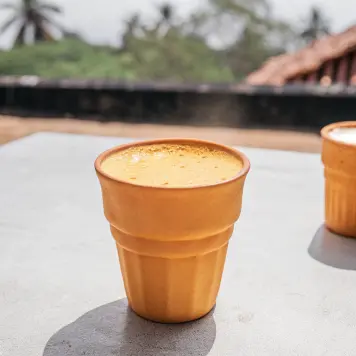
Toddy
This mildly alcoholic palm wine is tapped from the flower buds of coconut or kithul palms, and it ferments naturally within hours. In the Galle countryside, toddy is enjoyed fresh and sweet in the morning or fermented longer for a stronger evening drink.
Frequently Asked Questions about Galle, Sri Lanka
Ar Galis, Šri Lanka, yra saugi?
Kiek dienų reikėtų skirti Galiui, Šri Lanka?
Koks geriausias laikas aplankyti Galį, Šri Lanka?
Ar Galis, Šri Lanka, yra brangus?
Kaip judėti po Galį, Šri Lanka?
Gaukite PDF su populiariausiomis lankytinomis vietomis į savo el. paštą
Gaukite PDF su visomis lankytinomis vietomis, įvertinimais ir patarimais. Puikiai tinka naudoti neprisijungus.
Populiariausios dienos išvykos
Unawatuna Beach
A beautiful crescent-shaped beach with golden sand, coral reefs, and calm waters perfect for swimming.
Hikkaduwa
A lively beach town known for snorkeling, coral sanctuaries, and vibrant nightlife.
Mirissa
A stunning coastal village with palm-fringed beaches and prime whale watching opportunities.
Bentota
A resort town along a golden beach with water sports, river safaris, and turtle hatcheries.
Yala National Park
Sri Lanka's famous wildlife park known for leopards, elephants, and diverse bird species.
Kaip nuvykti
Oro uostai
Geležinkelio stotys
Coastal Line connecting Colombo, Matara, and major beach towns
From Colombo airport, take a taxi or bus to Colombo Fort Station (1h), then the scenic Coastal Line train to Galle (2.5h).
Raskite skrydžius į Galle, Sri Lanka
Spustelėkite, kad gautumėte eSIM Galle, Sri Lanka
Lengviausias ir prieinamiausias būdas gauti mobilųjį internetą bet kur keliaujant.
Komentarai (5)
Galle Fort is stunning but the humidity in June was brutal. Those walls at sunset make it worth it though. 3 days was enough for the area.
Was a bit let down by how touristy the Fort has become. Every other shop sells the same jewelry. The ramparts walk is lovely early morning before crowds hit.
Get a room inside the Fort walls and wake up early to walk the ramparts before 7am. No crowd, cool breeze, and the light is perfect for photos. Absolute hack.
The food blew my mind. Got fresh curry and roti from a little place near the lighthouse for like 300 rupees. Best meal I had in two weeks in Sri Lanka.
Skip the expensive cafes on the main Fort streets. Walk toward the old clock tower area and eat at the small family run spots. Half the price, double the flavor.