 CityBuddy
 Lietuvių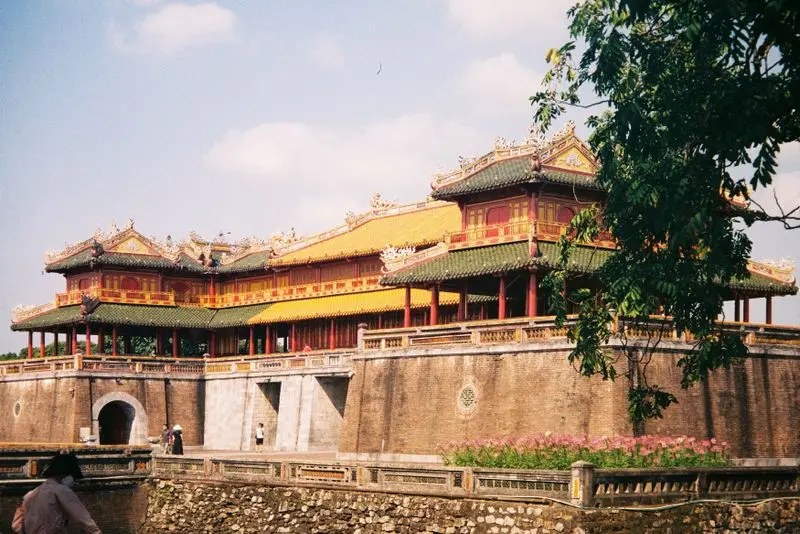
Ką veikti Huế, Vietnam
Nuotrauką padarė Nguyen Trung Hieu Pexels.com
Kada lankytis
Populiariausios lankytinos vietos Huế, Vietnam
Jei ieškote geriausių dalykų, kuriuos verta nuveikti Hue, Vietname, pradėkite nuo didingojo XIX amžiaus Imperatoriškojo miesto (Đại Nội), kurio teritorija driekiasi 520 hektarų. Toliau aplankykite ramiąją Thien Mu pagodą, iškilusią 21 metrą virš Kvapiosios upės. Galiausiai pasigrožėkite prabangiu Khai Dinh kapu, puoštu porceliano ir stiklo mozaikomis.
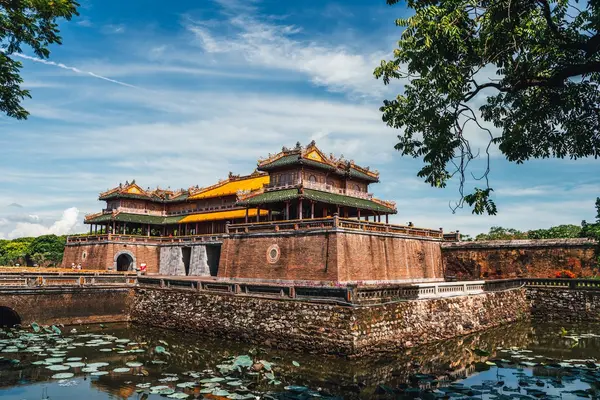
1. Imperial City (Đại Nội)
Đại Nội
Proginsite pro vartus, kuriais kadaise eidavo imperatoriai, ir atsidursite Vietnamo istorijos širdyje. Violetinės sienos, auksinės pagodos ir tylūs kiemai nukels jus į Nguyễn dinastijos laikus.
Greiti faktai: Kompleks imperatoriškojo miesto užima daugiau nei 520 hektarų plotą, o jį supa 10 kilometrų ilgio akmeninis gynybinis pylimas. Viduje yra daugiau nei 100 pastatų, įskaitant vartus, rūmus ir šventyklas, iš kurių daugelis neša kulkų žymes iš XX amžiaus karinių konfliktų.
Akcentai: Po imperatoriškojo miesto akmeninėmis sienomis kiekvieną vakarą užsidega dešimtys žibintų, o vietiniai čia ateina treniruoti tai chi, kol iš užlietų sodų girdisi varlių kurkimas. Faktas, kad restauratoriai remonto metu aptiko originalius XIX amžiaus paveikslus, paslėptus po tinko sluoksniais, o kai kuriuos iš jų šiandien galite pamatyti originalia forma.
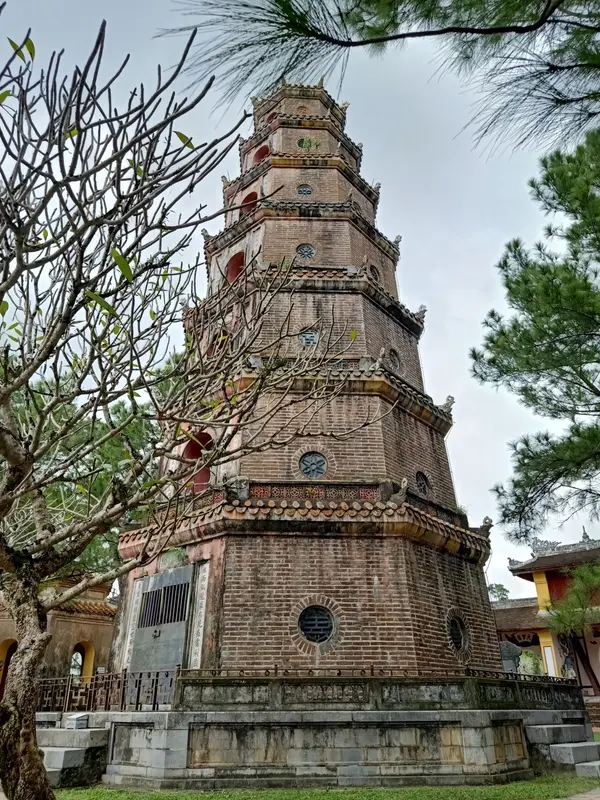
2. Thien Mu Pagoda
Rami oazė virš upės, kur susilieja dvasinė atmosfera ir kvapą gniaužiantis vaizdas. Išgirsite maldos vėliavėlių šnaresį ir pajusite smilkalų kvapą, sklindantį per šimtmečių sienas.
Greiti faktai: Sedmapreiūkštis 21 metro aukščio bokštas iškilęs virš Kvapiųjų upės ir tapo viso miesto simboliu. Legendos pasakoja, kad pagoda atsirado toje vietoje, kur senutei pasirodė dangaus drakonas.
Akcentai: Pagodos viduje rasite milžinišką bronzinį varpą, sveriantį daugiau nei dvi tonas, kurio garsas neva sklinda iki 10 kilometrų upe. Vienuoliai jį skambindavo svarbių ceremonijų metu, ir visa aplinka drebėjo gilioje rezonancijoje.
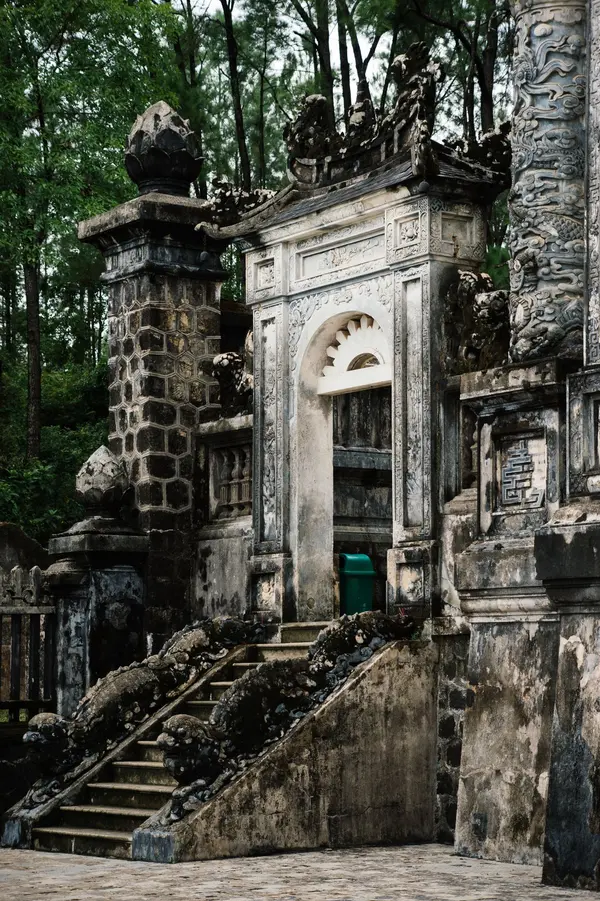
3. Tomb of Khai Dinh
Vienintelis kapas Hue, kuris atrodo kaip gotikinis-azijietiški rūmai. Praeisite tamsiais koridoriais iki salės su betoniniu dangumi virš galvos.
Greiti faktai: Statant imperatoriaus Khai Dinh kapą dirbo daugiau nei 10 000 darbininkų, tačiau baigtas jis buvo tik po jo mirties 1925 metais. Viduje rasite nuostabią keramikos ir stiklo mozaiką, dengiančią sienas ir lubas, iš viso sudarytą iš šimtų tūkstančių detalių.
Akcentai: Labiausiai jus priblošš betoninės lubos pagrindinėje salėje: iš arti jos visiškai padengtos tapytais devynių drakonų debesų vaizdais, kurie atrodo kaip 3D freska. Khai Dinh įtvirtino tradicinės Vietnamo ir Prancūzijos gotikinės architektūros derinį, todėl šis statinys Hue mieste yra visiškai unikalus reginys.
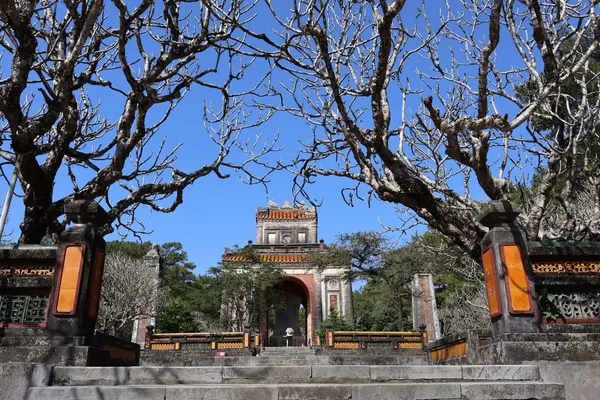
4. Tomb of Minh Mang
Didžiulis akmenų kompleksas pušynų viduryje pasakoja vieno imperatoriaus galios ir laikinumo istoriją. Praeisite pro vartus, tiltus ir kiemus iki paslaptingos bronzinės urnos, kur praeitis liečia dabartį.
Greiti faktai: Imperatorius Minh Mạng šias kapavietes suprojektavo dar būdamas gyvas ir asmeniškai prižiūrėjo statybas, tačiau čia buvo palaidotas tik po mirties 1841 metais. Teritorija užima 18 hektarų plotą ir apima 40 skirtingų pastatų, kurie simboliškai jungia kinų geomantiją su Vietnamo imperine tradicija.
Akcentai: Kai įžengiate pro Dai Hong vartus, prieš jus atsiveria 300 metrų ilgio Nhà Nguyệt ežeras, kurio ramus vanduo tobulai atspindi aplinkines pušis ir akmeninius tiltus. Visa kapo kompozicija laikosi griežtos ašies iš rytų į vakarus, todėl saulėlydžio metu saulės diskas nusileidžia tiksliai už imperatoriaus sarkofago.
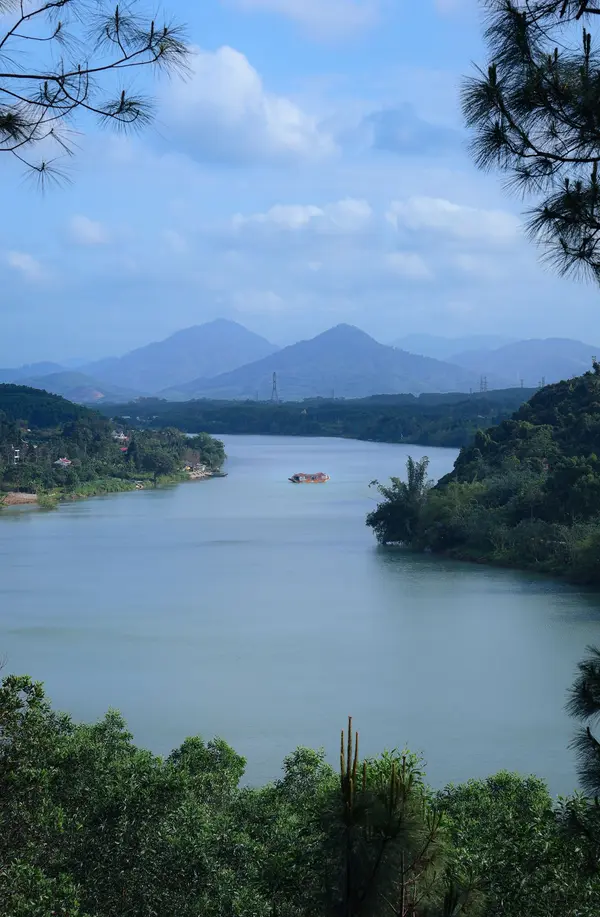
5. Perfume River
Išplaukite per istoriją valtimi tarp senovinių pagodų ir atogrąžų žalumos. Vakare jus pakerės stebuklingos žibintų šviesos, atsispindinčios tamsiame vandens paviršiuje.
Greiti faktai: 80 kilometrų ilgio upė teka per imperatoriškąjį miestą ir įteka į Pietų Kinijos jūrą. Kasmet čia atvyksta daugiau nei 4 milijonai lankytojų, kad pajustų jos ramią atmosferą.
Akcentai: Kažkada ji naudota kaip karališkųjų flotilių transporto arterija, o jos krantuose iki šiol rengiamos tradicinės žibintų šventės. Per pilnatį vandens paviršius spindi šimtais mažų plūduriuojančių žvakučių, kurias vietiniai leidžia pasroviui kaip laimės linkėjimus.
6. Dong Ba Market
Norite paragauti tikrojo Hue? Tai vieta, kur miestas gyvena. Praeikite pro šimtus prekystalių, paragaukite bún bò sriubos ir leiskitės nešami cinamono bei citrinžolės aromatų.
Greiti faktai: Kiekvieną dieną čia parduodama daugiau nei 3 000 porcijų garsiosios bún bò Huế sriubos, kurią vietiniai laiko geriausia mieste. Turgus siūlo daugiau nei 1 500 prekystalių, suskirstytų į sekcijas pagal prekes - nuo šviežių jūros gėrybių iki rankomis siuvinėtų šilko šalikų.
Akcentai: Užpakalinėje turgaus dalyje rasite močiutes, kurios vis dar rankomis raižo betelio riešutus į gėlių formas tradicinėms vestuvių ceremonijoms - įgūdis, perduodamas iš kartos į kartą. Visas procesas trunka vos kelias minutes, o gauti ornamentai atrodo kaip maži meno kūriniai.
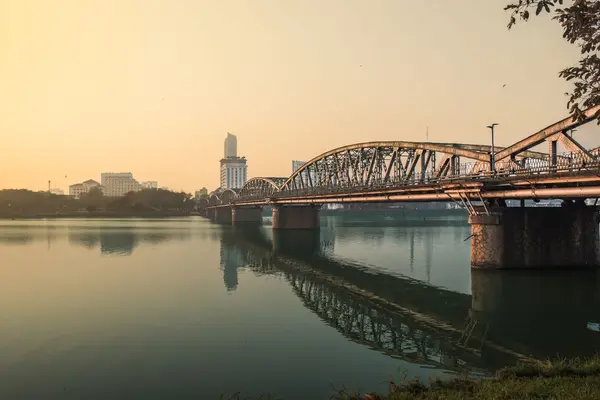
7. Trang Tien Bridge
Joks kitas tiltas Pietryčių Azijoje naktį nepavirsta septynių spalvų vaivorykšte virš vandens. Pasivaikščiokite juo sutemus, kai istorinis miestas atsispindi ramiame upės paviršiuje.
Greiti faktai: Kiekvieną vakarą tiltas nušvinta pakaitomis septyniomis spalvomis, kas kasdien pritraukia daugiau nei 10 tūkstančių lankytojų pasivaikščioti jo 402 metrais. Po jo arkomis plaukia dešimtys ekskursinių laivų, siūlančių vaizdą į apšviestą miestą iš Hương upės.
Akcentai: Vietnamo karo metu tiltas buvo du kartus subombarduotas ir kiekvieną kartą vietiniai gyventojai savo rankomis jį atstatė iš iš upės ištrauktų originalių medžiagų. Naktį ant tilto susirenka jaunos poros, kad spalvotų šviesų šviesoje duotų pirmąjį bučinį - vietiniai tai vadina „įsimylėjėlių tiltu“.
Where to Stay in Huế, Vietnam
Selected by City Buddy based on guest reviews and proximity to top attractions
Search all hotels in Huế, VietnamPowered by agoda
Darbo dienos mieste Huế, Vietnam
Kurie iš pagrindinių lankytinų vietų uždaromos kurią savaitės dieną , klasikinis kelionės griovėjas, patikrintas už jus.
Geros žinios: visos 5 pagrindinės lankytinos vietos su žinomu darbo laiku atviros kiekvieną savaitės dieną.
Uždaryta pirmadienis · uždaryta: 0, atvira: 5
pirmadienis niekas neuždaroma , visos 5 lankytinos vietos su žinomu darbo laiku atviros.
Darbo dienos pagal Google Maps (tikrinta 2026-06-14). Valstybinių švenčių, streikų ir sezoninis darbo laikas gali skirtis , prieš vykdami patikrinkite oficialią svetainę.
Tradiciniai saldūs patiekalai
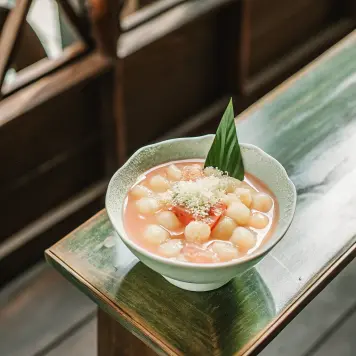
Chè Hạt Sen (Lotus Seed Sweet Soup)
This delicate dessert features tender lotus seeds from the Perfume River region. The lotus seeds are believed to have calming properties and are often served during Huế's royal festivals.
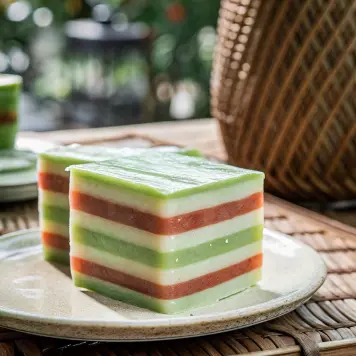
Bánh Da Lợn (Steamed Layer Cake)
This colorful layered dessert is made from tapioca flour, coconut milk, and pandan or mung bean. Each vibrant layer is steamed one at a time, creating a beautiful striped appearance.
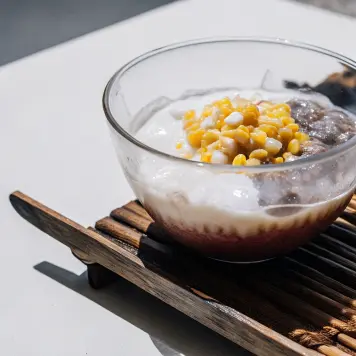
Chè Bắp (Corn Sweet Soup)
A creamy and aromatic dessert made from young corn, coconut milk, and tapioca pearls. It is a beloved street food treat in Huế and is often enjoyed warm on cool evenings.
Tradiciniai sūrūs patiekalai
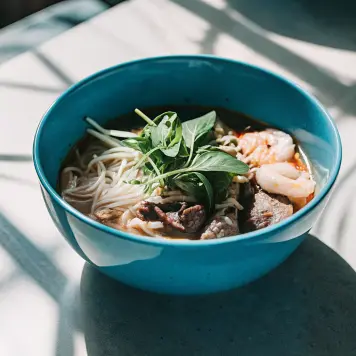
Bún Bò Huế (Huế-Style Beef Noodle Soup)
This iconic spicy beef noodle soup is the signature dish of Huế, known for its rich, lemongrass-infused broth and deep red color from annatto seeds. It is often considered the rival of Vietnam's other famous noodle soup, phở.
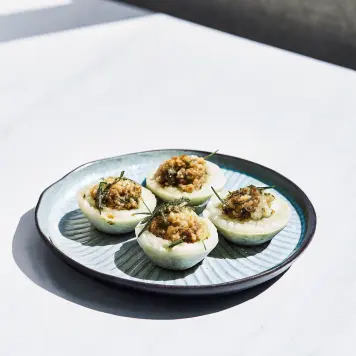
Bánh Bèo (Water Fern Cake)
These tiny, saucer-shaped steamed rice cakes are topped with minced shrimp, crispy pork skin, and scallion oil. They were originally served in the royal court of the Nguyễn Dynasty as elegant appetizers.
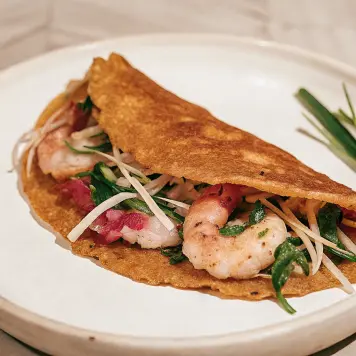
Bánh Khoái (Huế-Style Crispy Pancake)
Similar to bánh xèo but smaller and thicker, this crispy golden pancake is stuffed with shrimp, pork, and bean sprouts. It gets its name from the sizzling sound it makes when poured onto the hot pan.
Tradiciniai gėrimai
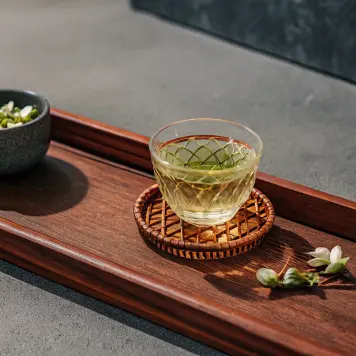
Trà Sen (Lotus Tea)
Huế is famous for its lotus-scented tea, made by layering green tea leaves with fresh lotus petals overnight. The tea absorbs the flower's fragrance and was once reserved exclusively for Vietnamese royalty.
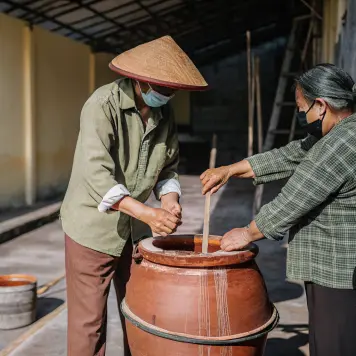
Rượu Cần (Straw Wine)
This traditional fermented rice wine is drunk through long bamboo straws from a large communal jar. It is associated with the ethnic minority groups of the Central Highlands near Huế and is a staple at festivals and celebrations.
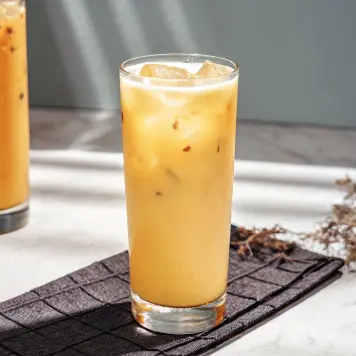
Nước Sâm (Herbal Cooling Drink)
A sweet, dark herbal tea made from various medicinal roots and plants, this drink is believed to cool the body and improve digestion. It is especially popular in Huế's hot and humid climate.
Dažnai užduodami klausimai apie Huế, Vietnam
Ar Hue, Vietnamas yra saugus?
Kiek dienų praleisti Hue, Vietname?
Kada geriausias laikas aplankyti Hue, Vietnamą?
Ar Hue, Vietnamas yra brangus?
Kaip judėti po Hue, Vietnamą?
Gaukite PDF su populiariausiomis lankytinomis vietomis į savo el. paštą
Gaukite PDF su visomis lankytinomis vietomis, įvertinimais ir patarimais. Puikiai tinka naudoti neprisijungus.
Populiariausios dienos išvykos
Hội An
Ancient charming town with lantern-lit streets and historic architecture
Đà Nẵng
Vibrant coastal city with beaches and the Marble Mountains
Phong Nha Ke Bang National Park
UNESCO site with stunning caves and karst landscapes
Lang Co Beach
Beautiful white sand beach between mountains and lagoon
My Son Sanctuary
Ancient Hindu temple complex from the Champa Kingdom
Kaip nuvykti
Oro uostai
Geležinkelio stotys
North-South Reunification Express Line connecting Hanoi and Ho Chi Minh City
From Phu Bai Airport, taxis and shuttle buses take about 30 minutes to reach Huế city center. The train station is centrally located.
Naudinga informacija apie Huế, Vietnam
Apžvalga apie Huế, Vietnam
Norite dienos plano Huế, Vietnam? Atidarykite kelionės planuoklį
Kada keliaujate į Huế, Vietnam?
Pasirinkite datas ir kelionės stilių, kad gautumėte:
Ar kas nors iš šių jums ypač svarbu?
Pažymėkite visus, kurie tinka
Judėjimas mieste
Kaip norite keliauti tarp vietų?
Plano kalba: Lietuvių