 CityBuddy
 Norsk Bokmål
Ting å gjøre i Hrodna, Belarus
Foto tatt av Vladimir Srajber på Pexels.com
Når bør du besøke
Mest populære attraksjoner i Hrodna, Belarus
De beste tingene å gjøre i Hrodna, Hviterussland, dreier seg om den bemerkelsesverdige konsentrasjonen av middelalder- og barokkarkitektur. Gå rundt på området til Kalozja-kirken for St. Boris og St. Gleb fra 1100-tallet, byens eldste bevarte bygning. Kontraster den med St. Frans Xavier-katedralen fra 1600-tallet, hvis 100 meter høye spir dominerer horisonten. Besøk både Hrodna gamle slott og Hrodna nye slott, som ligger side om side på Niemen-elvens høye bredd.
1. Hrodna Old Castle
Hvor århundrer med polsk, litauisk og hviterussisk historie kolliderer innenfor en enkelt festning. Gå gjennom saler hvor konger en gang sov og berør vegger preget av ekte kanonild.
Raske fakta: Søyler reiser seg i tre distinkte arkitektoniske stiler, ettersom hvert århundre har satt sitt preg på steinmurene. Kanonkuler fra beleiringen i 1656 sitter fortsatt innebygd i de ytre festningsverkene nær hovedporten.
Høydepunkter: En hemmelig passasje under borgen koblet den en gang til bernardinerklosteret på den andre siden av elven Njemen, slik at soldater kunne bevege seg usett. Klatre opp i det sørvestlige tårnet ved solnedgang, når det lave lyset gjør elven om til flytende gull og hele Hrodnas silhuett breder seg ut foran deg.
2. St. Francis Xavier Cathedral
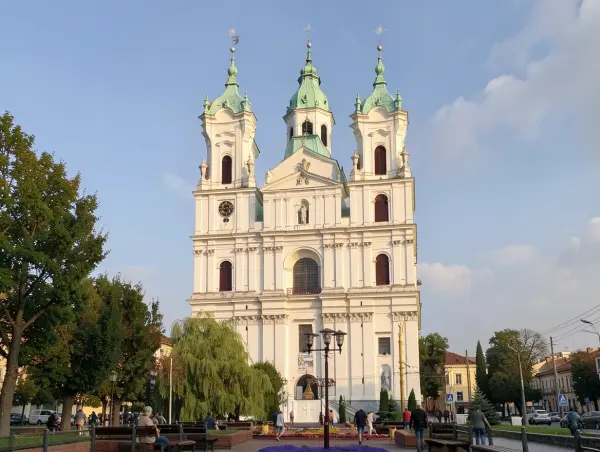
Et tårnende barokkmesterverk som overlevde to verdenskriger og sovjetisk ateisme stort sett uskadd. Å gå gjennom dørene avslører et av Europas mest komplette originale kirkeinteriører fra 1700-tallet.
Raske fakta: Et av verdens høyeste barokke kirketårn står 65 meter høyt og kan sees fra kilometer unna. Katedralen har en sjelden, overlevende syklus av fresker fra 1700-tallet malt av en enkelt kunstner over et tiår.
Høydepunkter: Gå inn og se opp: takfreskene ser ut til å bølge som stoff, malt med så stor illusjonistisk dyktighet at den flate pussen ser ut til å bule og folde seg. Lokal legende hevder at kunstneren falt fra stillaset tre ganger mens han fullførte verket, men aldri brakk et eneste ben.
3. Kalozha Church of Sts. Boris and Gleb
Gå inn i en av Øst-Europas eldste bevarte ortodokse kirker, fortsatt aktiv etter århundrer med historie. Du vil stå inne i en helligdom hvor grove steinvegger, flakkende levende lys og gammel graffiti forteller historier om middelalderske kirkegjengere.
Raske fakta: Veggene er dekorert med tusenvis av fargerike steinkors og keramiske fliser satt direkte inn i murverket. Hundrevis av unike gamle graffiti dekker interiøret, etterlatt av tilbedere gjennom de siste 800 årene.
Høydepunkter: I motsetning til enhver annen overlevende ortodoks kirke fra den epoken, ble ytterveggene aldri pusset, slik at de intrikate mønstrene av polerte fargede steiner og glaserte keramiske plater er fullt eksponert for vær og vind. Se nøye på fasaden, så vil du oppdage små steinkors, grønne og gule fliser, og til og med fragmenter av marmor, alle arrangert i geometriske mønstre som glitrer forskjellig etter hvert som sollyset skifter.
4. Soviet Square
Se sollyset danse over brostein på Hrodnas sentrale møtested hvor århundrer med historie møtes. Kjenn pulsen av bylivet mens lokalbefolkningen prater på benker under kastanjetrær og barn jager duer over den geometriske steinplassen.
Raske fakta: Torget er vertskap for en slående Lenin-statue som fortsatt er et midtpunkt, i kontrast til de omkringliggende fargerike bygningene fra 1800-tallet. Belegningen har et unikt sirkulært mønster som skaper en optisk illusjon når det sees ovenfra.
Høydepunkter: I sentrum står en av Hviterusslands siste gjenværende Leninstatuer som lokalbefolkningen har fått kallenavnet "Bestefar," og friske blomster dukker ofte opp ved foten fra både eldre innbyggere og unge par. Torget forvandles ved skumring når de omkringliggende historiske fasadene gløder ravfarget fra skjult opplysning, og avslører intrikate arkitektoniske detaljer som er usynlige om dagen.
5. Drama Theatre
Gå inn i et mesterverk av sovjetisk modernistisk design hvor hver forestilling føles intim, selv i en sal med 700 seter. Forvent dramatisk arkitektur, overraskende akustikk og et skiftende program med drama, ballett og eksperimentelle forestillinger.
Raske fakta: Hrodnas Dramateater arrangerer over 300 forestillinger hver sesong, og fyller nesten hvert eneste sete i sine saler med plass til 700. Bygningens rene hvite fasade og geometriske linjer var inspirert av sovjetisk modernisme fra 1960-tallet, noe som gjør at den skiller seg ut mot byens eldre arkitektur.
Høydepunkter: Få besøkende vet at hovedsalen ble designet med en uttrekkbar orkestergrav som forsvinner under scenegulvet, slik at rommet kan forvandles til intime teaterstykker eller fulle ballettproduksjoner. Under vinterforestillinger fanger foajéens gulv-til-tak-vinduer den snødekte parken utenfor, og skaper en scenelignende bakgrunn som endrer seg med hver årstid.
6. Augustow Canal
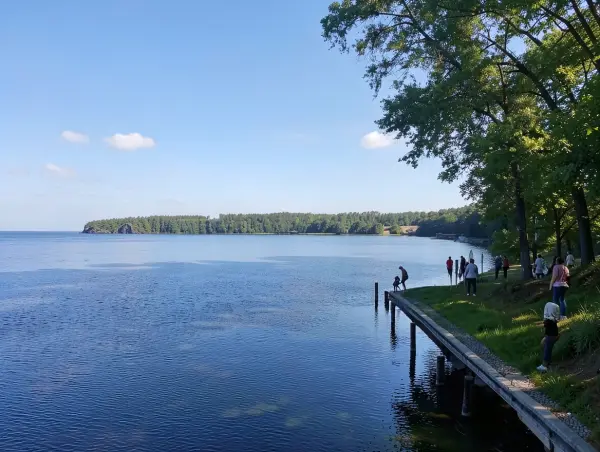
Flyt gjennom en uberørt skogsvannvei som knapt har forandret seg siden 1830-tallet. Sykle langs skyggefulle slepeveier, passér hånddrevne sluser og se ørner sveve over stille grønne korridorer.
Raske fakta: Kanalen strekker seg 101 kilometer gjennom Polen og Hviterussland, og forbinder elvene Wisła og Njemen gjennom 18 sluser og 22 slusekammer. Ingeniørene designet kanalen med så stor presisjon at de originale slusemekanismene, håndbetjente med trebjelker, fortsatt fungerer etter nesten 200 år.
Høydepunkter: I motsetning til de fleste kanaler skjærer denne seg gjennom et UNESCO-listet biosfærereservat der bevere, otere og havørner patruljerer vannet sammen med forbipasserende båter. Slusene endrer høyde med opptil 3 meter hver, og du kan se de originale håndsveivede mekanismene knirke i gang mens vannet dundrer gjennom hundre år gamle eikeporter.
7. Museum of Religion History
Hvor ellers kan du gå gjennom et 300 år gammelt kloster og se alt fra middelalderske Torah-ruller til sovjetisk ateistpropaganda på en ettermiddag? Du vil bevege deg gjennom ekkoende steinkorridorer forbi stearinlysopplyste ikoner, og deretter gå inn i en stille gårdsplass hvor munker en gang dyrket urter.
Raske fakta: Museet holder til i et tidligere romersk-katolsk klosterkompleks fra 1600-tallet, og samlingen spenner over mer enn 2000 gjenstander fordelt på fire faste utstillinger. Besøkende kan se sjeldne trykte bibler, jødiske liturgiske gjenstander og et rekonstruert synagogeinteriør fra 1800-tallet.
Høydepunkter: I en sal vises et enkelt rom helt dekket av håndmalte fresker som fremstiller bibelske scener, der de originale pigmentene fortsatt gløder i nyanser av oker og lapis lazuli. Museets loft rommer en støvete samling av religiøse gjenstander fra sovjettiden som lokalbefolkningen i hemmelighet bevarte under den statspålagte ateismen.
Where to Stay in Hrodna, Belarus
Selected by City Buddy based on guest reviews and proximity to top attractions
Search all hotels in Hrodna, BelarusPowered by agoda
Åpningsdager i Hrodna, Belarus
Hvilke av de beste severdighetene er stengt hvilken ukedag. Den klassiske reiseødeleggeren, sjekket for deg.
mandag: 1 av 3 toppseverdigheter er stengt. Planlegg museumsbesøk en annen dag.
Stengt på mandag · 1 stengt, 2 åpne
Åpningsdager fra Google Maps (sjekket 2026-08-04). Helligdager, streiker og sesongbaserte åpningstider kan variere. Sjekk den offisielle nettsiden før du drar.
Tradisjonelle søte retter
Krambambula
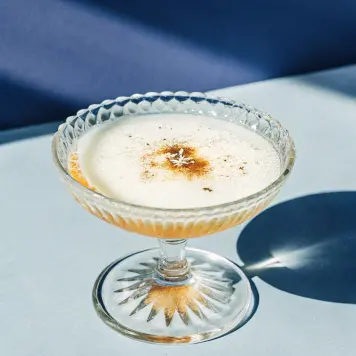
Krambambula is a spiced honey liqueur often used in desserts and believed to have originated in the Grand Duchy of Lithuania. Its name comes from a popular 18th century drinking song.
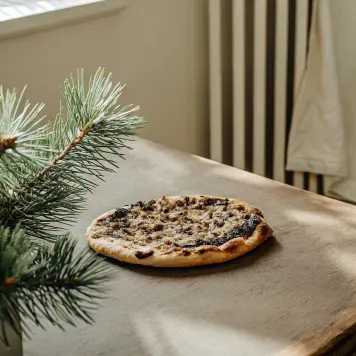
Sochen with poppy seeds
Sochen is a thin unleavened flatbread traditionally baked for Christmas Eve and served with a sweet poppy seed filling. In Hrodna, locals often add crushed nuts and dried apples for extra flavor.
Draniki with apple and cinnamon
While draniki are usually savory potato pancakes, in Hrodna they are often sweetened with grated apple and cinnamon. They are served with sour cream or honey as a beloved local dessert.
Tradisjonelle salte retter

Draniki
Draniki are crispy potato pancakes that are considered the national dish of Belarus. In Hrodna, they are often served with sour cream, fried onions, or mushroom sauce.
Machanka
Machanka is a thick, hearty gravy made from pork fat, flour, and sour cream, traditionally served with thick Belarusian pancakes called bliny. It is a rustic winter comfort food beloved in the Hrodna region.
Kolduny
Kolduny are stuffed dumplings similar to pierogi, filled with meat and mushrooms. In Hrodna, the local version is sometimes called "magic dumplings" and was a favorite of the Polish-Lithuanian nobility.
Tradisjonelle drikker

Krambambula (drink version)
This spiced honey liqueur is one of the most famous beverages from the Hrodna region. It was historically brewed by Dominican monks in the city and is still made today with honey, spices, and alcohol.
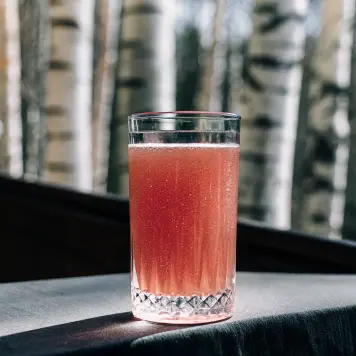
Bierzo
Bierzo is a traditional Belarusian birch sap drink collected in early spring. Hrodna locals tap birch trees in March for this refreshing, slightly sweet beverage that is believed to cleanse the blood.
Kvass
Kvass is a fermented rye bread drink that is a staple across Belarus. In Hrodna, it is often homemade with local rye bread and flavored with mint, berries, or dried fruits.
Ofte stilte spørsmål om Hrodna, Belarus
Er Hrodna, Hviterussland trygt for turister?
Hvor mange dager i Hrodna, Hviterussland er nok?
Beste tid å besøke Hrodna, Hviterussland?
Er Hrodna, Hviterussland dyrt å besøke?
Hvordan komme seg rundt i Hrodna, Hviterussland?
Få en PDF med de mest populære attraksjonene sendt til din e-post
Få en PDF med alle attraksjoner, vurderinger og tips. Perfekt for offline bruk.
Mest populære dagsturer
Mir Castle
A UNESCO World Heritage castle with Gothic and Renaissance architecture.
Nesvizh Castle
Historic palace and park complex, another UNESCO listed site.
Augustow Canal
Scenic 19th century canal connecting Belarus and Poland, great for walks and boat trips.
Bialowieza Forest
Ancient primeval forest and UNESCO site, home to European bison.
Hvordan komme dit
Togstasjoner
Minsk, Brest, Vilnius, Warsaw
From Grodno Airport, take a taxi or bus to city center (20 min). From Minsk, take a direct train (4h) or bus (4.5h).
Nyttig informasjon for Hrodna, Belarus
Oversikt for Hrodna, Belarus
Vil du ha en dag-for-dag-plan for Hrodna, Belarus? Åpne reiseplanleggeren
Når skal du til Hrodna, Belarus?
Velg dine datoer og reise-stil for å få:
Er noen av disse spesielt viktige for deg?
Velg alle som gjelder
Komme seg rundt
Hvordan vil du bevege deg mellom stedene?
Planspråk: Norsk Bokmål