 CityBuddy
 Norsk Bokmål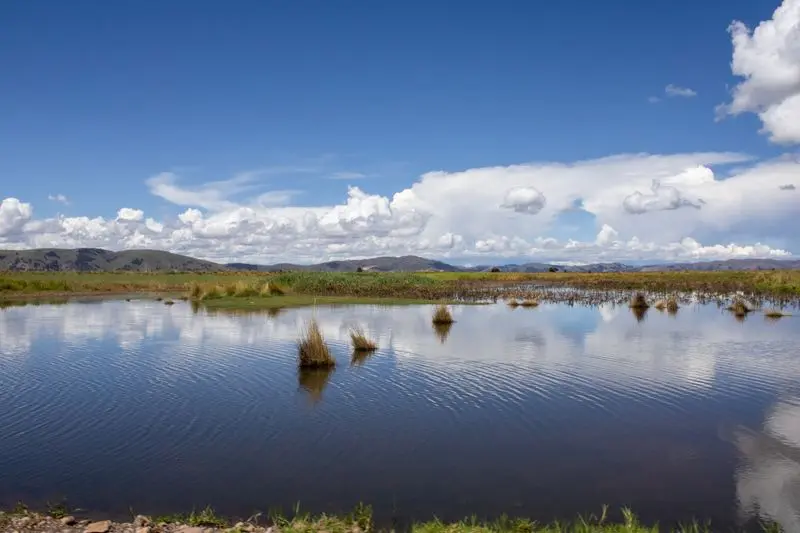
Ting å gjøre i Puno, Peru
Foto tatt av Jesse Benjamin Lara Serna på Pexels.com
Når bør du besøke
Mest populære attraksjoner i Puno, Peru
De beste tingene å gjøre i Puno i Peru dreier seg om Titicacasjøen, verdens høyest beliggende seilbare innsjø på 3 812 meter. Ta båt til de flytende øyene Uros, hvor 1 200 innbyggere bor på lagdelte totorastrår. Besøk deretter Taquileøya, en 45-minutters båttur unna, kjent for sine intrikate håndvevde tekstiler og gamle inka-terrasser.
1. Lake Titicaca
Ingen andre steder på jorden kan du sove på en øy laget av siv som flyter på verdens høyest beliggende seilbare innsjø. Kjenn de svampete totorasivene under føttene når uro-familier inviterer deg inn i deres århundregamle flytende livsstil.
Raske fakta: Den ligger på grensen mellom Peru og Bolivia, 3 812 meter over havet, og er verdens høyestliggende seilbare innsjø. Innsjøen har 41 øyer, og mange av dem er flytende øyer som urofolket har vevd for hånd av totorastrår.
Høydepunkter: Urofolket bygger hele øyer av totorastrår som vokser i innsjøen, og de har levd slik i århundrer for å unnslippe konflikter på land. Du kan faktisk gå på disse spenstige øyene og kjenne dem bevege seg under føttene mens kvinner vever sivdukker og menn reparerer hjemmene sine med ferske strå hver noen uker.
2. Uros Floating Islands
Gå ut på en menneskeskapt øy håndvevd av innsjøsiv som flyter på verdens høyest seilbare innsjø. Du får møte lokale familier, ta en tur med en tradisjonell sivebåt og kjenne den svampete bakken bevege seg under føttene.
Raske fakta: Disse 70 pluss øyene er håndvevd av sammenflettede lag med tortorasiv som vokser i innsjøbunnen, og krever konstant vedlikehold ettersom sivet råtner nedenfra. Hver øy har sin egen skole, og noen har til og med solcellepaneler og fotballbaner som flyter rett på vannet.
Høydepunkter: Øyene absorberer vann som en svamp under føttene, så du kjenner bokstavelig talt bakken squishes og beveger seg mens du går over 6 til 8 fot med tettpakket siv. Familier roterer boligbygging med noen års mellomrom fordi sivet under råtner, noe som betyr at hvert hjem til slutt bygges opp på nytt fra bunnen av på ferske lag.
3. Taquile Island
En innsjøøy der tekstiler forteller historier og menn strikker ved vannkanten. Se håndvevde mesterverk ta form mens du bader i det koboltblå vannet 3 812 meter over havet.
Raske fakta: Øyas 2000 innbyggere driver hele samfunnet gjennom et unikt rotasjonssystem der alle tar tur i lederroller, fra fiske til kvalitetskontroll av veving. Håndvevde tekstiler fra Taquile er anerkjent av UNESCO som et mesterverk av menneskehetens muntlige og immaterielle kulturarv, med mønstre som koder for århundrer med andinsk symbolikk og fellesskapets historie.
Høydepunkter: Menn på Taquile lærer å strikke fra barndommen av, og jobber ofte på tradisjonelle vevstoler mens de går eller småprater, en reversering av kjønnsroller som er sjelden i Andes. Hvert tekstils mønster avslører bærerens sivilstatus, rolle i samfunnet, og til og med om de er singel eller på utkikk, en bærbar sosial profil vevd i saueull og naturlige farger.
4. Plaza de Armas
Punos bankende hjerte, der innsjøkultur møter høyfjellskolonialhistorie. Se andinske dansere virvle over eldgamle steiner mens gateselgere selger diger choclo-mais rett fra dampkokeren.
Raske fakta: Perus høyeste hovedplass ligger 3 860 meter over havet, noe som gjør selv en rolig spasertur til en treningsøkt. Plassen har vært vitne til alt fra urfolksopprør til uavhengighetserklæringer, alt innrammet av koloniale buer og den mektige katedralen i Puno.
Høydepunkter: Fra plassens sentrale fontene har du direkte utsikt til katedralens intrikate mestizo-baroque fasade, hogd ut av lokal vulkansk stein av urfolkshender. Hver søndag morgen forvandles plassen til et fyrverkeri av farger når dusinvis av folkedansgrupper i paljetter og fjær kjemper om plassen, og klokkene og musikken deres ekko mot de koloniale buene.
5. Puno Cathedral
Et mesterverk av andinsk barokkarkitektur, der urfolkssymboler gjemmer seg i fullt syn på steinfasaden. Gå inn for å oppleve 17 kolonitidsmalerier og et strålende sølvalter under høye kuppler.
Raske fakta: Fasaden ser ut til å være hugget ut av en enkelt steinblokk takket være den fantastiske renessanse- og barokkfusjonen laget av vulkansk stein. Inne i katedralen finnes 17 oljemalerier fra Cusco-skolen og et sølvbelagt alter som glitrer i kuplens naturlige lys.
Høydepunkter: Se nøye på fasadenes intrikate utskjæringer, og du vil oppdage andinske symboler som chakana (inkakors) og pumahoder vevd inn i den katolske billedverdenen, en subtil handling av urbefolkningens motstand. Katedralens byggherrer brukte lokal rosa vulkansk stein som skifter farge gjennom dagen, og blir dyp rosarød ved solnedgang og sølvgrå under middagssolen.
6. Sillustani
Se solnedgangen male 12 meter høye steintårn i gull ved et hellig gravsted med utsikt over en høytliggende innsjø. Du vandrer blant eldgamle graver som er eldre enn inkaene, med kondorer som sirkler over hodet og Andesfjellene som strekker seg uendelig bak dem.
Raske fakta: Plassert på en halvøy som stikker ut i Umayosjøen, ligger dette før-inkaiske gravkomplekset med gravtårn kalt chullpas som rager opptil 12 meter høyt. Colla-folket bygde disse tårnene mellom 1100- og 1400-tallet, og plasserte sine mumifiserte eliteskikkelser inni med ansiktet vendt østover mot den oppadgående solen.
Høydepunkter: I motsetning til inkaene som senere erobret dem, bygde Colla-folket sine chullpas med steiner som var så presist sammenføyd at du ikke kan stikke et papirark mellom dem, og likevel brukte de ingen mørtel i det hele tatt. Stå inne i et av de høyeste tårnene ved solnedgang, og vinden pisker gjennom den trange inngangen og skaper en lav dur, akkurat slik byggherrene hadde tenkt for sine samtaler med de døde.
7. Museo Carlos Dreyer
Grav fram 10 000 år med peruansk høylandskultur under ett kolonitak. Se på nifs mumier, gylne Qulla-kroner og de personlige skattene til en tysk oppdager som gjorde Puno til sitt hjem.
Raske fakta: Museet ligger i et 1600-talls koloniherregård som en gang tilhørte spansk adel. Samlingen spenner over 10 000 år med regional historie, fra pre-inkaiske steinutskjæringer til uhyggelig kolonitidens religiøs kunst.
Høydepunkter: Gjemt i et stille hjørne rommer et enkelt rom Carlos Dreyers personlige samling av gull- og sølvgjenstander som han selv gravde ut fra de nærliggende Sillustani-gravtårnene. Lyset treffer det polerte metallet på en spesiell måte og avslører intrikate geometriske mønstre som Qulla-folket hamret inn i brystplater og kroner for over 800 år siden.
8. Arco Deustua
Stå under 11 meter høye granittbuer som markerer et vendepunkt i Perus uavhengighet. Se veggene lyse oransje i den gylne timen mens lokale selger anticuchos fra traller ved foten.
Raske fakta: Fire massive steinbuer rager 11 meter høyt, hogd ut av rosa granitt som ble fraktet 40 kilometer unna. Monumentet minnes slaget ved Junín i 1824, en av de siste konfliktene i Perus uavhengighetskrig mot Spania.
Høydepunkter: I motsetning til de mer prangende monumentene i andre andinske byer, er dette laget av kolossale rosa granittblokker som gløder i brent oransje ved solnedgang. Lokalbefolkningen samles her hver kveld for spontane matboder og dominospill, noe som gjør det til et levende fellesskapsrom snarere enn et statisk monument.
Where to Stay in Puno, Peru
Selected by City Buddy based on guest reviews and proximity to top attractions
Search all hotels in Puno, PeruPowered by agoda
Åpningsdager i Puno, Peru
Hvilke av de beste severdighetene er stengt hvilken ukedag. Den klassiske reiseødeleggeren, sjekket for deg.
lørdag: 1 av 4 toppseverdigheter er stengt. Planlegg museumsbesøk en annen dag.
Stengt på lørdag · 1 stengt, 3 åpne
Åpningsdager fra Google Maps (sjekket 2026-06-29). Helligdager, streiker og sesongbaserte åpningstider kan variere. Sjekk den offisielle nettsiden før du drar.
Tradisjonelle søte retter
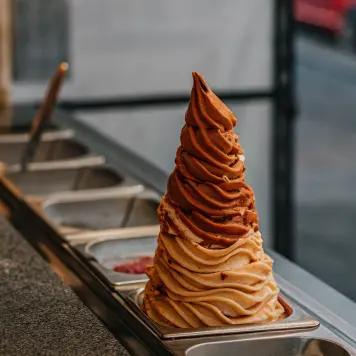
Queso Helado
Despite its name meaning "frozen cheese," Queso Helado contains no cheese at all. It is a creamy cinnamon-vanilla frozen dessert made from milk, coconut, and sugar, traditionally shaved into layers and sold by street vendors in Puno.
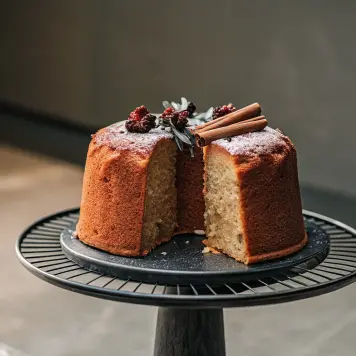
Torta de Quinua
This dense, sweet cake is made from quinua, a sacred Andean grain that has been cultivated on the altiplano around Lake Titicaca for thousands of years. It is often flavored with cinnamon, cloves, and dried fruits.
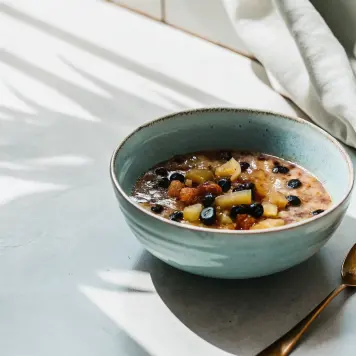
Mazamorra de Frutas
This thick, warm fruit pudding is made with local Andean fruits like aguaymanto and tuna (cactus fruit). It is sweetened with chancaca, a traditional unrefined cane sugar, and thickened with cornstarch or chuño flour.
Tradisjonelle salte retter
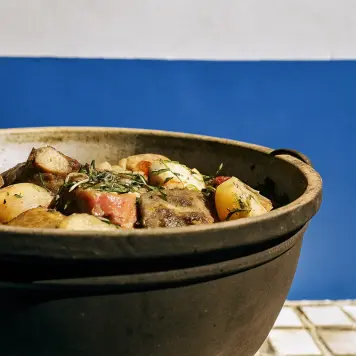
Pachamanca
Pachamanca means "earth pot" in Quechua, as the dish is cooked by burying marinated meats, potatoes, and herbs in a pit with hot stones. It is a ceremonial feast that honors Pachamama, the Earth Mother goddess revered by Andean communities around Lake Titicaca.
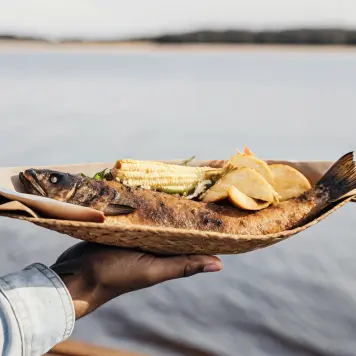
Trucha Frita
Lake Titicaca, the highest navigable lake in the world, is the source of the rainbow trout used in this dish. The trout is typically seasoned with local herbs like muña (Andean mint) and served with giant corn and fried potatoes.
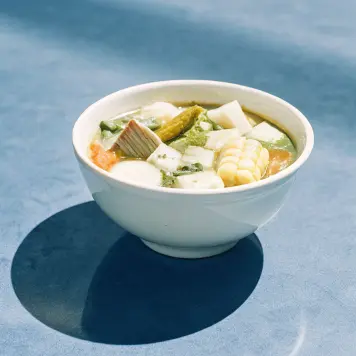
Chairo
Chairo is a hearty soup containing freeze-dried chuño potatoes, llama or sheep meat, and vegetables like corn and lima beans. It dates back to pre-Columbian times and was a staple for the Quechua and Aymara people of the highlands.
Tradisjonelle drikker
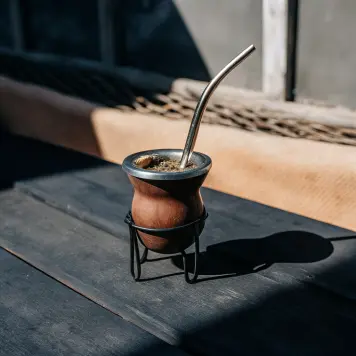
Mate de Coca
This herbal tea made from coca leaves is a traditional remedy for altitude sickness, which is essential in Puno at 3,830 meters above sea level. Locals have chewed and brewed coca leaves for thousands of years for energy and to aid digestion.

Chicha de Quinua
Unlike the corn-based chicha found elsewhere in Peru, this Puno version is fermented from quinua and has a slightly thicker, creamier texture. It is often consumed during festivals and is believed to have been a sacred drink in Inca rituals.
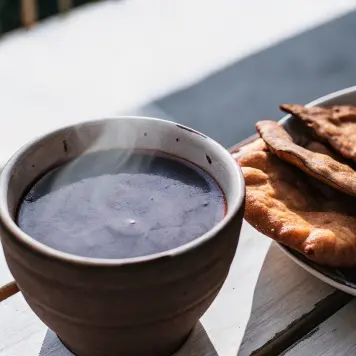
Api con Sopaipillas
Api is a thick, warm purple corn drink flavored with cinnamon, cloves, and fruit peel, commonly sold by street vendors at dawn in Puno's markets. It pairs perfectly with crispy fried sopaipillas (sweet pumpkin pastries) for a classic highland breakfast.
Ofte stilte spørsmål om Puno, Peru
Er Puno i Peru trygt for turister?
Hvor mange dager i Puno i Peru er nok?
Når er den beste tiden å besøke Puno i Peru?
Er Puno i Peru dyrt å besøke?
Hvordan kommer man seg rundt i Puno i Peru?
Få en PDF med de mest populære attraksjonene sendt til din e-post
Få en PDF med alle attraksjoner, vurderinger og tips. Perfekt for offline bruk.
Mest populære dagsturer
Lake Titicaca (Uros Floating Islands)
Iconic floating islands made of totora reeds on Lake Titicaca.
Sillustani Burial Towers
Pre-Inca chullpa burial towers on a peninsula overlooking Lake Umayo.
Amantani Island
Peaceful island with homestays and stunning lake views.
Chucuito
Small town with the Temple of Fertility and Inca stone structures.
Hvordan komme dit
Flyplasser
Togstasjoner
Cusco to Puno (PeruRail / Andean Explorer service)
Fly into Juliaca Airport (JUL) 50 km away. Buses and taxis connect to Puno in about 1 hour. Or arrive by train from Cusco for a scenic route.
Nyttig informasjon for Puno, Peru
Oversikt for Puno, Peru
Vil du ha en dag-for-dag-plan for Puno, Peru? Åpne reiseplanleggeren
Når skal du til Puno, Peru?
Velg dine datoer og reise-stil for å få:
Er noen av disse spesielt viktige for deg?
Velg alle som gjelder
Komme seg rundt
Hvordan vil du bevege deg mellom stedene?
Planspråk: Norsk Bokmål