 CityBuddy
 Nederlands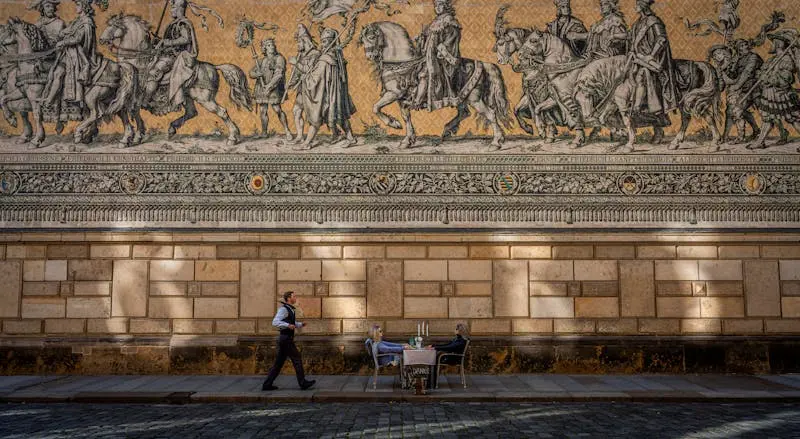
Wat te doen in Dresden, Germany
Foto gemaakt door Duc N. op Pexels.com
Wanneer te bezoeken
Wanneer ga je naar Dresden, Germany?
Kies je data en reisstijl om te krijgen:
Zijn er dingen die voor jou extra belangrijk zijn?
Selecteer alles wat van toepassing is
Plan language: NederlandsMeest populaire attracties in Dresden, Germany
For spectacular things to do in Dresden, Germany, begin at the Zwinger Palace, a Baroque masterpiece whose crown gate and sprawling courtyard host Old Masters paintings including Raphael's Sistine Madonna. Steps away, the reconstructed Frauenkirche Dresden rises with its 96-meter sandstone dome. Music lovers should book tickets for the Semperoper Dresden, a 1,300-seat opera house on the Elbe's bank.
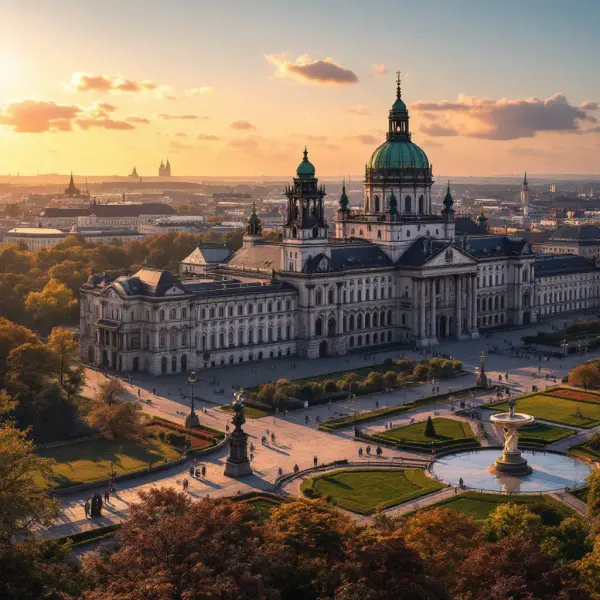
1. Zwinger Palace
A Baroque palace courtyard wrapped in delicate stone galleries and filled with over a million porcelain treasures. Wander through airy arcades, discover the famous "Sistine Madonna," and watch light dance across the fountains at golden hour.
Korte feiten: De weelderige barokke galerijen van de Zwinger herbergen meer dan een miljoen porseleinen stukken en vormen daarmee een van de grootste porseleincollecties ter wereld. De enorme binnenplaats was ooit het toneel van weelderige hoffeesten met honderden lantaarns, orkestrale uitvoeringen en zelfs mechanische fonteinen die wijn sproeiden.
Hoogtepunten: Ga in de passage van de kroonpoort staan en klap één keer in je handen: de perfecte akoestiek van de boog laat het geluid terugkaatsen als een heldere, scherpe echo die bijna bovennatuurlijk aanvoelt. Dit was opzettelijk zo ontworpen door architect Matthäus Daniel Pöppelmann om koninklijke proclamaties en muziek tijdens festiviteiten op de binnenplaats te versterken.
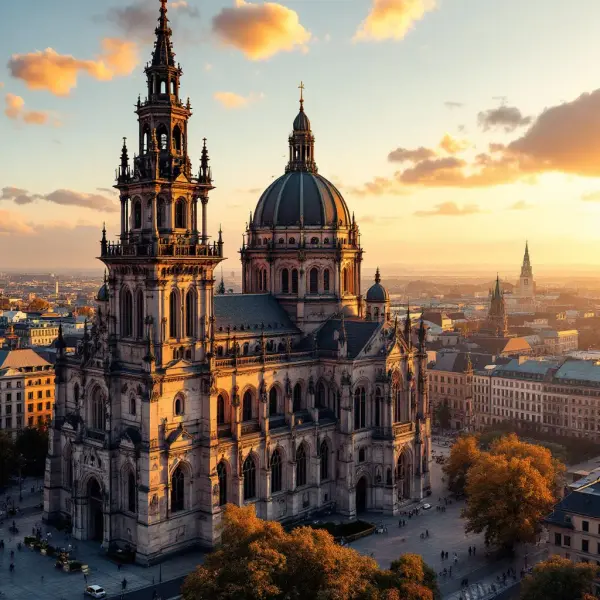
2. Frauenkirche Dresden
Faithful reconstruction from a pile of 8,400 numbered rubble stones makes this a living monument to peace. Inside, the kaleidoscope of pastel colors from the 360-degree balcony and glowing golden altar will stop you mid-stride.
Korte feiten: Meer dan 9.500 ton zandsteen is gebruikt om deze kerk te herbouwen na de verwoesting in de Tweede Wereldoorlog, waarbij 8.400 originele stenen zorgvuldig genummerd en hergebruikt zijn. De karakteristieke koepel van 96 meter, bijeengehouden door ijzeren banden gesmeed door een lokale smid, overleefde 200 bomexplosies voordat hij instortte op de tweede dag van het vuurbombardement.
Hoogtepunten: Kijk goed naar de buitenmuren en je ziet donkere, verschroeide stenen naast heldere nieuwe exemplaren, een bewust "stenen mozaïek" dat het verhaal van verwoesting en wedergeboorte vertelt. Een eenzaam kruis bovenop de koepel werd gesmeed uit spijkers die uit het puin waren teruggevonden door een Britse smid wiens vader bommenpiloot was in de Tweede Wereldoorlog, een stille geste van verzoening.
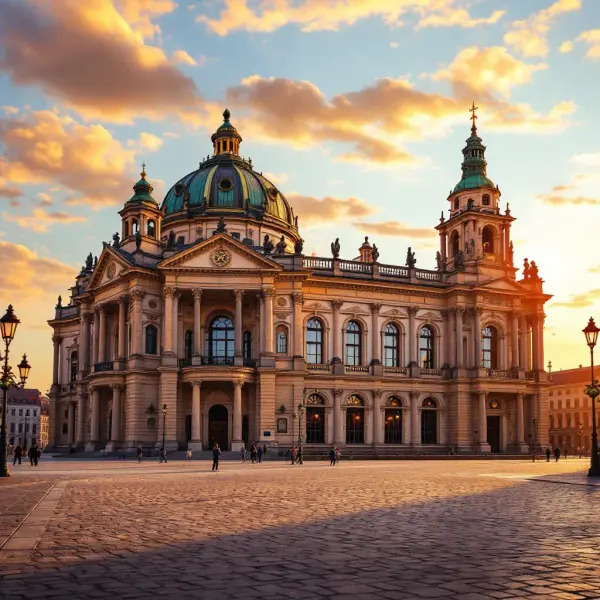
3. Semperoper Dresden
Watching an opera here means sitting inside one of the world's most acoustically perfect halls, rebuilt from ashes twice over. You will hear every breath of the singers and every bow stroke from any of the 1,300 seats.
Korte feiten: Twee enorme branden en het bombardement van 1945 hebben dit operagebouw tot puin gereduceerd, maar elke keer hebben de inwoners van Dresden het met nauwgezette precisie herbouwd. De oorspronkelijke architect uit 1841 ontwierp de zaal bewust onzichtbaar van buitenaf, zodat de muziek en uitvoering de volledige ervaring worden.
Hoogtepunten: Binnen in de zaal buigt de gestapelde zitplaatsen als een reusachtige zeeschelp in vijf sierlijke ringen, en vanaf elk van de 1.300 stoelen kun je het podium duidelijk zien. Het oorspronkelijke ventilatiesysteem uit de 19e eeuw gebruikte verborgen schoorstenen door het hart van het gebouw, die warme lucht geluidloos afvoeren zodat geen enkel ventilatorgeluid ooit een pianissimo passage onderbreekt.
Heb je gehoord van gratis wandeltochten?
Na reizen naar meer dan 30 landen, is er één ding dat ik graag vanaf dag één had willen weten, en dat heeft mijn ervaring met nieuwe steden compleet veranderd.
Gratis wandeltochten. Ja, echt gratis. Geen creditcard nodig. Geen addertje onder het gras.
Lokale gids, 2-3 uur
Belangrijke bezienswaardigheden, verborgen pareltjes, lokale verhalen
100% op fooien gebaseerd
Gidsen verdienen alleen fooien, dus ze geven hun absolute best
Je geeft een fooi wat goed voelt
Aan het einde geef je gewoon een fooi wat je passend vindt
Ik heb deze in tientallen steden gedaan en ze waren het hoogtepunt van bijna elke reis. Als je Dresden, Germany bezoekt, doe dit dan op je eerste dag. Je zult me later dankbaar zijn.
4. Fürstenzug
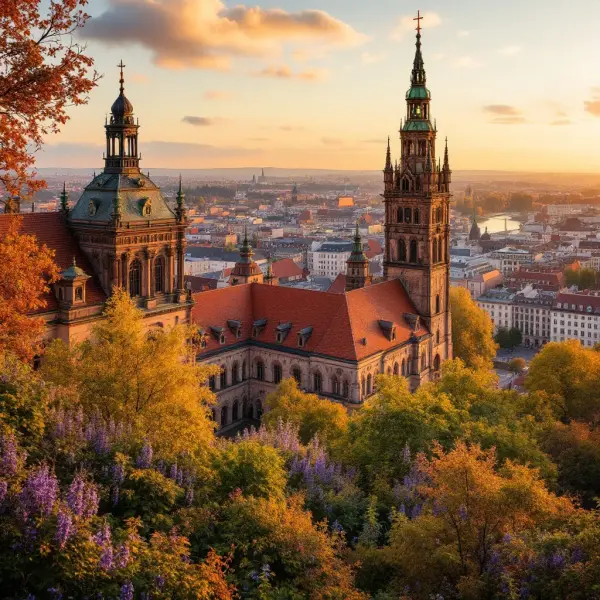
Nowhere else in the world will you find the largest porcelain artwork ever made, spanning an entire city block. Walk alongside 24,000 hand-painted Meissen tiles depicting nearly a thousand years of royal history.
Korte feiten: Met een lengte van 102 meter over de muur van het koninklijke paleis van Dresden bestaat deze porseleinen processie uit 93 levensgrote figuren op ongeveer 24.000 Meissen porseleinen tegels. Elke figuur stelt een Wettin-heerser of opmerkelijke persoonlijkheid voor, die chronologisch marcheert van de 12e eeuw tot het begin van de jaren 1900.
Hoogtepunten: De meeste bezoekers merken niet dat de keramische tegels het bombardement van Dresden in 1945 vrijwel intact hebben overleefd, terwijl het hele paleis eromheen instortte. De tegels hadden alleen een zachte reiniging met water nodig om roet te verwijderen en kwamen tevoorschijn als een van de weinige originele vooroorlogse oppervlakken die nog steeds in de stad te zien zijn.
5. Brühl's Terrace
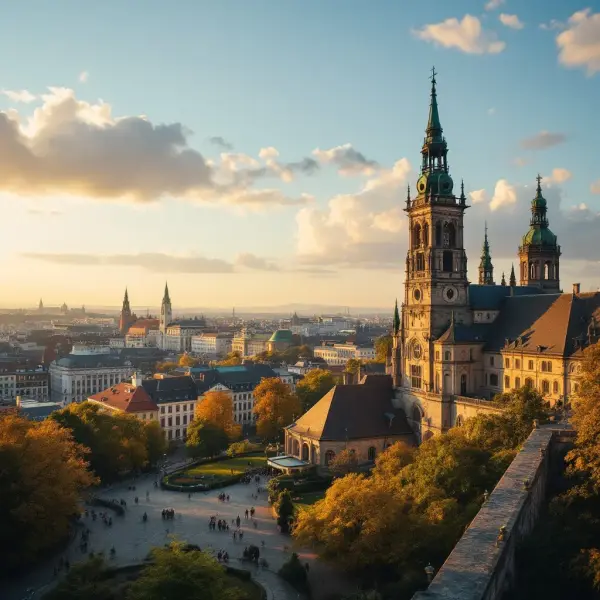
Nowhere else in Dresden can you take in the entire city skyline from a single spot. Come for the 180-degree river views, stay for the golden-hour light show on sandstone and spires.
Korte feiten: Stretching nearly 500 meters along the Elbe River, this sandstone terrace rises dramatically above the water and offers uninterrupted panoramic views of the entire Dresden skyline. Locals affectionately call it "the Balcony of Europe," a nickname coined by a 19th-century painter who was captivated by its sweeping vistas.
Hoogtepunten: In 1814, a frustrated general ordered the medieval fortress wall that once stood here to be transformed into a public promenade, turning a defensive barrier into one of Europe's most beautiful urban viewpoints. Three terracotta-colored staircases, each with 74 steps, carry visitors up from the riverbank level, and at sunrise the sandstone glows so warm that photographers camp out an hour early to claim their spot.
6. Loschwitz Bridge (Blue Wonder)
Blue Wonder
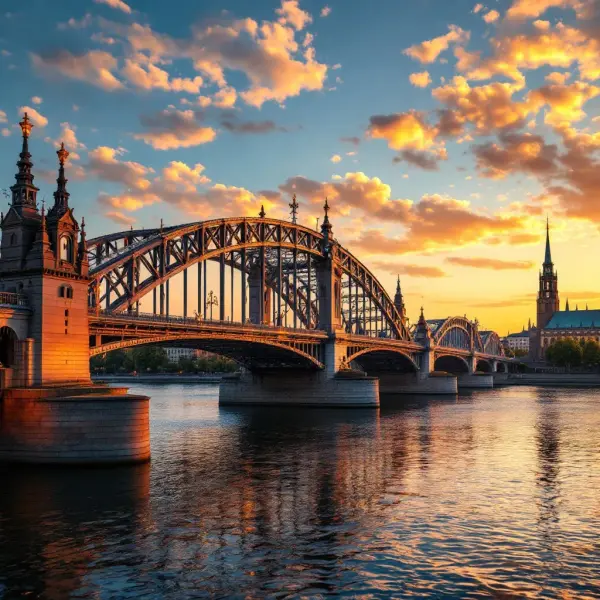
Take a front-row seat to a 130-year-old marvel of engineering that still carries trams and cars daily. Walk or bike across the Elbe while soaking in sweeping views of Dresden's Elbe Valley.
Korte feiten: Met een overspanning van 280 meter over de rivier de Elbe was deze stalen vakwerkbrug de eerste in zijn soort in Europa toen hij werd geopend. De kenmerkende blauwgroene kleur komt van meer dan 30.000 liter verf, wat de lokale bevolking de liefkozende bijnaam "Blaues Wunder" heeft gegeven.
Hoogtepunten: Met 141 meter was de centrale overspanning zo gewaagd voor de bouw in 1893 dat ingenieurs geen steunpilaren in het water nodig hadden, een radicale primeur voor de Europese bruggenbouw. Je kunt eronder staan op de Loschwitz-oever en zien hoe de hele constructie van 2.500 ton bij elkaar wordt gehouden met alleen klinknagels en stalen spanning.
7. Pillnitz Castle
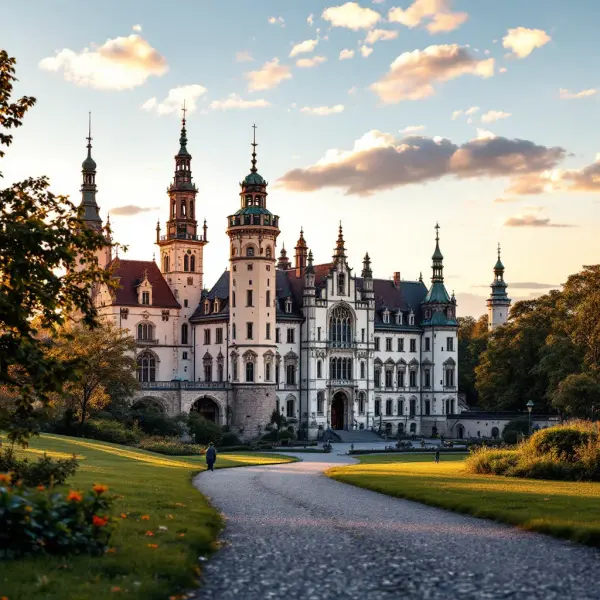
A Chinese-style palace on the Elbe, straight out of a fairy tale. Wander through ornate halls, browse a seasonal flower show in the orangery, then sip coffee on the river terrace.
Korte feiten: Chinese workers painted tens of thousands of miniature scenes across the palace walls using real gold leaf, a detail most visitors walk right past. The castle sits directly on the Elbe River and its grounds flood several times each decade, forcing staff to move priceless furniture to higher floors.
Hoogtepunten: Every summer the palace's sprawling English garden transforms into a stage for Europe's oldest folkloric boat parade, complete with dozens of elaborately decorated vessels drifting down the Elbe. For one July weekend, the castle's serene riverside lawns fill with costumed performers, traditional music echoing across the water as fireworks burst over the turrets.
Where to Stay in Dresden, Germany
Selected by City Buddy based on guest reviews and proximity to top attractions
Search all hotels in Dresden, GermanyPowered by agoda
Traditionele zoete gerechten

Dresdner Stollen (Christstollen)
This famous fruit bread has been baked in Dresden since the 14th century. The original version was so bland due to Lenten butter restrictions that Saxon nobles had to petition the Pope for permission to use butter.

Dresdner Eierschecke
This layered cheesecake has a name derived from "Eierschecke," referring to a type of fabric underskirt, because the cake's layers resemble the ruffled hem of a dress. It features a quark cheese layer, custard, and a thin yeast dough base.

Pulsnitzer Pfefferkuchen
These traditional gingerbread-like spiced cookies come from the Pulsnitz region near Dresden. They are made with honey and a secret blend of spices, and have been baked using traditional recipes for over 400 years.
Traditionele hartige gerechten

Sächsischer Sauerbraten
Unlike other German versions made with beef, the Saxon Sauerbraten is traditionally made with horse meat, though beef is much more common today. The meat is marinated for several days in a mixture of vinegar, wine, and spices before slow roasting.

Leipziger Allerlei
Despite its name referencing Leipzig, this vegetable medley of peas, carrots, asparagus, and morels originated in the wider Saxony region including Dresden. It was once called "the most expensive vegetable side dish in the world" due to its use of premium ingredients.

Quarkkäulchen
These small fried potato-quark dumplings are a Saxon specialty that can be served savory with sauerkraut or sweet with applesauce and cinnamon sugar. They were a favorite dish of the Saxon royal court in Dresden.
Traditionele dranken

Radeberger Pilsner
Brewed just outside Dresden in Radeberg since 1872, this is one of Germany's most famous pilsner beers. It was the official beer of the Saxon royal court and was even served on the Titanic.

Dresdner Christstollen Punch
This warm winter punch is a beloved treat at the Dresden Striezelmarkt, Germany's oldest Christmas market dating back to 1434. It combines rum, tea, and spices, traditionally served in a festive mug.

Altschadower Fassbrause
This traditional Saxon soft drink is made from a mix of malt, fruit extracts, and spices, creating a slightly fizzy, tangy flavor. It was a popular non-alcoholic alternative in Dresden breweries dating back over 100 years.
Frequently Asked Questions about Dresden, Germany
Is Dresden, Germany safe for tourists?
How many days in Dresden, Germany are recommended?
What is the best time to visit Dresden, Germany?
Is Dresden, Germany expensive for tourists?
How to get around Dresden, Germany?
Ontvang een PDF met de populairste attracties in je e-mail
Ontvang een PDF met alle attracties, beoordelingen en tips. Perfect voor offline gebruik.
Meest populaire dagtochten
Meissen (Meißen)
Charming town known for its famous Meissen porcelain and picturesque old town.
Saxon Switzerland National Park
Stunning sandstone rock formations, hiking trails, and the iconic Bastei Bridge.
Leipzig
Vibrant city with music heritage, museums, and a lively cultural scene.
Prague, Czech Republic
Historic capital with Gothic architecture, Charles Bridge, and Old Town Square.
Moritzburg Castle
Fairytale Baroque castle surrounded by a scenic lake and forest.
Rent a car in Dresden, Germany
Er komen
Luchthavens
Treinstations
ICE, IC, EC, regional trains to Berlin, Leipzig, Prague, and across Saxony
ICE, regional trains and S-Bahn connections
From Dresden Airport, take tram line 7 or S-Bahn S2 to the city center in about 20 minutes. From the main train station, trams and buses connect to all major attractions.
Vind vluchten naar Dresden, Germany
Klik om eSim te krijgen voor Dresden, Germany
De gemakkelijkste en meest betaalbare manier om mobiel internet te krijgen waar je ook reist.
Nuttige informatie voor Dresden, Germany
Overzicht voor Dresden, Germany
Most popular itineraries for Dresden, Germany
Browse trip plans created by other travelers
Reacties (8)
Buy the Dresden City Card if you plan to hit more than 2 museums. Pays for itself and includes transit. Saved us like 20 euros.
The tram system is super easy and runs on time. Download the DVB app for tickets. Way faster than waiting for buses.
The Frauenkirche is incredible but honestly the whole city center felt like a museum piece. Beautiful but didn't feel alive.
Get dinner in Neustadt not Altstadt. Walk across the river. Same quality food for half the price and actual locals eat there.
Mixed feelings. Some parts are gorgeous rebuilt architecture but a lot of construction still going on. Give it 2-3 days max.