CityBuddy
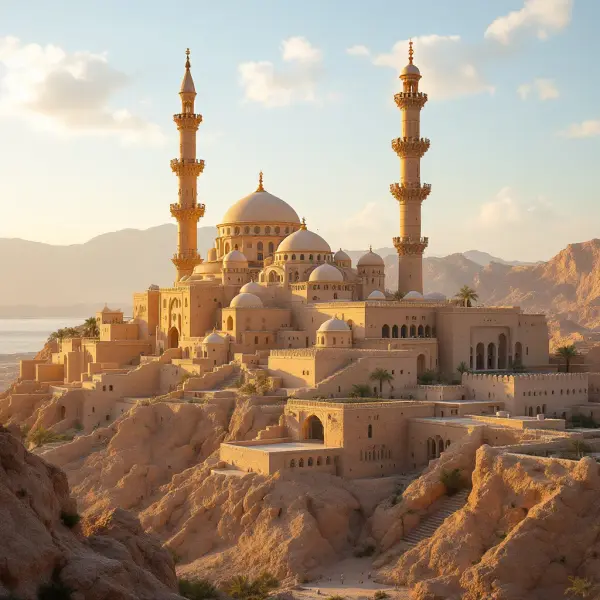
Qalhat
Beste tijd om te bezoeken
Visit between November and February when temperatures are pleasant. Go in the late afternoon for golden light on the limestone ruins.
Budgettips
Entry is free as the site is open and unguarded. No tickets or passes needed.
Aanbevolen voor
History enthusiasts, Photography lovers, Off-the-beaten-path travelers, Archaeology buffs
Plan je bezoek
1-2 hours
Over
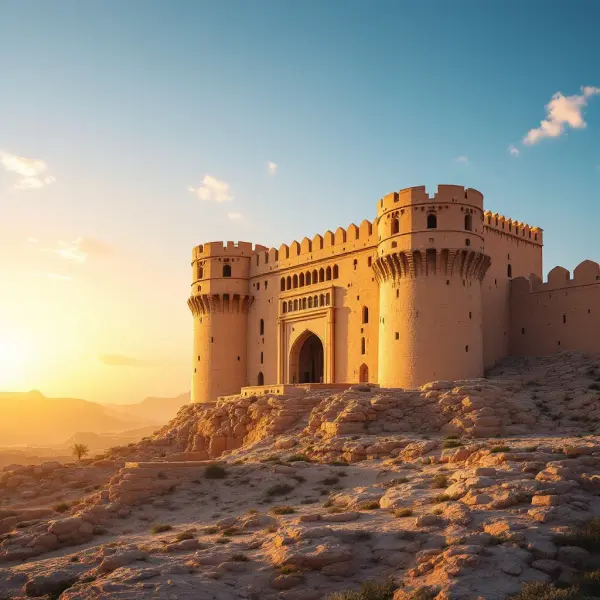
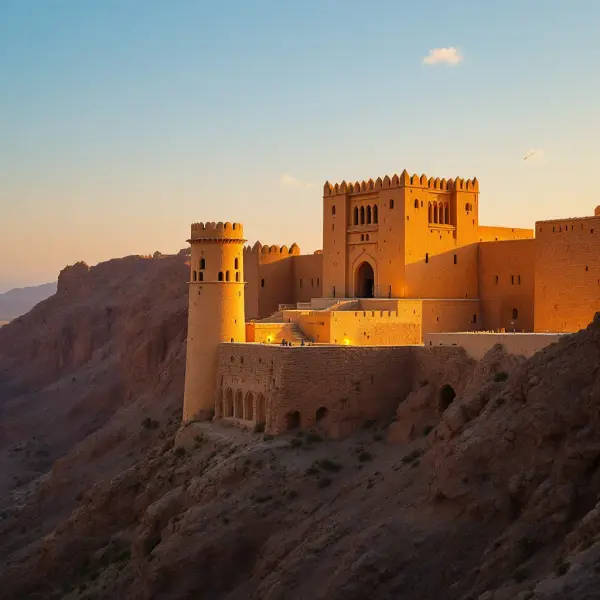
Korte feiten: Ooit een belangrijke handelshaven die concurreerde met Hormuz, was Qalhat de tweede stad van het Koninkrijk Ormus, waar handelaren zijde, specerijen en paarden verhandelden over de Indische Oceaan. Een 14e-eeuwse reiziger beschreef de gebouwen als "goed gebouwd en doen denken aan Basra," met het beroemde Bibi Maryam-mausoleum dat nog steeds overeind staat als een getuigenis van zijn voormalige glorie.
Hoogtepunten: Het Bibi Maryam-mausoleum, met zijn hoog oprijzende gewelfde muren en ingewikkeld gebeeldhouwde nissen, is de enige overgebleven structuur uit Qalhats gouden eeuw en staat nog steeds zonder dak, open naar de woestijnhemel na 700 jaar. Volgens de lokale legende werd het mausoleum gebouwd door een rouwende koningin voor haar echtgenoot, en de plek blijft een plaats waar Omaanse families komen picknicken tussen de ruïnes, terwijl kinderen tussen eeuwenoude stenen door rennen.
Insidertips
- Wear closed-toe shoes with good grip as the terrain is uneven with loose stones and occasional snakes.
- Bring plenty of water and sun protection, there is zero shade across the entire archaeological site.
- Combine with a visit to nearby Wadi Shab or the fishing village of Sur to make a full day trip from Muscat.
- Look for the ancient water cisterns carved into the rock, easy to miss but fascinating to examine up close.
Praktische info
Where to Stay in Sur
Selected by City Buddy based on guest reviews and proximity to top attractions
Search all hotels in SurPowered by agoda